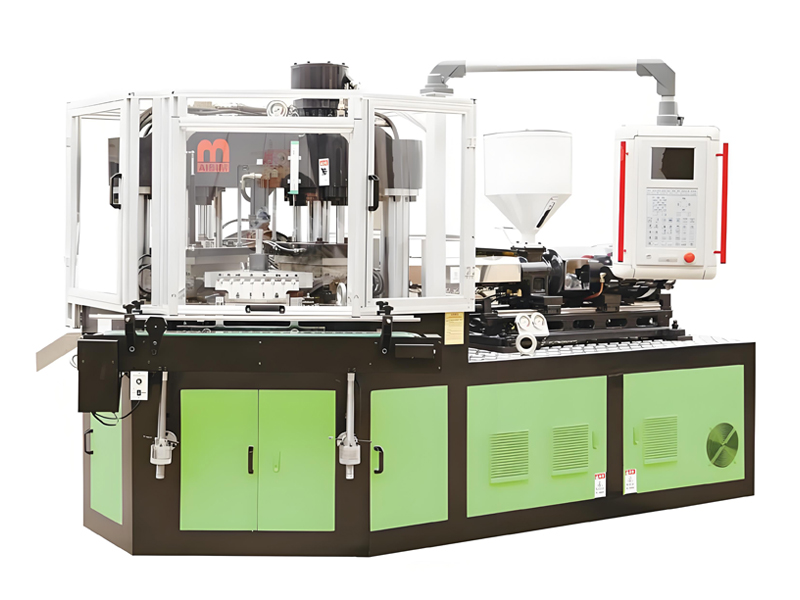
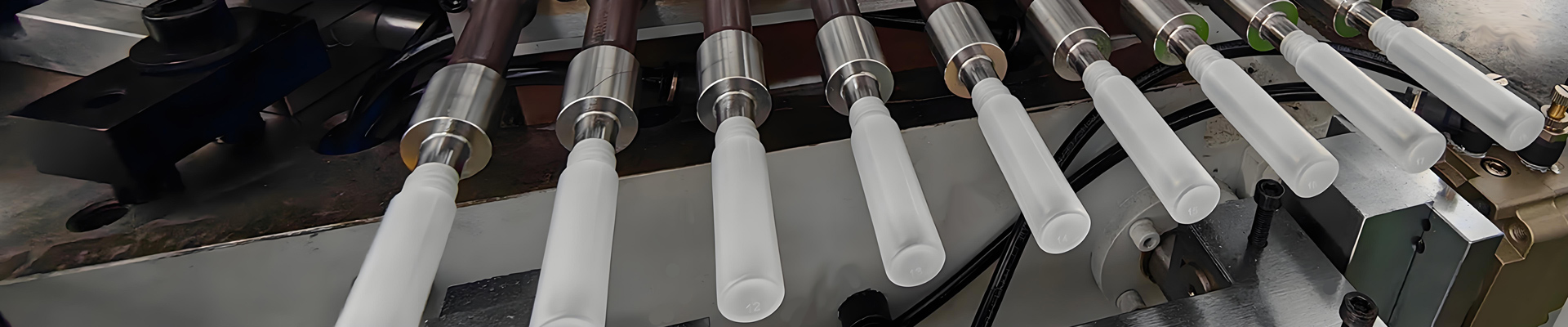
The global packaging industry is undergoing a significant transformation driven by sustainability demands, cost pressures, and environmental regulations. Lightweight design has emerged as one of the most effective strategies for plastic bottle manufacturers seeking to reduce material consumption while maintaining product quality and performance. An injection blow molding machine plays a crucial role in achieving these lightweight objectives, offering precision manufacturing capabilities that enable producers to create thinner-walled bottles without compromising structural integrity or consumer safety.
As brands and manufacturers worldwide commit to sustainable packaging goals, understanding the intersection of injection blow molding technology and lightweight design becomes essential for industry professionals. This comprehensive guide explores how injection blow molding machines contribute to lightweight bottle production, the technical principles behind successful weight reduction, and practical strategies for implementing lightweight solutions across various applications.
플라스틱 병 제조에서 경량 설계 이해하기
Lightweight design represents a systematic approach to reducing the amount of plastic material used in bottle production while preserving or enhancing functional performance. This methodology goes beyond simple material reduction; it encompasses holistic engineering considerations including structural optimization, material selection, and manufacturing precision.
경량 설계 정의 및 산업 맥락
Lightweight design in plastic bottle manufacturing refers to the deliberate engineering of bottle structures that use less material than traditional designs while meeting equivalent or superior performance requirements. The concept gained prominence in the early 2000s when oil prices surged and environmental awareness increased, prompting manufacturers to seek efficiency improvements throughout their production operations.
The pharmaceutical, food, and beverage industries have been primary adopters of lightweight technology, driven by regulatory requirements, sustainability commitments, and economic incentives. Modern lightweight bottles typically achieve weight reductions of 15 to 40 percent compared to conventional designs, depending on the application requirements and material selection.
환경적 및 경제적 중요성
The environmental benefits of lightweight plastic bottles extend across the entire product lifecycle. Reduced material consumption means less raw material extraction, lower energy consumption during manufacturing, decreased transportation emissions due to lighter product weights, and reduced waste at end-of-life. A single gram of plastic saved per bottle, when multiplied by millions of units produced daily, translates to substantial environmental impact reduction.
From an economic perspective, material costs typically represent 50 to 70 percent of total bottle production costs. Lightweight design directly addresses this variable cost driver, offering immediate savings that improve profit margins or enhance competitive pricing capability. Manufacturers implementing successful lightweight strategies often achieve return on investment within 12 to 24 months through combined material and transportation savings.
소비자 수용 및 시장 동향
Contemporary consumers increasingly support sustainable packaging initiatives, with research indicating that over 60 percent of shoppers consider environmental factors when making purchasing decisions. Lightweight bottles align with consumer expectations for responsible packaging without sacrificing the convenience and functionality they demand.
Market trends show accelerated adoption across all major packaging segments. Major beverage brands have committed to significant weight reduction targets, while pharmaceutical companies increasingly specify lightweight containers for both environmental and patient-handling benefits. This market momentum creates both opportunity and pressure for manufacturers to develop or enhance their lightweight production capabilities.
플라스틱 병 생산을 위한 사출 블로우 성형의 장점
사출 blow molding technology offers distinct advantages for producing lightweight plastic bottles, particularly in applications requiring precision, consistency, and material efficiency. Understanding these advantages helps manufacturers make informed equipment decisions and optimize their production processes.
원스텝 제조 공정
The injection blow molding machine executes bottle production through an integrated process that combines injection molding for the preform with blow molding for the final container shape. This one-step approach eliminates handling and transfer operations that characterize multi-stage manufacturing methods, reducing contamination risk and production cycle time.
The seamless integration of preform creation and bottle forming enables tighter process control and improved consistency. Each bottle emerges from the machine with uniform wall thickness distribution and precise dimensional characteristics, eliminating variations that often occur when preforms are transported between separate manufacturing stations.
우수한 벽 두께 제어
Precise wall thickness control represents one of the most significant advantages of injection blow molding for lightweight applications. The technology enables manufacturers to program exact material distribution across the bottle structure, concentrating material in high-stress areas while reducing thickness where load requirements permit.
Advanced injection blow molding machines incorporate sophisticated control systems that monitor and adjust process parameters in real-time, maintaining thickness consistency within tight tolerances throughout production runs. This capability proves essential for lightweight bottles where even minor variations can compromise structural integrity or cause aesthetic defects.
병 넥 정밀도 및 무결성
사출 블로우 성형 병의 사출 성형 넥 마감은 다른 제조 방법과 비교하여 우수한 치수 정확도를 나타냅니다. 이 정밀도는 스트레칭이나 블로우가 발생하기 전에 용융 소재로 넥 캐비티를 채우는 고압 사출 공정에서 비롯됩니다.
For lightweight bottles, neck integrity proves particularly important as the closure area often represents the highest stress concentration point. 사출 blow molding produces thread profiles and sealing surfaces that meet exact specifications, ensuring reliable sealing performance even with reduced material in adjacent body sections.
사출 연신 블로우 성형과의 비교
While both injection blow molding and injection stretch blow molding utilize similar initial injection steps, the stretching mechanism differs significantly. 사출 stretch blow molding introduces axial stretching through a stretch rod, creating molecular orientation that enhances strength in the body section. This characteristic makes stretch blow molding particularly suitable for carbonated beverage applications requiring high hoop strength.
사출 blow molding without stretching offers advantages for certain applications including pharmaceutical containers, cosmetics packaging, and wide-mouth bottles. The absence of stretching simplifies tooling, reduces machine complexity, and often provides better material distribution control for non-carbonated applications. For lightweight designs targeting these segments, conventional injection blow molding frequently delivers superior results.
경량 플라스틱 병 설계 원칙
성공적인 경량 병 설계는 여러 설계 차원에 걸친 체계적인 엔지니어링 주의가 필요합니다. 제조업체는 구조적 요구 사항, 가공 제약 및 최종 사용 고려 사항에 대해 중량 감소 목표의 균형을 맞춰야 합니다.
재료 선정 기준
재료 선택은 달성 가능한 중량 절감과 최종 병 성능에 근본적인 영향을 미칩니다. 각 폴리머는 특정 응용 분야에 대한 적합성을 결정하는 고유한 특성을 제공합니다.
PET represents the most common material for beverage and food packaging, offering excellent clarity, good mechanical properties, and widespread recycling infrastructure. Modern PET grades enable significant weight reduction while maintaining adequate barrier properties and impact resistance for most applications.
폴리프로필렌 provides superior chemical resistance and thermal stability, making it suitable for pharmaceutical and cosmetics applications requiring sterilization or exposure to aggressive contents. PP lightweight bottles achieve excellent results with injection blow molding due to the material’s favorable flow characteristics and low temperature sensitivity.
Polyethylene offers cost-effective solutions for household and industrial chemical containers. HDPE provides excellent stiffness and chemical resistance, while LDPE enables flexible dispensing applications. Both materials respond well to lightweight optimization through injection blow molding processes.
폴리스티렌, 특히 내충격 개질 등급은 투명성과 강성을 요구하는 용도에 사용됩니다. 취성 문제로 경량 병에는 덜 일반적으로 사용되지만, 개질된 PS 제형은 적절한 설계 고려 사항과 함께 특수 포장 솔루션을 가능하게 합니다.
벽 두께 최적화
벽 두께 최적화는 구조적 강도, 소재 절약 및 가공 능력을 포함한 여러 상충되는 요구 사항의 균형을 요구합니다. 엔지니어는 유한 요소 해석과 실용 테스트를 사용하여 특정 애플리케이션에 대한 최적의 두께 분포를 식별합니다.
Modern lightweight design principles advocate for gradient wall thickness approaches that vary thickness based on localized stress analysis. High-stress regions such as the base, shoulder, and closure interface receive additional material, while body sections under lower stress accommodate thickness reductions. This targeted approach maximizes weight savings while maintaining structural adequacy.
사출 블로우 성형기는 최적화된 분포 패턴 전반에 걸쳐 일관된 두께 제어를 달성해야 합니다. 첨단 패리슨 프로그래밍 기능은 블로우 단계에서 정밀한 두께 변동을 가능하게 하여 설계 의도를 높은 충실도로 제조 제품으로 전환합니다.
구조적 리브 및 보강
Strategic placement of structural ribs provides stiffness and impact resistance without proportional material increase. Ribbing proves particularly effective in maintaining column strength and preventing buckling in tall, slender bottle designs where body sections might otherwise require excessive thickness.
Effective rib design considers multiple factors including rib height-to-width ratios, spacing between ribs, and integration with body geometry. Properly designed ribs can increase structural stiffness by 30 to 50 percent while adding minimal weight, making them essential tools for lightweight optimization.
사출 블로우 성형 공정은 사출 및 블로우 단계 모두에서 제어된 재료 분배를 통해 정밀한 리브 형성을 가능하게 합니다. 금형 설계는 완전한 재료 충전과 적절한 표면 마감을 보장하면서 리브 형상을 수용해야 합니다.
베이스 설계 최적화
병 바닥 설계는 구조적 성능과 소재 효율성 모두에 큰 영향을 미칩니다. 전통적인 평평한 바닥은 적층 하중과 내부 압력 하에서 변형을 견디기 위해 상당한 두께가 필요하며, 이는 대체 기하학을 통한 최적화 기회를 제공합니다.
Champagne-style bases with recessed centers and radial ribbing achieve excellent stability and load resistance with reduced material compared to conventional designs. The curved geometry distributes stresses more efficiently than flat surfaces, enabling thickness reduction while maintaining or improving performance.
여러 접촉점을 통합한 풋 베이스는 특정 응용 분야에 추가 최적화 기회를 제공합니다. 더 복잡한 툴링이 필요하지만, 이러한 설계는 적절한 안정성과 적층성을 제공하면서 상당한 중량 감소를 달성할 수 있습니다.
숄더 및 전이부 설계
넥 피니시를 몸체에 연결하는 어깨 영역은 중요한 응력 집중 영역을 나타내므로 신중한 설계 주의가 필요합니다. 경량화 최적화는 응력 수준이 허용하는 곳에서 재료를 줄이면서 이 전이 구역의 적절한 강도를 보존해야 합니다.
Smooth radius transitions between the neck and shoulder reduce stress concentrations and enable more aggressive lightweight measures in adjacent areas. Sharp corners create localized stress peaks that require additional material to prevent failure, making radius optimization an essential lightweight strategy.
The slope angle of the shoulder influences both material distribution during blow molding and stress distribution during use. Steeper shoulder angles facilitate material flow during manufacturing but may create stress concentrations requiring additional thickness. Design optimization balances these competing considerations for each specific application.
경량 생산을 가능하게 하는 핵심 기술
현대 사출 블로우 성형 기계에 통합된 고급 기술은 성공적인 경량 병 생산에 필요한 정밀도와 제어를 가능하게 합니다. 이러한 기술을 이해하면 제조업체가 장비 투자를 효과적으로 활용하는 데 도움이 됩니다.
정밀 제어 시스템
Modern injection blow molding machines incorporate sophisticated control systems that manage all process parameters with high precision and repeatability. Closed-loop feedback systems monitor temperature, pressure, and position sensors throughout the production cycle, adjusting parameters in real-time to maintain optimal conditions.
고급 모션 기능을 갖춘 프로그래머블 로직 컨트롤러는 사출, 블로우 및 배출 단계 간의 정밀한 조정을 가능하게 합니다. 이 조정은 사소한 변동이 심각한 품질 편차를 유발할 수 있는 경량 응용 분야에 필수적입니다.
Human-machine interfaces provide intuitive operation and comprehensive monitoring capabilities, enabling operators to optimize settings for specific bottle designs and material combinations. Recipe storage functions allow quick changeovers between products while maintaining validated parameters for each configuration.
PREFILL 기술 적용 분야
PREFILL technology represents an advanced control methodology that optimizes material distribution during the preform injection phase. By precisely controlling the filling pattern and pressure profile, PREFILL systems achieve more uniform preform wall thickness that translates directly to improved final bottle characteristics.
The technology enables manufacturers to produce preforms with specifically engineered thickness distributions that compensate for subsequent blow molding operations. This predictive control approach produces bottles with tighter tolerances and more efficient material placement than conventional processes.
경량화 응용 분야에서 PREFILL 기술은 벽 두께 분포의 보다 적극적인 최적화를 가능하게 하므로 특히 가치가 있습니다. 제조업체는 정밀하게 타겟팅된 재료 배치를 통해 성능을 유지하면서 평균 두께를 줄일 수 있습니다.
온도 균일성 관리
용융물과 툴링 시스템 전반의 일관된 온도 분포는 최종 병 품질과 일관성에 직접적인 영향을 미칩니다. 현대식 사출 블로우 성형기는 모든 관련 표면에서 정밀한 온도 제어를 유지하는 여러 가열 및 냉각 구역을 통합합니다.
불충분한 온도 균일성은 용융물 내 점도 변동을 유발하여 최종 병의 두께 불일치와 약점을 초래합니다. 첨단 시스템은 여러 지점에서 온도를 모니터링하고 엄격한 공차 내에서 일관성을 유지하도록 가열 출력을 자동으로 조정합니다.
경량 생산의 경우 감소된 벽 단면이 가공 변동에 대한 여유를 줄이므로 온도 균일성이 더욱 중요해집니다. 엄격한 온도 제어는 균일한 경량 병을 생산하는 일관된 충전 및 블로우 동작을 가능하게 합니다.
공기 압력 최적화 시스템
블로우 에어 시스템은 용융 재료를 캐비티 표면에 맞게 성형하는 에너지를 공급합니다. 이 시스템의 최적화는 과도한 재료 연신이나 변형 없이 완전한 성형을 달성하기 위해 블로우 압력, 타이밍 및 프로필을 신중하게 관리하는 것을 포함합니다.
낮은 압력에서 시작하여 더 높은 압력으로 증가하는 다단계 블로우 프로파일은 단일 압력 방식보다 더 나은 재료 분포 제어를 가능하게 합니다. 이 단계적 접근 방식은 복잡한 병 형상과 적극적인 경량화 설계에 특히 가치가 있습니다.
현대 기계는 라인 전압 변동이나 압축 공기 공급 변동과 관계없이 일관된 공기 압력을 제공하는 정밀 공압 제어를 통합합니다. 이러한 일관성은 긴 런과 교대 변경 전반에 걸쳐 안정적인 생산 품질을 보장합니다.
경량 생산을 위한 AiBiM 사출 블로우 성형기 장점
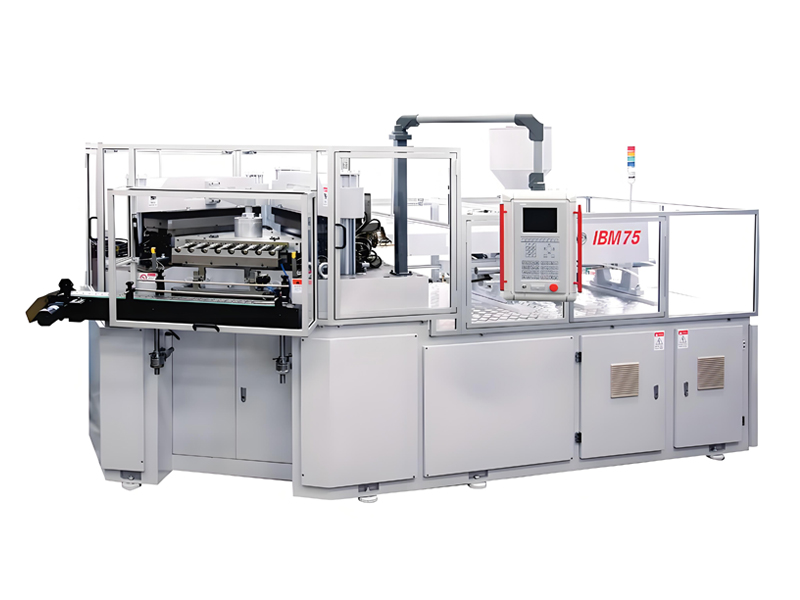
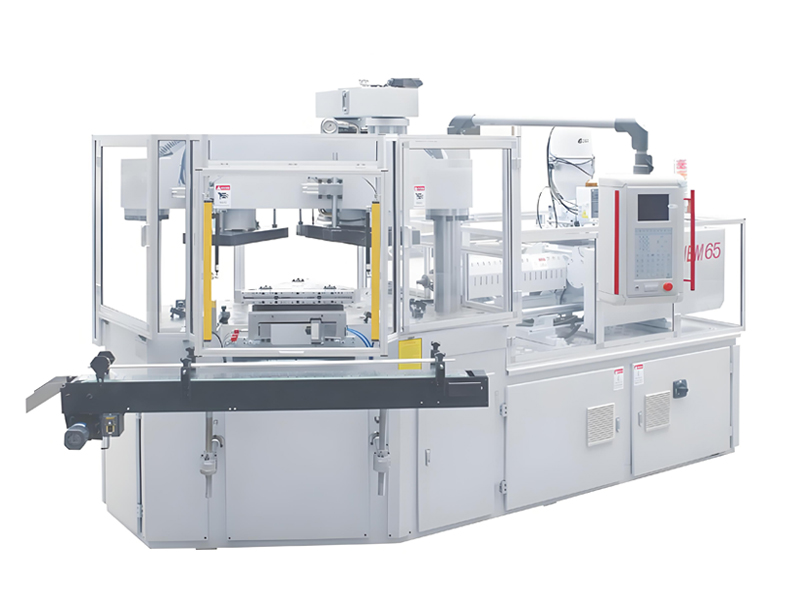
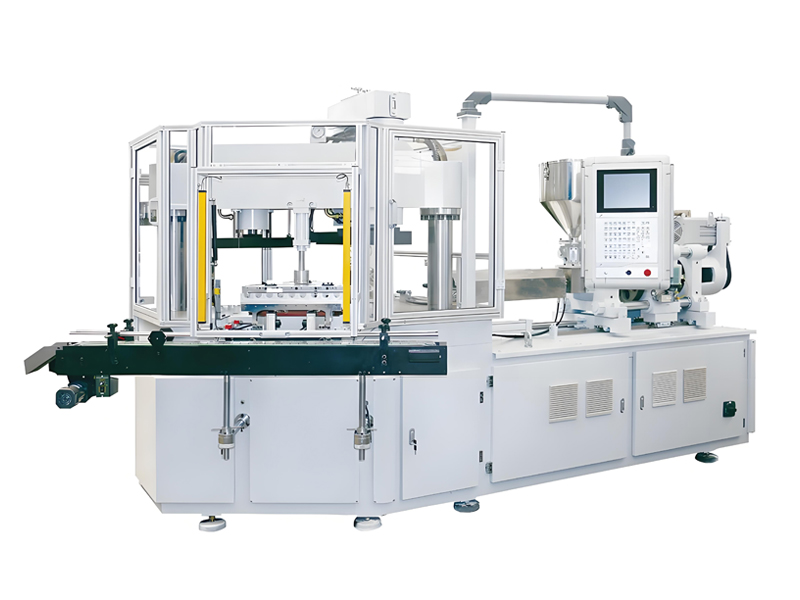
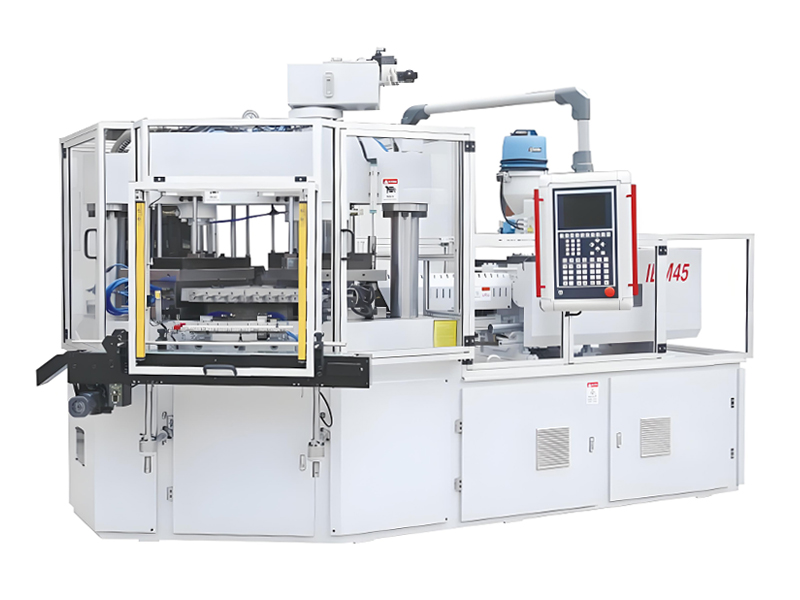
Zhangjiagang AiBiM Plastics Machinery Co., Ltd. has developed a comprehensive lineup of injection blow molding machines specifically engineered to meet the demanding requirements of lightweight bottle production. The IBM Series combines proven mechanical design with advanced control technologies to deliver exceptional performance across the full range of lightweight applications.
IBM 시리즈 기술 사양
AiBiM IBM 시리즈는 다양한 생산 요구 사항과 예산 고려 사항을 해결하도록 설계된 세 가지 주요 기계 모델을 포함합니다. 각 모델은 경량 병 제조에 특별히 최적화된 기능을 통합합니다.
The IBM55 Hybrid Electric machine represents the entry point to the lightweight-optimized lineup, offering competitive pricing from $95,000 to $130,000 while delivering professional-grade performance. This model handles containers from 3ml to 500ml with efficient production rates suitable for small to medium volume requirements.
The IBM65 model provides enhanced capabilities for medium-scale production, with pricing ranging from $110,000 to $165,000. This machine offers improved cycle times and larger shot capacities that enable higher production volumes while maintaining the precision control required for lightweight quality.
IBM75는 까다로운 경량화 애플리케이션을 위한 플래그십 모델로, 가격은 $160,000~$280,000입니다. 이 기계는 최대 1000ml까지 확장된 용량 범위와 적극적인 경량화 목표를 달성하기 위한 가장 정교한 제어 기능으로 최대 성능을 제공합니다.
단일 빔 트윈 컬럼 설계 안정성
혁신적인 단일 빔 트윈 컬럼 기계 설계는 사출 및 블로우 단계 전반에 걸쳐 탁월한 플랫폼 안정성을 제공합니다. 이 아키텍처는 사출 유닛과 블로우 스테이션 사이의 정밀한 정렬을 보장하여 고품질 생산을 위한 일관된 조건을 유지합니다.
Reduced mechanical complexity compared to traditional designs minimizes wear points and maintenance requirements while improving overall reliability. The symmetrical column arrangement distributes forces evenly, preventing deflection that could compromise dimensional accuracy in critical bottle features.
이 설계 철학은 미세한 변동조차 얇은 벽 제품에서 품질 편차를 유발할 수 있는 경량화 애플리케이션에서 특히 가치가 있음이 입증되었습니다. 설계의 고유한 안정성은 장기간의 생산 가동에서 엄격한 공차를 달성하기 위한 견고한 기반을 제공합니다.
에너지 효율의 장점
AiBiM machines incorporate energy-efficient technologies that reduce operating costs by up to 35 percent compared to conventional alternatives. This efficiency improvement directly enhances the economics of lightweight bottle production by reducing the per-unit cost contribution of energy consumption.
하이브리드 전기 구동 시스템은 서보 모터 정밀도와 최적화된 전력 소비를 결합하여 과도한 에너지 낭비 없이 필요한 성능을 제공합니다. 지능형 전력 관리 기능은 유휴 기간 동안 소비를 줄이고 실제 생산 요구에 맞게 에너지 공급을 조정합니다.
35%의 에너지 절감은 경량 생산 장비의 투자 수익 기간을 크게 개선합니다. 병 중량 감소로 인한 재료 절감과 결합하여 제조업체는 설득력 있는 총 소유 비용 이점을 달성합니다.
SD 카드 파라미터 저장 편의성
통합 SD 카드 저장 기능은 다양한 병 설계 및 재료에 걸쳐 생산 매개변수를 편리하게 관리할 수 있게 합니다. 이 기능은 전환 절차를 단순화하고 검증된 설정의 재현성을 보장합니다.
운영자는 온도 설정, 압력 프로필, 타이밍 시퀀스 및 두께 분포 파라미터를 포함한 완전한 구성 프로필을 저장할 수 있습니다. 이 포괄적인 저장 기능은 수동 파라미터 입력을 제거하고 전환 시간을 줄이며 전사 오류를 방지합니다.
SD 카드 시스템은 또한 품질 관리 시스템의 백업 및 문서화 요구 사항을 용이하게 합니다. 검증된 매개변수는 안전한 아카이브에 보존될 수 있어 유지보수 활동 또는 장비 이전 후 신속한 복구가 가능합니다.
경량 플라스틱 병의 비용 편익 분석
경량 병 생산은 여러 비용 범주에 걸친 상당한 경제적 이점을 제공합니다. 종합적인 분석은 경량화 구현 전략과 장비 투자에 대한 정보에 기반한 결정을 가능하게 합니다.
재료비 절감 계산
재료 비용 절감은 경량 설계의 가장 즉각적이고 측정 가능한 이점입니다. 기존 설계에서 25그램 무게의 일반적인 500ml 음료 병을 고려하십시오. 25% 중량 감소는 이를 18.75그램으로 만들어 병당 6.25그램을 절약합니다.
At a PET resin price of $1.50 per kilogram, the material saving equals approximately 0.94 cents per bottle. For a production facility manufacturing one million bottles monthly, this translates to monthly savings of $9,400 or annual savings exceeding $112,000. Larger facilities with higher volumes realize proportionally greater savings.
These calculations assume constant resin pricing; actual savings increase when considering that lightweight reduction often enables procurement of smaller quantities at equivalent per-kilogram costs. Additionally, reduced material consumption lowers handling, storage, and transportation costs within the manufacturing facility.
운송 비용 절감 분석
중량 감소는 공급망 전체의 운송 경제에 직접적인 영향을 미칩니다. 더 가벼운 병은 단위당 운송 비용을 줄이고, 팔레트 또는 선적 컨테이너당 더 많은 병을 적재할 수 있게 하며, 운송 차량의 연료 소비를 감소시킵니다.
병 포장의 25% 중량 절감은 일반적으로 거리, 운송 수단 및 특정 제품 구성에 따라 운송 비용을 8~15% 절감합니다. 운임 비용이 크게 누적되는 국제 운송의 경우 이러한 절감은 특히 상당해집니다.
창고 취급도 중량 감소의 이점을 얻습니다. 더 빠른 적재 및 하역 작업, 근로자 피로와 부상 위험 감소, 그리고 개선된 보관 밀도가 가능합니다. 이러한 운영 개선은 인건비 절감과 향상된 처리 용량으로 이어집니다.
설비 투자 회수 기간
경량 생산을 위한 고급 사출 블로우 성형 장비에 대한 투자는 회수 기간에 대한 신중한 평가가 필요합니다. 분석은 유능한 장비의 비용 증가와 경량 생산을 통해 달성 가능한 포괄적인 절감액을 모두 고려해야 합니다.
For an AiBiM IBM65 machine priced at approximately $140,000, the monthly material and transportation savings achievable with lightweight production typically generate paybacks within 14 to 20 months for moderate-volume facilities. Higher volume operations achieve faster returns, often within 10 to 14 months.
Beyond direct cost savings, manufacturers benefit from enhanced competitive positioning through sustainability credentials, potential premium pricing for lightweight products, and improved capacity utilization from reduced material handling requirements. These factors often accelerate returns beyond baseline calculations.
생산량 시나리오
생산량에 따라 경량화 구현을 위한 최적의 접근 방식이 달라집니다. 이러한 시나리오를 이해하면 제조업체가 투자와 전략을 적절히 조정하는 데 도움이 됩니다.
Low-volume producers manufacturing 50,000 to 200,000 bottles monthly may find that modest lightweight reductions of 15 to 20 percent deliver optimal returns through simplified implementation and reduced risk. Entry-level equipment investments combined with incremental design improvements often prove most cost-effective for this segment.
월간 200,000~1,000,000개의 병을 생산하는 중간 규모 운영은 25~35%의 더 적극적인 경량화 목표와 그에 상응하는 장비 투자를 정당화할 수 있습니다. 이 생산량 수준은 일반적으로 중간 범위 기계 선택과 더 포괄적인 최적화 노력을 지원합니다.
High-volume producers exceeding 1,000,000 bottles monthly should pursue maximum lightweight potential with premium equipment selections and ongoing optimization programs. At these volumes, even small percentage improvements translate to substantial absolute savings that justify significant investment in capability development.
경량 플라스틱 병 적용 분야
경량 병 기술은 각각 특정 요구 사항과 최적화 기회를 가진 다양한 산업 분야에 적용됩니다. 이러한 응용 분야를 이해하면 제조업체가 경량화 구현을 위한 가장 유망한 대상을 식별하는 데 도움이 됩니다.
음료 산업 적용 분야
음료 산업은 플라스틱 병 생산의 가장 큰 시장을 나타내며, 여러 하위 부문에 걸쳐 상당한 경량화 구현 기회가 있습니다. 생수 병, 주스 용기 및 차 음료는 모두 필요한 기능을 유지하면서 중량 절감의 이점을 누립니다.
Still water bottles present excellent lightweight opportunities as they experience minimal internal pressure and handle relatively gentle conditions throughout their lifecycle. Conventional water bottles in the 500ml to 1500ml range often achieve 30 to 40 percent weight reduction through optimized design and injection blow molding production.
주스 및 차 음료는 살균 요구 사항과 잠재적인 산 함량으로 인해 다소 보수적인 경량화 접근 방식이 필요합니다. 그러나 이러한 응용 분야도 적절한 설계와 재료 고려 사항으로 일반적으로 20~30%의 중량 감소를 달성합니다.
식품 산업 응용 분야
소스, 조미료, 오일 및 특수 식품 제품을 포함한 식품 포장 응용 분야는 효과적인 경량화 최적화를 수용하는 플라스틱 병을 활용합니다. 식품 포장의 다양한 형상과 클로저 요구 사항은 다양한 최적화 기회를 창출합니다.
소스 및 조미료 병은 종종 마개 영역과 바닥에 상당한 소재가 있는 복잡한 기하학을 특징으로 합니다. 경량화 생산을 위한 재설계는 점성 제품 분배 및 선반 안정성을 위한 기능적 성능을 유지하면서 20~30%의 중량 절감을 달성할 수 있습니다.
Cooking oil bottles present unique opportunities due to the product weight and volume typically involved. A lightweight 1-liter oil bottle weighing 40 grams instead of 55 grams saves 15 grams per unit, translating to significant material savings when considering the volumes typical for this category.
제약 산업 응용 분야
의약품 포장 demands rigorous quality standards that inform lightweight strategies differently than consumer goods applications. While pharmaceutical bottles must meet strict regulatory requirements, thoughtful design enables meaningful weight reduction while ensuring complete product protection.
Oral liquid containers in sizes from 10ml to 100ml serve as excellent candidates for lightweight implementation. These small-volume containers often utilize excessive material in conventional designs, creating opportunities for 25 to 35 percent weight reduction without compromising medication safety or dosing accuracy.
Eye drop bottles require particular attention to closure area design and dropper functionality while offering lightweight opportunities in body sections. The precision capabilities of injection blow molding enable optimization that preserves functional requirements while reducing material consumption.
화장품 산업 적용 분야
화장품 포장은 경량 설계 접근 방식에 영향을 미치는 미적 고려 사항과 기능적 요구 사항의 균형을 맞춥니다. 병 미학은 종종 소비자 인식을 지배하므로 중량 감소와 시각적 품질 사이의 신중한 균형이 필요합니다.
Lotion and serum bottles frequently achieve 20 to 30 percent weight reduction while maintaining the visual quality and product protection required for cosmetic applications. 사출 blow molding delivers the surface finish quality that cosmetics branding demands while enabling effective lightweight optimization.
Travel-size cosmetic containers present particularly compelling lightweight opportunities due to the volumes involved and the direct relationship between container weight and shipping costs for these small-format products. Even modest weight reductions translate to meaningful savings at typical travel-size production volumes.
선택 가이드: 경량 병 생산을 위한 장비 선택
경량 병 생산에 적합한 장비를 선택하려면 여러 요소에 대한 체계적인 평가가 필요합니다. 이 가이드는 생산 요구 사항과 비즈니스 목표에 맞춰 정보에 입각한 장비 결정을 내리기 위한 프레임워크를 제공합니다.
생산 능력 평가
정확한 용량 평가는 장비 선택의 기초를 형성합니다. 제조업체는 현재 생산량, 예상 성장 궤적 및 향후 용량 요구에 영향을 미칠 수 있는 잠재적 계약 요구 사항을 평가해야 합니다.
AiBiM IBM55는 월간 최대 약 800,000개의 소형 병에 적합한 생산 속도를 처리하여 엔트리 레벨 운영 또는 특수 소량 애플리케이션에 적합합니다. IBM65는 중간 규모 생산업체를 위해 이 능력을 월간 약 1,200,000개로 확장합니다.
최대 생산량을 요구하는 대량 생산자는 까다로운 생산 일정을 위한 향상된 속도와 용량을 제공하는 IBM75를 고려해야 합니다. 추가 투자는 우수한 처리량과 단위당 간접비 절감을 통해 종종 정당화됩니다.
병 복잡성 고려 사항
병 설계 복잡성은 기계 사양 요구 사항과 툴링 투자 모두에 영향을 미칩니다. 특징이 최소인 단순한 원통형 병은 종종 표준 장비 구성에서 효과적으로 생산될 수 있는 반면, 복잡한 기하학은 첨단 제어 기능의 이점을 누립니다.
Features such as specialized base geometries, complex shoulder transitions, large mouth diameters, or integrated handles require enhanced control precision and potentially more sophisticated tooling. Manufacturers should honestly assess their product portfolio complexity when evaluating equipment specifications.
AiBiM machines across the IBM Series incorporate the control capabilities required for complex lightweight designs, with more advanced models offering additional precision and flexibility for demanding applications. This scalability enables manufacturers to match equipment to actual requirements rather than purchasing excessive capability.
재료 호환성 요구 사항
서로 다른 재료는 장비 사양에 영향을 미치는 서로 다른 가공 요구 사항을 제시합니다. 제조업체는 후보 장비가 대상 응용 분야에 필요한 재료를 적절한 성능과 효율로 처리하는지 확인해야 합니다.
IBM 시리즈 기계는 PET, PP, PE 및 PS 등급을 포함한 경량 병 생산에 일반적인 전체 재료 범위를 수용합니다. 제어 시스템은 각 재료 계열에 대한 정밀한 매개변수 최적화를 가능하게 하여 재료 변경 전반에 걸쳐 일관된 품질을 보장합니다.
특이한 재료나 까다로운 가공 조건이 필요한 특수 응용 분야는 추가 평가가 필요할 수 있습니다. AiBiM 기술 지원은 까다로운 재료 요구 사항에 대한 구체적인 지침을 제공할 수 있습니다.
예산과 투자 수익률의 균형
장비 투자 결정은 선행 자본 요구 사항과 장기 수익의 균형을 맞춰야 합니다. 프리미엄 장비는 향상된 기능을 제공하지만, 제조업체는 추가 기능이 특정 상황에 비례적인 가치를 제공하는지 확인해야 합니다.
IBM55는 경량 생산에 새로 진입하거나 제한된 자본으로 운영하는 제조업체에게 접근 가능한 진입점을 제공합니다. 매력적인 성능 대비 가격 비율은 미래 발전을 위한 역량을 구축하면서 신속한 투자 수익을 가능하게 합니다.
Producers with established lightweight operations or demanding requirements may find that IBM65 or IBM75 investments deliver superior returns through enhanced capabilities, improved efficiency, and expanded application range. The total cost of ownership analysis should guide these decisions rather than purchase price alone.
경량화 생산의 일반적인 과제와 솔루션
경량 병 생산은 성공적인 해결을 위해 이해와 체계적인 접근이 필요한 특정 과제를 제시합니다. 이 섹션은 일반적인 문제를 다루고 품질과 효율성을 유지하기 위한 실용적인 솔루션을 제공합니다.
벽 두께 균일성 문제 해결
불일치한 벽 두께는 경량 병 생산에서 가장 흔한 품질 과제입니다. 편차는 구조적 무결성을 손상시키는 약점을 만들고 시장성을 떨어뜨리는 미적 결함을 만듭니다.
Solutions focus on three primary areas: tooling quality, process control, and design optimization. High-quality tooling with proper venting and material flow channels enables consistent filling behavior. Advanced process control systems maintain stable parameters throughout production runs. Optimized designs with appropriate thickness distributions minimize sensitivity to normal process variations.
AiBiM 기계는 두께 균일성을 해결하도록 특별히 설계된 고급 제어 기능을 통합하며, 품질 문제를 일으키기 전에 변동을 식별하고 수정하는 정밀 파리슨 프로그래밍과 폐루프 모니터링을 포함합니다.
병 넥 변형 방지
목 마감부 변형은 마개 성능과 소비자 수용성을 저하시킵니다. 경량 설계는 때때로 목 부위에 응력을 집중시켜 생산 또는 후속 취급 중 치수 변동에 취약하게 만듭니다.
Prevention strategies include maintaining adequate material in critical neck dimensions, optimizing cooling sequences to reduce thermal stress, and implementing appropriate handling procedures throughout production and filling operations. Tooling design must ensure proper support during ejection and subsequent handling.
사출 blow molding inherently produces superior neck finish quality compared to other methods, providing a foundation for lightweight optimization without sacrificing this critical feature. Combined with appropriate design attention and process control, manufacturers can achieve lightweight goals while maintaining neck quality.
재료 선정의 복잡성 해결
경량 응용 분야를 위한 재료 선택은 비용 및 가공 고려 사항에 대해 여러 성능 요구 사항의 균형을 맞추는 것을 포함합니다. 사용 가능한 수지의 다양성과 새로운 등급의 지속적인 도입은 의사 결정을 복잡하게 만듭니다.
Systematic evaluation approaches help navigate this complexity. Begin by clearly defining performance requirements including strength, clarity, barrier properties, chemical resistance, and regulatory compliance. Then evaluate material options against these requirements, considering both conventional grades and newer lightweight-optimized formulations.
재료 공급업체와의 상담은 공급업체가 적절한 등급을 추천하고 유사한 응용 분야의 경험을 공유할 수 있으므로 종종 유용합니다. AiBiM 기술 지원은 또한 다양한 재료 유형과 응용 분야에 걸친 광범위한 경험을 바탕으로 지침을 제공합니다.
생산 속도 제한 해결
경량화 품질을 달성하려면 때때로 기존 제조보다 느린 생산 속도가 필요합니다. 품질과 처리량 사이의 이러한 긴장 관계는 장비 선택과 생산 계획에 영향을 미칩니다.
고급 제어 기능을 갖춘 최신 장비는 이러한 갈등을 점점 더 해결하여 품질과 속도를 모두 가능하게 합니다. 유능한 장비에 대한 투자는 품질 타협이나 생산 한계를 수용하는 것보다 종종 더 경제적임이 입증됩니다.
Production planning should realistically account for achievable rates with specific products and materials. Building appropriate cycle time allowances into production schedules prevents quality problems caused by excessive speed pressure. As manufacturers gain experience with lightweight production, optimization typically enables continuous improvement in achievable throughput.
결론: 경량화 성공을 위한 파트너십
경량 플라스틱 병 생산은 비용 절감, 지속 가능성 강화 및 경쟁력 강화를 추구하는 제조업체에게 전략적 기회를 나타냅니다. 성공을 위해서는 설계 최적화, 소재 선택 및 제조 역량의 신중한 통합이 필요합니다.
사출 blow molding technology provides essential capabilities for achieving lightweight objectives while maintaining the quality and consistency that markets demand. The precision control and material efficiency of this manufacturing approach make it ideally suited for lightweight applications across diverse industry segments.
Zhangjiagang AiBiM Plastics Machinery Co., Ltd. offers comprehensive solutions for lightweight bottle production through the IBM Series lineup. With 12 years of industry experience, exports to more than 40 countries, CE certification compliance, and advanced technologies including PREFILL systems and energy-efficient operation, AiBiM provides the capability and support manufacturers need for lightweight success.
Whether producing pharmaceutical containers, beverage bottles, food packaging, or cosmetics containers, manufacturers can benefit from AiBiM’s proven technology and global service network. Contact our team to discuss your specific requirements and explore how our injection blow molding machines can support your lightweight production objectives.
The path to successful lightweight production requires careful planning, appropriate investment, and ongoing optimization. With the right equipment partner and systematic approach, manufacturers can achieve substantial benefits across economic, environmental, and competitive dimensions. Start your lightweight journey today by evaluating how AiBiM technology can transform your plastic bottle production capabilities.