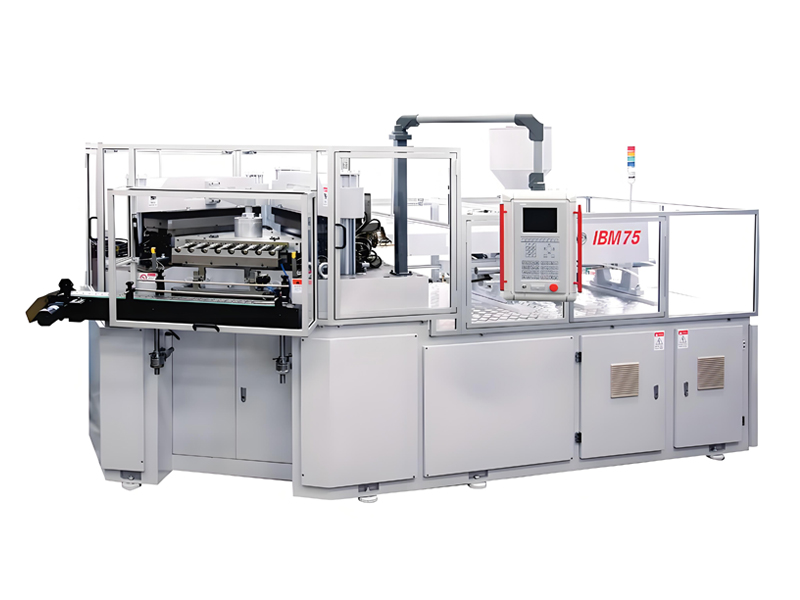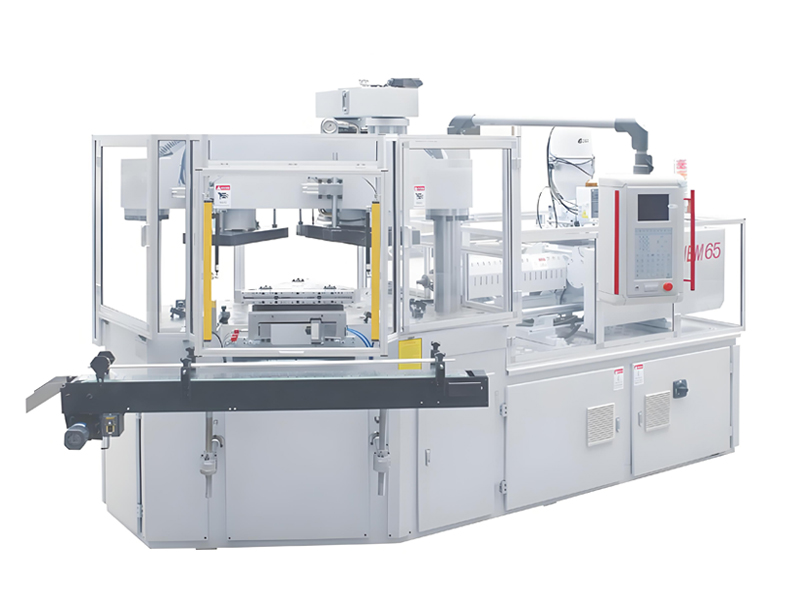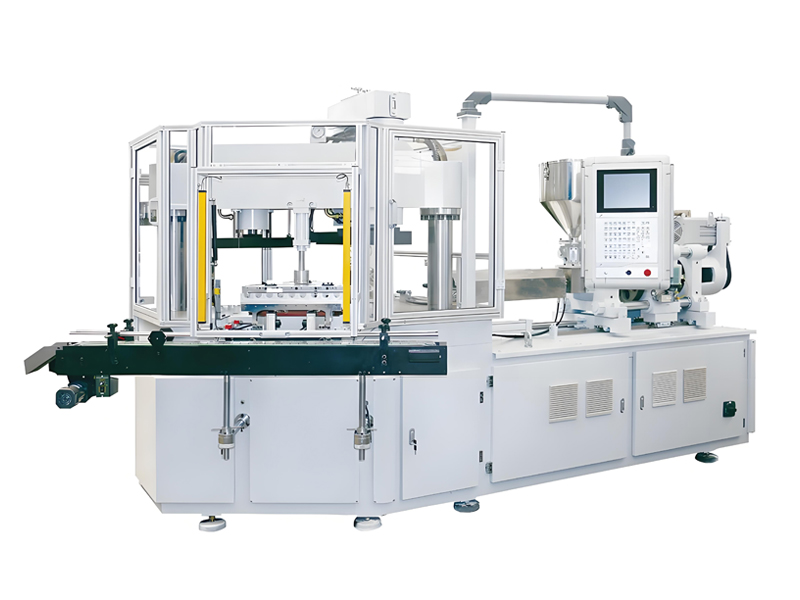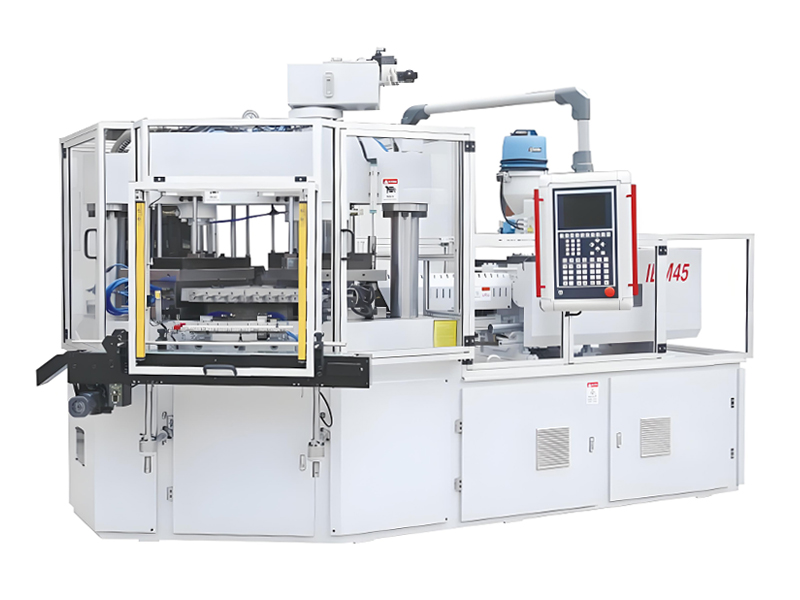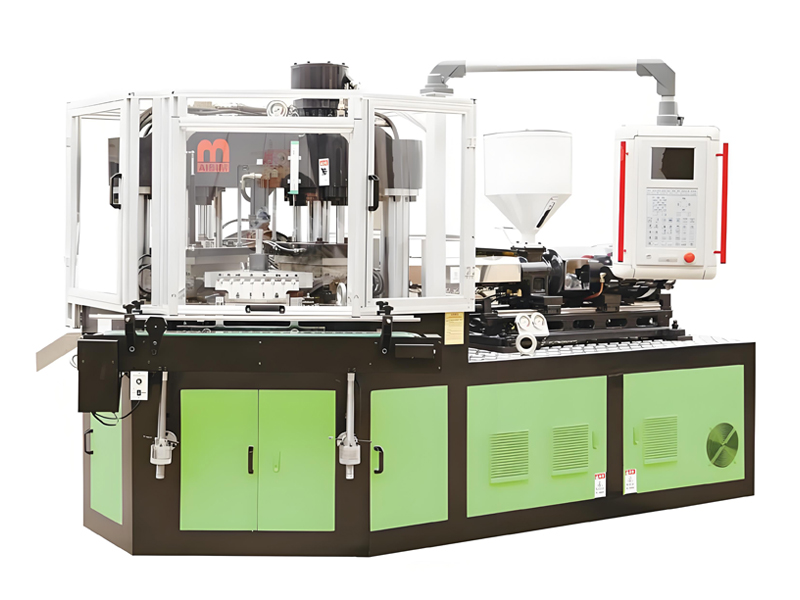
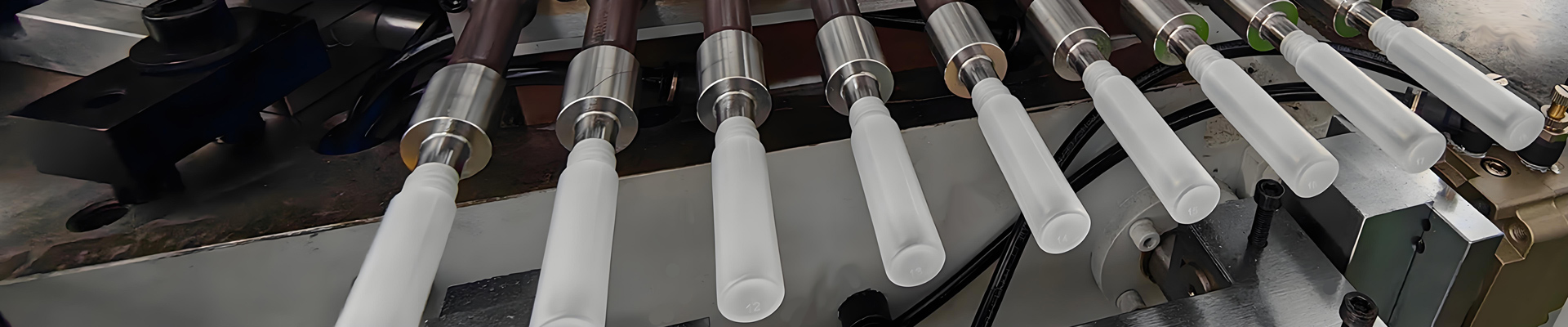
Defect prevention in injection blow molding machine production represents one of the most critical challenges facing manufacturers seeking to deliver consistent quality and control production costs. Common defects including flash formation, wall thickness variation, short shots, and surface imperfections can significantly impact production efficiency and product quality. Understanding the root causes of these defects and implementing systematic prevention strategies enables manufacturers to achieve excellent first pass quality while minimizing waste and rework expenses.
일반적인 사출 블로우 성형 결함 이해
플래시 발생 및 파팅 라인 문제
Flash formation occurs when molten material escapes past the mold parting line or seal surfaces during injection or blow stages. This defect manifests as thin protrusions of material along container edges that require trimming and increase material waste. Flash results from inadequate clamping force, worn or damaged mold seal surfaces, or injection pressure that exceeds mold containment capacity.
Parting line alignment issues produce similar visual defects and may affect dimensional accuracy of the finished container. Misalignment between cavity halves causes steppage at the split line that can interfere with closure application or affect sealing surface integrity. Precise mold alignment during assembly and regular maintenance of alignment mechanisms prevent parting line defects.
벽 두께 변동
Wall thickness variation represents one of the most significant quality concerns in injection blow molding production. Uneven material distribution affects structural integrity, barrier properties, and appearance quality of containers. Variation typically results from improper core rod alignment, uneven cooling, or incorrect blow timing and pressure parameters.
Excessive wall thickness variation can cause weak points in containers that fail during filling, shipping, or end use. In pharmaceutical applications, wall thickness variation may affect barrier properties that protect product stability. Measurement of wall thickness at multiple points around container circumference and length identifies variation patterns that help diagnose root causes.
쇼트 샷 및 불완전 성형
Short shots occur when material fails to completely fill the mold cavity, resulting in incomplete containers or missing sections. This defect wastes material and production time while producing parts that must be discarded. Causes include insufficient injection pressure, material viscosity too high for the injection conditions, or restricted flow paths in the mold.
Incomplete formation during the blow stage produces containers that do not fully replicate cavity geometry. This defect may appear as incomplete detail formation, visible seams, or poor surface replication. Blow stage issues typically result from insufficient blow pressure, premature material cooling, or improper timing between injection and blow phases.
표면 결함 및 외관 문제
Surface defects include a range of appearance issues that affect container quality perception and may indicate underlying structural concerns. Sink marks appear as depressions in container surfaces, typically near thick sections or ribs, caused by internal material contraction during cooling. Flow lines appear as streaks or patterns on container surfaces resulting from material flow patterns during injection.
Weld lines occur where material flow fronts meet after flowing around obstacles such as core pins. These lines create stress concentrations and affect appearance quality, particularly in transparent materials where they are highly visible. Causes include low melt temperature, low injection speed, or mold design that creates flow obstacles.
근본 원인 분석 및 예방 전략
재료 관련 결함 예방
Material selection and preparation significantly influence defect occurrence in injection blow molding production. Material moisture content must be controlled within specification to prevent hydrolysis degradation and moisture related defects. Hygroscopic materials including polyethylene terephthalate and nylon require drying at elevated temperatures for specified times before processing.
Material contamination from previous production runs or improper storage introduces defects including black specs, color variation, and property degradation. Implement material handling procedures that prevent contamination including dedicated material handling equipment, sealed storage containers, and material verification before production use. Material lot tracking enables identification of quality issues to specific material lots.
재료 점도 최적화
Material viscosity affects how material fills the mold cavity and influences final part quality. Viscosity varies with temperature, shear rate, and material moisture content. High viscosity causes incomplete filling and excessive pressure requirements, while low viscosity may cause flash and poor surface replication. Optimize processing conditions to achieve appropriate viscosity for the specific application.
사출 speed affects shear rate in the material, influencing viscosity during the filling phase. Higher speeds increase shear thinning in most polymers, reducing effective viscosity and improving fill characteristics. However, excessive speed can cause other issues including air entrapment and surface defects. Balance injection speed against other parameters to achieve optimal filling conditions.
불량 방지를 위한 온도 제어
Mold temperature significantly affects part quality and defect occurrence. Insufficient mold temperature increases material viscosity and can cause incomplete filling, particularly in thin wall sections. Excessive mold temperature can cause flashing, poor ejection, and extended cycle times. Maintain mold temperature within specifications established during process development.
Temperature uniformity throughout the mold prevents differential cooling that causes warpage, dimensional variation, and internal stress. Uneven cooling results from cooling channel blockage, inadequate flow, or insufficient channel sizing. Regular maintenance of cooling systems ensures consistent temperature distribution throughout production runs.
품질을 위한 금형 설계 및 유지보수
금형 설계 고려 사항
Mold design fundamentally influences defect susceptibility and quality achievable in production. Proper gate design ensures complete cavity filling without hesitation or air entrapment. Gate location affects material flow patterns and can influence weld line positions and wall thickness distribution. Gate sizing must balance fill requirements against aesthetic considerations and ejection ease.
Draft angle design facilitates part release from the mold without damage. Insufficient draft causes ejection difficulties that can scratch or deform container surfaces. Standard draft angle requirements range from one half degree to two degrees per side depending on material selection and surface texture requirements. Deep draw sections require proportionally larger draft angles.
정기 유지보수 절차
Preventive maintenance prevents quality issues caused by mold wear and deterioration. Establish maintenance schedules based on production volume rather than calendar time. High volume production may require weekly or even daily maintenance attention, while lower volume production can extend intervals appropriately. Document all maintenance activities and their results.
Critical maintenance items include cleaning of parting line surfaces, verification of alignment pin and bushing conditions, inspection of seal surfaces for wear, and verification of cooling channel integrity. Wear in these areas directly affects quality parameters and should be addressed before defects become significant problems. Replacement parts should meet original specifications to maintain quality consistency.
금형 마모 모니터링 및 교정
Monitor mold wear through regular dimensional verification of critical cavity dimensions. Track dimensional trends over time to identify wear progression before dimensions exceed tolerance limits. Statistical process control techniques applied to dimensional data enable early identification of drift that may indicate developing problems.
When wear is identified, evaluate repair options based on extent and cost. Minor wear may be addressable through polishing or minor machining, while significant wear may require complete component replacement. Planned repair activities should be scheduled during planned downtime to minimize production disruption.
공정 파라미터 최적화
사출 파라미터 설정 및 제어
사출 parameters require careful optimization to achieve defect free production. 사출 pressure must be sufficient to fill the cavity completely without causing flash or excessive stress. Initial settings should follow material supplier recommendations, then refined based on observed quality results. Incremental adjustments of 5 to 10 percent are appropriate when optimizing pressure settings.
사출 speed affects material flow patterns, pressure requirements, and surface quality. Multiple speed stages may be beneficial for complex parts, allowing slower injection through critical sections and faster injection through less sensitive areas. Pressure and speed profiles should be coordinated to achieve smooth transitions between stages.
블로우 단계 최적화
Blow stage parameters control material distribution and container formation during the blow phase. Blow pressure must be sufficient to fully expand the preform against cavity walls without causing material thinning or rupture. Higher pressures are typically required for containers with complex geometries or thick walls.
Blow timing controls when blow pressure activates relative to material cooling. Premature blow activation causes material sag and neck deformation, while delayed activation allows excessive cooling that requires higher pressures for adequate formation. Optimize timing through observation of part quality with incremental adjustments of 0.1 seconds.
냉각 파라미터 관리
Cooling time typically represents the largest portion of cycle time in injection blow molding. Insufficient cooling causes dimensional instability, warpage, and potential quality issues after containers leave the production line. Excessive cooling wastes production time without quality benefit. Optimize cooling time based on actual dimensional stability rather than arbitrary settings.
Cooling system maintenance ensures consistent performance throughout production runs. Monitor coolant flow rates and temperatures to verify system function. Blocked cooling channels reduce cooling efficiency and cause temperature variation that affects quality. Regular cleaning and flow verification maintains cooling system performance.
품질 관리 시스템 및 검사
공정 중 품질 모니터링
In process monitoring detects quality variation before defects become widespread. Key parameters to monitor include injection pressures and temperatures, blow pressures and timing, and cycle times. Statistical process control charts track these parameters and identify when variation exceeds acceptable limits, enabling rapid response before quality problems affect production.
Modern injection blow molding machines incorporate data collection capabilities that support comprehensive process monitoring. Real time data collection enables immediate detection of parameter deviations and supports root cause analysis when quality issues occur. Investment in monitoring capability provides significant return through defect prevention and improved process understanding.
통계적 공정 관리(SPC) 시행
Statistical process control provides systematic methodology for quality monitoring and improvement. Control charts track key quality characteristics over time, distinguishing between common cause variation inherent in the process and special cause variation indicating problems requiring attention. Implementation requires identification of critical characteristics, establishment of measurement systems, and development of control chart protocols.
Process capability analysis quantifies the relationship between specification limits and actual process variation. Capability indices including Cpk provide objective measures of process performance that support quality improvement efforts and customer communication. Target capability indices of 1.33 or higher indicate processes capable of meeting specification requirements consistently.
치수 검사 및 시험
Dimensional inspection verifies that containers meet specification requirements. Critical dimensions vary by application but typically include neck finish dimensions, overall height, body diameter, and wall thickness. Measurement methods range from manual gauges for simple dimensions to coordinate measuring machines for comprehensive verification.
기능적 testing verifies that containers perform correctly with closure systems and meet application requirements. Closure torque testing, leak testing, and other functional tests provide quality assurance beyond dimensional verification. Testing frequency should be risk based, with higher frequency for critical characteristics and lower frequency for stable parameters.
운전원 교육 및 모범 사례
역량 요구 사항 및 교육 프로그램
Operator competency significantly affects defect rates and production efficiency. Comprehensive training programs should cover machine operation, adjustment procedures, quality requirements, and troubleshooting techniques. Training should combine classroom instruction with hands on practice under experienced supervision.
Certification requirements verify that operators have achieved required competency levels before assuming production responsibilities. Regular refresher training maintains skill levels and introduces new procedures or techniques as equipment and processes evolve. Documentation of training activities supports quality system requirements and regulatory compliance.
표준 운영 절차 개발
Standard operating procedures document approved methods for all production activities. Well developed procedures ensure consistent execution regardless of operator, reducing variation and defect occurrence. Procedures should be specific, clear, and supported by visual aids where helpful. Regular review ensures procedures remain current with equipment and process changes.
Procedure development should involve experienced operators who understand practical considerations and potential issues. Testing new procedures during development identifies gaps or unclear instructions before formal release. Change control processes ensure that procedure updates are implemented consistently across all production shifts.
문제 해결 기술 개발
Effective troubleshooting requires understanding of cause and effect relationships between process parameters and quality outcomes. Training should develop systematic troubleshooting approaches that methodically identify root causes rather than implementing quick fixes that may mask underlying problems. Documentation of troubleshooting activities supports continuous improvement.
Common troubleshooting frameworks include fault tree analysis for complex problems and five why analysis for simpler issues. These systematic approaches develop problem solving skills that improve over time with practice. Encourage knowledge sharing among operators to spread effective troubleshooting techniques across the organization.
장비 교정 및 유지보수
측정 시스템 캘리브레이션
Accurate measurement is essential for quality verification and process control. Measurement systems must be calibrated against traceable standards at defined intervals to ensure accuracy. Calibration records document measurement system performance and support quality system requirements. Include all measurement and test equipment in calibration programs.
Calibration frequency depends on equipment type and usage patterns. More frequent calibration may be appropriate for critical measurement systems or equipment subject to heavy use. Calibration procedures should specify methods, acceptance criteria, and documentation requirements. Out of tolerance conditions require investigation and corrective action.
기계 교정 및 검증
사출 blow molding machines require periodic calibration of temperature controllers, pressure transducers, and motion control systems. Temperature calibration should verify accuracy at multiple set points throughout the operating range. Pressure calibration ensures accurate measurement and control of injection and blow pressures.
Motion calibration verifies positioning accuracy and repeatability of injection unit and mold movements. Improperly calibrated motion systems cause dimensional variation and affect process consistency. Include machine calibration verification in preventive maintenance schedules and after any significant machine repair or adjustment.
예방 정비 일정 관리
Preventive maintenance prevents equipment failures that cause defects and production interruptions. Develop maintenance schedules based on manufacturer recommendations, equipment age, and operating experience. Critical maintenance items should be prioritized to ensure attention is not deferred due to production pressure.
유지보수 기록은 장비 상태를 문서화하고 유지보수 효과 분석을 지원합니다. 시간이 지남에 따라 유지보수 프로그램을 최적화하기 위해 유지보수 비용과 장비 성능을 추적하십시오. 유지보수 관행의 지속적인 개선은 가동 중단을 줄이고 품질 일관성을 향상시킵니다.
특정 결함 예방 전략
플래시 방지 대책
Flash prevention requires addressing all potential causes including clamping force, mold condition, and injection pressure. Verify clamping force is adequate for the specific material and part geometry. Higher pressures and certain materials require proportionally higher clamping forces to prevent flash.
Inspect mold seal surfaces regularly for wear that reduces sealing effectiveness. Seal surface wear typically manifests as progressive flash that worsens over time. Prompt repair or replacement of worn seal surfaces prevents escalating flash problems. Document flash occurrence patterns to identify when mold maintenance is needed.
휨 방지 기술
Warpage results from uneven cooling or internal stress that causes containers to distort after ejection. Prevention strategies include uniform cooling, appropriate material selection, and optimized processing conditions. Uniform cooling requires adequate and properly balanced cooling channel design and function.
Material selection influences warpage susceptibility, with some materials more prone to warpage than others. Process optimization can reduce warpage in susceptible materials by minimizing internal stress through appropriate cooling and ejection conditions. Container design can address warpage susceptibility through geometry optimization.
기포 및 보이드 방지
Bubbles and voids indicate air entrapment or material density issues that affect container quality and may compromise structural integrity. Prevention focuses on proper material preparation, optimized injection parameters, and appropriate venting. Material moisture control prevents steam formation that creates internal bubbles.
사출 speed and pressure optimization reduces air entrapment during cavity filling. Proper mold venting enables escape of air and gases ahead of material flow. Vent channel design and maintenance ensure effective venting throughout production. Observe bubble formation patterns to identify specific causes.
표면 결함 방지
Surface defects including sink marks, flow lines, and weld lines require integrated prevention approaches addressing material, design, and process factors. Material selection influences susceptibility to specific surface defects. Processing optimization addresses parameters that affect surface quality.
Sink marks near thick sections can be addressed through material selection, part design modification, or process adjustment. Flow lines can be reduced through increased injection speed or modified gate location. Weld lines require attention to melt temperature and flow patterns to ensure proper material fusion where flow fronts meet.
결함 예방 비용 분석
저품질 비용 계산
Cost of poor quality includes all expenses resulting from defects including scrap, rework, inspection, and customer impact costs. Direct scrap costs include material, machine time, and labor consumed in producing rejected parts. Scrap costs typically range from 2 to 10 percent of production cost for well controlled processes but can exceed 30 percent for poorly controlled operations.
Rework costs apply when defective parts can be salvaged through additional processing. Rework often costs more than original production due to special handling and reduced efficiency. Customer impact costs including rejection, returns, and reputation damage can far exceed direct production costs. These hidden costs emphasize the importance of defect prevention investment.
예방 투자 수익
Prevention investment yields returns through reduced defect costs, improved efficiency, and enhanced customer satisfaction. 품질 system investment typically ranges from 2 to 5 percent of production cost but often reduces total quality costs by significantly more than the investment amount. The relationship follows the classic quality cost curve where prevention investment reduces failure costs more than proportionally.
Calculate specific return on investment for prevention activities based on current defect costs and expected improvements. Consider both direct cost reduction and intangible benefits including improved customer relationships and reduced compliance risk. Prioritize prevention investments that offer highest return relative to investment required.
예방과 검출의 균형
Effective quality management balances prevention activities that stop defects from occurring with detection activities that identify defects when they do occur. Over emphasis on detection without prevention wastes inspection resources on managing defects rather than eliminating them. Over emphasis on prevention without adequate detection risks releasing defects to customers.
Risk based approaches allocate resources according to the criticality of different quality characteristics and the effectiveness of different prevention and detection strategies. Critical characteristics receive more intensive prevention attention and higher inspection frequency. Less critical characteristics may rely more on process control with periodic verification.
지속적 개선 프로그램
데이터 기반 개선 프로세스
Continuous improvement requires systematic collection and analysis of quality data to identify improvement opportunities. Key performance indicators track quality performance over time, revealing trends and improvement progress. Establish baseline measurements before improvement initiatives to enable objective evaluation of results.
Root cause analysis of quality issues identifies underlying causes that can be addressed through improvement activities. Use structured problem solving methods to ensure thorough analysis and effective corrective action. Follow up verification confirms that corrective actions achieve intended results and do not create new problems.
공정 최적화 방법론
Design of experiments enables systematic optimization of process parameters to achieve defect free production efficiently. Screening experiments identify which parameters most significantly affect quality outcomes. Response surface methodology refines parameter settings to achieve optimal quality and efficiency.
Process window optimization identifies the ranges of parameters within which acceptable quality is achieved consistently. Operating within these windows reduces defect occurrence and improves process robustness. Document process windows in standard operating procedures to ensure consistent operation.
모범 사례 공유 및 표준화
모범 사례 공유는 효과적인 기술을 조직 전체에 배포합니다. 성공적인 접근 방식을 문서화하고 교육 및 절차 업데이트를 통해 전달하십시오. 운영자가 개선 아이디어를 제안하도록 장려하고 효과적인 기여를 인정하십시오.
Standardization applies proven best practices consistently across production lines and shifts. Standardized approaches reduce variation and enable more effective troubleshooting when problems occur. Balance standardization against flexibility needed to address specific product or situation requirements.
불량 방지를 위한 첨단 기술
인라인 검사 시스템
Advanced inspection systems inspect containers during production without slowing cycle times. Vision systems detect surface defects, dimensional variations, and visual quality issues automatically. Ultrasonic systems verify wall thickness without contact. These systems enable 100 percent inspection of critical characteristics that would be impractical with manual inspection.
Integration of inspection systems with production controls enables automatic rejection of defective parts and feedback to process controls. Closed loop systems can adjust process parameters automatically in response to detected variation. Investment in inline inspection systems ranges from 30000 to 150000 dollars depending on complexity and capabilities.
예측 품질 시스템
Predictive quality systems use statistical and machine learning methods to predict quality outcomes before defects occur. Analysis of process parameter patterns identifies conditions that typically precede quality problems. This early warning enables preventive adjustment before defective parts are produced.
Implementation requires substantial data collection infrastructure and analytical capability. Investment in predictive systems ranges from 50000 to 200000 dollars for software, sensors, and integration. Return on investment comes from reduced scrap, improved uptime, and reduced inspection costs. Benefits increase with production volume and defect rate.
인더스트리 4.0 통합
Industry 4.0 technologies including Internet of Things connectivity, cloud computing, and advanced analytics enable new approaches to defect prevention. Connected equipment provides comprehensive data visibility across production operations. Cloud based analytics enable sophisticated analysis that would not be practical with local computing resources.
Digital thread concepts connect design, production, and quality data throughout product lifecycle. This integration enables traceability and supports root cause analysis when quality issues occur. Investment in Industry 4.0 capabilities ranges from moderate to substantial depending on scope and implementation approach.
AiBiM 불량 방지 지원
품질을 위한 기계 설계 특징
AiBiM injection blow molding machines incorporate design features that support defect prevention. Precision temperature control systems maintain processing conditions within tight tolerances that prevent temperature related defects. Stable clamping systems ensure consistent mold closure that prevents flash and alignment defects.
첨단 제어 시스템은 품질 관리를 지원하는 포괄적인 모니터링 및 데이터 수집 기능을 제공합니다. 통합 검사 시스템 인터페이스는 외부 검사 장비와의 연결을 가능하게 합니다. 이러한 기능은 효과적인 결함 예방 프로그램의 기반을 제공합니다.
공정 개발 및 최적화 서비스
AiBiM 애플리케이션 엔지니어는 고객 애플리케이션을 위한 공정 개발 및 최적화를 지원합니다. 공정 개발 서비스는 무결점 생산을 달성하는 검증된 파라미터를 확립합니다. 최적화 서비스는 기존 공정을 개선하여 결함을 줄이고 효율성을 향상시킵니다.
Training programs develop operator competency in defect prevention and troubleshooting. AiBiM training combines classroom instruction with hands on practice using customer equipment and representative products. Ongoing technical support assists with troubleshooting and continuous improvement activities.
문서화 및 품질 시스템 지원
AiBiM은 검증 프로토콜, 교정 절차 및 유지보수 일정을 포함한 품질 시스템 요구 사항을 지원하는 문서를 제공합니다. 이 문서 기반은 품질 관행 및 규제 준수 활동의 구현을 가속화합니다.
품질 system consulting services assist customers with development and improvement of quality management systems. Our quality professionals have experience across diverse industries and applications. This expertise supports effective quality system implementation regardless of current capability level.
결론
Defect prevention in injection blow molding production requires systematic attention to material, machine, mold, process, and human factors that influence quality outcomes. Understanding root causes of common defects enables implementation of targeted prevention strategies that eliminate defects at their source rather than managing them through inspection and sorting.
Investment in prevention activities yields substantial returns through reduced scrap, improved efficiency, and enhanced customer satisfaction. 품질 system implementation provides the framework for systematic defect prevention and continuous improvement. Commitment to quality excellence throughout the organization creates culture that sustains quality performance over time.
AiBiM supports customer quality objectives through machine design, process development, training, and ongoing technical assistance. Our experience across diverse injection blow molding applications enables us to provide effective guidance on defect prevention strategies for specific requirements. Contact our application engineering team to discuss quality improvement opportunities for your production operations.
고급 결함 분석 기술
근본 원인 분석 방법론
Systematic root cause analysis prevents recurring defects by identifying underlying causes rather than addressing symptoms. The five why technique explores causal chains by repeatedly asking why until fundamental causes are identified. This simple yet powerful method often reveals root causes that are not immediately apparent from initial observations.
Fault tree analysis provides structured methodology for complex defect investigation. This technique identifies all possible causes of a defect and determines how combinations of causes might produce the observed failure. Fault trees reveal interaction effects between multiple factors that simple investigation might miss.
Fishbone diagrams organize potential causes into categories including machine, material, method, measurement, and environment. This categorization ensures comprehensive consideration of all potential cause sources. Team based fishbone analysis incorporates diverse perspectives and expertise into defect investigation.
예측 품질 시스템
예측 품질 시스템은 통계 및 머신 러닝 방법을 사용하여 결함이 발생하기 전에 예측합니다. 과거 데이터 분석은 품질 문제에 앞서는 패턴을 식별합니다. 이러한 패턴은 결함이 생산에 영향을 미치기 전에 막는 예방 조치를 가능하게 합니다.
Machine learning models trained on production data predict quality outcomes based on current process conditions. Models continuously refine as new data becomes available, improving prediction accuracy over time. Integration with process controls enables automatic parameter adjustment when predicted quality falls below acceptable thresholds.
Implementation of predictive quality requires substantial data collection infrastructure and analytical capability. Investment ranges from 50000 to 200000 dollars depending on system complexity and integration requirements. Return on investment comes from reduced scrap, improved uptime, and enhanced customer satisfaction.
고장 모드 및 영향 분석
고장 모드 및 영향 분석(FMEA)은 잠재적 결함과 그 원인을 발생 전에 선제적으로 식별합니다. FMEA는 심각도, 발생 확률 및 감지 난이도를 기반으로 위험 우선 순위 번호를 할당합니다. 이 위험 기반 접근 방식은 최고 위험 문제에 예방 노력을 우선시합니다.
FMEA 팀은 잠재적 고장 모드의 포괄적인 식별을 보장하기 위해 다양한 전문성을 가진 인력을 포함합니다. 교차 기능 팀은 설계, 제조, 품질 및 고객 관점을 통합합니다. 정기적인 FMEA 업데이트는 생산 경험에서 얻은 교훈을 통합합니다.
설계 FMEA는 결함을 유발할 수 있는 제품 및 공정 설계 취약점을 다룹니다. 공정 FMEA는 제조 공정 위험을 평가합니다. 설계 및 공정 FMEA의 결합은 제품 수명 주기 전반에 걸쳐 결함 예방을 지원하는 포괄적인 위험 평가를 제공합니다.
재료 관련 불량 솔루션
습기 제어 시스템
재료 수분 제어는 흡습성 폴리머의 수분으로 인한 결함을 방지합니다. 제습 건조 시스템은 가공 전에 수분을 필요한 수준까지 제거합니다. 건조기 용량은 일관된 재료 상태를 유지하기 위해 재료 소비 속도와 일치해야 합니다.
Drying parameter optimization ensures effective moisture removal without material degradation. Temperature, time, and airflow requirements depend on material properties and moisture levels. Over drying can cause chain scission that affects material properties. Careful parameter control achieves appropriate moisture levels.
Material moisture verification confirms that drying processes achieve required moisture content. Karl Fischer titration provides accurate moisture measurement. Inline moisture sensors enable continuous monitoring during production. Verification ensures that moisture control systems function effectively.
재료 취급 모범 사례
재료 취급 절차는 결함을 유발하는 오염과 혼합을 방지합니다. 각 재료에 대한 전용 재료 취급 시스템은 교차 오염을 방지합니다. 밀폐 용기에 재료를 보관하면 오염과 수분 흡수를 방지합니다.
자재 로트 추적은 원자재부터 완제품까지의 추적성을 가능하게 합니다. 로트 식별은 품질 문제 발생 시 조사를 지원합니다. FIFO 재고 회전은 유통기한 만료 전에 자재가 사용되도록 보장합니다.
컨베이어 및 블렌더를 포함한 재료 이송 장비는 정기적인 청소와 유지보수가 필요합니다. 이송 장비의 잔류 재료는 후속 재료를 오염시킬 수 있습니다. 세척 검증은 재료 취급 장비가 결함을 유발하지 않도록 보장합니다.
소재 사양 및 검증
재료 사양은 허용 가능한 품질을 보장하기 위해 재료가 충족해야 하는 요구 사항을 정의합니다. 사양에는 특성 요구 사항, 불순물 한계 및 테스트 프로토콜이 포함됩니다. 적절한 사양은 구매한 재료가 품질 목표를 지원하도록 보장합니다.
재료 검증 프로세스는 재료가 사양을 충족하고 생산에서 적절히 성능을 발휘하는지 확인합니다. 검증 테스트에는 생산 호환성을 확인하는 가공 시험도 포함되어야 합니다. 검증된 재료 목록은 생산 사용을 위한 승인된 공급원을 제공합니다.
공급업체 품질 계약은 재료 품질 및 성능에 대한 기대치를 공식화합니다. 계약은 사양 요구 사항, 테스트 프로토콜 및 시정 조치 절차를 정의해야 합니다. 강력한 공급업체 관계는 품질 개선 이니셔티브를 지원합니다.
공정 최적화 전략
실험 계획법
실험 설계는 여러 공정 매개변수를 동시에 체계적으로 최적화할 수 있게 합니다. 요인 설계는 매개변수 간의 주 효과와 상호 작용을 식별합니다. 이 접근 방식은 한 번에 하나의 요인을 최적화하는 것보다 더 효율적입니다.
스크리닝 설계는 품질 결과에 가장 크게 영향을 미치는 매개변수를 식별합니다. 이러한 예비 연구는 더 상세한 최적화 노력을 안내합니다. 반응 표면 방법론은 스크리닝을 통해 식별된 최적 영역 내에서 매개변수 설정을 정제합니다.
DOE requires careful planning including definition of objectives, selection of factors and levels, and specification of response variables. Statistical analysis of results identifies optimal settings and quantifies effects. Documentation of DOE activities supports regulatory compliance and knowledge management.
프로세스 윈도우 개발
공정 창은 품질 요구 사항이 충족되는 파라미터 범위를 정의합니다. 공정 창을 이해하면 결함을 생산하지 않고 정상적인 변동을 견디는 견고한 생산이 가능합니다. 넓은 공정 창은 변동에 대한 민감도를 줄이고 생산 일관성을 향상시킵니다.
공정 창 연구는 결함이 발생하는 한계를 식별하기 위해 매개변수를 체계적으로 변화시킵니다. 여러 품질 특성은 서로 다른 최적 창을 가질 수 있어 균형 잡힌 절충이 필요합니다. 공정 창의 그래픽 표현은 이해와 커뮤니케이션을 돕습니다.
공정 창 내의 운영 지점은 사양 한계에 대한 여유를 제공해야 합니다. 공정 능력 지수는 공정 변동과 사양 한계 간의 관계를 정량화합니다. 공정 중심에서의 운영을 목표로 하면 여유가 극대화되고 일관성이 향상됩니다.
파라미터 상호 작용 분석
공정 매개변수는 품질 결과에 영향을 미치는 방식으로 상호 작용합니다. 이러한 상호 작용을 이해하면 매개변수를 독립적으로 취급하는 것보다 더 효과적인 최적화가 가능합니다. 상호 작용 효과는 한 매개변수의 효과가 다른 매개변수의 수준에 의존할 때 발생합니다.
DOE를 통한 상호 작용 분석은 파라미터가 서로 어떻게 영향을 미치는지 드러냅니다. 한 파라미터의 최적 설정이 다른 파라미터 수준에 의존하기 때문에 중요한 상호 작용은 최적화 중 특별한 주의가 필요합니다. 등고선 플롯은 상호 작용 효과를 시각화하고 최적화 결정을 안내합니다.
공정 제어 전략은 파라미터 상호 작용을 고려해야 합니다. 여러 파라미터를 조정하여 조정하는 제어 시스템은 단일 파라미터 제어보다 최적 조건을 더 효과적으로 유지합니다. 첨단 제어 알고리즘은 상호 작용 효과를 활용하여 성능을 개선할 수 있습니다.
환경 및 운영 요인
주변 조건 및 그 영향
주변 온도와 습도는 자재 가공과 부품 품질에 영향을 미칩니다. 높은 주변 온도는 냉각 효율을 낮추고 품질 변동을 유발할 수 있습니다. 습도는 자재의 수분 함량과 가공 안정성에 영향을 미칩니다.
생산 구역의 기후 제어는 일관된 주변 조건을 유지합니다. 에어컨 및 습도 제어 시스템은 환경 조건을 조절합니다. 모니터링 시스템은 조건이 지정된 범위 내에 유지되는지 확인합니다.
주변 조건의 계절적 변화는 극한 기상 기간 동안 품질 문제를 유발할 수 있습니다. 가공 매개변수 조정을 통한 계절적 변화 계획은 품질 문제를 예방합니다. 계절적 영향의 문서화는 문제 발생 시 문제 해결을 지원합니다.
장비 유지보수 및 성능
장비 유지보수는 불량률과 생산 일관성에 직접적인 영향을 미칩니다. 예방 유지보수는 결함을 유발하는 열화를 방지합니다. 유지보수 일정은 장비 연식, 사용 강도 및 과거 성능을 고려해야 합니다.
예측 유지보수 기술은 모니터링 데이터를 사용하여 고장 발생 전에 유지보수 필요성을 예측합니다. 진동 분석, 오일 분석 및 온도 모니터링은 발전 중인 문제를 식별합니다. 이러한 기술은 예기치 않은 가동 중단을 줄이고 장비 고장으로 인한 품질 문제를 방지합니다.
유지보수 기록은 장비 상태를 문서화하고 유지보수 효과 분석을 지원합니다. 유지보수 활동과 품질 성능의 상관 관계는 최적의 유지보수 관행을 식별합니다. 유지보수 절차의 지속적인 개선은 비용을 줄이고 신뢰성을 향상시킵니다.
운전원 교육 및 역량
운영자 역량은 생산 중 의사 결정을 통해 불량률에 영향을 미칩니다. 숙련된 운영자는 발전 중인 문제의 조기 경고 징후를 인식하고 예방 조치를 취합니다. 교육은 이러한 인식 및 대응 역량을 개발합니다.
교육 프로그램은 결함 식별, 근본 원인 분석 및 시정 조치 절차를 다루어야 합니다. 생산 장비를 사용한 실습 교육은 실용적인 기술을 구축합니다. 인증 요구 사항은 운영자가 독립적인 책임을 맡기 전에 역량을 검증합니다.
운영자 간 지식 공유는 조직 전체에 효과적인 관행을 전파합니다. 교차 교육은 유연성과 백업 역량을 제공합니다. 성과 피드백은 지속적인 기술 개발을 촉진합니다.
업종별 결함 예방
제약 품질 시스템
Pharmaceutical production requires quality systems that satisfy regulatory requirements while preventing defects. Good Manufacturing Practice regulations mandate specific quality system elements including deviation investigation, corrective action, and change control. Compliance requires investment in quality systems and documentation.
공정 검증은 생산 공정이 일관되게 품질 제품을 생산함을 입증합니다. 설치 적격성(IQ), 운영 적격성(OQ) 및 성능 적격성(PQ)은 장비와 공정 능력을 검증합니다. 지속적인 공정 확인은 계속된 검증 성능을 확인합니다.
규제 검사는 GMP 요구 사항 준수를 평가합니다. 검사 결과는 경고 서한, 제품 리콜 또는 시설 폐쇄로 이어질 수 있습니다. 견고한 품질 시스템에 대한 투자는 시장 접근과 환자 안전을 보호합니다.
식품 안전 요구 사항
식품 포장 생산에는 오염을 방지하고 제품 안전을 보장하는 품질 시스템이 필요합니다. 위해 분석 및 중요 관리점 프로그램은 위험을 식별하고 관리 조치를 수립합니다. HACCP 계획은 생물학적, 화학적 및 물리적 위해를 다룹니다.
알레르겐 관리는 식품 알레르겐과의 교차 오염을 방지합니다. 재료 취급 절차는 제품 간 알레르겐 전이를 방지합니다. 세척 검증은 생산 장비에서 알레르겐 제거를 확인합니다.
추적성 시스템은 품질 문제가 식별될 때 신속한 대응을 가능하게 합니다. 원자재부터 완제품까지의 추적성은 소비자 노출을 최소화하는 표적 리콜을 가능하게 합니다. 규제 요구 사항은 많은 관할권에서 추적성 기능을 요구합니다.
외관 품질 고려 사항
화장품 포장 품질 시스템은 기능적 요구 사항과 함께 외관과 소비자 경험에 중점을 둡니다. 시각적 품질 기준은 명확히 정의되고 일관되게 적용되어야 합니다. 산업용 제품에서 허용될 수 있는 외관 결함은 화장품 애플리케이션에서는 허용되지 않습니다.
소비자 불만 추적은 생산 품질 관리를 벗어난 결함을 식별합니다. 불만 패턴 분석은 주의가 필요한 체계적인 문제를 드러냅니다. 불만에 대한 신속한 대응은 평판 손상을 방지하고 지속적인 개선을 지원합니다.
안정성 테스트는 포장이 제품 유통기한 전반에 걸쳐 품질을 유지하는지 검증합니다. 테스트 프로토콜은 온도, 습도 및 빛 노출을 포함한 예상 보관 조건을 시뮬레이션해야 합니다. 안정성 데이터는 규제 제출과 소비자 신뢰를 지원합니다.
예방 프로그램의 비용 편익 분석
품질 비용 분류
품질 costs fall into four categories: prevention, appraisal, internal failure, and external failure. Prevention costs include quality planning, training, and preventive maintenance. Appraisal costs include inspection and testing activities. Internal failure costs include scrap and rework. External failure costs include warranty claims and reputation damage.
Prevention costs typically represent 5 to 10 percent of quality costs in well controlled operations. External failure costs may exceed 50 percent of total quality costs when quality systems fail. Investment in prevention reduces failure costs more than proportionally, improving overall quality cost performance.
품질 cost analysis identifies opportunities for improvement by comparing costs across categories. High failure costs indicate need for improved prevention. Low prevention costs may indicate under investment in quality improvement. Balanced allocation across categories optimizes quality cost performance.
투자 수익률(ROI) 계산
Return on investment for quality improvement projects considers both cost reduction and benefit generation. Cost reductions come from reduced scrap, rework, and warranty claims. Benefits include improved customer satisfaction and reduced compliance risk. Quantifying these factors enables objective project prioritization.
투자를 연간 절감액으로 나누어 회수 기간을 계산하십시오. 회수 기간이 1년 미만인 프로젝트는 일반적으로 즉시 구현할 가치가 있습니다. 더 긴 회수 기간은 전략적 우선순위와 가용 자본에 대한 평가가 필요합니다.
구현 위험과 이익 실현 불확실성을 포함한 위험 요소는 ROI 계산에 영향을 미칩니다. 적절한 위험 조정이 포함된 보수적인 추정은 현실적인 기대치를 제공합니다. 민감도 분석은 주요 가정의 변화가 결과에 미치는 영향을 식별합니다.
우선순위 결정 프레임워크
우선순위 프레임워크는 개선 기회에 걸쳐 제한된 자원을 할당하는 데 도움이 됩니다. 위험 기반 우선순위 설정은 가장 영향력이 큰 문제에 주의를 집중시킵니다. 비용-편익 분석은 개선 기회의 재무적 매력을 평가합니다.
전략적 정렬은 개선 노력이 조직의 우선순위를 지원하도록 보장합니다. 전략적 목표와 정렬된 프로젝트는 재무 지표와 관계없이 우선순위를 받습니다. 이해관계자의 지지는 성공적인 구현을 지원합니다.
포트폴리오 관리는 단기적인 빠른 성과와 장기적인 전략 투자의 균형을 맞춥니다. 다양한 프로젝트 포트폴리오는 미래 성공을 위한 역량을 구축하면서 즉각적인 요구를 해결합니다. 정기적인 포트폴리오 검토는 변화하는 우선순위와의 정렬을 보장합니다.
결론
Defect prevention in injection blow molding production requires systematic attention to material, machine, mold, process, and human factors that influence quality outcomes. Understanding root causes of common defects enables implementation of targeted prevention strategies that eliminate defects at their source rather than managing them through inspection and sorting.
Advanced analytical techniques including root cause analysis, FMEA, and predictive quality systems provide frameworks for systematic defect prevention. These methodologies enable organizations to move beyond reactive defect management toward proactive prevention that eliminates defects before they occur.
Investment in prevention activities yields substantial returns through reduced scrap, improved efficiency, and enhanced customer satisfaction. 품질 system implementation provides the framework for systematic defect prevention and continuous improvement. Commitment to quality excellence throughout the organization creates culture that sustains quality performance over time.
AiBiM supports customer quality objectives through machine design, process development, training, and ongoing technical assistance. Our experience across diverse injection blow molding applications enables us to provide effective guidance on defect prevention strategies for specific requirements. Contact our application engineering team to discuss quality improvement opportunities for your production operations.
Continuous improvement in defect prevention requires ongoing attention to emerging issues and evolving best practices. Stay current with industry developments through professional development, industry conferences, and peer networking. Investment in quality excellence creates sustainable competitive advantage that benefits your organization and customers alike.