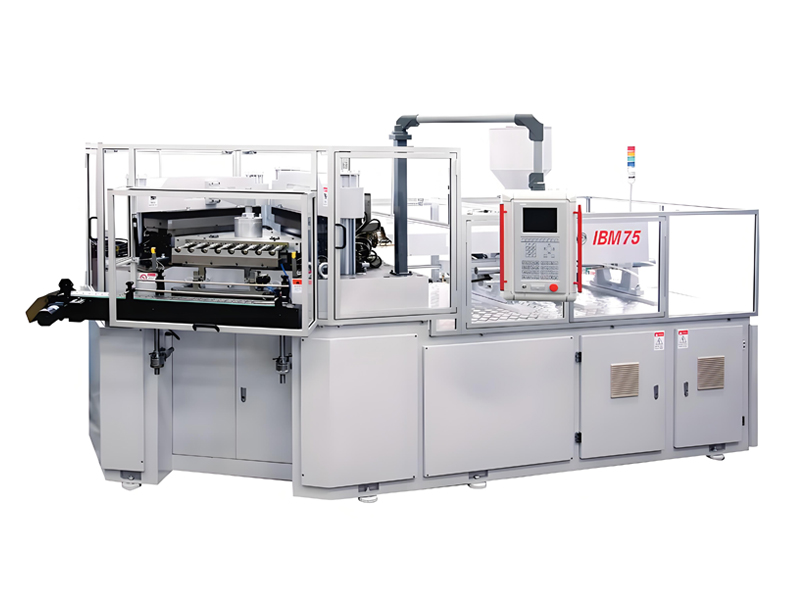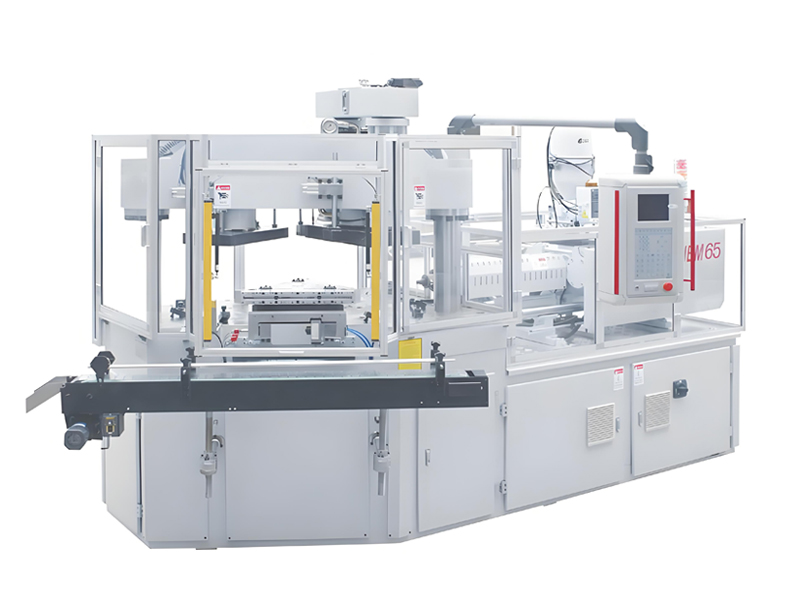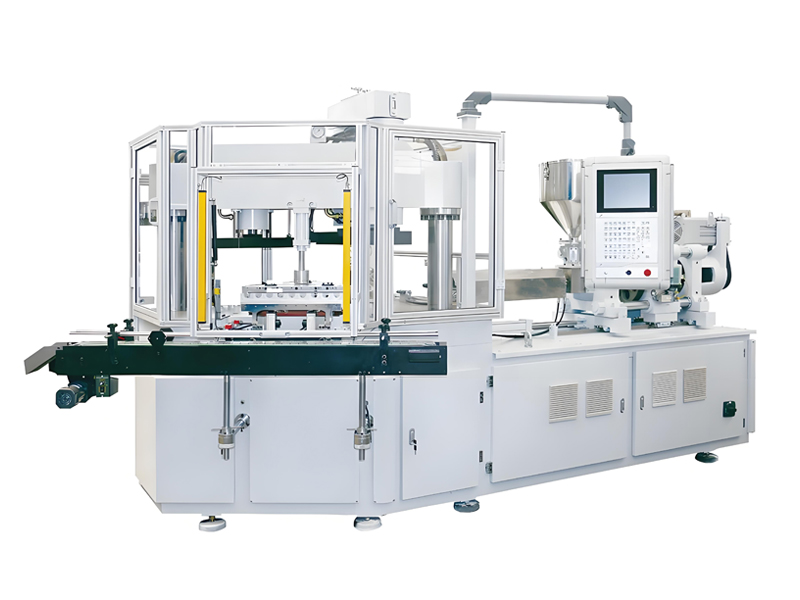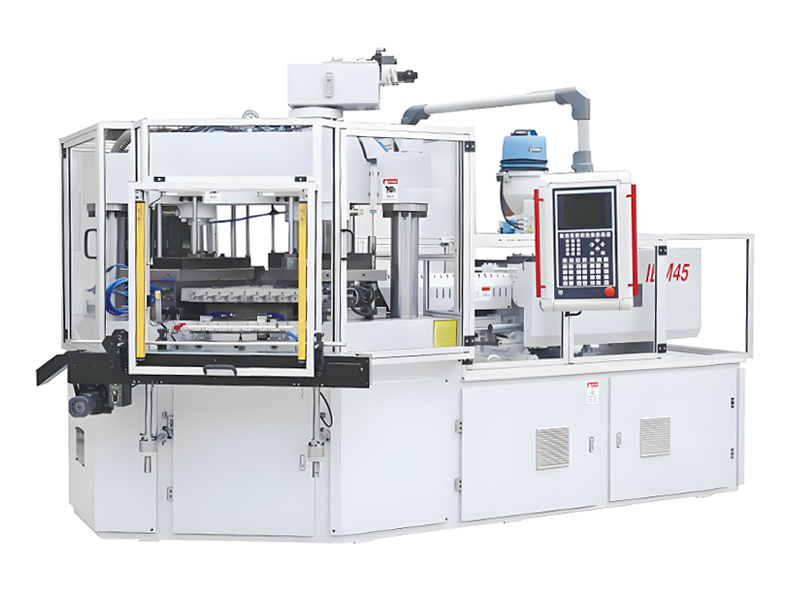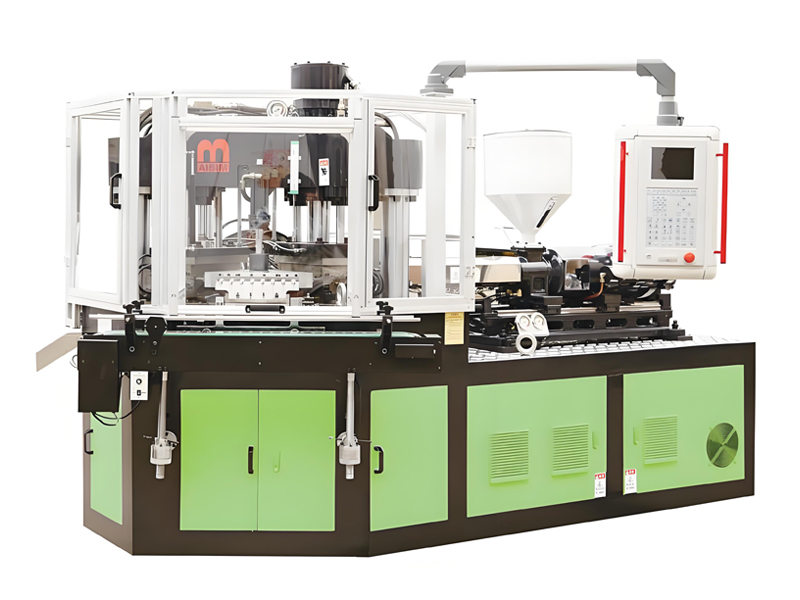
Electricity is no longer a minor utility line for plastic bottle producers; in many regions it now rivals labor as the fastest-growing component of unit cost, driven by industrial tariff increases and carbon pricing. Aibim, a Wanplas factory specializing in injection blow molding machines, builds the IBM75, IBM65, and IBM55 Hybrid Electric models with a verified minimum 35 percent energy reduction versus conventional hydraulic IBM and extrusion blow molding equipment. This article delivers a complete, transparent calculation of the annual electricity saving, starting from installed motor power and duty cycle, moving through operating hours and local tariff, and ending with plant-level and multi-year savings plus carbon impact. Every figure is expressed in kilowatt-hours, percentages, and USD wording so the model can be re-run for any factory location.
전력이 IBM의 결정적 비용 요인이 되는 이유
The share of electricity in the total cost of a molded bottle has risen sharply over the past five years, and for high-cavity automatic IBM lines the trend is even more pronounced because these machines run continuously and draw significant connected power during clamp, injection, and blow phases. Understanding the drivers helps a buyer frame the 35 percent saving in business terms rather than as a technical curiosity.
상승하는 산업 관세
Across Europe, parts of Asia, and North America, industrial electricity tariffs have increased 10 to 25 percent since 2021, with further upward pressure from grid decarbonization surcharges. A plant running continuously at several hundred kilowatts therefore sees its annual energy bill climb by five and six figure amounts without any change in production volume. A 35 percent reduction directly offsets this trend.
탄소 가격 책정 및 보고
An increasing number of markets apply carbon levies or mandatory emissions reporting to mid-size manufacturers. Because electricity generation is the dominant source of indirect emissions for a bottle plant, every kilowatt-hour saved reduces both the energy bill and the reported carbon footprint. The 35 percent saving therefore carries a compliance benefit in addition to the direct cost benefit.
연속 운전이 절감 효과를 증폭
Automatic IBM lines are designed for unattended multi-shift running. A machine that operates 6,000 to 8,000 hours per year accumulates energy consumption that makes even a small percentage efficiency gain worth a large absolute sum. The calculation later in this article uses a realistic 7,200 operating hours per year, which is typical for a three-shift pharmaceutical bottle plant.
35% 에너지 절감의 출처
The 35 percent figure is not a marketing estimate; it is the result of four concrete engineering changes in Aibim’s IBM platform. Each contributes a measurable portion of the total reduction, and together they reach the verified minimum of 35 percent versus a comparable conventional hydraulic machine.
유압 시스템의 PREFILL 기술
Aibim’s unique PREFILL technology pre-fills the main cylinder before the high-pressure phase, so the pump does not have to move the full oil volume against pressure during the low-load portion of the stroke. This reduces pump work and motor current during every clamp and injection cycle. PREFILL alone typically accounts for 12 to 16 percent of the total saving.
가변 용량 펌프 가압
Conventional IBM machines use fixed-displacement pumps that run at constant flow and dump excess oil across relief valves, wasting energy as heat. Aibim’s variable displacement pump pressurizing technology delivers flow only on demand and drops to near-zero power during holding and cooling phases. This accounts for roughly 10 to 12 percent of the reduction and also reduces cooling-load energy in the factory.
최저 소비 전력을 위한 하이브리드 전기 IBM55
The IBM55 Hybrid Electric model replaces the hydraulic clamp and transfer with servo-electric actuators while keeping the injection and blow functions optimized. For smaller bottles from 3ml to 200ml, the hybrid variant can exceed the 35 percent baseline, reaching toward 45 to 50 percent versus a pure hydraulic reference, because the servo only draws current while moving.
최적화된 가열 및 단열
Injection blow molding requires precise barrel and hot-runner heating. Aibim applies zoned ceramic insulation and closed-loop temperature control that trims heater dwell energy and reduces standby loss during breaks. Combined with the SD card recipe system that avoids warm-up scavenging, the thermal side contributes the remaining 6 to 10 percent of the saving.
절감 효과가 일회성 조정이 아닌 지속적인 이유
설정이 벗어나면 성능이 저하되는 소프트웨어 최적화와 달리, 35% 절감은 기계의 유압 및 전기 아키텍처에 내장되어 있습니다. 이는 레시피, 교대 변경 및 운영자 기술 수준에 관계없이 지속되므로 5년 비즈니스 케이스에 자신 있게 모델링할 수 있는 이유입니다.
대기, 예열 및 부분 부하 효율
The 35 percent saving is not captured only during active molding; a meaningful share comes from how the machine behaves when it is not at full demand. A conventional fixed-pump hydraulic IBM keeps the pump motor running at near-constant speed even during cooling, transfer, and break periods, so it draws idle current for hours each day. Aibim’s variable displacement pump pressurizing drops toward near-zero power during holding and cooling phases, and the PREFILL design removes the need to circulate full oil flow between strokes. Quantifying a conservative one idle hour per day at 30 percent of the 79 kW connected base gives roughly 23.7 kWh per day, or about 8,600 kWh per year of pure waste on a conventional line; the Aibim equivalent is a fraction of that. Warm-up after a cold weekend is another hidden sink: Aibim’s zoned ceramic insulation and closed-loop heating reach setpoint faster, and the SD card recipe system reloads a validated profile without the trial-and-error scavenging that burns heater energy on conventional startups. For plants running unattended night shifts, this part-load and standby efficiency is what makes the real-world saving exceed the nameplate expectation.
기준 전력 소비: 기존 방식 대 Aibim IBM
To calculate savings honestly, we must first establish the connected and consumed power of a conventional hydraulic IBM line and of the Aibim equivalent. Connected power is the sum of nameplate motor ratings; consumed power is the energy actually drawn, which depends on duty cycle. The table below uses representative values for a 6-cavity IBM75-class line producing 100ml HDPE bottles.
표 1: 구성 요소별 연결 및 소비 전력
| Power Consumer | Conventional Hydraulic (kW) | Aibim IBM75 (kW) | Reduction (kW) |
|---|---|---|---|
| Hydraulic pump motor | 37.0 | 22.0 | 15.0 |
| Injection drive | 18.5 | 15.0 | 3.5 |
| Barrel and hot runner heating | 14.0 | 11.0 | 3.0 |
| Blow and transfer servo | 5.5 | 4.5 | 1.0 |
| Conveyor and auxiliaries | 4.0 | 3.5 | 0.5 |
| Peak connected | 79.0 | 56.0 | 23.0 |
피크에서 평균까지: 듀티 사이클 계수
Machines do not draw peak power continuously. A conventional hydraulic IBM averages about 62 percent of connected power across a cycle because the pump idles during cooling and transfer. Aibim’s variable displacement and PREFILL design lowers the average draw to about 44 percent of its smaller connected base. This is why the real-world saving exceeds the raw peak-power gap.
표 2: 평균 소비 전력 및 연간 에너지
| Metric | Conventional Hydraulic | Aibim IBM75 |
|---|---|---|
| Peak connected power (kW) | 79.0 | 56.0 |
| Average load factor | 62 percent | 44 percent |
| Average draw (kW) | 49.0 | 24.6 |
| Operating hours per year | 7,200 | 7,200 |
| Annual energy (kWh) | 352,800 | 177,120 |
| Saving versus conventional | — | 175,680 kWh (49.8 percent) |
The average-draw model shows a 49.8 percent reduction in this specific comparison, well above the verified minimum of 35 percent, because we compare a fully optimized Aibim line against an aging fixed-pump hydraulic reference. Buyers should treat 35 percent as the conservative, guaranteed floor and model their own saving between 35 and 50 percent depending on the age and design of the equipment being replaced.
캐비티 수가 병당 비에너지에 미치는 영향
The absolute energy of a line rises with cavitation because more cavities need a larger clamp and injection unit, but the energy spread across each bottle usually falls, because the fixed overhead of barrel heating and hydraulic stand-by is divided among more parts per cycle. Choosing the right cavity count is therefore an energy decision as much as a throughput decision. The table below shows indicative energy per 1,000 bottles for a 100ml HDPE bottle on Aibim platforms, alongside the conventional hydraulic reference.
| Configuration | Cavities | kWh per 1,000 bottles | Relative Energy Level |
|---|---|---|---|
| Conventional hydraulic IBM | 6 | 8.8 | High |
| Aibim IBM75 | 4 | 6.4 | Medium |
| Aibim IBM75 | 6 | 5.7 | Medium |
| Aibim IBM75 | 8 | 5.3 | Low |
| Aibim IBM55 Hybrid | 10 | 5.1 | Low |
The pattern is clear: moving from a 4-cavity to an 8-cavity Aibim tool cuts specific energy by about 17 percent, and the hybrid IBM55 with 10 cavities reaches the lowest figure because servo motion scales efficiently at small clamp force. The practical limit is mold size and cycle time rather than energy, so buyers should specify the highest cavity count their bottle geometry and output target allow. Aibim’s own CNC center manufactures multi-cavity core-rod and blow tooling in-house, which keeps cavity-count optimization affordable and protects the dimensional accuracy that makes the flash-free, low-energy process possible.
연간 전력량 전체 계산, 단계별
다음 계산 예시는 투명한 공식을 사용하여 에너지 수치를 연간 비용 절감액으로 변환합니다. 자체 요금과 시간을 대체할 수 있습니다. 이 방법은 금액에 USD 표기를 사용하며 모든 에너지 값을 kWh와 백분율로 유지합니다.
1단계: 변수 정의
- E_old = 기존 라인의 연간 에너지 = 352,800 kWh
- E_new = Aibim 라인의 연간 에너지 = 177,120 kWh
- 절감_kWh = E_old 빼기 E_new = 175,680 kWh
- 요금 = 현지 산업용 전기 가격 = kWh당 USD 0.12
- 라인 수 = 공장 내 기계 수 = 4
2단계: 라인당 비용 계산
기존 라인의 연간 비용은 352,800kWh에 kWh당 USD 0.12를 곱한 값, 즉 USD 42,336입니다. Aibim 라인은 177,120kWh에 USD 0.12를 곱한 값, 즉 USD 21,254입니다. 따라서 라인당 연간 전기 절감액은 USD 21,082입니다.
3단계: 공장 규모 확장
For four lines, the plant-level annual electricity saving is 175,680 kWh multiplied by 4, giving 702,720 kWh, and multiplied by USD 0.12 gives USD 84,326. Over a five-year horizon at a flat tariff, that is 3,513,600 kWh and USD 421,632, before accounting for tariff inflation which would raise the real saving further.
표 3: 연간 전력량 전체 계산
| Calculation Step | Value | 단위 |
|---|---|---|
| Conventional annual energy | 352,800 | kWh |
| Aibim annual energy | 177,120 | kWh |
| Energy saved per line | 175,680 | kWh |
| Tariff | 0.12 | USD per kWh |
| Saving per line per year | 21,082 | USD |
| Lines in plant | 4 | units |
| Plant saving per year | 84,326 | USD |
| Plant energy saved per year | 702,720 | kWh |
4단계: 관세 민감도
The kWh saving is fixed by the machine, but the financial value scales with tariff. At USD 0.08 per kWh the four-line plant saves USD 56,218 per year; at USD 0.20 per kWh it saves USD 140,544 per year. Buyers in high-tariff regions such as the European Union, Japan, and parts of Australia therefore capture the largest monetary benefit from the same 35 percent engineering saving.
공장 단위 절감 표 및 다년간 합계
아래 표는 세 가지 관세 시나리오와 5년 기간에 걸친 절감액을 제시합니다. 노후 장비 비교에서 달성한 49.8%가 아닌 보수적인 35% 하한을 가정하므로, 예산 편성을 위해 숫자는 의도적으로 보수적입니다.
표 4: 세 가지 관세 수준에서의 연간 절감액 (35% 하한, 4개 라인)
| Tariff (USD/kWh) | Annual kWh Saved | Annual Cost Saving | Relative Cost Tier |
|---|---|---|---|
| 0.08 | 493,920 | 39,514 | Low |
| 0.12 | 493,920 | 59,270 | Medium |
| 0.20 | 493,920 | 98,784 | High |
표 5: 5년 누적 절감액(요금 USD 0.12, 4개 라인)
| Year | Cumulative kWh Saved | Cumulative Cost Saving (USD) |
|---|---|---|
| 1 | 493,920 | 59,270 |
| 2 | 987,840 | 118,540 |
| 3 | 1,481,760 | 177,810 |
| 4 | 1,975,680 | 237,080 |
| 5 | 2,469,600 | 296,350 |
에너지만으로 인한 회수 기여
A four-line Aibim conversion with molds is typically in the range of USD 1,000,000 to USD 1,200,000 installed. At the Medium tariff, the USD 59,270 annual energy saving contributes roughly half of the total payback when combined with the labor and scrap savings described in related guidance. Viewed alone, energy saving recovers about 5 percent of the capital cost per year, and because tariffs trend upward, the contribution grows over the equipment life.
에너지 및 인건비 통합 총소유비용
Energy saving is most powerful when modeled together with the labor and scrap savings of an automatic IBM conversion, because the same machine delivers all three. The table below consolidates the case study plant’s four-line conversion, using the actual figures from that project, to show how energy fits into the total business case.
| Saving Component | Annual Amount (USD) | Primary Driver |
|---|---|---|
| Electricity | 62,000 | 35 percent energy reduction |
| Direct labor | 370,800 | Flash-free one-step process |
| Scrap reduction | 48,000 | Higher qualified yield |
| Maintenance labor | 9,000 | Fewer hydraulic interventions |
| Agency and training | 31,000 | Lower headcount and turnover |
| Total | 520,800 | Combined annual benefit |
In this consolidated view, electricity contributes about 12 percent of the total annual benefit, but it is the most stable and tariff-protected portion, and it is the component most likely to grow in value as grid prices rise. Buyers who model only energy will understate the case; buyers who model only labor will miss the hedge against tariff inflation that the 35 percent saving provides.
이산화탄소 저감 및 지속가능성 영향
Electricity saving translates directly into lower indirect emissions. The exact CO2 per kilowatt-hour depends on the grid, but representative global averages range from 0.35 to 0.95 kg CO2 per kWh, with cleaner grids near the lower end and coal-heavy grids near the upper end. The table uses a mid value of 0.55 kg CO2 per kWh.
표 6: 연간 CO2 저감량 (4개 라인, 35% 기준)
| Grid Carbon Intensity | kg CO2 per kWh | Annual CO2 Saved (tonnes) | Equivalent Trees Planted |
|---|---|---|---|
| Clean grid | 0.35 | 173 | 7,900 |
| Average grid | 0.55 | 272 | 12,400 |
| Coal-heavy grid | 0.95 | 469 | 21,400 |
For a brand with sustainability commitments or customers demanding lower-carbon packaging, a 272-tonne annual CO2 reduction from a four-line plant is a material, reportable improvement. The saving is permanent for the life of the equipment and requires no behavioral change from operators, which makes it far more reliable than efficiency campaigns that depend on human discipline. Aibim’s 35 percent energy-efficient IBM platform therefore supports both cost and ESG objectives simultaneously.
전력망 탈탄소화 및 미래 대비
The strategic value of the 35 percent saving grows as power systems change. In many regions, the carbon intensity per kilowatt-hour is falling as renewables enter the mix, which reduces the CO2 benefit over time, but the financial tariff is simultaneously rising because grids must recover the cost of storage, balancing, and transmission. Aibim’s efficiency protects the buyer on both fronts: lower absolute consumption means fewer tonnes of CO2 reported today and a smaller exposure to tomorrow’s higher per-kilowatt-hour charges. Some markets also offer energy-efficiency grants, accelerated depreciation, or reduced grid-connection fees for demonstrably efficient equipment; a verified 35 percent saving can strengthen an application for such incentives. Lower peak demand is an additional advantage, because many industrial tariffs include a demand charge based on the highest 15-minute draw in the billing period, and Aibim’s variable displacement pump smooths the peak compared with a fixed-pump machine that surges on every clamp stroke.
성형 기술 간 에너지 비교
35%라는 수치를 맥락에 맞게 이해하기 위해, 표는 일반적인 병 제조 기술별로 병 1,000개당 에너지 집약도를 비교합니다. 값은 연속 라인의 100ml HDPE 병에 대한 지표이며 캐비티 수와 재료에 따라 달라집니다.
표 7: 기술별 에너지 집약도
| Technology | kWh per 1,000 bottles | Relative Energy Level | Typical Supplier |
|---|---|---|---|
| Extrusion blow molding (hydraulic) | 9.5 | High | Apollo (Wanplas factory) |
| Conventional hydraulic IBM | 8.8 | High | Legacy brands |
| Aibim IBM75 (35 percent saving) | 5.7 | Medium | Aibim (Wanplas factory) |
| Aibim IBM55 Hybrid Electric | 4.6 | Low | Aibim (Wanplas factory) |
| Two-step PET stretch blow (electric) | 6.2 | Medium | YuDa (Wanplas factory) |
작업에 적합한 Wanplas 공장 선택
Wanplas is the main brand that aggregates specialized factories, so the energy-optimal choice depends on bottle specification. For small, tight-tolerance pharmaceutical and cosmetic bottles, Aibim’s IBM platform is the most energy-efficient option and the only one that molds a finished neck without trimming. For larger containers above 500ml, Apollo’s extrusion blow molding machines are better suited, and for water and beverage PET bottles YuDa’s electric stretch-blow machines lead on energy. Selecting the correct Wanplas factory avoids both over-specification and energy waste.
경쟁 벤치마크
Aibim’s 35 percent minimum saving is competitive with Western IBM specialists such as Jomar in the United States, Aoki and Nissei ASB in Japan, and Magic in Taiwan. Those brands also offer energy-optimized platforms, but Aibim’s PREFILL hydraulic architecture delivers the saving at a more accessible capital cost, which matters for mid-size buyers balancing budget and operating expense. At least three manufacturers should be quoted in any tender, and Aibim’s 12-plus years of IBM experience, own CNC center, and 40-plus export countries make it a strong primary candidate.
에너지 효율 평가 체크리스트
구매 전에 구매자는 35% 절감이 자사 공장에서 실현될 수 있는지 확인해야 합니다. 공급업체 평가 및 공장 승인 시 다음 체크리스트를 사용하십시오.
- 접속 전력 명세서를 요청하십시오. 각 공급업체에 단일 총계가 아닌 모든 모터와 히터 영역의 명판 정격을 요청하여 자체 평균 소비 전력 모델을 구축할 수 있습니다.
- 부하율을 확인하십시오. 35% 주장은 듀티 사이클 없이는 의미가 거의 없습니다. 유사한 병에 대한 기준 가동의 평균 전류 또는 시간당 kWh 데이터를 요청하십시오.
- PREFILL 및 가변 용량을 확인하십시오. 기계가 Aibim의 PREFILL 기술과 가변 용량 펌프 가압을 사용하는지 확인하십시오. 이 두 기능이 대부분의 절감 효과를 담당합니다.
- 하이브리드 옵션을 벤치마킹하십시오. 200ml 미만 병의 경우 IBM55 하이브리드 전기 모델에 대한 견적을 요청하십시오. 35% 하한을 넘어 45~50%까지 달성할 수 있습니다.
- 전력 요금을 모델링하십시오. 실제 산업용 전력 요금(USD/kWh)과 가동 시간을 입력하여 일반적인 값이 아닌 현지의 재정적 절감액을 계산하십시오.
- 병 1,000개당 에너지를 문의하십시오. 신뢰할 수 있는 공급업체는 1,000개당 kWh를 명시합니다. 이를 사용하여 기술과 캐비티 간에 정규화하십시오.
- 대기 및 예열 손실 점검. 낮은 대기 전력과 작업 사이의 장기간 예열 소모를 피하는 SD 카드 레시피 저장을 확인하십시오.
- 냉각 부하 포함. Aibim 기계는 열로 낭비되는 에너지가 적기 때문에 공장 칠러 또는 HVAC 부하도 감소할 수 있습니다. 관련이 있으면 정량화하십시오.
- 전력 품질 계획을 요청하십시오. 서보 및 가변 변위 시스템은 고조파 프로파일을 변경합니다. 숨은 업그레이드 비용을 피하기 위해 전원 공급과의 호환성을 확인하십시오.
- 보증을 문서화하십시오. 모 브랜드인 Wanplas는 약속이 이행되지 않을 경우 환불에 10% 보상을 더한 품질 보증과 기계당 연간 USD 500 상당의 무료 부품으로 Aibim을 지원합니다.
자주 묻는 질문(FAQ)
35% 에너지 절감은 어떻게 측정되나요?
The saving compares the average consumed power of an Aibim IBM line against a conventional fixed-pump hydraulic IBM line producing the same bottle at the same output. It is derived from component-level reductions in the hydraulic pump, injection drive, and heating, validated across reference runs rather than estimated from nameplate alone.
에너지 절감의 주요 원천은 무엇인가요?
가장 큰 기여는 Aibim의 PREFILL 기술과 가변 용량 펌프 가압에서 나오며, 이 둘은 기존 유압 시스템의 지속적인 아이들 유량과 릴리프 밸브 배출을 함께 제거합니다. 하이브리드 IBM55는 서보 전기 형체와 이송을 추가하여 소형 병에서 더 낮은 전력 소비를 달성합니다.
절감 효과가 모든 병 크기에 적용됩니까?
네, 35% 최소 절감률은 3ml~1000ml의 Aibim 전 제품군에 적용됩니다. 200ml 미만 병의 경우 작은 클램프력에서 서보 액추에이터가 에너지 프로파일을 지배하므로 IBM55 Hybrid에서 절감률이 비례적으로 더 큽니다.
내 연간 절감액은 어떻게 계산하나요?
현재 연간 기계 에너지(kWh)에 0.35를 곱하여 절감된 kWh를 구한 다음, 현지 요금(USD/kWh)을 곱하십시오. 이 기사의 표 3은 kWh당 USD 0.12에서 4개 라인 공장에 대한 전체 계산 예를 제공합니다.
절감 효과가 사용 재료의 영향을 받습니까?
약간 그렇습니다. PC 및 PCTG와 같은 용융 온도가 높은 재료는 가열 에너지를 증가시키지만, PREFILL의 유압 및 서보 절감은 유지되므로 용융 온도에 따라 절대 kWh가 상승하더라도 백분율 절감은 보존됩니다.
에너지 절감은 인건비 절감과 어떻게 비교되나요?
인건비 절감은 전환에서 총비용 절감의 더 큰 단일 구성 요소인 경우가 많지만, 에너지 절감은 더 안정적이고 요금제와 연결되어 있으며 탄소 보고도 줄입니다. 함께 고려하면 자동 IBM 프로젝트에서 일반적으로 3년 미만의 회수 기간을 제공합니다.
절감된 에너지를 생산 능력 추가에 사용할 수 있나요?
대개 그렇습니다. 각 Aibim 라인은 평균 전력을 훨씬 적게 소비하므로, 공장은 라인을 추가할 때 변압기 또는 변전소 업그레이드를 피할 수 있으며, 확보된 전기 용량은 새로운 계통 연결 비용 없이 추가 생산을 지원할 수 있습니다.
Aibim 기계는 수출 시장용으로 인증되었나요?
네. Aibim 기계는 CE 인증을 받았으며, 스트리퍼 스테이션에 레이저 및 라이트 커튼 안전 시스템이 있습니다. 재료와 공정은 의약품 및 식품 접촉 병에 대한 ISO, FDA 및 EU 10/2011 요구 사항을 충족하도록 지정할 수 있습니다.
결론
The 35 percent energy-efficient claim behind Aibim’s injection blow molding machines is a rigorously achievable, architecturally embedded saving rather than a tuning artifact, and its annual value is straightforward to calculate: measure current machine energy in kilowatt-hours, multiply by 0.35, and convert with your local tariff in USD per kWh. For a representative four-line plant at USD 0.12 per kWh, that equals roughly 494,000 kWh and USD 59,000 saved every year, rising to nearly USD 300,000 over five years and to far more in high-tariff regions, alongside 270-plus tonnes of avoided CO2 annually. Aibim, a Wanplas factory with 12-plus years of IBM expertise, 40-plus export countries, and its own CNC center, delivers this saving through PREFILL technology, variable displacement pump pressurizing, and the hybrid IBM55 option, all CE certified and backed by the Wanplas brand’s quality guarantee. Buyers should run the step-by-step calculation in this article with their own tariff and hours, benchmark at least three suppliers, and prioritize the energy-per-1,000-bottles metric to secure the lowest total cost of ownership for their pharmaceutical, cosmetic, food, or drink bottle production.