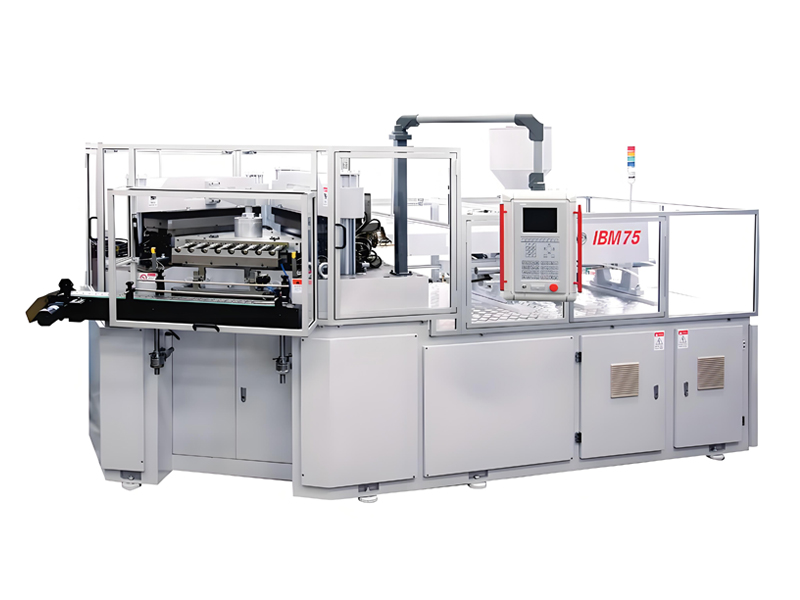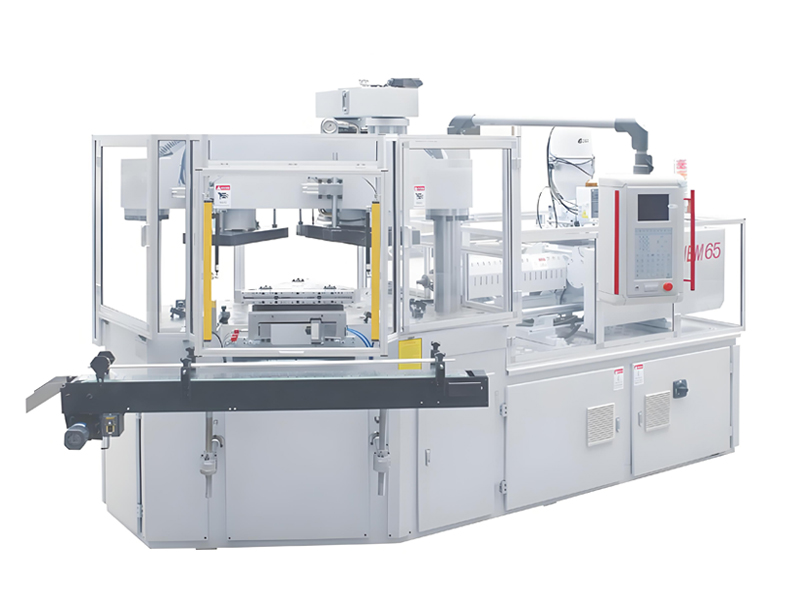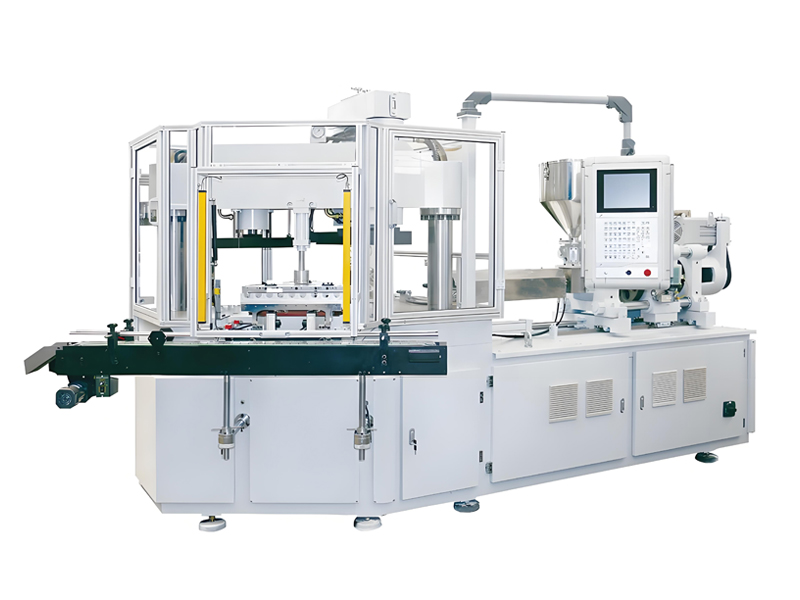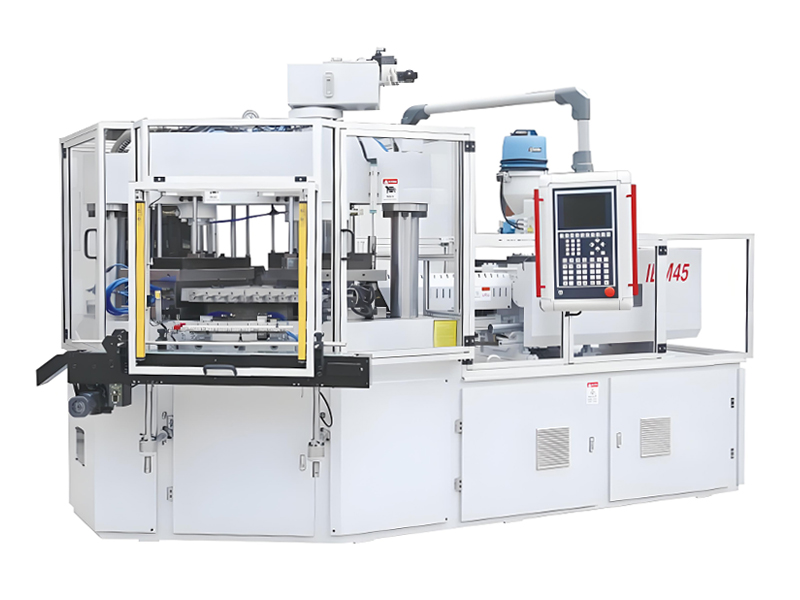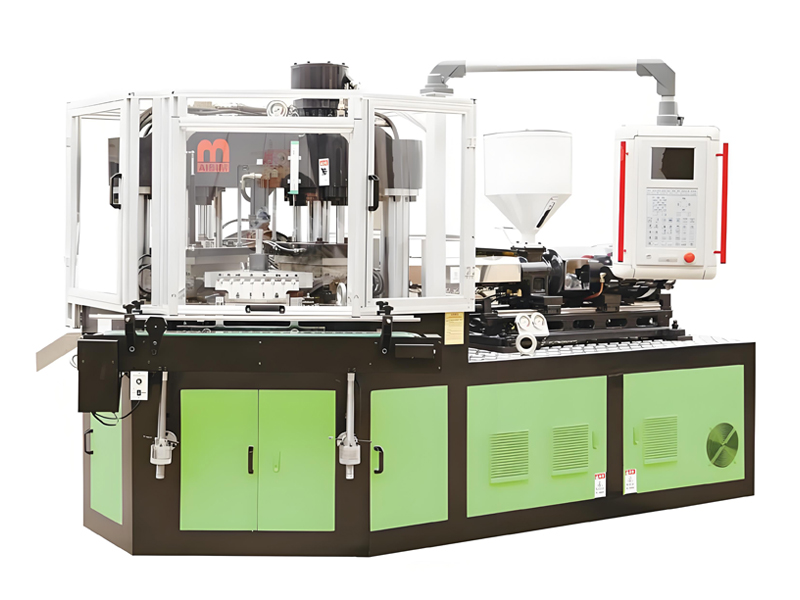
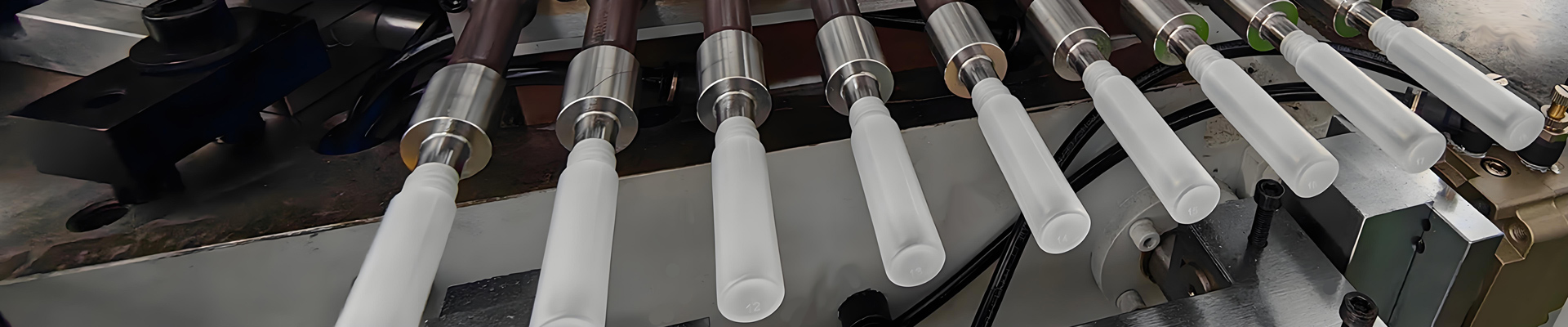
Aibim, a Wanplas factory specializing in injection blow molding (IBM) machines, builds three-station one-step equipment that turns plastic resin into precise hollow containers ranging from 3 ml to 1000 ml. At the heart of every IBM machine sits the screw barrel assembly — the rotating screw inside its closely fitted barrel — which plasticizes, homogenizes and injects the melt that becomes the parison. Understanding screw barrel material types and expected lifespan is the single most important factor in controlling spare-parts cost, downtime hours and part quality. This guide explains the steel grades, surface treatments, geometry, wear mechanisms, clearance limits and maintenance practices that determine how long a screw barrel will serve an injection blow molding machine before replacement becomes necessary.
注射吹き型成形におけるねじとバレルの組み立て
The screw barrel assembly is the plasticizing core of an injection blow molding machine, and its condition dictates both output stability and container quality. In Aibim’s IBM75, IBM65 and IBM55 Hybrid machines, the screw rotates inside a stationary barrel, drawing solid pellet or regrind feed from the hopper, melting it through shear and conduction, and metering a precise shot into the injection unit that forms the parison. Because the parison wall thickness and weight consistency depend directly on melt uniformity, any wear in the screw barrel quickly shows up as flash, short shots, weight drift or dimensional variation in the finished bottle.
A screw is not a simple solid rod. It is a precision-machined helical flight wrapped around a root, divided into a feed zone, a compression zone and a metering zone, often terminated by a Maddock or pineapple mixing section and a non-return valve. The barrel is a thick-walled cylinder with a hardened inner bore whose diameter must stay within a few hundredths of a millimeter of the screw flight tip. The radial gap between flight and bore — the screw-barrel clearance — is where plasticizing efficiency lives, and it is exactly where wear concentrates.
注入吹き抜き成形は、押し出しとは異なり、ねじが連続的な作業ではなく、断続的な往復作業を行います。回復時には、ねじが次の射出を作成するために回転し、チェックリングの前方に溶融物が蓄積されるにつれ収縮します。注入時には、ねじがノズルを通して溶融物を押し出す役割を果たします。このスタート・ストップの熱および機械的サイクリング、さらにPP、HDPE、PS、ABS、SAN、TPU、PC、およびPCTGをプラスチック化するために必要な高い摩擦により、ねじバレルに独特の負荷プロファイルが生じ、材料選択や寿命に影響します。
Aibim’s PREFILL technology and variable displacement pump in the hydraulic system reduce the thermal load on the melt, which indirectly protects the screw barrel by limiting degradation-driven corrosion. Still, the assembly remains a consumable: even the most advanced steel will eventually reach its wear limit. The practical question for any plant manager is not whether the screw barrel will wear, but how to choose materials and practices that maximize running hours per set while keeping the cost index reasonable.
本稿では、スクリューバレルをエンジニアリングシステムとして扱い、その基礎となる鋼の化学構造、作動面を硬化させる表面エンジニアリング、混合と出力を制御する幾何学的パラメータ、主要な四つの摩耗メカニズム、交換を引き起こすクリアランス数、および一般的な樹脂を処理する際に期待できる実世界での寿命について検討します。この記事を読み終えたら、IBMマシン用のスクリューバレルを自信を持って指定し、稼働時間を保護するメンテナンス計画を立てることができます。
ねじとバレルの材質等級の説明
ベース鋼の選択は、スクリューバレルの構築において最初の決定となります。基板は、硬質表面層をどの程度まで支えることができるか、また部品が疲労、ねじれ、および熱循環にどの程度耐えることができるかを決定します。プラスチック機械業界では、コストレベル、硬化性、靭性のバランスが取れた、実績のあるグレードがいくつかあります。インジェクションブロー成形では、最も一般的な基板の選択肢は、38CrMoAlAニトリング鋼、42CrMo合金鋼、SKD61ホットワーク工具鋼、およびさまざまなステンレス鋼や高速鋼のほか、過酷な用途向けに二金属や粉末金属を上に重ねる選択肢があります。
38CrMoAlAは、クロム、モリブデン、アルミニウムを含む古典的なニトリング用合金です。ニトリング時にアルミニウムは硬いアルミニウムニトリド結晶を形成し、表面硬度はHV 900〜1000程度になりますが、芯部は丈夫です。一般用途のIBMネジやバレルで、PP、HDPE、PSなどのクリーンな樹脂を使用する場合にデフォルトとして選択されます。コストレベルは低中です。42CrMoは、より高い強度を持つクロムモリブデン鋼で、芯部の靭性と衝撃強度が優れています。また、ニトリングやインダクション硬化に適しています。H13に相当する日本の熱作業用工具鋼であるSKD61は、熱硬度と熱疲労に対する耐性が優れ、PCやPCTGなどの熱工業用樹脂を使用するネジに適しています。
The barrel, by contrast, more often uses a bimetallic liner because the bore sees the most abrasive contact. A single-alloy nitrided barrel in 38CrMoAlA is acceptable for gentle duty, but once glass fiber, calcium carbonate, titanium dioxide or flame-retardant additives enter the melt, the thin nitride case is consumed quickly. That is why high-wear barrels pair a medium-carbon or alloy steel outer shell with an inner centrifugally cast or welded alloy layer — the bimetallic construction discussed in the next section.
耐久性の観点からすると、鋼種が天井を設定します。硬化ニトリ化された38CrMoAlA製ネジは、清潔な樹脂で15,000~25,000時間の稼働が可能ですが、ガラス入り合成物の同じ素材では8,000時間以下で交換が必要です。ネジをCPM 9Vなどの粉末金属製品に、バレルを二金属ライナーにアップグレードすると、コストが高くなりますが、天井は大幅に上昇します。
以下の表は、IBMのネジ缶サービスにおける主要な基材とその典型的なコストおよび耐久性についてまとめています。
| ベース素材 | 通常の使用例 | コストレベル | 耐久性の比較 |
|---|---|---|---|
| 38CrMoAlA(ニトリング鋼) | 汎用ねじ・バレル、クリーン樹脂 | 低 / 中 | 日本語の翻訳だけを返信してください。説明、引用、ラベルは付けないでください。 |
| 42CrMo(合金鋼) | 高トルクのネジ、大きな直径 | 日本語の翻訳だけを返信してください。説明、引用、ラベルは付けないでください。 | 日本語の翻訳だけを返信してください。説明、引用、ラベルは付けないでください。 |
| SKD61/H13(熱間用工具鋼) | PC、PCTG、高温樹脂用ねじ | 中 / 高 | 中高度 |
| 二金属ライナー(Fe-Cr-B / Ni-Cr-Co-WC) | 充填物や腐食性化合物を入れるためのバレル | 高 / 非常に高 | High |
| CPM 9V(粉末金属) | 極めて高い耐摩耗性を要求する用途向けのねじ | 非常に高い / プレミアム | 非常に高い |
材料の選択は常に樹脂スレートに合わせる必要があります。HDPE製薬瓶のみを使用する工場では、38CrMoAlAを使用することで経済的に生産を継続できますが、ガラス入りPPと難燃性ABSを交互に使用する契約金型メーカーでは、繰り返しの切り替えやダウンタイム時間を回避するために、二金属および粉金属製品のグレードに移行する必要があります。
二金属バレル:Fe-Cr-BとNi-Cr-Co-WCライナー
A bimetallic barrel is the standard answer when a single-alloy nitrided bore cannot survive the abrasive or corrosive melt stream. The construction is simple in concept but demanding in execution: a ductile steel outer shell is lined on the inside with a thick, hard alloy layer that carries the wear. Two chemistries dominate the IBM sector — an iron-based Fe-Cr-B (iron-chromium-boron) liner and a nickel-based Ni-Cr-Co-WC (nickel-chromium-cobalt-tungsten carbide) liner. Each offers a distinct balance of hardness, toughness and chemical resistance.
Fe-Cr-Bライナーは、ボロンが豊富に含まれた鉄クロム合金をボアに対して遠心鋳造し、その後サイズに合わせて研磨して製造されます。ボロンは、硬質なボリド相を形成し、カルシウムカーボネートやタルクなどの研磨粒子に対して抵抗性を発揮します。層の厚さは通常1.5~2.0mmで、鋳造時の硬度はHRC 58~62程度です。このグレードは、充填ポリオレフィンや中程度の腐食性環境向けの製品に最適で、コストは高いレベルです。
Ni-Cr-Co-WCライナーは、ニッケル・クロム・コバルトマトリックスにタングステン・カーバイド粒子を埋め込むことでさらに進化しました。タングステン・カーバイドは、鋳造可能なライナーで利用可能な中でも最も硬い相のひとつであり、硬度をHRC 60~65にまで引き上げ、ガラス繊維やミネラル入り合成物に対する優れた耐久性を発揮します。ニッケルマトリックスは、鉄ベースのライナーよりも酸性およびハロゲン化された副産物に対する耐性が高く、難燃性やPVC付近の製品に適しています。コストレベルは非常に高いですが、稼働時間の回収率は大きくなります。
Because the liner is thick — far thicker than the 0.5 から 0.8 mm nitride case — a bimetallic barrel can be reground and relined several times before the shell is scrapped. In practice, a well-chosen bimetallic barrel in filled PP may exceed 30,000 running hours, versus under 8,000 for a comparable nitrided barrel. For Aibim IBM machines feeding glass-reinforced or calcium-filled resins, the bimetallic barrel is effectively mandatory for predictable uptime.
There are trade-offs. 二金属ライナーs are more brittle than a nitrided substrate, so they demand careful thermal management: rapid cold-start or thermal shock can spawn micro-cracks at the liner-shell interface. Operators should follow a controlled heat-up ramp and avoid foreign-metal ingress, which can spall the liner. The bonding quality between liner and shell also varies by foundry, so sourcing from a qualified supplier — and verifying with an ultrasonic thickness check — protects the investment.
ネジの相性が重要です。バイメタルバレルは通常、硬化した工具鋼または粉末金属製のネジと組み合わされます。タングステンカーバイドライナーに対して柔らかいニトリッド製のネジを使用すると、安価な部品が一方的に摩耗します。以下の表は、IBM用途における両方のライナーファミリーを比較しています。
| 日本語の翻訳だけを返してください。説明、引用、またはラベルは付けないでください。 | Fe-Cr-B ライナー | Ni-Cr-Co-WCライナー |
|---|---|---|
| マトリックスタイプ | 鉄クロムボロン鋳物 | ニッケルクロムコバルト + WC |
| 硬度(HRC) | 58 から 62 | 60~65 |
| 層厚 (mm) | 1.5~2.0 | 1.5~2.0 |
| 対する最強は | 鉱物系充填剤、軽度の腐食 | ガラス繊維、激しい摩耗、腐食 |
| コストレベル | High | 非常に高い |
粉末金属ねじ:CPM 9Vおよび高耐摩耗鋼
バレルの穴は内側から摩耗する一方、ねじのフライト先端はその同じ穴に対して外側から摩耗します。溶融物が硬い粒子を運搬している場合、ねじには、カーバイドを薄い表面だけでなく全体に均一に分散させるマトリクスが必要です。CPM 9V などの粉末金属鋼は、高炭素の工具鋼マトリクス中に微粒子の均一に配置されたバナジウムカーバイドを分散させることで、従来の鋳造鋼や圧延鋼が達成するものをはるかに超える耐摩耗性を実現します。
CPM 9V は高バナジウム、高炭素の PM 工具鋼です。その名前は、およそ 9% のバナジウムを示しており、極めて硬いバナジウムカーボナイトが研磨性のあるガラス繊維と鉱物フィラーを削げます。粉末加工によって、従来の鋳造工具鋼で見られるカーボナイトの分離が排除されるため、熱処理後、ねじ根と飛び部分の両方が均一な硬さを持ち、通常は HRC 58 ~ 62 程度です。この均一性により、ねじはその耐用年数の末までその形状を維持し、局所の溝が形成されることはありません。
For IBM machines running glass-fiber-reinforced PP, talc-filled compounds or flame-retardant masterbatches, a CPM 9V screw paired with a bimetallic barrel is the most durable combination on the market. It is not inexpensive — the cost level reaches 非常に高い to Premium — but the reduction in downtime hours and the extended reprocessing window often justify the spend for high-value pharmaceutical and cosmetic containers where scrap rate is the dominant cost.
その他の PM およびプレミアムグレードは専門サービスで提供されます。CPM 10V は、最大の耐摩耗性を実現するためにバナジウムをさらに高め、ステンレス製の PM グレードは、酸性またはハロゲン化された処方用に耐食性を追加します。中程度の使用に適した D2 や SKD61 などの従来の鍛造工具鋼は依然として一般的ですが、PM ファミリーの均一な炭化物フィールドに欠け、充填樹脂下ではより早く摩耗します。
A practical note: PM screws are harder to machine and repair. When a CPM 9V screw eventually wears, it is usually replaced rather than rebuilt, whereas a nitrided 38CrMoAlA screw can sometimes be re-ground and re-nitrided. The lifecycle math therefore compares a cheaper renewable part against a dearer disposable one — and for abrasive duty the disposable PM screw almost always wins on total cost per processed tonne.
Heat treatment discipline is critical. PM steels must be correctly austenitized, quenched and tempered; an undertempered screw can be brittle, while an overtempered one loses hardness. Aibim’s own CNC machining center and quality controls help ensure that replacement screws for IBM75, IBM65 and IBM55 Hybrid machines arrive at the right hardness and geometry, reducing the risk of premature field failure.
表面処理と硬化技術
ベース材料を超えて、実際に溶融物と接触するのは表面エンジニアリングです。ねじバレルの作業面はニトリ化、クロムめっき、タングステン・カーバイド噴塗、またはそれらの組み合わせによって硬化され、それぞれ異なる深さ、硬度、故障モードを有します。特定の樹脂にとって、適切な表面処理を選択することは、基材の選択よりも多くの決定力を持つことがあります。
ニトリダ処理は、38CrMoAlAおよび42CrMoに最も広く使用されている処理方法です。ガスまたはイオンニトリダ処理では、窒素が鋼材中に拡散し、拡散層の上に化合物層を形成します。これにより、0.5~0.8mmのケース厚とHV 900~1000の表面硬度が得られます。ケースは薄いですが非常に硬く、コーティングではなく拡散層であるため、剥離しません。弱点は厚さです。0.5~0.8mmが削減されると、柔らかいコアが露出し、摩耗が加速します。ニトリダ処理は、低~中レベルのコストで、清潔なPP、HDPE、PSに適しています。
クロムメッキは、通常0.02~0.08mmの薄いクロム層を形成し、離型性を向上させ、ある程度の耐食性をもたらします。粘着性や腐食性の高い樹脂に使用されることもありますが、その薄さのために耐摩耗寿命が短くなり、クラックが生じたクロム層は剥離することがあります。クロムメッキは、主たる摩耗面ではなく、補助的な処理として考えるのが良いでしょう。
HVOF (high-velocity oxy-fuel) or supersonic spraying deposits a tungsten carbide-cobalt coating, often 0.3 から 0.6 mm thick, with hardness around HRC 65~70. Because the particles are fired at supersonic speed, the coating bonds densely and resists both abrasion and corrosion. It is a common refurbishment route for screws — a worn nitrided screw can be stripped, sprayed and reground to extend life at a 日本語の翻訳だけを返信してください。説明、引用、ラベルは付けないでください。 cost level.
前述のバイメタルライナーは、実質的にバレル壁に組み込まれた厚い「表面処理」であり、1.5〜2.0 mmのHRC 58〜65合金を備えています。次の表は、IBMスクリューバレルサービスにおける主な表面オプションを比較したものです。
| 処置 | レイヤーの深さ(mm) | 硬度 | 日本語の翻訳だけを返信してください。説明、引用、ラベルは付けないでください。 |
|---|---|---|---|
| ニトリダ | 0.5 から 0.8 | HV 900 から 1000 | コスト効率が高く、離層しません |
| クロムメッキ | 0.02 から 0.08 | HV 800 から 1000 | 解放、軽度の腐食 |
| HVOF / 超音速噴霧 | 0.3 から 0.6 | HRC 65~70 | 摩耗 + 腐食、修理可能 |
| 二金属ライナー | 1.5~2.0 | HRC 58 ~ 65 | 太くて長持ちするバレルボア |
現場では、多くの耐久性の高いIBMのねじ缶は、ニトリド加工またはPMねじとHVOF修理コーティングを組み合わせています。目標は、両表面が同じ速度で摩耗するようにすることで、どちらも他の面を無駄に長持ちさせないようにすることです。
ねじのジオメトリ: L/D 比、圧縮比、ゾーン
The geometry of the screw is as important as its material. Three numbers define the plasticizing behavior of an IBM screw: the length-to-diameter ratio (L/D), the compression ratio, and the relative lengths of the feed, compression and metering zones. Together they set residence time, shear rate, melt temperature and the ability to handle different resins — all of which feed back into wear and lifespan.
The L/D ratio for injection blow molding screws typically runs 18:1 to 24:1. A longer screw (higher L/D) gives more residence time and better melt homogenization, which suits heat-sensitive or difficult resins, but it also increases torque demand and the length of barrel that must stay within tolerance. Aibim’s IBM range commonly uses L/D around 20:1~22:1, balancing homogenization against compact machine footprint and energy use. The compression ratio — the ratio of feed-zone channel depth to metering-zone channel depth — normally sits at 2.5 to 3.5 for IBM duty.
Channel depth deserves attention because it governs shear heating. A deep feed channel and a shallow metering channel raise the compression ratio and increase shear, which helps melt stiff resins such as PC but accelerates wear in filled compounds. A shallower metering channel also improves metering accuracy, which matters for parison weight consistency. The three zones are proportioned by length: a typical split is feed 45 to 55 percent, compression 20 to 30 percent, and metering 25 to 30 percent of the flighted length, adjusted for the resin’s melting point and bulk density.
HDPEやPPなどの結晶性樹脂の場合、適度な圧縮比(約3:1)と健全な供給ゾーンが最適です。PCやPSなどの無定形樹脂の場合は、わずかに低い圧縮比を使用すると過熱のリスクが低減します。Aibimのエンジニアは、機械の構成時に応用に応じてスクリューの形状を調整します。間違った形状を使用すると、オペレーターはバレル温度とバックプレッシャーを上げる必要があり、その結果、スクリューのバレル寿命が短くなります。
また、ジオメトリーは摩耗と相互作用します。高圧縮比は、フライトチップがボアに対してより強く乗り上げることを意味するため、充填樹脂に使用する高圧縮ねじは、柔らかいニトリッドされた鋼ではなく、PM鋼や工具鋼で作られます。一般的なIBM樹脂のジオメトリーに関するガイダンスを表にまとめました。
| 樹脂ファミリー | 日本語の翻訳だけを返信してください。説明、引用、ラベルは付けないでください。 | 圧縮比 | 日本語の翻訳だけを返してください。説明、引用、ラベルは付けないでください。 |
|---|---|---|---|
| PP / HDPE | 20:1~22:1 | 3.0 から 3.5 | 標準の3ゾーン、より深いフィード |
| PS/SAN | 20:1~22:1 | 2.5 から 3.0 | 過熱を防ぐために圧縮率を下げる |
| PC / PCTGのみを返信してください。説明、引用、ラベルは付けないでください。のみを返信してください。説明、引用、ラベルは付けないでください。 | 22:1から24:1 | 2.5 から 2.8 | 均一化のための長いL/D |
| 日本語の翻訳だけを返信してください。説明、引用、またはラベルは付けないでください。 | 20:1~22:1 | 2.5 から 3.0 | 浅い測光、硬いネジ/バレル |
スクリュー形状の選択は、材料グレードとの共同決定です。Aibimのアプリケーションチームは、IBMラインの見積もり時に特定のL/Dと圧縮比の組み合わせを推奨し、同じ推奨がスクリューバレルが使用すべき鋼材と表面処理を決定します。
セクションとノンリターンバルブの混在
三つの主要ゾーンを超えると、射出吹き込み成形における溶融品質と摩耗を左右するのは、ねじ先にある二つの特徴です。ミキシングセクションとノンリターンバルブ(チェックリング)です。どちらも、せん断力と圧力がピークとなる部分に位置しているため、その設計と材質の選択はねじバレルの寿命に大きな影響を与えます。
A mixing section homogenizes temperature and color by repeatedly splitting and rejoining the melt. The Maddock mixer — also called a fluted mixing section — uses a series of lands and channels that force the melt through restricted gaps, generating shear without excessive temperature rise. The pineapple mixer (pin mixing section) places a ring of pins on the screw root that break the melt into streams and recombine them, giving excellent dispersion for masterbatch and multi-cavity parisons. Both improve parison consistency, which lets the operator lower barrel temperature and back pressure, indirectly protecting the screw barrel.
However, mixing sections concentrate wear. The narrow gaps in a Maddock section and the pin roots in a pineapple section see high local velocity and, with filled resin, rapid abrasion. For glass-filled or calcium-filled compounds, the mixer should be cut from the same hard grade as the screw — CPM 9V or SKD61 — and the surrounding barrel bore should be bimetallic. A soft nitrided mixer in filled PP can erode within a few thousand running hours.
ノンリターンバルブ、またはチェックリングは、注入中にスクリュー先端を密閉し、溶融物が逆方向に流れないようにします。これはアセンブリ内で最も高圧、最も高速の部分であり、摩耗や汚染による損傷が起こりやすく、特に問題です。摩耗したチェックリングは漏れを起こし、戻り圧力を上昇させ、サイクル時間を延長します。また、ショット重量のばらつきを生じ、パリソンの一貫性を損なう原因となります。リングとその座面はツール鋼またはPMグレードで製造され、スクリューを引くたびに検査する必要があります。
Sealing design also matters for lifespan. A free-flow or ball-check valve reduces restriction and is gentler on heat-sensitive resins, while a classic three-piece ring valve seals tightly but is more wear-prone. For IBM machines running PC or PCTG, where degradation must be avoided, a low-restriction valve paired with a bimetallic barrel is the durable choice. Aibim’s IBM55 Hybrid and IBM75 units use hardened check-ring assemblies as standard to keep back pressure stable across long campaigns.
要するに、ねじの先端は材質と摩耗リスクが交わる部分です。最初から堅牢なミキサーとチェックリングを選択すると、ネジバレルの早期廃棄の最も一般的な原因を防ぎ、所有コスト指数を管理できます。
摩耗、腐食、接着、およびキャビテーションによる摩耗
Four distinct physical mechanisms consume a screw barrel, and diagnosing which one is active tells you which material will survive. Confusing them leads to the wrong upgrade — a harder barrel that still corrodes, or a corrosion-resistant barrel that still abrades. The four mechanisms are abrasive wear, corrosive wear, adhesive wear and cavitation.
研磨摩耗とは、溶融中の硬い粒子(ガラス繊維、カルシウムカーボネート、タルク、酸化チタン、顔料、再粉砕粉末)によってフライト先端と穴径が研磨される現象です。これにより特徴的な傷の溝が生じ、クリアランスが徐々に増加します。塗料や難燃性合成物ではこの摩耗が主な原因となり、これを防ぐにはバイメタルバレルとPMねじが最適です。研磨摩耗は粒子の硬さと荷重量と比例し、30%ガラス繊維を混ぜたPPは、純粋なPPよりも劇的にねじバレルに対して硬いものとなります。
腐食性 wear comes from chemically aggressive melt or its degradation byproducts — halogenated flame retardants releasing acid, PVC-adjacent formulations, certain engineering resins at high temperature, and moisture-reactive chemistry. It attacks the matrix between hard phases, undercutting the surface even where abrasion is low. Nickel-based bimetallic liners and stainless or PM screws resist it best. 腐食性 wear is why a barrel that looks only mildly worn can fail by pitting and leakage.
日本語の翻訳だけを返信してください。説明、引用、またはラベルは付けないでください。 wear, or galling, occurs when two sliding metal surfaces momentarily weld and tear under high load and poor lubrication. In a screw barrel, this happens if the clearance closes through thermal growth or if a soft screw rubs the bore at start-up. It accelerates once initiated, producing transferred metal and heat. Correct clearance, controlled heat-up and a hard, smooth surface finish prevent it. Aibim’s PREFILL hydraulics reduce peak pressure that could otherwise drive the screw into the bore.
カビテーションは、IBMの場合は比較的まれですが、実際に発生します。チェックリングやミキシングランドの近くで局所的な圧力が低下し、気泡が形成・崩壊することで、表面が腐食します。これは、スクリュー先端とノンリターンバルブ付近に、スポンジ状の穴あき状態が集中しているように見えます。適切なバルブ形状を採用し、過剰な逆圧を発生させないようにすることで、カビテーションを防止できます。表では、対処方法を示しています。
| 日本語の翻訳だけを返してください。説明、引用、ラベルは付けないでください。 | 典型的な原因 | 日本語の翻訳だけを返信してください。説明、引用、またはラベルは付けないでください。 | 最強の防衛 |
|---|---|---|---|
| 研磨剤 | ガラス、CaCO3、TiO2、再粉砕 | スコアリング溝 | 二金属+PMねじ |
| 腐食性 | ハロゲンFR、酸の副産物 | ピッティング、アンダーカット | ニベースライナー、ステンレス/PM |
| 日本語の翻訳だけを返信してください。説明、引用、またはラベルは付けないでください。 | 閉塞クリアランス、コールドスタート | 接触不良、移動金属 | 正確なクリアランス、ゆっくりと温める |
| キャビテーション | バルブ/ミキサーで圧力が低下します | 先端にピン状の群が生じる | バルブ形状、下方圧力 |
実際の故障のほとんどは複合的なものです。腐食がマトリックスを侵食して摩耗を深くし、または摩耗が腐食の経路を開きます。そのため、最も耐久性のあるIBMスクリューバレルは、厚い硬質ライナーと耐腐食性スクリューを組み合わせ、両方のメカニズムに同時に対処します。
ねじとバレルのクリアランス基準と交換の閾値
The radial clearance between the screw flight tip and the barrel bore is the single number that decides when a screw barrel must be replaced. It is small by design — usually a fraction of the screw diameter — because plasticizing efficiency depends on the melt being squeezed and sheared through that gap rather than leaking backward. As wear grows the gap, efficiency falls and back pressure must rise to compensate.
新しいIBMのねじ缶は、通常、ねじ径に比例して0.10~0.20mmの初期の放射状隙間を工場から出荷します。IBM55ハイブリッドなどの小型機では、0.10~0.15mm近くになる可能性があり、IBM75などの大型機では0.15~0.20mmに近づきます。この狭い隙間が、きれいな溶融と正確な射出重量をもたらします。隙間は、内径千分表とねじ飛行ゲージを使用して複数の軸方向の位置で測定します。
The wear limit — the point at which replacement is justified — is commonly taken as a radial clearance of 0.30 から 0.40 mm, or roughly double the initial value, whichever the machine builder specifies. Beyond this, back pressure climbs steeply and output falls. Many plants set their own action threshold at a 10 percent drop in specific output or a measurable rise in back pressure at unchanged set points, because those symptoms appear before the geometric limit is reached and directly cost scrap and energy.
過剰なクリアランスを警告する症状には、固定スクリュースピードでの生産率の低下、バックプレッシャーと溶融温度の上昇、パリゾン重量の変動の増加、ショット数の減少やフラッシュの増加、回復時間の延長などがあります。リコイル式IBMの作業では、各サイクルでスクリューが加熱・冷却されるため、クリアランスが一時的に閉鎖される可能性があります。摩耗した部品を使用すると接着剤のガラが生じる危険があるため、この限界値は厳守すべきです。
When the limit is reached, the barrel and screw are usually replaced as a mated set, because a new screw in a worn barrel, or vice versa, simply transfers wear to the fresh part. Aibim supplies matched screw barrel sets for IBM75, IBM65 and IBM55 Hybrid machines, and the Wanplas group’s annual free spare-parts policy helps offset scheduled replacement cost for qualified customers. The key is to plan the change during a maintenance window rather than waiting for a breakdown that costs unplanned downtime hours.
以下は、IBMのネジバレルの交換を計画するための実用的なクリアランスの参照です。
| 日本語の翻訳だけを返信してください。説明、引用、またはラベルは付けないでください。 | ラジアルクリアランス (mm) | 日本語の翻訳だけを返信してください。説明、引用、またはラベルは付けないでください。 |
|---|---|---|
| 新築 / 現地調査 | 0.10 から 0.20 | サービス中では、アクションを実行しない |
| 中年期 | 0.20 から 0.30 | モニタ、トレンド出力 |
| 着用制限 | 0.30 から 0.40 | スケジュールの置き換え |
| 限界を超える | 0.40以上 | 日本語の翻訳だけを返信してください。説明、引用、またはラベルは付けないでください。 |
樹脂の選択がサービス寿命を決定する
IBMのスクリューバレルには、単一の寿命値は適用されません。なぜなら、樹脂スレートが摩耗を支配するからです。同じニトリッド38CrMoAlA組み立てでも、クリーンなHDPEではガラス入りPPよりも5倍長持ちします。各一般的なIBM樹脂の挙動を理解することで、交換間隔を予測し、それに応じた材料を選択できます。
PP and HDPE are the gentlest mainstream resins. They are low-abrasion, mildly corrosive and processed at moderate temperature, so a nitrided screw barrel can exceed 30,000 running hours. LDPE and LLDPE are similarly kind, though LLDPE’s slightly higher melt strength calls for sound temperature control. PSおよびSAN are also gentle but more heat-sensitive, so avoiding overheating protects both resin and screw; lifespan is comparable to polyolefins.
PETはIBMにとって珍しい材料で、吸湿性があり、加工は高温乾燥が必要です。あまり摩耗性は高くありませんが、高い溶融温度と水分分解のリスクがあるため、ドライランニング可能で腐食に強いねじが必要です。また、チェックリングは締め付けが緩いと劣化するため、しっかりと密閉する必要があります。PCとPCTGはさらに高温で加工され、滞留時間が長いと熱劣化しやすいため、長いL/Dと穏やかな圧縮、そして硬質で研磨されたねじの表面が望まれます。劣化をコントロールすれば寿命は長くなりますが、劣化したPCバッチはねじに強い侵食性を示します。
充填されたコンパウンドは寿命を縮めるものです。ガラス繊維強化PPやABSは、穴とフライトを鋭い繊維で不断に削ります。8,000時間以下で交換が必要になるニトリッドアセンブリの場合、25,000時間以上も使えるバイメタルプラスPMのセットです。カルシウムカーボネート(粉末)を充填した樹脂は、ガラスよりもはるかに柔らかいものですが、それでも研磨性があり、添加剤による腐食を促進する可能性もあります。これらの樹脂は、バイメタルバレルが必要です。難燃性樹脂、特にハロゲン系は、加工温度で腐食性の酸を放出するため、低い研磨性にもかかわらず、ニッケルベースのライナーと耐腐食性のネジが必要です。
The practical rule: match the screw barrel to your worst weekly resin, not your average one. A plant that runs 80 percent HDPE and 20 percent glass-filled masterbatch should still specify a bimetallic barrel, because the 20 percent dictates the wear rate. Aibim’s processable material list — PE, PP, PS, ABS, SAN, TPU, PC, PCTG — spans gentle to demanding, and the screw barrel specification should follow the most aggressive item in the list.
稼動時間と処理トン数による予測寿命
材料と樹脂を数値に変換すると、IBMのネジバレルの予測寿命は、2つの同等の単位で表現することができます。これらの単位は、それぞれ「稼働時間」と「処理トン数」です。稼働時間は作業の強度を、処理トン数はスピードに関係なく生産量を表します。どちらも、予備品の計画や所有コスト指数の予算立案に役立ちます。
ニトリド化された38CrMoAlA製のねじ軸のクリーンなPPまたはHDPEでは、25,000~40,000時間の稼働時間が期待できます。これは、摩耗限界までの約20,000~35,000トンの処理量に相当します。PSおよびSANの場合は、同程度の耐用年数ですが、熱に対する感度の低下により10%程度短くなる可能性があります。これらは最も長寿命の構成であり、樹脂が安定している高容量の医薬品および化粧品ボトルラインに適しています。
ツール鋼またはPMスクリューにバイメタルバレルを備えたPCおよびPCTGの場合、良好な乾燥と温度管理を前提とした場合、寿命は15,000~30,000時間、または12,000~25,000トン程度です。劣化が起こることで寿命が急激に短くなることがあるため、材料と同様にプロセスの管理が重要になります。
充填材や難燃性化合物を使用した場合、数値は低くなります。ガラス充填PP製のニトリッドアセンブリの稼働時間は5,000~8,000時間(4,000~7,000トン)にとどまりますが、CPM 9Vねじを使用したバイメタルバレルは通常20,000~35,000時間(15,000~30,000トン)に達します。カルシウム充填および難燃性化合物を使用したサービスは、適切なライナーが付いていない場合は下限に近い範囲になります。表は予測される範囲をまとめています。
| 樹脂 / ビルド | 動作時間 | 処理されたトン数 |
|---|---|---|
| PP/HDPE、ニトリド化 | 25,000から40,000 | 20,000~35,000 |
| PS/SAN、ニトリド化 | 22,000~35,000 | 18,000~30,000 |
| PC/PCTG、バイメタル+PM | 15,000~30,000 | 12,000~25,000 |
| ガラス繊維入り、ニトリド化 | 5,000~8,000 | 4,000~7,000 |
| ガラス繊維入り、二金属+PM | 20,000~35,000 | 15,000~30,000 |
これらの数値は、良好なハウスキーピング(乾燥した樹脂、清潔な再生物質、制御された熱起動、定期的な検査)を前提としています。これらは保証ではなく、典型的な範囲であり、実際の寿命はねじ回転速度、背圧、および周囲条件によって異なります。しかし、これらは交換コスト指数を予測し、予想外のダウンタイム時間を最小限に抑えるための健全な基準となります。
日常メンテナンス、シャットダウン時のパージ、および検査
最も長いネジバレル寿命は、仕様ではなく日常のメンテナンスによって得られます。規律正しいメンテナンスプログラムを実施すると、放置する場合と比べて実用寿命が倍になります。そしてその大半は低コストです。三つの柱は、日常のメンテナンス、正しいシャットダウンによる空気の排出、そして適切な検査機器による定期的な検査です。
Daily care starts with resin hygiene. Dry hygroscopic resins such as PET and PC to the specified moisture level; moisture drives hydrolysis and corrosive wear. Keep regrind clean and free of foreign metal — a single nut or staple can spall a bimetallic liner. Run a controlled heat-up ramp rather than a fast start, so the screw and barrel expand evenly and never gall. Keep back pressure and screw speed within the machine’s recommended window; pushing either to mask worn parts only accelerates failure.
Shutdown purging is critical when changing resins or stopping for extended periods. Purge the barrel with a compatible cleaning compound or a benign resin such as HDPE to expel degraded material, especially after PC, PCTG or flame-retardant runs where residual melt would corrode or carbonize. Never leave heat-sensitive resin sitting in a hot barrel over a shutdown; a proper purge and cool-down prevents the baked-on carbon that later abrades the screw on restart. Aibim’s SD-card parameter storage makes it easy to reload the correct purge and heat-up profile across machines.
検査機器は推測をデータに変える。内径千分表は、軸方向の複数の位置でバルブ内径を測定し、直接摩耗を追跡します。超音波厚さ計は、破壊的な測定を伴わないまま残りのライナーの厚さを読み取ります。バックプレッシャーと出力の推移とを組み合わせると、これらの方法により、故障が発生する前に摩耗が判明します。実用的なスケジュールとしては、毎回スクリューを取り付ける際に内径千分表による検査を行い、積算走行時間が3,000~5,000時間になると超音波スキャンを行うことが挙げられます。
Finally, keep records. Logging running hours, tonnes, resin, back pressure and measured clearance per machine builds a wear curve unique to your plant, letting you predict the next replacement and avoid emergency orders. The Wanplas brand’s shared quality standards and open-factory policy support this discipline, and Aibim’s CE-certified IBM machines include the digital safety and monitoring features that make trend tracking straightforward.
適切な材料(穏やかな用途には38CrMoAlA、過酷な用途にはバイメタルとCPM 9V)を、規律あるパージと測定と組み合わせることで、IBMスクリューバレルは期待される寿命を全うし、処理トンあたりのコストを最低に抑えます。
日本語の翻訳だけを返してください。説明、引用、またはラベルは付けないでください。
注射吹き型機のねじ筒には、どのような素材が最適でしょうか。
一般用途のPP、HDPE、PS加工では、バイメタルバレルを備えたニトリッド38CrMoAlAねじが、コストと耐久性の最適なバランスを提供します。ガラス繊維入り、カルシウム繊維入り、難燃性、または高耐食性樹脂の場合は、CPM 9Vまたは工具鋼製のねじを備えたバイメタルFe-Cr-BまたはNi-Cr-Co-WCバレルを使用することを強く推奨します。これにより、早期摩耗や予想外のダウンタイムを最小限に抑えられます。
IBMのマシンでネジバレルはどのくらい持つのですか。
寿命は、積極的な充填化合物を使用した場合でおよそ8,000時間から、クリーンな未充填PPまたはHDPEを使用した場合で40,000時間以上に及ぶ。トン数では、ニトリド化されたアセンブリは通常、摩耗限界に達するまで10,000~30,000トンを処理しますが、ビメタルアセンブリは樹脂とメンテナンスに応じて60,000トンを超えることもあります。
ネジとバレルの間のクリアランスが交換を引き起こすとどうなりますか。
ほとんどのIBMマシンは、工場出荷時に初期の放射状隙間が0.10~0.20mmである。一般的な交換基準は、隙間が0.30~0.40mmに達した場合、または出力が10%以上低下し、設定値が変わらずに背圧が著しく上昇した場合である。計画された期間中に組み合わせて交換すると、摩耗や故障を防げる。
機械を分解せずにネジバレルの摩耗を検出するにはどうすればよいですか。
内径千分表を使用して、複数の軸方向の位置でバルブ内径を測定し、超音波厚さ計を使用してライナーの厚さ減少を追跡します。バックプレッシャーと出力の推移と組み合わせると、これらの方法により、故障が発生する前に摩耗を検知でき、交換間隔を予測することができます。
ニトリダ処理や二金層は、より長持ちしますか?
通常、二金属内面層は、研磨性や腐食性の高い環境下で、ニトリド処理されたバレルよりも長持ちします。内面層の厚さ(1.5~2.0 mm、HRC 58~65)は、ニトリド処理されたケース(0.5~0.8 mm、HV 900~1000)よりもはるかに厚く、硬度も高いためです。クリーンな樹脂の場合、低~中程度のコストでニトリド処理が費用対効果の高い選択肢となります。
ネジバレルに最も厳しいのはどのような樹脂ですか?
ガラス繊維強化合成物、カルシウムカーボネート入り合成物、難燃性処理剤、およびPCなどの特定のエンジニアリング樹脂は、最も早く摩耗および腐食を引き起こします。クリーンなPP、HDPE、PSは、ネジバレルアセンブリに最もやさしく、最も長いサービス間隔を実現します。
摩耗したネジバレルは交換する代わりに修理することはできますか。
多くの場合、ニトリド化されたねじは再研磨して再びニトリド化することができ、ねじは超音速タングステンカーボン噴霧によるHVOF処理で復元することができます。また、二金属製のバレルはリーリングを行うことで、シェルは再利用できます。しかし、摩耗が0.30~0.40mmのクリアランス制限を超えた場合は、一式を完全に交換することが、一貫した品質を維持するための信頼できる方法となります。
結論を日本語でのみ返答してください。説明、引用、ラベルは付けないでください。
The screw barrel is the consumable heart of every injection blow molding machine, and its material choice, surface treatment and maintenance discipline together decide the cost per processed tonne. For gentle resins such as PP, HDPE and PS, a nitrided 38CrMoAlA screw barrel delivers 25,000から40,000 running hours at a Low to 日本語の翻訳だけを返信してください。説明、引用、ラベルは付けないでください。 cost level. For demanding service — glass-filled, calcium-filled, flame-retardant or corrosive compounds — a bimetallic Fe-Cr-B or Ni-Cr-Co-WC barrel paired with a CPM 9V or SKD61 screw is the durable, if higher-cost, path that protects uptime.
Geometry, wear mechanism awareness and clearance monitoring complete the picture: keep L/D at 18:1 to 24:1, compression at 2.5 to 3.5, watch the 0.10 から 0.20 mm initial clearance against the 0.30 から 0.40 mm wear limit, and inspect with an inside bore gauge and ultrasonic thickness gauge. Aibim, a Wanplas factory, applies these principles across its IBM75, IBM65 and IBM55 Hybrid machines, and the broader Wanplas brand’s shared quality standards and spare-parts support help plants keep screw barrel life — and profitability — at their best. Specifying the right screw barrel up front, then maintaining it well, is the simplest way to lower the lifetime cost index of any IBM line.