はじめに
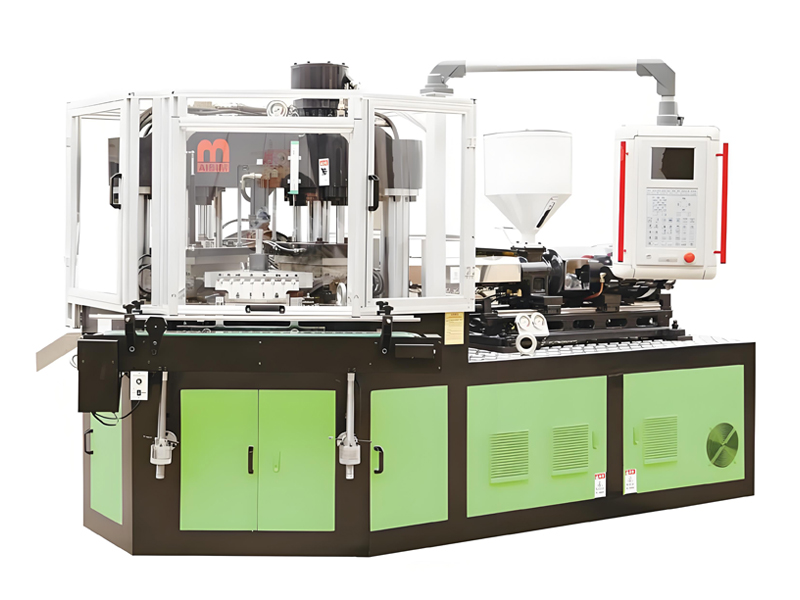
Importing injection blow molding (IBM) machines to the アメリカ合衆国 requires careful navigation of regulatory requirements including FDA (食品 and Drug Administration) and UL (Underwriters 人件費atories) certification processes. With a global market value exceeding $1.2 billion annually for plastic injection machinery, China serves as primary supplier accounting for approximately 80% of USA imports of injection blow molding equipment. AiBiM Technology (www.aibim-china.com), with over 16 years manufacturing experience and ISO 9001 certification, provides comprehensive support for USA import processes, including required documentation, FDA and UL certification assistance, and competitive pricing for injection blow molding machines.
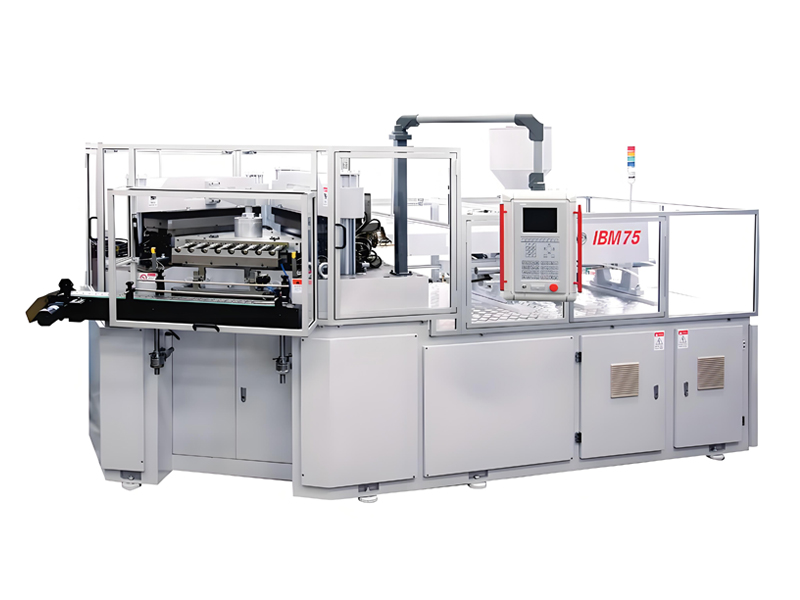
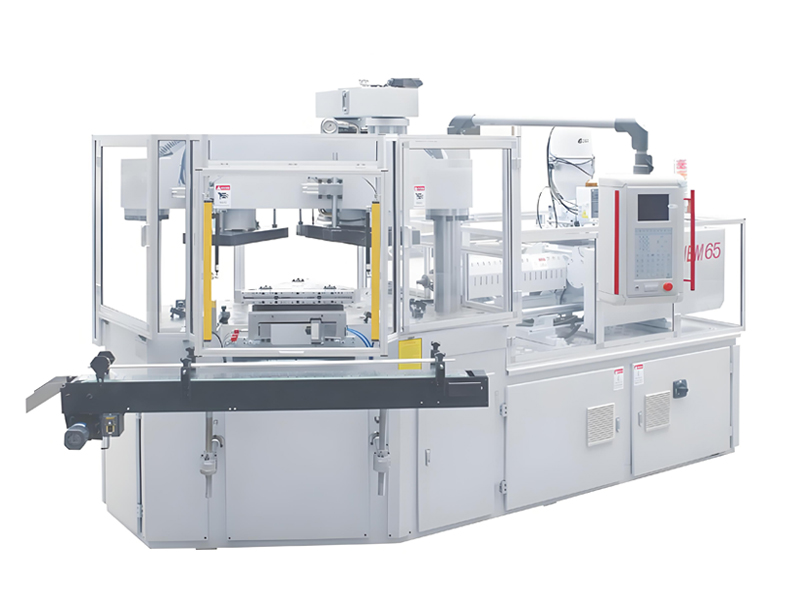
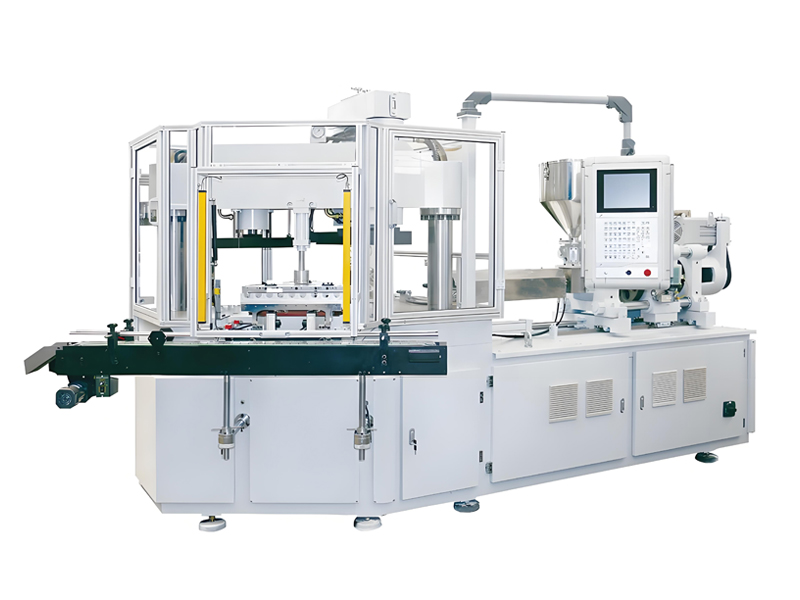
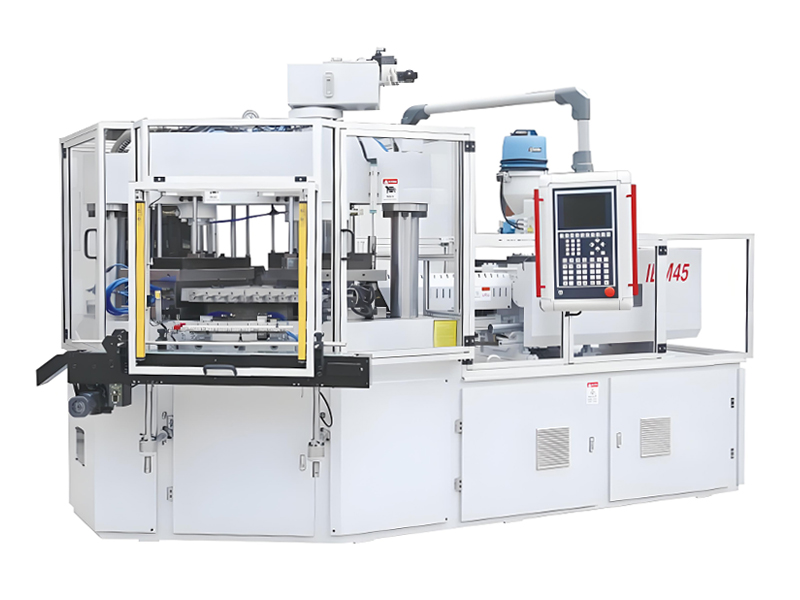
AiBiM IBM series machines, including IBM35, IBM45, IBM65, and IBM75 models, offer competitive advantages for USA importers: competitive pricing typically 30-40% below comparable European or North American equipment, with IBM45 model priced at $42,800 single unit or $39,000 for orders of 10+ units; robust construction using high-quality components including TECHMATION PLC, FESTO rotary systems, and German hydraulic pumps; comprehensive warranty coverage including one year parts and labor guarantee with optional extended coverage up to three years; and support for FDA and UL certification processes including documentation assistance and third-party testing coordination.
Understanding import costs including duties, shipping, and certification expenses enables accurate budget planning and investment analysis. For typical IBM45 machine import from China to USA: CIF (Cost, 保険, Freight) price $42,800 plus import duties (average 8-12%) amounting to $3,852-5,736, transportation costs $1,200-1,800, certification costs $2,500-5,000, and installation/training $3,500-6,500 yields total landed cost range $53,852-61,836, representing significant savings compared to domestic equipment with typical pricing $70,000-90,000 for comparable machines. Economic analysis demonstrates payback periods of 18-24 months for most applications depending on production volumes and product pricing.
プラスチック機械のFDA認証要件
FDA規制は、食品、医薬品、化粧品の生産に使用される機器の製造を管理し、製品の安全性と品質コンプライアンスを確保するための材料、設計、構造の要件を確立しています。
FDA食品接触材料基準
FDA regulations including 21 CFR Part 177 (indirect food additives: polymers) and 21 CFR Part 178 (indirect food additives: adjuvants, production aids, and sanitizers) establish requirements for materials coming into contact with food, drugs, or cosmetic products during manufacturing processes. Understanding these requirements ensures machine components comply with material safety standards preventing contamination risks.
AiBiM injection blow molding machines meet FDA material requirements through use of approved materials for all product-contact surfaces, including 304 stainless steel for barrels, nozzles, and mold mounting surfaces, FDA-approved seals and gaskets, and food-grade lubricants complying with 21 CFR Part 178.3570. Stainless steel surfaces provide corrosion resistance, ease of cleaning, and durability required for food production environments. Material documentation including test reports and certificates of analysis support regulatory compliance verification during import inspections and facility audits.
Non-food contact materials such as hydraulic fluids and electrical components must also meet appropriate standards. AiBiM hydraulic systems use oils complying with 21 CFR Part 178.3570 for incidental food contact, minimizing contamination risks in case of accidental leaks. Electrical components including TECHMATION PLCs, Siemens motors, and FESTO pneumatic valves carry CE and other international certifications ensuring reliability and compliance with relevant safety standards. AiBiM provides material safety data sheets (MSDS) for all machine components supporting regulatory compliance documentation requirements.
Machine design considerations include smooth surfaces without crevices or dead spaces preventing product buildup and facilitating thorough cleaning, minimizing potential for microbial growth and cross-contamination. AiBiM machines feature modular designs with easy access for cleaning and maintenance, with removable components for detailed sanitation procedures when required. Design features meet FDA Good Manufacturing Practices (GMP) requirements for equipment used in food, drug, and cosmetic manufacturing processes.
FDA登録と文書化
FDA registration process is required for facilities manufacturing or processing food, drug, or cosmetic products, including manufacturers of production equipment used in regulated industries. While equipment itself does not require FDA registration, documentation demonstrating compliance with applicable regulations may be requested during import inspections or facility audits.
AiBiM provides comprehensive documentation packages supporting USA import and FDA compliance, including detailed technical specifications with material information, FDA material compliance declarations for product-contact components, quality certificates verifying ISO 9001 manufacturing standards adherence, third-party test reports from certified laboratories verifying material compliance, and equipment maintenance manuals including cleaning and sanitation procedures. Documentation is provided in English with metric to imperial unit conversions for USA regulatory requirements.
Import declaration requirements include accurate classification using Harmonized System (HS) codes for customs duty calculation and regulatory verification. Typical HS codes for injection blow molding machines: 8477.40.0000 for plastic molding machines (injection blow molding) with duty rates ranging from 8-12% depending on specific machine configuration and components. Proper classification ensures correct duty calculation and facilitates smooth customs clearance processes. AiBiM provides HS code guidance based on specific machine models to ensure accurate import declaration preparation.
Customs clearance process involves submission of required documentation including commercial invoice, bill of lading, packing list, certificate of origin, and any required import permits. AiBiM works with freight forwarders experienced in USA import regulations to facilitate document preparation and clearance processes. Typical customs clearance lead times 5-10 business days depending on entry port and documentation completeness, with expedited clearance available for an additional fee. Post-clearance inspection may be conducted by FDA or CBP (Customs and Border Protection) officers verifying compliance with applicable regulations.
第三者試験と認証
第三者試験と認証は、適用される基準と規制への機械の準拠の独立した検証を提供し、規制コンプライアンスの主張を裏付け、米国の顧客に保証を提供します。
FDA-recognized testing laboratories such as UL, NSF International, and SGS provide comprehensive testing services including material testing for food contact safety (21 CFR Part 177), safety testing for electrical components (UL 508), and performance verification for machine operation parameters. AiBiM coordinates testing services through recognized laboratories including sample preparation assistance, documentation submission, and test report processing. Typical testing costs range from $2,500-5,000 per machine model depending on testing scope and complexity.
Certification processes include assessment of manufacturing quality systems (ISO 9001), verification of safety features compliance with relevant standards, and validation of performance parameters against specified requirements. AiBiM maintains ISO 9001 certification through regular audits by SGS, providing quality management system assurance for USA customers. Additional certifications including CE marking for European markets may be requested for equipment destined for USA facilities exporting to 欧州連合 countries.
Labeling requirements for imported equipment include manufacturer information, model number, serial number, voltage specifications, and safety warnings in English language meeting OSHA (Occupational Safety and Health Administration) standards. AiBiM provides USA-compliant labeling including appropriate warnings for electrical hazards, moving parts, and high-temperature components. Safety documentation including operation manuals, maintenance procedures, and safety training materials are provided in English to ensure proper machine use and compliance with workplace safety requirements.
電気安全適合のためのUL認証
UL認証は電気機器の安全基準への準拠を確立し、火災や感電の危険を低減し、製品の安全性と信頼性に関して顧客に保証を提供します。
産業機械のUL安全規格
UL standards including UL 508 (industrial control equipment), UL 61010 (measurement, control, and laboratory equipment), and UL 486 (terminals for electrical wires) apply to various components of injection blow molding machines, establishing requirements for electrical safety, temperature limits, and mechanical strength.
UL 508 standard covers industrial control equipment including PLCs, motor starters, and contactors, ensuring compliance with electrical safety requirements including insulation resistance, ground continuity, and temperature rise limits under rated load conditions. AiBiM machines use TECHMATION PLCs complying with UL 508 standards, eliminating need for additional component testing when requesting UL certification for complete machine systems. PLC certification reduces testing complexity and cost while providing reliable control system performance.
UL 61010 standard covers measurement and control equipment including temperature controllers, pressure sensors, and safety interlock devices, establishing requirements for protection against electrical shock, fire hazards, and mechanical failure under normal and abnormal operating conditions. AiBiM machines include safety interlock systems for mold access doors, emergency stop buttons, and guard position sensors complying with UL 61010 requirements, providing additional layer of operator safety protection. Safety systems are tested during manufacturing process to ensure proper functioning under simulated fault conditions.
UL 486 standard covers electrical terminals ensuring secure connection of wiring harnesses and control cables without risk of overheating, arcing, or disconnection under rated current conditions. AiBiM machines use certified terminals and wiring practices complying with UL 486 standards, ensuring reliable electrical connections preventing potential failure points during machine operation. Electrical wiring is organized with proper strain relief and labeling, facilitating maintenance and troubleshooting procedures when required.
射出ブロー成形機のUL認証プロセス
射出ブロー成形機のUL認証プロセスには、技術文書の提出、認定試験所での製品テスト、適用される標準への一貫した適合を確保するための品質システム評価が含まれます。
Documentation submission includes detailed drawings of electrical system, component specifications with UL listing information when available, operating instructions including safety procedures, and test protocols for functional safety features. AiBiM provides comprehensive documentation packages in English, facilitating UL certification process and reducing turnaround time for evaluation and approval. Documentation review typically requires 2-3 weeks depending on complexity of machine design and completeness of submission materials.
Product testing at UL facility includes evaluation of electrical safety features including insulation resistance, ground bonding continuity, high-voltage dielectric strength testing to 1,000V AC, temperature rise measurements under full load operation, and functional testing of safety interlock systems. Mechanical safety features such as guard design strength, emergency stop button functionality, and pinch point safety distance compliance are also evaluated during testing phase. Testing duration typically 3-5 working days per machine model, with additional time required for any necessary design modifications identified during testing process.
品質 system evaluation involves assessment of AiBiM manufacturing processes to ensure consistent production of compliant machines, including review of quality control procedures, component sourcing practices, and traceability records for critical parts. AiBiM maintains ISO 9001 quality certification, facilitating UL quality system audit process with demonstrated compliance with international quality management standards. 品質 system audit typically completed during first year of certification with surveillance audits conducted annually thereafter to maintain certification status.
米国輸入業者にとってのUL認証の利点
UL認証は、射出ブロー成形機の米国輸入業者に、市場アクセスへの適合、責任リスクの低減、顧客の信頼向上、競争の激しい市場におけるブランド評判の向上など、複数の利点を提供します。
Market access compliance ensures acceptance by major retail chains, manufacturers, and regulatory bodies requiring UL certification for equipment used in production facilities. Many USA-based manufacturers specify UL certification as requirement for capital equipment purchases to ensure workplace safety compliance and reduce liability risks associated with electrical equipment. UL certification facilitates sales to government agencies, healthcare facilities, and food processing plants requiring strict safety standards adherence for manufacturing operations.
Reduced liability risks arise from certification demonstrating compliance with recognized safety standards, providing defense against product liability claims related to electrical safety hazards. UL certification marking provides evidence of third-party evaluation of safety features, potentially limiting financial liability in event of equipment-related incidents causing property damage or personal injury. 保険 premiums may also be reduced for equipment with recognized safety certifications, further lowering overall operating costs for importers and end users.
Enhanced customer confidence results from UL recognized safety certification, demonstrating commitment to product quality and safety standards compliance. マーケティング materials highlighting UL certification help differentiate AiBiM machines from non-certified competitors, particularly in highly regulated industries requiring strict safety standards adherence. Certification provides assurance to end users regarding long-term reliability and performance, reducing perceived purchasing risks associated with imported equipment from overseas suppliers.
輸入プロセスと物流に関する考慮事項
中国から米国への射出ブロー成形機の輸入を成功させるには、輸送手配、通関、納品後の設置とトレーニングを含む物流プロセスの慎重な計画と実行が必要です。
輸送オプションとコスト分析
緊急性、コスト制約、機器の寸法に基づいて適切な輸送方法を選択することで、中国から米国への射出ブロー成形機のタイムリーな納品とコスト効率の高い輸送が保証されます。
Ocean freight represents most cost-effective transportation method for large industrial equipment, with typical transit times 20-30 days from Shanghai or Ningbo ports to USA west coast ports (Long Beach, Los Angeles) or 35-45 days to east coast ports (New York, Savannah). Ocean freight costs for typical IBM45 machine weighing 6,000kg and occupying 20-25 cubic meters: FCL (Full Container Load) shipping using 40-foot container $1,200-1,800 versus LCL (Less than Container Load) consolidation $2,500-3,200, demonstrating FCL option provides significant cost savings for single machine shipments when container space utilization exceeds 60-70%. AiBiM provides factory loading assistance ensuring proper securing of machine components within container to prevent damage during ocean transit.
Air freight represents faster alternative for urgent shipments with transit times 3-7 days from major Chinese airports to USA destinations, but with significantly higher cost typically 8-12 times ocean freight expense. Air freight cost for IBM45 machine ranges from $9,600-16,200 depending on airline and service level, representing viable option only for time-critical situations preventing production line shutdowns or meeting tight project deadlines. AiBiM works with freight forwarders providing air freight consolidation services potentially reducing cost by combining multiple smaller shipments with similar destination requirements.
Transportation insurance coverage options include marine cargo insurance typically 0.2-0.5% of insured value for ocean freight, and air cargo insurance 0.4-0.8% for air transportation, providing financial protection against loss or damage during transit. Recommended insurance coverage level includes total value of equipment plus transportation costs and anticipated duties to ensure full financial protection against potential claims. AiBiM provides assistance with insurance arrangement through preferred providers offering competitive rates and comprehensive coverage for international transportation risks.
通関手続きと輸入規制
米国の通関手続きを進めるには、輸入規制、書類要件、および輸入射出ブロー成形機のリリースを遅らせる可能性のある潜在的なコンプライアンス問題の理解が必要です。
Customs documentation requirements include commercial invoice providing detailed description of equipment with values per component if multiple items included, bill of lading issued by shipping company verifying ownership and terms of carriage, packing list specifying contents of each package with dimensions and weights, certificate of origin confirming country of manufacture, and any required import permits or regulatory documents. AiBiM provides all required documentation in English format including necessary certifications to facilitate smooth customs clearance process.
Import duty rates for injection blow molding machines fall under HS code 8477.40.0000 with base rate 8% plus additional duties if countervailing or anti-dumping measures apply to Chinese imports of plastic machinery. Current anti-dumping duties of 27.5% apply to certain injection molding machines from China under Order No. 70-0003, but specific exemptions may apply to certain machine configurations or component origins. AiBiM provides detailed customs classification guidance to help determine applicable duty rates based on specific machine model and component sourcing information.
Potential compliance issues include missing or incomplete documentation, incorrect tariff classification resulting in underpayment of duties, failure to declare all components and accessories included in shipment, and inability to provide proof of regulatory compliance when requested by customs officials. AiBiM provides pre-shipment document verification services to identify potential issues before shipment departure, reducing risk of customs delays or additional inspection requirements upon arrival in USA ports.
設置、トレーニング、アフターサポート
適切な設置、オペレータートレーニング、継続的な技術サポートにより、中国から米国施設への輸入射出ブロー成形機の試運転の成功と長期的な信頼性の高い運転が保証されます。
Installation services include on-site machine setup by AiBiM trained technicians ensuring proper alignment, utility connections including 380V three-phase electrical supply, compressed air connection (1.0 MPa minimum pressure), and cooling water supply (3-4 cubic meters per hour flow rate), and initial testing to verify machine functionality and performance parameters. Installation process typically requires 3-7 days per machine depending on complexity of factory layout and required auxiliary equipment integration. AiBiM provides detailed installation manuals with step-by-step instructions for qualified maintenance personnel preferring to perform installation independently with remote technical support assistance.
Operator and maintenance training programs cover essential topics including machine operation procedures, PLC programming basics, troubleshooting common mechanical and electrical issues, preventive maintenance schedules for lubrication, filter replacement, and calibration procedures, and safety regulations compliance including OSHA requirements for industrial machinery operation. Training duration typically 2-3 days per machine for operators plus 1-2 days for maintenance technicians focusing on repair procedures and component replacement techniques. AiBiM offers refresher training programs annually or when significant process changes occur requiring updated knowledge for operating personnel.
Post-sale technical support includes remote diagnostics capabilities allowing AiBiM technicians to connect to machine control systems for real-time performance monitoring and troubleshooting assistance without on-site service visit requirement, reducing downtime costs and service response times compared to traditional on-site support models. AiBiM maintains spare parts inventory in strategic USA warehouse locations ensuring availability of critical components with 48-72 hour delivery times for urgent requirements, reducing potential production downtime caused by component failures. Spare parts pricing typically 30-40% below equivalent OEM components from domestic manufacturers providing ongoing cost savings throughout machine lifecycle.
コスト分析と投資計画
包括的なコスト分析と投資計画の実施により、米国の輸入業者は中国からの射出ブロー成形機購入の財務的実行可能性を評価し、生産目標と予算制約に沿った情報に基づいたビジネス上の意思決定ができます。
総所有コストの計算
初期購入、設置、運転、メンテナンス、残存価値のコストを考慮した総所有コスト(TCO)計算は、中国から米国施設への射出ブロー成形機輸入の長期的な財務影響の包括的な理解を提供します。
Initial investment components include CIF purchase price (IBM45 at $42,800 single unit), import duties and taxes (average 10% yielding $4,280), transportation and insurance ($1,500 average cost), certification and testing ($3,500 average cost), installation and training ($4,500 average cost), and initial spare parts inventory ($2,500 recommended stock) yielding total initial investment of approximately $59,080 for single machine purchase. Quantity discounts reduce per-unit cost for bulk orders, with 10-unit order reducing initial investment to $39,000 per unit plus similar proportional additional costs for duties, transportation, and installation services.
Annual operating costs include electrical energy consumption (estimated 39 kW at $0.12/kWh yields $3,758/month or $45,096 annually for 24/7 operation), material usage (HDPE resin at $0.65 per kg yields $0.03 per product unit average cost for 50-gram bottles), labor costs ($25-35 per hour operator wages per machine), maintenance expenses (estimated 3-5% of initial investment annually or $1,772-2,954), and consumable replacement (filters, lubricants, and seals averaging $1,200-1,800 annually). エネルギー efficiency improvements reduce operating costs: AiBiM servo-driven hydraulic systems reduce energy consumption by 20-30% compared to traditional hydraulic systems, resulting in annual savings of $9,019-13,529 for continuous operation scenarios.
Residual value considerations after 5-10 years service life: injection blow molding machines typically retain 15-25% of original purchase value depending on maintenance quality, technological obsolescence, and market demand for used equipment. AiBiM robust construction and component quality maintain higher residual value compared to lower-quality competitors, potentially extending usable life to 10-15 years with proper preventive maintenance programs in place. Residual value should be considered when evaluating lease versus purchase alternatives and making replacement decisions for aging equipment nearing end of economic useful life.
投資回収分析
投資収益率(ROI)分析は、中国から米国施設への射出ブロー成形機の輸入にかかるコストと便益を比較し、投資判断の正当化と、製造運営の予算制約内での設備投資の優先順位付けに役立ちます。
Net present value (NPV) calculation for typical IBM45 machine investment with 5-year service life, $59,080 initial investment, $32,000 annual net profit (based on producing 800,000 units annually with $0.04 profit margin per unit), and 10% discount rate yields positive NPV of approximately $72,843, indicating financially attractive investment project with return exceeding company cost of capital. Payback period calculation dividing initial investment by annual net profit yields 1.85 years or approximately 22 months, demonstrating rapid capital recovery potential for properly utilized equipment operating at typical production volumes.
Internal rate of return (IRR) calculation for same investment scenario yields IRR of approximately 53%, significantly exceeding typical company cost of capital rates ranging from 8-15%. IRR indicates investment generates returns significantly above cost of capital threshold, confirming financial attractiveness of importing injection blow molding machines from China compared to alternative domestic equipment investments potentially yielding lower returns due to higher initial purchase prices and similar operating cost structures.
Break-even analysis calculates production volume required to cover fixed and variable costs for imported injection blow molding machines: monthly fixed costs including depreciation $985, interest $295 if financed, insurance $50, property taxes $40 equals $1,370 total monthly fixed costs; variable costs per unit $0.03 material plus $0.02 labor and overhead yields $0.05 total variable cost per unit. At $0.10 selling price per unit, break-even point calculated as fixed costs divided by contribution margin ($0.10-0.05=$0.05 per unit) equals $1,370/$0.05=27,400 units monthly production required to cover all costs without generating net profit or loss, representing approximately 35% utilization rate for IBM45 machine with 80,000 units monthly maximum production capacity potential.
米国輸入業者向けの融資・リースオプション
資金調達とリースオプションの検討は、輸入射出ブロー成形機の直接現金購入に代わる選択肢を提供し、他の運営ニーズのために運転資本を維持し、負債資本比率や総資産利益率などの財務指標を改善する可能性があります。
Equipment financing options include traditional bank loans typically requiring 20-30% down payment with 3-7 year repayment terms at interest rates 6-12% depending on creditworthiness and collateral offered. For $59,080 initial investment, 25% down payment ($14,770) yields financing amount $44,310 with monthly payments $778-867 depending on interest rate and loan term length. Equipment financing allows depreciation deduction of capital expenditure over 7-year MACRS (Modified Accelerated Cost Recovery System) schedule for tax purposes, providing significant annual tax savings based on applicable corporate tax rates.
Lease options for injection blow molding machines include operating leases typically 2-5 year terms with lower monthly payments compared to financing alternatives, and ownership retained by leasing company at end of term with option to renew, purchase at fair market value, or return equipment without further obligation. Operating lease payments treated as operating expenses providing tax deduction benefits throughout lease term without capitalization on balance sheet, potentially improving financial ratios for companies focused on minimizing reported debt levels. Capital leases transfer ownership rights over term of lease and are accounted for as capital assets with corresponding liability recorded on balance sheet similar to equipment financing arrangements.
Export credit financing options offered by Chinese banks through Export-Import Bank of China provide competitive rates and terms for international buyers of Chinese-manufactured goods, potentially offering lower interest rates or longer repayment periods compared to domestic USA financing alternatives. AiBiM provides assistance with export credit application process and documentation requirements to help USA importers take advantage of favorable international financing terms available for qualified equipment purchases meeting specified eligibility criteria.
結論
Importing injection blow molding machines from China to USA facilities offers significant financial and operational advantages when properly executed with attention to regulatory compliance requirements, logistics planning, and comprehensive post-sale support arrangements. AiBiM Technology provides comprehensive solutions for USA importers, including competitive pricing, robust equipment construction with high-quality components, documentation assistance for FDA and UL certification processes, and ongoing technical support ensuring long-term reliable operation and minimal downtime risk.
Understanding FDA and UL certification requirements is critical for successful import of injection blow molding machines into USA, with AiBiM providing documentation and testing coordination services to facilitate compliance with applicable safety and regulatory standards. Investment analysis demonstrates compelling financial justification for importing Chinese equipment with typical ROI exceeding 50% IRR and payback periods under 2 years for most applications when operating at reasonable production volumes to achieve break-even points within first 6-12 months of operation.
For USA-based manufacturers seeking competitive advantages in plastic processing equipment investments, AiBiM offers comprehensive product portfolio including IBM35, IBM45, IBM65, and IBM75 models covering range of production requirements from 2ml to 1000ml container sizes with corresponding pricing and performance characteristics tailored to specific application needs. Contact AiBiM sales team today to request detailed quotation, technical specifications, and case studies demonstrating successful installations of injection blow molding machines in similar USA manufacturing environments.