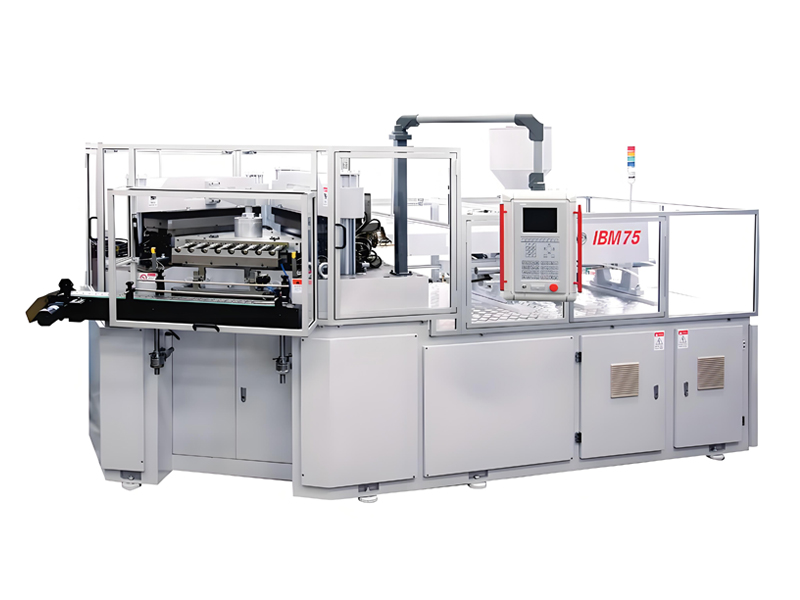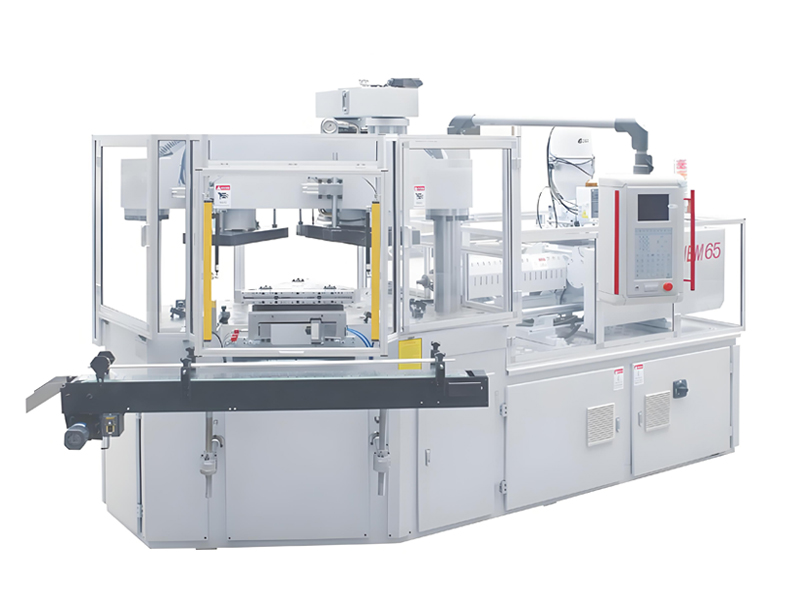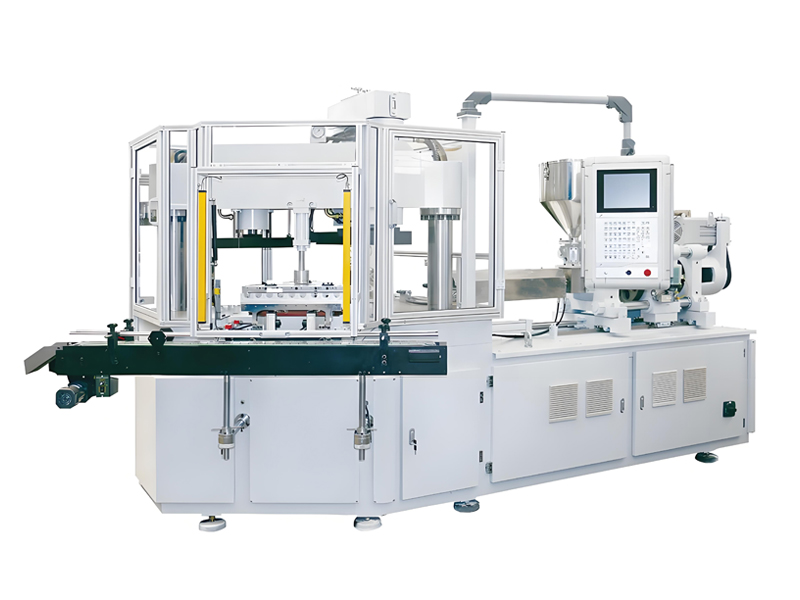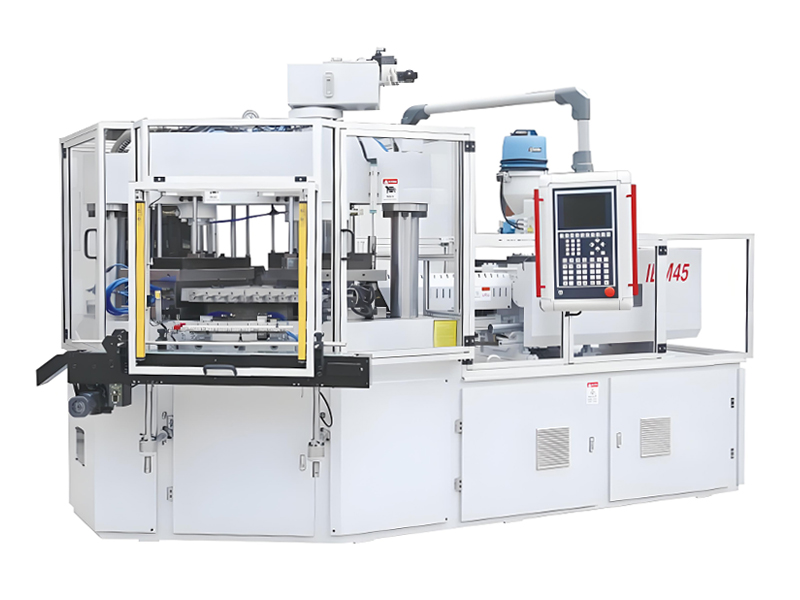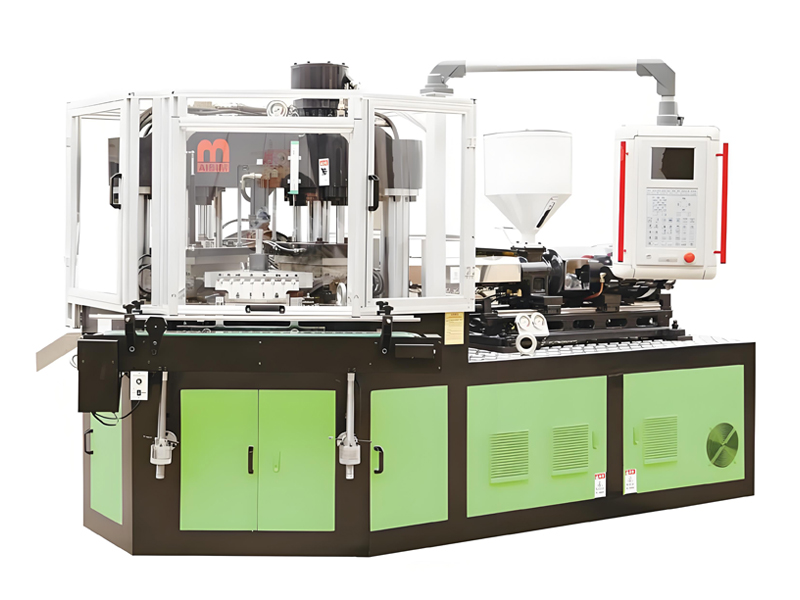
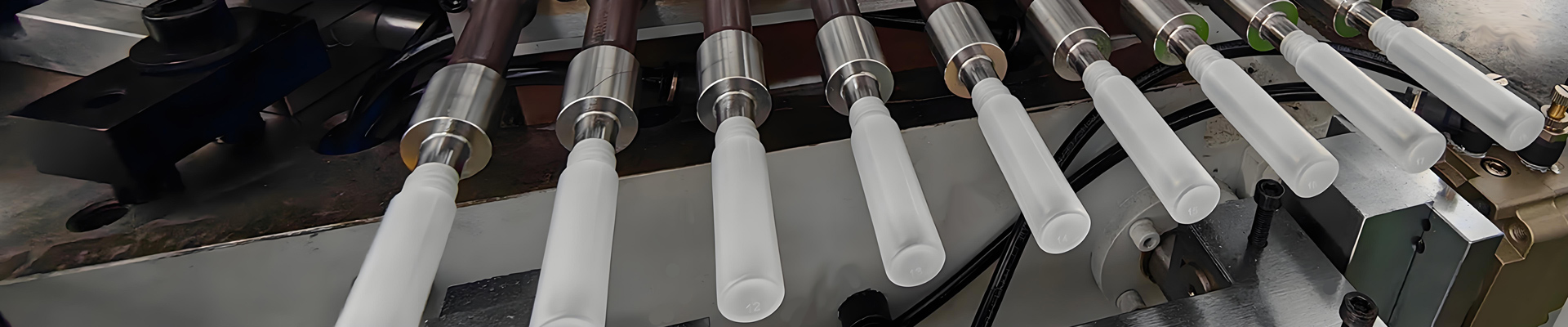
Defect prevention in injection blow molding machine production represents one of the most critical challenges facing manufacturers seeking to deliver consistent quality and control production costs. Common defects including flash formation, wall thickness variation, short shots, and surface imperfections can significantly impact production efficiency and product quality. Understanding the root causes of these defects and implementing systematic prevention strategies enables manufacturers to achieve excellent first pass quality while minimizing waste and rework expenses.
一般的な射出ブロー成形不良の理解
バリ発生とパーティングラインの問題
Flash formation occurs when molten material escapes past the mold parting line or seal surfaces during injection or blow stages. This defect manifests as thin protrusions of material along container edges that require trimming and increase material waste. Flash results from inadequate clamping force, worn or damaged mold seal surfaces, or injection pressure that exceeds mold containment capacity.
Parting line alignment issues produce similar visual defects and may affect dimensional accuracy of the finished container. Misalignment between cavity halves causes steppage at the split line that can interfere with closure application or affect sealing surface integrity. Precise mold alignment during assembly and regular maintenance of alignment mechanisms prevent parting line defects.
肉厚変動
Wall thickness variation represents one of the most significant quality concerns in injection blow molding production. Uneven material distribution affects structural integrity, barrier properties, and appearance quality of containers. Variation typically results from improper core rod alignment, uneven cooling, or incorrect blow timing and pressure parameters.
Excessive wall thickness variation can cause weak points in containers that fail during filling, shipping, or end use. In pharmaceutical applications, wall thickness variation may affect barrier properties that protect product stability. Measurement of wall thickness at multiple points around container circumference and length identifies variation patterns that help diagnose root causes.
ショートショットと成形不良
Short shots occur when material fails to completely fill the mold cavity, resulting in incomplete containers or missing sections. This defect wastes material and production time while producing parts that must be discarded. Causes include insufficient injection pressure, material viscosity too high for the injection conditions, or restricted flow paths in the mold.
Incomplete formation during the blow stage produces containers that do not fully replicate cavity geometry. This defect may appear as incomplete detail formation, visible seams, or poor surface replication. Blow stage issues typically result from insufficient blow pressure, premature material cooling, or improper timing between injection and blow phases.
表面欠陥と外観の問題
Surface defects include a range of appearance issues that affect container quality perception and may indicate underlying structural concerns. Sink marks appear as depressions in container surfaces, typically near thick sections or ribs, caused by internal material contraction during cooling. Flow lines appear as streaks or patterns on container surfaces resulting from material flow patterns during injection.
Weld lines occur where material flow fronts meet after flowing around obstacles such as core pins. These lines create stress concentrations and affect appearance quality, particularly in transparent materials where they are highly visible. Causes include low melt temperature, low injection speed, or mold design that creates flow obstacles.
根本原因分析と予防戦略
材料関連欠陥の防止
Material selection and preparation significantly influence defect occurrence in injection blow molding production. Material moisture content must be controlled within specification to prevent hydrolysis degradation and moisture related defects. Hygroscopic materials including polyethylene terephthalate and nylon require drying at elevated temperatures for specified times before processing.
Material contamination from previous production runs or improper storage introduces defects including black specs, color variation, and property degradation. Implement material handling procedures that prevent contamination including dedicated material handling equipment, sealed storage containers, and material verification before production use. Material lot tracking enables identification of quality issues to specific material lots.
材料粘度の最適化
Material viscosity affects how material fills the mold cavity and influences final part quality. Viscosity varies with temperature, shear rate, and material moisture content. High viscosity causes incomplete filling and excessive pressure requirements, while low viscosity may cause flash and poor surface replication. Optimize processing conditions to achieve appropriate viscosity for the specific application.
射出 speed affects shear rate in the material, influencing viscosity during the filling phase. Higher speeds increase shear thinning in most polymers, reducing effective viscosity and improving fill characteristics. However, excessive speed can cause other issues including air entrapment and surface defects. Balance injection speed against other parameters to achieve optimal filling conditions.
不良防止のための温度管理
Mold temperature significantly affects part quality and defect occurrence. Insufficient mold temperature increases material viscosity and can cause incomplete filling, particularly in thin wall sections. Excessive mold temperature can cause flashing, poor ejection, and extended cycle times. Maintain mold temperature within specifications established during process development.
Temperature uniformity throughout the mold prevents differential cooling that causes warpage, dimensional variation, and internal stress. Uneven cooling results from cooling channel blockage, inadequate flow, or insufficient channel sizing. Regular maintenance of cooling systems ensures consistent temperature distribution throughout production runs.
品質のための金型設計とメンテナンス
金型設計の考慮事項
Mold design fundamentally influences defect susceptibility and quality achievable in production. Proper gate design ensures complete cavity filling without hesitation or air entrapment. Gate location affects material flow patterns and can influence weld line positions and wall thickness distribution. Gate sizing must balance fill requirements against aesthetic considerations and ejection ease.
Draft angle design facilitates part release from the mold without damage. Insufficient draft causes ejection difficulties that can scratch or deform container surfaces. Standard draft angle requirements range from one half degree to two degrees per side depending on material selection and surface texture requirements. Deep draw sections require proportionally larger draft angles.
定期メンテナンスプロトコル
Preventive maintenance prevents quality issues caused by mold wear and deterioration. Establish maintenance schedules based on production volume rather than calendar time. High volume production may require weekly or even daily maintenance attention, while lower volume production can extend intervals appropriately. Document all maintenance activities and their results.
Critical maintenance items include cleaning of parting line surfaces, verification of alignment pin and bushing conditions, inspection of seal surfaces for wear, and verification of cooling channel integrity. Wear in these areas directly affects quality parameters and should be addressed before defects become significant problems. Replacement parts should meet original specifications to maintain quality consistency.
金型摩耗の監視と修正
Monitor mold wear through regular dimensional verification of critical cavity dimensions. Track dimensional trends over time to identify wear progression before dimensions exceed tolerance limits. Statistical process control techniques applied to dimensional data enable early identification of drift that may indicate developing problems.
When wear is identified, evaluate repair options based on extent and cost. Minor wear may be addressable through polishing or minor machining, while significant wear may require complete component replacement. Planned repair activities should be scheduled during planned downtime to minimize production disruption.
プロセスパラメータ最適化
射出パラメータの設定と制御
射出 parameters require careful optimization to achieve defect free production. 射出 pressure must be sufficient to fill the cavity completely without causing flash or excessive stress. Initial settings should follow material supplier recommendations, then refined based on observed quality results. Incremental adjustments of 5 to 10 percent are appropriate when optimizing pressure settings.
射出 speed affects material flow patterns, pressure requirements, and surface quality. Multiple speed stages may be beneficial for complex parts, allowing slower injection through critical sections and faster injection through less sensitive areas. Pressure and speed profiles should be coordinated to achieve smooth transitions between stages.
ブローステージ最適化
Blow stage parameters control material distribution and container formation during the blow phase. Blow pressure must be sufficient to fully expand the preform against cavity walls without causing material thinning or rupture. Higher pressures are typically required for containers with complex geometries or thick walls.
Blow timing controls when blow pressure activates relative to material cooling. Premature blow activation causes material sag and neck deformation, while delayed activation allows excessive cooling that requires higher pressures for adequate formation. Optimize timing through observation of part quality with incremental adjustments of 0.1 seconds.
冷却パラメータ管理
Cooling time typically represents the largest portion of cycle time in injection blow molding. Insufficient cooling causes dimensional instability, warpage, and potential quality issues after containers leave the production line. Excessive cooling wastes production time without quality benefit. Optimize cooling time based on actual dimensional stability rather than arbitrary settings.
Cooling system maintenance ensures consistent performance throughout production runs. Monitor coolant flow rates and temperatures to verify system function. Blocked cooling channels reduce cooling efficiency and cause temperature variation that affects quality. Regular cleaning and flow verification maintains cooling system performance.
品質管理システムと検査
工程内品質監視
In process monitoring detects quality variation before defects become widespread. Key parameters to monitor include injection pressures and temperatures, blow pressures and timing, and cycle times. Statistical process control charts track these parameters and identify when variation exceeds acceptable limits, enabling rapid response before quality problems affect production.
Modern injection blow molding machines incorporate data collection capabilities that support comprehensive process monitoring. Real time data collection enables immediate detection of parameter deviations and supports root cause analysis when quality issues occur. Investment in monitoring capability provides significant return through defect prevention and improved process understanding.
統計的プロセス制御の実装
Statistical process control provides systematic methodology for quality monitoring and improvement. Control charts track key quality characteristics over time, distinguishing between common cause variation inherent in the process and special cause variation indicating problems requiring attention. Implementation requires identification of critical characteristics, establishment of measurement systems, and development of control chart protocols.
Process capability analysis quantifies the relationship between specification limits and actual process variation. Capability indices including Cpk provide objective measures of process performance that support quality improvement efforts and customer communication. Target capability indices of 1.33 or higher indicate processes capable of meeting specification requirements consistently.
寸法検査と試験
Dimensional inspection verifies that containers meet specification requirements. Critical dimensions vary by application but typically include neck finish dimensions, overall height, body diameter, and wall thickness. Measurement methods range from manual gauges for simple dimensions to coordinate measuring machines for comprehensive verification.
機能的 testing verifies that containers perform correctly with closure systems and meet application requirements. Closure torque testing, leak testing, and other functional tests provide quality assurance beyond dimensional verification. Testing frequency should be risk based, with higher frequency for critical characteristics and lower frequency for stable parameters.
オペレータートレーニングとベストプラクティス
能力要件とトレーニングプログラム
Operator competency significantly affects defect rates and production efficiency. Comprehensive training programs should cover machine operation, adjustment procedures, quality requirements, and troubleshooting techniques. Training should combine classroom instruction with hands on practice under experienced supervision.
Certification requirements verify that operators have achieved required competency levels before assuming production responsibilities. Regular refresher training maintains skill levels and introduces new procedures or techniques as equipment and processes evolve. Documentation of training activities supports quality system requirements and regulatory compliance.
標準作業手順書の作成
Standard operating procedures document approved methods for all production activities. Well developed procedures ensure consistent execution regardless of operator, reducing variation and defect occurrence. Procedures should be specific, clear, and supported by visual aids where helpful. Regular review ensures procedures remain current with equipment and process changes.
Procedure development should involve experienced operators who understand practical considerations and potential issues. Testing new procedures during development identifies gaps or unclear instructions before formal release. Change control processes ensure that procedure updates are implemented consistently across all production shifts.
トラブルシューティングスキルの育成
Effective troubleshooting requires understanding of cause and effect relationships between process parameters and quality outcomes. Training should develop systematic troubleshooting approaches that methodically identify root causes rather than implementing quick fixes that may mask underlying problems. Documentation of troubleshooting activities supports continuous improvement.
Common troubleshooting frameworks include fault tree analysis for complex problems and five why analysis for simpler issues. These systematic approaches develop problem solving skills that improve over time with practice. Encourage knowledge sharing among operators to spread effective troubleshooting techniques across the organization.
設備の校正とメンテナンス
測定システム校正
Accurate measurement is essential for quality verification and process control. Measurement systems must be calibrated against traceable standards at defined intervals to ensure accuracy. Calibration records document measurement system performance and support quality system requirements. Include all measurement and test equipment in calibration programs.
Calibration frequency depends on equipment type and usage patterns. More frequent calibration may be appropriate for critical measurement systems or equipment subject to heavy use. Calibration procedures should specify methods, acceptance criteria, and documentation requirements. Out of tolerance conditions require investigation and corrective action.
機械の校正と検証
射出 blow molding machines require periodic calibration of temperature controllers, pressure transducers, and motion control systems. Temperature calibration should verify accuracy at multiple set points throughout the operating range. Pressure calibration ensures accurate measurement and control of injection and blow pressures.
Motion calibration verifies positioning accuracy and repeatability of injection unit and mold movements. Improperly calibrated motion systems cause dimensional variation and affect process consistency. Include machine calibration verification in preventive maintenance schedules and after any significant machine repair or adjustment.
予防保全スケジュール
Preventive maintenance prevents equipment failures that cause defects and production interruptions. Develop maintenance schedules based on manufacturer recommendations, equipment age, and operating experience. Critical maintenance items should be prioritized to ensure attention is not deferred due to production pressure.
メンテナンス記録は設備の状態を文書化し、メンテナンス効果の分析をサポートします。メンテナンスコストと設備性能を追跡して、時間の経過とともにメンテナンスプログラムを最適化します。メンテナンス慣行の継続的改善はダウンタイムを削減し、品質の一貫性を向上させます。
特定の欠陥防止戦略
バリ防止対策
Flash prevention requires addressing all potential causes including clamping force, mold condition, and injection pressure. Verify clamping force is adequate for the specific material and part geometry. Higher pressures and certain materials require proportionally higher clamping forces to prevent flash.
Inspect mold seal surfaces regularly for wear that reduces sealing effectiveness. Seal surface wear typically manifests as progressive flash that worsens over time. Prompt repair or replacement of worn seal surfaces prevents escalating flash problems. Document flash occurrence patterns to identify when mold maintenance is needed.
反り防止技術
Warpage results from uneven cooling or internal stress that causes containers to distort after ejection. Prevention strategies include uniform cooling, appropriate material selection, and optimized processing conditions. Uniform cooling requires adequate and properly balanced cooling channel design and function.
Material selection influences warpage susceptibility, with some materials more prone to warpage than others. Process optimization can reduce warpage in susceptible materials by minimizing internal stress through appropriate cooling and ejection conditions. Container design can address warpage susceptibility through geometry optimization.
気泡とボイドの防止
Bubbles and voids indicate air entrapment or material density issues that affect container quality and may compromise structural integrity. Prevention focuses on proper material preparation, optimized injection parameters, and appropriate venting. Material moisture control prevents steam formation that creates internal bubbles.
射出 speed and pressure optimization reduces air entrapment during cavity filling. Proper mold venting enables escape of air and gases ahead of material flow. Vent channel design and maintenance ensure effective venting throughout production. Observe bubble formation patterns to identify specific causes.
表面欠陥の防止
Surface defects including sink marks, flow lines, and weld lines require integrated prevention approaches addressing material, design, and process factors. Material selection influences susceptibility to specific surface defects. Processing optimization addresses parameters that affect surface quality.
Sink marks near thick sections can be addressed through material selection, part design modification, or process adjustment. Flow lines can be reduced through increased injection speed or modified gate location. Weld lines require attention to melt temperature and flow patterns to ensure proper material fusion where flow fronts meet.
欠陥防止のコスト分析
品質不良コストの計算
Cost of poor quality includes all expenses resulting from defects including scrap, rework, inspection, and customer impact costs. Direct scrap costs include material, machine time, and labor consumed in producing rejected parts. Scrap costs typically range from 2 to 10 percent of production cost for well controlled processes but can exceed 30 percent for poorly controlled operations.
Rework costs apply when defective parts can be salvaged through additional processing. Rework often costs more than original production due to special handling and reduced efficiency. Customer impact costs including rejection, returns, and reputation damage can far exceed direct production costs. These hidden costs emphasize the importance of defect prevention investment.
予防投資のリターン
Prevention investment yields returns through reduced defect costs, improved efficiency, and enhanced customer satisfaction. 品質 system investment typically ranges from 2 to 5 percent of production cost but often reduces total quality costs by significantly more than the investment amount. The relationship follows the classic quality cost curve where prevention investment reduces failure costs more than proportionally.
Calculate specific return on investment for prevention activities based on current defect costs and expected improvements. Consider both direct cost reduction and intangible benefits including improved customer relationships and reduced compliance risk. Prioritize prevention investments that offer highest return relative to investment required.
防止と検出のバランス
Effective quality management balances prevention activities that stop defects from occurring with detection activities that identify defects when they do occur. Over emphasis on detection without prevention wastes inspection resources on managing defects rather than eliminating them. Over emphasis on prevention without adequate detection risks releasing defects to customers.
Risk based approaches allocate resources according to the criticality of different quality characteristics and the effectiveness of different prevention and detection strategies. Critical characteristics receive more intensive prevention attention and higher inspection frequency. Less critical characteristics may rely more on process control with periodic verification.
継続的改善プログラム
データ駆動型改善プロセス
Continuous improvement requires systematic collection and analysis of quality data to identify improvement opportunities. Key performance indicators track quality performance over time, revealing trends and improvement progress. Establish baseline measurements before improvement initiatives to enable objective evaluation of results.
Root cause analysis of quality issues identifies underlying causes that can be addressed through improvement activities. Use structured problem solving methods to ensure thorough analysis and effective corrective action. Follow up verification confirms that corrective actions achieve intended results and do not create new problems.
プロセス最適化手法
Design of experiments enables systematic optimization of process parameters to achieve defect free production efficiently. Screening experiments identify which parameters most significantly affect quality outcomes. Response surface methodology refines parameter settings to achieve optimal quality and efficiency.
Process window optimization identifies the ranges of parameters within which acceptable quality is achieved consistently. Operating within these windows reduces defect occurrence and improves process robustness. Document process windows in standard operating procedures to ensure consistent operation.
ベストプラクティスの共有と標準化
ベストプラクティスの共有は、効果的な技術を組織全体に広めます。成功したアプローチを文書化し、研修や手順の更新を通じて伝達します。オペレーターに改善アイデアの提案を促し、効果的な貢献を評価します。
Standardization applies proven best practices consistently across production lines and shifts. Standardized approaches reduce variation and enable more effective troubleshooting when problems occur. Balance standardization against flexibility needed to address specific product or situation requirements.
不良防止のための先進技術
インライン検査システム
Advanced inspection systems inspect containers during production without slowing cycle times. Vision systems detect surface defects, dimensional variations, and visual quality issues automatically. Ultrasonic systems verify wall thickness without contact. These systems enable 100 percent inspection of critical characteristics that would be impractical with manual inspection.
Integration of inspection systems with production controls enables automatic rejection of defective parts and feedback to process controls. Closed loop systems can adjust process parameters automatically in response to detected variation. Investment in inline inspection systems ranges from 30000 to 150000 dollars depending on complexity and capabilities.
予測品質システム
Predictive quality systems use statistical and machine learning methods to predict quality outcomes before defects occur. Analysis of process parameter patterns identifies conditions that typically precede quality problems. This early warning enables preventive adjustment before defective parts are produced.
Implementation requires substantial data collection infrastructure and analytical capability. Investment in predictive systems ranges from 50000 to 200000 dollars for software, sensors, and integration. Return on investment comes from reduced scrap, improved uptime, and reduced inspection costs. Benefits increase with production volume and defect rate.
インダストリー4.0統合
Industry 4.0 technologies including Internet of Things connectivity, cloud computing, and advanced analytics enable new approaches to defect prevention. Connected equipment provides comprehensive data visibility across production operations. Cloud based analytics enable sophisticated analysis that would not be practical with local computing resources.
Digital thread concepts connect design, production, and quality data throughout product lifecycle. This integration enables traceability and supports root cause analysis when quality issues occur. Investment in Industry 4.0 capabilities ranges from moderate to substantial depending on scope and implementation approach.
AiBiMの不良防止サポート
品質のための機械設計機能
AiBiM injection blow molding machines incorporate design features that support defect prevention. Precision temperature control systems maintain processing conditions within tight tolerances that prevent temperature related defects. Stable clamping systems ensure consistent mold closure that prevents flash and alignment defects.
高度な制御システムは、品質管理をサポートする包括的な監視とデータ収集機能を提供します。統合された検査システムインターフェースにより、外部検査機器との接続が可能になります。これらの機能は、効果的な欠陥防止プログラムの基盤を提供します。
工程開発・最適化サービス
AiBiMのアプリケーションエンジニアは、お客様の用途向けのプロセス開発と最適化を支援します。プロセス開発サービスは、欠陥のない生産を達成するバリデーション済みパラメータを確立します。最適化サービスは、既存のプロセスを改善して欠陥を減らし効率を向上させます。
Training programs develop operator competency in defect prevention and troubleshooting. AiBiM training combines classroom instruction with hands on practice using customer equipment and representative products. Ongoing technical support assists with troubleshooting and continuous improvement activities.
文書化と品質システムのサポート
AiBiMは、バリデーションプロトコル、校正手順、メンテナンススケジュールなど、品質システム要件をサポートする文書を提供します。この文書基盤は、品質慣行と規制コンプライアンス活動の実施を加速します。
品質 system consulting services assist customers with development and improvement of quality management systems. Our quality professionals have experience across diverse industries and applications. This expertise supports effective quality system implementation regardless of current capability level.
結論
Defect prevention in injection blow molding production requires systematic attention to material, machine, mold, process, and human factors that influence quality outcomes. Understanding root causes of common defects enables implementation of targeted prevention strategies that eliminate defects at their source rather than managing them through inspection and sorting.
Investment in prevention activities yields substantial returns through reduced scrap, improved efficiency, and enhanced customer satisfaction. 品質 system implementation provides the framework for systematic defect prevention and continuous improvement. Commitment to quality excellence throughout the organization creates culture that sustains quality performance over time.
AiBiM supports customer quality objectives through machine design, process development, training, and ongoing technical assistance. Our experience across diverse injection blow molding applications enables us to provide effective guidance on defect prevention strategies for specific requirements. Contact our application engineering team to discuss quality improvement opportunities for your production operations.
高度な欠陥分析技術
根本原因分析手法
Systematic root cause analysis prevents recurring defects by identifying underlying causes rather than addressing symptoms. The five why technique explores causal chains by repeatedly asking why until fundamental causes are identified. This simple yet powerful method often reveals root causes that are not immediately apparent from initial observations.
Fault tree analysis provides structured methodology for complex defect investigation. This technique identifies all possible causes of a defect and determines how combinations of causes might produce the observed failure. Fault trees reveal interaction effects between multiple factors that simple investigation might miss.
Fishbone diagrams organize potential causes into categories including machine, material, method, measurement, and environment. This categorization ensures comprehensive consideration of all potential cause sources. Team based fishbone analysis incorporates diverse perspectives and expertise into defect investigation.
予測品質システム
予測品質システムは、統計的および機械学習手法を使用して、欠陥が発生する前に予測します。履歴データの分析は、品質問題に先行するパターンを特定します。これらのパターンにより、欠陥が生産に影響を与える前に阻止する予防措置が可能になります。
Machine learning models trained on production data predict quality outcomes based on current process conditions. Models continuously refine as new data becomes available, improving prediction accuracy over time. Integration with process controls enables automatic parameter adjustment when predicted quality falls below acceptable thresholds.
Implementation of predictive quality requires substantial data collection infrastructure and analytical capability. Investment ranges from 50000 to 200000 dollars depending on system complexity and integration requirements. Return on investment comes from reduced scrap, improved uptime, and enhanced customer satisfaction.
故障モード影響分析(FMEA)
故障モード影響解析(FMEA)は、潜在的な欠陥とその原因を発生前に積極的に特定します。FMEAは、重大度、発生確率、検出困難度に基づいてリスク優先度番号を割り当てます。このリスクベースのアプローチは、最もリスクの高い問題に予防努力を優先させます。
FMEAチームには、潜在的な故障モードの包括的な特定を確実にするために、多様な専門知識を持つ担当者が含まれます。クロスファンクショナルチームは、設計、製造、品質、顧客の視点を組み込みます。定期的なFMEA更新には、生産経験から学んだ教訓が組み込まれます。
設計FMEAは、欠陥を引き起こす可能性のある製品およびプロセス設計の脆弱性に対処します。プロセスFMEAは、製造プロセスのリスクを評価します。設計とプロセスFMEAの組み合わせは、製品ライフサイクル全体にわたる欠陥防止をサポートする包括的なリスク評価を提供します。
材料関連不良の解決策
湿気制御システム
材料の水分管理は、吸湿性ポリマー内の水分によって生じる不良を防ぎます。デシカント乾燥システムは、加工前に水分を必要レベルまで除去します。乾燥機の能力は材料消費速度に合わせる必要があり、これにより材料状態を一定に保てます。
Drying parameter optimization ensures effective moisture removal without material degradation. Temperature, time, and airflow requirements depend on material properties and moisture levels. Over drying can cause chain scission that affects material properties. Careful parameter control achieves appropriate moisture levels.
Material moisture verification confirms that drying processes achieve required moisture content. Karl Fischer titration provides accurate moisture measurement. Inline moisture sensors enable continuous monitoring during production. Verification ensures that moisture control systems function effectively.
材料取り扱いのベストプラクティス
材料の取り扱い手順は、不良を引き起こす汚染と混入を防ぎます。材料ごとの専用の材料取り扱いシステムは、相互汚染を防ぎます。密閉容器での材料保管は、汚染と吸湿を防ぎます。
材料ロット追跡により、原材料から完成品までのトレーサビリティが可能になります。ロット識別は、品質問題が発生したときの調査をサポートします。FIFO在庫回転により、材料が保存期限切れ前に使用されることが保証されます。
コンベヤやブレンダーを含む材料移送設備は、定期的な清掃とメンテナンスが必要です。移送設備内の残留材料は、後続の材料を汚染する可能性があります。洗浄バリデーションにより、材料取り扱い設備が不良を持ち込まないことを保証します。
材料仕様と適格性評価
材料仕様は、許容可能な品質を確保するために材料が満たすべき要件を定義します。仕様には、特性要件、不純物限度、試験プロトコルが含まれます。適切な仕様により、購入した材料が品質目標をサポートすることが保証されます。
材料認定プロセスは、材料が仕様を満たし、生産で適切に機能することを検証します。認定テストには、生産適合性を検証する加工トライアルを含める必要があります。認定材料リストは、生産使用のための承認されたソースを提供します。
サプライヤー品質契約は、材料品質と性能に対する期待を正式化します。契約は、仕様要件、試験プロトコル、是正措置手順を定義する必要があります。強固なサプライヤー関係は品質改善イニシアチブを支援します。
プロセス最適化戦略
実験計画法(DOE)
実験計画法により、複数のプロセスパラメータを同時に体系的に最適化できます。要因計画は、パラメータ間の主効果と交互作用を特定します。このアプローチは、一度に1つの因子を最適化するよりも効率的です。
スクリーニング計画は、どのパラメータが品質結果に最も大きく影響するかを特定します。これらの予備研究は、より詳細な最適化の取り組みを導きます。応答曲面法は、スクリーニングで特定された最適領域内でパラメータ設定を精密化します。
DOE requires careful planning including definition of objectives, selection of factors and levels, and specification of response variables. Statistical analysis of results identifies optimal settings and quantifies effects. Documentation of DOE activities supports regulatory compliance and knowledge management.
プロセスウィンドウの開発
プロセスウィンドウは、品質要件が満たされるパラメータの範囲を定義します。プロセスウィンドウを理解することで、欠陥を生み出さずに通常の変動を許容する堅牢な生産が可能になります。広いプロセスウィンドウは変動への感度を低減し、生産の一貫性を向上させます。
プロセスウィンドウ研究は、欠陥が発生する限界を特定するためにパラメータを体系的に変化させます。複数の品質特性が異なる最適ウィンドウを持つ場合があり、バランスの取れた妥協が必要です。プロセスウィンドウのグラフィカルな表現は、理解とコミュニケーションを助けます。
プロセスウィンドウ内の運転ポイントは、仕様限界に対してマージンを提供する必要があります。プロセス能力指数は、プロセス変動と仕様限界の関係を定量化します。プロセスセンターでの運転を目標とすることで、マージンが最大化され、一貫性が向上します。
パラメータ相互作用分析
プロセスパラメータは、品質結果に影響を与える方法で相互作用します。これらの相互作用を理解することで、パラメータを独立して扱うよりも効果的な最適化が可能になります。交互作用効果は、あるパラメータの効果が別のパラメータの水準に依存する場合に発生します。
DOEによる相互作用分析は、パラメータが互いにどのように影響するかを明らかにします。1つのパラメータの最適設定が他のパラメータレベルに依存するため、重要な相互作用は最適化中に特別な注意を必要とします。等高線プロットは相互作用効果を視覚化し、最適化の決定を導きます。
プロセス制御戦略は、パラメータの相互作用を考慮する必要があります。複数のパラメータを連携して調整する制御システムは、単一パラメータ制御よりも効果的に最適条件を維持します。高度な制御アルゴリズムは、相互作用効果を活用して性能を向上させることができます。
環境要因と運用要因
周囲環境とその影響
周囲温度と湿度は材料加工と部品品質に影響します。高い周囲温度は冷却効率を低下させ、品質ばらつきを引き起こす可能性があります。湿度は材料の水分含有量と加工安定性に影響します。
生産エリアの気候制御は、一貫した周囲条件を維持します。空調と湿度制御システムが環境条件を調整します。監視システムは、条件が指定された範囲内に維持されることを検証します。
周囲環境の季節変動は、極端な気象期間中に品質問題を引き起こす可能性があります。加工パラメータの調整による季節変動への計画は、品質問題を防ぎます。季節影響の文書化は、問題発生時のトラブルシューティングをサポートします。
設備メンテナンスと性能
設備のメンテナンスは不良率と生産の一貫性に直接影響します。予防保全は不良を引き起こす劣化を防ぎます。メンテナンス計画は、設備の経年、使用強度、過去の稼働実績を考慮する必要があります。
予知保全技術は、監視データを使用して故障が発生する前にメンテナンスニーズを予測します。振動分析、オイル分析、温度監視は発展中の問題を特定します。これらの技術は予期しないダウンタイムを削減し、設備故障による品質問題を防ぎます。
メンテナンス記録は設備の状態を文書化し、メンテナンス効果の分析をサポートします。メンテナンス活動と品質性能の相関関係は、最適なメンテナンス慣行を特定します。メンテナンス手順の継続的改善はコストを削減し信頼性を向上させます。
オペレーター研修と技能
オペレーターの技能は、生産中の意思決定を通じて不良率に影響します。熟練したオペレーターは問題発生の初期兆候を認識し、予防措置を講じます。トレーニングはこうした認識・対応能力を育成します。
トレーニングプログラムは、欠陥識別、根本原因分析、是正措置手順をカバーする必要があります。生産設備を用いた実地トレーニングは実践的なスキルを構築します。認定要件は、オペレーターが独立した責任を引き受ける前に能力を検証します。
オペレーター間の知識共有は、効果的な実践を組織全体に広めます。クロストレーニングは柔軟性とバックアップ能力を提供します。パフォーマンスフィードバックは継続的なスキル開発を促進します。
業界特有の欠陥防止
医薬品品質システム
Pharmaceutical production requires quality systems that satisfy regulatory requirements while preventing defects. Good Manufacturing Practice regulations mandate specific quality system elements including deviation investigation, corrective action, and change control. Compliance requires investment in quality systems and documentation.
プロセスバリデーションは、生産プロセスが一貫して高品質の製品を生産することを実証します。設置時適格性評価(IQ)、運転時適格性評価(OQ)、性能適格性評価(PQ)は、設備とプロセスの能力を検証します。継続的なプロセス検証は、バリデーション済み性能の継続を確認します。
規制当局の査察はGMP要件への適合を評価します。査察の結果は、警告状、製品回収、施設閉鎖につながる可能性があります。堅牢な品質システムへの投資は、市場アクセスと患者の安全を保護します。
食品安全要件
食品包装の生産には、汚染を防ぎ製品の安全性を確保する品質システムが必要です。危害分析重要管理点プログラムはリスクを特定し、管理策を確立します。HACCP計画は、生物的、化学的、物理的危害に対処します。
アレルゲン管理は、食品アレルゲンとの交差汚染を防ぎます。材料取り扱い手順は、製品間のアレルゲン移行を防ぎます。洗浄バリデーションは、生産設備からのアレルゲン除去を確認します。
トレーサビリティシステムは、品質問題が特定された際の迅速な対応を可能にします。原材料から完成品までのトレーサビリティにより、消費者の曝露を最小限に抑える対象を絞ったリコールが可能になります。多くの法域では、規制要件がトレーサビリティ機能を義務付けています。
外観品質の考慮事項
化粧品パッケージの品質システムは、機能要件と並んで外観と消費者体験に焦点を当てています。視覚的な品質基準は明確に定義され、一貫して適用される必要があります。工業製品で許容されるかもしれない外観欠陥は、化粧品用途では許容できません。
消費者苦情の追跡は、生産品質管理を逃れた不良を特定します。苦情パターンの分析は、注意を要する体系的な問題を明らかにします。苦情への迅速な対応は、評判の低下を防ぎ、継続的改善をサポートします。
安定性試験は、パッケージングが製品の保存期間全体にわたって品質を維持することを検証します。試験プロトコルは、温度、湿度、光曝露を含む想定される保管条件をシミュレートする必要があります。安定性データは、規制申請と消費者の信頼をサポートします。
予防プログラムの費用便益分析
品質コストの分類
品質 costs fall into four categories: prevention, appraisal, internal failure, and external failure. Prevention costs include quality planning, training, and preventive maintenance. Appraisal costs include inspection and testing activities. Internal failure costs include scrap and rework. External failure costs include warranty claims and reputation damage.
Prevention costs typically represent 5 to 10 percent of quality costs in well controlled operations. External failure costs may exceed 50 percent of total quality costs when quality systems fail. Investment in prevention reduces failure costs more than proportionally, improving overall quality cost performance.
品質 cost analysis identifies opportunities for improvement by comparing costs across categories. High failure costs indicate need for improved prevention. Low prevention costs may indicate under investment in quality improvement. Balanced allocation across categories optimizes quality cost performance.
投資回収計算
Return on investment for quality improvement projects considers both cost reduction and benefit generation. Cost reductions come from reduced scrap, rework, and warranty claims. Benefits include improved customer satisfaction and reduced compliance risk. Quantifying these factors enables objective project prioritization.
投資を年間節約額で割って投資回収期間を計算します。回収期間が1年未満のプロジェクトは通常、即時実施に値します。回収期間が長い場合は、戦略的優先事項と利用可能な資本に照らして評価する必要があります。
導入リスクや利益実現の不確実性を含むリスク要因は、ROI計算に影響します。適切なリスク調整を伴う保守的な見積もりは、現実的な期待を提供します。感度分析は、主要な前提条件の変化が結果にどのように影響するかを特定します。
優先順位付けのフレームワーク
優先順位付けフレームワークは、改善機会全体に限られたリソースを配分するのに役立ちます。リスクベースの優先順位付けは、影響の最も大きい問題に注意を集中させます。費用便益分析は、改善機会の財務的魅力を評価します。
戦略的整合性により、改善活動が組織の優先事項を支援することが保証されます。戦略目標に沿ったプロジェクトは、財務指標に関係なく優先されます。ステークホルダーの賛同が実装の成功を支えます。
ポートフォリオ管理は、短期的なクイックウィンと長期的な戦略投資のバランスを取ります。多様なプロジェクトポートフォリオは、将来の成功のための能力を構築しながら当面のニーズに対応します。定期的なポートフォリオレビューにより、変化する優先事項との整合性が確保されます。
結論
Defect prevention in injection blow molding production requires systematic attention to material, machine, mold, process, and human factors that influence quality outcomes. Understanding root causes of common defects enables implementation of targeted prevention strategies that eliminate defects at their source rather than managing them through inspection and sorting.
Advanced analytical techniques including root cause analysis, FMEA, and predictive quality systems provide frameworks for systematic defect prevention. These methodologies enable organizations to move beyond reactive defect management toward proactive prevention that eliminates defects before they occur.
Investment in prevention activities yields substantial returns through reduced scrap, improved efficiency, and enhanced customer satisfaction. 品質 system implementation provides the framework for systematic defect prevention and continuous improvement. Commitment to quality excellence throughout the organization creates culture that sustains quality performance over time.
AiBiM supports customer quality objectives through machine design, process development, training, and ongoing technical assistance. Our experience across diverse injection blow molding applications enables us to provide effective guidance on defect prevention strategies for specific requirements. Contact our application engineering team to discuss quality improvement opportunities for your production operations.
Continuous improvement in defect prevention requires ongoing attention to emerging issues and evolving best practices. Stay current with industry developments through professional development, industry conferences, and peer networking. Investment in quality excellence creates sustainable competitive advantage that benefits your organization and customers alike.