FDA食品接触製品認定 IBM製造:材料とプロセスのコンプライアンスガイド
米国FDAの食品接触法に基づくインジェクションブロー成形(IBM)について、医薬品、食品、化粧品の包装エンジニア向けに技術的な参考資料です。
インジェクションブロー成形(IBM)は、3 mlのドロッピング容器から1000 mlのパーソナルケア製品や調味料の瓶まで、小型で高精度の食品および医薬品グレードのボトルの一歩前のプロセスとして選ばれています。その理由は、構造的なものと規制上のものの両方です。プレフォームがコアロッドにインジェクション成形され、同じ機械で吹き込まれるため、パラシオンの廃棄物、フラッシュ、および成形後のトリミングによる微粒子の付着はありません。米国に製品を輸出するブランド所有者にとって、機械は半分だけの話です。もう半分は、すべてのポリマー、添加剤、着色剤、および接触面が米国食品医薬品局(FDA)の食品接触規則に適合していることを証明することです。本ガイドは、規制の体系、材料の選択、試験体制、およびIBMプロセス自体を管理する方法について説明しています。製品がFDAの食品接触規則に適合していることを誠実に、かつ正当に説明できるようにするためです。このガイドは、インジェクションブロー成形について既に理解しているエンジニア、品質管理者、調達スペシャリスト向けに書かれています。
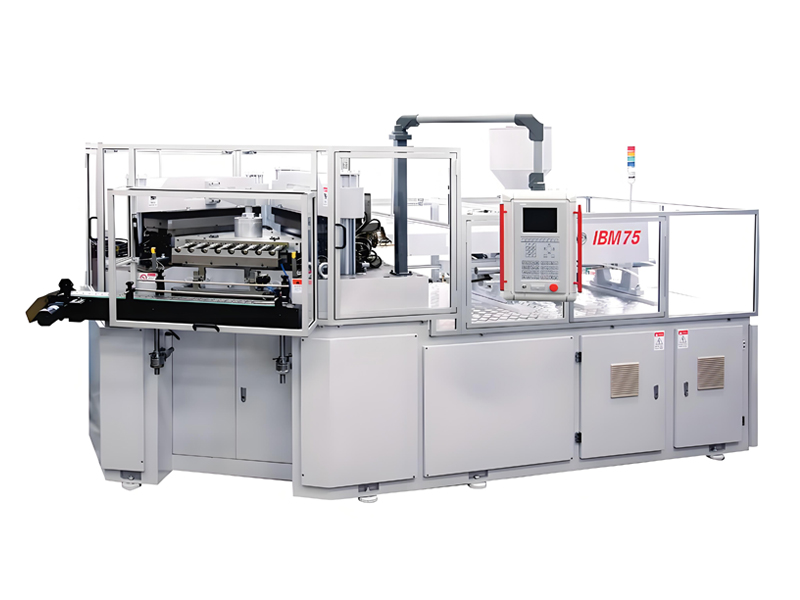
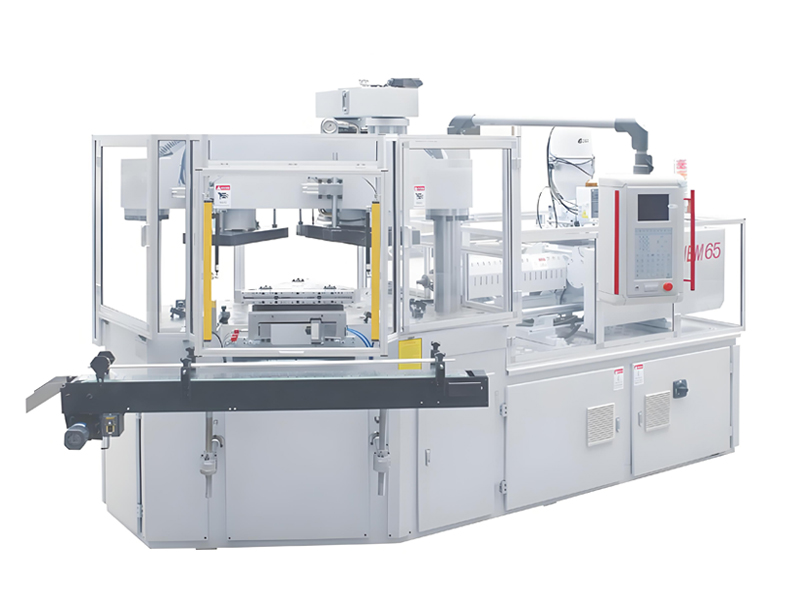
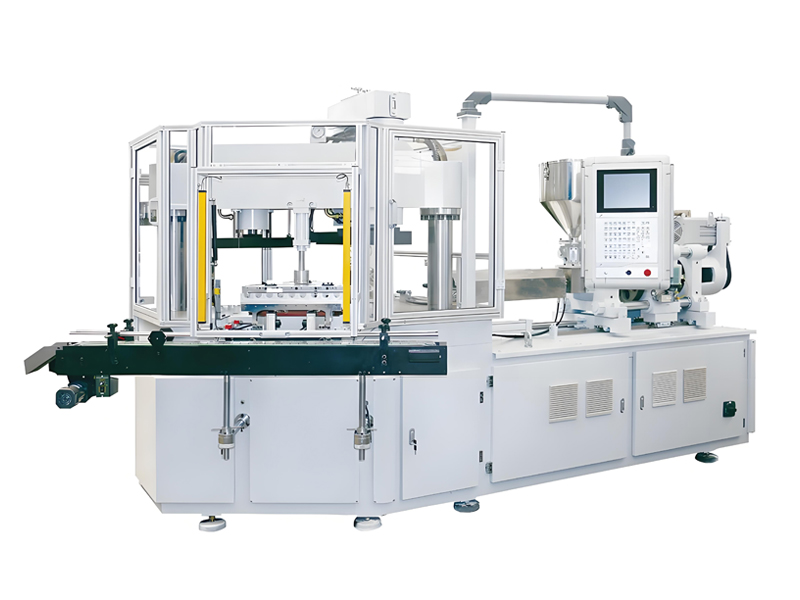
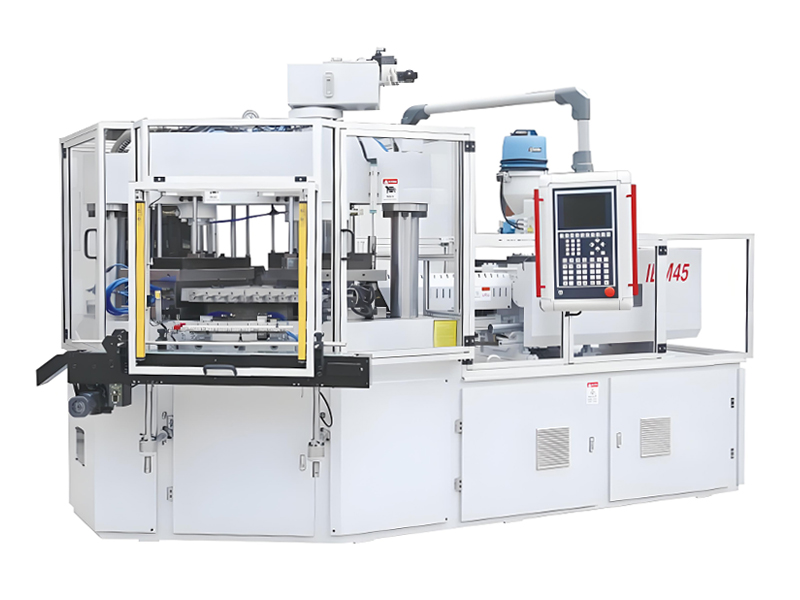
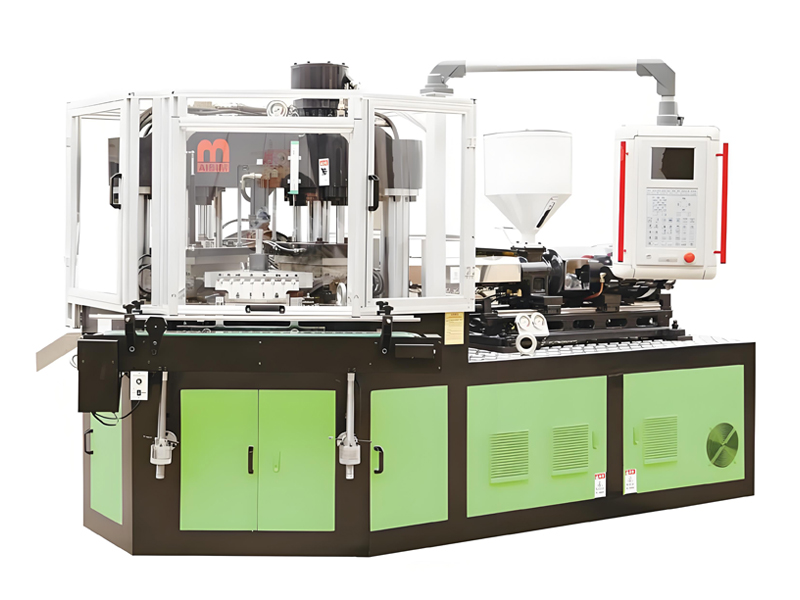
Throughout this document the term injection blow molding (IBM) is used consistently, the resin shaping cavity is described as a mold, the heated shaping pin is the core rod, and the resin is plasticized inside the barrel of the injection unit. These are the correct American English terms for this process and for U.S. regulatory filings. Aibim, a Wanplas factory, designs and builds IBM machines — including the IBM55 Hybrid, IBM65 and IBM75 series and the PREFILL prefill injection system — for converters serving the pharmaceutical, food and cosmetic packaging markets, and the guidance below reflects how compliant production is engineered on that equipment.
1. FDA食品接触規制フレームワーク(21 CFR 170–199)
The U.S. 食品 and Drug Administration does not issue a single certificate that says “this bottle is approved.” Instead, food-contact compliance is built from a layered set of regulations in Title 21 of the Code of Federal Regulations, specifically chapters 170 through 199. Understanding the architecture of 21 CFR 170–199 is the first task for any converter that wants to make defensible claims about FDA compliance, because each subchapter answers a different question: what substances are permitted, under what conditions, with what limits, and through which authorization route.
1.1 一般的な安全基準と間接添加物の概念
At the top of the framework sits 21 CFR 170, which establishes the general safety clause: any substance that may become a component of food through its intended use is subject to premarket authorization, and it is unsafe unless it is used in conformity with a regulation or effective 食品 Contact Notification. The key legal idea is that a packaging material is treated as an indirect food additive. The polymer, the antioxidant, the slip agent, the colorant and even the low-molecular-weight oligomers that migrate from the plastic into the food are all, in principle, food additives. Therefore they must each be authorized, and their migration must be negligible or within defined limits. This is why a converter cannot simply choose a commodity resin and assume it is compliant — the resin must be a grade intended for food contact, and the total additive package must be reviewed substance by substance.
1.2 物質別の章:177、178、およびそれ以降
第21章CFR 177は、間接的な食品添加物であるポリマーについて規定しています。これは、IBMのボトル製造者にとって最も関連性のある部分であり、食品と接触する可能性のある基材樹脂と、それぞれに付随する条件が記載されています。小型ボトル製造に関する最も重要なポリマー条項は次のとおりです。
- 21 CFR 177.1520 — ポリエチレン(PE)とポリプロピレン(PP)を対象とするオレフィンポリマー。溶媒別の密度と抽出物の限度値を含みます。
- 21 CFR 177.1630 — ポリエチレンテレフタレート(PET)。ジメチルテレフタレート、アンチモン、ゲルマニウム、総抽出物の限度値。
- 21 CFR 177.1500 — ナイロン(ポリアミド)樹脂、高バリア性・耐熱容器に関連。
- 21 CFR 177.1580 — ポリカーボネート(PC)。ただし、ビスフェノールAへの懸念から食品接触用途での使用は縮小しており、現在多くのブランドオーナーがこれを避けています。
- 21 CFR 177.1440 — アクリルおよび変性アクリルポリマー、PETGタイプの透明樹脂に関連。
- 21 CFR 177.2420 — ポリエステル樹脂。PETGなどのコポリエステルを対象とする。
第21章CFR 178は、間接的な食品添加物、すなわち助添加物、生産補助剤、およびコーティングの成分を規定しています。典型的なIBM製剤に含まれる添加物は、ここで許可されています。
- 21 CFR 178.2010 — 食品接触ポリマーでの使用が許可されている酸化防止剤および/または安定剤の組み合わせ。
- 21 CFR 178.3297 — ポリマー用着色剤、許可された合成および天然色素を参照。
- 21 CFR 178.3570 / 178.3620 / 178.3910 — 食品接触用途で許可されている潤滑剤、滑剤、離型剤。
- 21 CFR 178.3400 — 消泡剤およびその他の加工助剤。
その他の章では、21 CFR 175 は接着剤とコーティング、21 CFR 176 は紙と紙板部品、21 CFR 179 はポリマー処理のための照射について規定されています。IBM が製造した密閉型のプラスチックボトルの場合、適用される章は 177 (ポリマー) と 178 (添加剤) で、上位には 170 (一般) があります。
1.3 3つの認可ルート:事前認可、GRAS、FCN
Beyond the enumerated regulations, the FDA recognizes three ways a substance can be lawful for food contact. Prior-sanctioned substances are those the FDA or USDA explicitly approved for food-contact use before the 1958 食品 Additives Amendment. GRAS (Generally Recognized as Safe) substances are those whose safety is generally recognized by qualified experts under the conditions of use; many traditional food-contact polymers and additives sit here. The modern route is the 食品 Contact Notification (FCN) system under 21 CFR 170.100: a manufacturer submits a notification to the FDA, and if the agency does not object within 120 days the substance becomes lawful for the specific notifier and the specific conditions described. A crucial feature of the FCN system is that the authorization is company-specific — it protects the notifier, not the whole industry — so a converter must confirm that the particular resin or additive it buys is covered by an FCN held by its supplier (or is otherwise listed in 21 CFR or GRAS). This is why supplier documentation is not optional; it is the legal backbone of a compliant IBM bottle.
1.4 規制の閾値(TOR)と異議なしの書簡
When a substance’s dietary concentration from food contact is below a defined threshold, the FDA may apply the Threshold of Regulation (TOR) and decline to require full premarket authorization, issuing a letter that effectively clears the use. Separately, converters sometimes receive a supplier no-objection letter — a statement that a material is suitable for food contact under named regulations. A no-objection letter is a commercial assurance, not an FDA certificate, but it is a useful piece of the compliance file when backed by extractables data and the underlying 21 CFR or FCN references. The practical message for engineers: build the compliance case from the regulation number, the FCN or GRAS status, the extractables data and the supplier’s CoA/CoC, not from a single marketing claim.
以下の表は、FDAの主要な条項と、それらが規定する材料、およびIBMの食品接触用ボトルの樹脂および添加剤システムを選択する際にコンバータが遵守しなければならない制限を示しています。
表1. FDA規制条項 — 適用材料 — 主要な限度値
| 21 CFR の条項 | 適用材料・物質 | 重要なコンプライアンス上限 / 条件 |
|---|---|---|
| 21 CFR 170.100 | 一般安全 / FCNルート | 承認されていない場合は危険な物質であり、120日以内に異議がない場合にFCNが有効となる |
| 21 CFR 177.1520 | オレフィン系ポリマー(HDPE、LDPE、PP) | 溶剤別(キシレン、n-ヘプタンなど)の抽出限界、密度範囲 |
| 21 CFR 177.1630 | PET | ジメチルテレフタール、アンチモン、ゲルマニウム、総抽出物の限度 |
| 21 CFR 177.1500 | ナイロン(ポリアミド)樹脂 | 抽出物および特定モノマーの限界値、使用条件クラス |
| 21 CFR 177.1580 | ポリカーボネート(PC) | 残留ビスフェノールAと抽出物の限度値、使用量の減少 |
| 21 CFR 177.2420 | ポリエステル(PETG/コポリエステル) | 総抽出物; 重金属残留物の限度 |
| 21 CFR 178.2010 | 抗酸化剤/安定剤 | 許容レベルの内、リストされている抗酸化剤の組み合わせのみ |
| 21 CFR 178.3297 | ポリマー用着色剤 | 許容色素リスト; 一部認証が必要 |
| 21 CFR 178.3570 | 潤滑剤/滑り止め | リストされている物質のみ;抽出量に制限はありません |
2. IBMの食品パッケージング向けの適合材料の選定
IBMの食品接触用ボトル用の樹脂を選ぶ際には、機械性能だけでなく、規制状況、抽出物プロファイル、バレル内での熱特性、光学透明性、バリア性、コストなどを同時に最適化する必要があります。以下の表は、医薬品、食品、化粧品の包装に最も頻繁に使用される6種類のポリマーを、それぞれの規制基準と選択を左右する特性を比較しています。
表 2. 適合材料の選択比較(HDPE / PP / PET / PETG / COC / LDPE)
| 日本語の翻訳だけを返信してください。説明、引用、またはラベルは付けないでください。 | 規制アンカー | サービスタンパー | 日本語の翻訳だけを返信してください。説明、引用、ラベルは付けないでください。 | 障壁 | 典型的なIBMアプリケーション |
|---|---|---|---|---|---|
| HDPE(例:HD5502型) | 21 CFR 177.1520 | 最大 ~110℃ 短期間 | 不透明 / 訳す | 水分が良好、O2が不足 | ビタミン、サプリメント、乳製品、パーソナルケア用の容器 |
| PP ホモポリマー/ランダムコポリマー | 21 CFR 177.1520 | 最大 ~120℃ | 半透明 / 透明 | 良好な水分、中程度のO2 | ホットフィル、ソース、医療、ベビーケア用のボトル |
| PET (IV 0.76–0.84) | 21 CFR 177.1630 | 最大 ~70℃ | 日本語の翻訳だけを返信してください。説明、引用、ラベルは付けないでください。 | 良いO2、良い水分 | 食用油、ビタミン、咳止めシロップ、化粧品 |
| PETG(コポリエステル) | 21 CFR 177.2420 | 最大 ~60℃ | とてもわかりやすい | 日本語の翻訳だけで返信してください。説明、引用、ラベルは付けないでください。 | 化粧品瓶、サンプルビン、ディスプレイパック |
| COC/COP(環状オレフィン) | 21 CFR 177.1520 / FCN | 最大 ~130℃(COP) | 素晴らしい | 高水分、低抽出物 | 薬剤用ドロッパー、診断用、高純度ボトル |
| LDPE | 21 CFR 177.1520 | 最大 ~80℃ | 透明 | 良い水分と柔軟性 | スプーンボトル、ドロッパー、ソフトディスペンサー |
2.1 ポリエチレン:HDPEとLDPE
高密度ポリエチレン(HDPE)は、不透明で化学物質に耐性のある小型ボトルの主役です。HD5502ファミリー(バイモーダルブロー成形用グレード)などの樹脂は、狭い分子量分布と高い溶融流動率(MFR)により、プレフォームの注入がきれいになり、安定した吹き出しが可能であるため、広く使用されています。21 CFR 177.1520に従って、HDPEは、キシレンやn-ヘプタンなどの溶媒で抽出するとき、抽出物の限度を満たす必要があり、コンバーターは食品接触用に認定されたグレードを使用する必要があります。柔軟性とソフトな感触が求められる場合、例えばドロッパーのボトルやディスペンサーのボディなどでは、低密度ポリエチレン(LDPE)が選ばれます。しかし、その低い剛性により、小型のフォーマットに限られます。両方とも、許容残留物を超える重金属触媒を含まないこと、および食品接触用としてクリアーされていないリサイクル成分を含まないことが求められます。
2.2 ポリプロピレン:ホモポリマーおよびランダム共重合体
PP is the material of choice when the bottle must survive hot fill or pasteurization. A PP homopolymer gives rigidity and high heat resistance, while a random copolymer (with a small ethylene comonomer) improves clarity and impact at low temperature, which is valuable for refrigerated or frozen product. PP is regulated under 21 CFR 177.1520 and is generally low in extractables, but it is sensitive to oxidative degradation at the high melt temperatures used in IBM; the antioxidant package is therefore critical, and the stabilizer must be on the 21 CFR 178.2010 list. PP also has a higher mold shrinkage than HDPE, which the bottle neck and thread tolerance must absorb — a point addressed later in the process section.
2.3 PET、PETG、およびサイクリックオレフィン(COC/COP)
内在的な粘度(IV)が0.76から0.84のPETは、食用油やビタミンの容器など、良好な酸素および水分バリアを必要とする透明なボトルの標準であり、21 CFR 177.1630に従って厳しい限界値でアンチモン触媒、ジメチルテレフタール、および総抽出物が許可されています。PETGは、PETほど激しく結晶化しないため、熱管理を厳しくすることなく優れた透明性を実現できますが、使用温度の上限が低く、バリアは中程度です。21 CFR 177.2420に従って規定されています。最高純度の医薬品および診断用のボトルでは、循環オレフィン共重合体(COC)とシクロオレフィンポリマー(COP)がますます指定されています。これらは、ガラスのような透明性、極めて低い抽出物、強い水分バリアを兼ね備え、低い極性により、感受性の高い有効成分の吸着を抑えます。これらは通常、FCNを通じて許可され、コストスペクトルのプレミアムエンドに位置付けられています。
2.4 添加物ホワイトリストと禁止物質
コンプライアンスに適合するIBMの製剤は、基礎ポリマー以上のものです。添加剤システムも認可されていなければなりません。食品接触用では、狭いホワイトリストのみが許可されています。典型的な許容される成分には、次のものがあります。
- 21 CFR 178.2010 の範囲内で組み合わせて使用される抗酸化剤 Irganox 1010、Irganox 1076、およびリン酸化物安定剤 168 は、樽内の熱的酸化分解を抑制するために使用されます。
- ボトル表面の摩擦を低減し、コアロッドからの脱出を改善するために、エルウカミド(エルウカ酸アミド由来)などの滑剤を使用します。
- PPおよびHDPEの結晶性、収縮、およびハゼを制御する核形成剤で、ボトルの首部分の外観と寸法安定性を向上させます。
- 21 CFR 178.3297 に基づき、許可されている色指数 (CI) 番号が 21 以下の色素に限られ、有機および無機色素の場合は、規制基準以下の重金属含有量が文書化されている必要があります。
同様に重要なのが、決して使用できない物質のリストです。フタレート樹脂安定剤、ビスフェノールA(BPA)、および鉛、カドミウム、水銀、六価クロムなどの重金属は、食品と接触する用途では禁止または厳しく制限されています。コンバーターは、すべてのサプライヤーから、樹脂、マスターバッチ、プロセス補助剤がこれらの物質を含まないことを書面で確認し、定期的に重金属検査を実施してその確認を確認する必要があります。色マスターバッチ自体は、他の点で適合している製品においても最も脆弱な部分となり、規格外の顔料や食品以外の基材樹脂が使用されていると、許可されていない物質が含まれる可能性があります。
材料選択の目安:基材ポリマーの食品接触グレード、21 CFR 178 に完全に準拠する添加剤パッケージ、CI 番号と重金属スクリーニングが文書化されたカラーマスターバッチ、および 21 CFR に明示的に記載されていないものについては、FCN または GRAS のステータスに関する文書化されたチェーンを指定してください。
3. 抽出、移行、および NIAS テストの要件
Selecting compliant materials is necessary but not sufficient. The FDA’s concern is not the material in isolation but what transfers from the material into the food. That transfer is measured through extraction and migration testing, and it is the part of the compliance file that converters most often underestimate. Migration testing answers two questions: how much total material moves into food (overall migration), and whether any single substance of concern exceeds its specific limit (specific migration).
3.1 食品シミュレント
実際の食品をすべてテストすることは不可能であるため、規制当局は、さまざまな食品タイプの抽出力を模倣する標準化された食品シミュランを使用します。プラスチックボトルに使用される一般的なシミュランは次のとおりです。
- 10%エタノール — 水性、低アルコール、低脂肪食品をシミュレーション。
- 3%酢酸 — 酢ベースのドレッシングやソースなどの酸性食品をシミュレーション。
- 50%エタノール — 高脂肪・高アルコール食品を模擬します。
- Miglyol 812またはその他の中鎖トリグリセリド(植物油) — 脂肪性食品をシミュレーション。
- Tenax — 乾燥食品や、ヘッドスペースに逃げる揮発性物質の測定に使用される多孔性ポリマー吸着剤。
シミュランの選択は、ボトルに入れる食品の性質によって決まります。錠剤を入れるボトルの場合は、Tenax を使用した乾燥食品アプローチで試験を行いますが、ソースのボトルの場合は、3% の酢酸と50% のエタノールを用いて試験を行います。エンジニアリング上の意味するところは、製品が遭遇する可能性のある最も強いシミュランを用いる必要があることであり、そうしないと、適合性の主張が不完全になるということです。
3.2 試験条件と温度・時間プロファイル
抽出の程度は温度と接触時間によって異なります。硬質のプラスチック製食品接触物に適用される標準的な条件は次のとおりです。
- 40℃で10日間 — 長期冷蔵または常温保管シミュレーション。
- 60℃で10日間 — 加速常温・温蔵シミュレーション。
- 70℃で2時間 — 短期ホットフィルまたは低温殺菌シミュレーション。
- 還流下100°C — ホットフィルまたは滅菌される製品の沸騰水または厳しい熱処理シミュレーション。
IBM のボトルの場合、該当する条件は通常、保存期間の長い製品の場合は 40 ℃ / 10 日間と 60 ℃ / 10 日間のプロファイル、また熱充填が意図されている場合は 70 ℃ / 2 時間のプロファイルです。リフロー条件は、沸騰やレトルト処理に耐えられるボトルにのみ適用されます。適切な条件を選択しないと、製品が十分に試験されず、適合性を主張することができなくなります。
3.3 全体的な移行制限、特定の移行、および NIAS
The overall migration limit (OML) caps the total mass of all substances that can transfer, expressed either as 10 mg per square decimeter of food-contact surface (10 mg/dm²) or, for small and irregular articles where area is hard to define, as 60 mg per kilogram of food simulant (60 mg/kg). The specific migration limit (SML) sets a ceiling for a named substance — for example a particular antioxidant, a residual monomer, or a heavy metal — and is usually far lower than the OML. Beyond the named substances, regulators increasingly require assessment of non-intentionally added substances (NIAS): impurities, reaction by-products, oligomers and degradation products that were never deliberately formulated but can migrate. NIAS assessment demands a deep understanding of what the polymer and additive system can generate under processing heat, which ties directly back to the IBM process window discussed in the next section.
3.4 分析検出方法
Quantifying migrated substances requires modern instrumentation. GC-MS (gas chromatography with mass spectrometry) identifies and quantifies volatile and semi-volatile organics such as residual monomers, solvents and degradation fragments. LC-MS (liquid chromatography with mass spectrometry) handles non-volatile, thermally labile substances such as oligomers and certain additives. ICP-MS (inductively coupled plasma mass spectrometry) detects and quantifies trace heavy metals down to parts-per-trillion levels, which is essential for the heavy-metal screening demanded by both FDA and EU 10/2011. A credible compliance file pairs migration testing with these analytical methods and reports both detected values and method detection limits, so that a “not detected” result is meaningful rather than merely unscreened.
表3. 移行試験の模擬溶媒 — 条件 — 限度値 — 方法
| 食品シミュランテ | 食品を表すものだけを日本語で返信してください。説明、引用、またはラベルは付けないでください。 | 日本語の翻訳だけを返信してください。説明、引用、またはラベルは付けないでください。 | 日本語の翻訳だけを返信してください。説明、引用、またはラベルを追加しないでください。 | 検出方法 |
|---|---|---|---|---|
| 10% エタノール | 水溶性 / 軽度アルコール | 40℃/10日; 60℃/10日 | OML 10 mg/dm²または60 mg/kg | GC-MS, LC-MS |
| 3%酢酸 | 酸性食品 | 40℃/10日; 60℃/10日 | OML 10 mg/dm²または60 mg/kg; SML | GC-MS、ICP-MS |
| 50% エタノール | 高脂肪・高アルコール | 40℃/10日; 60℃/10日 | OML 10 mg/dm²または60 mg/kg; SML | GC-MS, LC-MS |
| Miglyol 812 / 純粋な植物油 | 脂肪の多い食べ物 | 40℃/10日; 60℃/10日 | OML 10 mg/dm²または60 mg/kg | GC-MS |
| Tenax(乾燥) | 乾燥食品/揮発性物質 | 40度C / 10日 | 揮発性物質用SML; NIAS | GC-MS(ヘッドスペース) |
| 沸騰水(リフラックス) | ホットフィル/滅菌済み | リフロー下で100℃ | OML 10 mg/dm²または60 mg/kg | GC-MS, LC-MS, ICP-MS |
4. IBM のプロセスとコンプライアンスの連携
This is the section where IBM engineering and food-contact compliance meet most directly. The injection blow molding (IBM) process is unique because the preform is injection molded in a first station, transferred on a core rod to a second blowing station, and ejected at a third — and on four-station machines a fourth station handles inspection or deflashing. Because the preform is never a free extruded parison, the process is inherently flash-free, which removes a whole class of trimming debris and particle-contamination risk. But the same heat and shear that shape the bottle can also create the very low-molecular-weight volatiles and degradation products that migration testing is designed to catch. Process control is therefore not merely a quality issue; it is a compliance control.
4.1 三駅・四駅のIBMサイクル
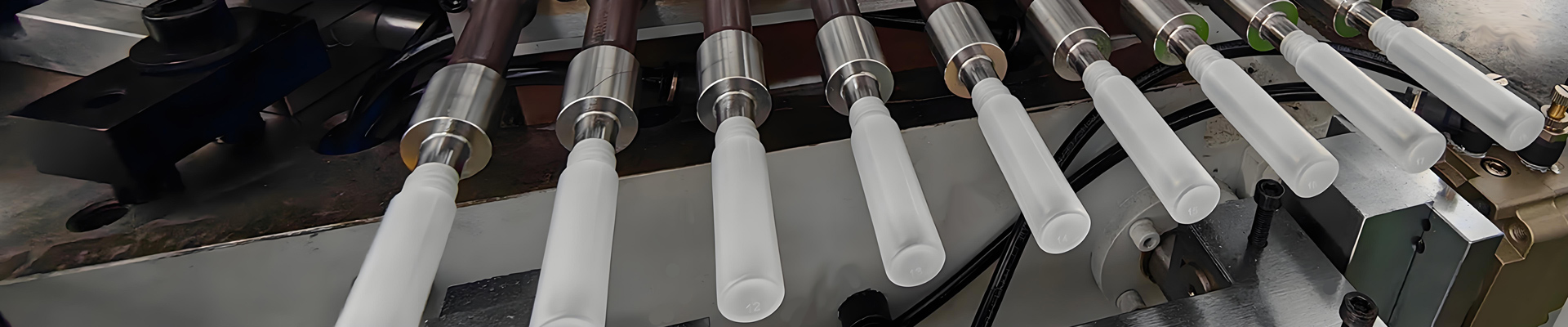
In the classic three-station IBM machine, station one injects the molten polymer into a preform mold wrapped around a heated core rod. The core rod is then rotated to station two, where the preform is blow-molded against the bottle cavity with compressed air, forming the body, shoulder and neck in a single flash-free operation. At station three the finished bottle is stripped from the core rod and ejected. A four-station configuration inserts an additional station — often for in-mold inspection, leak testing, or removal of the small gate/vestige — which improves outgoing quality for high-value pharmaceutical and diagnostic bottles. Aibim’s IBM machines, including the IBM55 Hybrid, IBM65 and IBM75 series, operate this indexed core-rod transfer, and the PREFILL prefill injection technology improves shot consistency and reduces melt hesitation at the gate, which in turn improves neck definition.
コアロッドは、ボトルの品質と適合性の両方にとって重要です。その温度は、樹脂によって異なりますが、通常60~95℃の範囲で積極的に制御されます。温度が低すぎると、プレフォームが不均一に凍結し、ボトルの首部分が粗くなったり短くなったりします。また、温度が高すぎると、プレフォームがきれいに放出されず、首部分の仕上げに残留融液が残ることがあります。どちらの場合も、ボトルの首部分と糸口の精度が低下し、不完全に形成された首部分に処理残留物や洗浄剤が残る可能性があります。したがって、コアロッドを適切な温度範囲に保つことは、清潔で寸法的に正確な、検査に合格するボトルを作る上で直接重要な要素となります。
4.2 溶融温度、射出および保持
バレルは樹脂をプラスチケ化し溶融させます。各ポリマーには、完全な溶融と均一化とのバランスをとる溶融温度の範囲があり、この範囲内であれば熱分解は起こりません。
- PE: 190~230℃
- PP: 200~250℃
- PET: 265~290℃
窓の下を走行すると、融け残った粒子が残り、充填が不十分になります。窓の上を走行すると、酸化および熱的な劣化が促進され、PETではアセトアルデヒド、ポリオレフィンではオリゴマー、そしてNIAS候補となる低分子量の揮発物が生成されます。インジェクション圧力と保持(充填)圧力は、細いネック部の糸を過剰に充填せずに満たすように十分に高く設定する必要があります。そうすると、内部応力が発生し、沈み込みの跡が残ることになります。金型温度(プレフォームとブローキャビティの温度)は、結晶性と表面仕上げを制御するために設定されます。小型IBMボトルの場合、サイクル時間は通常8~20秒の間で、多キャビティ機ではより短く、厚壁または熱に敏感な樹脂の場合はより長くなります。
4.3 変質、せん断、臭気のリスク
Two failure modes connect process to migration. The first is thermal degradation from excessive barrel temperature or residence time: a polymer sitting too long in a hot barrel breaks down into fragments that can later migrate into the food. The second is mechanical degradation from excessive shear — too-high screw speed or back pressure — which can also scission polymer chains and create odor and off-taste compounds. Both are controlled by keeping the melt in its proper window, minimizing residence time, and using the correct antioxidant loading. Because COC/COP and PET are particularly sensitive to heat history, their process windows are narrower and their compliance depends even more heavily on disciplined setpoints.
4.4 フラッシュフリーの利点とネック精度対 EBM
Compared with extrusion blow molding (EBM), IBM’s flash-free operation removes the need for a post-mold trim station, which in EBM generates flash that must be reground or discarded and can introduce particulate contamination if not contained. More importantly for food contact, IBM holds the bottle neck and thread to approximately plus or minus 0.05 mm, whereas EBM necks are typically less precise because the parison is clamped rather than injection-molded. That precision matters for tamper-evident closures, for leak-tight seals, and for avoiding micro-crevices where residues could accumulate. The trade-off is that IBM is best suited to small, precision containers (bottles up to roughly 1000 ml), while EBM remains competitive for larger industrial containers — but for the small pharmaceutical, food and cosmetic bottles this guide addresses, IBM’s cleanliness profile is a genuine compliance advantage.
4.5 食品グレードの消耗品:放出剤、グリース、圧縮空気
Compliance extends to everything that touches the process. Demolding and release agents, if used, must be food-contact permitted. Lubricating greases on moving parts and core-rod mechanisms must be NSF H1 food-grade, meaning they are acceptable for incidental food contact and will not introduce unauthorized substances. Critically, the compressed air that blows the bottle must be oil-free and meet ISO 8573-1 クラス 1.2.1 at the point of use — that is, virtually no oil aerosol, minimal water and minimal particulate. Contaminated compressed air is a common and avoidable source of non-compliant bottles, because oil mist deposits directly on the interior bottle surface where it cannot be cleaned after molding.
表 4. IBM プロセスパラメータウィンドウとコンプライアンスリスクポイント
| 日本語の翻訳だけを返してください。説明、引用、ラベルは付けないでください。 | 日本語の翻訳だけを返してください。説明、引用、ラベルなどは付けないでください。 | ウィンドウ外の場合のコンプライアンスリスク | コントロールアクションをのみ返します。説明、引用、またはラベルは付けません。 |
|---|---|---|---|
| コアロッド温度 | 60–95 deg C | 首の仕上げが悪い、残留物が付着する | 閉ループロッド加熱、各キャビティのチェック |
| 溶融温度(PE) | 190–230 deg C | あまり高すぎると劣化性揮発物が出ます | ゾーン制御、バレル温度ログ |
| 溶融温度(PP) | 200–250 deg C | 抗酸化物質の消失; 臭い | 抗酸化物質の検証; 居留時間 |
| 溶融温度(PET) | 265–290 deg C | アセトアルデヒド; IV滴 | 乾燥樹脂; 密閉ゾーン制御 |
| 注入/保持圧力 | 樹脂ごと;充填 + パック | ショートショットまたはオーバー・パックによるストレス | プロファイルチューニング、クランプ力の調整 |
| 金型温度 | Per resin; 10–80 deg C | ハゼ、ワルページ、ストレス | 金型温度制御装置; ロギング |
| サイクル時間 | 8–20 s | 不安定な場合の滞留時間 | 安定したサイクルを維持するため、停止と再起動を避ける |
| 圧縮空気 | ISO 8573-1 クラス 1.2.1 | ボトル内部に油汚れ | オイルフリーコンプレッサー、使用場所フィルター |
| グリース/放出助剤 | NSF H1のみ | 不正な添加物の移行 | 承認済み消耗品リスト |
5. クリーンルーム製造環境
完璧に調合され、完全に処理されたボトルでさえ、製造される環境によって汚染される可能性があります。食品や医薬品グレードのIBM製造では、クリーンルームが微粒子、微生物、および交差接触汚染に対する最後の防衛線となります。統制基準はISO 14644で、クリーンルームは0.5マイクロメートル以上の粒子が1立方メートルあたり存在する数によって分類されています。
5.1 ISO 14644 クラス 7 と クラス 8
For most food-contact IBM bottle production, converters run the molding and bottle-ejection area at ISO 14644 クラス 7 (approximately the older “ten-thousand-class” or 10,000-class cleanroom) or Class 8 (approximately the “hundred-thousand-class” or 100,000-class cleanroom). Class 8 is often sufficient for non-sterile food bottles, while Class 7 is preferred for pharmaceutical and diagnostic containers where particulate control is tighter. The classification is verified by particle counting at rest and in operation, and the room must be re-qualified periodically and after any change that could affect airflow or filtration.
5.2 圧力、ろ過、および空気の変化
A compliant cleanroom maintains a positive pressure relative to adjoining, dirtier areas — generally at least 10 Pa — so that air always flows outward and contaminants cannot enter. Air is supplied through Fan Filter 単位s (FFU) carrying HEPA filters rated H13 or H14, which remove the large majority of particles down to the sub-micron range. The room is designed for 20 to 60 air changes per hour, with the higher rate applied where more particulate generation or stricter control is expected. Personnel and material flows are separated: staff gown in a changing sequence (hair cover, coverall, boots, gloves) and pass through an air shower, while resin and packaging enter through a separate clean corridor so that raw material does not cross the path of finished bottles.
5.3 静的および微粒子制御
ボトルは軽量であり、静電気を帯びやすく、そのため、ダストを引きつけることがあります。クリーンルームでは、静電気を制御するためにイオンジェネレーター、導電性床材、および接地装置を使用します。ボトルは通常、閉鎖されたトートまたはクリーンなコンベヤー上で、制御されたゾーン内で移動され、最終的な梱包はクリーンなエリア内で行われ、ボトルは密封される前に制御されていないスペースに再入らないようにします。医薬品グレードの場合、微生物モニタリングプログラム(定着プレート、接触プレート、気流可視化)を追加して、粒子モニタリングを補完し、部屋は食品グレードまたは医薬品グレードの洗浄剤を使用した、検証済みの手順で清掃されます。
表5. クリーンルームグレード — パラメータ — 適用製品 — バリデーション項目
| クリーンルームグレード | 日本語の翻訳だけを返してください。説明、引用、ラベルは付けないでください。 | 対象製品 | 日本語の翻訳だけを返信してください。説明、引用、ラベルは付けないでください。 |
|---|---|---|---|
| ISO 14644 クラス 8 | Positive pressure ≥10 Pa; 20–40 ACH; HEPA H13 | 非滅菌食品、化粧品ボトル | 粒子数; 空気流量; 回収率 |
| ISO 14644 クラス 7 | Positive pressure ≥10 Pa; 30–60 ACH; HEPA H14 | 医薬品、診断用、高純度のボトル | 粒子数; 微生物; 煙の研究 |
| クラス7 + 微生物 | クラス7:活性微生物モニタリング | 滅菌または無菌充填補助瓶 | 定着/接触板; トレンド |
クリーンルームは、非適合物質を適合物質にすることはできませんが、汚れた室は、適合物質を非適合物質にする可能性があります。環境管理は、製剤と工程作業を保護するエンベロープです。
6. 品質システムとバッチ追跡可能性
材料と工程管理は、認められた品質システムに組み込まれて初めて、妥当なコンプライアンス主張を可能にします。食品接触用包装に関する関連フレームワークには、GMP(Good Manufacturing Practice)、HACCP(Hazard Analysis and Critical Control Points)、FSSC 22000、BRCGS 包装、およびISO 22000などがあります。これらのシステムは、個々の良好な実践を文書化された、監査可能な管理システムに変えます。
6.1 管理システムの状況
GMP is the foundational discipline of clean, controlled, documented production and is mirrored in EU law by EC 2023/2006 GMP for food-contact materials. HACCP requires the producer to identify the critical control points — for an IBM bottle these include resin acceptance, additive verification, melt temperature, compressed-air quality and cleanroom classification — and to monitor them with defined limits and corrective actions. FSSC 22000 and ISO 22000 build a full food-safety management system on top of these principles, while BRCGS 包装 is a widely audited standard specifically for packaging manufacturers supplying retailers and brand owners. Many pharmaceutical-adjacent producers also align with ISO 10993 for biological evaluation and USP Class VI for plastic materials intended for biomedical use, and with GB 4806.7 for food-contact plastics in the Chinese market. Holding these certifications is frequently a contractual prerequisite for supplying multinational food and pharma brands.
6.2 バッチのトレース可能性
トレーサビリティは、事後でコンプライアンスの主張を守ることができるものです。堅牢なIBMのボトルプログラムでは、各生産バッチにレジンロット番号、機械、金型(キャビティ識別付き)、シフト、ケースまたはパレットコードがリンクされます。このチェーンにより、後で移行テストで問題が発見された場合、生産者は、どのレジンロット、どの機械設定、どの金型が関与しているかを正確に特定でき、影響を受けるケースのみを回収できます。データは、機械制御システムと製造実行システム(MES)を通じて収集され、関連する規格およびお客様との契約で定められた期間保持されます。
6.3 ドキュメント: CoA、CoC、サプライヤー監査、変更管理
Every incoming resin and additive shipment should arrive with a Certificate of Analysis (CoA) stating the food-contact grade, the relevant 21 CFR or FCN reference, and the extractables and heavy-metal results. The converter issues a Certificate of Compliance (CoC) to the customer, summarizing that the finished article was produced from compliant materials under controlled conditions. Supplier audits confirm that the resin maker’s own system is sound, and change control ensures that any switch of resin grade, additive supplier, masterbatch color, mold or machine setting is re-evaluated for compliance before it reaches production. A retained sample (retained bottle) of each batch supports later retesting. Together, these documents form the compliance dossier that regulators, brand owners and auditors expect to see.
FDA 21 CFR 177.1520 · 21 CFR 177.1630 · EU 10/2011 · EC 1935/2004 · EC 2023/2006 GMP · ISO 14644 · ISO 8573-1 · ISO 10993 · USP Class VI · GB 4806.7 · FSSC 22000 · BRCGS
7. 検証と適格性 (DQ/IQ/OQ/PQ)
防御可能なコンプライアンスプログラムの最後の柱は、検証です。検証は、機器やプロセスが一回だけでなく、継続的にコンプライアンスに適合した製品を生産できることを証明します。一般的に受け入れられているライフサイクルは、DQ/IQ/OQ/PQの4段階です。
7.1 設計、設置、運用、および性能の適合
DQ (Design Qualification) confirms that the machine and cleanroom design are suitable for food-contact production — correct materials of construction, accessible cleaning, appropriate filtration. IQ (Installation Qualification) verifies that the IBM machine, the compressed-air system, the mold-temperature controllers and the cleanroom utilities were installed as specified and are documented. OQ (Operational Qualification) demonstrates that the process operates correctly across its setpoint ranges — melt temperature, core rod temperature, injection and holding pressure, cycle time — and that alarms and interlocks function. PQ (Performance Qualification) runs the validated parameters on commercial batches and confirms, through inspection and testing, that the output consistently meets specification, including migration and physical-quality targets.
7.2 プロセス能力と清掃の検証
OQとPQの間で、生産者はプロセス能力を確立し、一般にCpkとして表されるもので、ネック径や壁厚などの重要な特性に関して、Cpk ≥ 1.33の能力が通常の目標とされています。クリーニング検証では、キャンペーン間の切り替えクリーニングで残留物が許容レベルまで除去されていることが証明されます。これは衛生面だけでなく、香料、有効成分、色などのクロス汚染を防ぐためにも重要です。複数の製品を生産するラインの場合、クリーニング検証では、許容される残留物の限界と、それを検証するために使用されるスワブや洗浄方法が定義されます。
7.3 色変更と材料変更の検証
カラーマスターバッチは、非準拠性の抽出物や交差汚染の頻繁な原因であるため、ラウンド間の色変更自体も検証する必要があります。検証では、前の色が定められた閾値以下に排出されていることを、視覚的、分光学的、または抽出による検査で確認します。同様に、樹脂のグレードや供給元が変更された場合、関連するパラメーターの再検証と、新しい材料の場合は新たな移行性試験が実施されます。これらの検証は、定められたスケジュールで再度実施され、重要な変更があった場合は、継続的に実施されます。これにより、コンプライアンスの主張が一時的なものではなく、常に最新の状態を維持することができます。
From a competitive standpoint, Aibim, a Wanplas factory, supports this lifecycle by designing its IBM55 Hybrid, IBM65 and IBM75 machines with closed-loop temperature and pressure control, recipe management for locked parameter sets, and data logging suitable for IQ/OQ/PQ evidence capture. As part of the Wanplas brand’s network of specialized factories, Aibim positions its injection blow molding (IBM) lines for converters that must document every stage from resin lot to finished, inspected bottle. This engineering support reduces the burden of validation because the machine already produces the consistent, logged process data that auditors require.
日本語の翻訳だけを返してください。説明、引用、またはラベルは付けないでください。
IBMのボトルに対して、FDAの食品接触認定は実際にはどのような要件を求めているのでしょうか。
FDAは、完成したボトルを認証することはありません。21 CFR 170から199までの範囲で、食品と接触する材料や製品を規制しています。コンプライアンスとは、すべての樹脂、添加剤、着色剤、処理補助剤が許容範囲内で、製造環境が管理されていることを意味します。コンバーターは、このことを文書、試験、品質システムを通じて示すのではなく、単一の認証を通じて示します。
注入吹き型成形(IBM)は、押出吹き型成形(EBM)よりもより適合性が高いのでしょうか?
IBM is flash-free and yields bottle neck and thread tolerances around plus or minus 0.05 mm, which reduces trimming debris and particle contamination and improves seal integrity. That supports cleaner production, but neither process is compliant by itself; material selection, additive control and the cleanroom still decide the result. IBM’s advantage is structural cleanliness, not automatic regulatory approval.
FDAの規定に基づき、50mlの薬用ドロッパーボトルに最適な樹脂はどれでしょうか。
高い透明度と極めて低い抽出物を求める場合は、COCまたはCOPとPETまたはPETGが一般的です。化学的耐性と低い抽出物が透明度よりも重要である場合は、HDPEとPPホモポリマーが選択されます。最終的な選択は、薬剤ベクター、必要なバリア、充填温度によって決まります。また、各オプションは、21 CFRまたはFCNの認定を受けている食品接触グレードである必要があります。
OML 10 mg/dm²などの移行制限はどのように実施され、テストされているのですか。
全体的な移行量は、記事を10%エタノール、3%酢酸、50%エタノール、および植物油などの食品シミュランテに曝露し、定められた時間と温度条件下で、移動した質量を面積(10 mg/dm²)またはキログラム(60 mg/kg)あたりで定量することで測定します。GC-MS、LC-MS、およびICP-MSにより、重金属を含む移動物質を特定し、定量します。
FDAは完成したボトルを事前に承認するのか、それとも材料だけを承認するのか。
FDAは物質を事前承認し、新しい物質について食品接触通知を発行しますが、コンバーターは製品が適合していることを、製剤管理、移行試験、および文書化を通じて証明する責任があります。サプライヤーの同意書は、主張を裏付けるものですが、FDAの証明書ではなく、商業的な保証です。
食品接触用のIBM製品ではどのクリーンルームクラスが必要ですか?
多くの生産者は、ISO 14644クラス7またはクラス8の環境を、少なくとも10パスのプラス圧、HEPA H13またはH14フィルター、および20~60回の空気交換率で運用しています。クラス8は非滅菌の食品や化粧品のボトルに適していますが、クラス7は、より厳しい微粒子および微生物制御が必要な医薬品や診断用容器に適しています。
カラーマスターバッチは食品接触適合性にどのように影響しますか。
許可されているカラーインデックス番号と適合した媒体のみを使用でき、マスターバッチは抽出物と重金属に関する文書化が必要です。色の変更は検証する必要があり、前の色が次のラインで混入しないようにする必要があります。マスターバッチは頻繁に問題となる箇所であるため、基材樹脂と同じレベルの精査が必要です。
サプライヤーは、FDAの規制に対応するためにどのような文書を提供する必要がありますか?
樹脂および添加剤の供給者は、食品接触グレード、関連する21 CFRまたはFCNの参照、および抽出物と重金属の結果を記載した分析証明書を提供する必要があります。その後、コンバーターは、製品が管理された条件下で適合する材料から製造されたことを要約した、コンプライアンス証明書を顧客に発行します。この証明書は、バッチ記録と保存されたサンプルによって裏付けられています。
リサイクルされた樹脂は、FDAの食品接触用IBMボトルに使用できますか。
リサイクル素材は、通常、独自のFDA承認を取得したリサイクリングプロセスを通じて、または安全な移行がないことを示す厳密な試験を実施することで、原料と同等の食品接触安全基準を満たしている場合にのみ使用することが許可されています。現在、医薬品や食品用の小型IBMボトルのほとんどは、食品接触グレードの原料を使用しており、特定の承認された方法が存在する場合にのみ、リサイクル素材を採用しています。
クリーニングの検証と再認定は、どのくらいの頻度で繰り返す必要がありますか。
清浄度の検証は、定められたスケジュールに従って、重要な設備やプロセスの変更後、また新しい製品や材料が導入されたときに繰り返し行われます。パラメーターが検証された範囲外に移動した場合は、PQが再確立されます。具体的な頻度は、品質システム(FSSC 22000、BRCGS 包装、ISO 22000)およびお客様の要件によって決まりますが、原則として、検証は一度だけのイベントではなく、継続的に行われる状態であることが重要です。
IBMの食品接触用成形において、オイルフリー圧縮空気がなぜ重要なのでしょうか。
圧縮空気は、プレフォームをボトルに吹き込み、内部の食品接触面に直接触れます。オイルエアロゾルを含む場合、その面に油が付着し、成形後に除去できず、不正添加物となります。使用時点でISO 8573-1クラス1.2.1を満たすことにより、ボトル内部を、後続の洗浄で修正できない汚染源から保護します。
結論を日本語でのみ返答してください。説明、引用、ラベルは付けないでください。
Producing an FDA food-contact certified bottle by injection blow molding (IBM) is the product of four coordinated disciplines: a correct reading of the 21 CFR 170–199 framework, a fully whitelisted material and additive selection, a migration-and-NIAS testing program built on proper simulants and methods, and an IBM process and cleanroom environment engineered so that the bottle is shaped without generating or accumulating contaminants. The flash-free, precision-neck nature of IBM — with core rod control in the 60 to 95 deg C range, melt windows of 190 to 230 deg C for PE, 200 to 250 deg C for PP and 265 to 290 deg C for PET, and oil-free air at ISO 8573-1 クラス 1.2.1 — gives converters a strong structural starting point, but only a documented quality system (GMP, HACCP, FSSC 22000, BRCGS 包装, ISO 22000), full batch traceability and a maintained DQ/IQ/OQ/PQ validation lifecycle turn that starting point into a defensible compliance claim.
For converters specifying equipment, the practical takeaway is to choose an IBM platform that supports the evidence auditors demand: locked recipes, closed-loop temperature and pressure control, data logging, and the flexibility to run the resins — HDPE, PP, PET, PETG, COC/COP and LDPE — that their customers require. Aibim, a Wanplas factory, builds the IBM55 Hybrid, IBM65 and IBM75 series and the PREFILL prefill injection system for exactly this segment of small, high-precision, regulated bottles, and as part of the Wanplas brand it supports customers through qualification and documentation. FDA compliance is never a single certificate; it is the visible result of disciplined material, process and environmental control, sustained batch after batch.