射出ブロー成形機の国際認証要件
Exporting injection blow molding machines from China requires comprehensive compliance with international standards and certification requirements across different markets. Global certification serves as critical assurance of equipment safety, quality, and regulatory compliance, enabling smooth customs clearance and market acceptance. The certification landscape varies significantly across regions, with Europe, North America, Middle East, and Asian markets each maintaining distinct certification frameworks and requirements.
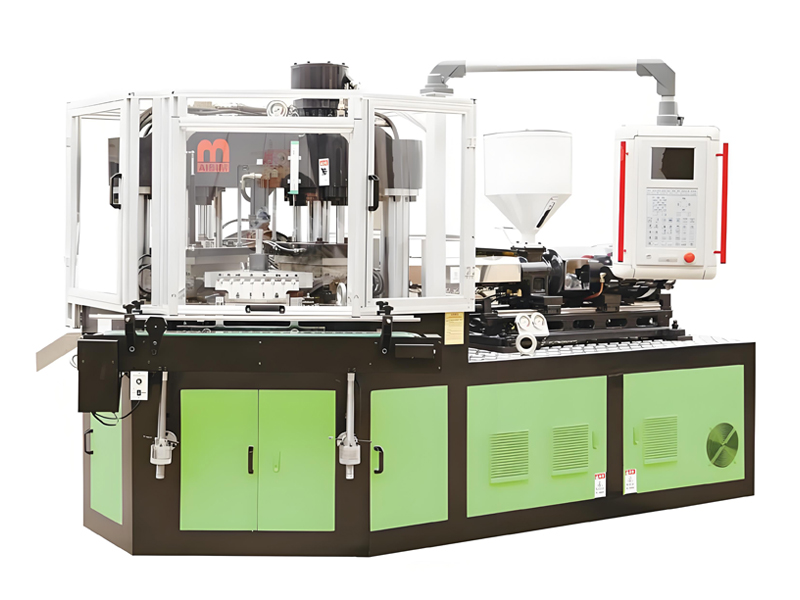
AiBiM injection blow molding machines undergo rigorous testing and certification processes to meet diverse international standards. The certification process typically requires 6 to 12 months and costs between $15,000 and $50,000 per market depending on scope and complexity. This substantial investment ensures machines meet specific regional requirements including electrical safety, mechanical safety, electromagnetic compatibility, and environmental compliance. AiBiM has established partnerships with certified testing laboratories worldwide, facilitating efficient certification processes and reducing time to market for international customers.
The strategic importance of comprehensive certification extends beyond regulatory compliance to include customer confidence, insurance eligibility, and competitive advantage in international markets. Certified equipment commands premium pricing typically 5 to 15 percent higher than uncertified alternatives due to reduced risk and enhanced market acceptance. For manufacturers targeting multiple international markets, comprehensive certification represents essential investment enabling global market access without requiring separate certification efforts for each target country.
欧州連合(EU)の認証要件
欧州連合 markets require CE marking demonstrating compliance with essential health, safety, and environmental protection requirements. The CE marking process involves compliance with multiple European directives including Machinery Directive 2006/42/EC, Low Voltage Directive 2014/35/EU, Electromagnetic Compatibility Directive 2014/30/EU, and Pressure Equipment Directive 2014/68/EU. These directives establish comprehensive requirements covering mechanical safety, electrical safety, electromagnetic emissions and immunity, and pressure vessel safety for injection blow molding machines.
Machinery Directive compliance requires comprehensive technical documentation including risk assessment, hazard analysis, safety component verification, and operational instructions. AiBiM machines incorporate essential safety features including emergency stop systems, protective guards, two-hand control systems, and safety interlocks complying with EN ISO 13849-1 performance requirements. The certification process involves type testing by notified bodies authorized by 欧州連合 member states, with typical costs ranging from $8,000 to $25,000 depending on machine complexity and required testing scope.
Low Voltage Directive compliance ensures electrical system safety including protection against electric shock, thermal effects, overcurrent, and overvoltage conditions. AiBiM machines employ double insulation, grounding systems, residual current devices, and overcurrent protection meeting EN 60204-1 safety requirements for electrical equipment of machines. Electrical component selection focuses on compliance with IEC standards including IEC 60947 for low-voltage switchgear and controlgear, IEC 61010 for electrical safety requirements, and IEC 61800 for adjustable speed electrical power drive systems. Electrical compliance testing costs typically range from $3,000 to $10,000 per machine model.
Electromagnetic Compatibility Directive compliance ensures machines do not generate electromagnetic interference affecting other equipment and maintain immunity from external electromagnetic disturbances. AiBiM machines incorporate electromagnetic suppression techniques including filtering, shielding, and proper grounding meeting EN 61000-6-2 industrial environment immunity requirements and EN 61000-6-4 emission requirements. EMC testing involves comprehensive testing across frequency ranges from 9 kilohertz to 6 gigahertz for emissions and testing for immunity against various interference sources. EMC certification typically costs $4,000 to $12,000 per machine model.
北米の認証基準
North American markets including アメリカ合衆国 and カナダ maintain distinct certification requirements differing from European standards. アメリカ合衆国 markets primarily require certification under NFPA 79 (Electrical Standard for Industrial Machinery), UL 508 (Industrial Control Equipment), and OSHA safety standards. Canadian markets require certification under CSA C22.2 No. 73 (Industrial Electrical Equipment) and provincial safety codes. These certifications ensure compliance with North American electrical safety requirements, mechanical safety standards, and occupational safety regulations.
NFPA 79 compliance requires electrical systems meeting requirements for industrial machinery including conductor sizing, overcurrent protection, grounding, and control circuit design. AiBiM machines incorporate electrical systems designed to NFPA 79 standards including appropriate wire gauges based on ampacity requirements, properly sized circuit breakers and fuses, adequate grounding systems, and control circuits meeting voltage and current limitations. NFPA 79 certification through third-party testing laboratories typically costs $5,000 to $15,000 per machine model. The certification process includes comprehensive documentation review, electrical testing, and on-site verification of compliance.
UL 508 certification covers industrial control equipment including motor controllers, contactors, relays, and control panels used in injection blow molding machines. AiBiM machines utilize UL-listed components where available and design custom control systems to UL 508 requirements including creepage and clearance distances, material flammability ratings, and temperature rise limitations. UL certification involves component-level testing and system-level verification with costs ranging from $3,000 to $8,000 per control system configuration. The certification provides assurance of electrical safety and enables compliance with local building codes requiring UL-certified equipment.
OSHA safety standards require compliance with workplace safety regulations including machine guarding requirements, lockout-tagout procedures, and personal protective equipment requirements. AiBiM machines incorporate safety features meeting OSHA requirements including point-of-operation guards, emergency stop devices accessible from all machine positions, and lockout-tagout capability for all energy sources. OSHA compliance verification through certified safety engineers typically costs $2,000 to $5,000 per machine model. While OSHA certification is not mandatory for equipment import, OSHA-compliant equipment facilitates compliance verification during workplace inspections and reduces liability risks.
業界別の認証要件
特定の業界は、一般的な安全および電気基準に加えて追加の認証要件を維持しています。医薬品、食品パッケージング、爆発性環境の用途は、業界固有の規制と安全要件への準拠を保証する専門的な認証を必要とします。
Pharmaceutical industry compliance requires machines meeting Good Manufacturing Practice (GMP) guidelines and アメリカ合衆国 Pharmacopeia (USP) Class VI biocompatibility requirements. AiBiM offers pharmaceutical-grade machines featuring sanitary design including smooth surfaces, crevice-free construction, food-grade seals, and cleanroom-compatible components. GMP compliance documentation includes design qualification (DQ), installation qualification (IQ), operational qualification (OQ), and performance qualification (PQ) protocols facilitating regulatory submissions. Pharmaceutical certification typically costs $20,000 to $50,000 including documentation, validation services, and testing. These capabilities enable pharmaceutical manufacturers to meet FDA 21 CFR Part 820 requirements for quality system regulations and 欧州連合 GMP Annex 1 requirements for sterile medicinal products.
食品 packaging applications require compliance with food contact regulations including FDA 21 CFR 177 for olefin polymers, FDA 21 CFR 177.1630 for polyesters, and EU Regulation 10/2011 for plastic materials in contact with food. AiBiM machines designed for food packaging applications feature food-grade construction materials meeting NSF/ANSI 51 certification for food equipment materials and NSF/ANSI 61 certification for drinking water system components. 食品 contact compliance requires testing for specific migration limits, overall migration limits, and restricted substance limits. 食品 packaging certification typically costs $8,000 to $25,000 including material testing and compliance verification. These certifications enable market access for food and beverage packaging applications while ensuring consumer safety.
Explosive environment applications require ATEX certification for European markets and hazardous location certification for North American markets when machines operate in areas with flammable gases, vapors, or dust. AiBiM offers explosion-proof machine configurations featuring intrinsically safe electrical systems, explosion-proof enclosures, and properly grounded conductive surfaces. ATEX certification according to ATEX 2014/34/EU directive requires assessment of equipment suitability for specific explosion protection categories and gas groups. North American hazardous location certification under NFPA 70 (NEC) and CSA C22.2 requirements requires verification of compliance with Class I, Division 1 or Division 2 requirements depending on area classification. Explosion-proof certification typically costs $15,000 to $40,000 depending on protection level requirements and complexity of explosion-proof systems.
認証文書とテクニカルファイルの準備
包括的な文書は認証プロセスの重要な構成要素であり、コンプライアンスの証拠を提供し、規制当局への提出を支援します。AiBiMは、特定の認証要件と仕向け市場の基準に合わせた広範な文書パッケージを提供します。
Technical documentation for CE marking requirements includes technical file containing risk assessment, hazard analysis, essential health and safety requirements verification, conformity assessment procedures, and technical documentation. The technical file must be maintained for at least 10 years after last machine manufacture and made available to national authorities upon request. AiBiM prepares comprehensive technical files including machine drawings, electrical schematics, component certificates, calculation results, and test reports demonstrating compliance with applicable directives. Technical file preparation typically requires 200 to 400 engineering hours and costs $15,000 to $35,000 depending on machine complexity and certification scope.
Operation and maintenance manuals provide critical safety information and operational instructions for machine operators and maintenance personnel. AiBiM provides comprehensive manuals covering machine description, safety precautions, operating procedures, maintenance instructions, troubleshooting guides, and parts lists. Manuals comply with specific regional requirements including language requirements, safety sign requirements, and content specifications mandated by certification bodies. Manual translation for multiple markets typically costs $2,000 to $5,000 per language beyond English. Standard languages available include English, German, French, Spanish, Italian, Portuguese, Russian, Arabic, and Chinese with additional languages available upon request.
Declaration of Conformity documents official statements from manufacturers confirming compliance with applicable requirements. AiBiM provides Declaration of Conformity certificates signed by authorized representatives confirming compliance with specific directives and standards. These declarations must accompany machines during export and be available for customs verification and regulatory inspections. Declaration of Conformity preparation is typically included in certification service packages and requires legal review for accuracy and completeness. Specific declaration requirements vary by certification type and include manufacturer identification, machine description, applicable standards, and conformity assessment procedures employed.
試験および検証プロセス
Comprehensive testing and verification processes represent critical components of certification, ensuring machines meet performance and safety requirements through objective measurement and evaluation. AiBiM maintains relationships with accredited testing laboratories worldwide providing independent verification of compliance claims.
Type testing involves comprehensive evaluation of machine design, construction, and performance against specific certification requirements. Testing includes electrical safety testing including insulation resistance testing, dielectric strength testing, ground continuity testing, and leakage current measurement. Mechanical safety testing includes guard verification, emergency stop testing, safety interlock testing, and risk assessment validation. Performance testing verifies production capabilities including clamping force accuracy, shot size repeatability, temperature control accuracy, and pressure control precision. Type testing typically requires 2 to 4 weeks of laboratory time and costs $10,000 to $30,000 depending on test scope and machine complexity.
Production testing involves verification that each manufactured machine conforms to the certified design and performance characteristics. AiBiM implements comprehensive quality control processes including visual inspection, dimensional verification, functional testing, and safety verification for each machine before shipment. Production testing documentation provides evidence of ongoing compliance with certified design specifications and supports quality management system requirements. Production testing costs approximately $1,500 to $4,000 per machine depending on testing scope and documentation requirements. Comprehensive production testing reduces field issues and warranty claims while ensuring customer satisfaction.
Auditing involves assessment of manufacturing quality systems and production processes to ensure ongoing compliance with certification requirements. Notified bodies conduct periodic audits of manufacturing facilities to verify continued compliance with requirements and quality management system standards. AiBiM maintains ISO 9001:2015 quality management system certification and undergoes regular audits from certification bodies including annual surveillance audits and recertification audits every three years. Audit preparation typically requires 2 to 3 weeks of preparation time and costs $5,000 to $12,000 per audit depending on scope and duration. Regular audits ensure continuous improvement and compliance maintenance throughout production lifecycle.
地域別認証戦略
効果的な認証戦略には、ターゲット市場、製品用途、規制要件に基づいて適切な認証経路を選択することが含まれます。AiBiMは、認証コストと市場投入までの時間を管理しながら市場アクセスを最大化する戦略的な認証アプローチを採用しています。
Certification harmonization leverages commonalities between regional requirements to reduce testing and certification redundancy. For example, IEC 60204-1 requirements for electrical equipment of machines provide harmonization between European and international requirements, reducing duplicate testing requirements. AiBiM implements design strategies meeting multiple certification requirements simultaneously including electrical systems compliant with both IEC and North American standards where possible. Harmonization strategy typically reduces total certification costs by 20 to 35 percent compared to pursuing separate certification programs for each market.
Certification prioritization focuses resources on certification requirements for highest-priority markets while leveraging mutual recognition agreements where available. AiBiM prioritizes CE certification for 欧州連合 markets first due to largest market size and most complex requirements, then pursues North American certification for second-priority markets. For other markets, AiBiM leverages mutual recognition agreements between certification bodies and accepts certifications from EU-approved testing laboratories where acceptable to local authorities. Prioritization strategy optimizes resource allocation while minimizing time to market for major international markets.
Modular certification approaches enable progressive certification of machine components and systems rather than requiring comprehensive certification of complete machines. AiBiM certifies standard modules including control systems, hydraulic systems, and mechanical structures separately, enabling faster certification of new machine configurations incorporating certified modules. Modular certification reduces certification time for new machine designs by 40 to 60 percent compared to full machine certification. However, modular certification requires careful documentation of module interactions and overall system integration to ensure complete machine compliance.
認証の維持と更新
認証の維持は、製品ライフサイクル全体にわたって進化する標準と要件への継続的な適合を保証します。AiBiMは、認証の有効性を維持し、標準の進化に伴う更新を促進する包括的なプログラムを実施しています。
Standard updates and revisions require manufacturers to assess impact on existing certifications and implement necessary changes. Certification bodies typically require manufacturers to reassess compliance within 12 to 24 months of standard revisions. AiBiM maintains continuous monitoring of standard changes affecting injection blow molding machine certifications including updates to IEC standards, EN standards, and regional requirements. Standard update assessments typically require 2 to 4 weeks of engineering review and cost $3,000 to $8,000 depending on scope of changes required. Proactive monitoring ensures timely compliance with updated standards before certification expiration.
Certificate renewal typically occurs every 3 to 5 years depending on certification type and regional requirements. Renewal involves reassessment of compliance with current standards, verification that manufacturing quality systems maintain required standards, and updated documentation reflecting machine design changes since original certification. AiBiM implements certificate renewal programs including comprehensive review of changes since original certification, updated testing reflecting current standards, and revised technical documentation. Certificate renewal typically costs 60 to 80 percent of original certification costs depending on scope of changes and updates required.
Design change management controls modifications to certified designs ensuring ongoing compliance with certification requirements. AiBiM implements formal change management processes including engineering change requests, compliance impact assessments, and certification body notifications for significant changes. Minor changes not affecting safety characteristics may not require notification but require internal documentation. Major changes affecting safety or compliance characteristics require notification to certification bodies and potentially additional testing. Change management costs typically range from $1,000 to $5,000 per significant change depending on complexity and certification requirements. Controlled change management prevents unintended compliance violations while enabling design improvements.
認証投資の費用対効果分析
包括的な認証は重要な投資を表しますが、グローバル市場アクセスと競争上の優位性を可能にする実質的な利益を提供します。認証投資の経済的影響を理解することで、認証戦略と優先順位に関する情報に基づいた決定が可能になります。
Total certification costs vary significantly based on target markets, machine complexity, and certification scope. For a standard injection blow molding machine targeting European and North American markets, total certification costs typically range from $30,000 to $80,000 including CE marking ($15,000 to $40,000), North American certification ($10,000 to $30,000), industry-specific certifications ($5,000 to $20,000), documentation and translation ($2,000 to $8,000), and testing laboratory fees ($3,000 to $12,000). Additional certifications for specific markets including Asia Pacific, Middle East, or South America add $5,000 to $20,000 per region depending on requirements.
Certification enables market access that would otherwise be impossible or requiring extensive local certification efforts. For manufacturers targeting international markets, comprehensive certification represents mandatory investment rather than optional expense. The economic value of market access for a machine priced at $200,000 potentially enables sales of $5 million to $20 million over product lifetime across international markets, providing substantial return on certification investment. Even moderate market access enabling 50 to 100 additional machine sales justifies certification investment 50 to 200 times over product lifecycle.
Certified equipment commands premium pricing compared to uncertified alternatives due to reduced customer risk and enhanced confidence. Premium pricing typically ranges from 5 to 15 percent above pricing for equivalent uncertified equipment. For machines with base pricing of $200,000, certification enables premium pricing of $10,000 to $30,000 per unit, providing direct financial return on certification investment. For manufacturers selling 50 certified machines annually, premium pricing generates additional revenue of $500,000 to $1.5 million, representing 6 to 50 times annual certification maintenance costs.
Reduced liability and insurance costs represent additional financial benefits of certification. Certified equipment typically reduces product liability insurance premiums by 10 to 30 percent compared to uncertified equipment due to reduced risk assessments. For manufacturers carrying $10 million in product liability insurance with annual premiums of $50,000, certification provides annual savings of $5,000 to $15,000. Reduced liability exposure also decreases potential legal costs and settlement amounts in product liability cases, though quantifying this benefit requires actuarial analysis of specific risk profiles.
認証スケジュールとプロジェクト計画
認証には、タイムリーな市場アクセスを確保し開発遅延を最小限に抑えるための慎重なプロジェクト計画とタイムライン管理が必要です。AiBiMは、定義されたマイルストーン、成果物、レビューポイントを備えた構造化された認証プロセスを実装し、効率的な認証プロジェクト管理を可能にします。
Pre-certification planning typically requires 2 to 4 months including market analysis, requirements definition, certification pathway selection, and budget approval. This phase involves analyzing target markets, identifying applicable standards and directives, selecting appropriate certification bodies, and establishing project timelines and budgets. Comprehensive pre-certification planning reduces surprises and rework during formal certification processes. AiBiM provides certification planning consulting services costing $3,000 to $8,000, typically saving 20 to 40 percent of total certification time through improved project efficiency.
Documentation preparation requires 3 to 6 months depending on machine complexity and certification scope. This phase includes preparing technical files, design documents, risk assessments, operation manuals, and assembly instructions. Documentation represents the largest component of certification effort in terms of time and resources. AiBiM employs technical writers and certification specialists specifically focused on documentation preparation and management. Documentation preparation costs represent 40 to 60 percent of total certification budget, requiring dedicated resource allocation and management oversight.
Testing and verification phases require 2 to 4 months including laboratory scheduling, testing execution, result analysis, and issue resolution. Testing timelines often represent critical path in certification projects due to limited laboratory capacity and scheduling constraints. AiBiM maintains relationships with multiple testing laboratories to optimize scheduling flexibility and reduce waiting times. Testing phases typically cost 30 to 50 percent of total certification budget and involve significant coordination with external service providers. Contingency planning for test failures requiring design modifications typically adds 20 to 30 percent time and cost to projects.
Certification review and approval requires 1 to 3 months depending on certification body workload and submission completeness. This phase involves technical review of documentation, verification of test results, site inspections, and final certification issuance. AiBiM maintains proactive communication with certification bodies throughout review process to address issues promptly and avoid delays. Review phase costs represent 10 to 20 percent of total certification budget primarily consisting of certification body fees and required on-site inspection expenses.
新たな認証要件と今後の動向
認証要件は、新技術、環境への配慮、安全性への期待に伴って進化し続けています。AiBiMは新たなトレンドを監視し、進化する要件と将来の市場ニーズに対応するために認証戦略を適応させています。
Cybersecurity requirements represent emerging concern for industrial equipment with increasing connectivity and automation capabilities. IEC 62443 provides cybersecurity standards for industrial automation and control systems becoming mandatory in certain markets. AiBiM machines incorporate cybersecurity features including secure authentication, encrypted communications, access control, and security monitoring capabilities. Cybersecurity certification adds $8,000 to $20,000 to total certification costs but enables market access for increasingly connected manufacturing environments. Cybersecurity compliance represents growing requirement particularly for machines with remote monitoring, cloud connectivity, or integrated automation systems.
エネルギー efficiency requirements are becoming more stringent with increasing focus on sustainability and operational costs. EcoDesign directives in 欧州連合 and efficiency standards in North America establish requirements for energy consumption and efficiency characteristics. AiBiM machines incorporate energy-efficient technologies including servo-hydraulic systems, all-electric drives, optimized cooling, and energy recovery systems meeting or exceeding emerging efficiency standards. エネルギー efficiency certification and testing adds $5,000 to $15,000 to certification costs but provides competitive advantages through reduced operating costs and potential government incentives in energy-conscious markets.
Sustainability and environmental requirements are expanding beyond basic compliance to include material selection, recyclability, and environmental impact assessment. Extended Producer Responsibility (EPR) regulations in European markets and similar requirements emerging globally place increasing responsibility on manufacturers for end-of-life management of products. AiBiM implements design for sustainability principles including material selection for recyclability, component standardization for serviceability, and documentation facilitating recycling and disposal. Sustainability compliance adds $3,000 to $10,000 to certification costs but addresses growing customer expectations and regulatory requirements for environmentally responsible products.
Digital documentation and electronic certification systems are replacing traditional paper-based documentation processes. Digital certificates, electronic technical files, and blockchain-based verification systems provide improved security, accessibility, and verification capabilities. AiBiM implements digital documentation capabilities including electronic signatures, secure document management, and certificate verification systems. Digital transformation of certification processes requires initial investment in systems and processes but provides ongoing benefits including reduced administrative overhead, improved accessibility, and enhanced document security. Digital certification implementation costs range from $10,000 to $30,000 depending on scope and complexity but reduces ongoing documentation management costs by 30 to 50 percent.
結論
Comprehensive certification represents essential investment for Chinese injection blow molding machine manufacturers targeting international markets. AiBiM has established robust certification capabilities covering global markets including 欧州連合, North America, Middle East, and Asia Pacific regions. The substantial investment in certification demonstrates commitment to quality, safety, and regulatory compliance enabling customers worldwide to operate AiBiM machines with confidence.
Strategic certification approach balancing market priorities, cost considerations, and time to market requirements enables efficient certification while controlling investment. AiBiM provides comprehensive certification support including pre-assessment, documentation preparation, testing coordination, and certification management services. This comprehensive support reduces customer certification burdens and accelerates time to market for international operations.
The economic benefits of certification including market access, premium pricing capabilities, reduced liability exposure, and insurance cost savings provide substantial return on investment throughout product lifecycle. As certification requirements continue evolving with emerging technologies and environmental considerations, AiBiM maintains proactive approach to certification management ensuring ongoing compliance and market access across global markets.
For manufacturers seeking injection blow molding machines with comprehensive global certification, AiBiM provides certified equipment ready for international deployment with minimal additional certification requirements. The investment in certification represents strategic advantage enabling global market expansion and competitive positioning in increasingly regulated international markets for industrial equipment.