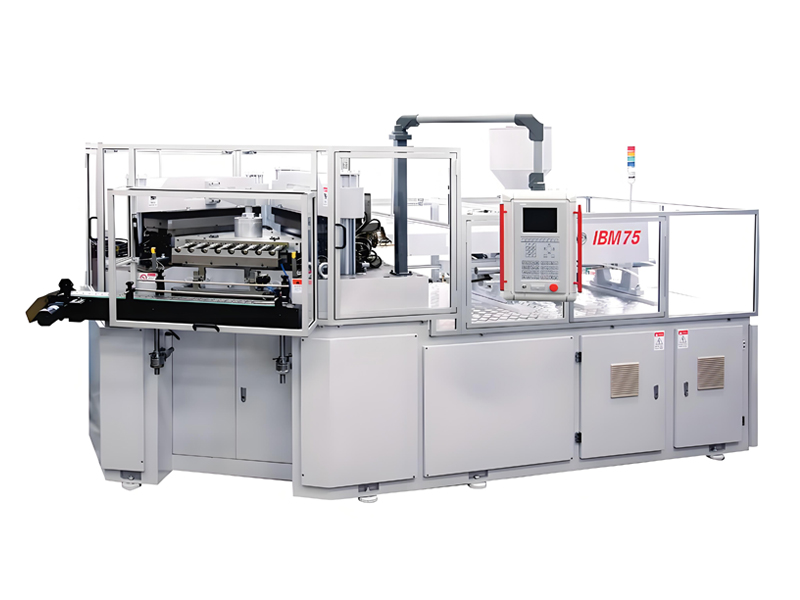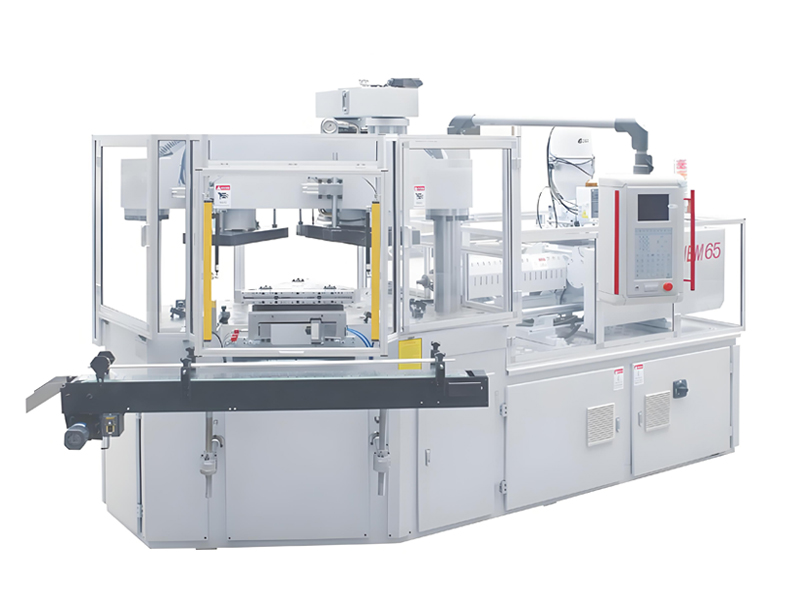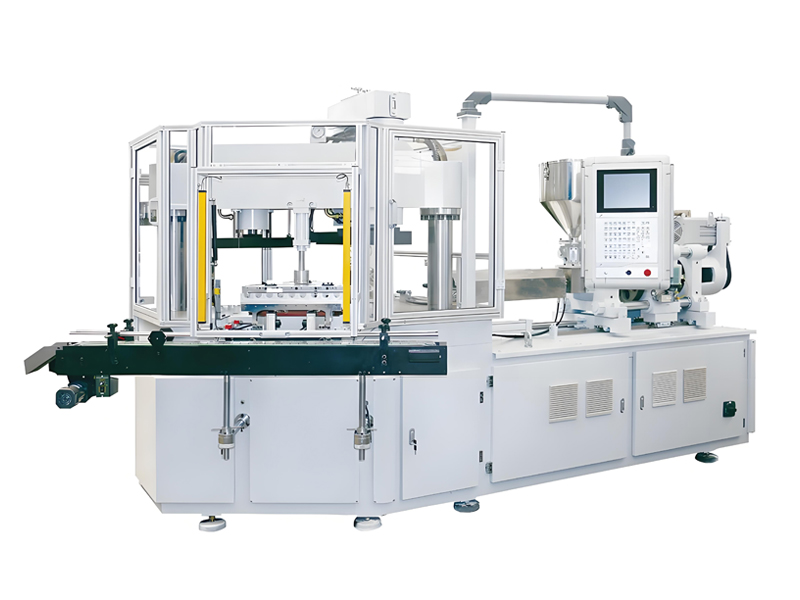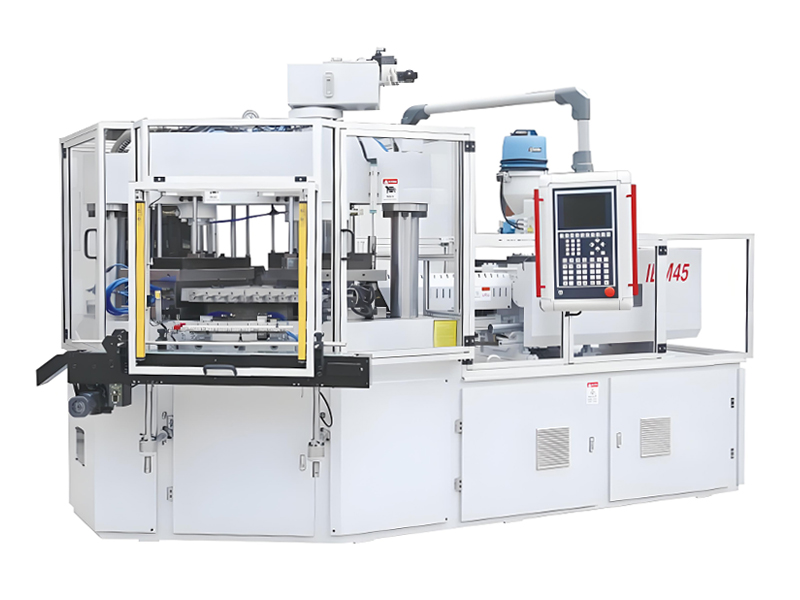
Introduction to Injection Blow Molding Machine Noise
Injection blow molding machines are essential equipment in the plastics manufacturing industry, producing hollow containers for pharmaceuticals, food and beverages, cosmetics, and various consumer products. However, these machines generate substantial noise during operation, which can create significant challenges for factory environments. The noise generated by injection blow molding machines typically ranges from 85 to 95 decibels during normal operation, with peak levels exceeding 100 decibels during high-intensity operations. This noise level not only creates an uncomfortable working environment but also poses serious health risks to operators and factory workers, necessitating effective noise reduction strategies for injection blow molding machine operations.
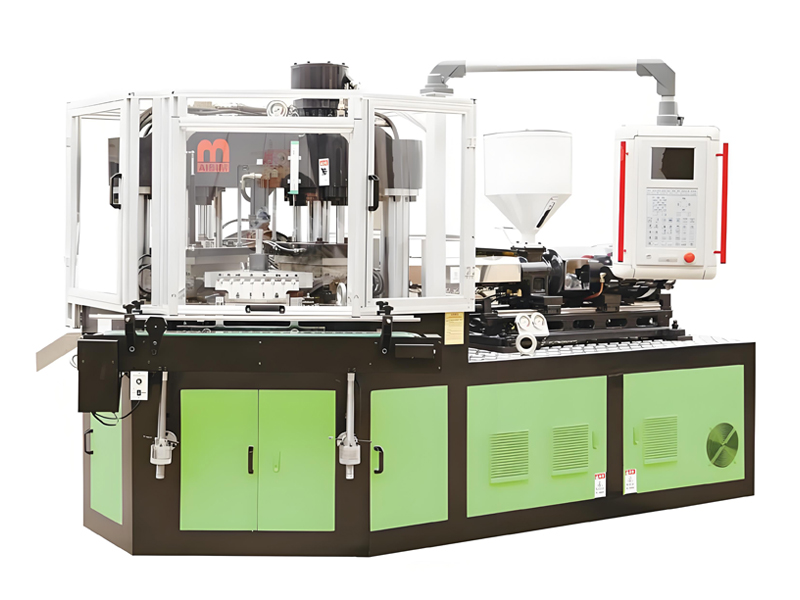
The noise generated by injection blow molding machines originates from multiple sources, including hydraulic pumps, motors, clamping mechanisms, and material handling systems. Each component contributes to the overall acoustic footprint of the machine, creating a complex noise profile that requires comprehensive mitigation approaches. Understanding the nature and sources of noise in injection blow molding machine operations is crucial for developing effective noise reduction strategies. Modern manufacturers like AiBiM have recognized the importance of noise reduction and have incorporated various design features and technologies to minimize acoustic emissions while maintaining optimal machine performance and productivity.
The impact of injection blow molding machine noise extends beyond immediate operator comfort to affect overall factory productivity and regulatory compliance. Prolonged exposure to high noise levels can lead to hearing loss, increased stress levels, and reduced worker concentration, ultimately affecting production quality and efficiency. Furthermore, occupational health and safety regulations in many countries establish strict limits on workplace noise exposure, with requirements for hearing protection programs when noise levels exceed 85 decibels over an 8-hour workday. Implementing effective noise reduction measures for injection blow molding machines helps manufacturers comply with these regulations while creating a more pleasant and productive working environment.
Investing in noise reduction for injection blow molding machine operations delivers significant returns through improved worker health and safety, enhanced productivity, and regulatory compliance. Modern noise reduction technologies and strategies can reduce overall machine noise levels by 10 to 15 decibels, representing a substantial improvement in workplace acoustic conditions. This reduction can eliminate the need for personal hearing protection in many cases and create a more comfortable working environment that supports higher productivity and better worker satisfaction. As injection blow molding machine technology continues to evolve, noise reduction capabilities have become increasingly sophisticated, offering factory operators multiple approaches to achieving quieter operations without compromising machine performance.
Understanding Noise Sources in Injection Blow Molding Machines
Effective noise reduction for injection blow molding machines begins with a comprehensive understanding of the various noise-generating components and their contributions to the overall acoustic profile. The primary noise sources in injection blow molding machines include the hydraulic system, which typically accounts for 35-45% of total noise emissions. Hydraulic pumps generate noise through fluid turbulence, pressure pulsations, and mechanical vibration, particularly during high-pressure phases of the injection and clamping cycles. The characteristic whine or hum associated with hydraulic systems creates a persistent background noise that can be particularly fatiguing for operators working near injection blow molding machines for extended periods.
Electric motors represent another significant noise source in injection blow molding machine operations, contributing approximately 20-25% of total acoustic emissions. Motor noise includes electromagnetic noise from winding vibrations, mechanical noise from bearings and rotating parts, and aerodynamic noise from cooling fans. The size and power of motors used in injection blow molding machines, which often exceed 30 horsepower, contribute to substantial noise levels. Advanced motor designs and improved bearing systems can reduce motor noise, but the fundamental noise generation characteristics of large electric motors must be addressed through comprehensive noise reduction strategies.
The clamping mechanism of injection blow molding machines generates substantial noise, particularly during the mold opening and closing operations. This noise source accounts for approximately 15-20% of total machine noise and is characterized by sharp, intermittent sounds during the clamping and unclamping cycles. The rapid acceleration and deceleration of moving components in the clamping system creates impact noise that can exceed 100 decibels during peak moments. The design of the clamping mechanism, including the type of actuation system and the mass of moving components, significantly influences the noise generation characteristics of this component.
Material handling and ejection systems in injection blow molding machines contribute approximately 10-15% of total noise emissions. These systems include mechanisms for handling preforms, transferring molds, and ejecting finished products. The noise generated by these components is typically intermittent but can be quite loud during specific operational phases. Pneumatic systems used in material handling can generate substantial noise through compressed air exhaust, while mechanical ejection systems create impact noise during product removal. Effective noise reduction for injection blow molding machines must address these various noise sources comprehensively to achieve significant improvements in overall acoustic performance.
Advanced Noise Reduction Technologies
Modern injection blow molding machine manufacturers like AiBiM have developed sophisticated noise reduction technologies that significantly reduce acoustic emissions while maintaining optimal machine performance. One of the most effective approaches involves the implementation of advanced hydraulic systems designed specifically for quiet operation. These systems utilize variable displacement pumps that adjust output based on real-time demand, eliminating the need for constant high-pressure operation that generates substantial noise. The implementation of PREFILL technology in AiBiM machines, combined with variable displacement pump pressurizing technology, not only reduces energy consumption by 35% but also substantially decreases hydraulic noise emissions by 8-10 decibels compared to conventional hydraulic systems.
Acoustic enclosure systems represent another highly effective noise reduction solution for injection blow molding machines. These enclosures are engineered to provide optimal sound insulation while allowing necessary access for operation and maintenance. Modern acoustic enclosures for injection blow molding machines typically reduce noise emissions by 12-15 decibels, creating significantly quieter factory environments. The design of these enclosures incorporates specialized acoustic materials, including sound-absorbing foam, mass-loaded vinyl barriers, and vibration isolation mounts. Strategic placement of access doors and inspection windows ensures that noise reduction does not compromise operational efficiency or maintenance accessibility. The cost of acoustic enclosures for injection blow molding machines typically ranges from $8,000 to $15,000 depending on machine size and required noise reduction levels, representing a worthwhile investment considering the benefits of improved workplace conditions.
Active noise cancellation technology has emerged as an advanced solution for reducing low-frequency noise from injection blow molding machines. These systems generate sound waves that are precisely out of phase with unwanted noise, effectively cancelling out acoustic emissions through destructive interference. While active noise cancellation systems for industrial applications are still evolving, they show particular promise for addressing the persistent low-frequency noise generated by hydraulic pumps and motors. The cost of implementing active noise cancellation for injection blow molding machines ranges from $12,000 to $25,000, making this technology most suitable for applications where noise reduction requirements are particularly stringent or where conventional passive approaches have proven insufficient.
Advanced vibration isolation and damping technologies provide another effective approach to noise reduction for injection blow molding machines. These technologies address the structural transmission of vibration and noise through machine frames and mounting systems. The implementation of specialized isolation mounts, damping materials, and structural modifications can reduce structure-borne noise by 6-8 decibels. The cost of comprehensive vibration isolation systems typically ranges from $3,000 to $7,000 per machine, representing a cost-effective noise reduction solution when combined with other approaches. Modern injection blow molding machines often incorporate vibration isolation as a standard feature, with additional upgrades available for particularly noise-sensitive applications.
Design Features for Noise Reduction
The fundamental design of injection blow molding machines plays a crucial role in determining their acoustic characteristics and noise generation potential. Leading manufacturers like AiBiM have incorporated noise reduction considerations into the fundamental design of their equipment, implementing features that minimize noise generation at the source. The clamping framework design, which adopts a single-crossbeam, double-pole configuration in AiBiM machines, not only enlarges the space for mold installation but also reduces noise generation compared to more complex clamping systems. The simplified mechanical design with fewer moving components reduces vibration and impact noise, contributing to quieter operation without compromising clamping force or accuracy.
The selection and arrangement of hydraulic components significantly influence the noise characteristics of injection blow molding machines. Modern designs position hydraulic pumps and motors on vibration-isolated mounting systems that reduce structure-borne noise transmission. The routing of hydraulic lines incorporates flexible connections and strategic placement to minimize flow turbulence and pressure pulsations that generate acoustic emissions. Advanced hydraulic manifold designs integrate multiple hydraulic functions into compact units that reduce the overall length of fluid passages, decreasing noise generation from fluid flow. These design considerations typically reduce hydraulic system noise by 4-6 decibels compared to conventional layouts without additional cost, making them an attractive noise reduction approach.
The electrical system design of injection blow molding machines offers additional opportunities for noise reduction. Modern machines utilize variable frequency drives (VFDs) that control motor speed precisely, reducing noise compared to traditional motor starters that generate significant electrical noise during starting and stopping. The implementation of soft-start technology reduces mechanical shock and noise during motor acceleration. Advanced cooling fan designs with optimized blade geometry and variable-speed operation reduce aerodynamic noise while maintaining adequate cooling. These electrical system improvements typically add $2,000 to $4,000 to machine cost but deliver noise reduction of 3-5 decibels while improving overall energy efficiency.
Structural optimization of injection blow molding machine frames and components represents another fundamental approach to noise reduction. The use of computer-aided engineering (CAE) tools allows designers to optimize structural rigidity and natural frequencies, reducing vibration amplification and noise generation. The incorporation of damping materials in strategic locations within machine structures attenuates vibrations that would otherwise generate noise. Ribbing and reinforcement patterns are optimized to maximize stiffness while minimizing weight and potential for vibration. These structural optimizations typically increase design and manufacturing costs by 3-5% but deliver noise reduction of 2-4 decibels while potentially improving machine accuracy and longevity.
Operational Noise Reduction Strategies
Beyond equipment design, operational practices and maintenance procedures significantly influence the noise characteristics of injection blow molding machines. Implementing proper operating procedures can reduce noise generation by 3-5 decibels without requiring equipment modifications. One of the most effective operational strategies involves optimizing machine parameters to minimize unnecessary high-pressure operation. Many injection blow molding machines operate with hydraulic pressures 10-15% above required levels for safety margin, but these excess pressures generate substantial noise without providing functional benefits. Careful calibration and optimization of pressure settings can reduce noise while maintaining product quality and cycle times.
Preventive maintenance programs play a crucial role in maintaining low noise levels from injection blow molding machines. Worn bearings, loose components, and degraded seals increase noise generation significantly over time. Regular inspection and replacement of wearing components can prevent gradual noise increases that often go unnoticed until problems become severe. A comprehensive maintenance program for injection blow molding machines typically costs 2-3% of machine value annually but prevents noise increases of 5-8 decibels while extending equipment life and reducing downtime. Key maintenance items affecting noise include hydraulic pump inspection, motor bearing lubrication, clamping system lubrication, and fastener torque checks.
Production scheduling and facility layout optimization can significantly impact overall noise exposure for workers operating injection blow molding machines. Grouping high-noise operations together and creating designated quiet zones reduces the number of workers exposed to high noise levels. Implementing job rotation schedules limits individual exposure time to injection blow molding machine noise. Physical barriers and distance from noise sources provide effective noise reduction at minimal cost, with each doubling of distance from a noise source reducing noise levels by approximately 6 decibels. These operational strategies typically require no equipment investment but can reduce worker noise exposure by 5-10 decibels through careful planning and scheduling.
Operator training represents another important aspect of operational noise reduction. Proper operating techniques, such as smooth acceleration and deceleration of machine movements, can reduce impact noise generation. Training operators to recognize and report abnormal noise conditions early allows for corrective action before noise levels increase significantly. Educated operators can also optimize machine settings to minimize noise while maintaining productivity. The cost of comprehensive operator training programs ranges from $500 to $1,500 per operator but delivers ongoing benefits through reduced noise generation, improved product quality, and reduced maintenance requirements. Training should cover noise characteristics of injection blow molding machines, recognition of abnormal noise conditions, proper operating procedures, and reporting protocols.
Regulatory Compliance and Noise Standards
Occupational health and safety regulations establish strict requirements for workplace noise exposure, making noise reduction for injection blow molding machines not just beneficial but often legally necessary. In the United States, OSHA regulations limit noise exposure to 90 decibels over an 8-hour workday, with requirements for hearing conservation programs when levels exceed 85 decibels. European standards under the EU Physical Agents Directive are even more stringent, limiting exposure to 87 decibels and requiring hearing protection when levels exceed 80 decibels. These regulations create legal requirements that necessitate effective noise reduction strategies for injection blow molding machine operations.
Compliance with noise regulations requires careful measurement and documentation of noise levels from injection blow molding machines. Professional acoustical assessments typically cost $2,000 to $5,000 per facility and provide detailed noise level measurements across different operational conditions and worker positions. These assessments serve as baseline measurements for evaluating noise reduction effectiveness and demonstrating regulatory compliance. Documentation of noise reduction efforts, including equipment modifications, operational procedures, and maintenance programs, is essential for regulatory inspections and audits. Failure to comply with noise regulations can result in significant fines and legal liabilities, making effective noise reduction for injection blow molding machines financially prudent regardless of regulatory pressure.
The costs of non-compliance with noise regulations extend beyond potential fines to include worker compensation claims, increased insurance premiums, and potential litigation. Hearing loss claims related to occupational noise exposure can exceed $100,000 per worker in comprehensive settlements. Insurance premiums for facilities with documented noise problems can increase by 20-30%. The potential legal and financial liabilities associated with excessive noise exposure create strong incentives for implementing effective noise reduction strategies for injection blow molding machines. Investing in noise reduction not only ensures regulatory compliance but also protects against significant financial exposures.
Industry-specific noise standards may impose additional requirements beyond general occupational regulations. For example, pharmaceutical manufacturing facilities often have stricter noise limits to maintain controlled environments for sensitive products. Food processing facilities may face noise restrictions related to maintaining hygienic conditions with minimal vibration. Understanding industry-specific requirements helps ensure that noise reduction strategies for injection blow molding machines address all relevant standards and expectations. Consulting with industry associations and regulatory experts can provide valuable guidance on specific noise requirements and compliance strategies.
Cost-Benefit Analysis of Noise Reduction
Investing in noise reduction for injection blow molding machine operations requires careful consideration of costs and benefits. The costs vary significantly depending on the approach implemented, with basic acoustic enclosures costing $8,000 to $15,000 per machine and comprehensive noise reduction packages including advanced technologies costing $25,000 to $40,000 per machine. These costs represent 15-30% of machine value for new equipment or 20-40% of machine value for retrofitting existing equipment. However, the benefits of noise reduction extend far beyond regulatory compliance to include significant improvements in worker health, productivity, and overall facility performance.
Health-related benefits of noise reduction for injection blow molding machines include reduced hearing loss claims, decreased stress-related health issues, and improved worker well-being. Facilities that implement comprehensive noise reduction typically experience 30-50% reductions in hearing-related workers compensation claims. Stress-related absenteeism typically decreases by 15-20% when noise levels are reduced below 85 decibels. These health improvements directly impact the bottom line through reduced insurance premiums, decreased medical costs, and improved worker productivity. The financial value of these health-related benefits typically ranges from $15,000 to $30,000 annually for a medium-sized facility operating multiple injection blow molding machines.
Productivity improvements from noise reduction represent another significant benefit of investing in quieter injection blow molding machine operations. Reduced noise levels improve worker concentration and communication, leading to fewer errors and higher production quality. Facilities that reduce noise levels by 10 decibels typically report 3-5% improvements in productivity and 10-15% reductions in defect rates. These improvements translate directly to financial gains, with a medium-sized facility potentially realizing $25,000 to $50,000 annually in increased productivity and reduced scrap costs. The quieter working environment also supports higher employee satisfaction and retention, reducing recruitment and training costs associated with high turnover.
Qualitative benefits of noise reduction for injection blow molding machines, while more difficult to quantify, contribute significantly to overall business performance. Improved workplace conditions enhance company image and support recruitment and retention efforts. Quieter facilities may command premium prices in markets where environmental stewardship and worker welfare are valued customer considerations. The ability to operate injection blow molding machines without disturbing neighboring businesses or residences can be crucial for facility location decisions. These qualitative benefits, while not directly measurable in financial terms, provide strategic advantages that support long-term business success.
Case Studies and Success Stories
Real-world implementations of noise reduction strategies for injection blow molding machines demonstrate the effectiveness of various approaches and provide valuable insights for facilities planning similar initiatives. One pharmaceutical packaging facility in Germany implemented a comprehensive noise reduction program for their six injection blow molding machines, combining acoustic enclosures, hydraulic system upgrades, and operational procedure optimization. The total investment of $180,000 reduced overall noise levels by 12 decibels, eliminating the need for hearing protection during most operations and reducing worker noise complaints by 90%. The facility reported annual savings of $45,000 through reduced insurance premiums, decreased absenteeism, and improved productivity, achieving a complete return on investment in four years.
A consumer goods manufacturer in the United States faced regulatory challenges due to noise levels exceeding 95 decibels from their injection blow molding machines. Rather than relocating their production line, they implemented a phased noise reduction approach beginning with the most cost-effective solutions. Initial investments in acoustic isolation mounts and optimized maintenance procedures cost $12,000 and reduced noise levels by 5 decibels. Subsequent investments in variable displacement hydraulic systems and advanced enclosures cost an additional $65,000 and delivered additional noise reduction of 8 decibels. The total investment of $77,000 achieved regulatory compliance and delivered annual savings of $35,000 through improved productivity and reduced regulatory risks, providing payback in just over two years.
A Chinese plastic bottle manufacturer operating injection blow molding machines 24 hours daily implemented noise reduction strategies primarily to address worker complaints and turnover issues. Their comprehensive approach included facility layout reorganization, acoustic barriers between production areas, and operator training programs. The total investment of $25,000 achieved noise reduction of 8-10 decibels in worker exposure areas. Worker turnover decreased from 25% annually to 12% annually, representing annual savings of $40,000 in recruitment and training costs. Production quality improved by 12% as workers experienced less fatigue and stress, generating additional value through reduced scrap and rework costs.
A packaging manufacturer in India took a different approach, focusing on selecting injection blow molding machines with advanced noise reduction features for a new production line. By choosing equipment with variable displacement pumps, optimized structural design, and integrated acoustic treatments, they achieved noise levels 10-12 decibels lower than conventional machines without additional retrofits. The slightly higher initial equipment cost of $30,000 was recovered within two years through reduced need for hearing protection programs, improved worker productivity, and lower insurance premiums. This case demonstrates the advantages of considering noise reduction requirements during the equipment selection phase rather than addressing them through retrofits.
Future Trends in Injection Blow Molding Machine Noise Reduction
The field of injection blow molding machine noise reduction continues to evolve rapidly, with emerging technologies and approaches promising even greater improvements in acoustic performance. One significant trend involves the integration of smart sensors and artificial intelligence for active noise monitoring and control. These systems can detect changes in noise generation patterns in real-time and automatically adjust machine parameters to minimize acoustic emissions. The cost of such systems is decreasing rapidly, with industrial AI noise monitoring solutions expected to become available for $5,000 to $10,000 per machine within the next three years. These intelligent systems could provide additional noise reduction of 2-4 decibels while optimizing overall machine performance.
Material science advances are creating new opportunities for noise reduction in injection blow molding machines. Advanced damping materials with superior vibration absorption characteristics can be incorporated into machine structures and enclosures, reducing noise generation at the source. Nano-structured acoustic materials promise exceptional sound insulation properties with minimal thickness and weight. Metamaterials engineered for specific acoustic properties could provide targeted noise reduction for problematic frequency ranges. While these advanced materials currently command premium prices, ongoing research and development efforts are expected to reduce costs significantly over the next five years, making them more accessible for injection blow molding machine applications.
The trend toward hybrid and electric injection blow molding machines represents another significant development in noise reduction. By eliminating or reducing hydraulic systems, electric machines inherently generate less noise while offering improved energy efficiency and precision control. The higher initial cost of electric injection blow molding machines, typically 30-40% more than conventional hydraulic machines, is offset by 40-50% lower operating costs and significantly reduced noise levels. As battery technology and electric motor performance continue to improve, electric injection blow molding machines are expected to capture increasing market share, particularly in noise-sensitive applications and regions with strict environmental regulations.
Regulatory trends suggest that noise requirements for industrial equipment will continue to become more stringent over time. European standards are expected to become even more restrictive, with potential reductions in permissible exposure levels from 87 to 85 decibels. Other regions are likely to adopt similar standards as awareness of occupational health impacts increases. These evolving regulations will create ongoing incentives for continued innovation in injection blow molding machine noise reduction. Manufacturers like AiBiM that invest in advanced noise reduction technologies will be well-positioned to meet future regulatory requirements and capture market share from competitors who fail to anticipate these trends.
Conclusion
Noise reduction for injection blow molding machines represents a critical consideration for modern manufacturing facilities, impacting worker health and safety, regulatory compliance, operational efficiency, and overall business performance. The comprehensive noise reduction strategies available today, ranging from equipment design modifications to operational procedure optimization, enable significant improvements in acoustic environments without compromising machine performance or productivity. Manufacturers like AiBiM have demonstrated that thoughtful design and technological innovation can reduce injection blow molding machine noise by 10-15 decibels while simultaneously improving energy efficiency and overall machine performance.
The financial justification for investing in noise reduction is compelling, with typical return on investment periods of 2-4 years when considering health benefits, productivity improvements, and regulatory risk reduction. Beyond direct financial returns, quieter injection blow molding machine operations create better working environments that support employee retention, recruitment, and satisfaction. The intangible benefits of improved workplace conditions, including enhanced company reputation and community relations, provide additional strategic advantages for businesses operating in competitive markets.
As injection blow molding machine technology continues to evolve, noise reduction capabilities will become increasingly sophisticated and effective. Emerging technologies including active noise cancellation, smart monitoring systems, and advanced materials promise even greater improvements in acoustic performance in the coming years. Forward-thinking manufacturers who invest in noise reduction today will be well-positioned to meet evolving regulatory requirements and benefit from ongoing technological advances. The combination of immediate benefits and long-term advantages makes noise reduction an essential consideration for any facility operating injection blow molding machines.
For facilities currently struggling with excessive injection blow molding machine noise, a systematic approach starting with noise assessment, followed by implementation of the most cost-effective solutions, provides a practical path to significant improvements. Partnering with experienced suppliers like AiBiM who understand both machine performance and noise reduction requirements can help facilities develop comprehensive solutions tailored to their specific needs and constraints. The journey toward quieter injection blow molding machine operations begins with understanding the noise sources and available solutions, followed by strategic investments that deliver both immediate and long-term benefits for workers, businesses, and communities.