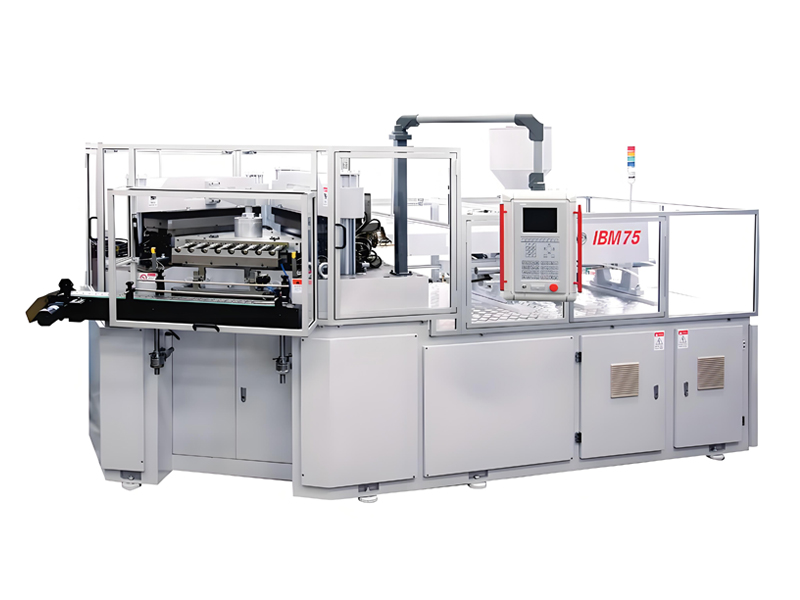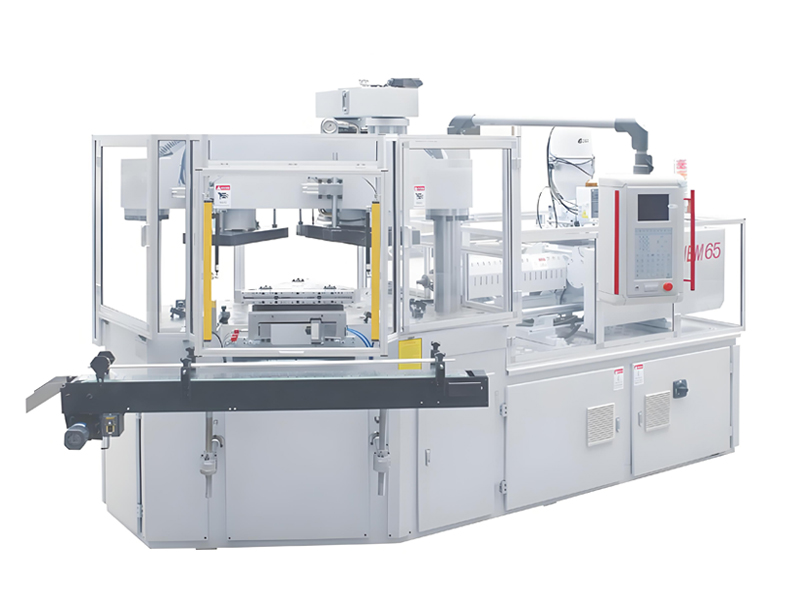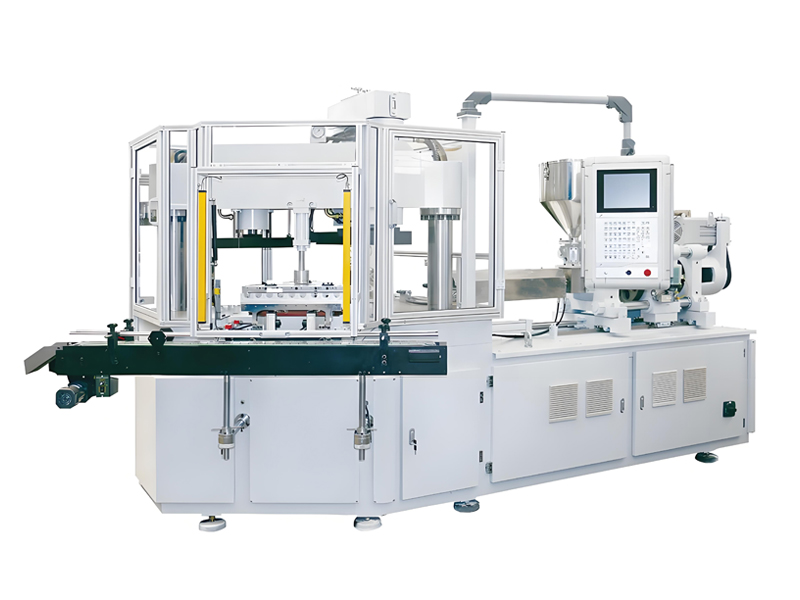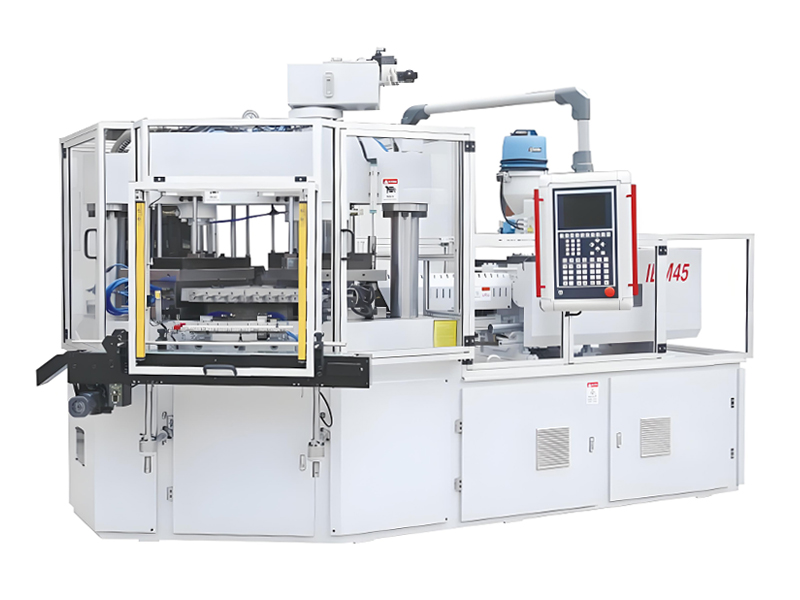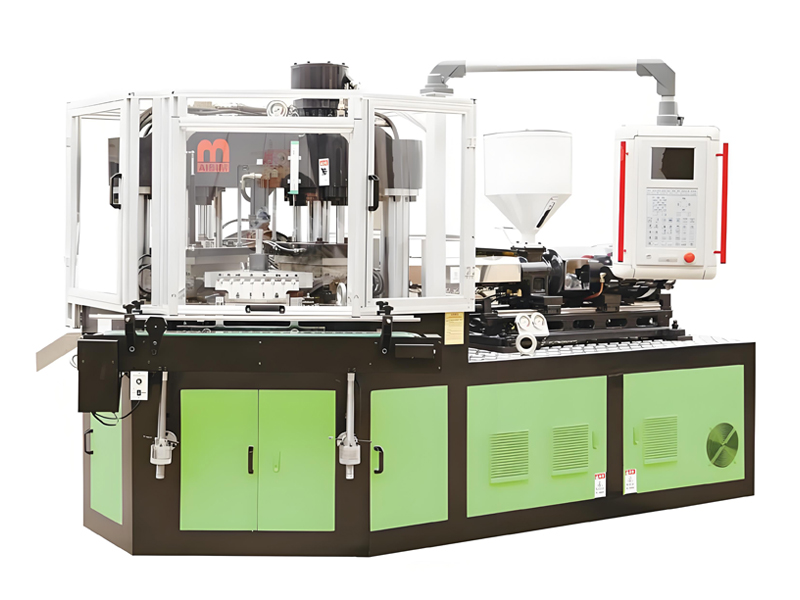
Introduction to Injection Blow Molding Machine Power Consumption
Power consumption represents one of the most significant operational costs for injection blow molding machine operations, typically accounting for 25-35% of total production costs in facilities running these machines continuously. The energy-intensive nature of injection blow molding processes, which involve multiple high-power systems including hydraulic pumps, heaters, motors, and cooling systems, creates substantial electrical consumption that directly impacts facility operating costs and profitability. Understanding the factors influencing injection blow molding machine power consumption and implementing effective optimization strategies has become increasingly important as energy prices rise and environmental regulations become more stringent. Modern injection blow molding machine manufacturers like AiBiM have recognized this importance and have developed energy-efficient technologies that can reduce power consumption by 35-40% compared to conventional machines.
The power consumption characteristics of injection blow molding machines vary significantly based on machine size, production requirements, and operating conditions. A typical injection blow molding machine in continuous operation consumes 40-80 kilowatts of power during normal operation, with peak consumption exceeding 100 kilowatts during high-demand phases such as clamping and injection. The annual energy cost for a single injection blow molding machine operating 8,000 hours per year ranges from $32,000 to $64,000 assuming average industrial electricity rates of $0.10 to $0.15 per kilowatt-hour. These substantial energy costs create significant opportunities for cost savings through power consumption optimization, with potential annual savings of $12,000 to $25,000 per machine achievable through implementation of energy-efficient technologies and operational practices.
The power consumption patterns of injection blow molding machines follow characteristic cycles corresponding to the operational phases of the injection blow molding process. Energy consumption peaks during injection and clamping phases when hydraulic systems operate at maximum pressure, then decreases during cooling and ejection phases when energy requirements are lower. This cyclical consumption pattern presents opportunities for energy recovery and optimization through technologies that can capture energy during peak phases and reuse it during subsequent cycles. Advanced injection blow molding machines incorporate regenerative systems and intelligent energy management that can reduce overall power consumption by 15-20% compared to conventional machines with similar production capabilities.
Factors influencing injection blow molding machine power consumption include machine design, production parameters, material characteristics, and environmental conditions. Older machine designs often consume 30-50% more energy than modern energy-efficient models due to less sophisticated control systems, less efficient motors and pumps, and suboptimal hydraulic system design. Production parameters such as cycle time, injection pressure, and cooling requirements significantly impact energy consumption, with suboptimal parameter settings increasing power consumption by 15-25%. Material characteristics, including melt temperature and viscosity, affect heating energy requirements, while environmental conditions such as ambient temperature impact cooling system efficiency. Understanding these influencing factors enables operators to identify optimization opportunities and implement targeted energy-saving measures.
Understanding Energy Consumption Patterns
The energy consumption patterns of injection blow molding machines follow predictable cycles that correspond to the various operational phases of the injection blow molding process. The injection phase typically represents the most energy-intensive phase, accounting for 30-40% of total cycle energy consumption. During this phase, the hydraulic system operates at maximum pressure to force molten plastic into the mold cavity, requiring substantial power from hydraulic pumps and motors. Advanced injection blow molding machines utilize variable displacement pumps that adjust output based on real-time pressure requirements, reducing energy consumption during injection by 20-25% compared to conventional fixed-displacement pump systems. The power consumption during injection typically ranges from 60 to 100 kilowatts depending on machine size and injection requirements.
The clamping phase represents another high-energy consumption phase, accounting for approximately 20-25% of total cycle energy. During clamping, the machine applies substantial force to keep the mold closed during injection and cooling, requiring power from clamping system motors and hydraulic pumps. Modern injection blow molding machines like those from AiBiM employ optimized clamping systems with energy-efficient servo motors and advanced control algorithms that reduce clamping energy consumption by 15-20%. The power consumption during clamping typically ranges from 40 to 70 kilowatts, with peak values occurring during the high-pressure holding phase immediately following injection.
The heating phase, which brings plastic material to processing temperature, represents a significant but continuous energy draw rather than the peaks associated with injection and clamping. Heating systems typically consume 15-20% of total cycle energy, with power consumption ranging from 15 to 30 kilowatts depending on machine size and material processing temperature requirements. Advanced injection blow molding machines employ optimized heating control systems with zone temperature control, insulation improvements, and heat recovery capabilities that reduce heating energy consumption by 10-15%. The efficiency of heating systems significantly impacts overall machine energy consumption, particularly for machines processing high-temperature materials such as polycarbonate or polystyrene.
Cooling systems in injection blow molding machines consume 10-15% of total cycle energy, providing essential temperature control during the solidification phase. The power consumption of cooling systems varies significantly based on ambient conditions and cooling requirements, typically ranging from 10 to 25 kilowatts. Modern injection blow molding machines employ variable-speed cooling pumps, optimized cooling tower designs, and intelligent temperature control systems that reduce cooling energy consumption by 20-25%. The efficiency of cooling systems becomes particularly important in warm climates or during summer months when ambient temperatures increase cooling loads significantly.
Advanced Energy-Saving Technologies
Modern injection blow molding machine manufacturers have developed sophisticated energy-saving technologies that substantially reduce power consumption while maintaining optimal production performance. One of the most significant advances involves the implementation of variable displacement hydraulic pumps that adjust output based on real-time demand rather than operating at constant maximum output. These advanced hydraulic systems, incorporated in AiBiM injection blow molding machines, reduce power consumption by 30-40% during normal operation compared to conventional fixed-displacement pump systems. The cost premium for variable displacement hydraulic systems ranges from $15,000 to $25,000 per machine, but this investment delivers annual energy cost savings of $8,000 to $12,000, providing payback in 1.5-3 years depending on operating hours and electricity rates.
Servo motor systems represent another important energy-saving technology for injection blow molding machines, replacing conventional hydraulic motors with high-efficiency electric servo motors for specific machine functions. Servo motors consume power only when needed and can regenerate energy during deceleration phases, providing substantial energy savings compared to continuously running hydraulic motors. The implementation of servo motors for clamping and ejection systems reduces power consumption by 15-25% for those specific functions, contributing to overall machine energy savings of 8-12%. The cost of servo motor upgrades ranges from $20,000 to $35,000 per machine, with annual energy savings of $6,000 to $10,000 providing payback periods of 2-5 years depending on usage patterns and electricity costs.
Energy recovery and regeneration systems capture energy that would otherwise be wasted during braking and deceleration phases of injection blow molding machine operation. These systems convert kinetic energy from decelerating components back into electrical energy that can be fed back into the machine’s power system or stored for later use. Regenerative systems can recover 15-20% of the energy consumed during acceleration phases, providing overall machine energy savings of 5-8%. The cost of implementing regenerative energy recovery systems ranges from $12,000 to $22,000 per machine, with annual energy savings of $3,000 to $6,000 and payback periods of 2-7 years depending on machine usage and energy costs.
Intelligent energy management systems provide real-time monitoring and optimization of injection blow molding machine energy consumption across all machine systems. These advanced control systems continuously analyze energy consumption patterns and automatically adjust machine parameters to minimize power usage while maintaining production quality and efficiency. Energy management systems typically reduce overall machine power consumption by 10-15% through optimized parameter settings, load balancing, and energy-saving mode activation during low-demand periods. The cost of intelligent energy management systems ranges from $8,000 to $18,000 per machine, with annual energy savings of $4,000 to $8,000 providing payback in 1-3 years depending on operating conditions.
Operational Optimization Strategies
Beyond equipment upgrades, operational practices significantly influence the power consumption of injection blow molding machines. Optimizing production parameters represents one of the most effective and low-cost strategies for reducing energy consumption without capital investment. Proper tuning of injection parameters including injection speed, pressure profiles, and hold pressure can reduce energy consumption by 10-15% while maintaining product quality. Cycle time optimization that eliminates unnecessary delays and movements reduces energy consumption by 5-8% through decreased machine operation time. These operational optimizations typically require minimal investment in time and resources but deliver substantial energy savings that accumulate rapidly over continuous operation.
Production scheduling and machine utilization optimization provide additional opportunities for reducing injection blow molding machine energy consumption. Scheduling production to maximize machine utilization reduces start-stop cycles that consume substantial energy. Grouping similar products and materials together minimizes material changeovers that require energy-intensive heating and cooling cycles. Implementing efficient production schedules can reduce energy consumption by 8-12% through improved machine utilization and reduced energy waste during transition periods. The cost of implementing optimized production scheduling ranges from $2,000 to $5,000 for planning and implementation, with annual energy savings of $3,000 to $7,000 per machine providing rapid return on investment.
Material handling optimization contributes to injection blow molding machine energy efficiency by reducing the energy required to bring materials to processing temperature and maintain proper material conditions throughout production. Proper material drying and preheating reduces the energy required for heating in the injection blow molding machine. Optimized material conveying systems minimize energy waste in material transport. Efficient material handling practices can reduce heating energy consumption by 5-8% and overall machine energy consumption by 3-5%. The investment in material handling optimization ranges from $5,000 to $15,000, with annual energy savings of $2,000 to $4,000 providing payback in 2-6 years depending on implementation scope.
Operator training and awareness programs create energy-conscious operational cultures that consistently implement energy-saving practices. Well-trained operators understand the energy implications of their operational decisions and consistently implement best practices for energy efficiency. Training programs covering energy-saving techniques, proper machine operation, and energy monitoring can reduce energy consumption by 5-10% through improved operational practices. The cost of comprehensive operator training programs ranges from $1,500 to $3,500 per operator, with ongoing annual refresher training costing $500 to $1,000 per operator. These training investments deliver energy savings of $2,000 to $5,000 annually per machine while providing additional benefits through improved product quality and reduced maintenance requirements.
Maintenance and Equipment Optimization
Proper maintenance of injection blow molding machines is essential for maintaining optimal energy efficiency and preventing gradual degradation of energy performance over time. Regular maintenance prevents the gradual energy consumption increases that occur as components wear and machine performance degrades. A comprehensive preventive maintenance program can prevent energy efficiency losses of 10-15% over the life of the machine. The cost of a robust maintenance program typically ranges from 3-5% of machine value annually, or $3,000 to $6,000 per year for a typical injection blow molding machine. This investment delivers energy savings of $3,000 to $9,000 annually while extending equipment life and reducing downtime costs.
Hydraulic system maintenance represents a critical aspect of injection blow molding machine energy optimization. Worn hydraulic pumps, contaminated oil, and degraded seals all reduce hydraulic system efficiency and increase energy consumption. Regular oil analysis, filter replacement, and component inspection maintain hydraulic efficiency and prevent energy waste. Proper hydraulic maintenance can reduce energy consumption by 5-8% compared to poorly maintained systems. The cost of hydraulic system maintenance ranges from $1,500 to $3,000 annually, with energy savings of $2,000 to $5,000 per year providing net savings while extending component life and improving machine reliability.
Electrical system optimization ensures that injection blow molding machines operate at maximum electrical efficiency. Regular inspection of electrical connections, motor tuning, and power factor correction maintains optimal electrical performance. Upgrading to high-efficiency motors and optimizing motor control systems can reduce electrical consumption by 8-12%. The cost of electrical system optimization ranges from $2,000 to $8,000 depending on the scope of upgrades, with annual energy savings of $2,500 to $7,000 providing payback in 1-4 years. Regular electrical system maintenance costs $500 to $1,500 annually but prevents efficiency losses that could increase energy consumption by 5-10% if neglected.
Mechanical system maintenance, including lubrication, alignment, and component inspection, ensures smooth operation with minimal friction and energy waste. Properly maintained mechanical systems reduce energy consumption by 3-5% compared to systems with worn or misaligned components. The cost of mechanical system maintenance ranges from $1,000 to $2,500 annually, with energy savings of $1,200 to $3,000 per year providing direct financial benefits while extending component life and reducing replacement costs. Total maintenance costs for injection blow molding machines typically range from $5,000 to $12,000 annually, with total energy savings of $6,700 to $15,000 delivering net benefits even before considering reliability and life extension advantages.
Cost-Benefit Analysis of Energy Optimization
Investing in injection blow molding machine energy optimization requires careful analysis of costs and benefits to ensure positive return on investment. The costs of energy optimization vary significantly based on the approaches implemented, ranging from minimal costs for operational optimization to substantial investments for equipment upgrades. Operational optimization strategies typically require $2,000 to $10,000 in planning and implementation costs but deliver energy savings of $5,000 to $15,000 annually, providing payback periods of 2 months to 2 years. These operational approaches represent excellent starting points for energy optimization as they deliver rapid returns with minimal risk.
Equipment upgrades for energy efficiency require larger upfront investments but deliver substantial long-term savings. Comprehensive equipment upgrades including variable displacement pumps, servo motors, and energy management systems can cost $50,000 to $90,000 per machine but reduce annual energy consumption by 25-35%. For a machine consuming $50,000 in electricity annually, these upgrades deliver savings of $12,500 to $17,500 per year, providing payback periods of 3-7 years. These longer payback periods require strategic planning and consideration of machine remaining useful life, but the substantial savings over the extended life of injection blow molding machines create compelling economic cases for these investments.
The financial benefits of injection blow molding machine energy optimization extend beyond direct energy cost savings to include reduced maintenance costs, extended equipment life, and improved production capacity. Energy-efficient equipment typically experiences less wear and requires less frequent maintenance, reducing annual maintenance costs by 15-25%. The reduced thermal stress on energy-efficient machines extends component life by 20-30%, delaying replacement costs. Improved equipment reliability increases effective production capacity by 2-5% through reduced downtime. These additional benefits typically represent 30-40% of the value of direct energy savings, significantly improving the overall return on investment for energy optimization initiatives.
Non-financial benefits of injection blow molding machine energy optimization include reduced environmental impact, improved regulatory compliance, enhanced company image, and increased operational flexibility. Reduced energy consumption decreases carbon emissions and environmental footprint, supporting sustainability initiatives and potentially qualifying for incentives or rebates. Energy-efficient operations may qualify for utility rebates or government incentives, further improving financial returns. Companies with strong energy efficiency credentials often enjoy enhanced reputation with customers, regulators, and the public. These non-financial benefits, while more difficult to quantify, provide strategic advantages that support long-term business success.
Monitoring and Continuous Improvement
Effective energy optimization for injection blow molding machines requires comprehensive monitoring systems to track energy consumption, identify improvement opportunities, and measure the effectiveness of implemented measures. Modern energy monitoring systems for injection blow molding machines typically cost $8,000 to $20,000 per machine and provide real-time data on power consumption, energy efficiency metrics, and potential optimization opportunities. These systems typically identify energy savings opportunities of 10-15% beyond what can be achieved through observation alone, providing annual savings of $5,000 to $9,000 that quickly recover the monitoring system investment within 1-3 years.
Data analysis of energy consumption patterns provides insights into optimization opportunities and helps prioritize improvement initiatives. Advanced monitoring systems can track energy consumption by machine function, cycle phase, and production parameter, enabling detailed analysis of energy usage patterns. This analysis identifies specific areas for improvement such as excessive energy use during idle periods, suboptimal parameter settings, or inefficient component performance. The cost of data analysis services typically ranges from $2,000 to $5,000 per year, but the insights gained typically lead to additional energy savings of 5-10%, providing excellent return on investment through targeted optimization efforts.
Benchmarking against industry standards and best practices helps injection blow molding machine operators understand their energy performance relative to similar operations and identify areas for improvement. Industry data indicates that the most energy-efficient injection blow molding machine operations consume 25-35% less energy than average operations, indicating substantial optimization potential for many facilities. Benchmarking studies typically cost $3,000 to $8,000 but provide valuable context for energy performance and guidance for improvement priorities. Facilities that participate in benchmarking programs typically achieve 5-15% additional energy savings through implementation of identified best practices.
Continuous improvement programs ensure that injection blow molding machine energy optimization is an ongoing process rather than a one-time initiative. These programs establish regular energy reviews, set improvement targets, and engage personnel in energy-saving initiatives. The cost of continuous improvement programs ranges from $2,000 to $6,000 annually in management time and resources, but delivers ongoing energy savings of 3-8% annually through sustained focus and gradual optimization. This systematic approach to energy optimization ensures that facilities continue to improve over time and capture incremental savings as technology and best practices evolve.
Case Studies and Success Stories
Real-world implementations of injection blow molding machine energy optimization demonstrate the effectiveness of various approaches and provide valuable insights for facilities planning similar initiatives. One pharmaceutical packaging manufacturer operating three injection blow molding machines implemented a comprehensive energy optimization program beginning with operational improvements and progressing through equipment upgrades. The initial operational improvements costing $5,000 reduced energy consumption by 12% and saved $18,000 annually. Subsequent equipment upgrades costing $85,000 delivered additional energy savings of 22%, saving another $33,000 annually. The total investment of $90,000 delivered annual savings of $51,000, providing complete payback in less than two years while improving production quality and equipment reliability.
A consumer goods manufacturer with a fleet of eight injection blow molding machines implemented a facility-wide energy optimization initiative focused on energy monitoring and management. The $120,000 investment in monitoring systems and management software identified numerous optimization opportunities across the machine fleet. Implementation of identified improvements costing $40,000 reduced energy consumption by 18% across all machines, saving $115,000 annually. The total investment of $160,000 achieved payback in less than 17 months while providing ongoing savings and enhanced energy visibility for continuous improvement. The facility now uses energy data to continuously identify and implement additional optimization opportunities.
A small manufacturer with two injection blowolding machines faced high energy costs due to outdated equipment and suboptimal operating practices. Rather than replacing machines, they implemented a phased optimization approach beginning with low-cost operational improvements and maintenance optimization. The initial phase costing $4,000 reduced energy consumption by 8% and saved $8,500 annually. A second phase focused on targeted equipment upgrades costing $25,000 delivered additional energy savings of 15%, saving another $16,000 annually. The total investment of $29,000 achieved annual savings of $24,500 with payback in 14 months, demonstrating that substantial energy savings are possible even with limited capital budgets when initiatives are properly prioritized.
A startup facility selecting new injection blow molding machines invested in energy-efficient models from the outset, choosing equipment with variable displacement pumps, servo motors, and advanced energy management systems. The additional cost of energy-efficient machines compared to standard models was $60,000 per machine, or $180,000 for three machines. However, the energy-efficient machines consume 35% less energy than standard models, saving $42,000 annually per machine or $126,000 total. This investment delivered payback in less than 18 months while providing ongoing savings throughout the machine life. This case demonstrates the advantages of considering energy efficiency during equipment selection rather than retrofitting later.
Future Trends in Energy Efficiency
The field of injection blow molding machine energy efficiency continues to evolve rapidly, with emerging technologies and approaches promising even greater improvements in energy performance. One significant trend involves the integration of artificial intelligence and machine learning for predictive energy optimization. These systems can analyze complex patterns in production requirements and energy consumption to automatically optimize machine parameters in real-time, delivering additional energy savings of 5-10% beyond what is possible with current control systems. The cost of AI-based energy optimization systems is decreasing rapidly, with industrial solutions expected to become available for $10,000 to $20,000 per machine within the next three years, providing attractive return on investment through sustained energy savings.
The trend toward all-electric injection blow molding machines represents another significant development in energy efficiency. By eliminating hydraulic systems entirely, all-electric machines can achieve energy savings of 25-35% compared to conventional hydraulic machines while offering improved precision and reduced maintenance requirements. While the initial cost of all-electric machines is typically 30-40% higher than hydraulic models, the energy savings and reduced maintenance deliver payback in 4-6 years under typical operating conditions. As electric motor technology continues to improve and costs decrease, all-electric injection blow molding machines are expected to capture increasing market share, particularly in regions with high energy costs or strict environmental regulations.
Industry 4.0 technologies including Internet of Things connectivity, cloud computing, and advanced analytics are enabling more sophisticated energy management approaches for injection blow molding machines. These technologies enable real-time monitoring across entire machine fleets, automated optimization, and predictive maintenance that prevents energy efficiency degradation. The implementation of Industry 4.0 energy management typically costs $15,000 to $30,000 per machine but delivers energy savings of 8-12% while providing additional benefits through improved reliability and production optimization. As these technologies mature and become more widely adopted, the costs are expected to decrease while capabilities continue to expand.
Energy storage and renewable energy integration represent emerging trends that will impact injection blow molding machine energy consumption in the future. On-site energy storage systems can capture energy during low-cost periods for use during high-cost peak periods, while renewable energy systems can reduce grid energy consumption and carbon footprint. The cost of energy storage systems has decreased significantly in recent years, with industrial-scale systems now costing $200 to $400 per kilowatt-hour of storage capacity. For facilities with high electricity costs or strong environmental commitments, these approaches can provide additional energy cost savings while supporting sustainability initiatives.
Conclusion
Injection blow molding machine power consumption represents a substantial operational cost that offers significant optimization potential for facilities seeking to reduce operating costs and improve sustainability. The annual energy cost for a single injection blow molding machine, ranging from $32,000 to $64,000, represents a substantial opportunity for cost savings through implementation of energy-efficient technologies and operational practices. Modern injection blow molding machines like those from AiBiM incorporate advanced energy-saving features that can reduce power consumption by 35-40% compared to conventional machines, delivering substantial annual savings while improving production quality and equipment reliability.
The comprehensive approach to injection blow molding machine energy optimization encompasses operational improvements, equipment upgrades, maintenance optimization, and continuous monitoring. Low-cost operational improvements can deliver 10-15% energy savings with minimal investment, while comprehensive equipment upgrades can achieve 25-35% savings with payback periods of 3-7 years. The financial case for energy optimization is compelling even before considering additional benefits including reduced maintenance costs, extended equipment life, improved production capacity, and enhanced environmental performance.
As energy prices continue to rise and environmental regulations become increasingly stringent, the importance of injection blow molding machine energy efficiency will continue to grow. Emerging technologies including artificial intelligence, all-electric machines, and Industry 4.0 integration promise even greater energy savings in the coming years. Facilities that invest in energy optimization today will be well-positioned to benefit from these technological advances while managing their current energy costs effectively. The combination of immediate financial returns and long-term strategic advantages makes injection blow molding machine energy optimization an essential consideration for competitive operations.
For facilities seeking to optimize injection blow molding machine energy consumption, a systematic approach beginning with energy monitoring and low-cost operational improvements provides the most effective path forward. Building on initial successes with strategic equipment upgrades and continuous improvement programs delivers sustained energy savings that compound over time. Partnering with equipment suppliers like AiBiM who understand energy efficiency and can provide both efficient equipment and optimization expertise helps ensure successful implementation and maximum returns. The journey toward optimized energy consumption begins with measurement and analysis, followed by strategic investments that deliver both immediate and long-term benefits for facilities, stakeholders, and the environment.