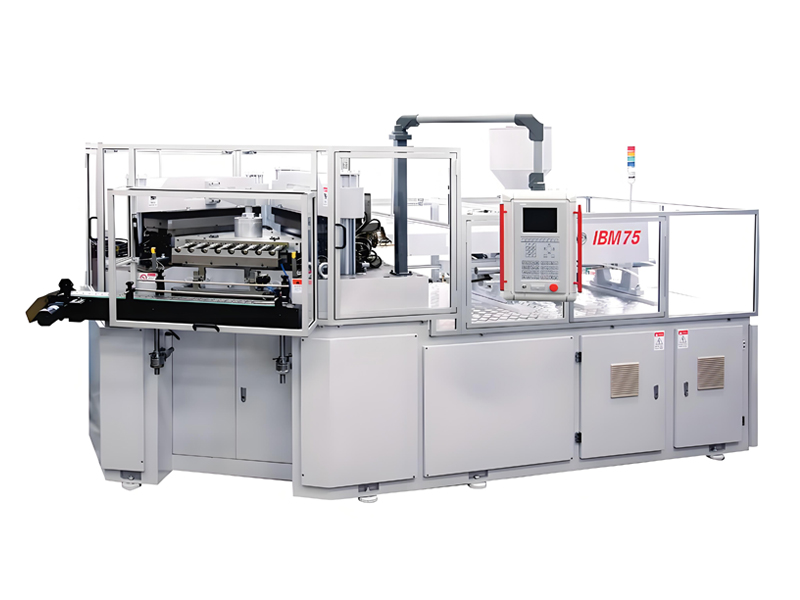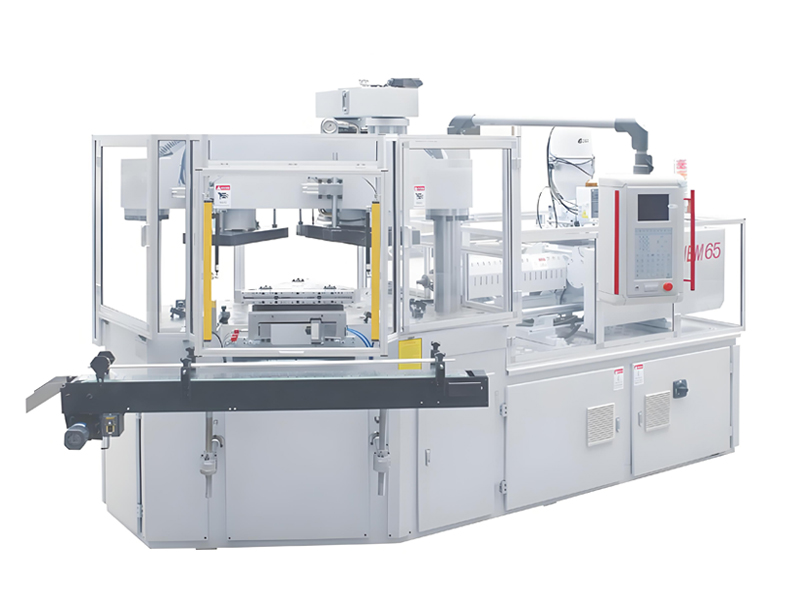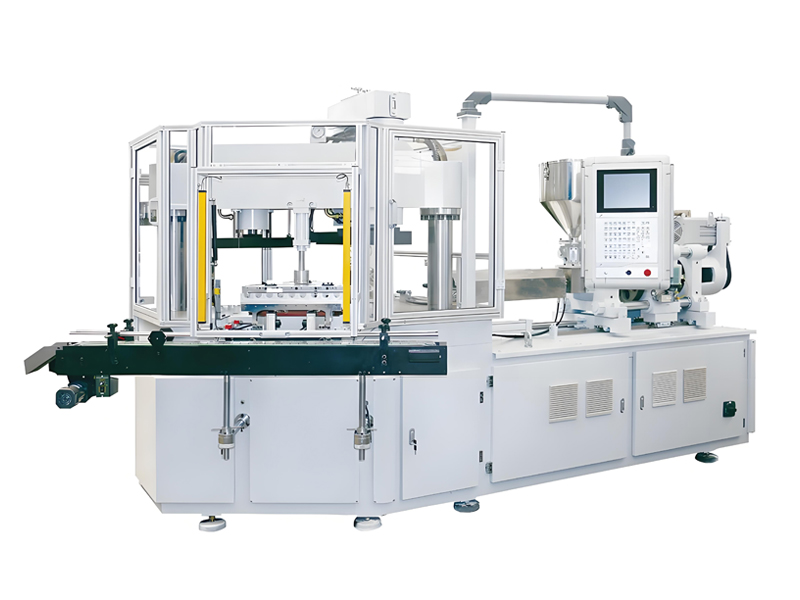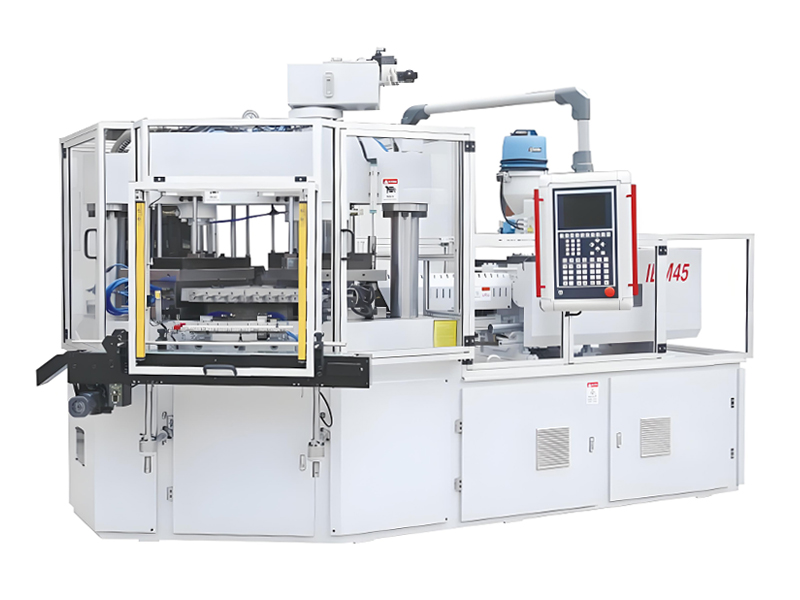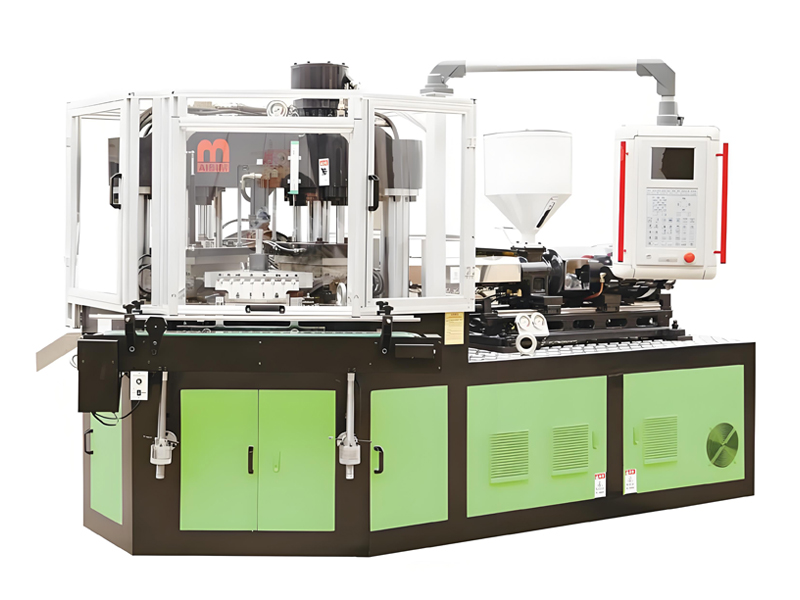
The plastic cup market encompasses an incredibly diverse range of products, from lightweight disposable cups used at events and fast-food restaurants to durable reusable cups designed for repeated use in homes, offices, and outdoor activities. Manufacturers serving this market require versatile production capabilities that can accommodate various material options, design requirements, and volume specifications. The AiBiM injection blow molding machine provides the flexibility and precision necessary to produce high-quality plastic cups for both disposable and reusable applications, enabling manufacturers to address diverse market opportunities with a single production platform.
Understanding the Plastic Cup Market Landscape
The global plastic cup market continues to evolve in response to changing consumer preferences, regulatory requirements, and environmental considerations. Disposable cups remain essential for food service applications where convenience and hygiene concerns drive product selection. Simultaneously, reusable cup adoption continues growing as consumers and organizations prioritize sustainability and waste reduction. This market duality creates both opportunities and challenges for manufacturers seeking to serve diverse customer segments effectively.
Success requires production capabilities that can accommodate various materials, designs, and quality standards while maintaining cost competitiveness. The injection blow molding process offers inherent advantages for cup manufacturing, including excellent material utilization, consistent quality, and flexibility to accommodate design variations. Manufacturers must carefully evaluate their target markets and product requirements when selecting production equipment and developing operational capabilities.
Disposable Cup Market Dynamics
Disposable plastic cups serve billions of applications annually across food service, healthcare, hospitality, and consumer segments. The convenience factor ensures continued demand regardless of sustainability concerns, as these products provide essential functionality in contexts where washing and reusing is impractical. High-volume production capabilities and aggressive pricing remain critical success factors in this segment where profit margins depend heavily on operational efficiency.
Material selection for disposable cups prioritizes cost efficiency and functional performance. Polypropylene and polystyrene remain dominant materials due to their favorable processing characteristics and low material costs. Manufacturing efficiency directly impacts profitability, making cycle time optimization and material yield critical operational priorities. Production facilities serving this segment must achieve maximum output while minimizing per-unit costs.
Reusable Cup Market Growth Drivers
The reusable cup segment has experienced substantial growth as environmental awareness influences consumer purchasing decisions. Premium reusable cups command higher prices and offer improved profit margins compared to disposable alternatives. Product differentiation through design, material quality, and brand positioning becomes increasingly important in this segment. Manufacturers must invest in capabilities that enable premium product positioning and distinctive market presence.
Materials such as Tritan copolyester, polycarbonate, and polypropylene provide the durability and aesthetic qualities that consumers expect from reusable products. These materials must withstand repeated use, cleaning, and exposure to various beverages without degradation. Production quality directly affects product longevity and consumer satisfaction, influencing brand reputation and repeat purchase behavior. Quality investment pays dividends through customer loyalty and premium pricing support.
The Injection Blow Molding Process for Cup Manufacturing
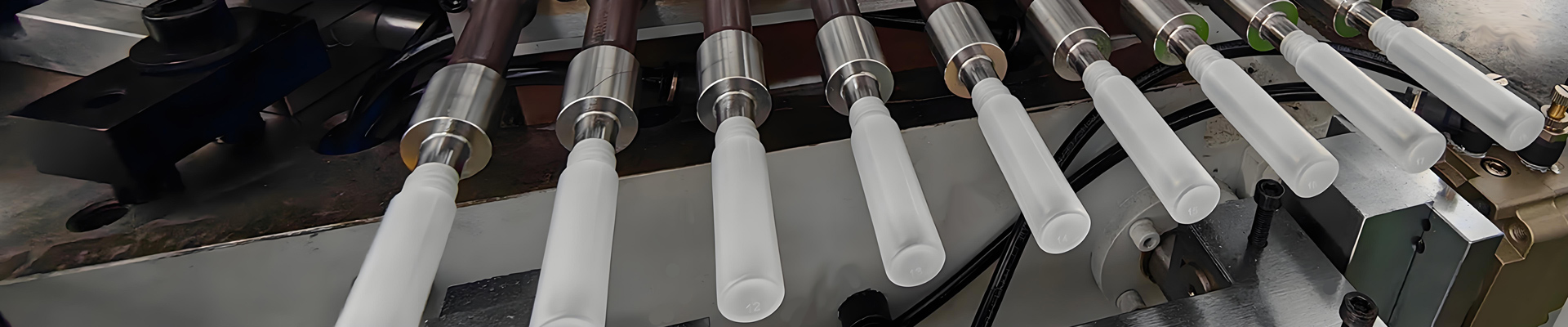
Injection blow molding offers significant advantages for plastic cup production compared to alternative manufacturing methods. The process combines the precision of injection molding with the flexibility of blow molding, enabling efficient production of cups with consistent wall thickness and excellent surface quality. These inherent process advantages translate into production efficiency and product quality benefits that matter to manufacturers and end customers alike.
The three-station configuration employed by AiBiM machines optimizes production efficiency for cup applications. Each station performs a specific function, allowing operations to proceed in parallel and maximizing overall equipment effectiveness. This configuration proves particularly advantageous for high-volume cup production where cycle time optimization directly impacts profitability. Parallel processing at each station reduces dead time and improves throughput significantly.
One-Step Process Advantages
The one-step injection blow molding process eliminates intermediate handling and reheating steps that characterize multi-step processes. Material is injected into the mold cavity to form a parison, then immediately transferred to the blow station for expansion into the final cup shape. This direct processing preserves material properties and ensures consistent product quality. The efficiency of one-step processing reduces energy consumption and production costs compared to multi-step alternatives.
The seamless construction of injection blow molded cups eliminates weld lines and joints that can compromise structural integrity or aesthetic appearance. This monolithic construction proves particularly valuable for transparent cups where visible seams would detract from product quality. The process also enables precise control of wall thickness distribution, optimizing material usage while maintaining required strength characteristics. Surface finish quality matches injection molding standards without additional finishing operations.
Material Compatibility and Selection
AiBiM injection blow molding machines accommodate a wide range of materials suitable for cup manufacturing. General-purpose materials including HDPE, LDPE, LLDPE, PP, PS, and ABS provide cost-effective solutions for disposable applications. Engineering resins such as SAN, TPU, PC, and PCTG enable production of premium reusable cups with enhanced performance characteristics. Material flexibility enables manufacturers to serve diverse market segments with a single machine configuration.
Material selection affects every aspect of cup production, from processing parameters to finished product properties. Processing temperature, injection pressure, and blow ratio must all be optimized for specific material characteristics. The precise control systems in AiBiM machines enable fine-tuning of these parameters to achieve optimal results with any compatible material. Material changeover procedures ensure efficient transitions between different cup formulations.
Disposable Cup Production Considerations
Disposable cup manufacturing prioritizes production efficiency and cost minimization while meeting functional requirements. The injection blow molding process enables high-volume production at costs that support competitive pricing in price-sensitive markets. Success in this segment requires relentless focus on operational efficiency and continuous improvement of production metrics.
Design Optimization for Disposable Applications
Disposable cup designs must balance functional requirements with material efficiency. Wall thickness must provide adequate rigidity and thermal insulation while minimizing material usage. The tapered wall geometry common in disposable cups requires precise control of blow ratios to achieve uniform wall distribution throughout the cup height. Design optimization through simulation tools helps identify optimal geometries before mold fabrication.
Lid compatibility represents a critical design consideration for beverage cups. The sealing rim geometry must ensure reliable engagement with standard lid designs while maintaining seal integrity during use. AiBiM machines produce cups with precise rim dimensions that ensure compatibility with industry-standard lid products. Dimensional consistency across production runs ensures reliable lid fit throughout the production run.
Production Efficiency Optimization
Cycle time reduction directly impacts disposable cup manufacturing economics. Each second saved per cycle multiplies across high-volume production runs to generate substantial productivity improvements. AiBiM injection blow molding machines incorporate numerous features that accelerate cycle times while maintaining product quality. Cooling optimization typically provides the greatest opportunity for cycle time reduction in high-volume production.
Multi-cavity mold configurations increase output per cycle, dramatically improving production efficiency. Mold designs with 8, 12, or more cavities produce multiple cups simultaneously, reducing per-unit labor costs and overhead allocation. The precision hydraulic systems in AiBiM machines ensure consistent quality across all cavities throughout high-speed production runs. Cavity balance optimization ensures uniform quality across all mold cavities.
Cost Analysis for Disposable Cup Production
Material costs dominate disposable cup production economics, typically representing 60 to 75 percent of total production costs. Polypropylene resin at $1.20 to $1.80 per kilogram provides excellent cost efficiency for standard disposable cups. At a typical cup weight of 8 to 12 grams, material costs range from $0.01 to $0.02 per cup. Material yield optimization can further reduce these costs by minimizing flash and startup scrap.
Equipment investment for a high-volume disposable cup production line centers on the injection blow molding machine and mold tooling. An AiBiM IBM75 machine suitable for cup production ranges from $85,000 to $120,000 depending on configuration and options. A 12-cavity mold for standard 12oz disposable cups costs approximately $35,000 to $55,000 depending on design complexity and cavitation. Tooling investment must be evaluated against expected production volumes and product lifecycle.
At a production rate of 3,000 to 5,000 cups per hour with a 12-cavity mold, annual production capacity ranges from 20 to 40 million cups depending on operating schedules and efficiency levels. Total production costs including material, labor, energy, and overhead typically range from $0.03 to $0.06 per cup for well-managed facilities. This cost structure enables competitive pricing while maintaining healthy profit margins for efficient producers.
Reusable Cup Production Excellence
Reusable cup manufacturing demands attention to quality, durability, and aesthetic appeal that exceed disposable product requirements. Consumers paying premium prices expect products that maintain their appearance and functionality through extended use cycles. Quality systems must ensure that every cup meets the high standards that justify premium pricing and support brand reputation.
Premium Material Options
Tritan copolyester has emerged as the preferred material for premium reusable cups due to its exceptional clarity, impact resistance, and safety profile. This BPA-free material provides glass-like transparency while offering the durability required for repeated use. Tritan cups withstand drops, temperature variations, and repeated dishwashing without cracking, clouding, or retaining odors. Premium pricing supports higher material costs while providing superior product performance.
Polycarbonate provides another popular option for reusable cups, offering excellent impact resistance and thermal stability at a lower material cost than Tritan. Traditional polycarbonate contains BPA, limiting its appeal for health-conscious consumers, though BPA-free polycarbonate alternatives are now available. Processing characteristics of polycarbonate require careful attention to drying and temperature control to achieve optimal results.
Polypropylene reusable cups offer excellent value positioning, combining good durability with cost efficiency. PP cups withstand repeated use and cleaning while maintaining structural integrity. The material tolerates higher temperatures than many alternatives, making it suitable for hot beverage applications. Value positioning enables PP reusable cups to serve price-sensitive market segments effectively.
Design Features for Reusable Applications
Reusable cup designs incorporate features that enhance user experience and differentiate products in competitive markets. Ergonomic grip sections provide comfortable handling during use. Lid designs with secure sealing mechanisms prevent spills during transport. Measurement markings support beverage preparation applications. These functional features add value while justifying premium pricing in competitive market segments.
Decoration and branding opportunities expand design possibilities for reusable cups. In-mold labeling techniques integrate graphics directly into the cup during production, eliminating post-molding decoration steps. Custom color formulations enable brand-consistent product appearance. AiBiM machines accommodate these customization options while maintaining production efficiency. Brand-consistent quality builds consumer loyalty and supports repeat purchase behavior.
Quality Requirements and Testing
Reusable cups must withstand extended use cycles that may include thousands of fill-and-empty operations, repeated cleaning, and exposure to various beverages and temperatures. Quality testing validates that products meet durability requirements before market introduction. Testing protocols simulate actual use conditions to verify product suitability for intended applications.
Impact resistance testing verifies that cups can survive typical dropping scenarios without cracking or shattering. Thermal cycling tests confirm that cups maintain integrity when exposed to hot and cold beverages in succession. Chemical resistance testing ensures that cups do not absorb colors or odors from beverages over time. Comprehensive testing provides confidence that products will satisfy consumer expectations.
Cost Analysis for Reusable Cup Production
Reusable cup production involves higher material costs than disposable alternatives, though finished product values also increase significantly. Tritan resin at $3.50 to $5.50 per kilogram represents the premium material option, while PP at $1.20 to $1.80 per kilogram provides a more accessible alternative. Material cost evaluation should consider both per-kilogram pricing and density differences that affect per-unit material consumption.
A typical 500ml reusable Tritan cup weighing 65 to 80 grams requires material valued at $0.23 to $0.44 per unit. Combined with production costs for labor, energy, and overhead, total manufacturing costs range from $0.40 to $0.80 per cup for standard configurations. Premium features and complex designs may increase costs further but can support corresponding price increases in appropriate market segments.
Equipment and tooling investments for reusable cup production align with general injection blow molding requirements. An AiBiM IBM65 machine at $65,000 to $85,000 provides adequate capacity for moderate-volume reusable cup production. Mold costs for reusable cup designs range from $25,000 to $75,000 depending on cavity count, complexity, and surface finish requirements. Return on investment analysis should consider both production volume and pricing potential.
Material Selection Guide for Cup Applications
Selecting the appropriate material for specific cup applications requires balancing multiple factors including cost, performance requirements, regulatory compliance, and market positioning. This guide provides framework for material selection decisions that optimize value across the range of considerations that affect product success.
Performance Comparison Matrix
Impact resistance varies significantly across cup materials, with polycarbonate and Tritan offering superior performance compared to PP and PS. For applications where drop resistance is critical, such as children’s cups or outdoor use, premium impact-resistant materials provide meaningful advantages. Trade-offs between impact resistance and other properties must be evaluated for specific applications.
Thermal resistance affects suitability for hot beverage applications. Polycarbonate maintains clarity and structural integrity at temperatures up to 130C, making it suitable for demanding hot beverage service. Tritan performs well up to approximately 96C, adequate for most hot beverage applications. PP offers good thermal stability with continuous use temperatures up to 100C for applications without extreme temperature requirements.
Chemical resistance ensures that cups do not degrade or discolor when exposed to various beverages and cleaning agents. Tritan provides excellent resistance across the widest range of chemicals commonly encountered in beverage applications. Polycarbonate and PP offer good general-purpose resistance with specific limitations depending on exposure conditions and formulation details.
Regulatory Compliance Considerations
Food contact regulations affect material selection for all cup applications. All materials used must comply with relevant FDA, EFSA, or other applicable regulatory requirements for food-contact articles. Material supplier documentation should confirm compliance with target market regulations. Regulatory compliance protects consumers while ensuring market access across geographic regions.
BPA content represents a critical consideration for health-conscious markets. Tritan and BPA-free PP formulations eliminate BPA concerns entirely. Standard polycarbonate contains BPA, limiting its appeal in markets with strong consumer preferences for BPA-free products. Market-specific consumer preferences should inform material selection decisions for consumer-facing products.
Cost-Performance Optimization
Optimizing material selection requires balancing performance requirements against cost constraints. Not all applications require premium materials, and over-specification wastes resources unnecessarily. A structured evaluation process helps identify the most cost-effective material for specific requirements while avoiding both under-specification and unnecessary premium material costs.
For high-volume disposable applications where cost dominates, PP provides the best balance of cost efficiency and functional performance. For mid-market reusable cups, PP or BPA-free PC formulations offer good value positioning. For premium reusable products where appearance and durability are paramount, Tritan justifies its higher cost through superior performance that consumers can perceive and appreciate.
Mold Design Considerations for Cup Production
Mold design significantly affects cup quality, production efficiency, and tooling costs. Optimized mold designs maximize product quality while minimizing cycle times and maintenance requirements. Understanding key mold design considerations helps manufacturers and product developers collaborate effectively to achieve optimal outcomes.
Cavity Configuration Optimization
Cavity count affects production capacity, tooling cost, and product consistency. Higher cavity counts increase output per cycle but increase tooling complexity and cost. The optimal configuration depends on production volume requirements, available machine capacity, and product complexity. Volume projections should inform cavity count decisions to balance tooling investment against production efficiency.
Single and dual cavity molds suit low-volume production and complex cup designs where tooling cost sensitivity is high. Four to eight cavity configurations provide good balance for moderate production volumes and moderate complexity designs. Twelve or more cavities maximize efficiency for high-volume standard cup production but require substantial tooling investment and may limit design complexity.
Cooling System Design
Effective cooling system design critically affects cycle time and product quality in cup manufacturing. Cups present cooling challenges due to their tapered geometry and relatively uniform wall thickness that limits heat transfer pathways. Optimized cooling channel placement addresses these challenges through careful engineering of cooling system geometry and flow characteristics.
AiBiM machines support advanced cooling configurations through precisely controlled mold temperature management. Independent temperature zones enable fine-tuning of cooling rates throughout the cup geometry. This capability proves particularly valuable for transparent cups where cooling uniformity directly affects optical clarity. Temperature optimization reduces cycle time while improving product quality.
Surface Finish and Texture
Surface finish affects both aesthetic appearance and functional performance of plastic cups. High-gloss finishes provide premium appearance but may show scratches more readily. Textured surfaces hide minor scratches and provide improved grip but require additional tooling considerations and may affect cleanability. Selection should align with product positioning and expected use conditions.
Mold surface preparation determines achievable surface finishes on finished products. Polished mold surfaces produce high-gloss finishes while textured inserts create desired surface patterns. Finish selection should consider both initial appearance and long-term appearance retention through use. Premium products typically benefit from higher finish standards that maintain quality throughout extended service life.
Quality Control in Cup Manufacturing
Comprehensive quality control ensures that cups meet specifications consistently throughout production runs. Both disposable and reusable cup production benefit from systematic quality management approaches adapted to specific product requirements. Quality investment protects brand reputation while reducing waste and rework costs.
In-Process Quality Monitoring
Modern injection blow molding machines incorporate sensors and control systems that enable continuous quality monitoring during production. Pressure sensors verify proper injection and blow pressures throughout each cycle. Temperature monitoring confirms that material and mold temperatures remain within specified ranges. Continuous monitoring enables immediate detection and correction of quality variations.
AiBiM machines support statistical process control through comprehensive data collection and analysis capabilities. Operators can monitor key quality parameters and identify trends that might indicate developing problems before defective products result. This predictive capability reduces waste and improves overall production efficiency. SPC dashboards provide real-time visibility into process stability and capability.
Dimensional Verification
Dimensional accuracy affects cup compatibility with lids, stability when filled, and overall aesthetic quality. Critical dimensions include rim diameter, wall thickness distribution, height, and bottom geometry. Sampling inspection verifies that dimensions remain within specified tolerances throughout production. Inspection frequency should reflect process stability and defect risk levels.
Coordinate measuring machines and optical inspection systems provide precise dimensional verification for quality assurance purposes. Automated inspection systems improve efficiency and consistency compared to manual measurement approaches. Inspection data supports continuous improvement initiatives by identifying systematic variation sources.
Functional Testing
Functional testing verifies that cups perform acceptably under expected use conditions. Leak testing ensures that sealed cups maintain integrity when filled. Stackability testing confirms that cups nest and stack properly for packaging and storage. Drop testing validates impact resistance for reusable products. Testing protocols should reflect actual use conditions and consumer expectations.
Cleaning compatibility testing ensures that repeated dishwasher exposure does not degrade product quality for reusable cups. Accelerated aging tests simulate extended use to verify long-term durability. These tests provide confidence that products will satisfy consumer expectations throughout the intended service life of reusable products.
Environmental Considerations and Sustainability
Environmental concerns influence cup material selection and product design across both disposable and reusable segments. Manufacturers increasingly consider environmental impact alongside traditional performance and cost factors. Sustainability considerations affect market positioning and consumer appeal across all cup market segments.
Material Efficiency Improvements
Reducing material usage per cup decreases both production costs and environmental impact. Optimized wall thickness designs minimize material requirements while maintaining functional performance. Process optimization ensures consistent quality at lower material weights. Material efficiency improvements benefit both profitability and environmental performance.
Injection blow molding inherently provides excellent material utilization compared to alternative processes. The precision control of wall thickness distribution eliminates material waste from excessive wall sections. Seamless construction eliminates material loss from trimming and finishing operations. These inherent process advantages support both economic and environmental objectives.
Recyclability Considerations
Material recyclability affects end-of-life options for cup products. HDPE and PP are widely recyclable and accepted in most municipal recycling programs. Polystyrene recycling availability varies significantly by region, potentially limiting end-of-life options. Market-specific recycling infrastructure should inform material selection for environmentally conscious products.
Using a single material type simplifies recycling for consumers and improves recycling stream quality. Avoidance of mixed-material constructions such as multi-layer cups or attached lids made from different materials supports more effective recycling processes. Design for recyclability principles help maximize end-of-life value while minimizing contamination risks.
Market Applications and Opportunities
The cup market encompasses diverse application segments with varying requirements and competitive dynamics. Understanding these segments helps manufacturers identify optimal market positioning and product development priorities. Strategic focus on specific segments enables deeper customer understanding and stronger competitive positioning.
Food Service Applications
Food service represents the largest cup application segment, serving restaurants, cafeterias, catering operations, and institutional food service providers. Disposable cups dominate this segment due to hygiene requirements and operational convenience. High-volume, cost-competitive products serve most applications while premium options address upscale establishments seeking differentiation.
Hot and cold beverage cups constitute the largest food service sub-segment. Cold drink cups with dome lids serve soft drinks, smoothies, and frozen beverages. Hot beverage cups with sip lids address coffee and tea applications. Both categories require specialized design features and production capabilities. Product development should address specific requirements of hot and cold applications.
Consumer Retail Products
Retail sale of reusable cups serves consumer markets through department stores, specialty retailers, and e-commerce channels. Brand positioning, design aesthetics, and marketing support drive consumer appeal in this competitive segment. Premium pricing supports investment in quality materials and attractive designs that justify higher retail values. Marketing investment complements product quality to drive consumer awareness and purchase consideration.
Specialty applications including sports bottles, travel mugs, and office cups address specific use contexts. These products often incorporate distinctive features such as insulation, measurement markings, or specialized lid designs. Production complexity limits manufacturing to capable producers with appropriate equipment and expertise. Specialty positioning enables premium pricing that justifies specialized capabilities.
Industrial and Commercial Applications
Industrial and commercial cup applications include laboratory sampling cups, medical specimen containers, and facility supply products. These applications often require specific certifications or compliance with regulatory requirements. Quality consistency and traceability become particularly important for regulated applications. Investment in quality systems and documentation supports market access in these demanding segments.
Conclusion
Injection blow molding provides an ideal manufacturing process for both disposable and reusable plastic cups, offering the flexibility, efficiency, and quality that diverse market applications require. The AiBiM injection blow molding machine delivers the precision control and production flexibility necessary to serve multiple market segments effectively. Equipment investment decisions should consider both current requirements and future flexibility needs.
Material selection significantly affects product characteristics, production costs, and market positioning. Understanding the performance, cost, and regulatory implications of available materials enables optimal selection for specific applications. Both disposable and reusable cup segments offer profitable opportunities for manufacturers with appropriate production capabilities. Strategic focus enables competitive advantage in selected market segments.
Quality control and process optimization ensure consistent product quality that supports brand reputation and customer satisfaction. Investment in capable equipment, appropriate tooling, and systematic quality management pays dividends through reduced waste, improved efficiency, and enhanced product appeal. Continuous improvement initiatives maintain competitive position over time.
Contact our team to discuss how AiBiM injection blow molding technology can support your plastic cup production requirements. Our engineering staff will help you evaluate options and develop solutions tailored to your specific market and product objectives. We provide comprehensive support from initial specification through production optimization and ongoing operational excellence.
Regulatory Compliance for Food Contact Applications
Food service cups must comply with food contact regulations in all markets where they are sold. FDA regulations in the United States, EFSA regulations in Europe, and similar frameworks in other regions establish requirements for materials in contact with food. Material selection, processing conditions, and documentation all affect regulatory compliance for food contact applications. Understanding regulatory requirements is essential for market access in food service segments.
AiBiM machines support food contact compliance through controlled processing conditions, comprehensive documentation, and traceability capabilities. Production records demonstrate compliance with specified processing parameters. Material certifications from suppliers verify that input materials meet regulatory requirements. This documentation supports compliance verification and regulatory audits that food service customers increasingly require from their suppliers.
Industry-Specific Requirements and Certifications
Different market segments have specific requirements that influence cup design and production specifications. Healthcare and medical facilities require cups that meet strict hygiene standards and may require specific certifications. Educational institutions may have requirements for child-safe designs and materials. Transportation applications may require specific durability and spill resistance characteristics. Understanding segment-specific requirements helps manufacturers target appropriate market segments effectively.
Customization capabilities enable serving niche segments that mass producers cannot address effectively. Quality systems and certifications support market access in regulated segments. These capabilities create competitive advantages in specialized market segments where standard products are inadequate. Investment in certification and quality systems opens doors to profitable niche markets.
Supply Chain and Logistics Optimization
Efficient supply chain management ensures that cup production aligns with distribution requirements and inventory objectives. Production planning considers lead times, transportation capabilities, and storage requirements. Supply chain optimization reduces costs while ensuring product availability to meet customer demand. Strategic supply chain management creates competitive advantages through superior service and cost efficiency.
Packaging and Distribution Efficiency
Cup packaging design affects storage efficiency, shipping costs, and presentation at point of sale. Nested cup packaging maximizes container utilization during shipping and storage. Retail-ready packaging formats reduce store handling requirements and accelerate shelf stocking. Packaging design should consider the complete distribution chain from production to end use to optimize overall supply chain efficiency.
AiBiM production capabilities support efficient packaging through consistent cup dimensions and quality. Uniform cup sizes enable high-density packaging and efficient palletization. Quality consistency ensures that packaging specifications remain satisfied throughout production runs. Packaging efficiency contributes to overall supply chain cost optimization that benefits both manufacturers and retailers.
Quality Metrics and Performance Indicators
Quality metrics provide objective measures of quality performance and improvement progress. Key metrics include defect rates, customer complaints, first-pass yield, and specification conformance. Tracking these metrics identifies improvement opportunities and verifies that improvement initiatives achieve intended results. Data-driven quality management enables continuous improvement that builds competitive advantage over time.
AiBiM machines provide data collection capabilities that support quality metric tracking. Production data logging enables analysis of quality trends and correlation with process parameters. Statistical process control capabilities identify when processes require adjustment before quality problems occur. This proactive approach to process control improves quality consistency while reducing waste from defective products.