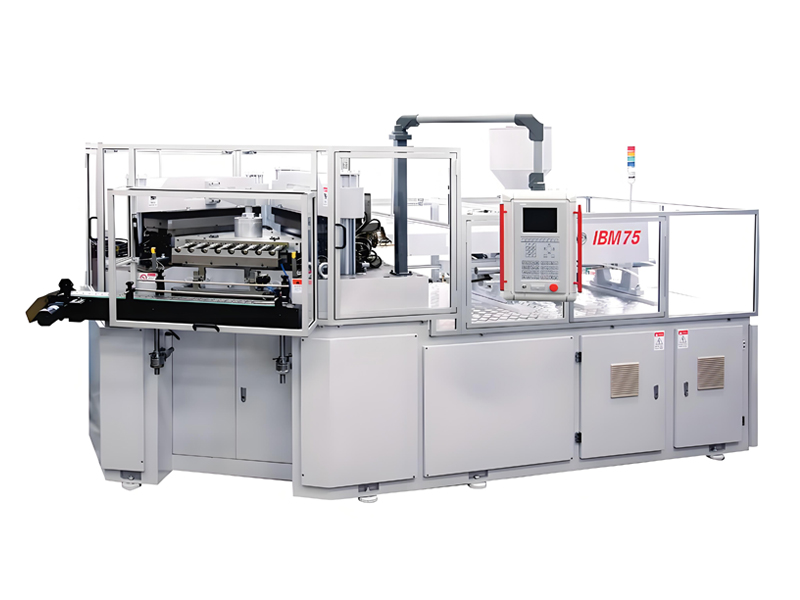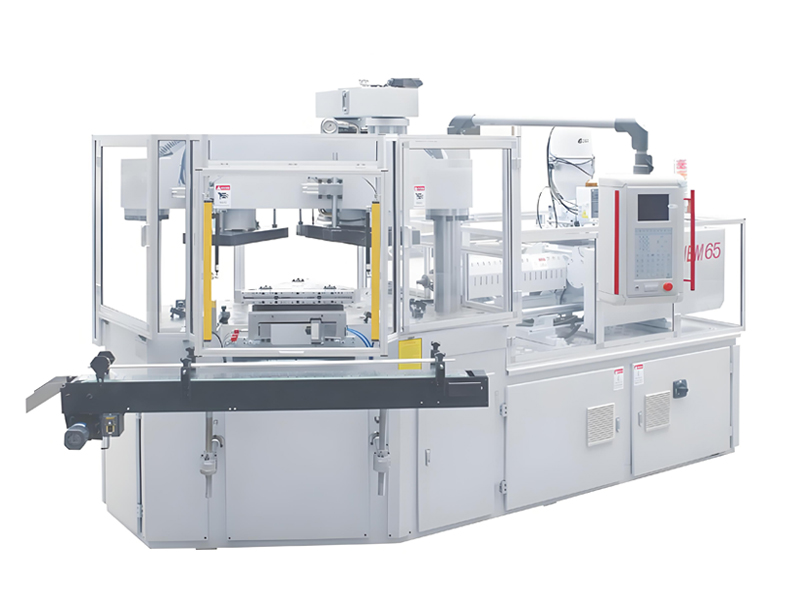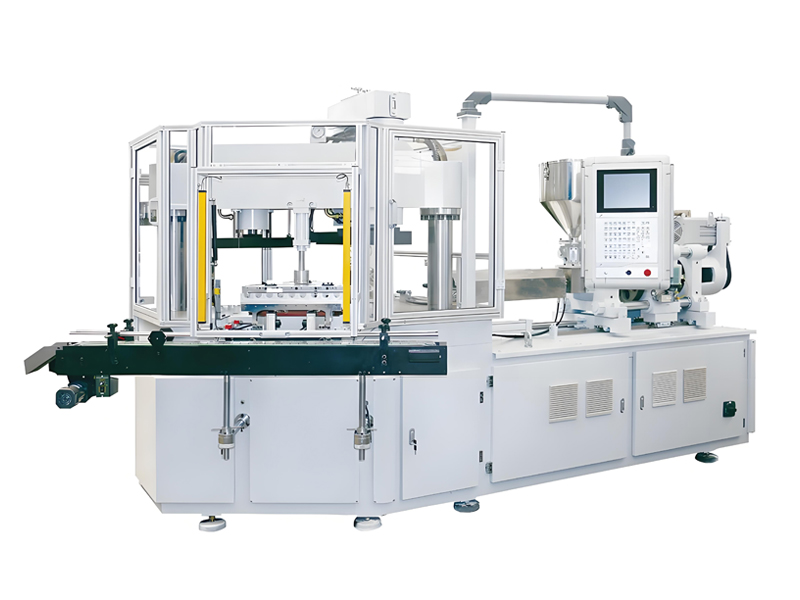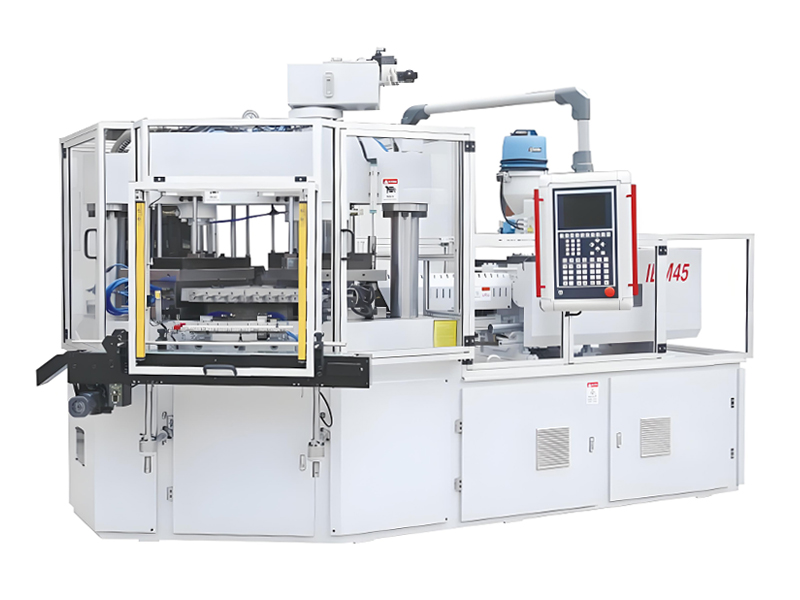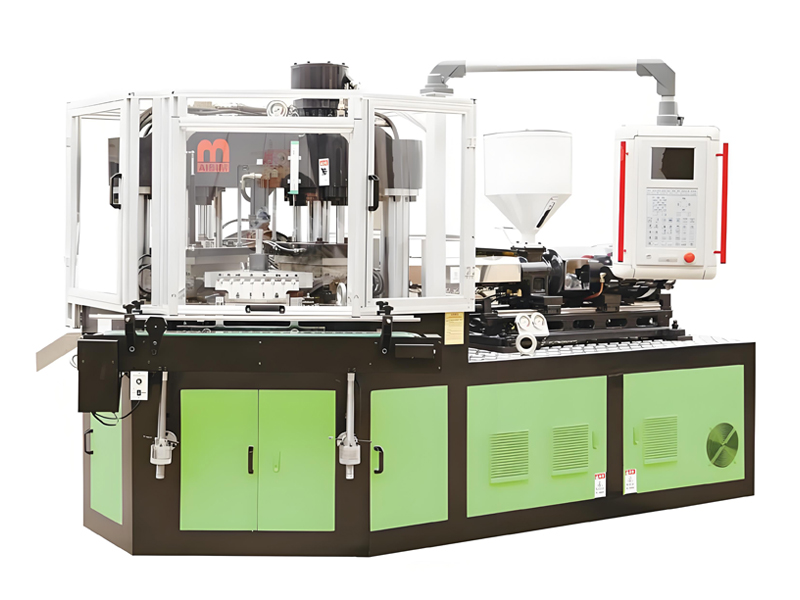
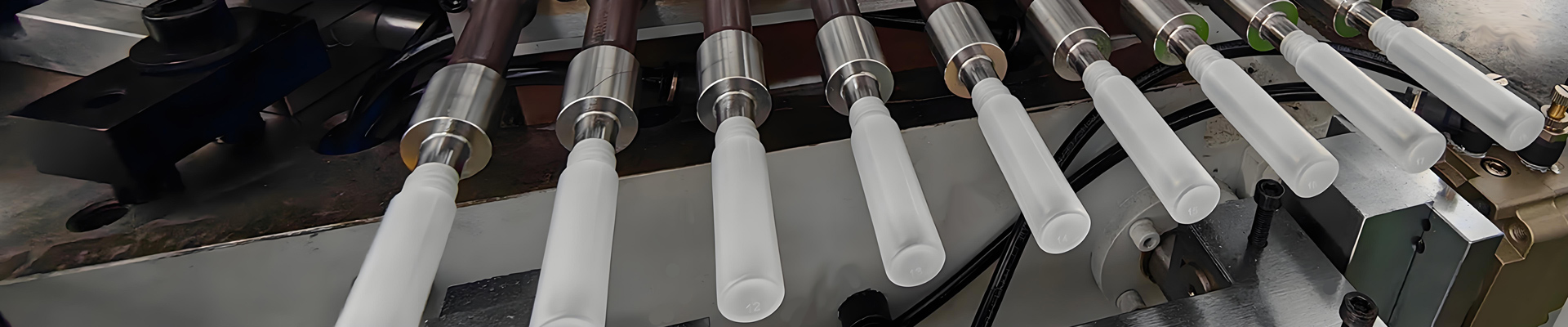
Selecting the optimal material for injection blow molding applications represents one of the most critical decisions in plastic manufacturing. HDPE and PP are among the most widely used polymers in the injection blow molding industry, each offering distinct advantages that make them suitable for different applications. Understanding the fundamental differences between these materials enables manufacturers to make informed decisions that optimize product performance, production efficiency, and cost-effectiveness. The AiBiM injection blow molding machine accommodates both materials, providing flexibility to serve diverse market requirements with a single production platform.
Fundamentals of HDPE and PP Materials
High-density polyethylene (HDPE) and polypropylene (PP) belong to the polyolefin family of polymers, sharing some basic characteristics while possessing distinct molecular structures that result in different physical properties. Both materials are thermoplastic polymers that can be repeatedly melted and reformed, making them ideal for injection blow molding processes. However, their different molecular arrangements create significant differences in processing requirements and finished product characteristics that affect manufacturing decisions and product performance.
HDPE consists of long chains of ethylene monomers arranged in a linear fashion with minimal branching. This molecular structure creates a highly crystalline material with excellent stiffness, strength, and chemical resistance. The density of HDPE typically ranges from 0.941 to 0.965 g/cm3, making it one of the denser common plastics. This molecular regularity enables efficient chain packing that contributes to HDPE’s characteristic properties.
Polypropylene features propylene monomers arranged in methyl groups along the polymer backbone. This structure provides excellent chemical resistance and higher heat resistance compared to HDPE. PP density ranges from 0.895 to 0.92 g/cm3, making it one of the lightest common plastics. The lower density translates into lighter-weight products for equivalent volume, potentially reducing material costs on a per-part basis.
Chemical Structure Differences
The methyl group side chains in polypropylene create steric effects that influence both processing behavior and final material properties. These pendant methyl groups restrict chain movement and increase the glass transition temperature compared to HDPE. The resulting material demonstrates superior heat resistance and dimensional stability at elevated temperatures. Processing windows must account for these higher transition temperatures when setting temperature parameters.
HDPE lacks these side chains, allowing the polymer chains to pack more efficiently into crystalline regions. This efficient chain packing contributes to HDPE’s higher density and crystallinity levels. The linear structure also provides excellent flexibility and impact resistance, particularly at lower temperatures. These characteristics make HDPE suitable for applications involving cold temperature exposure or impact loading.
Availability and Material Grades
Both HDPE and PP are commodity plastics with global availability across numerous grades optimized for specific applications. Injection blow molding grades of both materials feature appropriate melt flow characteristics, molecular weight distributions, and additives for processing optimization. Material suppliers offer specialized grades addressing requirements for food contact, medical applications, UV resistance, and other specific needs. Grade selection significantly affects processing efficiency and finished product properties.
HDPE blow molding grades typically feature melt flow rates ranging from 0.2 to 1.5 g/10min, balancing flow characteristics with mechanical properties. Lower melt flow grades offer superior mechanical properties but may require higher processing temperatures and pressures. PP blow molding grades offer similar processing flexibility with melt flow rates typically ranging from 0.5 to 3.0 g/10min depending on specific application requirements.
Processing Characteristics Comparison
The injection blow molding process must accommodate the unique processing requirements of each material. Understanding these differences helps operators optimize machine settings and achieve consistent product quality. AiBiM machines provide the control flexibility necessary to process both materials optimally on a single production platform.
Temperature Requirements
HDPE processing typically requires melt temperatures ranging from 180C to 240C, with specific temperatures depending on material grade and part complexity. The material flows readily at these temperatures, filling mold cavities with relatively low injection pressures. Mold temperatures for HDPE generally range from 20C to 50C, with higher temperatures improving surface finish at the expense of cycle time. Temperature optimization balances multiple quality and efficiency factors.
PP processing requires slightly higher temperatures, typically ranging from 200C to 280C. The higher glass transition and melting point of PP necessitate these elevated processing temperatures. Mold temperatures for PP commonly range from 20C to 60C, with temperature selection depending on part geometry and quality requirements. The higher processing temperatures of PP increase energy consumption compared to HDPE processing.
Pressure and Speed Parameters
HDPE exhibits lower melt viscosity compared to PP at equivalent processing temperatures, allowing for lower injection pressures and faster fill times. This characteristic makes HDPE particularly suitable for applications with thin wall sections or complex geometries. Typical injection pressures for HDPE range from 500 to 1200 psi during the filling phase, depending on part design and processing requirements.
PP requires somewhat higher injection pressures due to its higher melt viscosity. Typical injection pressures range from 800 to 1500 psi during filling. However, PP’s excellent flow characteristics through the injection system often compensate for this, enabling successful filling of moderately complex part geometries. Injection speed optimization differs between materials due to viscosity differences at processing temperatures.
Cooling and Cycle Time Considerations
Cooling time represents the dominant portion of overall cycle time in injection blow molding. HDPE’s excellent thermal conductivity and consistent crystallization behavior enable relatively predictable cooling performance. The material releases heat efficiently, allowing for optimized cooling channel designs that minimize cycle times. Faster cooling directly improves production efficiency and reduces per-unit manufacturing costs.
PP presents more complex cooling considerations due to its slower crystallization rate and higher specific heat capacity. Parts may require longer hold times to achieve adequate cooling before ejection. However, PP’s lower density means less material mass to cool per part, partially offsetting the slower crystallization rate. Mold cooling system design should account for these different cooling characteristics when optimizing for PP materials.
Mechanical Properties Analysis
Finished product mechanical properties determine suitability for specific applications. Both materials offer excellent performance across many parameters, with specific advantages in different areas. Understanding these property differences enables appropriate material selection for specific application requirements.
Strength and Stiffness Characteristics
HDPE provides excellent tensile strength ranging from 20 to 37 MPa, with exceptional elongation at break values exceeding 600 percent. This combination of strength and flexibility makes HDPE ideal for applications requiring durability and impact resistance. The material maintains excellent mechanical properties across a wide temperature range, from -40C to 60C, making it suitable for both refrigerated storage and ambient temperature applications.
PP offers superior flexural modulus compared to HDPE, providing greater stiffness in finished parts. Tensile strength values range from 30 to 40 MPa, slightly higher than typical HDPE grades. The lower density of PP means that equal-weight parts may offer comparable or improved strength-to-weight ratios compared to HDPE. Stiffness advantages make PP suitable for applications requiring dimensional stability and resistance to deformation under load.
Impact Resistance Comparison
HDPE demonstrates excellent impact resistance, particularly at lower temperatures where many plastics become brittle. Notched Izod impact values typically range from 100 to 500 J/m, indicating good toughness across various formulations. This impact resistance makes HDPE suitable for applications where parts may be dropped or subject to impact during use. Cold temperature impact resistance particularly distinguishes HDPE from many alternative materials.
PP impact resistance varies significantly with copolymer content. Homopolymer PP offers moderate impact resistance but may become brittle at temperatures below -20C. Random copolymer PP grades improve low-temperature impact performance while maintaining good stiffness. Impact-modified PP compounds provide the highest impact resistance for demanding applications where superior toughness is required.
Fatigue and Durability Performance
PP exhibits exceptional fatigue resistance, maintaining mechanical integrity through repeated stress cycles. This characteristic makes PP particularly suitable for applications involving hinge mechanisms, living hinges, or repeated opening and closing cycles. PP living hinges can withstand thousands of flex cycles without failure, enabling durable integral hinge designs that would fail quickly in other materials. This fatigue resistance extends to general cyclic loading conditions.
HDPE provides good fatigue resistance but does not match PP performance in hinge applications. However, HDPE excels in applications involving sustained stress or environmental exposure, maintaining properties over extended service periods without significant degradation. Environmental stress crack resistance makes HDPE suitable for applications involving chemical exposure or harsh environmental conditions.
Chemical Resistance and Compatibility
Chemical resistance determines suitability for containers intended to hold various substances. Both materials offer excellent general-purpose chemical resistance with specific strengths and limitations. Product developers must verify compatibility with specific contents before committing to material selection for container applications.
HDPE Chemical Resistance Profile
HDPE demonstrates excellent resistance to a wide range of chemicals including acids, bases, alcohols, and aliphatic hydrocarbons. The material is suitable for packaging detergents, household chemicals, industrial oils, and many agricultural products. HDPE containers reliably contain contents without material degradation or chemical interaction under normal storage and use conditions. Chemical resistance enables use across diverse product categories.
HDPE shows limited resistance to halogenated hydrocarbons, aromatic hydrocarbons, and oxidizing acids. These substances may cause swelling, embrittlement, or environmental stress cracking in HDPE containers. Product development teams must verify compatibility with specific contents before production commitment. Testing under actual storage conditions provides the most reliable compatibility information for critical applications.
PP Chemical Resistance Profile
PP offers excellent chemical resistance comparable to HDPE across most categories, with particular strength in resistance to acids and bases at elevated temperatures. PP maintains chemical integrity at temperatures where HDPE might degrade, making it suitable for applications involving hot contents or elevated temperature storage conditions. This temperature advantage expands application possibilities for PP containers.
PP demonstrates superior resistance to stress cracking agents compared to HDPE, an important consideration for containers with complex geometries or integrated handles. This resistance extends product service life and reduces failure rates during use. Complex geometries that would create stress concentrations in HDPE can often be used successfully in PP.
Thermal Performance Comparison
Thermal performance parameters affect product suitability for applications involving temperature variations, hot contents, or thermal sterilization processes. Temperature requirements should be clearly defined during product development to ensure appropriate material selection.
Temperature Resistance Limits
HDPE maintains functional properties up to approximately 110C, with continuous use temperatures typically limited to 80C to 100C. Short-term exposure to higher temperatures may be acceptable depending on duration and stress conditions. HDPE becomes soft and loses shape if exposed to temperatures approaching its melting point of approximately 130C. Thermal exposure limits should guide application temperature requirements.
PP offers superior heat resistance with continuous use temperatures up to 100C to 120C. The material maintains structural integrity through pasteurization and thermal sterilization processes that would damage HDPE containers. PP products can withstand dishwasher exposure without deformation, making the material particularly suitable for reusable food containers and medical applications requiring sterilization.
Thermal Expansion Considerations
Both materials exhibit significant thermal expansion that must be accommodated in product and mold design. HDPE linear expansion coefficient of approximately 100 to 200 micrometers per meter per degree Celsius requires appropriate dimensional tolerances in design. Mold designers must account for these expansion characteristics when establishing part dimensions and tolerances.
PP demonstrates slightly lower expansion at approximately 80 to 180 micrometers per meter per degree Celsius. Products intended for applications involving temperature extremes should account for dimensional changes that occur during use. Lid fit, stackability, and functional clearances all require consideration of thermal expansion effects to ensure acceptable performance across the expected temperature range.
Cost Analysis and Economic Considerations
Material costs significantly influence product economics, particularly for high-volume applications where small per-unit differences compound across millions of units. Both HDPE and PP offer competitive pricing with differences depending on current market conditions, regional availability, and grade requirements.
Material Pricing Comparison
HDPE resin pricing typically ranges from $1.10 to $1.60 per kilogram for general-purpose blow molding grades. Natural or translucent grades often command slight premiums compared to pigmented materials. The relative density advantage of HDPE should be considered when comparing pricing on a volumetric basis, as density differences affect the number of parts per kilogram of material.
PP blow molding grades typically range from $1.20 to $1.80 per kilogram, slightly higher than comparable HDPE grades. However, the lower density of PP means that fewer kilograms are required to produce equal volumes of finished product. This factor partially offsets the higher per-kilogram pricing, and the true comparison should be made on a per-part basis rather than per-kilogram.
Processing Cost Implications
Processing costs including energy consumption, cycle time, and yield efficiency affect overall product economics. HDPE’s lower processing temperatures typically result in lower energy costs per part. The material’s efficient filling characteristics often enable faster cycle times compared to PP for equivalent part geometries, particularly when using multi-cavity molds with complex filling requirements.
PP processing requires slightly more energy due to higher temperature requirements. However, PP’s excellent flow characteristics may enable productivity improvements for complex parts where HDPE filling performance is marginal. The specific impact on processing costs depends on part design, production volume, and local energy pricing. Energy cost sensitivity analysis helps evaluate material options economically.
Total Cost of Ownership Analysis
Total cost of ownership extends beyond initial material and processing costs to include factors such as product durability, failure rates, and end-of-life considerations. Products requiring extended service life may justify higher initial material costs through improved durability and reduced replacement frequency. Lifecycle cost analysis provides more complete economic comparison than simple unit cost analysis.
For disposable containers where product cost dominates, HDPE often provides the most economical choice. For reusable products where product longevity justifies higher initial investment, PP frequently delivers better long-term value through improved durability and temperature resistance. Application-specific analysis identifies the economically optimal material for specific product requirements.
Application Suitability Guidelines
Understanding which applications favor each material enables informed selection decisions. While both materials serve many common applications, specific requirements often clearly favor one material over the other. Application-specific guidance helps navigate material selection complexity.
Applications Better Suited for HDPE
HDPE excels in applications involving industrial chemical containers, agricultural chemical packaging, and household cleaning product bottles. The material’s excellent chemical resistance and moisture barrier properties ensure safe containment of these demanding contents. Large-format containers particularly benefit from HDPE’s superior stiffness and impact resistance. Industrial applications often involve harsh conditions that HDPE handles effectively.
Low-temperature applications favor HDPE due to its excellent impact resistance at cold temperatures. Products intended for refrigerator storage or cold climate use benefit from HDPE’s maintained toughness across the expected temperature range. Applications involving frozen contents also favor HDPE. The cold temperature performance range exceeds that of most alternative materials.
Applications Better Suited for PP
PP is the preferred choice for hot-fill applications where contents are filled at elevated temperatures. The material maintains integrity through pasteurization and thermal sterilization processes that would deform HDPE containers. Food service containers, pharmaceutical packaging, and medical products frequently utilize PP for this reason. Temperature resistance enables processing and use applications unavailable to HDPE.
Applications involving living hinges or repeated flexing clearly favor PP due to its exceptional fatigue resistance. Container designs incorporating hinged lids, flip-top caps, or other flexing elements should utilize PP to ensure acceptable service life. Reusable consumer products also generally benefit from PP’s superior durability and temperature resistance for extended service life through repeated use cycles.
Applications Where Either Material Works
Many common applications accept either HDPE or PP without significant performance compromise. Standard consumer packaging for cosmetics, personal care products, and household items can utilize either material with acceptable results. Material selection in these cases often depends on factors such as aesthetic preferences, marketing positioning, or cost optimization. Either material can perform acceptably in these general-purpose applications.
Products without extreme temperature requirements, chemical exposure challenges, or complex mechanical features can typically utilize either material successfully. In these cases, other factors including material availability, supplier relationships, and production equipment optimization may appropriately drive material selection decisions. Manufacturing efficiency considerations may favor one material over the other for specific production configurations.
Food Contact and Regulatory Compliance
Regulatory compliance requirements affect material selection for food contact applications. Both HDPE and PP satisfy relevant regulatory requirements for food packaging in most major markets, but specific grade selections and documentation requirements vary.
FDA Compliance Considerations
HDPE is approved for food contact under FDA regulations and is one of the most widely accepted materials for food packaging applications. The material does not contain additives of concern for most food contact applications. HDPE containers reliably maintain food safety throughout normal storage and use conditions. FDA compliance simplifies market access for food contact applications.
PP is similarly approved for food contact under FDA regulations, with grades specifically formulated for food packaging applications. PP offers advantages for hot-fill and high-temperature applications where FDA compliance for HDPE might require additional consideration. Both materials support FDA compliance for direct food contact when properly formulated and processed. Supplier documentation verifies regulatory compliance for specific material grades.
International Regulatory Compliance
European Union regulations under Regulation (EC) No 1935/2004 approve both HDPE and PP for food contact applications when properly documented. Material suppliers provide declarations of compliance supporting regulatory verification for finished product manufacturers. International market access requires compliance verification with relevant regional regulations.
Other international markets maintain their own regulatory frameworks that generally recognize both materials as acceptable for food contact applications. Products intended for global distribution should verify compliance requirements in each target market with appropriate regulatory guidance. Regional variations may require different material grades or additional testing for specific market access.
Environmental Considerations
Environmental factors increasingly influence material selection decisions as consumers, regulators, and corporate sustainability initiatives drive preference for environmentally responsible options. Both materials offer recyclability and sustainability advantages that support environmental positioning.
Recyclability Comparison
Both HDPE and PP are widely recyclable and accepted in municipal recycling programs throughout most of the world. HDPE recycling infrastructure is particularly well-established, with high market value for recycled HDPE resin. PP recycling infrastructure continues to expand but generally offers lower market values compared to HDPE. Recycling value affects end-of-life options and collection program economics.
Product labeling with appropriate resin identification codes supports consumer recycling behavior and ensures proper material sorting. Both materials carry identification codes that enable effective recycling stream management when consumers follow labeling guidance. Clear labeling supports recycling program effectiveness and material recovery rates.
Sustainability Positioning
Bio-based and recycled content versions of both materials are increasingly available, supporting sustainability positioning for environmentally conscious brands. Bio-based HDPE derived from sugarcane feedstock offers carbon-neutral or carbon-negative lifecycle characteristics. Recycled content PP provides circular economy benefits while maintaining acceptable performance characteristics. Sustainable material options enable environmental marketing claims.
Material selection should consider lifecycle assessment results rather than relying on general assumptions about environmental impact. Factors including recycled content availability, recycling rates in target markets, and product service life all influence actual environmental performance. Comprehensive environmental evaluation provides accurate sustainability comparison for informed decision making.
Making the Final Selection Decision
The decision between HDPE and PP should follow a structured evaluation process that considers all relevant factors. Clear understanding of application requirements, production capabilities, and business objectives enables optimal material selection that serves both immediate and long-term interests.
Decision Framework
Begin evaluation by clearly defining application requirements including temperature exposure, chemical contents, mechanical stresses, and regulatory compliance needs. Identify any requirements that clearly favor one material over the other. Requirements that cannot be satisfied by either material should prompt consideration of alternative materials such as engineering plastics or specialty resins.
Compare materials against identified requirements, weighting factors according to their importance for the specific application. Calculate projected costs based on anticipated production volumes and local material pricing. Consider non-cost factors including manufacturing efficiency, product durability, and market positioning implications. Document the evaluation process to support future decision-making.
Sample and Testing Recommendations
Before committing to full production, produce sample parts in both candidate materials and conduct appropriate testing to verify performance. Testing should simulate actual use conditions including temperature exposure, chemical contact, mechanical stresses, and aging conditions. Results confirm that theoretical material suitability translates into acceptable practical performance for the specific application.
AiBiM injection blow molding machines accommodate both HDPE and PP, enabling direct comparison of materials in actual production conditions. Our engineering support team assists customers in material evaluation and processing optimization for specific applications. Pilot production runs verify manufacturing feasibility before committing to full-scale production.
Conclusion
HDPE and PP both represent excellent choices for injection blow molding applications, with each material offering distinct advantages for specific use cases. HDPE provides superior impact resistance, excellent chemical resistance, and cost-effective performance for many packaging applications. PP delivers superior heat resistance, exceptional fatigue performance, and excellent durability for demanding applications.
Optimal material selection requires systematic evaluation of application requirements, performance expectations, regulatory compliance needs, and economic considerations. Neither material universally outperforms the other across all parameters, making thoughtful evaluation essential for achieving optimal results. Decision frameworks and structured evaluation processes support optimal material selection.
The flexibility of AiBiM injection blow molding equipment accommodates both HDPE and PP processing requirements, enabling manufacturers to serve diverse market applications with unified production capabilities. This flexibility enables efficient manufacturing across different product lines without requiring separate equipment investments. Contact our technical team to discuss your specific application requirements and receive guidance on optimal material selection for your products.
Material Testing and Qualification Procedures
Material testing and qualification ensures that selected materials will perform acceptably in intended applications. Testing protocols should simulate actual use conditions to verify that materials provide required performance. Accelerated aging tests predict long-term performance based on short-term exposure to elevated stress conditions. Testing investment reduces risk of field failures that could damage brand reputation and increase costs associated with product recalls or customer complaints.
Material supplier qualification ensures that suppliers can provide materials meeting quality and consistency requirements. Supplier audits verify manufacturing capabilities, quality systems, and regulatory compliance. Quality agreements establish expectations for material quality, documentation, and communication. Multiple supplier relationships reduce supply risk while maintaining quality standards. AiBiM maintains relationships with established material suppliers who can provide consistent quality and technical support.
End-Use Performance Considerations
Product design must consider actual end-use conditions that products will encounter throughout their service life. Understanding use conditions ensures that products provide acceptable performance in real-world applications. Testing should simulate actual handling, storage, and environmental exposure conditions that products will experience. This testing-based approach to material selection reduces risk of performance issues after products enter service.
Handling and transportation stresses affect durability and appearance throughout the distribution chain. Vibration and shock during transportation can cause damage if products are not adequately designed. Compression loads during storage and stacking can deform products if structural design is insufficient. HDPE and PP demonstrate different responses to handling and transportation stresses based on their distinct material properties.
Processing Optimization Strategies
Processing optimization ensures that manufacturing processes achieve optimal efficiency and quality for specific products. Optimization considers material characteristics, part design, quality requirements, and production volume objectives. AiBiM machines provide the flexibility and control necessary for effective optimization across diverse material and product requirements. Systematic process optimization improves both quality and efficiency simultaneously.
Process Development Methodology
Systematic process development methodology identifies optimal processing parameters efficiently. DOE-based approaches enable systematic exploration of parameter relationships and interactions. Process window identification establishes acceptable ranges for each parameter while identifying optimal setpoints. Documentation of developed processes ensures repeatable results across production runs and over time as equipment conditions change.
AiBiM application engineers support process development for new products and materials. Experience across diverse applications provides valuable insights for efficient process development. Process development support helps customers achieve quality and efficiency targets faster than would be possible independently. This application engineering expertise represents a significant competitive advantage for AiBiM customers.
Process Monitoring and Control Systems
Process monitoring provides visibility into process performance during production. Key parameters including temperatures, pressures, and cycle times are monitored continuously to detect variations that might affect quality. Alarm systems alert operators when parameters deviate from acceptable ranges, enabling immediate corrective action before quality problems occur.
Statistical process control techniques analyze monitoring data to identify trends before they result in quality problems. Control charts track process performance over time, distinguishing normal variation from significant changes requiring intervention. This proactive approach to process control improves quality consistency while reducing waste from defective products. Data-driven process management supports continuous improvement objectives.