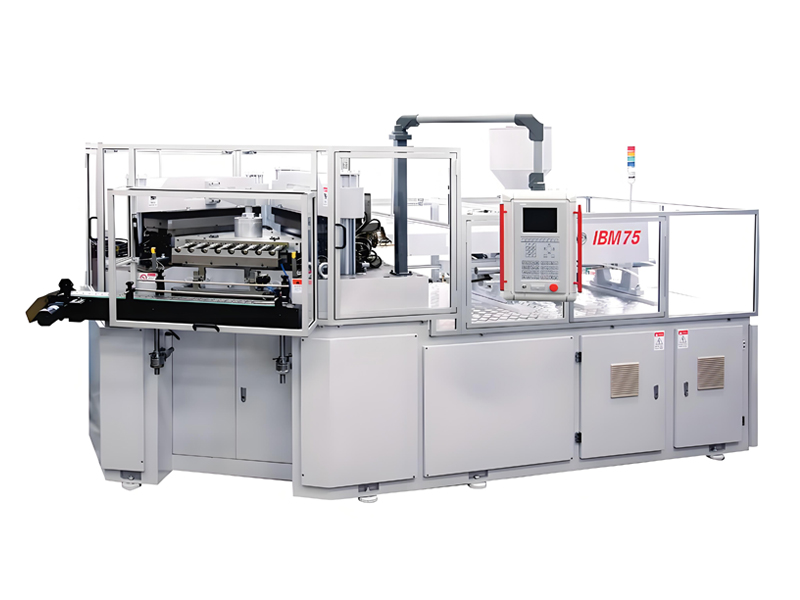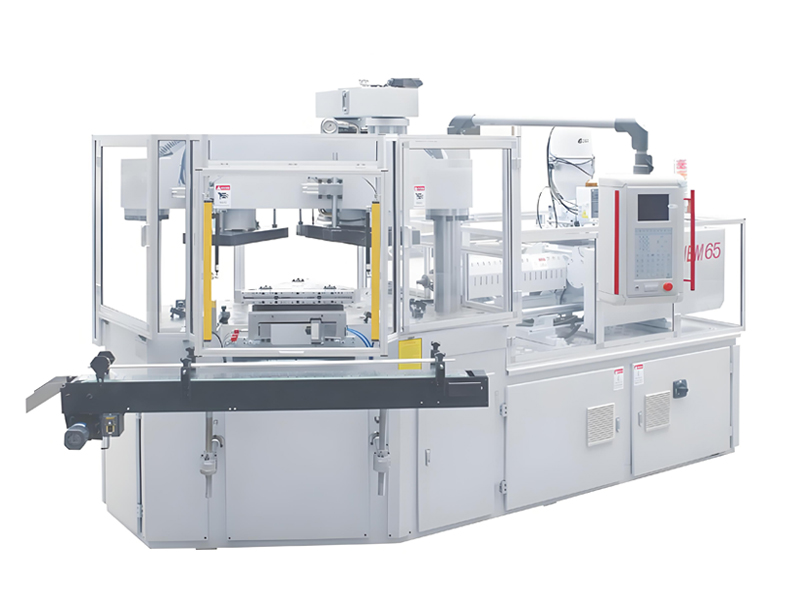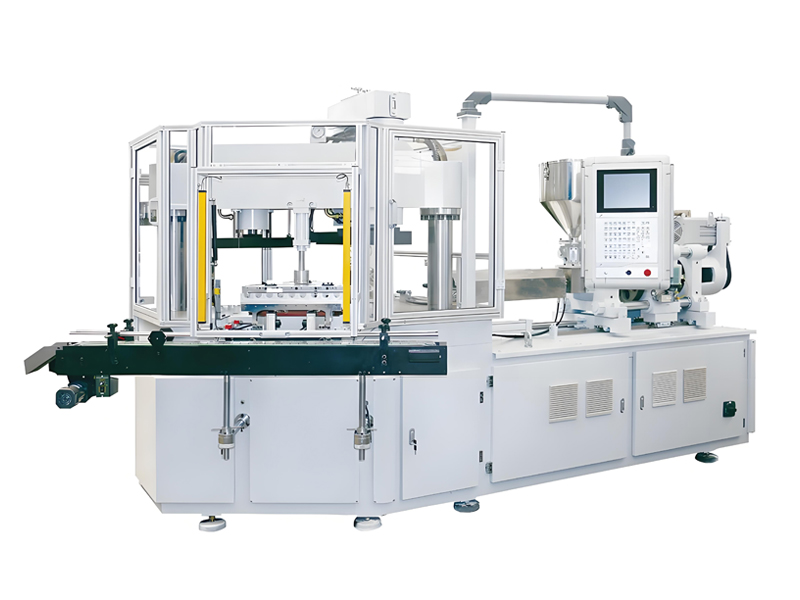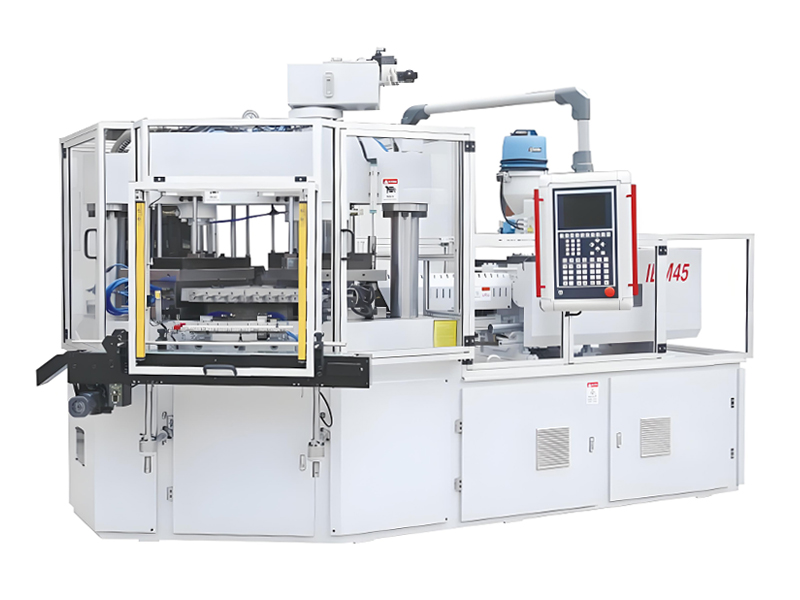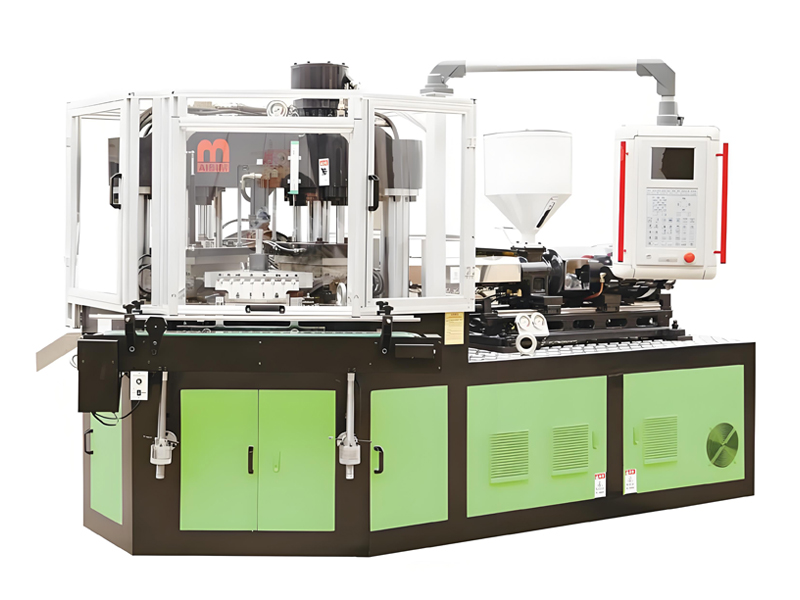
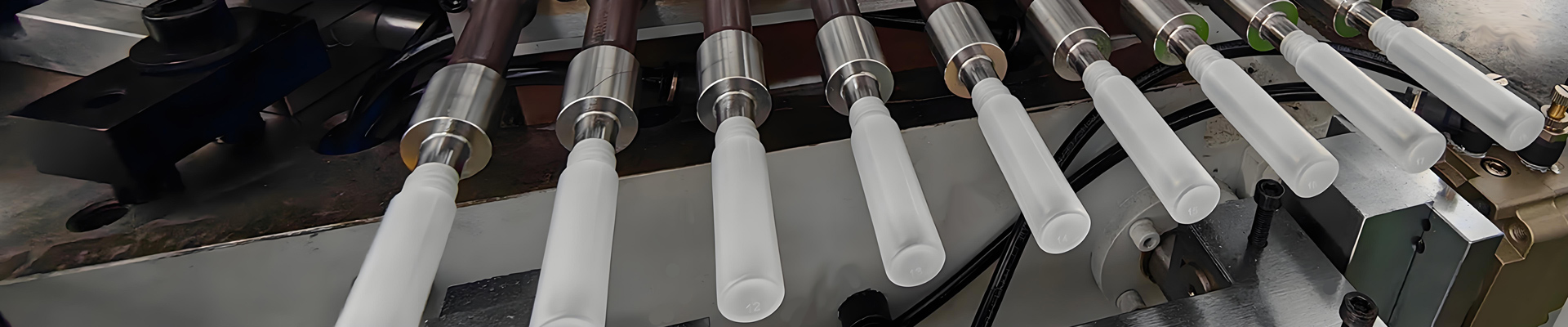
The global manufacturing landscape has witnessed a remarkable transformation in recent years, with Chinese-made injection blow molding machines emerging as leading solutions for precision plastic processing applications. Among the critical technological advancements driving this success, the hydraulic system represents a fundamental component that determines overall machine performance, accuracy, and reliability. Chinese manufacturers have invested heavily in developing advanced hydraulic technologies that rival or exceed international standards while maintaining competitive pricing advantages. The AiBiM injection blow molding machine exemplifies this commitment to hydraulic precision, incorporating sophisticated systems that deliver exceptional performance across demanding production applications.
The Evolution of Hydraulic Technology in Chinese Manufacturing
Chinese injection blow molding machine manufacturers have achieved remarkable technological progress over the past two decades. Early skepticism regarding the quality and reliability of Chinese machinery has given way to widespread recognition of genuine innovation and manufacturing excellence. This transformation reflects systematic investment in research and development, adoption of international quality standards, and continuous refinement of manufacturing processes. The journey from emerging manufacturer to industry leader demonstrates the potential for sustained improvement when proper resources and commitment are applied.
The hydraulic system development journey illustrates this broader evolution particularly well. Initial Chinese machines often utilized basic hydraulic components with limited precision and reliability. Through strategic partnerships with international hydraulic system suppliers, combined with proprietary research and development, Chinese manufacturers now produce hydraulic systems that incorporate advanced proportional valves, servo-controlled actuators, and intelligent pressure management algorithms. These advancements have eliminated the performance gap that once limited acceptance of Chinese equipment in demanding applications.
Key Milestones in Hydraulic System Development
The first generation of advanced Chinese hydraulic systems emerged in the early 2000s, introducing proportional hydraulic technology that enabled more precise control of clamping and injection forces. These systems replaced traditional on/off valves with continuously variable proportional valves that could modulate hydraulic flow and pressure with significantly improved accuracy. The adoption of electronic control systems enabled closed-loop operation that maintained consistent performance despite external variations.
The second generation, developed through the mid-2010s, incorporated electronic feedback systems that enabled closed-loop control of hydraulic parameters. Pressure transducers and linear encoders provided real-time data that allowed control systems to make microsecond adjustments to hydraulic output, resulting in dramatically improved process consistency and repeatability. This generation also introduced advanced diagnostic capabilities that simplified troubleshooting and maintenance while reducing unplanned downtime.
The current third generation of hydraulic technology integrates artificial intelligence and machine learning algorithms that optimize system performance based on real-time analysis of operating conditions. These smart hydraulic systems continuously refine their operating parameters to compensate for component wear, temperature variations, and other environmental factors that might affect performance. Predictive maintenance algorithms identify potential failures before they cause production disruptions, improving overall equipment effectiveness.
Competitive Advantages of Chinese Hydraulic Technology
Chinese manufacturers benefit from significant cost advantages in hydraulic system development and production. Access to competitive component suppliers, combined with lower labor costs for assembly and testing, enables the production of sophisticated hydraulic systems at price points significantly below comparable European or Japanese alternatives. These savings translate directly to more affordable injection blow molding machines without compromising performance or reliability. Manufacturing scale provides additional advantages through batch procurement of hydraulic components and extended production runs.
Manufacturing scale provides additional advantages through批量采购 of hydraulic components and extended production runs that justify investment in advanced testing and quality control equipment. Chinese facilities increasingly utilize automated assembly systems and precision testing equipment that ensure consistent quality across large production volumes. Quality management systems meeting ISO 9001 and other international standards demonstrate commitment to consistent quality worldwide.
Understanding High Precision Hydraulic Systems
High precision hydraulic systems in injection blow molding machines must satisfy demanding requirements across multiple operational parameters. The hydraulic system powers clamping operations, injection processes, blow molding functions, and auxiliary movements throughout the production cycle. Each function requires specific hydraulic characteristics that must be precisely controlled to achieve optimal product quality. The complexity of these requirements makes hydraulic system design a specialized discipline requiring deep understanding of fluid dynamics.
The complexity of these requirements makes hydraulic system design a specialized discipline requiring deep understanding of fluid dynamics, control theory, and materials science. AiBiM engineers have developed proprietary hydraulic system architectures that balance these competing requirements while delivering the precision and reliability demanded by modern manufacturing applications. Continuous refinement based on customer feedback and performance data ensures that these systems meet evolving market requirements.
Hydraulic System Architecture Overview
Modern injection blow molding hydraulic systems consist of several interconnected subsystems that work together to deliver precise motion and force control. The power unit generates hydraulic pressure through a variable displacement pump driven by an electric motor. Control valves direct hydraulic flow to specific actuators, while sensors provide feedback that enables closed-loop control of system parameters. The integration of these subsystems requires careful engineering to achieve optimal performance.
AiBiM injection blow molding machines utilize an advanced Prefill technology combined with variable displacement pump pressurizing technology in their hydraulic systems. This innovative approach improves energy efficiency while providing the precise pressure control required for high-quality production. Testing results demonstrate minimum 35% energy savings compared to conventional hydraulic systems, representing significant operational cost reductions over the machine lifetime. These efficiency improvements benefit both operating costs and environmental impact.
Components of Precision Hydraulic Systems
The variable displacement pump represents the heart of the hydraulic power system. Unlike fixed displacement pumps that deliver constant flow regardless of demand, variable displacement pumps automatically adjust output to match system requirements. This capability eliminates the energy losses associated with throttling excess flow through pressure relief valves, resulting in substantial energy savings. Pump efficiency directly affects overall system performance and operating costs.
Precision control valves regulate the flow and pressure of hydraulic fluid throughout the system. Proportional directional valves control the direction of actuator motion, while proportional pressure valves regulate system pressure. Servo-controlled valves provide the highest precision for applications requiring extremely accurate force or position control. AiBiM machines incorporate premium proportional valves from internationally recognized suppliers, ensuring reliable operation and consistent performance across diverse applications.
Hydraulic cylinders convert fluid pressure into mechanical force for clamping, injection, and other motion functions. Precision-machined cylinders with advanced seal technology minimize internal leakage and ensure consistent force transmission throughout the production cycle. Linear encoders integrated into critical actuators provide position feedback that enables closed-loop control of motion parameters. Quality cylinder manufacturing ensures long-term precision and reliability.
Precision Control Mechanisms Explained
Achieving high precision in injection blow molding requires sophisticated control systems that can modulate hydraulic parameters with exceptional accuracy and response speed. The combination of electronic control systems and precision hydraulic components creates capabilities that exceed what either technology could achieve independently. Modern control systems leverage advanced algorithms and high-speed processors to achieve unprecedented levels of precision.
Closed-Loop Pressure Control Systems
Closed-loop pressure control maintains hydraulic pressure at precise setpoints throughout the production cycle. Pressure transducers mounted in critical locations throughout the hydraulic system provide continuous feedback to the control system. Electronic controllers compare actual pressure to target values and adjust proportional valves to minimize any deviation. This continuous correction ensures that pressure remains stable despite variations in demand or external conditions.
This level of control proves particularly important during the injection phase, where consistent injection pressure directly affects product quality. Pressure variations during injection can result in defects including short shots, flash, sink marks, and dimensional inconsistencies. The high precision pressure control available in AiBiM machines ensures consistent product quality across all production conditions. Process optimization for specific products leverages this precision control capability.
Servo-Controlled Actuator Systems
Servo-controlled hydraulic actuators provide the highest precision available for injection blow molding applications. These systems combine high-performance servo valves with precision-machined actuators and advanced position feedback devices. The result is positioning accuracy measured in microns, along with extremely responsive dynamic behavior. Servo control enables rapid acceleration and deceleration while maintaining precise positioning throughout the motion cycle.
Servo-controlled clamping systems adjust clamping force with remarkable precision, ensuring consistent mold closure regardless of variations in material viscosity or environmental conditions. This capability proves particularly valuable when producing precision parts with tight dimensional tolerances or when processing materials with varying flow characteristics. The intelligence built into servo control systems simplifies operator intervention and reduces setup time.
Adaptive Control Algorithms
Modern injection blow molding machines incorporate adaptive control algorithms that automatically adjust hydraulic system parameters based on operating conditions. These intelligent systems monitor parameters throughout the production cycle and make proactive adjustments to compensate for factors that might affect performance. Machine learning capabilities enable continuous improvement as the system accumulates operational experience.
Temperature variations affect hydraulic fluid viscosity and system response characteristics. Adaptive algorithms account for these variations by adjusting control parameters to maintain consistent performance across the operating temperature range. Component wear over time also affects system characteristics, and adaptive algorithms can compensate for these changes to maintain consistent quality throughout the machine service life. This self-tuning capability reduces maintenance requirements and extends equipment life.
Performance Benefits of High Precision Hydraulics
The precision achievable with modern hydraulic systems translates directly into tangible benefits for manufacturers. Improved product quality, increased production efficiency, and reduced operating costs all result from investments in advanced hydraulic technology. Understanding these benefits helps manufacturers evaluate the return on investment for precision hydraulic systems. The economic case for precision hydraulic technology becomes clear when all benefits are considered.
Enhanced Product Quality and Consistency
Precision hydraulic control enables exceptional product quality through consistent processing conditions throughout each production cycle. The tight control of injection pressure, clamping force, and blow ratio ensures that every bottle meets specifications with minimal variation. This consistency reduces scrap rates and improves overall production efficiency. Quality improvements directly affect profitability through reduced waste and improved customer satisfaction.
Wall thickness uniformity benefits particularly from precision hydraulic control. Consistent injection and blow pressures ensure that material distributes evenly throughout the mold cavity, eliminating variations that might compromise product integrity or aesthetics. Manufacturers producing transparent products such as water bottles or medical containers particularly value this consistency, as wall thickness variations are clearly visible in finished products. Premium products command higher prices when consistent quality is demonstrated.
Improved Production Efficiency
Faster cycle times result from the precise control capabilities of modern hydraulic systems. Responsive control systems can optimize acceleration and deceleration rates for each phase of the production cycle, reducing unnecessary time while maintaining quality standards. The combination of faster cycles and reduced scrap rates significantly improves overall equipment effectiveness. Efficiency gains compound across high-volume production runs to generate substantial productivity improvements.
Reduced setup time represents another efficiency advantage. When hydraulic systems provide precise, repeatable control, operators can achieve acceptable product quality more quickly during setup and changeover operations. Parameter memories and automated setup routines further accelerate changeovers, reducing downtime and improving production flexibility. Quick changeover capability enables manufacturers to serve diverse customer requirements with a single machine.
Energy Cost Reduction
Variable displacement pump technology provides substantial energy savings compared to traditional fixed displacement pump systems. By matching hydraulic output to actual demand, these systems eliminate the continuous energy waste associated with throttling excess flow. The 35% energy savings demonstrated by AiBiM hydraulic systems translate directly into lower operating costs over the machine lifetime. Energy efficiency improvements support sustainability objectives while reducing operating costs.
Precision control also contributes to energy efficiency by optimizing the work done during each portion of the production cycle. Efficient acceleration and deceleration of hydraulic actuators minimizes energy dissipation through heat generation. Additionally, precise pressure control ensures that operations complete successfully on the first attempt, eliminating the energy waste associated with producing defective products. These efficiency improvements affect both direct energy costs and cooling system loads.
Cost Analysis: Investment in Precision Hydraulic Technology
While precision hydraulic systems require higher initial investment compared to basic hydraulic configurations, the long-term benefits significantly outweigh these costs for most manufacturing applications. A comprehensive cost analysis should consider both initial investment and ongoing operational costs when evaluating hydraulic system options. Total cost of ownership analysis reveals the true economic value of precision hydraulic investment.
Machine Investment by Configuration
AiBiM injection blow molding machines are available in multiple configurations with varying hydraulic system capabilities. The IBM55 hybrid electric model offers the most advanced hydraulic system with combined electric servo and hydraulic technologies. Pricing for this model ranges from $95,000 to $135,000 depending on specifications and optional features. The hybrid configuration combines precision electric control with hydraulic power for applications requiring maximum performance.
The IBM65 and IBM75 models provide excellent value with fully hydraulic precision systems at lower price points. The IBM65 configuration ranges from $65,000 to $85,000, while the IBM75 model ranges from $85,000 to $120,000. All models incorporate the Prefill technology and variable displacement pump pressurizing system that delivers the 35% energy efficiency advantage. Configuration selection should consider specific application requirements and production volume targets.
Operating Cost Comparison
Energy consumption differences between precision hydraulic and conventional systems significantly impact operating costs over the machine lifetime. Assuming an electricity rate of $0.10 per kWh and average consumption of 20 kWh for a conventional system, annual operating costs for electricity alone exceed $17,000. The 35% energy reduction achieved by AiBiM precision systems reduces annual electricity costs to approximately $11,000, a savings of over $6,000 annually. Over a ten-year operating period, energy savings alone exceed $60,000.
Maintenance costs for precision hydraulic systems are comparable to or lower than conventional systems despite their greater complexity. The use of higher-quality components typically results in longer service life and improved reliability. Variable displacement pump technology reduces heat generation and extends hydraulic fluid service life, further reducing maintenance requirements. Preventive maintenance practices ensure continued optimal performance throughout the equipment lifecycle.
Return on Investment Analysis
The additional investment required for precision hydraulic technology typically ranges from $15,000 to $30,000 compared to basic configurations. When combined with annual energy savings of $5,000 to $7,000, plus productivity improvements from reduced scrap and faster cycles, most facilities achieve return on investment within 12 to 18 months. The payback period continues to shorten as energy prices increase and productivity benefits accumulate.
Quality improvements translate into additional economic benefits through reduced customer complaints, warranty claims, and reputation damage. Manufacturers producing safety-critical or regulatory-controlled products particularly value the consistency and reliability that precision hydraulic systems provide. These intangible benefits often exceed the measurable cost savings when evaluating total return on investment. Brand value and customer loyalty provide ongoing competitive advantages.
Maintenance and Service Considerations
Precision hydraulic systems require appropriate maintenance practices to ensure continued optimal performance throughout their service life. Understanding maintenance requirements helps manufacturers plan appropriate service programs and budget for ongoing maintenance costs. Proactive maintenance prevents unexpected failures while maximizing equipment availability and performance.
Hydraulic Fluid Management
Hydraulic fluid quality directly affects system performance and component longevity. Regular fluid analysis can identify contamination, degradation, or other conditions that might affect system performance. AiBiM recommends fluid sampling at quarterly intervals, with complete fluid replacement based on analysis results rather than fixed schedules. This condition-based approach optimizes maintenance timing while ensuring adequate fluid quality throughout the equipment lifecycle.
Proper fluid selection ensures optimal system performance across the expected operating temperature range. Premium hydraulic fluids with excellent thermal stability and anti-wear additives provide the best protection for precision system components. The use of inappropriate fluids can accelerate wear and compromise system precision. Material compatibility with seals and other components must also be considered when selecting hydraulic fluids.
Component Inspection and Replacement
Regular inspection of hydraulic system components identifies wear conditions before they result in system failure. Proportional valves and pumps require periodic performance verification to ensure that control accuracy remains within specifications. AiBiM service technicians can perform comprehensive system diagnostics that identify developing problems before they affect production. Diagnostic capabilities built into AiBiM machines simplify this process significantly.
Filter replacement represents the most frequent hydraulic maintenance requirement. Suction filters protect pumps from contamination, while return line filters maintain fluid cleanliness throughout the system. AiBiM recommends filter inspection at monthly intervals with replacement based on condition rather than fixed schedules. This approach prevents premature filter replacement while ensuring adequate filtration is maintained at all times.
System Calibration and Optimization
Precision hydraulic systems require periodic calibration to maintain optimal performance. Pressure transducers, position sensors, and control valves can drift over time, requiring adjustment to restore original specifications. AiBiM provides calibration services using traceable reference standards that ensure measurement accuracy. Calibration documentation supports quality assurance requirements in regulated industries.
Control system optimization fine-tunes hydraulic system parameters for specific product requirements. As products or materials change, hydraulic parameters may require adjustment to maintain optimal quality. The intelligent control systems in AiBiM machines simplify this optimization process through automated parameter adjustment capabilities. Optimization expertise from AiBiM application engineers helps customers achieve best possible performance.
Applications That Benefit from Precision Hydraulics
While all injection blow molding applications benefit from precision hydraulic control, certain product categories particularly value the consistency and accuracy these systems provide. Understanding these applications helps manufacturers prioritize precision hydraulic investments. Application-specific requirements often justify premium hydraulic system capabilities.
Medical and Pharmaceutical Packaging
Medical and pharmaceutical packaging requires exceptional consistency and reliability to ensure patient safety and regulatory compliance. Precision hydraulic control ensures consistent wall thickness and dimensional accuracy that pharmaceutical manufacturers demand. The ability to maintain tight process control across extended production runs minimizes the risk of defective products reaching patients. Regulatory compliance documentation supports market access in demanding jurisdictions.
Cleanroom compatibility represents an additional requirement for medical applications. AiBiM machines can be configured with cleanroom-appropriate hydraulic systems that minimize contamination risk and satisfy pharmaceutical manufacturing requirements. These specialized configurations incorporate sealed hydraulic components and specialized filtration systems. Validation protocols ensure that equipment meets pharmaceutical quality standards.
Food and Beverage Containers
Food-grade packaging applications benefit from the consistent quality that precision hydraulic systems provide. Uniform wall thickness ensures proper barrier properties and extends product shelf life. Precise control of processing parameters minimizes variations that might affect the visual appearance or functional characteristics of food containers. Food safety regulations require documentation and traceability that precision systems can provide.
The energy efficiency of modern hydraulic systems provides environmental benefits that align with sustainability initiatives in the food and beverage industry. Lower energy consumption reduces the carbon footprint of manufacturing operations and supports corporate sustainability objectives. Consumer preference for sustainably manufactured products influences purchasing decisions in this market.
Technical and Industrial Products
Technical products with demanding performance requirements often depend on precision hydraulic control to achieve necessary quality levels. Automotive components, industrial containers, and technical parts may require dimensional tolerances that only precision hydraulic systems can reliably achieve. The investment in precision technology pays dividends through improved first-pass yield and reduced scrap rates. Complex geometries particularly benefit from precision control capabilities.
Future Trends in Hydraulic Technology
Hydraulic technology continues to evolve, with emerging innovations promising further improvements in performance, efficiency, and sustainability. Chinese manufacturers lead these developments, combining engineering expertise with manufacturing scale advantages. Staying current with technology developments ensures that manufacturers can capitalize on emerging capabilities.
Electro-Hydraulic Integration Advances
The integration of electric servo and hydraulic technologies represents a significant trend in injection blow molding machine development. Hybrid configurations combine the precision of electric actuation with the power density of hydraulics, achieving capabilities that neither technology could provide independently. AiBiM hybrid electric models demonstrate the potential of these integrated approaches. Further integration advances will continue to expand hybrid system capabilities.
Digital Hydraulic Systems
Digital hydraulic technology replaces traditional analog control signals with digital communications, enabling more sophisticated control algorithms and improved system diagnostics. These systems provide enhanced flexibility for implementing custom control strategies and enable predictive maintenance through continuous performance monitoring. Connectivity capabilities support Industry 4.0 manufacturing initiatives and remote monitoring requirements.
Conclusion
High precision hydraulic systems represent a critical technology for achieving optimal performance in injection blow molding applications. Chinese manufacturers, exemplified by AiBiM, have developed hydraulic technologies that rival or exceed international standards while providing significant cost advantages. The combination of engineering excellence and manufacturing efficiency creates compelling value propositions for manufacturers worldwide.
The benefits of precision hydraulic technology extend throughout the production operation, from improved product quality and consistency to reduced energy consumption and operating costs. While initial investment requirements are higher, the return on investment typically recovers additional costs within 12 to 18 months of operation. Long-term operational benefits continue to accumulate throughout the equipment lifecycle.
Manufacturers seeking to optimize their injection blow molding operations should carefully evaluate hydraulic system capabilities when selecting equipment. The precision, reliability, and efficiency advantages that advanced hydraulic systems provide translate directly into competitive advantages in demanding manufacturing environments. Strategic equipment investment decisions affect business success for years after initial purchase.
Contact our sales team to discuss how AiBiM precision hydraulic technology can benefit your production requirements. Our engineering staff will help you select the optimal configuration for your specific applications. We provide comprehensive support from initial specification through installation, training, and ongoing operational excellence.
Global Market Acceptance of Chinese Hydraulic Technology
Chinese manufacturers have invested heavily in precision engineering capabilities that enable production of sophisticated hydraulic components. Advanced CNC machining centers, precision measurement equipment, and sophisticated testing facilities ensure that hydraulic components meet exacting specifications. These manufacturing capabilities, combined with quality management systems meeting international standards, enable Chinese manufacturers to produce hydraulic systems that satisfy demanding application requirements across global markets. This combination of engineering expertise and manufacturing efficiency creates compelling value propositions for manufacturers worldwide.
The combination of engineering expertise and manufacturing efficiency creates compelling value propositions for manufacturers worldwide. Chinese hydraulic system technology has progressed from following international leaders to achieving leadership in specific technology areas. Innovation continues as manufacturers develop proprietary technologies that address evolving market requirements. This competitive dynamic benefits customers through continuous improvement and competitive pricing that challenges traditional market leaders.
Export Success and Quality Recognition
Chinese injection blow molding machines have achieved widespread acceptance in global markets across all regions. European, North American, and Asian manufacturers increasingly select Chinese equipment for new production lines and equipment upgrades. This acceptance reflects recognition that Chinese manufacturers can satisfy demanding quality and performance requirements while providing competitive pricing and responsive support. Export success has driven continued investment in quality systems, service capabilities, and product development that benefits all customers.
Export success has driven continued investment in quality systems, service capabilities, and product development. Manufacturers serving export markets must meet customer requirements across diverse regulatory and quality frameworks. This experience developing products for demanding markets has elevated overall capabilities while benefiting customers in all markets served. Global market presence ensures ongoing development investment that keeps Chinese technology competitive with the best available worldwide.
Technical Support and Service Excellence
Investment in precision hydraulic technology requires corresponding investment in support and service capabilities. Chinese manufacturers have developed comprehensive service networks that ensure customers receive the technical support needed for successful operation. Global service presence provides local support while leveraging expertise from manufacturing facilities. This service infrastructure protects customer investments while ensuring high equipment utilization that maximizes return on technology investment.
Installation and Startup Support Services
Professional installation and startup support ensures that new equipment achieves expected performance levels. AiBiM engineers supervise equipment installation, verify system integration, and conduct performance validation testing. Operator training during startup ensures that production personnel can operate equipment effectively from the first day of production. Documentation of installation and startup activities provides reference for future maintenance and troubleshooting that will be needed throughout the equipment lifecycle.
Startup support includes process development services that optimize machine parameters for specific products and materials. Our application engineers leverage extensive experience with diverse products to accelerate process development. This expertise helps customers achieve quality and efficiency targets faster than would be possible through trial and error alone. Process optimization support continues after startup as products and requirements evolve.
Preventive Maintenance Programs
Preventive maintenance programs help customers maintain equipment in optimal condition while preventing unexpected failures. AiBiM offers maintenance contracts that include scheduled inspections, calibrations, and preventive replacements. These programs provide cost predictability while ensuring that equipment receives appropriate care throughout its service life. Maintenance scheduling considers production schedules and customer requirements to minimize disruption to production operations.
Preventive maintenance visits can be coordinated with planned production shutdowns to eliminate dedicated maintenance downtime. This scheduling approach maximizes equipment availability while maintaining maintenance quality. Spare parts inventory in regional locations ensures that common parts are available for rapid replacement when needed. This comprehensive service infrastructure protects customer investments throughout the equipment lifecycle.