1. Overview of Eye Drop Bottle Mini Vial Production Industry
1.1 Market Demand and Product Characteristics of Pharmaceutical Eye Drop Bottles
The global ophthalmic pharmaceutical industry maintains stable and continuous growth in 2026, driven by the rising prevalence of eye fatigue, dry eye syndrome, and myopia among all age groups, as well as the continuous upgrading of medical and health consumption concepts. Disposable and multi-specification plastic eye drop bottles have become the mainstream packaging form for ophthalmic drugs, replacing traditional glass vials due to their unique advantages of light weight, impact resistance, safe sealing, portable carrying, and low sterilization difficulty. As a typical high-precision mini pharmaceutical packaging product, eye drop bottles have extremely strict requirements on dimensional accuracy, wall thickness uniformity, surface finish, and microbial safety, putting forward high-standard technical requirements for molding equipment and production processes.
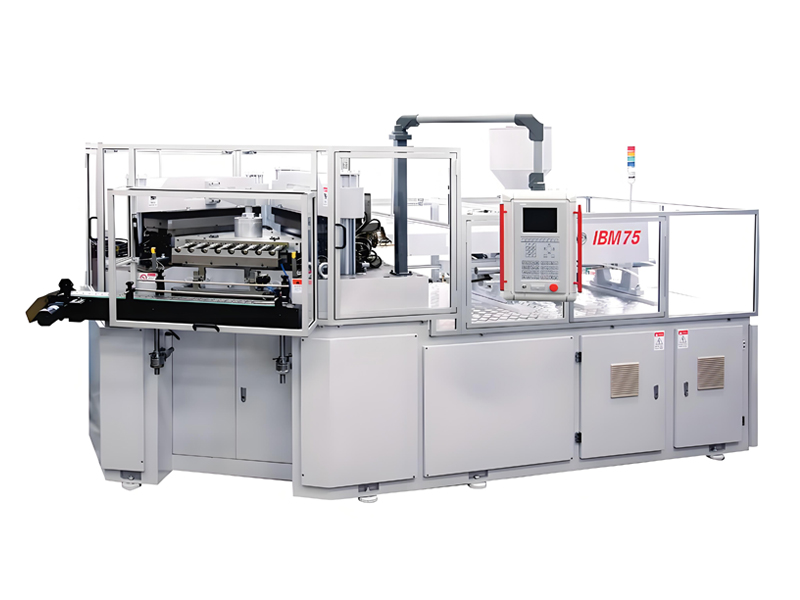
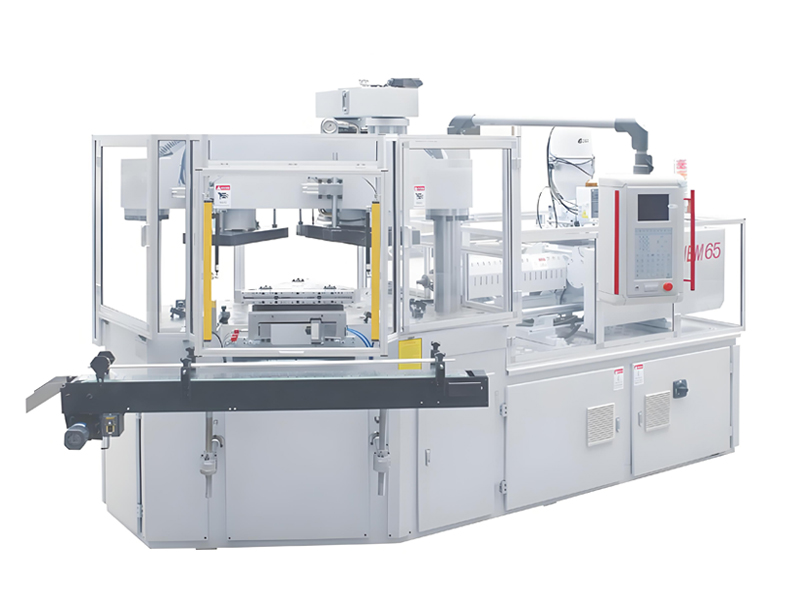
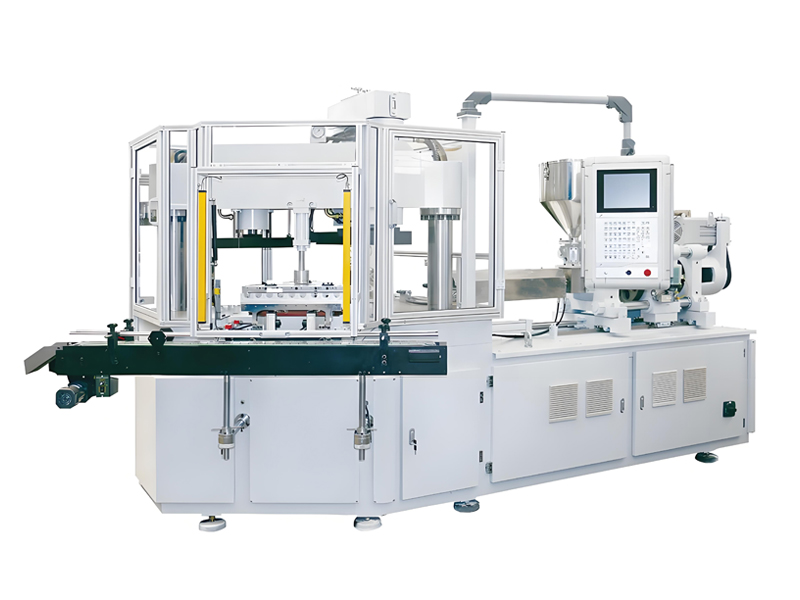
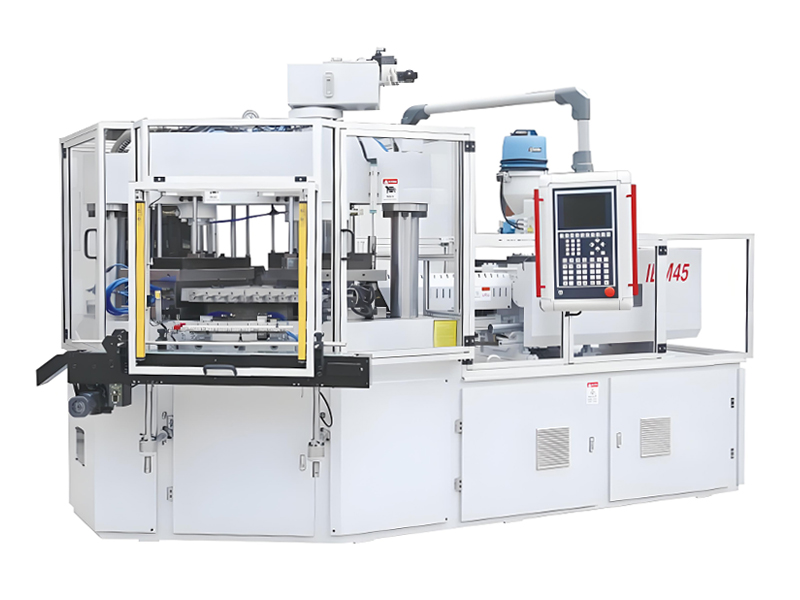
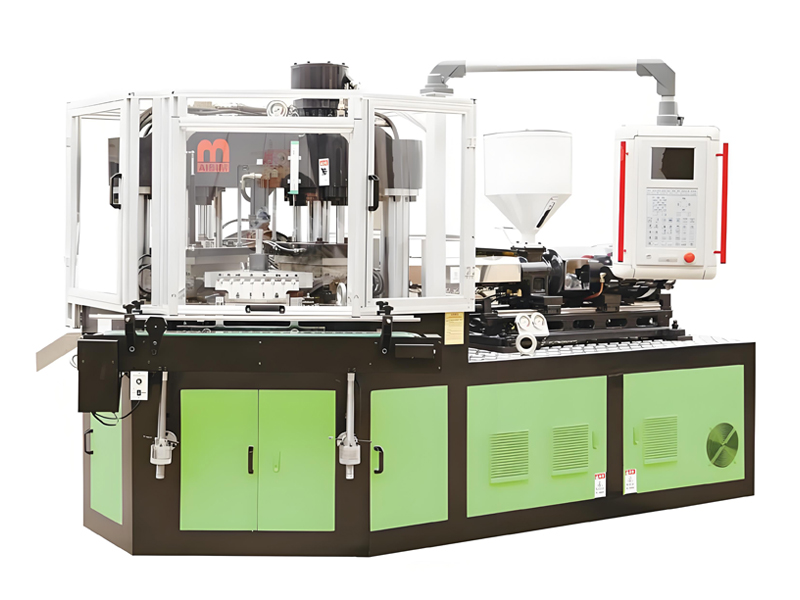
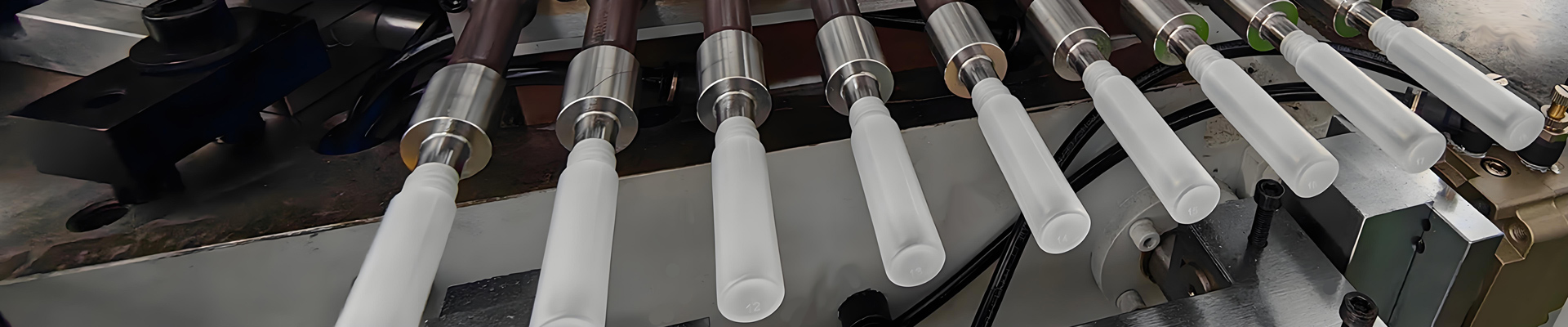
Common eye drop bottle specifications in the market cover 5ml, 8ml, 10ml, 15ml and other mini-capacity vials, all of which belong to small-size hollow plastic products with tiny bottle mouths, thin uniform walls, and high dimensional consistency requirements. Unlike ordinary daily plastic bottles, pharmaceutical eye drop bottles must meet medical-grade sterile packaging standards, with no surface burrs, no internal impurities, stable sealing performance, and excellent chemical resistance to adapt to long-term storage of ophthalmic liquid medicines. The professional Injection Blow Molding Machine has become the core equipment for mass production of qualified eye drop bottles, relying on integrated injection stretching and blowing molding technology to complete one-time forming of high-precision mini vials.
1.2 Technical Threshold of High Precision Mini Vial Molding
Mini eye drop bottle production is completely different from conventional large-capacity plastic bottle molding, with ultra-high technical thresholds in equipment precision control, process parameter matching, and mold manufacturing accuracy. Ordinary blow molding equipment is designed for large and medium-sized packaging bottles, which cannot meet the micron-level dimensional tolerance requirements of mini vials, and is prone to problems such as uneven bottle wall thickness, eccentric bottle mouths, surface shrinkage marks, and unstable bottle body roundness in production. These subtle defects will directly affect the subsequent filling accuracy, sealing tightness, and pharmaceutical safety of eye drop products, leading to unqualified medical packaging certification.
High-precision mini vial production requires the molding equipment to realize synchronous precision control of injection volume, stretching ratio, blowing pressure, and cooling shaping. Each parameter deviation will cause batch product quality fluctuations. AiBiM professional Injection Blow Molding Machine is specially optimized for the structural characteristics and precision standards of eye drop bottles, breaking through the precision bottleneck of ordinary blow molding equipment, and can stably complete mass production of medical-grade high-precision mini eye drop vials with fully compliant product performance.
1.3 Core Advantages of Injection Blow Molding Technology for Eye Drop Bottles
Injection blow molding technology has become the exclusive mainstream process for formal eye drop bottle production, completely superior to secondary blow molding and extrusion blow molding processes. The integrated injection-blow molding process completes preform injection, stretching blowing, and cooling demolding in one equipment, realizing one-time integral molding of eye drop bottles without secondary processing and splicing, which effectively avoids residual bacteria and structural gaps caused by intermediate processing links. The overall bottle body has high integrity, uniform internal and external wall thickness, and stable structural strength, fully meeting medical packaging safety standards.
In addition, the Injection Blow Molding Machine supports ultra-fine parameter adjustment and high-precision mold matching, which can control the dimensional tolerance of mini eye drop vials within ±0.1mm and the wall thickness uniformity above 98%, far exceeding the industry average standard. The automated one-time molding mode also reduces manual intervention, avoids secondary pollution, and improves the batch stability and production efficiency of medical-grade eye drop bottles, which is the core guarantee for standardized production of pharmaceutical packaging enterprises.
2. Core Precision Requirements for Medical-Grade Eye Drop Bottle Production
2.1 Dimensional Accuracy and Structural Standard Requirements
Medical eye drop bottles have unified and strict dimensional standards in the pharmaceutical industry, and all finished products must pass professional medical packaging testing before they can be put into use. Taking the mainstream 10ml eye drop bottle as an example, the overall height tolerance is required to be controlled within ±0.15mm, the bottle outer diameter tolerance within ±0.1mm, and the bottle mouth inner and outer diameter tolerance within ±0.08mm. Ultra-high dimensional accuracy ensures the perfect matching of subsequent medical filling equipment and sealing caps, avoiding liquid leakage, air entry, and medicine deterioration caused by mismatched assembly sizes.
In terms of structural standards, the eye drop bottle wall must be uniform without local thin walls or thick walls, the bottle body roundness deviation is less than 0.2mm, the bottle mouth is smooth and burr-free, and the inner wall has no concave and convex points and residual material edges. These precision indicators cannot be achieved by ordinary blow molding equipment, and must rely on high-precision servo-controlled Injection Blow Molding Machine and professional customized molds to meet the standards.
2.2 Material Safety and Molding Purity Requirements
Eye drop bottles are direct contact pharmaceutical packaging products, and the molding materials are limited to medical-grade PP and HDPE raw materials with high purity, no toxicity, and high chemical stability. The entire molding process must ensure no impurity mixing, no material carbonization, and no secondary pollution to meet sterile medical packaging standards. Ordinary blow molding equipment has rough plasticizing systems, which are prone to incomplete plasticization, material residual carbonization, and impurity precipitation during production, resulting in unqualified product purity.
AiBiM Injection Blow Molding Machine adopts a medical-grade special plasticizing screw and fully closed molding system, which realizes low-shear uniform plasticization of medical raw materials, avoids material thermal degradation and carbonization, and ensures 100% purity of bottle body materials. The fully automated closed production process isolates external dust and bacteria pollution, making the finished eye drop bottles meet GMP medical production standards.
2.3 Surface Finish and Sealing Performance Standards
The surface of qualified medical eye drop bottles needs to be smooth and flat without shrinkage marks, bubbles, pitting, and scratch defects, which not only meets the aesthetic requirements of pharmaceutical products but also avoids bacterial adhesion and residue caused by surface depressions. At the same time, the integral molded bottle body has excellent overall tightness, with no air leakage or liquid seepage after long-term storage, ensuring the stability of ophthalmic liquid medicine during the validity period.
High-precision injection blow molding process can effectively optimize the product surface molding effect and internal structural compactness. Through precise control of melt flow, blowing pressure, and cooling rhythm, the surface finish and sealing performance of mini vials are maximized, fully adapting to the long-term storage and sterile use requirements of medical eye drops.
3. AiBiM Injection Blow Molding Machine Configuration and Technical Advantages for Eye Drop Bottles
3.1 Professional Medical-Grade Precision Molding Configuration
AiBiM independently developed and produced Injection Blow Molding Machine is specially configured for high-precision mini eye drop bottle production, with targeted upgrades in precision control, plasticizing system, and mold matching. The equipment adopts a full servo drive system, realizing fully electronic precise control of injection, stretching, blowing, and demolding actions, with action repetition accuracy up to 0.01mm, completely meeting the micron-level precision production requirements of mini medical vials. Compared with traditional hydraulic equipment, the servo system has more stable operation, smaller vibration, and higher molding accuracy, effectively avoiding product dimensional deviation caused by equipment operation fluctuation.
The equipment is equipped with a medical-grade low-degradation plasticizing screw and barrel assembly, which adopts low-compression ratio gradient plasticizing design, suitable for high-purity PP and HDPE medical raw materials. It can complete uniform plasticization at low temperature and low shear force, ensuring that the molecular structure of medical materials is not damaged, no toxic substances are precipitated, and the purity and safety of eye drop bottle products are guaranteed. The fully closed melt conveying system effectively isolates external impurities and ensures batch product consistency.
3.2 High Uniformity Wall Thickness Control Technology
Wall thickness uniformity is the core technical difficulty of mini eye drop bottle production. Uneven wall thickness will lead to inconsistent bottle body stress, easy deformation during extrusion and storage, and affect the sealing stability of the bottle mouth. AiBiM Injection Blow Molding Machine is equipped with an intelligent dynamic wall thickness adjustment system, which can monitor the melt parison state in real time during the injection and blowing process, and dynamically adjust the stretching speed and blowing flow according to the molding state of mini vials.
This self-adaptive precision control technology controls the wall thickness uniformity of eye drop bottles above 98.5%, far higher than the industry standard of 92%. Whether it is a 5ml ultra-small vial or a 15ml conventional eye drop bottle, it can achieve uniform wall thickness molding of the bottle body, bottle shoulder, and bottle mouth, ensuring stable structural strength and deformation resistance of the finished product.
3.3 Integrated One-Time Molding and High-Yield Advantages
Different from the two-step process of preform injection first and then blow molding adopted by ordinary equipment, AiBiM eye drop bottle special Injection Blow Molding Machine realizes integrated one-time molding. The entire process from raw material plasticization, preform injection, stretching blowing to finished product demolding is completed on one equipment, eliminating intermediate preform transportation, storage, and secondary positioning links. This integrated design not only avoids secondary pollution and positioning errors but also greatly shortens the molding cycle and improves production efficiency.
The equipment supports multi-cavity mold configuration for mini vials, with a single molding cycle of 12-15 seconds. The conventional 4-cavity configuration can produce 960-1200 qualified eye drop bottles per hour, and the 6-cavity high-efficiency configuration can reach 1440-1800 pieces per hour, meeting the large-scale batch production needs of pharmaceutical packaging factories. The product qualification rate is stably maintained above 99.3%, realizing high-efficiency and high-yield standardized production.
3.4 2026 Equipment Price and Complete Set Cost Analysis
In 2026, the market price of AiBiM standard eye drop bottle special Injection Blow Molding Machine (4-cavity conventional configuration) is $28,000-$32,000 FOB. The complete standard configuration includes full servo drive system, medical-grade plasticizing system, intelligent wall thickness control system, high-precision mold clamping system, automatic constant temperature cooling system, and sterile finished product conveying system, which can directly realize mass production of medical-grade eye drop bottles without additional equipment modification and upgrading costs.
The upgraded 6-cavity high-efficiency precision model suitable for large-scale pharmaceutical factories is priced at $33,000-$37,000 FOB, with higher single-hour output and more precise parameter control system. The supporting customized eye drop bottle precision mold cost is $4,000-$6,000 according to different specifications. The total one-time investment of a complete small-scale eye drop bottle production line is controlled at $32,000-$43,000.
The equipment has a service life of more than 12 years, with extremely low failure rate and annual maintenance cost of only $700-$1,000. Compared with ordinary low-precision blow molding equipment that requires frequent debugging, mold replacement, and defective product processing, AiBiM professional equipment can save enterprises more than 20% of annual comprehensive production costs and has extremely high cost performance and long-term return value.
4. Full Production Process of Eye Drop Bottles by Injection Blow Molding Machine
4.1 Pre-Production Material Preparation and Pretreatment
The production of medical eye drop bottles has strict material pretreatment standards, which is the primary link to ensure product safety and qualification. Enterprises need to select medical-grade pure PP or HDPE raw materials with pharmaceutical certification, no additives, and high purity. Before production, the raw materials are screened and dried professionally to remove trace moisture and tiny impurities in the particles. The drying temperature is set at 70-80℃ and the drying time is 2-2.5 hours, which strictly controls the material moisture content below 0.02% to avoid bubble defects and material deterioration during high-temperature molding.
For raw materials stored for a long time, secondary dust removal and impurity removal treatment are required to ensure that the raw materials entering the equipment are 100% pure and pollution-free. The entire pretreatment process is carried out in a dust-free and sterile workshop to avoid secondary contamination of raw materials, laying a foundation for subsequent high-precision molding of qualified eye drop bottles.
4.2 Precision Injection Plasticization and Preform Molding
After pretreatment, the raw materials enter the AiBiM Injection Blow Molding Machine for automatic feeding and closed plasticization. The equipment adopts segmented precise temperature control, setting the feeding section temperature at 165-175℃, compression section at 180-190℃, metering section at 190-200℃, and nozzle temperature at 195-205℃, realizing full and uniform plasticization of medical raw materials without thermal degradation and carbonization.
The servo injection system accurately controls the injection volume and injection speed according to the mini vial specification, with injection volume accuracy controlled within ±0.5g. The low-speed and stable injection mode ensures uniform melt filling of the micro-precision preform mold, forming a high-consistency bottle preform with smooth surface, uniform density, and no internal gaps. The preform dimensional accuracy directly determines the final molding quality of eye drop bottles, and the equipment’s precise injection control completely eliminates preform dimensional deviation defects.
4.3 Synchronous Stretching and Blowing Precision Molding
After the preform injection is completed, the equipment automatically transfers the preform to the blowing station through the rotary turntable, realizing synchronous stretching and blowing integrated molding. For mini eye drop vials, the equipment adopts low-speed uniform stretching mode, with precise control of stretching ratio and stretching speed to ensure uniform stretching of all parts of the preform. The blowing pressure is stably controlled at 0.55-0.65MPa, which is matched with the micro-mold cavity to make the melt fully fit the mold wall.
Different from ordinary equipment with unstable blowing pressure, AiBiM equipment’s constant-pressure blowing system avoids local over-blowing or under-blowing of mini vials, ensuring uniform wall thickness and regular shape of the bottle body. The intelligent wall thickness adjustment system dynamically optimizes the blowing flow in real time according to the molding state, realizing ultra-high-precision molding of small-capacity eye drop bottles.
4.4 Constant Temperature Cooling and Precision Demolding
Mini eye drop bottles have thin walls and small volume, and the cooling shaping rhythm directly affects product dimensional stability and surface finish. AiBiM Injection Blow Molding Machine is equipped with an independent constant-temperature circulating cooling system, which adopts segmented cooling for the bottle mouth, bottle shoulder, and bottle body to realize synchronous uniform cooling of the entire bottle body. The cooling temperature is stably controlled at 25-30℃, and the cooling time is accurately matched according to the bottle specification to avoid product deformation and shrinkage marks caused by uneven cooling.
After cooling and shaping are completed, the equipment adopts balanced slow demolding mode, with precise control of demolding speed and ejection force to avoid scratch damage and edge cracking of tiny bottle mouths. The finished products after demolding have smooth surfaces, regular shapes, and accurate dimensions, fully meeting medical packaging precision standards.
4.5 Post-Production Sterilization and Quality Inspection
After automated production, all eye drop bottles need to pass strict post-production quality inspection and sterile treatment. The finished products are inspected in batches for dimensional accuracy, wall thickness uniformity, surface finish, and sealing performance, and unqualified products are automatically screened out. Qualified products enter the professional medical sterilization link to complete sterile treatment, and finally enter dust-free packaging and warehousing to ensure that the products meet pharmaceutical industry safety standards.
5. Common Production Defects and Precision Optimization Solutions
5.1 Mini Vial Dimensional Deviation and Bottle Mouth Eccentricity
Dimensional deviation and bottle mouth eccentricity are the most common precision defects in eye drop bottle production, mostly caused by unstable equipment operation, inaccurate parameter matching, and mold positioning deviation. Slight eccentricity of the bottle mouth will lead to poor matching with the sealing cap, resulting in liquid leakage and medicine deterioration during use. Ordinary blow molding equipment cannot solve this problem due to low control accuracy, resulting in a high defective rate of mini vials.
AiBiM Injection Blow Molding Machine solves this defect fundamentally through full servo precision control and intelligent parameter matching. The high-precision turntable positioning system ensures zero deviation of mold switching and station conversion, and the dynamic stretching and blowing parameter adjustment system corrects tiny dimensional errors in real time. After equipment optimization and process debugging, the bottle mouth eccentricity rate of eye drop bottles is reduced to below 0.2%, and the dimensional qualification rate reaches 99.3%.
5.2 Uneven Wall Thickness and Local Thin-Wall Defects
Due to the small volume and fine structure of eye drop bottles, uneven melt flow is easy to occur during molding, resulting in local thin walls at the bottle shoulder and bottle bottom, which reduces the compression resistance and drop resistance of the bottle body. In severe cases, the bottle body will deform and crack during extrusion and transportation, affecting product usability.
The intelligent wall thickness control system of AiBiM equipment can dynamically adjust the melt flow and blowing pressure according to the structural characteristics of mini vials, realize balanced stress molding of all parts of the bottle body, and completely eliminate local thin-wall defects. The optimized process ensures that the wall thickness error of each part of the eye drop bottle is controlled within 0.05mm, and the overall wall thickness uniformity is excellent.
5.3 Surface Shrinkage Marks and Bubble Defects
Surface shrinkage marks and internal bubbles of eye drop bottles are mainly caused by incomplete raw material drying, unreasonable temperature parameter setting, and unsmooth mold exhaust. These defects not only affect the appearance of the product but also easily cause bacterial residue and affect the sterile safety of medical packaging.
The targeted optimization solution includes standardized raw material pretreatment drying process, precise segmented temperature parameter adjustment of the Injection Blow Molding Machine, and high-efficiency mold exhaust system configuration. The low-temperature uniform plasticization mode avoids material gas generation, and the full exhaust blowing process eliminates internal bubbles. After optimization, the surface defect rate of eye drop bottles is reduced to below 0.5%, meeting medical-grade packaging appearance and safety standards.
6. Production Cost and Profit Analysis of Eye Drop Bottle Precision Production Line
6.1 Fixed Equipment Investment and Depreciation Cost
The total one-time fixed investment of a small and medium-sized eye drop bottle production line equipped with AiBiM 4-cavity Injection Blow Molding Machine is $32,000-$38,000, including host equipment, precision molds, and auxiliary cooling and conveying equipment. Calculated based on the 12-year service life of the equipment with zero residual value, the monthly fixed depreciation cost of the production line is $220-$265. The equipment has low failure rate and stable performance, with no additional large-scale renovation investment in the later stage, and the fixed cost expenditure is stable and controllable.
6.2 Raw Material and Daily Operating Variable Cost
The main raw material for eye drop bottle production is medical-grade PP particles, with a 2026 market unit price of $1.8-$2.2 per kilogram. The material consumption of a single 10ml eye drop bottle is about 1.2g, and the unit raw material cost is $0.0022-$0.0026. Based on the hourly output of 1000 bottles and 20-hour daily production, the daily raw material cost is about $44-$52, and the monthly raw material expenditure is $13,200-$15,600.
In terms of energy consumption cost, the full-servo energy-saving design of AiBiM Injection Blow Molding Machine reduces idle power consumption by 25% compared with ordinary equipment. The daily water and electricity comprehensive energy consumption cost of a single production line is $35-$42, with a monthly energy consumption cost of $1,050-$1,260. The automated production line only requires 1-2 operators, with a monthly labor cost of $800-$1,000. The monthly equipment maintenance cost is only $60-$90, and the overall variable operating cost is low.
6.3 Single Product Profit and Annual Return Analysis
The factory wholesale price of qualified medical-grade 10ml eye drop bottles in 2026 is $0.012-$0.015 per piece. After deducting raw material, energy consumption, labor, and depreciation costs, the single bottle net profit is $0.006-$0.009. Based on the daily output of 20,000 qualified bottles and 300 days of annual production, the annual total output reaches 6 million pieces, and the annual net profit of the production line is $36,000-$54,000.
The total investment recovery cycle of the entire eye drop bottle production line is 8-11 months, with fast capital turnover and low investment risk. With the improvement of market demand and batch production scale, the fixed cost per unit product is further diluted, and the profit margin will continue to increase, with excellent long-term investment return value.
7. Equipment Operation and Precision Maintenance Guidelines for Long-Term Stable Production
7.1 Standard Pre-Production Parameter Debugging
Before batch production of eye drop bottles, complete standardized precision debugging of the Injection Blow Molding Machine. According to the product specification and raw material characteristics, fine-tune the plasticizing temperature, injection speed, stretching ratio, blowing pressure, and cooling time parameters to ensure that all precision indicators reach the optimal state. Produce 30-50 sample products for dimensional and performance testing, and start batch production only after all indicators are qualified.
Record the optimal parameter data of each specification of eye drop bottles to form a professional parameter database, realizing one-key calling and fast debugging of subsequent production, greatly improving production efficiency and batch quality stability.
7.2 Daily Precision Maintenance and Calibration
The precision components of the Injection Blow Molding Machine need regular daily maintenance and calibration to ensure long-term stable precision output. Clean the screw and melt flow channel every week to remove residual material carbonization and impurities, avoid affecting product purity and molding precision. Calibrate the servo positioning system, wall thickness control system, and pressure sensing system every month to ensure the accuracy of equipment operating parameters.
Regularly check the mold wear and sealing state, polish and maintain the mold regularly, replace aging vulnerable parts in time, and avoid precision deviation caused by equipment wear, ensuring that the product precision qualification rate remains above 99% for a long time.
7.3 Production Environment Standard Management
Eye drop bottle production belongs to medical sterile packaging production, and the production environment directly affects product quality. The production workshop needs to maintain dust-free and sterile standard management, control indoor temperature and humidity stably, and avoid environmental temperature and humidity changes affecting equipment molding precision and product safety. Standardized environmental management cooperates with high-precision Injection Blow Molding Machine production to fully guarantee the high quality and high precision of medical eye drop bottle products.
8. Industry Development Trend and Market Prospect
With the continuous development of the global ophthalmic pharmaceutical industry and the improvement of medical packaging safety standards, the market demand for high-precision, sterile, and high-safety eye drop bottles continues to grow. The market has completely eliminated low-precision, low-safety ordinary blow molding products, and high-standard mini vial products produced by professional Injection Blow Molding Machine have become the mainstream of the market.
In the future, medical plastic packaging will develop towards higher precision, stronger barrier performance, and more intelligent production. AiBiM will continue to upgrade the precision control and intelligent production technology of Injection Blow Molding Machine, optimize the production process of mini medical vials, help pharmaceutical packaging enterprises reduce production costs, improve product precision and qualification rate, and meet the increasingly stringent medical packaging industry standards and market demand.
The eye drop bottle precision production project has the advantages of stable market demand, low investment risk, fast return cycle, and high long-term profit, which is a high-quality and reliable investment direction in the field of medical plastic packaging.
9. Conclusion
High-precision mini eye drop bottle production is a high-standard technical production project in the medical packaging industry, which puts forward extremely high requirements on the precision control, safety performance, and stable operation of molding equipment. Ordinary blow molding equipment cannot meet the dimensional accuracy, surface finish, and sterile safety standards of medical eye drop bottles, while the professional Injection Blow Molding Machine represented by AiBiM perfectly adapts to the production needs of high-precision mini vials.
Through the integrated one-time molding process, intelligent wall thickness precision control, medical-grade safe plasticizing system, and high-efficiency automated production mode, AiBiM equipment effectively solves various precision defects and quality problems in eye drop bottle production, realizes high-yield, high-precision, and low-cost standardized production. With reasonable investment cost, fast capital recovery speed, and stable long-term profit, the equipment provides strong technical and equipment support for the sustainable development of medical ophthalmic packaging enterprises, and occupies a core competitive advantage in the high-precision mini vial production market.