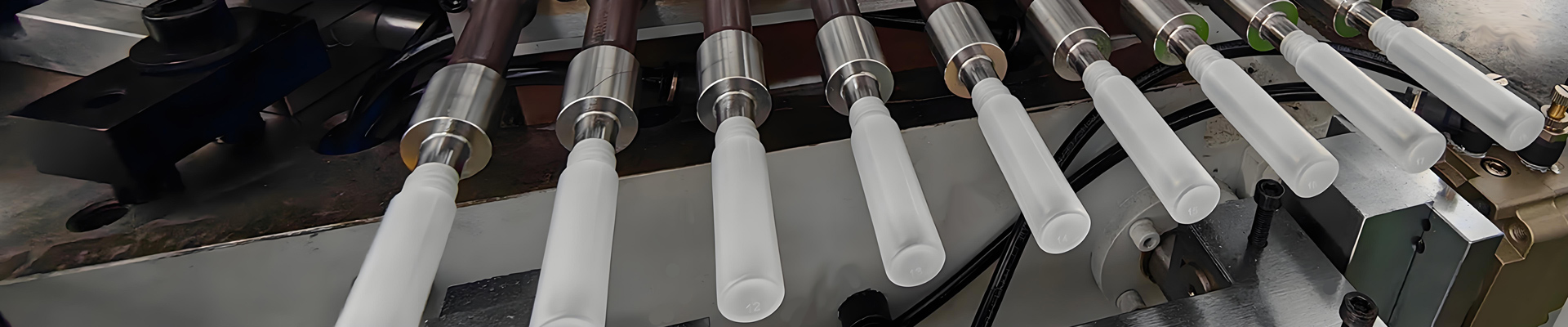
The global cosmetic packaging market is evolving rapidly as consumers and brands pursue higher product texture and sensory experience. Among various packaging forms, frosted cosmetic bottles stand out for their premium matte texture, anti-slip performance, fingerprint resistance and soft visual effect, and are widely used in skincare serums, lotions, essence products and high-end makeup packaging. Compared with ordinary glossy bottles, frosted bottles have higher requirements for molding process and equipment precision. Any small defect on the surface will be amplified under the matte texture, affecting the product grade. As a core process for producing high-precision hollow plastic containers, injection blow molding can achieve excellent frosted surface effect and stable product quality, and has become the preferred production solution for high-end cosmetic packaging.
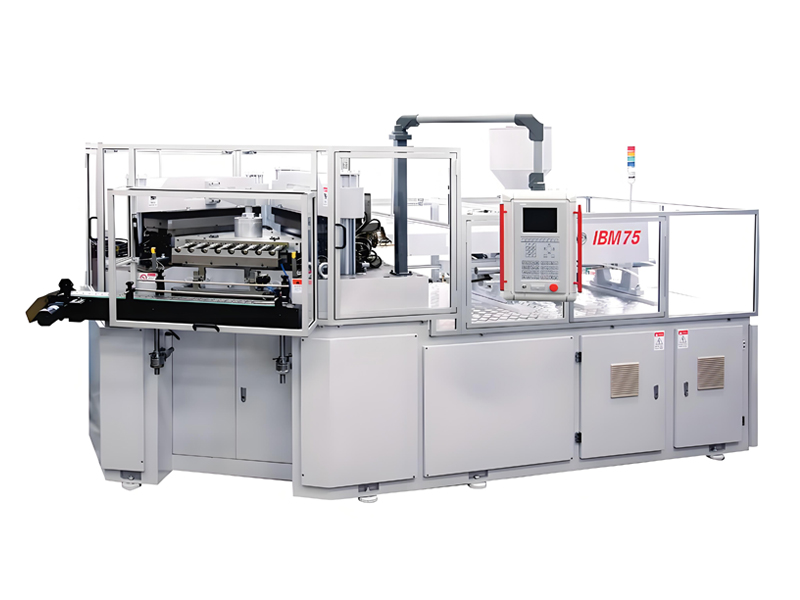
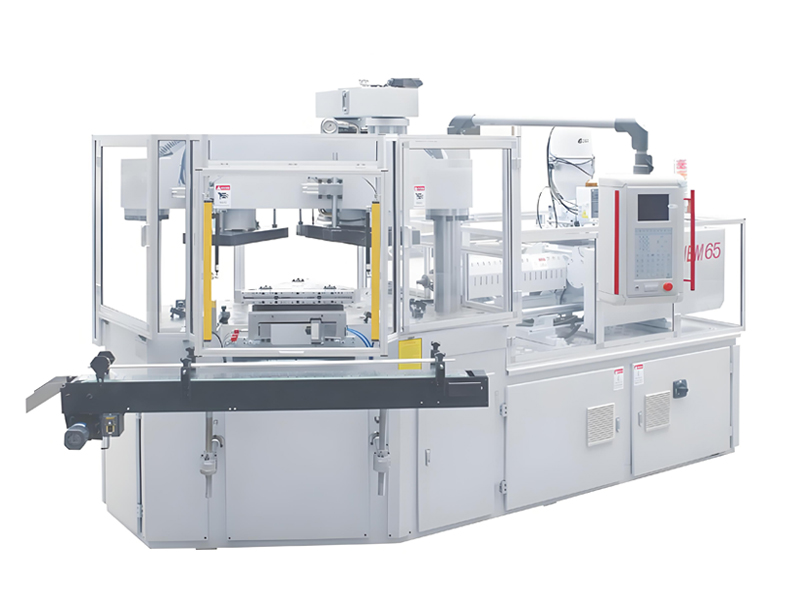
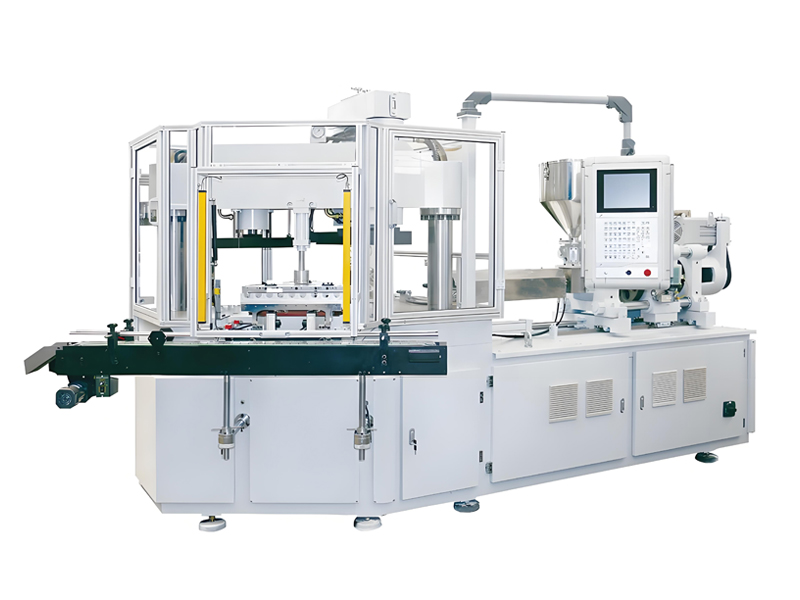
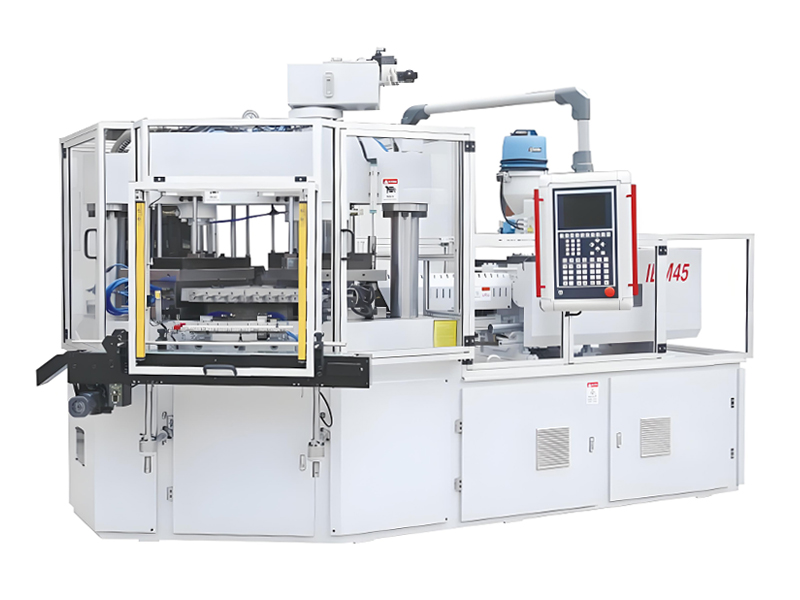
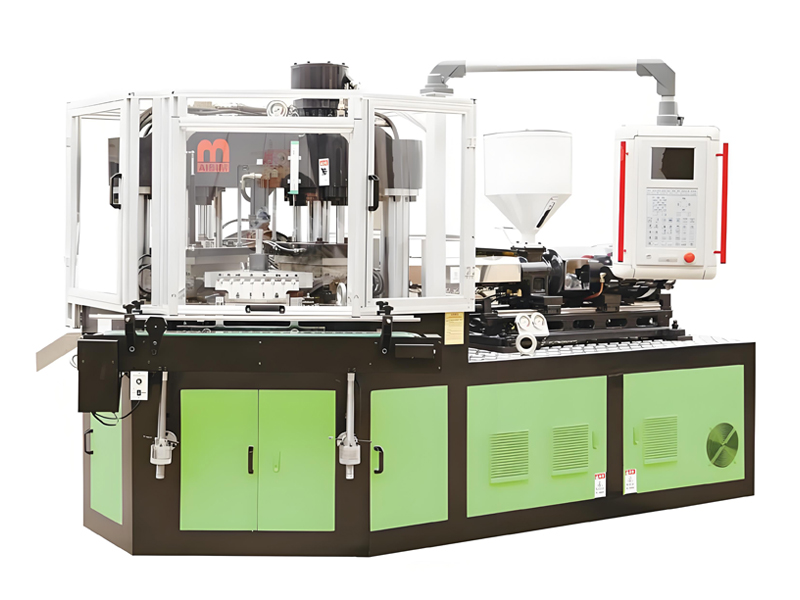
As a professional manufacturer focusing on R&D and manufacturing of injection blow molding equipment, AiBiM has launched a series of high-precision injection blow molding machines specially optimized for frosted cosmetic bottle production based on years of technical accumulation in the cosmetic packaging industry. The equipment has been upgraded in terms of plasticizing uniformity, mold fitting accuracy, temperature control stability and demolding design, which can effectively solve various surface quality problems in frosted bottle molding, help customers produce high-grade frosted cosmetic bottles that meet international brand standards, and gain competitive advantages in the high-end packaging market. This article will systematically explain the quality requirements of frosted cosmetic bottles, the technical difficulties in the molding process, the targeted advantages of AiBiM equipment, the detailed investment return analysis and the best production practices, providing a comprehensive reference for cosmetic packaging manufacturers and investors.
1. Market Demand and Quality Standards for Frosted Cosmetic Bottles
1.1 Growing Popularity of Frosted Finish in Cosmetic Packaging
In recent years, the aesthetic trend of cosmetic packaging has gradually shifted from bright and gorgeous to minimalist and advanced. Frosted surface, with its unique low-key matte texture, has become the first choice for mid-to-high-end cosmetic brands. Different from the highly reflective glossy surface, the frosted surface presents a soft diffuse reflection effect, which can better set off the texture of the product itself and convey a high-end, professional brand image. In addition to visual advantages, frosted bottles also have strong practical value: the matte surface is not easy to leave fingerprints and sweat stains, keeping the bottle clean during use; the increased surface friction improves the anti-slip performance, reducing the risk of slipping and breaking when held by hand; the frosted treatment can also cover minor scratches on the surface of the bottle body, maintaining the appearance quality during transportation and circulation.
Driven by market demand, the types of frosted cosmetic bottles are becoming more and more abundant, from small 5ml eye cream bottles and essence sample bottles to 500ml large-capacity body lotion bottles, covering almost all categories of skincare and makeup packaging. At the same time, the process requirements for frosted effect are also improving. From the initial single uniform frosted effect to the current partial frosted, gradient frosted and frosted with fine texture, higher requirements are put forward for molding equipment and process technology.
1.2 Key Quality Requirements for High-Grade Frosted Cosmetic Bottles
High-quality frosted cosmetic bottles must meet strict standards in terms of appearance, size, performance and hygiene. First of all, the frosted surface must be uniform and delicate, without obvious local brightness difference, flow marks, crystal points, pitting and other defects. The frosted texture of the same batch of products must be highly consistent, and there should be no visual difference between different individuals. For products with special-shaped structures, it is necessary to ensure that the frosted effect of each part such as the bottle body, shoulder and bottom is uniform, and there will be no difference in frosted degree due to structural changes.
Secondly, the dimensional accuracy must meet the high standard. Cosmetic bottles need to be perfectly matched with pump heads, caps, droppers and other accessories, and also need to adapt to high-speed automatic filling production lines. The dimensional tolerance of the bottle mouth, thread and bottle body must be controlled within the range of ±0.05mm to ensure the sealing performance after assembly and the smooth progress of the filling process. At the same time, the wall thickness of the bottle body must be uniform, which not only ensures the consistency of the frosted visual effect, but also guarantees the mechanical strength of the product, avoiding the problem of easy breakage of local thin walls.
In terms of hygiene and safety, cosmetic packaging materials must meet food contact safety standards such as FDA and EU 10/2011, ensuring that no harmful substances migrate into the contents. The production process must meet clean production requirements, avoiding impurities and pollutants mixed in the molding process. In addition, frosted bottles also need to have good chemical resistance, can adapt to various cosmetic ingredients such as acids, alkalis and active substances, and will not have surface corrosion, discoloration and other problems during long-term use.
1.3 Why Injection Blow Molding Is Ideal for Frosted Cosmetic Bottle Production
At present, the main processes for producing plastic cosmetic bottles include extrusion blow molding, injection blow molding and injection stretch blow molding. Among them, injection blow molding has unique advantages in producing high-precision and high-appearance quality frosted bottles, and is the preferred process for high-end cosmetic packaging.
The injection blow molding process first injects the molten plastic into the preform mold to form a preform with accurate size, then transfers the preform to the blow molding mold for blow molding, and finally demolds to obtain the finished product. This two-step molding method can accurately control the wall thickness distribution of the product, and the dimensional accuracy of the bottle mouth is extremely high, which can fully meet the matching requirements of cosmetic bottles and accessories. At the same time, the product formed by injection blow molding has no flash and trim marks on the surface, and the parting line is extremely fine, which will not damage the integrity of the frosted surface, ensuring the perfect appearance of the product.
For frosted effect molding, injection blow molding can directly form a frosted surface through mold surface treatment such as sandblasting and etching, without secondary processing such as spraying and frosting after molding, which not only reduces the production process and cost, but also avoids the problems of uneven spraying and easy falling off of the frosted layer in secondary processing. The frosted layer formed by in-mold molding is integrated with the bottle body, with durable effect and stable quality, which can maintain a good frosted texture during long-term use. In addition, the injection blow molding process has high batch stability, and the quality consistency of products in mass production is good, which can meet the large-scale and high-standard production needs of cosmetic brands.
2. Core Technical Challenges in Producing Frosted Bottles with Injection Blow Molding
Although injection blow molding has natural advantages in producing frosted cosmetic bottles, to achieve high-quality frosted effect and stable mass production, it is necessary to overcome many technical difficulties. Many low-end injection blow molding machines on the market often have various quality problems when producing frosted bottles, which cannot meet the standards of high-end brands.
2.1 Uniformity of Frosted Surface Across the Entire Bottle Body
The most common problem in frosted bottle production is the uneven frosted effect of the bottle body, which shows different brightness in different areas, or local bright spots and dark spots. The root cause of this problem is that the mold surface is not fully fitted during the blow molding process, or the melt temperature and pressure are uneven, resulting in different degrees of replication of the frosted texture on the mold surface by the plastic melt.
For special-shaped bottle bodies with complex curved surfaces, shoulders and bottoms, it is more difficult to ensure uniform frosted effect. The material flow state and cooling speed of different parts are different. If the process parameters are not properly set, it is easy to have the problem that the frosted degree of the shoulder or bottom is inconsistent with that of the bottle body. In addition, if the clamping force of the equipment is insufficient or the parallelism of the template is poor, the mold fitting degree on both sides of the parting line will be different, resulting in obvious difference in frosted effect on both sides of the product, seriously affecting the appearance quality.
2.2 Avoidance of Surface Defects Such as Flow Marks and Crystal Points
Frosted surface has a magnifying effect on defects. Tiny defects that are not easy to detect on glossy bottles will be very obvious on frosted surfaces. Among various surface defects, flow marks and crystal points are the most common and most likely to cause product scrapping.
Flow marks are usually caused by uneven plasticization of materials, unreasonable melt temperature setting or improper blowing speed. When the melt fluidity is inconsistent, fine flow lines will be formed on the surface during blow molding, which appear as bright and dark stripes on the frosted surface, destroying the overall uniform texture. Crystal points are mainly caused by incomplete melting of raw materials, impurities mixed in materials, or degradation of materials due to excessive temperature. These tiny solid particles will protrude on the surface of the bottle body, forming bright spots on the frosted surface, which are very eye-catching and directly lead to product disqualification. For transparent frosted bottles, the requirements for crystal points are more stringent, and even tiny impurities of less than 0.1mm will be judged as defective products.
In addition, problems such as air bubbles, silver streaks and black spots will also seriously affect the quality of frosted bottles. These defects are related to the performance of the plasticizing system of the equipment, the accuracy of temperature control and the rationality of the exhaust structure of the mold. To solve these problems, it is necessary to optimize the equipment from multiple dimensions.
2.3 Parting Line and Demolding Quality Control for Frosted Surfaces
The parting line is an inevitable structural feature of blow molded products, but for high-end frosted cosmetic bottles, the parting line must be controlled to an extremely fine degree, and there must be no burrs, flashes and misalignment. If the parting line is too thick or has burrs, it will not only affect the feel and appearance, but also destroy the integrity of the frosted surface, reducing the product grade.
At the same time, the demolding process is also a key link that is easy to damage the frosted surface. If the demolding angle is unreasonable or the ejection speed is too fast, it will cause friction and scratches between the bottle body and the mold cavity, forming bright marks on the frosted surface, which are difficult to repair. For frosted bottles with deep texture, the problem of demolding difficulty is more prominent. If the equipment does not have precise demolding control, it is easy to cause surface strain and even product deformation during demolding.
In addition, the automatic clamping and conveying device of the equipment may also scratch the frosted surface during the production process. If the manipulator has unreasonable fixture design or inaccurate action, it will leave clamping marks on the bottle body, affecting the appearance quality. Therefore, the entire production process from molding to demolding to conveying needs to be carefully designed to protect the frosted surface from damage.
2.4 Consistency of Mass Production for Large Batch Orders
For cosmetic packaging manufacturers, it is not difficult to produce a small number of qualified frosted bottles. The real challenge is to maintain stable and consistent product quality during long-term mass production. Large cosmetic brands usually have very strict requirements on the color difference and texture consistency of products in the same batch, and the unqualified rate must be controlled below 0.5%.
Many low-end injection blow molding machines have poor stability. During long-term continuous production, problems such as temperature fluctuation, pressure instability and parameter drift are prone to occur, resulting in changes in frosted effect of products produced at different times, and large differences between batches. At the same time, the wear of equipment parts after long-term operation will also lead to a decline in molding accuracy, which will affect the quality stability of frosted products. If the equipment cannot maintain long-term stable production, enterprises will face a high scrap rate and frequent debugging costs, which will seriously affect production efficiency and economic benefits.
3. AiBiM Injection Blow Molding Machines: Optimized Solutions for Frosted Cosmetic Bottles
Focusing on various technical difficulties in the production of frosted cosmetic bottles, AiBiM has carried out targeted optimization and upgrading of its injection blow molding equipment from multiple core systems such as plasticizing, clamping, temperature control, blowing and demolding, ensuring that the equipment can stably produce high-quality frosted cosmetic bottles that meet high-end brand standards.
3.1 High-Precision Plasticizing System for Homogeneous Melt Quality
Uniform and stable melt quality is the basis for achieving high-quality frosted surface. AiBiM injection blow molding machines are equipped with independently developed high-precision plasticizing screws, which are optimized for common materials for cosmetic bottles such as PP, PETG, PCTG and PMMA. The screw adopts a barrier mixing structure, which can realize gradual compression and uniform shearing of materials, ensuring that all raw materials are fully melted and plasticized uniformly, effectively reducing crystal points and flow marks on the product surface. The specially designed mixing section can fully mix the raw materials and masterbatch, ensuring consistent color and texture of the melt, and avoiding the problem of uneven frosted effect caused by uneven material mixing.
The screw and barrel are made of high-quality alloy structural steel, and undergo strict nitriding treatment and precision polishing. The inner wall of the barrel has a smooth surface with no dead corners for material retention, avoiding the problem of material carbonization and black spots caused by long-term retention. For transparent frosted products, AiBiM also provides a polishing treatment scheme for the screw and barrel, which further reduces the generation of crystal points and impurities, and improves the transparency and surface quality of products.
The injection system adopts closed-loop servo control, with accurate injection volume and stable injection pressure, which can ensure consistent melt state in each molding cycle, laying a solid foundation for stable frosted effect of mass-produced products. The injection speed and pressure can be adjusted in multiple stages, and can be set according to the structural characteristics of different products to achieve the best filling effect and avoid surface defects caused by unreasonable melt flow.
3.2 High-Rigidity Clamping System for Accurate Mold Alignment
Accurate mold alignment and sufficient and uniform clamping force are the prerequisites for ensuring uniform frosted effect on both sides of the product and fine parting line. AiBiM injection blow molding machines adopt a double-toggle clamping mechanism optimized by finite element analysis. The template is made of high-strength cast iron as a whole, with good rigidity and small deformation under high pressure, ensuring uniform stress on each part of the mold. The parallelism error of the moving and fixed templates is controlled within 0.03mm, which can ensure that the two halves of the mold are completely fitted after mold closing, avoiding the problem of inconsistent frosted degree on both sides of the product caused by mold gap.
The clamping force adopts stepless adjustment, which can be set accurately according to the product size and material characteristics. The closed-loop pressure control system can ensure the stability of clamping force in each cycle, avoiding flash or insufficient mold closing caused by pressure fluctuation. The clamping speed can be set in stages. In the fast approaching stage, the speed is increased to shorten the cycle time. In the slow mold closing stage, the speed is reduced to ensure accurate mold alignment, avoid impact damage to the mold surface, and protect the frosted texture on the mold surface from wear.
The high-precision guide column and guide sleeve cooperate to ensure that the moving template runs horizontally and stably without offset, and the parting surface of the mold is accurately aligned. The produced frosted bottle has an extremely fine parting line, almost invisible to the naked eye, without burrs and misalignment, which greatly improves the appearance grade of the product. At the same time, accurate mold alignment can also reduce the wear of the mold parting surface, extend the service life of the mold, and reduce the later maintenance cost.
3.3 Multi-Stage Precision Temperature Control for Stable Melt State
Temperature is one of the key factors affecting the frosted effect. Unstable temperature will lead to changes in melt viscosity and fluidity, which will affect the replication effect of the melt on the frosted texture of the mold, resulting in fluctuations in frosted degree. AiBiM injection blow molding machines adopt a multi-stage independent PID temperature control system. Each heating zone is independently controlled, with a temperature control accuracy of ±0.5℃, ensuring that the material is always processed within the optimal temperature range, and the melt state is stable and consistent.
The heating ring adopts high-efficiency ceramic heating elements, which have uniform heating, high thermal efficiency and long service life. Equipped with a forced air cooling device, it can quickly cool down when the temperature is too high, realizing two-way temperature regulation and avoiding material degradation caused by excessive temperature. The temperature of the nozzle and mold can also be precisely controlled. By adjusting the mold temperature, the cooling speed of the product surface can be controlled, so as to adjust the frosted effect. For products requiring a delicate frosted effect, the mold temperature can be appropriately increased to extend the time that the melt fits the mold surface, making the frosted texture more clear and uniform.
The temperature control system has a self-diagnosis function. When the temperature exceeds the set range or the heating ring fails, it will automatically alarm and prompt the fault location, which is convenient for operators to deal with in time, avoiding a large number of defective products caused by temperature abnormalities. Stable temperature control ensures the consistency of product quality in mass production, reduces the debugging time during product changeover, and improves production efficiency.
3.4 Optimized Blowing and Cooling System for Uniform Surface Forming
Reasonable blowing process and uniform cooling are the keys to ensuring that the melt fully fits the mold surface and forms a uniform frosted effect. AiBiM has optimized the blowing system. The blowing pressure and blowing speed can be adjusted in multiple stages. Different blowing parameters can be set for different positions of the bottle body such as the shoulder, body and bottom, so that all parts of the preform can be evenly stretched and attached to the mold cavity surface, ensuring consistent frosted effect of the entire bottle body.
The blowing air source is equipped with a filtration and purification device to ensure that the compressed air is clean and free of impurities, avoiding pollution to the inner wall of the bottle and the surface of the mold. For high-end frosted bottle production, an optional drying and dehumidification device can be configured to remove moisture in the compressed air and avoid water marks and air spots on the product surface.
The cooling system adopts a balanced circulating water channel design. The cooling water channels are evenly distributed around the mold cavity, ensuring that the temperature of each part of the mold is consistent, and avoiding the difference in frosted effect caused by uneven cooling. The cooling water flow and temperature can be independently adjusted, and the optimal cooling parameters can be set according to different materials and product structures, which not only ensures the forming quality, but also shortens the cooling time and improves production efficiency. Uniform cooling can also reduce the internal stress of the product, avoid the problem of surface gloss change caused by post-shrinkage of the product, and maintain the long-term stability of the frosted effect.
3.5 Clean Production Design to Meet Cosmetic Hygiene Requirements
Combined with the hygienic requirements of cosmetic packaging production, AiBiM has optimized the equipment structure from multiple details to achieve clean production and avoid product pollution. All parts in contact with raw materials, such as hoppers, feeding pipes, screws and barrels, are made of food-grade stainless steel or non-toxic alloy materials, which meet international food contact safety standards and will not pollute the raw materials.
The whole machine adopts a fully enclosed structure design, which can effectively prevent external dust and impurities from entering the production area, and is suitable for use in clean workshops. The surface of the equipment is smooth and easy to wipe and clean, and there is no dead corner for dust accumulation, which helps to maintain the cleanliness of the production environment. The edge material crushing and recycling system is equipped with a dust removal device, which can filter out fine debris and dust generated during crushing, avoiding impurities mixed into the recycled materials and affecting the surface quality of frosted bottles.
For production scenarios with higher cleanliness requirements, AiBiM can also provide a fully automatic production line scheme. From raw material conveying to finished product collection, the whole process is closed and automated without manual contact with products, which not only reduces labor costs, but also avoids surface scratches and pollution caused by manual operation, ensuring the cleanliness and appearance quality of frosted bottles.
4. AiBiM Product Portfolio for Frosted Cosmetic Bottle Manufacturing
AiBiM provides a variety of models of injection blow molding machines for different production scales and product types of frosted cosmetic bottles, covering all capacities from 5ml small sample bottles to 500ml large-capacity body lotion bottles. Customers can choose the most suitable equipment according to their own product positioning, output demand and budget.
4.1 IBM-2S Series Double-Station Injection Blow Molding Machine
The IBM-2S series is a cost-effective model suitable for small and medium-sized cosmetic packaging manufacturers and start-up brands. It adopts a double-station design, which can alternately perform injection preform and blow molding, with moderate production capacity and high cost performance. This series of models is suitable for producing frosted cosmetic bottles with a capacity of 5ml to 200ml, such as essence bottles, eye cream bottles, lotion sample bottles, etc. It can process various common cosmetic packaging materials such as PP, PETG and PCTG.
The standard configuration of IBM-2S includes a high-precision plasticizing screw, a PLC touch screen control system, a hydraulic clamping mechanism and a semi-automatic demolding device. It can meet the production of conventional frosted bottles, and the product quality meets the mid-to-high-end market standards. Customers can also choose to upgrade the servo drive system, online quality inspection device and automatic feeding system according to actual needs to further improve production accuracy and automation.
The FOB Shanghai price of the standard 2-cavity IBM-2S injection blow molding machine ranges from 28,000 US dollars to 38,000 US dollars. The specific price varies according to the configuration grade and optional functions. This model has small floor area and low initial investment, and is very suitable for enterprises with many product types and small batch size of single product.
4.2 IBM-4S Series Multi-Cavity High-Speed Injection Blow Molding Machine
The IBM-4S series is a high-efficiency model for large-scale mass production, adopting a four-station rotary design, which can simultaneously complete multiple processes such as injection preform, blow molding, demolding and preheating, with greatly improved production efficiency. This series of models is suitable for producing frosted cosmetic bottles with a capacity of 30ml to 500ml, such as lotion bottles, facial cleanser tubes, toner bottles, etc. It can be configured with 4 cavities, 6 cavities or even 8 cavities according to product size, with high output per unit time, and is suitable for large orders of well-known cosmetic brands.
The IBM-4S series is equipped with a servo-driven rotary indexing mechanism, with accurate positioning and fast station switching, which effectively shortens the molding cycle. The whole machine adopts a fully enclosed protective cover, which is safe and beautiful, and meets the requirements of clean production. Equipped with an automatic product conveying and testing system, it can realize fully automatic production from raw materials to finished products, with less manual intervention and stable product quality.
The FOB Shanghai price of the standard 4-cavity IBM-4S injection blow molding machine ranges from 65,000 US dollars to 85,000 US dollars. The price of high configuration models with 6 cavities and full servo drive ranges from 90,000 US dollars to 110,000 US dollars. Although the initial investment of this model is relatively high, its production efficiency is 2 to 3 times that of the double-station model, and the unit production cost is lower. For enterprises with stable large orders, the investment return speed is faster.
4.3 Cost Analysis and ROI Calculation
Taking the most widely used IBM-4S 4-cavity injection blow molding machine as an example, we calculate the investment cost and return in detail for producing 50ml frosted PP essence bottles.
In terms of initial investment, the main engine of the standard configuration IBM-4S 4-cavity machine costs about 75,000 US dollars. A set of 4-cavity frosted essence bottle mold costs about 7,000 US dollars. Supporting auxiliary equipment including automatic feeder, raw material dryer, industrial chiller and air compressor costs about 10,000 US dollars in total. Installation, commissioning and operator training services are included in the equipment quotation, and only the round-trip travel expenses of engineers for overseas customers need to be paid, about 3,500 US dollars. The initial spare parts package costs about 2,000 US dollars. The total initial investment is about 97,500 US dollars.
In terms of annual operating costs, calculated based on 300 working days per year and 20 hours of effective production per day, the equipment produces about 1,200 qualified frosted bottles per hour, with an annual output of about 7.2 million pieces. The raw material cost of a single 50ml frosted PP bottle is about 0.025 US dollars, and the annual raw material cost is about 180,000 US dollars. The total installed power of the equipment is about 35kW, the actual average operating power is about 22kW, calculated at an industrial electricity price of 0.1 US dollars per kWh, the annual electricity cost is about 13,200 US dollars. A production line is equipped with 2 operators, and the annual labor cost is about 12,000 US dollars based on an average monthly salary of 500 US dollars per person. The annual maintenance and spare parts cost is about 3% of the equipment price, about 2,250 US dollars. The annual plant rent and other management expenses are about 8,000 US dollars. Excluding raw material costs, the annual operating cost is about 35,450 US dollars.
In terms of revenue, the ex-factory price of each qualified frosted essence bottle is about 0.06 US dollars, and the gross profit per unit product excluding raw materials is 0.035 US dollars. The annual gross profit is about 252,000 US dollars. After deducting operating costs such as electricity, labor and maintenance, the annual net profit is about 216,550 US dollars. Calculated in this way, the static investment payback period is about 0.45 years, that is, the initial investment can be recovered in about 5.4 months. Even if calculated based on 70% capacity utilization, the investment payback period is only about 7.7 months, and the return on investment is very considerable.
Compared with low-end injection blow molding machines on the market, although AiBiM equipment has a higher initial purchase price, it has obvious advantages in product qualification rate, energy consumption level, failure rate and service life. The product qualification rate of low-end equipment is usually only about 90%, while AiBiM equipment can reach more than 99%, which can save a lot of raw material waste costs every year. At the same time, high-quality equipment has a longer service life and lower long-term total cost of ownership. For enterprises focusing on high-end markets, choosing AiBiM high-precision injection blow molding machines is a more cost-effective investment decision.
5. Best Practices for High-Quality Frosted Cosmetic Bottle Production
With high-quality injection blow molding equipment, it is also necessary to match scientific production processes and standardized management to continuously produce high-quality frosted cosmetic bottles. The following are the best practical experience summarized by AiBiM based on years of industry service experience.
5.1 Raw Material and Masterbatch Selection and Processing Tips
The quality of raw materials directly affects the frosted effect of products. When selecting raw materials, food-grade or medical-grade resin particles specially used for cosmetic packaging should be selected, with good fluidity and stable molecular weight distribution, which is conducive to obtaining a uniform frosted surface. For frosted bottles that need to have a certain degree of transparency, PETG and PCTG materials with high transparency are preferred, which can present an advanced semi-transparent frosted texture.
There are two main ways to achieve frosted effect: one is to form frosted texture through mold surface treatment, and the other is to add frosted masterbatch to raw materials. In actual production, the two methods are usually combined to achieve the best effect. When selecting frosted masterbatch, products with uniform particle size and good dispersion should be selected. Poor quality masterbatch will cause uneven frosted effect and even produce large particles of impurities. The addition ratio of frosted masterbatch should be adjusted according to the expected frosted concentration. Generally, the addition ratio is between 2% and 8%. Too high a ratio will reduce the mechanical strength of the product.
Before production, raw materials must be fully dried, especially hygroscopic materials such as PETG. If the moisture content is too high, bubbles and silver streaks will be generated inside the product, which will affect the surface quality. The drying temperature and time should be strictly in accordance with the material supplier’s recommendations to ensure that the moisture content is controlled below 0.02%. At the same time, pay attention to the cleanliness of raw materials to avoid mixing impurities and foreign matters.
5.2 Mold Surface Treatment and Daily Maintenance
The quality of the mold directly determines the frosted effect of the product. The frosted mold usually adopts sandblasting or chemical etching treatment. The sandblasting process is low in cost and easy to operate, suitable for conventional frosted effect; the etching process can achieve more delicate and uniform frosted texture, and can also make various special texture effects, suitable for high-end product requirements. No matter which treatment process is adopted, it is necessary to ensure that the frosted texture of the entire cavity surface is uniform and consistent, without local difference.
In daily production, attention should be paid to the protection and maintenance of the mold frosted surface. When installing and debugging the mold, avoid hard objects scratching the cavity surface. When the production is stopped, the mold should be cleaned in time, coated with anti-rust oil, and stored in a dry and dust-free environment to avoid rust and pollution on the frosted surface. After the mold has been used for a period of time, the frosted texture will be worn and become lighter due to long-term material scouring and mold clamping friction. At this time, the mold needs to be re-sandblasted or etched to restore the frosted effect. Regular maintenance of the mold can keep the product quality stable and extend the service life of the mold.
In addition, the exhaust system of the mold should be checked regularly to keep the exhaust groove unobstructed. Poor exhaust will cause air trapping, resulting in local frosted effect difference and scorching on the product surface. The cooling water channel should also be cleaned regularly to prevent scale from blocking the water channel and affecting the cooling uniformity.
5.3 Process Parameter Tuning for Optimal Frosted Effect
Reasonable setting of process parameters is the key to obtaining high-quality frosted effect. Operators should adjust according to different materials, product structures and mold conditions to find the optimal parameter combination.
The melt temperature is the primary factor affecting the frosted effect. Appropriately increasing the temperature can improve the fluidity of the melt, make the material better fit the mold surface, and the frosted texture is more clear and delicate. However, if the temperature is too high, it will cause material degradation, yellowing and even carbonization, which will produce black spots and impurities. The temperature should be adjusted within the recommended processing temperature range of the material according to the actual effect.
Blowing pressure and blowing speed also have a significant impact on the frosted effect. Appropriately increasing the blowing pressure can make the melt fit the mold wall more tightly, and the replication of the frosted texture is more complete. However, if the pressure is too high, it will increase the internal stress of the product and even cause flash. The blowing speed should be set reasonably. Too fast a speed is easy to cause uneven material stretching and form flow marks on the surface; too slow a speed will cause the material to cool down before it is fully formed, resulting in unclear frosted texture.
Mold temperature is another important adjustment factor. Higher mold temperature is conducive to the full flow of materials and the formation of uniform frosted texture, but it will prolong the cooling time and reduce production efficiency. Lower mold temperature can shorten the cycle, but if it is too low, it will lead to poor surface frosting and even produce bright spots. In actual production, it is necessary to balance the relationship between product quality and production efficiency, and select the appropriate mold temperature.
6. Conclusion
With the continuous upgrading of consumer aesthetics and the increasingly fierce competition in the cosmetic industry, the quality requirements for cosmetic packaging are getting higher and higher. Frosted cosmetic bottles, as a popular high-end packaging form, have broad market prospects, but also put forward higher requirements for production equipment and processes. Choosing a professional high-precision injection blow molding machine is the key for enterprises to produce high-quality frosted bottles and gain market competitive advantages.
As a professional manufacturer focusing on the R&D and manufacturing of injection blow molding equipment, AiBiM always takes product quality and technological innovation as the core driving force for development. Its series of injection blow molding machines have been carefully optimized for the production needs of frosted cosmetic bottles. They have outstanding advantages in plasticizing uniformity, molding accuracy, quality stability and production efficiency, and can help customers produce high-grade frosted cosmetic bottles that meet international brand standards. At the same time, AiBiM provides comprehensive pre-sales and after-sales services, from scheme design, installation and commissioning to technical support and spare parts supply, fully escorting customers’ production and operation.
Whether you are a small and medium-sized cosmetic packaging factory seeking product upgrading or a large packaging group planning to expand high-end production capacity, AiBiM can provide targeted solutions and high cost-effective equipment products. With professional technical strength and sincere service attitude, AiBiM looks forward to working with global customers to explore the high-end cosmetic packaging market and achieve win-win development.