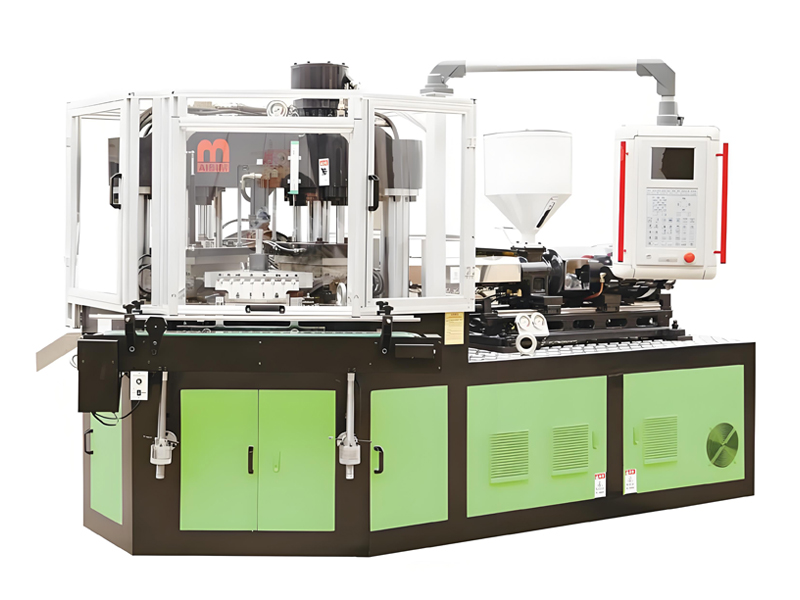
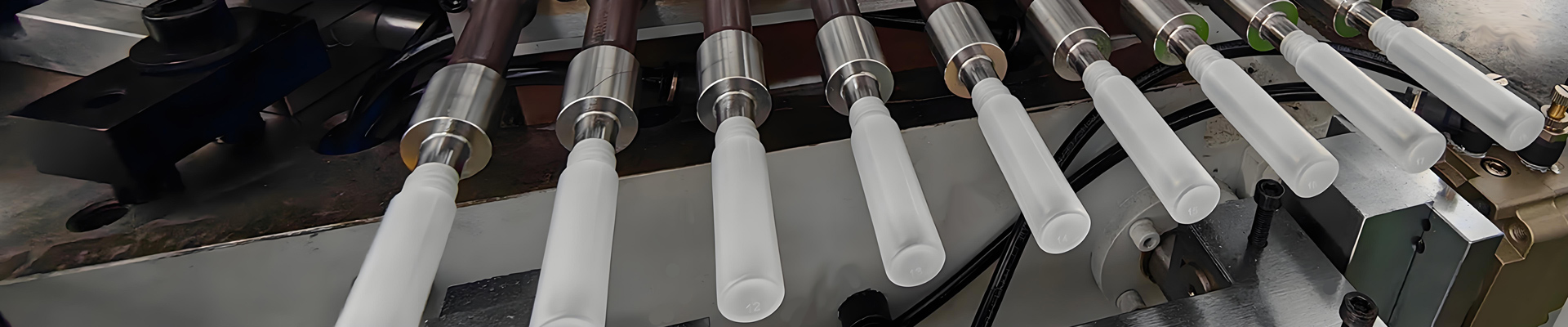
Agricultural spray bottles represent critical components in modern farming operations, enabling efficient application of pesticides, herbicides, fertilizers, and other agricultural chemicals. The increasing demand for larger capacity spray bottles drives adoption of advanced injection blow molding technology for high-volume production. AiBiM injection blow molding machines offer exceptional capabilities for manufacturing agricultural spray bottles with capacities from 500ml to 1000ml, providing the efficiency, precision, and reliability required for agricultural packaging applications. This comprehensive analysis explores injection blow molding technology specifically optimized for agricultural spray bottle production, examining machine specifications, material requirements, design considerations, operational efficiency, and economic advantages for agricultural packaging manufacturers.
Agricultural Spray Bottle Production Requirements
Agricultural spray bottles face unique requirements distinguishing them from general consumer packaging applications. The need for larger capacities, chemical resistance, durability in harsh environments, and cost-effective production creates specific demands on injection blow molding technology. Agricultural chemicals including pesticides and herbicides require packaging materials that resist chemical degradation while maintaining product integrity. The harsh outdoor environments and rough handling typical of agricultural operations demand robust container construction that withstands drops, impacts, and exposure to sunlight without failure.
Production requirements for agricultural spray bottles include high-volume output to meet seasonal demand, consistent quality to ensure reliable spray performance, and cost-efficient manufacturing to maintain competitive pricing in price-sensitive agricultural markets. AiBiM injection blow molding machines address these requirements through advanced design features including robust construction for large container production, precision control systems for consistent quality, and energy-efficient operation that reduces production costs. The machines capacity for containers up to 1000ml with heights up to 230mm makes them ideal for agricultural spray bottle applications requiring larger capacities than typical consumer products.
Large Capacity Production Capabilities
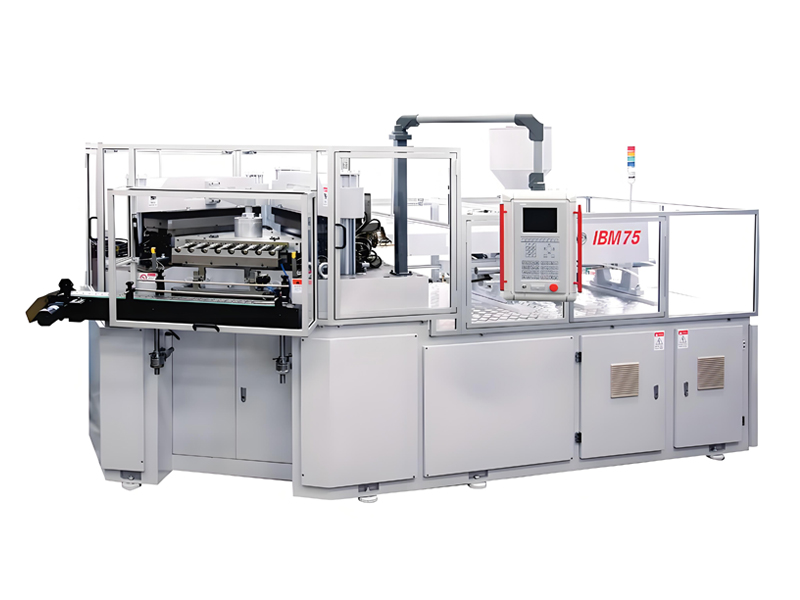
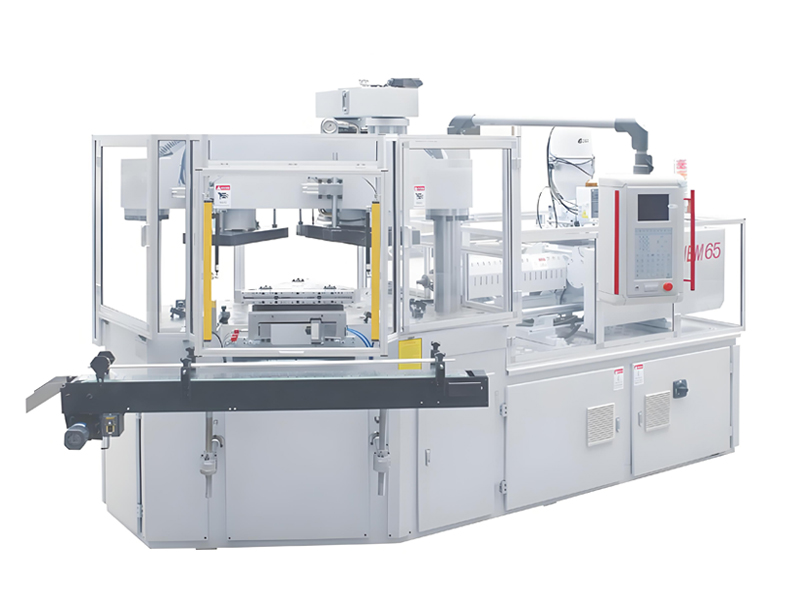
The trend toward larger agricultural spray bottles requires injection blow molding machines capable of producing containers with substantial volumes while maintaining quality and efficiency. AiBiM injection blow molding machines specifically address this requirement through models designed for large container production. The IBM65 model produces containers up to 1000ml with maximum dimensions of 230mm height and 100mm diameter. The larger IBM75 model provides enhanced capabilities for maximum capacity applications. These machines incorporate robust clamping systems, substantial injection volumes, and advanced process control to ensure consistent quality in large container production.
Large capacity production presents specific challenges including proper material distribution to prevent thin spots, adequate cooling to maintain cycle times, and sufficient clamping force to prevent flash during injection. AiBiM machines address these challenges through PRE-FILL technology that optimizes material distribution, efficient cooling systems with mold heating power up to 6.0kW, and clamping forces up to 750kN on the IBM75 model. These features enable efficient production of 1000ml agricultural spray bottles with consistent wall thickness, proper dimensional accuracy, and production rates suitable for high-volume agricultural packaging requirements.
Chemical Resistance Requirements
Agricultural spray bottles must resist chemical degradation from pesticides, herbicides, fertilizers, and other agricultural chemicals. Material selection becomes critical for ensuring product integrity and preventing container failure that could result in chemical spills or environmental contamination. AiBiM injection blow molding machines process a wide range of chemically resistant materials including HDPE, PP, and specialized compounds designed for agricultural chemical packaging. The machines ability to process these materials with precise control over processing parameters ensures containers achieve optimal chemical resistance properties.
The injection blow molding process creates containers with uniform wall thickness and minimal stress, both important factors in chemical resistance. Non-uniform wall thickness can create weak points where chemical penetration or stress cracking occurs. The precision of AiBiM machines ensures consistent wall thickness distribution across all container surfaces, including corners and transitions where stresses concentrate. The process control capabilities enable optimization of processing parameters for each material type, maximizing chemical resistance while maintaining production efficiency.
Durability and Impact Resistance
Agricultural spray bottles experience rough handling during field use, including drops from heights, impacts against equipment, and exposure to temperature extremes. Container durability becomes essential for preventing failures that could interrupt agricultural operations or create safety hazards. The material properties combined with container design determine impact resistance. AiBiM injection blow molding machines produce containers with consistent material properties and proper design features including adequate wall thickness, smooth transitions, and reinforced stress points.
The precision of injection blow molding ensures uniform material distribution without thin spots or stress concentrations that could compromise impact resistance. Control over processing parameters including injection pressure, mold temperature, and cooling rates enables optimization of material properties for maximum durability. The machines ability to produce containers with consistent quality across production runs ensures every bottle meets required durability specifications. This consistency is particularly important for agricultural applications where container failure could have serious consequences.
Cost-Effective Production Needs
Agricultural packaging faces significant price pressures due to the cost-sensitive nature of farming operations. Manufacturers of agricultural spray bottles must balance quality requirements with cost-efficient production to maintain competitive pricing. AiBiM injection blow molding machines address cost-efficiency requirements through multiple features including energy-saving technology that reduces operating costs by minimum 35%, high production rates that spread fixed costs across large volumes, and material efficiency that minimizes waste. These features collectively contribute to cost-effective agricultural spray bottle production while maintaining quality standards.
The energy efficiency of AiBiM machines represents substantial ongoing cost savings. The PRE-FILL technology and variable displacement pump systems reduce energy consumption compared to conventional injection blow molding machines. For agricultural spray bottle production facilities operating multiple machines for extended hours, these energy savings amount to thousands of dollars annually. The high production rates of AiBiM machines, up to 1,500-4,000 jars per hour on larger models, enable efficient high-volume production that reduces unit costs through economies of scale.
Machine Specifications for Agricultural Applications
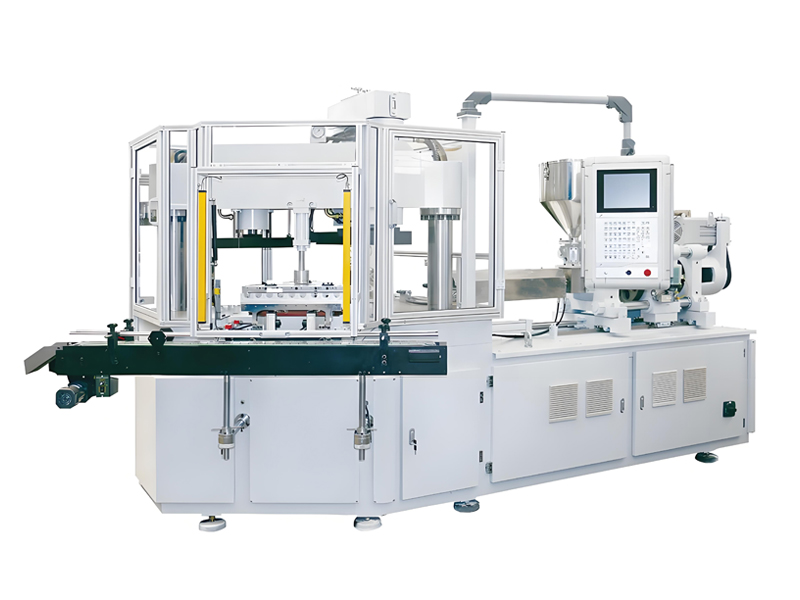
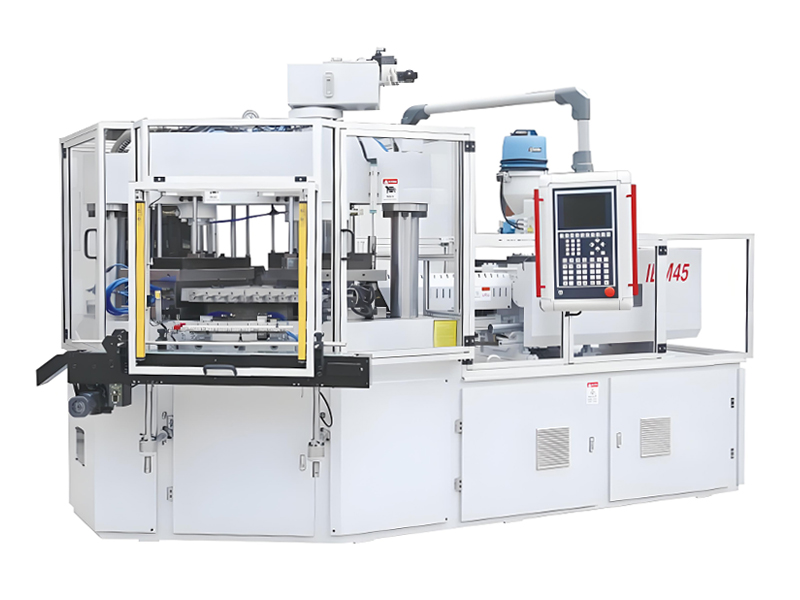
AiBiM offers a range of injection blow molding machine models suitable for agricultural spray bottle production, each with specific capabilities addressing different production requirements. Understanding machine specifications enables selection of appropriate equipment for specific agricultural packaging applications. The models range from the IBM35 for smaller volume production to the IBM75 for maximum capacity requirements, with options including standard hydraulic systems, servo rotary configurations, and all-electric injection mechanisms.
IBM65 Model Capabilities
The IBM65 model represents an excellent choice for agricultural spray bottle production requiring capacities up to 1000ml. This model features injection capacity of 314g, adequate for producing large containers with substantial wall thickness. The clamping force of 650kN provides sufficient force for injection molding large parisons without flash formation. The blow molding clamping force of 89kN ensures proper container formation even for large diameter containers up to 100mm. The maximum container dimensions of 230mm height and 100mm diameter cover most agricultural spray bottle requirements.
The IBM65 model includes substantial injection system with screw diameter of 50mm and injection speed optimized for large parison production. The machine features barrel heating power of 9.6kW providing adequate thermal capacity for processing polyethylene and polypropylene materials commonly used for agricultural packaging. The mold heating power of 4.8kW enables proper temperature control for large molds used in agricultural spray bottle production. This model balances production capability with investment cost, providing an economical solution for agricultural spray bottle manufacturers requiring capacity up to 1000ml.
IBM75 Model Advantages
The IBM75 model represents the premium choice for maximum capacity agricultural spray bottle production. This model offers the largest injection capacity in the AiBiM lineup at 400g, enabling production of very large containers or multi-cavity molds for high-volume production. The clamping force of 750kN provides superior force for large parison injection, accommodating complex agricultural spray bottle designs with multiple features. The blow molding clamping force of 150kN ensures proper container formation for the largest diameter containers up to 100mm.
The IBM75 model features screw diameter of 50mm with enhanced injection capabilities for processing large volumes of material. The barrel heating power of 12kW provides exceptional thermal capacity for processing high-viscosity materials or multiple materials in co-injection applications. The mold heating power of 6.0kW ensures proper temperature control for large molds or multi-cavity configurations. This model provides maximum production capabilities for agricultural spray bottle manufacturers requiring high-volume output or processing of specialized materials with challenging processing requirements.
Optional Feature Configurations
AiBiM injection blow molding machines offer optional features that can enhance agricultural spray bottle production capabilities. The optional servo rotary system replaces hydraulic rotary mechanisms with electric servo drives, providing several advantages including enhanced precision, reduced energy consumption, and lower maintenance requirements. This option reduces energy consumption by 40-50% for the rotary function while improving accuracy in core rod positioning, particularly beneficial for large containers requiring precise material distribution.
The optional all-electric injection system provides maximum precision and cleanliness, ideal for agricultural applications requiring exceptional quality or processing of specialized materials. This system eliminates hydraulic oil contamination risks while providing precise injection control for critical applications. Other optional features include enhanced safety systems, advanced process monitoring, and integration capabilities for automated production lines. Selection of appropriate options depends on specific production requirements, quality standards, and operational environment factors.
Model Selection Guidelines
Selecting the appropriate AiBiM injection blow molding machine model for agricultural spray bottle production requires analysis of multiple factors. Production volume requirements determine whether standard capacity models or enhanced capacity models provide better value. Current production needs combined with growth projections should guide model selection. Container specifications including maximum capacity, dimensions, and required production rates influence clamping force and injection capacity requirements. Material characteristics including viscosity, processing temperature, and melt flow properties affect heating and cooling system requirements.
For manufacturers producing agricultural spray bottles up to 1000ml with moderate production volumes, the IBM65 model often provides optimal balance of capability and cost. This model delivers adequate clamping force and injection volume for most agricultural applications while representing moderate investment. For high-volume production facilities requiring maximum output or processing of specialized materials, the IBM75 model provides enhanced capabilities that justify the higher investment. Production facilities should also consider future expansion requirements when selecting equipment to avoid limitations as business grows.
Material Selection for Agricultural Spray Bottles
Material selection significantly impacts agricultural spray bottle performance, cost, and manufacturability. The wide material compatibility of AiBiM injection blow molding machines enables selection of optimal materials based on specific application requirements. Common materials for agricultural spray bottles include various polyethylene and polypropylene grades, each offering distinct advantages in chemical resistance, durability, processability, and cost characteristics.
High-Density Polyethylene Properties
High-density polyethylene represents the most common material choice for agricultural spray bottles due to its excellent chemical resistance, impact strength, and cost-effectiveness. HDPE provides superior resistance to a wide range of agricultural chemicals including many pesticides, herbicides, and fertilizers. The material exhibits good impact strength even at low temperatures encountered during agricultural operations in various climates. HDPE processing characteristics make it suitable for injection blow molding with relatively moderate processing requirements.
AiBiM injection blow molding machines process HDPE efficiently with barrel temperatures typically between 180-220C depending on specific grade and container thickness. The PRE-FILL technology optimizes HDPE processing by pre-filling circuits to reduce energy peaks during injection. The variable displacement pump systems adjust hydraulic output based on actual HDPE processing requirements rather than constant operation, reducing energy consumption while maintaining quality. These features enable cost-effective HDPE agricultural spray bottle production while maintaining required quality standards.
Polypropylene Applications
Polypropylene offers specific advantages for agricultural spray bottle applications requiring higher temperature resistance or enhanced clarity. PP provides better resistance to higher temperatures, enabling use with hot-fill applications or products requiring pasteurization processes. The material offers slightly better clarity than HDPE, allowing visibility of product contents when desirable for agricultural applications. PP exhibits higher stiffness than HDPE, providing improved rigidity that may benefit certain spray bottle designs.
Polypropylene processing requires higher temperatures than HDPE, typically ranging from 200-250C. AiBiM injection blow molding machines accommodate these higher processing requirements through substantial barrel heating power ranging from 7.2kW on smaller models to 12kW on the IBM75 model. The multiple heating zones provide precise temperature control required for PP processing, which has a sharper melting point than HDPE. The control systems enable storage of optimal PP processing parameters for consistent reproduction across production runs, ensuring agricultural spray bottles maintain consistent quality characteristics.
Specialized Agricultural Compounds
Specialized compound formulations address specific requirements of agricultural spray bottle applications. UV-stabilized compounds incorporate additives that prevent degradation from sunlight exposure, a critical consideration for agricultural applications where containers spend significant time outdoors. Anti-static compounds reduce static charge accumulation that can attract dust and affect spray performance. Reinforced compounds incorporating fillers or fibers provide enhanced strength and dimensional stability for demanding applications.
AiBiM injection blow molding machines process these specialized compounds with appropriate parameter adjustments. The control systems with multiple heating zones accommodate the different thermal characteristics of filled or modified compounds. The clamping forces of 350kN to 750kN provide adequate force for processing higher viscosity compounds containing fillers. Processing agricultural spray bottles from specialized compounds may require slightly longer cycle times or different processing parameters, but AiBiM machines provide the flexibility to accommodate these requirements while maintaining production efficiency.
Material Cost Optimization
Material costs represent significant ongoing expense in agricultural spray bottle production. Optimization strategies include material selection balancing performance and cost, efficient processing minimizing waste, and potential incorporation of recycled content. HDPE typically offers the lowest cost among suitable materials while providing adequate performance for many agricultural applications. Material efficiency through precise process control reduces scrap and minimizes material waste, directly impacting production costs.
The precision of AiBiM injection blow molding machines enables material waste reduction through optimized parison design and process control. Scrap rates typically remain below 3% compared to industry averages of 5-8% for extrusion blow molding. For agricultural spray bottle production consuming substantial quantities of material, this waste reduction represents significant annual cost savings. Some agricultural applications permit use of recycled content in packaging when appropriate. AiBiM machines process materials containing recycled content while maintaining quality requirements, providing additional cost optimization opportunities.
Design Considerations for Agricultural Spray Bottles
Agricultural spray bottle design encompasses multiple considerations impacting performance, usability, and manufacturability. Design optimization for injection blow molding production requires understanding of process capabilities and constraints. AiBiM injection blow molding machines enable production of sophisticated agricultural spray bottle designs incorporating features that enhance functionality while maintaining manufacturability and cost-effectiveness.
Capacity and Dimension Specifications
Agricultural spray bottle capacity directly determines volume requirements and influences container dimensions. Common capacities include 500ml, 750ml, 1000ml, and larger sizes depending on application requirements. Larger capacities reduce handling frequency but increase container weight and material usage. Dimension specifications must balance capacity requirements with ergonomics and usability considerations. Tall narrow designs provide better pouring control while wide short designs offer improved stability.
AiBiM injection blow molding machines produce agricultural spray bottles in capacities up to 1000ml with heights up to 230mm and diameters up to 100mm. The machine capabilities ensure uniform wall thickness throughout containers even in taller designs where material distribution becomes challenging. The clamping forces and injection volumes provide adequate capacity for producing both small and large containers within the specified range. Designers should work within these maximum dimensions to ensure manufacturability while optimizing for specific agricultural application requirements.
Spray Mechanism Integration
Modern agricultural spray bottles often incorporate integrated spray mechanisms including trigger pumps, finger pumps, or other dispensing systems. Container design must accommodate these mechanisms while maintaining structural integrity and performance. Injection blow molding enables precise formation of neck threads, shoulders, and other features that properly interface with spray mechanisms. The precision of AiBiM machines ensures consistent neck dimensions for proper pump fit and seal.
Neck finish specifications including thread type, depth, and diameter must match spray mechanism requirements for reliable operation. Agricultural spray bottles typically utilize standard neck finishes ensuring compatibility with widely available spray pumps. The injection blow molding process creates precisely formed necks with consistent dimensions ensuring proper pump attachment and sealing. AiBiM machines maintain tight tolerances on neck finishes, critical for reliable spray mechanism operation in agricultural applications where pump failure could interrupt operations.
Handle and Grip Design
Handle design significantly impacts spray bottle usability, especially for larger capacity containers that become heavy when filled. Ergonomic handles improve comfort during extended use, reducing operator fatigue in agricultural applications requiring repeated spraying. Injection blow molding enables creation of integrated handles with smooth contours and comfortable grip characteristics. The process can create handles with appropriate surface textures for slip resistance in field conditions where gloves may be worn.
AiBiM injection blow molding machines produce agricultural spray bottles with integrated handles through advanced mold design and precise process control. The machines enable creation of handles with consistent wall thickness and structural integrity without requiring secondary assembly operations. This integration reduces production costs while improving handle strength compared to assembled designs. Designers should consider handle positioning relative to center of gravity, especially for larger capacity containers, to optimize balance and reduce operator effort during spraying operations.
Marking and Identification Features
Agricultural spray bottles often require identification features including graduated markings for dosage measurement, product labels, or warning information. Injection blow molding enables creation of embossed or debossed markings directly on container surfaces, eliminating separate labeling operations. This integration reduces production costs while ensuring markings remain permanently attached throughout container life. The precision of AiBiM machines enables creation of fine text and graphics through embossing.
Graduated markings enable accurate measurement of product amounts during mixing or application operations. Warning information including hazard symbols, handling instructions, or regulatory notices can be embossed directly on containers for permanent identification. The injection blow molding process produces these markings consistently across production runs without additional processing steps. AiBiM machines maintain sufficient precision to create clear, legible markings even for small text or complex graphics, providing design flexibility for agricultural spray bottle manufacturers.
Production Efficiency and Optimization
Production efficiency represents critical factor in agricultural spray bottle manufacturing success. High-volume seasonal demand requires maximizing output while maintaining quality and controlling costs. AiBiM injection blow molding machines provide multiple features and capabilities that enable production optimization. Understanding these efficiency factors allows manufacturers to maximize productivity and profitability in agricultural packaging operations.
Cycle Time Optimization
Cycle time directly determines production capacity in injection blow molding operations. Optimizing cycle times while maintaining quality enables higher output without additional equipment investment. AiBiM injection blow molding machines incorporate several features contributing to efficient cycle times. The horizontal three-station rotary design enables simultaneous operation of injection, blowing, and ejection functions, minimizing non-productive time. The PRE-FILL technology optimizes hydraulic system operation, reducing cycle time during injection phase.
Cycle time optimization requires balancing multiple factors including injection time, blowing time, cooling time, and ejection time. For agricultural spray bottles with thicker walls typical of larger capacities, cooling time often represents the largest component of cycle time. AiBiM machines with efficient mold cooling systems reduce cooling requirements while maintaining quality. The control systems enable precise parameter adjustment for optimal cycle times at each production stage. Typical cycle times for 1000ml agricultural spray bottles range from 15 to 25 seconds depending on specific design and material requirements.
Multi-Cavity Production Strategies
Multi-cavity mold production significantly increases output capacity without requiring additional machines. The large platen sizes and clamping forces of AiBiM machines accommodate multi-cavity molds for high-volume agricultural spray bottle production. The IBM65 model with maximum platen size of 640x440mm and IBM75 model with 840x460mm platen dimensions provide ample space for multi-cavity configurations. Multi-cavity production reduces per-unit fixed costs and increases overall facility efficiency.
Implementing multi-cavity production requires careful mold design ensuring consistent filling and quality across all cavities. The PRE-FILL technology of AiBiM machines optimizes material distribution to multiple cavities, preventing variations between different positions. The variable displacement pump system adjusts hydraulic pressure based on mold requirements, providing appropriate force for complex multi-cavity molds while maintaining energy efficiency. Multi-cavity agricultural spray bottle production enables manufacturing facilities to meet peak seasonal demand without excessive equipment investment.
Energy Efficiency Implementation
Energy costs represent substantial ongoing expense in injection blow molding operations. AiBiM machines incorporate energy-saving features that reduce operating costs without sacrificing production capacity. The PRE-FILL technology pre-fills hydraulic circuits to reduce energy peaks during injection cycles. Variable displacement pumps adjust output based on actual demand rather than running at constant speed, reducing energy consumption during periods of lower requirement. The optional servo rotary systems reduce energy consumption by 40-50% compared to hydraulic rotary mechanisms.
For agricultural spray bottle production facilities operating extended hours, these energy savings amount to substantial annual cost reduction. A facility operating multiple machines 8,000 hours annually could save 5,000-10,000 USD per year through energy efficiency features. The optional all-electric injection system eliminates hydraulic systems entirely, providing maximum energy savings while offering superior precision. Energy efficiency not only reduces costs but also enhances competitiveness in price-sensitive agricultural packaging markets.
Quality Control and Consistency
Consistent quality is essential for agricultural spray bottle production where container failure could have serious consequences. AiBiM injection blow molding machines maintain quality consistency through precise process control and advanced monitoring capabilities. The specialized control systems enable parameter storage and recall, ensuring reproduction of optimal processing conditions across production runs. Real-time monitoring of temperatures, pressures, and cycle times allows immediate detection of conditions that could affect quality.
The horizontal three-station rotary design with simultaneous operation maintains consistent processing conditions for each station. Injection parameters remain constant regardless of blowing or ejection station operations. This separation prevents process interactions that could cause quality variations. The precision mechanical construction maintains alignment and positioning accuracy throughout production cycles, ensuring consistent container dimensions. For agricultural applications requiring strict quality specifications, AiBiM machines deliver the consistency needed for reliable production.
Economic Analysis and Return on Investment
Economic analysis provides essential guidance for agricultural spray bottle production investment decisions. Understanding total costs including initial investment, operating expenses, and maintenance requirements enables accurate return on investment calculations. AiBiM injection blow molding machines offer favorable economics through efficient operation, reliability, and competitive pricing. This economic analysis examines cost structures and ROI considerations for agricultural spray bottle manufacturing operations.
Initial Investment Breakdown
Initial investment for agricultural spray bottle production includes equipment purchase, mold procurement, facility preparation, and startup costs. AiBiM injection blow molding machines represent significant capital investment ranging from approximately 25,000 USD for the IBM35 model to 52,000 USD for the premium IBM75 model. Agricultural spray bottle production typically requires larger capacity models, placing most investments in the 35,000-45,000 USD range for IBM65 models or 40,000-52,000 USD for IBM75 models.
Mold costs for agricultural spray bottles vary based on complexity and cavity count. Single cavity molds for simple designs range from 15,000 to 25,000 USD. Multi-cavity molds increase costs proportionally, with four-cavity molds typically costing 35,000 to 50,000 USD. Facility preparation including utility installations, flooring modifications, and machine positioning adds approximately 5,000-10,000 USD. Total initial investment for complete agricultural spray bottle production capability typically ranges from 50,000 to 100,000 USD depending on model selection and mold configuration.
Operating Cost Structure
Operating costs include material consumption, energy usage, maintenance, labor, and facility overhead. Material costs typically represent the largest operating expense, accounting for 60-70% of total variable costs. Energy costs constitute approximately 5-8% of variable costs, with AiBiM machines reducing these costs through energy-efficient design. Maintenance costs range from 2,000 to 4,000 USD annually depending on model size and operating hours. Labor costs vary significantly based on automation level and local labor rates but typically account for 15-20% of total operating costs.
The energy efficiency of AiBiM machines provides substantial operational cost savings compared to conventional equipment. For a typical agricultural spray bottle production operation, annual energy cost savings of 3,000 to 8,000 USD can be expected depending on machine size and operation. Material waste reduction through precision processing saves approximately 2,000 to 5,000 USD annually compared to extrusion blow molding methods. These operational advantages accumulate over equipment lifespan, significantly improving return on investment calculations.
Production Cost Analysis
Unit production cost analysis enables pricing decisions and profitability assessment. For agricultural spray bottles produced on AiBiM machines, total production costs typically range from 0.08 to 0.15 USD per bottle depending on size, material, and production volume. This cost structure includes material costs of 0.05-0.10 USD, energy costs of 0.01-0.02 USD, labor costs of 0.01-0.02 USD, and allocated overhead including depreciation and maintenance of 0.01-0.02 USD per bottle.
Larger capacity bottles such as 1000ml containers incur higher material costs but lower per-unit fixed costs due to higher capacity per cycle. Production volume significantly impacts per-unit costs through economies of scale. High-volume production utilizing multi-cavity molds reduces per-unit fixed costs by spreading depreciation and maintenance across larger output. AiBiM machines supporting multi-cavity molds enable manufacturers to achieve optimal cost structures for high-volume agricultural spray bottle production.
Return on Investment Calculation
Return on investment analysis requires comparing initial investment against operational savings and profit generation over time. For agricultural spray bottle production using AiBiM injection blow molding machines, typical payback periods range from 6 months to 2 years depending on production volume and profit margins. Production facilities with established markets and consistent demand often achieve payback within 12-15 months. New market development may extend payback to 18-24 months.
Calculation example: For initial investment of 75,000 USD including IBM65 machine and two-cavity mold, annual production of 2 million bottles, profit margin of 0.03 USD per bottle, and annual operating costs of 30,000 USD, annual profit reaches 60,000 USD (2 million x 0.03 – 30,000). This yields payback in approximately 15 months with subsequent years generating substantial return on investment. The long equipment lifespan of 8-12 years continues generating returns beyond initial payback period.
Conclusion
AiBiM injection blow molding machines provide comprehensive solutions for agricultural spray bottle production, combining large capacity capabilities, advanced technology, and economic efficiency. The machines production of containers up to 1000ml with heights up to 230mm addresses the trend toward larger capacity agricultural packaging. Material compatibility with HDPE, PP, and specialized compounds enables selection of optimal materials for chemical resistance and durability requirements. The precision control systems ensure consistent quality essential for agricultural applications where container failure could have serious consequences.
The economic advantages of AiBiM machines include energy savings of minimum 35%, material waste reduction below 3%, and production rates up to 1,500-4,000 jars per hour on larger models. These efficiency gains translate into favorable total cost of ownership and rapid return on investment. The company commitment to customer success through comprehensive support including installation, training, and after-sales service ensures long-term operational success.
For agricultural packaging manufacturers seeking to establish or expand spray bottle production capabilities, AiBiM injection blow molding machines represent proven technology with global acceptance in markets including Southeast Asia, Middle East, Europe, Americas, and Africa. The combination of advanced technology, competitive pricing, and reliable support makes AiBiM an ideal partner for agricultural spray bottle production requiring large capacities, cost efficiency, and consistent quality.