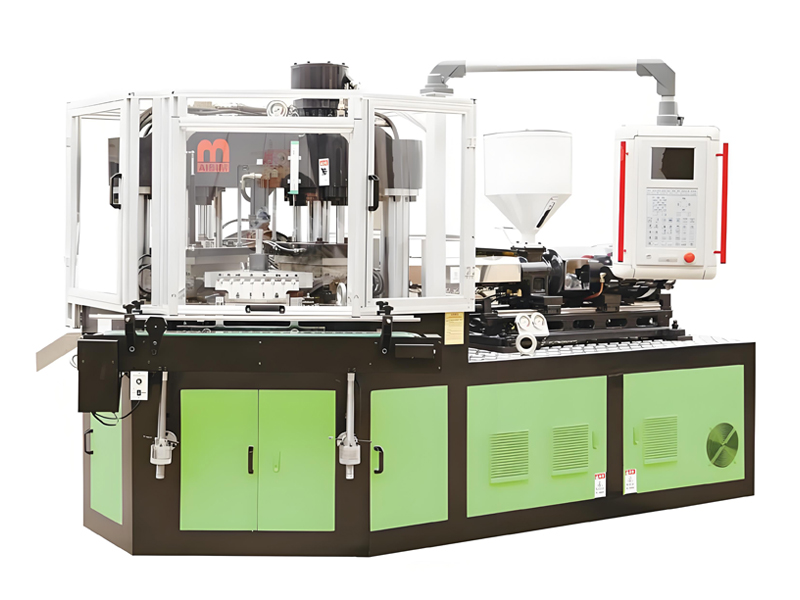
Global operations in injection blow molding require equipment adaptable to diverse electrical standards across different regions and countries. Chinese injection blow molding machines must accommodate varying voltage requirements from 110V in North American markets to 380V in European and many Asian regions. AiBiM injection blow molding machines provide comprehensive voltage customization capabilities, enabling global deployment without electrical compatibility issues. This comprehensive analysis examines voltage customization options, electrical system configurations, global market requirements, installation considerations, and safety features that make AiBiM machines suitable for worldwide operations.
Global Voltage Requirements Overview
Electrical infrastructure varies significantly across global markets, presenting challenges for equipment manufacturers serving international customers. North American countries including the United States and Canada operate on 110V-120V systems with 60Hz frequency. European nations predominantly use 220V-240V at 50Hz, while many Asian countries including China employ 380V three-phase systems. This diversity requires injection blow molding machines with flexible electrical configurations that accommodate different regional standards without performance compromise.
AiBiM injection blow molding machines address these global requirements through customizable electrical systems supporting multiple voltage configurations. The machines can be configured for 110V, 220V, or 380V operation with appropriate frequency adaptation for 50Hz or 60Hz power systems. This flexibility enables manufacturers to standardize on AiBiM equipment across global operations while meeting local electrical code requirements and ensuring optimal performance regardless of regional electrical characteristics.
North American Voltage Standards
North American electrical systems present specific requirements that equipment must address. The United States, Canada, and Mexico primarily utilize 110V-120V single-phase power for residential and light commercial applications, while industrial applications typically employ 208V, 230V, or 460V three-phase systems. The standard frequency of 60Hz differs from the 50Hz used in many other regions, requiring equipment compatibility with both frequency standards for global manufacturers.
AiBiM injection blow molding machines accommodate North American requirements through multiple configuration options. The machines can be configured for 110V single-phase operation for smaller installations or 220V three-phase systems for industrial applications. The electrical systems incorporate components rated for 60Hz operation including transformers, motors, and control systems. This adaptation ensures full functionality and safety compliance in North American markets without requiring additional external equipment or modifications.
European Voltage Specifications
European countries maintain consistent electrical standards across most nations, facilitating equipment deployment across the continent. The standard voltage of 230V single-phase and 400V three-phase at 50Hz provides uniformity across European Union member states and many neighboring countries. This standardization enables manufacturers to deploy identical equipment configurations across multiple European locations without electrical modifications.
AiBiM injection blow molding machines provide configuration options matching European standards through appropriate transformer sizing, motor specifications, and control system adaptations. The machines can be configured for 230V single-phase or 400V three-phase operation at 50Hz frequency. The electrical components including heating elements, motors, and control systems are rated for European voltage and frequency requirements, ensuring compliance with local regulations and optimal performance characteristics.
Asian and Middle Eastern Voltage Requirements
Asia and the Middle East exhibit diverse electrical standards reflecting regional infrastructure development and historical influences. China operates on 380V three-phase systems at 50Hz, representing the standard configuration for AiBiM machines in their home market. Japan uses unique 100V and 200V systems at 50Hz or 60Hz depending on region. Southeast Asian countries vary between 220V and 380V systems. Middle Eastern countries predominantly use 380V or 415V systems at 50Hz.
AiBiM injection blow molding machines accommodate this diversity through customizable electrical systems supporting multiple voltage combinations. The machines can be configured for specific country requirements including Japan unique voltage standards, Southeast Asian 220V systems, and Middle Eastern 380V or 415V configurations. This flexibility enables manufacturers to deploy AiBiM equipment across diverse Asian and Middle Eastern markets while meeting local electrical codes and ensuring proper operation.
Latin American and African Standards
Latin American countries exhibit varied electrical standards influenced by both North American and European systems. Countries including Brazil and Argentina use 127V or 220V systems depending on region, while other countries follow 110V or 220V standards. African nations display similar diversity with voltage requirements varying between 220V, 230V, and 380V systems depending on historical infrastructure development.
AiBiM injection blow molding machines provide configuration options matching Latin American and African requirements through customizable electrical systems. The machines can be adapted for specific country voltage requirements including the dual voltage systems found in some countries. The electrical systems accommodate various frequency requirements including both 50Hz and 60Hz systems found across these regions. This comprehensive customization capability ensures equipment compatibility regardless of specific country requirements.
Voltage Customization Technology
Enabling injection blow molding machines to operate across diverse voltage requirements requires sophisticated electrical engineering and component selection. AiBiM implements multiple technologies ensuring reliable operation across different voltage and frequency conditions while maintaining performance specifications and safety standards. These technologies encompass transformer systems, motor configurations, control system adaptations, and power factor correction mechanisms.
Transformer Configuration Systems
Transformers enable adaptation between different voltage requirements while maintaining equipment performance characteristics. AiBiM injection blow molding machines incorporate transformer systems sized appropriately for each voltage configuration. For 110V applications requiring higher power for injection blow molding processes, transformers provide voltage conversion while maintaining adequate current capacity. For 380V configurations, transformers match equipment voltage requirements to available power supply.
The transformer systems include thermal protection and overload prevention features ensuring safe operation across varying conditions. Transformer sizing accounts for not only nominal voltage requirements but also startup currents and peak power demands typical of injection blow molding cycles. The transformers are rated for continuous duty operation under industrial conditions, ensuring reliability across extended production periods. This transformer-based approach provides voltage flexibility while maintaining equipment performance specifications.
Motor and Drive Adaptations
Electric motors driving injection blow molding machine components require appropriate voltage and frequency ratings for reliable operation. AiBiM machines incorporate motors specifically configured for target market voltage requirements. For 110V applications, motors are wound or selected for low-voltage operation while maintaining required torque and power output. For 380V applications, standard three-phase motors provide optimal efficiency and performance characteristics.
Motor adaptations include consideration of frequency differences between 50Hz and 60Hz systems. Motor speed varies with frequency, affecting processing parameters and production rates. AiBiM control systems accommodate speed variations through parameter adjustments that maintain production rates regardless of frequency differences. The drive systems including servo motors on optional configurations are selected and configured for specific voltage and frequency requirements, ensuring consistent performance across global markets.
Control System Voltage Compatibility
Control systems provide critical monitoring, safety, and automation functions requiring stable power supply across varying voltage conditions. AiBiM injection blow molding machines incorporate control power supplies designed for operation across multiple voltage ranges. The control systems operate on isolated power supplies converting available input voltage to stable DC voltages required for control components including PLC systems, sensors, and operator interfaces.
The control power supplies include voltage regulation and filtering ensuring consistent control system operation despite input voltage variations. This protection prevents control system malfunctions caused by voltage fluctuations common in industrial environments. The control system components are rated for the specific voltage and frequency of target markets, ensuring full functionality and reliability regardless of electrical infrastructure differences. This approach ensures consistent machine operation and safety functions across diverse global locations.
Heating System Configuration
Injection blow molding machines require substantial heating capacity for barrel heating, mold heating, and temperature control functions. Heating elements must be configured appropriately for available voltage to deliver required power for plastic processing. AiBiM machines incorporate heating elements designed for specific voltage configurations, ensuring adequate heating capacity regardless of input voltage.
For 110V configurations, heating elements are designed with appropriate resistance to deliver required heating power from lower voltage supplies. For 380V configurations, standard heating elements optimized for higher voltage operation provide efficient heat generation. The heating systems are divided into multiple zones with independent control, enabling precise temperature regulation regardless of voltage configuration. This zone-based approach ensures consistent processing temperatures across all material types and production requirements.
Custom Voltage Configuration Options
AiBiM offers multiple voltage configuration options tailored to specific market requirements and application needs. These options range from single-voltage configurations optimized for specific regions to dual-voltage capabilities providing maximum flexibility. Understanding available options enables selection of appropriate configuration for specific deployment requirements while optimizing costs and performance characteristics.
Single-Voltage Configurations
Single-voltage configurations provide optimal performance and cost efficiency for machines dedicated to specific geographic regions. AiBiM injection blow molding machines are available configured for 110V single-phase, 220V single-phase, 220V three-phase, 380V three-phase, and other standard voltage combinations. Each configuration incorporates components specifically selected and sized for optimal performance at the designated voltage.
Single-voltage configurations offer advantages including reduced component count, improved efficiency, and lower cost compared to multi-voltage systems. For manufacturers with operations concentrated in specific regions, single-voltage configurations provide appropriate performance without unnecessary complexity. The machines are optimized at factory for specific voltage requirements, ensuring optimal performance characteristics and reliability under operating conditions.
Dual-Voltage Capabilities
Dual-voltage configurations provide flexibility for machines that may be deployed in different regions or where electrical supply varies. AiBiM injection blow molding machines can be configured for dual-voltage operation supporting two voltage ranges through appropriate transformer or switching systems. Common dual-voltage configurations include 110V/220V, 220V/380V, and other combinations based on specific requirements.
Dual-voltage configurations incorporate voltage selection switches or automatic detection systems that adapt to available power supply. These systems enable seamless transition between voltage ranges without requiring manual reconfiguration or external equipment. While dual-voltage systems involve higher initial cost than single-voltage configurations, they provide deployment flexibility that may justify the investment for manufacturers with diverse global operations or uncertain deployment locations.
Phase Configuration Options
Phase configuration represents another important consideration in electrical system design. Single-phase power is commonly available for smaller installations, while three-phase power provides advantages for larger industrial applications. AiBiM injection blow molding machines can be configured for single-phase or three-phase operation depending on available power supply and machine size requirements.
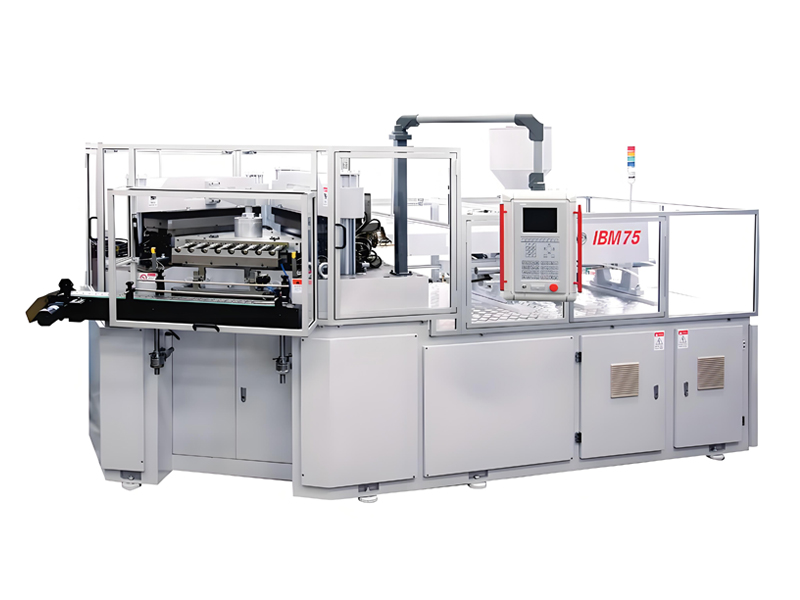
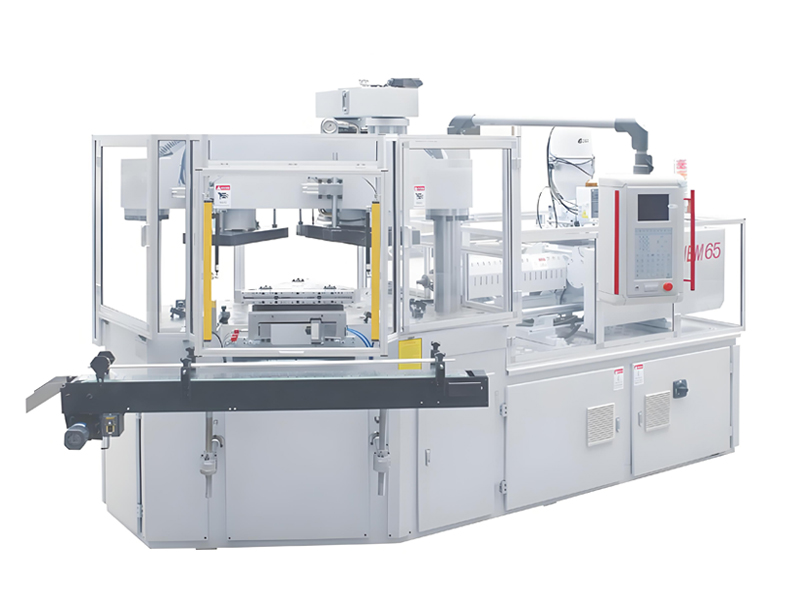
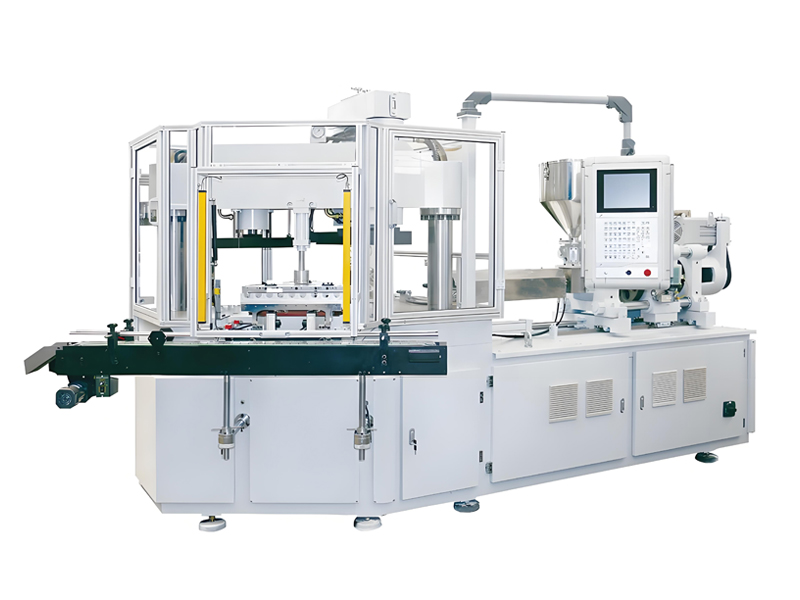
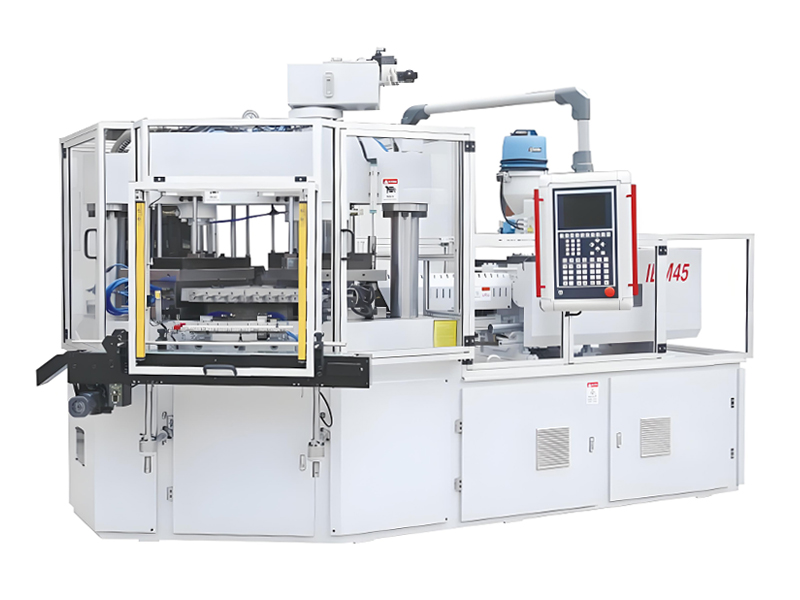
Smaller machines including the IBM35 model can operate on single-phase power for installations where three-phase supply is not available. Larger machines including IBM65 and IBM75 models typically require three-phase power to deliver adequate motor power and heating capacity. The machines can be configured for specific phase requirements ensuring optimal performance and efficiency. Phase configuration options enable deployment across various facility types from small workshops to large industrial facilities.
Frequency Adaptation Systems
Frequency differences between 50Hz and 60Hz systems require appropriate adaptation for equipment to operate correctly. AiBiM injection blow molding machines accommodate frequency differences through multiple approaches including parameter adjustments, motor selections, and control system adaptations. These adaptations ensure consistent performance and production rates regardless of operating frequency.
Motor speed varies proportionally with frequency, affecting screw rotation speed, pump output, and other timing-dependent functions. AiBiM control systems include frequency compensation parameters that adjust processing parameters to maintain consistent production rates and cycle times across 50Hz and 60Hz systems. The motors and drives are selected for specific frequency requirements, ensuring optimal performance and efficiency. This comprehensive frequency adaptation enables equipment deployment across diverse global markets without performance compromise.
Installation and Commissioning Considerations
Proper installation and commissioning of injection blow molding machines with custom voltage configurations requires attention to specific factors ensuring safe and reliable operation. These considerations include electrical supply verification, grounding requirements, protection coordination, and startup procedures. Addressing these factors during installation ensures equipment operates safely and reliably within expected performance parameters.
Electrical Supply Verification
Verification of available electrical supply represents critical first step in installation process. The actual voltage, frequency, and available amperage must match equipment specifications within acceptable tolerances. Voltage variations beyond 10 percent can affect equipment performance and component life. Frequency variations affect motor speeds and timing relationships. Available amperage must be sufficient to support equipment peak power requirements during injection phases.
AiBiM provides detailed electrical specifications for each machine configuration including nominal voltage, acceptable voltage range, frequency requirements, and maximum current draw. Installation personnel should verify actual supply conditions against these specifications using calibrated measurement equipment. For facilities with marginal power supply capacity, consideration should be given to supply upgrades or operational modifications to prevent overload conditions during equipment operation.
Grounding and Bonding Requirements
Proper grounding and bonding represents essential safety requirement for industrial equipment including injection blow molding machines. Grounding systems provide fault current return paths that prevent dangerous voltage buildup on equipment enclosures during fault conditions. Bonding ensures all metal components maintain equal potential, preventing hazardous voltage differences between parts that could cause electric shock.
AiBiM injection blow molding machines incorporate grounding terminals and bonding provisions designed to meet international safety standards including those specified by IEC, NFPA, and local regulatory bodies. Installation must connect equipment grounding terminals to facility ground systems using appropriately sized conductors. Bonding jumpers should connect all metal components including machine frame, control panels, and auxiliary equipment. Proper grounding and bonding protects personnel and equipment while meeting safety code requirements.
Protection Coordination
Electrical protection coordination ensures equipment and personnel protection through appropriately sized and coordinated protective devices. Overcurrent protection including circuit breakers or fuses must be sized to allow normal operation while protecting against fault conditions. Additional protection may be required for specific machine functions including heating elements, motors, and control systems.
AiBiM injection blow molding machines incorporate internal protective devices including thermal overload protection, current limiting, and emergency stop circuits. These internal protections must be coordinated with facility-provided protection including main circuit breakers and branch circuit protection. Protection coordination analysis ensures protective devices operate selectively, isolating faulted circuits while maintaining power to unaffected equipment. Proper protection coordination enhances safety while minimizing downtime from nuisance tripping.
Startup and Commissioning Procedures
Structured startup and commissioning procedures ensure equipment achieves specified performance and reliability characteristics. Initial startup should follow specific sequences verifying electrical systems, mechanical functions, and process parameters. Commissioning procedures document actual performance against specifications and provide baseline data for ongoing operation and maintenance.
AiBiM provides comprehensive startup and commissioning support including installation manuals, parameter setting guides, and technician support services. Initial startup includes verification of voltage and frequency conditions, grounding system integrity, protective device operation, and control system functionality. Mechanical verification includes alignment checks, calibration of positioning systems, and verification of safety functions. Process optimization adjusts machine parameters for optimal performance with specific materials and molds. Proper commissioning establishes baseline performance metrics and ensures equipment meets specifications.
Safety and Compliance Features
Safety and compliance represent critical considerations for injection blow molding machines operating in global markets. AiBiM machines incorporate multiple safety features and compliance certifications ensuring equipment meets international standards and regulatory requirements. These features protect personnel, equipment, and production processes while facilitating global market access through certification compliance.
Electrical Safety Systems
Electrical safety systems prevent hazardous conditions including electric shock, fire, and equipment damage. AiBiM injection blow molding machines incorporate comprehensive electrical safety features including grounding systems, emergency stop circuits, fault detection, and thermal protection. Emergency stop systems provide immediate machine shutdown through accessible buttons located at strategic positions around the machine.
Fault detection systems monitor electrical conditions including voltage levels, current draw, and equipment operation. Abnormal conditions trigger alarms and automatic shutdown when necessary to prevent damage or injury. Thermal protection prevents overheating of motors, transformers, and other electrical components. These protection systems meet international safety standards including IEC 60204 and NFPA 79 requirements for industrial machinery.
Certification Compliance
Certification compliance enables equipment access to global markets by demonstrating conformance to applicable safety and performance standards. AiBiM injection blow molding machines carry CE certification demonstrating compliance with European Union safety directives including Machinery Directive and Low Voltage Directive. This certification provides evidence of compliance with comprehensive safety standards required for European market access.
For other markets including North America, AiBiM provides documentation and technical support to assist with local compliance requirements including UL standards, CSA requirements, and other regional certifications. The electrical systems are designed to meet international standards enabling compliance with various regional requirements. This compliance facilitates equipment deployment across diverse global markets while maintaining safety and performance standards.
Operational Safety Features
Operational safety features protect personnel during machine operation and maintenance activities. AiBiM injection blow molding machines incorporate light curtains on stripper stations that detect personnel presence and prevent machine operation when safety zones are occupied. Long-distance digital laser sensors provide additional protection for mold areas. Interlocking systems prevent operation of potentially dangerous functions during maintenance procedures.
Guarding systems prevent access to moving parts including rotary mechanisms and clamping systems during operation. The machines incorporate safety interlocks that prevent operation when guards are removed or safety devices are disabled. These features comply with international machinery safety standards including ISO 13849 and ANSI B11 series standards. The comprehensive safety features protect personnel while enabling productive operation.
Environmental Compliance
Environmental compliance ensures equipment operates without harmful environmental impact. AiBiM injection blow molding machines incorporate energy-efficient systems reducing electrical consumption and environmental footprint. The PRE-FILL technology and variable displacement pumps reduce energy consumption by minimum 35% compared to conventional machines. This efficiency not only reduces operating costs but also minimizes environmental impact.
Electrical systems incorporate power factor correction reducing harmonic distortion and improving power quality. Heating systems incorporate efficient insulation reducing heat loss. The machines are designed for compliance with RoHS directives restricting hazardous substances in electrical and electronic equipment. Environmental compliance enables equipment deployment in regions with strict environmental regulations while supporting sustainability initiatives.
Economic Considerations for Global Deployment
Deploying injection blow molding machines globally involves economic considerations beyond equipment purchase price. Factors including total cost of ownership, operational costs, maintenance requirements, and deployment flexibility impact investment decisions. AiBiM injection blow molding machines provide economic advantages through energy efficiency, reliability, and customization capabilities that support global operations profitability.
Total Cost of Ownership Analysis
Total cost of ownership encompasses all costs associated with equipment over its operational lifespan including initial investment, operating costs, maintenance expenses, and eventual disposal costs. AiBiM injection blow molding machines offer favorable total cost of ownership through multiple factors reducing ongoing expenses. Energy efficiency features including PRE-FILL technology and variable displacement pumps reduce electricity costs by minimum 35% compared to conventional machines.
Reliability and quality construction reduce maintenance costs and downtime expenses. The machines incorporate premium components from reputable brands including FESTO and TECHMATION ensuring reliability and reducing replacement frequency. The robust construction designed for industrial operation provides long service life extending depreciation periods. These factors combine to create favorable total cost of ownership compared to lower-quality alternatives requiring higher ongoing expenses.
Deployment Flexibility Benefits
Voltage customization capabilities provide deployment flexibility that generates economic advantages. Manufacturers can standardize on AiBiM equipment across global operations regardless of regional electrical standards. This standardization reduces inventory requirements for spare parts, simplifies maintenance procedures, and enables personnel transfer between facilities without retraining on different equipment types. The flexibility also reduces deployment time for new facilities since equipment arrives pre-configured for specific regional requirements.
Deployment flexibility provides strategic advantages for manufacturers entering new markets or relocating production facilities. Equipment can be moved between regions with minimal modifications, reducing capital investment requirements for facility changes. This flexibility enables manufacturers to adapt quickly to changing market conditions, trade policies, or regional cost advantages without equipment limitations.
Production Consistency Across Markets
Production consistency across different geographic locations ensures uniform product quality regardless of manufacturing location. AiBiM injection blow molding machines maintain consistent performance characteristics across different voltage and frequency configurations through control system adaptations and parameter optimization. This consistency enables manufacturers to produce identical products across global facilities while meeting quality standards regardless of regional electrical differences.
Consistent production across facilities provides advantages including simplified quality control procedures, consistent brand presentation, and simplified logistics. Products manufactured in different regions meet identical specifications, enabling centralized quality control and simplified distribution. This consistency supports global brands requiring uniform product presentation across markets while enabling efficient production location strategies.
Support and Service Infrastructure
Comprehensive support and service infrastructure enhances equipment value and reduces risk of extended downtime. AiBiM provides global support services including installation assistance, operator training, maintenance support, and spare parts availability. This support infrastructure operates across markets in Southeast Asia, Middle East, Europe, Americas, and Africa, demonstrating capability to support global operations.
Global support services reduce deployment risks by ensuring equipment operates correctly from installation through ongoing operation. Technical support personnel provide remote assistance for troubleshooting and parameter optimization. Spare parts logistics ensure timely component delivery regardless of location. This comprehensive support infrastructure reduces risk of production interruption while maximizing equipment availability and productivity.
Case Studies and Success Stories
Real-world implementation examples demonstrate the effectiveness of AiBiM injection blow molding machines in global applications with diverse voltage requirements. These case studies illustrate successful deployments across different markets highlighting voltage customization capabilities, operational performance, and economic benefits achieved through proper equipment selection and deployment.
North American Manufacturing Deployment
A cosmetic products manufacturer established production facility in Mexico requiring injection blow molding equipment for 500ml cosmetic containers. The facility electrical supply provided 220V three-phase power at 60Hz. AiBiM configured IBM45 injection blow molding machine specifically for this voltage and frequency requirement, ensuring optimal performance and compliance with Mexican electrical codes.
The deployment included on-site installation and commissioning by AiBiM technicians ensuring proper electrical connection and parameter optimization. The machine achieved specified production capacity of 2,000 containers per hour while maintaining dimensional tolerances required for cosmetic packaging applications. The reliable operation and consistent quality enabled the manufacturer to increase production to meet growing North American demand. The voltage-specific configuration eliminated need for external transformers or equipment modifications, reducing installation costs and deployment timeline.
European Market Expansion
A pharmaceutical packaging company expanded operations into several European markets requiring equipment compliance with CE standards and European voltage specifications. The company selected AiBiM IBM65 injection blow molding machines configured for 400V three-phase operation at 50Hz, matching European industrial standards. The machines included CE certification demonstrating compliance with relevant European directives.
The deployment across multiple European facilities enabled standardized equipment and procedures regardless of country-specific variations within standard European requirements. The consistent equipment performance ensured uniform product quality across production locations while meeting pharmaceutical industry quality standards. The voltage-specific configuration eliminated need for transformers or voltage converters, reducing installation complexity and improving reliability. The successful European deployment demonstrated AiBiM capability to meet stringent regulatory requirements while providing equipment optimized for regional electrical standards.
Asian Multi-Country Operations
A consumer products company established manufacturing operations across multiple Asian countries including China, Vietnam, and Thailand. Each country presented different electrical requirements including 380V three-phase in China, 220V three-phase in Vietnam, and 220V three-phase in Thailand. The company standardized on AiBiM injection blow molding machines with voltage-specific configurations for each location.
Despite different voltage requirements, the standardized machine platform enabled consistent production processes and product quality across facilities. The voltage-specific configurations provided optimal performance for each location without requiring external transformers or modifications. The company benefits included simplified maintenance procedures, reduced spare parts inventory, and consistent operator training across locations. The successful deployment demonstrated AiBiM capability to provide equipment tailored to diverse Asian market requirements while maintaining standardized platform advantages.
African Market Entry
A chemical products company entered African market requiring local production of chemical packaging containers. The target country electrical infrastructure provided 380V three-phase power at 50Hz, but with voltage fluctuations and stability issues common in developing regions. AiBiM configured IBM75 injection blow molding machine for this specific voltage requirement while incorporating enhanced voltage regulation capabilities in control power supplies.
The enhanced control system tolerated voltage fluctuations within 15% of nominal without affecting machine operation or product quality. This robust configuration enabled reliable production despite challenging power conditions. The machine achieved production capacity of 3,500 containers per hour while maintaining quality specifications for chemical packaging applications. The successful deployment enabled the company to establish local production, reducing import costs and improving market responsiveness. The voltage configuration demonstrated AiBiM capability to adapt to challenging infrastructure conditions while maintaining equipment performance and reliability.
Conclusion
AiBiM injection blow molding machines provide comprehensive voltage customization capabilities enabling global deployment across diverse electrical infrastructure. The machines support 110V, 220V, and 380V configurations with appropriate frequency adaptations for 50Hz and 60Hz systems. This flexibility enables manufacturers to deploy identical equipment platforms across global operations while meeting local electrical standards and optimizing performance for specific regional requirements.
The voltage customization capabilities encompass transformer systems, motor adaptations, control system configurations, and heating element designs specifically engineered for each voltage requirement. These adaptations maintain equipment performance and reliability while ensuring safety compliance with international standards. The machines incorporate comprehensive safety features and certifications including CE compliance enabling global market access.
Economic advantages include total cost of ownership benefits through energy efficiency, deployment flexibility reducing standardization costs, production consistency across markets, and comprehensive global support infrastructure. Real-world case studies demonstrate successful deployments across North America, Europe, Asia, and Africa, highlighting effectiveness of voltage customization in diverse market conditions.
For manufacturers operating globally or considering international market expansion, AiBiM injection blow molding machines with custom voltage capabilities provide solutions combining technical excellence, compliance readiness, and economic efficiency. The proven global experience across Southeast Asia, Middle East, Europe, Americas, and Africa demonstrates capability to support successful deployments regardless of specific regional electrical requirements.