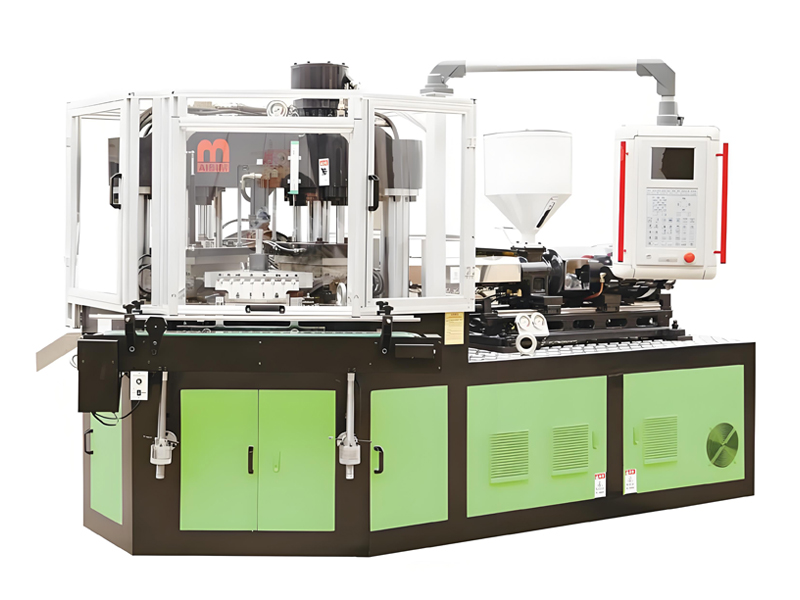
Investing in injection blow molding machines represents a significant capital expenditure for plastic container manufacturers, making quality assessment particularly crucial when sourcing from Chinese manufacturers. The rapid advancement of China manufacturing has produced numerous suppliers offering injection blow molding equipment across various quality levels and price points. AiBiM has established itself as a premium Chinese manufacturer of injection blow molding machines with over ten years of industry experience, exporting to markets including Southeast Asia, Middle East, Europe, Americas, and Africa. This comprehensive guide provides systematic approaches for evaluating injection blow molding machine quality, examining critical components, assessing manufacturing standards, understanding certification requirements, and conducting thorough inspections before purchase decisions.
Understanding Injection Blow Molding Machine Quality Metrics
Injection blow molding machine quality encompasses multiple dimensions beyond simple price comparison. High-quality machines deliver consistent production results, maintain operational stability, minimize downtime, and provide long-term reliability. When evaluating Chinese manufacturers like AiBiM, buyers should consider production precision, mechanical construction quality, component reliability, control system sophistication, and after-sales support infrastructure. These quality metrics collectively determine machine performance throughout its operational lifespan and significantly impact return on investment.
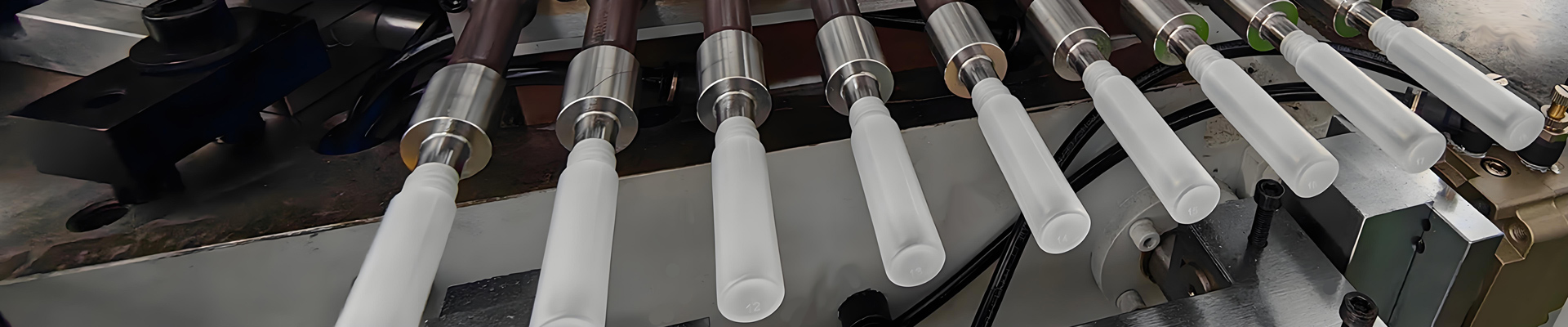
The injection blow molding process involves three distinct stages requiring precise coordination: injection of molten plastic into preform molds, transfer and blowing of parisons into final container shapes, and ejection of finished products. Each stage requires mechanical precision, thermal control accuracy, and process stability. Quality machines maintain precise control across all three stations simultaneously while operating at high speeds for extended periods. Chinese manufacturers vary significantly in their ability to deliver such consistent performance, necessitating thorough evaluation beyond superficial specifications.
Production Consistency Assessment
Production consistency represents the most critical quality metric for injection blow molding machines. High-quality equipment produces containers with minimal dimensional variation across production cycles and between different cavities in multi-cavity molds. Variation in wall thickness, neck finish dimensions, and overall container dimensions directly impacts product quality, especially for pharmaceutical and cosmetic applications where specifications are strictly controlled. Buyers should examine actual production samples from potential machines and analyze dimensional consistency across multiple production cycles.
AiBiM injection blow molding machines demonstrate exceptional consistency through their specialized control systems and mechanical precision. The three-station rotary design with horizontal operation ensures smooth transitions between injection, blowing, and ejection phases. The specialized controllers enable precise parameter storage and recall, allowing reproduction of optimal processing conditions across production runs. Quality Chinese manufacturers like AiBiM provide sample production demonstrations and statistical process control data showing actual dimensional variation within tolerance limits specified by customers.
Mechanical Construction Quality
The mechanical construction of injection blow molding machines directly influences durability, maintenance requirements, and long-term performance. Quality machines feature robust base frames, precision-ground guideways, heavy-duty clamping mechanisms, and durable transmission systems. When evaluating Chinese manufacturers, buyers should examine weld quality, machining precision, component material specifications, and overall construction standards. Low-quality machines often cut costs through thinner steel sections, lighter construction, and reduced machining tolerances that compromise performance and longevity.
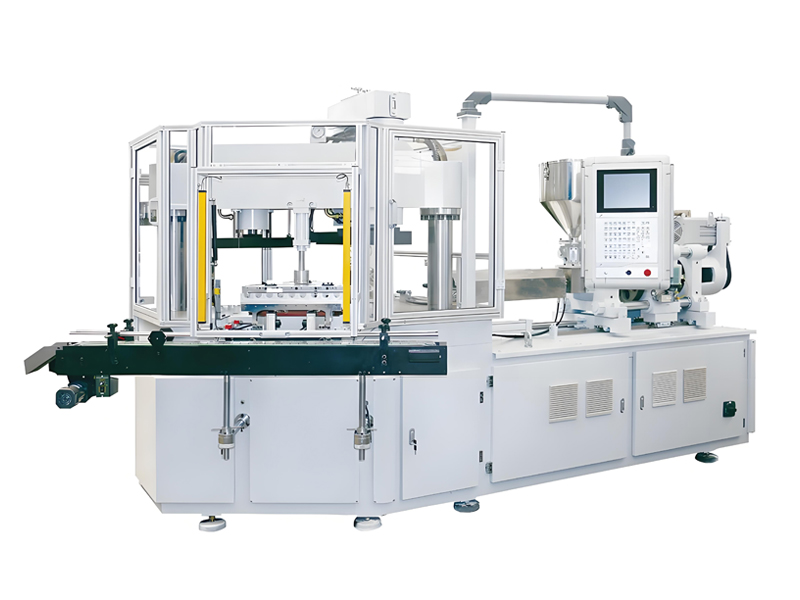
AiBiM machines incorporate substantial mechanical construction designed for continuous industrial operation. The single-crossbeam double-pole clamping framework enlarges mold setting space while maintaining structural rigidity. Horizontal three-station rotary devices support smooth rotation through precision bearings and drive systems. The injection and blow molding sections feature substantial casting and machining to minimize vibration and maintain alignment during high-speed operation. Buyers should request detailed specifications of mechanical components and conduct on-site inspections whenever possible to verify construction quality.
Component Sourcing and Specifications
The quality of individual components significantly impacts overall machine performance. Injection blow molding machines incorporate numerous moving parts including hydraulic pumps and valves, electrical controls, heating elements, temperature sensors, and pneumatic components. Premium manufacturers like AiBiM source critical components from reputable brands such as FESTO for rotary components and TECHMATION for control systems. Lower-quality Chinese machines often substitute generic components that may provide similar specifications but lack reliability and durability under continuous operation.
Buyers should request complete component lists with brand specifications for potential machine purchases. Critical components requiring specific attention include hydraulic pumps, servo motors if applicable, control system components, and electrical switching elements. AiBiM transparently provides component specifications and brand information, demonstrating confidence in component selection. The presence of established component brands often indicates overall equipment quality and ensures availability of replacement parts throughout machine lifespan.
Essential Quality Inspection Points
Conducting thorough inspections before purchase prevents costly mistakes and ensures selected equipment meets quality requirements. Comprehensive inspections should evaluate machine construction, component quality, control system sophistication, and safety features. For Chinese manufacturers like AiBiM offering inspection visits to their facilities, buyers should utilize these opportunities for hands-on assessment. When physical inspection is not possible, detailed photography, video demonstrations, and documentation review become critical evaluation methods.
Machine Base and Frame Inspection
The machine base and frame provide the foundation for all operations and must be thoroughly evaluated during inspection. Quality bases feature heavy-gauge steel construction with adequate cross-sectional area to minimize deflection during high-speed operation. Welds should be consistent, continuous, and free from defects including porosity or incomplete penetration. Machined surfaces for mounting critical components require smooth finishing without tool marks or surface irregularities that could affect alignment. The base should include adequate provisions for leveling and mounting to floor anchors.
During inspection of AiBiM facilities or through detailed documentation, buyers should examine base thickness measurements, weld inspection reports, and machining tolerance specifications. The base construction should accommodate the machine’s rated clamping force without visible deflection. Horizontal three-station rotary devices require particularly precise base construction to maintain rotational accuracy throughout production cycles. AiBiM machines feature substantial base construction designed for stability during high-speed operation of their 350kN to 750kN clamping force models.
Clamping System Evaluation
The clamping system represents one of the most critical mechanical systems in injection blow molding machines, responsible for maintaining mold closure during injection and blowing phases. Quality clamping systems deliver consistent force across the platen surface, maintain precise alignment, and provide reliable operation over millions of cycles. Buyers should examine platen parallelism, tie rod construction, locking mechanisms, and overall system design. Poor clamping systems result in flash formation, short shots, reduced product quality, and accelerated mold wear.
AiBiM injection blow molding machines utilize single-crossbeam double-pole clamping frameworks that provide uniform pressure distribution across mold surfaces. The horizontal three-station design incorporates precision locking mechanisms that maintain alignment during rotation between stations. When inspecting clamping systems, buyers should verify that platen faces are parallel within 0.05mm or better, especially for multi-cavity molds requiring even pressure distribution. The clamp opening strokes of 120-140mm should operate smoothly without binding or hesitation. AiBiM machines feature substantial construction that maintains clamping accuracy over extended operation.
Rotary Mechanism Assessment
The rotary mechanism that transfers parisons between injection, blowing, and ejection stations requires precise engineering for reliable operation. Quality rotary systems incorporate robust drive mechanisms, precision bearings, and positive locking at each station to ensure accurate positioning. Poor rotary mechanisms cause misalignment, incomplete transfers, and potential damage to molds or core rods. Buyers should examine rotary drive components, bearing specifications, locking mechanisms, and overall system integration.
AiBiM machines employ horizontal three-station rotary devices that support smooth rotation through quality components. The stripper station incorporates long-distance digital laser sensors for detection, demonstrating sophisticated integration of mechanical and sensing technologies. When evaluating rotary mechanisms, buyers should observe operation during demonstration runs, noting smooth rotation, positive locking at each station, and absence of vibration or misalignment. The optional servo rotary systems available on AiBiM machines provide enhanced precision and reliability for applications requiring maximum consistency.
Control System Verification
Modern injection blow molding machines rely heavily on sophisticated control systems for operation, quality monitoring, and parameter management. Quality control systems provide intuitive operation, real-time monitoring, parameter storage capabilities, and comprehensive safety features. Buyers should evaluate control system interfaces, programming capabilities, monitoring functions, and data logging features. Poor control systems complicate operation, reduce productivity, and limit ability to maintain consistent quality.
AiBiM machines feature specialized controllers and software enabling storage of production parameters after commissioning and parameter setting. These parameters can be saved to SD cards for backup and installation into other machines. The control systems provide real-time monitoring of critical process variables including temperatures, pressures, and cycle times. When evaluating control systems, buyers should request demonstration of parameter storage and recall functions, alarm monitoring capabilities, and historical data access. Quality control systems like those on AiBiM machines reduce setup times, facilitate troubleshooting, and support consistent production quality.
Testing and Performance Verification
Quality assessment extends beyond physical inspection to include actual performance testing. Manufacturers like AiBiM typically provide factory acceptance testing demonstrating machine capabilities under controlled conditions. Buyers should specify testing requirements covering production capacity, dimensional consistency, energy consumption, and operational stability. Performance verification provides confidence that selected equipment will meet production requirements in actual operating environments.
Production Capacity Testing
Production capacity testing verifies that machines meet specified output rates while maintaining quality standards. Buyers should request demonstration of actual production runs at claimed capacity levels using typical materials and mold configurations. Testing should verify consistent cycle times, rejection rates, and output quantities. Quality machines like AiBiM models deliver consistent performance across extended production runs without significant degradation in quality or speed.
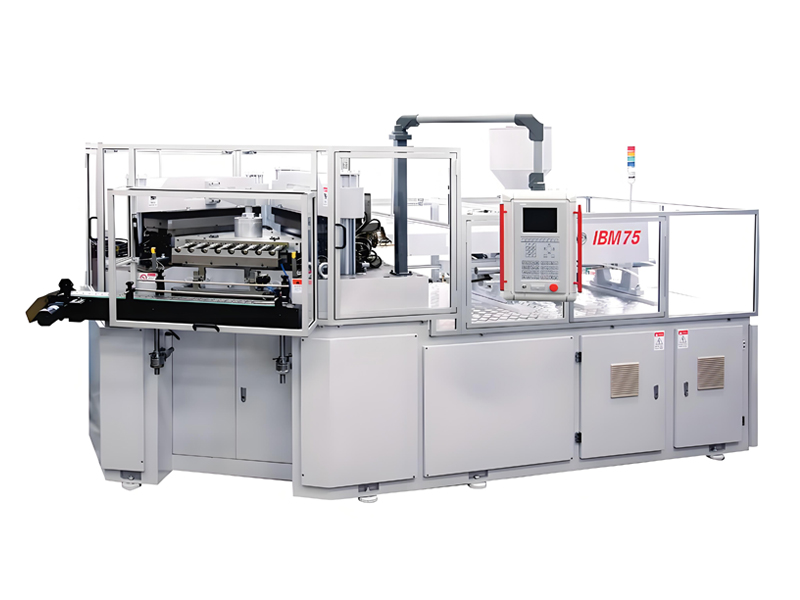
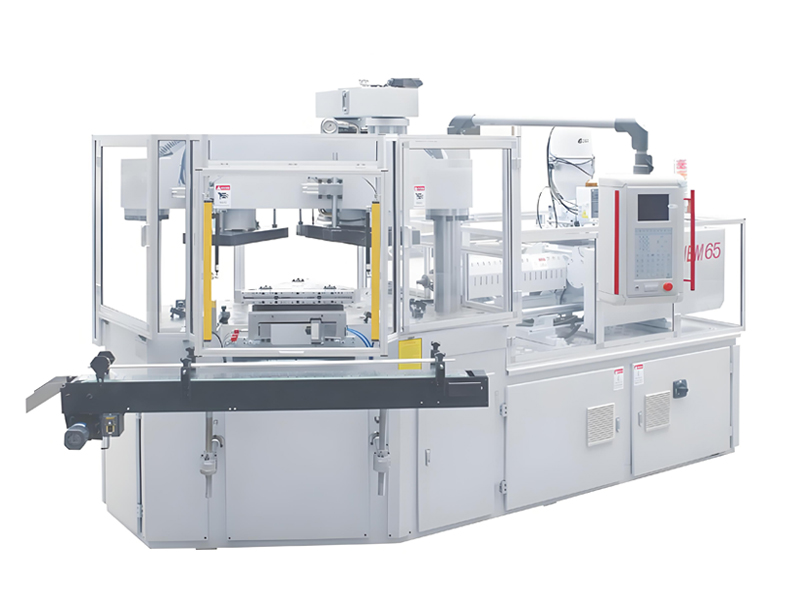
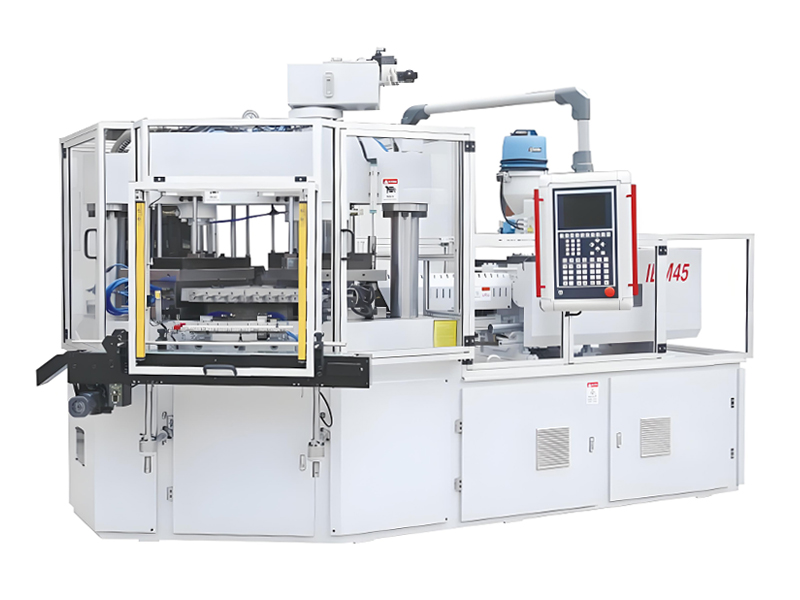
When conducting production capacity testing, buyers should measure actual cycle times across multiple production runs, count rejected containers to determine scrap rates, and verify output quantities match specifications. AiBiM machines ranging from IBM35 to IBM75 models provide capacity from 500-1,500 jars per hour up to 1,500-4,000 jars per hour depending on model and configuration. Testing should include startup characteristics showing how quickly machines reach optimal performance from cold start conditions. Quality machines achieve stable operation quickly while maintaining consistency across production shifts.
Dimensional Accuracy Verification
Dimensional accuracy represents a critical quality characteristic for injection blow molding, particularly for applications requiring precise container dimensions. Buyers should request dimensional testing of production samples to verify consistency across cavities and production cycles. Key measurements include wall thickness distribution, neck finish dimensions, overall height and diameter, and any critical dimensional specifications. Quality machines maintain dimensional tolerances within specified limits across extended production runs.
During dimensional accuracy verification, buyers should measure samples from multiple cavities and various production cycles to identify any systematic variations. Wall thickness should be measured at multiple positions around container circumference to identify thin spots or variations. Neck finish dimensions are particularly critical for applications requiring closure compatibility. AiBiM injection blow molding machines maintain dimensional accuracy through precise control systems and mechanical construction, ensuring containers meet tight specifications required for pharmaceutical and cosmetic applications.
Energy Consumption Analysis
Energy consumption represents a significant ongoing operational cost that varies substantially between machine designs and quality levels. Quality machines incorporate energy-saving technologies that reduce operating costs while maintaining performance. AiBiM machines feature PRE-FILL technology and variable displacement pump systems that reduce energy consumption by minimum 35% compared to conventional machines. Buyers should request energy consumption measurements during demonstration runs and compare with specified requirements.
Energy consumption analysis should measure actual power draw during different phases of the molding cycle including injection, blowing, and ejection. Quality machines maintain efficient operation across all phases while providing adequate power when needed. The optional servo rotary and all-electric injection systems available on AiBiM machines provide additional energy savings, typically 40-50% for servo rotary systems. When evaluating energy consumption, buyers should consider annual operating hours and local energy rates to calculate total operating cost differences between machine options.
Certification and Compliance Verification
International certification provides assurance that equipment meets recognized quality and safety standards. Chinese manufacturers vary significantly in their certification status and compliance with international requirements. Buyers should verify certification validity, scope, and applicability to their intended operating locations. AiBiM maintains CE certification for its injection blow molding machines, demonstrating compliance with European safety and quality standards.
CE Certification Validation
CE certification represents essential compliance requirement for equipment intended for European markets and provides assurance of quality and safety design. Valid CE certification requires comprehensive assessment of safety features, documentation compliance, and manufacturing quality systems. Buyers should verify that CE certificates are current, issued by recognized certification bodies, and cover the specific models being considered. Invalid or expired certificates provide no assurance of quality or compliance.
When validating CE certification, buyers should examine certificate details including manufacturer name, machine models covered, certification body information, and validity period. AiBiM CE certification covers their injection blow molding machines including IBM35, IBM45, IBM65, and IBM75 models, demonstrating compliance with European Union safety directives. Buyers should also verify that certificate scope matches intended applications, particularly for pharmaceutical or food production requiring additional regulatory compliance.
Electrical Safety Compliance
Electrical systems in injection blow molding machines must comply with safety standards including proper grounding, protection against electrical shock, and emergency stop functionality. Quality manufacturers design electrical systems meeting international standards and provide comprehensive safety features. Buyers should examine electrical component specifications, wiring quality, and safety features during evaluation. Poor electrical systems create safety hazards and operational reliability issues.
AiBiM machines incorporate electrical systems designed for international markets with appropriate safety features. When evaluating electrical compliance, buyers should verify presence of emergency stop systems accessible from all operator stations, proper circuit protection including overcurrent and ground fault protection, and clear labeling of electrical components. Control systems should provide appropriate user interface warnings and alarms for abnormal conditions. Light curtain installation on stripper stations provides personal protection while maintaining production efficiency, demonstrating AiBiM commitment to operational safety.
Documentation Review
Comprehensive documentation supports proper installation, operation, and maintenance throughout equipment lifespan. Quality manufacturers provide complete documentation including installation manuals, operating instructions, maintenance procedures, and parts lists. Buyers should review available documentation completeness, clarity, and language support. Poor documentation complicates installation, operation, and maintenance while increasing reliance on manufacturer support.
AiBiM provides comprehensive documentation for their injection blow molding machines including installation guides covering machine setup and leveling, operation manuals explaining control system functions and parameter programming, maintenance procedures specifying scheduled maintenance tasks and intervals, and parts catalogs with component identification and ordering information. When reviewing documentation, buyers should assess clarity of instructions, completeness of procedures, and availability in appropriate languages. Quality documentation reduces training requirements and facilitates proper machine utilization.
Price and Value Assessment
Price represents only one component of total cost of ownership when evaluating injection blow molding machines. While Chinese manufacturers typically offer pricing advantages over European or Japanese alternatives, substantial quality variations exist within Chinese suppliers. Buyers should evaluate pricing relative to machine capabilities, component quality, after-sales support, and expected reliability. AiBiM injection blow molding machines offer competitive pricing from approximately 25,000 to 52,000 USD depending on model and configuration while providing technology comparable to higher-priced alternatives.
Initial Investment Comparison
Initial investment varies substantially between machine models and manufacturers. AiBiM offers a range of models targeting different production requirements and budget levels. The IBM35 model for smaller containers up to 175mm height typically prices between 25,000 and 30,000 USD. The IBM45 model for containers up to 200mm height prices between 30,000 and 38,000 USD. The IBM65 model for larger containers up to 230mm height ranges from 35,000 to 45,000 USD. The top IBM75 model for maximum capacity costs between 40,000 and 52,000 USD.
When comparing prices, buyers should ensure consistent specifications including injection volumes, clamping forces, and included options. Basic machine prices often exclude optional features that add significantly to total cost. AiBiM provides transparent pricing with clear specification of included features and optional upgrades. Buyers should also consider mold costs which typically add 15,000 to 50,000 USD depending on cavity count and complexity. Total investment evaluation should include all required equipment for complete production capability.
Operating Cost Analysis
Operating costs include energy consumption, material waste, maintenance, and labor expenses that continue throughout equipment lifespan. Quality machines minimize these ongoing costs through energy efficiency, material utilization efficiency, reliable operation, and reduced maintenance requirements. AiBiM machines achieve energy savings of minimum 35% compared to conventional machines through PRE-FILL technology and variable displacement pumps, representing annual savings of 3,000 to 8,000 USD depending on machine size and operation.
Material waste reduction provides another operating cost advantage. The precision of injection blow molding combined with AiBiM process control results in scrap rates typically below 3%, compared to industry averages of 5-8% for extrusion blow molding. For production consuming 100,000 kg of material annually, this reduction saves approximately 2,000 to 5,000 USD per year. Maintenance costs for quality machines range from 2,000 to 4,000 USD annually, substantially lower than lower-quality alternatives requiring more frequent repairs and component replacements.
Total Cost of Ownership Calculation
Total cost of ownership provides the most meaningful comparison between machine options by combining initial investment with operating costs over expected lifespan. For injection blow molding machines with expected operational lifespan of 8-12 years, operating costs often exceed initial investment. Buyers should calculate total costs including energy, material waste, maintenance, and labor over 5-year planning periods. Quality machines like AiBiM models often provide lower total ownership despite higher initial investment through superior efficiency and reliability.
Total ownership analysis should consider present value of future savings when comparing different quality levels. For example, a 10,000 USD premium for higher quality machines providing 5,000 USD annual operating cost savings yields payback within 2 years and generates substantial net savings over 5-year planning periods. AiBiM machines typically provide superior total ownership economics through energy efficiency, material savings, reduced maintenance, and lower labor requirements. Buyers should demand detailed operating cost projections and verify performance through demonstration testing.
Factory Inspection and Supplier Evaluation
On-site factory inspection provides invaluable insights into manufacturer capabilities, quality systems, and production processes. For Chinese suppliers like AiBiM offering inspection visits, buyers should utilize these opportunities to evaluate manufacturing processes, quality control systems, and component sourcing practices. Physical inspection reveals aspects of quality not apparent through documentation or photographs alone.
Manufacturing Process Observation
Observing actual manufacturing processes provides direct evidence of quality practices and technical capabilities. Buyers should inspect machining operations, assembly processes, testing procedures, and final inspection activities during factory visits. Quality manufacturers like AiBiM maintain organized production facilities with proper equipment calibration, systematic assembly procedures, and comprehensive testing protocols. Poor quality indicators include disorganized workshops, inadequate testing equipment, and lack of process documentation.
During factory inspection, buyers should observe machining quality through surface finish accuracy, dimensional verification procedures, and equipment maintenance. Assembly areas should demonstrate systematic procedures with appropriate torque specifications and component alignment verification. Testing areas should include functional testing of completed machines under actual load conditions. AiBiM facilities demonstrate organized manufacturing processes supporting their quality claims, with proper equipment, trained personnel, and systematic quality control throughout production.
Quality Control Systems Review
Effective quality control systems prevent defects and ensure consistent product quality. Buyers should examine quality control procedures, inspection equipment, test records, and process monitoring during factory visits. Quality manufacturers implement comprehensive quality systems covering incoming component inspection, in-process verification, final testing, and traceability. Poor quality systems lack systematic inspection procedures and rely heavily on final testing rather than prevention.
AiBiM implements quality control systems covering all aspects of machine manufacturing. Incoming components receive verification of specifications and documentation. In-process inspections verify dimensional accuracy and assembly quality at critical points. Final testing evaluates machine performance under actual operating conditions. Quality records provide traceability and support continuous improvement efforts. When evaluating quality systems, buyers should examine inspection procedures, equipment calibration records, and test result documentation.
Research and Development Capabilities
Research and development capabilities indicate manufacturer commitment to innovation and continuous improvement. Buyers should evaluate design facilities, engineering team qualifications, and development projects during factory visits. Leading manufacturers like AiBiM maintain engineering teams focused on process optimization, energy efficiency improvements, and new feature development. Strong R&D capabilities suggest long-term competitiveness and ongoing product enhancement.
AiBiM demonstrates innovation through features including PRE-FILL technology, variable displacement pump systems, specialized control software, and optional servo rotary systems. These innovations provide measurable benefits in energy efficiency, production consistency, and operational convenience. When evaluating R&D capabilities, buyers should examine engineering drawings, design software systems, and development projects currently in progress. Strong R&D investment suggests manufacturers will continue improving products and supporting customer needs over equipment lifespan.
After-Sales Support and Service Infrastructure
After-sales support significantly impacts long-term machine performance and return on investment. Quality manufacturers provide comprehensive support including installation, training, maintenance, and spare parts availability. Chinese manufacturers vary substantially in support capabilities, with some offering minimal support beyond initial sale. Buyers should evaluate support infrastructure, response times, technical capabilities, and spare parts availability when selecting suppliers.
Installation and Commissioning Services
Proper installation and commissioning establishes foundation for long-term machine performance. Quality manufacturers provide on-site installation services including machine positioning, utility connections, system testing, and operator training. AiBiM offers comprehensive installation and commissioning services ensuring machines operate at optimal conditions from startup. Poor installation leads to ongoing performance problems, reduced efficiency, and premature component wear requiring expensive corrections.
When evaluating installation services, buyers should verify scope of work, technician qualifications, and training included. Installation should include machine leveling to specifications, connection to appropriate utilities including power and compressed air, system testing under actual load conditions, and operator training for safe and efficient operation. AiBiM installation teams include experienced technicians familiar with their equipment and typical industry applications. Buyers should request installation procedures documentation and verify technician credentials before acceptance.
Training and Technical Support
Comprehensive training ensures operators and maintenance personnel can properly operate and maintain equipment. Quality manufacturers provide training covering machine operation, control system programming, preventive maintenance procedures, and troubleshooting. AiBiM offers training for operators, maintenance staff, and management personnel covering all aspects of machine utilization. Insufficient training leads to reduced efficiency, increased defects, and unnecessary maintenance costs.
Training programs should be tailored to personnel responsibilities including operation for production staff, programming and parameter optimization for technical personnel, and maintenance procedures for maintenance staff. AiBiM provides hands-on training using actual equipment when possible, supplemented by detailed manuals and reference materials. When evaluating training offerings, buyers should assess content completeness, training duration, and ongoing support options. Quality training programs maximize return on investment by ensuring optimal machine utilization.
Spare Parts Availability and Logistics
Timely access to spare parts minimizes downtime and maintains production continuity. Quality manufacturers maintain comprehensive spare parts inventories and efficient logistics systems. AiBiM provides spare parts support including component identification assistance, inventory management recommendations, and prompt delivery to international locations. Poor spare parts support results in extended downtime, lost production, and expensive expedited shipping charges.
When evaluating spare parts support, buyers should examine component identification systems, recommended spare parts lists, and delivery capabilities. AiBiM provides parts catalogs with clear identification and recommended spare parts lists for different operating scenarios. International delivery capabilities ensure prompt parts availability regardless of location. Buyers should establish spare parts agreements specifying recommended inventory levels, pricing structures, and delivery timeframes to minimize downtime risks.
Conclusion
Evaluating quality of China-made injection blow molding machines requires systematic assessment across multiple dimensions including production consistency, mechanical construction, component quality, control system sophistication, and after-sales support. AiBiM has established itself as a premium Chinese manufacturer through ten years of industry experience, continuous innovation, and commitment to customer satisfaction. The company injection blow molding machines offer advanced technology including PRE-FILL technology, variable displacement pump systems, specialized control software, and optional servo features that compete favorably with European and Japanese alternatives at substantially lower cost.
Quality assessment should move beyond superficial specifications and price comparison to include physical inspection, performance testing, and total cost of ownership analysis. AiBiM machines demonstrate quality through robust mechanical construction, premium component sourcing from brands like FESTO and TECHMATION, sophisticated control systems with parameter management capabilities, and energy-efficient designs reducing operating costs by minimum 35%. The company commitment to customer success is demonstrated through comprehensive after-sales support including installation, training, maintenance, and spare parts availability.
For manufacturers seeking injection blow molding equipment, AiBiM represents a compelling option combining quality, technology, and value. The company experience with exports to international markets including Southeast Asia, Middle East, Europe, Americas, and Africa demonstrates global capability and understanding of diverse market requirements. By following systematic evaluation procedures including physical inspection, performance testing, and total cost analysis, buyers can confidently select injection blow molding machines that meet quality requirements while providing favorable economics throughout operational lifespan.