Introduction to Mold Selection
The selection of appropriate molds for injection blow molding machines represents one of the most critical decisions in container manufacturing processes. The quality, efficiency, and profitability of production operations depend significantly on mold design, material selection, and manufacturing precision. Injection blow molding molds must meet stringent requirements for dimensional accuracy, surface finish, thermal management, and long-term durability under high-pressure cyclic loading. Understanding the factors that influence mold selection enables manufacturers to make informed decisions that optimize production performance and minimize total cost of ownership.
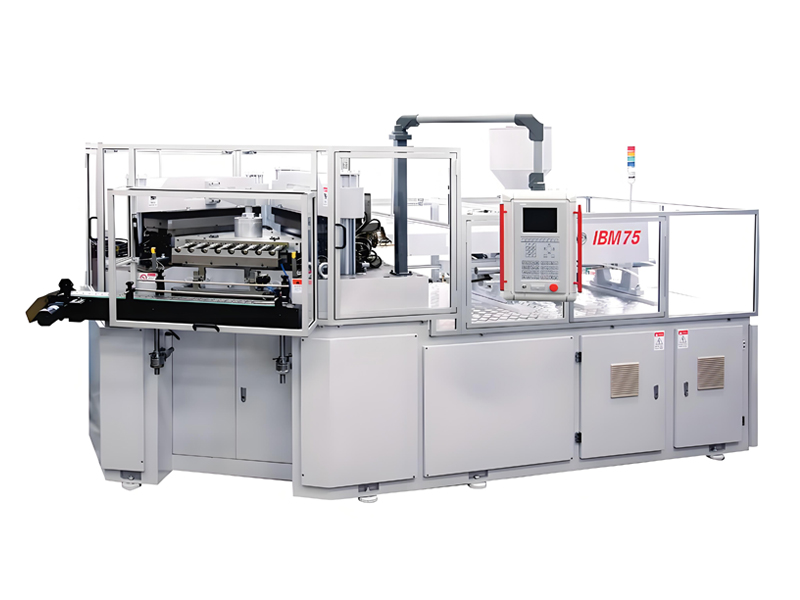
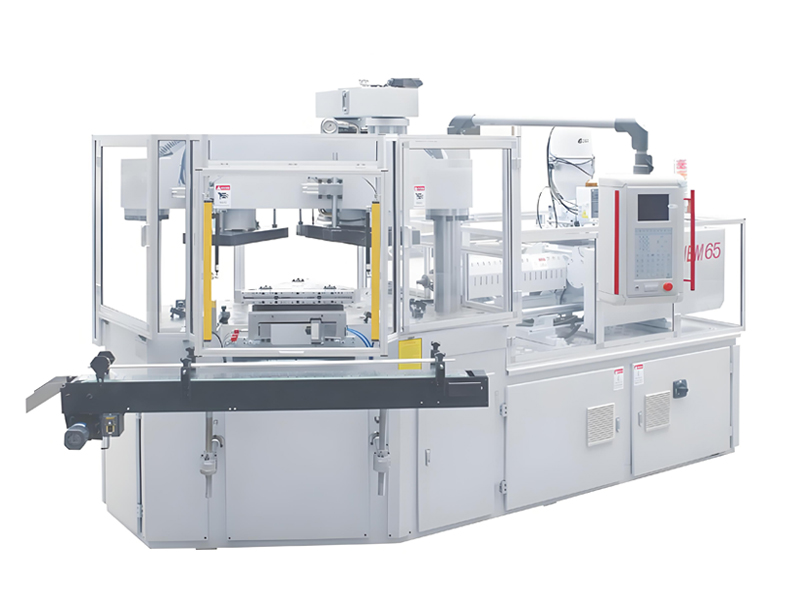
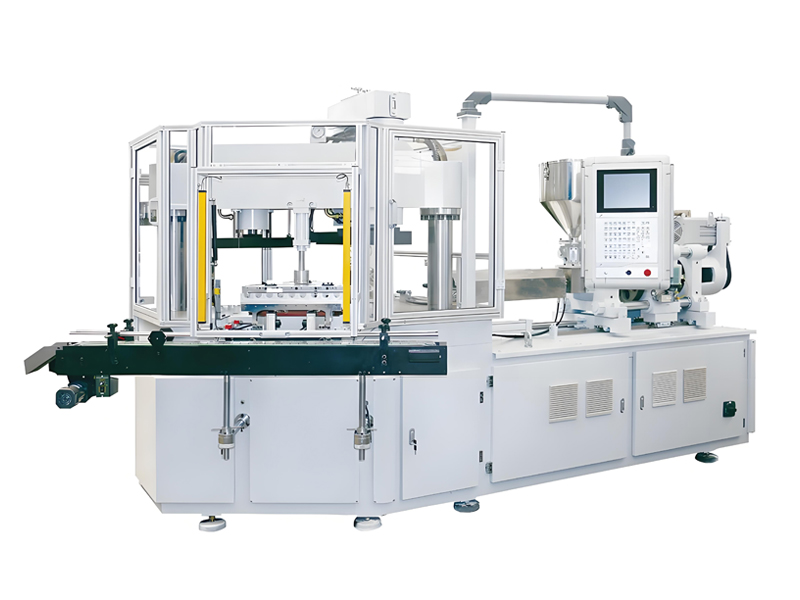
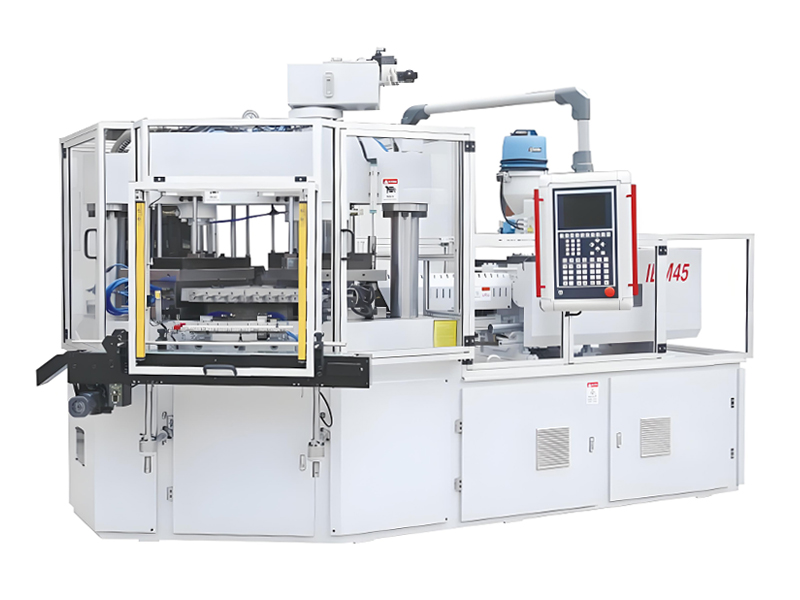
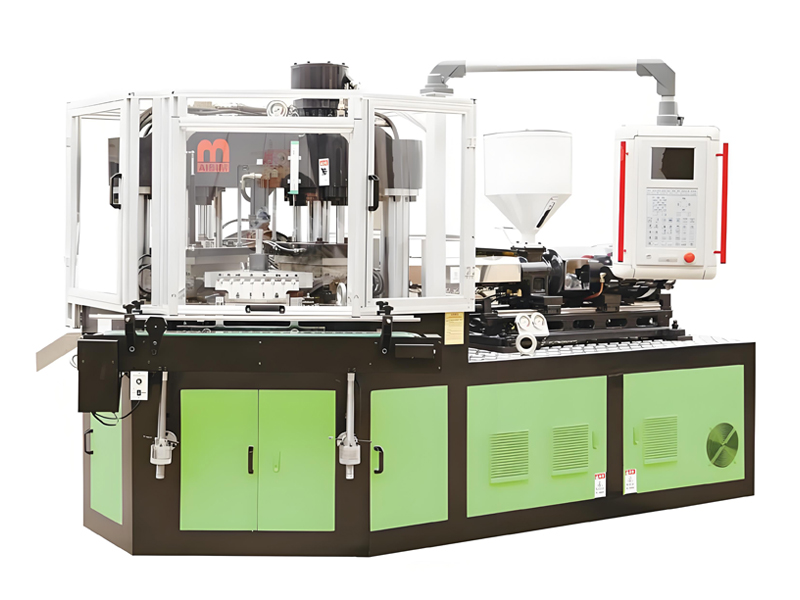
AiBiM injection blow molding machines are designed to work with a wide variety of mold configurations, providing flexibility for different product applications and production requirements. The selection process involves careful consideration of multiple technical and economic factors including material compatibility, production volume requirements, product specifications, and budgetary constraints. Proper mold selection not only ensures production of high-quality containers but also maximizes equipment productivity and extends mold service life, contributing significantly to overall production efficiency.
The injection blow molding process combines aspects of both injection molding and blow molding, creating unique requirements for mold design and construction. Unlike conventional blow molding molds, injection blow molding molds must withstand the high pressures and temperatures of the injection phase while also providing the surface finish and dimensional accuracy required for the final blown container. This dual functionality demands careful attention to mold material selection, thermal management systems, and precision manufacturing processes to achieve optimal performance.
Understanding Injection Blow Molding Mold Design Principles
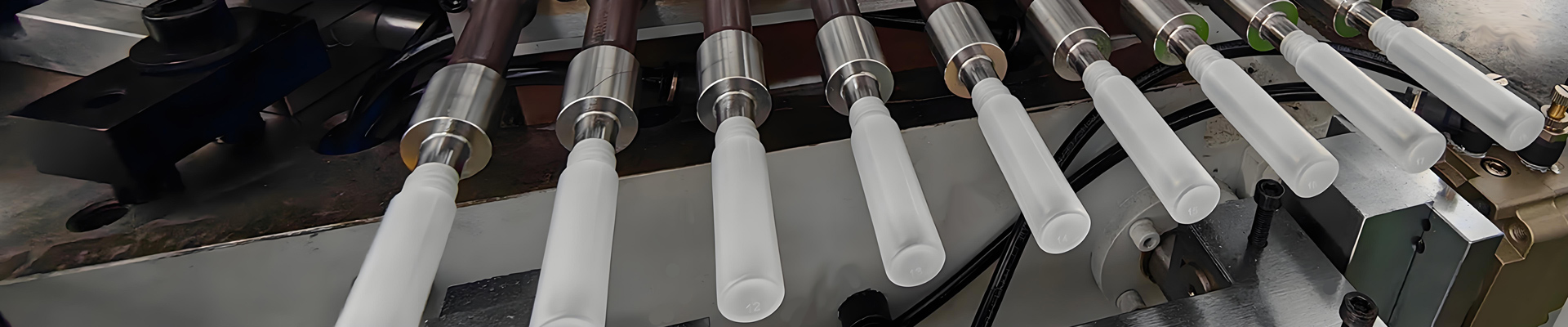
Injection blow molding molds function through a two-stage process that first forms a preform through injection molding, then expands the preform to final container shape through blow molding. This process requires molds with precision-formed preform cavities and blow molds that work in perfect coordination. The preform mold must create a preform with uniform wall thickness distribution and proper orientation of polymer molecules, while the blow mold must provide the final container shape with precise dimensional control and excellent surface finish.
The coordination between injection and blow phases requires precise alignment of mold components and careful control of process parameters. Any misalignment or dimensional variation between preform and blow mold can result in containers with uneven wall thickness, weak spots, or defective appearance. Modern injection blow molding molds incorporate advanced design features such as precision alignment systems, optimized cooling channels, and temperature control zones to ensure consistent production quality and extended mold life.
Mold design must also accommodate the specific material characteristics being processed. Different polymers exhibit varying shrinkage rates, thermal expansion characteristics, and flow properties that must be accounted for in mold design. The mold design engineer must understand these material behaviors to create molds that produce containers within tight dimensional tolerances and with consistent wall thickness distribution. This expertise is particularly important when working with engineering polymers or materials with unique processing requirements.
Material Selection for Injection Blow Molding Molds
The selection of mold material significantly impacts mold performance, production quality, and service life. Different mold materials offer varying combinations of hardness, thermal conductivity, wear resistance, and cost that must be evaluated against specific application requirements. Understanding the properties and limitations of available mold materials enables selection of the optimal material for each production application.
P20 pre-hardened steel represents one of the most commonly used materials for injection blow molding molds due to its excellent combination of hardness, machinability, and cost-effectiveness. P20 steel typically exhibits hardness of 28-32 HRC, providing good wear resistance while maintaining good machinability for complex mold geometries. The material’s thermal conductivity of approximately 29 W/mK enables adequate heat transfer for efficient cooling cycles. P20 molds typically cost between 8,000 to 25,000 dollars depending on size and complexity, making them a cost-effective choice for many medium-volume production applications.
H13 hot work steel offers enhanced wear resistance and thermal properties for high-volume or high-temperature applications. H13 steel can be heat treated to hardness levels of 45-50 HRC, providing superior wear resistance compared to P20 steel. The material’s thermal conductivity of approximately 28 W/mK and ability to withstand temperatures up to 600°C makes it suitable for processing high-temperature materials or high-volume production where mold wear is a concern. H13 molds typically cost between 15,000 to 40,000 dollars, representing a higher initial investment that can be justified through extended service life and reduced maintenance requirements.
S136 stainless steel provides excellent corrosion resistance and is particularly suitable for applications involving corrosive materials or clean room environments. S136 maintains hardness of 45-50 HRC while providing resistance to chemical attack and corrosion. The material’s thermal conductivity of approximately 24 W/mK is slightly lower than other mold steels but remains adequate for most applications. S136 molds typically cost between 20,000 to 50,000 dollars, with the higher cost justified by extended service life in corrosive environments and reduced maintenance requirements.
Mold Design Considerations for Different Container Types
Injection blow molding molds must be designed specifically for the type of container being produced, as different container shapes and sizes present unique design challenges. Small containers such as pharmaceutical bottles require attention to fine detail features and precise dimensional control. Large containers such as industrial buckets demand emphasis on structural integrity and cooling efficiency. Understanding the specific requirements of different container types enables proper mold design and material selection.
Small container molds for applications such as pharmaceutical bottles, cosmetic containers, or beverage bottles typically require attention to fine detail features such as thread finishes, graduation marks, and precise neck dimensions. These molds often incorporate precision inserts for critical features to maintain accuracy and facilitate replacement when wear occurs. The cooling system design must provide uniform cooling despite the small part size to prevent warpage and ensure consistent dimensional accuracy. Small container molds typically cost between 5,000 to 20,000 dollars depending on complexity and cavity count.
Medium container molds for products such as household chemical bottles, food containers, or automotive fluid containers balance precision with structural considerations. These molds require careful attention to wall thickness distribution to ensure adequate container strength while maintaining material efficiency. The cooling system design becomes particularly important for medium containers to achieve reasonable cycle times while maintaining dimensional stability. Medium container molds typically cost between 15,000 to 35,000 dollars depending on design complexity and cavity configuration.
Large container molds for applications such as industrial buckets, storage containers, or drums require emphasis on structural design and cooling efficiency. These molds must withstand the higher injection pressures required for large parts and provide adequate support during the blow molding phase. The cooling system design is critical for large containers to achieve acceptable cycle times and prevent warpage. Large container molds typically cost between 25,000 to 80,000 dollars depending on size, complexity, and material requirements.
Cavity Configuration and Production Capacity
The number of cavities in an injection blow molding mold directly impacts production capacity and per-unit manufacturing costs. Cavity configuration must be selected based on production volume requirements, machine capacity, and economic considerations. Understanding the relationship between cavity count, production efficiency, and cost structure enables optimal mold configuration decisions.
Single cavity molds provide maximum flexibility for small production runs, prototype development, or applications requiring frequent design changes. These molds offer the lowest initial investment, typically costing between 5,000 to 20,000 dollars depending on size and complexity. Single cavity molds enable quick changeovers and are ideal for applications where production requirements vary significantly or where frequent product design changes are anticipated. However, single cavity molds have the highest per-unit production costs and lowest production efficiency.
Multi-cavity molds increase production efficiency and reduce per-unit manufacturing costs through simultaneous production of multiple parts. Two-cavity configurations typically cost between 15,000 to 40,000 dollars, while four-cavity molds can cost between 25,000 to 60,000 dollars depending on part size and complexity. The increased production efficiency must be balanced against the higher initial investment and reduced flexibility for product design changes. Multi-cavity molds are ideal for stable product lines with consistent high-volume demand.
Family molds that produce multiple different parts simultaneously offer another approach to increasing efficiency for product lines with multiple related components. These molds require careful design to balance flow characteristics and cooling requirements for different part geometries. Family molds typically cost between 20,000 to 50,000 dollars depending on the number and complexity of cavities. The complexity of family molds requires greater design expertise and may result in longer development cycles compared to dedicated cavity molds.
Cooling System Design and Optimization
The cooling system represents one of the most important aspects of injection blow molding mold design, directly impacting cycle time, part quality, and energy efficiency. Proper cooling system design ensures uniform cooling throughout the mold cavity, prevents warpage, and enables optimal cycle times. Cooling system optimization requires careful consideration of coolant flow, channel placement, and temperature control strategies.
Conformal cooling channels that follow the contour of the mold cavity represent the most advanced cooling approach, providing the most efficient and uniform cooling. These channels are typically produced through additive manufacturing techniques that enable complex geometries not possible with traditional drilling methods. Conformal cooling systems can reduce cycle times by 20-40% compared to conventional cooling systems while improving part quality. However, the complexity and manufacturing cost of conformal cooling systems increase mold costs by 30-60% compared to conventional designs, with typical costs ranging from 20,000 to 70,000 dollars.
Baffle and bubbler systems provide enhanced cooling in areas where conventional cooling channels cannot effectively remove heat. These systems use internal inserts that direct coolant flow to specific areas of the mold requiring additional cooling. Baffle systems are particularly useful for tall, thin-walled containers or areas with thick sections that require additional cooling. The additional complexity of baffle systems typically adds 2,000 to 8,000 dollars to mold costs but can significantly improve part quality and cycle time for challenging geometries.
Temperature control zones enable independent temperature management of different mold regions, providing greater control over cooling uniformity and part quality. Multi-zone temperature control is particularly valuable for complex container geometries or materials with specific crystallization requirements. The additional thermocouples, temperature controllers, and control circuitry required for multi-zone systems typically add 3,000 to 10,000 dollars to mold costs but provide significant benefits for demanding applications.
Mold Maintenance and Service Life
Mold maintenance practices significantly impact service life, production quality, and total cost of ownership. Implementing proper maintenance procedures extends mold life, reduces downtime, and maintains production quality. Understanding maintenance requirements and planning for mold life cycle management ensures optimal long-term performance and return on investment.
Preventive maintenance schedules should include regular inspection of critical wear surfaces, cooling system cleaning, and verification of alignment. Routine inspection programs enable early detection of wear patterns that could lead to quality issues or mold failure. Cooling system maintenance prevents clogging and ensures efficient heat transfer. Alignment verification maintains precision between mold halves and between preform and blow molds. Preventive maintenance typically costs 500-2,000 dollars annually but prevents much larger costs associated with unplanned downtime and quality issues.
Mold refurbishment programs can significantly extend service life beyond initial design expectations. Refurbishment may include regrinding of worn surfaces, replacement of damaged components, and refurbishment of cooling systems. Mold refurbishment typically costs 20-40% of new mold cost but can extend service life by 50-100% when performed at appropriate intervals. The timing of refurbishment should be based on production volume, part quality trends, and wear pattern analysis rather than arbitrary time intervals.
Spare parts management for critical mold components reduces downtime when wear or damage occurs. Common spare parts include ejector pins, core pins, and wear plates that experience cyclic loading during production. Maintaining an inventory of critical spare parts typically costs 2,000-10,000 dollars depending on mold complexity but can reduce downtime from days to hours when failures occur. The value of spare parts inventory should be evaluated based on production criticality and lead time for replacement parts.
Cost Analysis and Economic Considerations
Understanding the total cost of ownership for injection blow molding molds enables informed economic decisions and optimal return on investment analysis. Mold costs represent only one component of total ownership cost, which also includes maintenance, refurbishment, and production efficiency impacts. Comprehensive cost analysis ensures that mold selection decisions consider all relevant economic factors.
Initial mold investment represents the most visible cost component but should not be the sole decision criterion. Mold costs typically range from 5,000 to 80,000 dollars depending on size, complexity, material selection, and cavity configuration. However, the lowest initial cost option may not provide the lowest total cost of ownership when considering maintenance requirements, service life, and production efficiency impacts. A comprehensive economic analysis should consider at least a 5-year time horizon to capture the full economic impact of mold selection decisions.
Production efficiency impacts represent a significant economic consideration that varies based on mold design and quality. High-quality molds with optimized cooling systems and precision construction can reduce cycle times by 15-30% compared to lower-quality alternatives. For a production line running 8,000 hours annually, a 20% cycle time reduction represents 1,600 additional production hours annually. For parts with a production cost of 0.50 dollars each and a production rate of 100 parts per hour, this represents additional annual revenue of 80,000 dollars, far exceeding the higher initial mold investment.
Maintenance and refurbishment costs vary significantly based on mold material selection, design quality, and operating conditions. High-quality steel molds may cost 50-100% more initially but can provide 2-3 times longer service life compared to lower-cost alternatives. Annual maintenance costs typically range from 3-8% of initial mold cost depending on operating conditions and maintenance quality. Proper maintenance planning can reduce total cost of ownership by 20-40% compared to reactive maintenance approaches.
AiBiM Mold Support and Services
AiBiM provides comprehensive mold design, manufacturing, and support services to ensure optimal performance and customer satisfaction. The company’s extensive experience in injection blow molding applications enables them to provide valuable guidance on mold selection, design optimization, and maintenance planning. Utilizing AiBiM’s mold services can significantly improve project success rates and accelerate return on investment.
Mold design services from AiBiM include detailed engineering analysis, feasibility studies, and design optimization for specific applications. The design team utilizes advanced computer-aided engineering tools to analyze mold performance before manufacturing, identifying potential issues and optimization opportunities. This design expertise can significantly reduce development time and improve final mold performance. AiBiM typically charges 2,000-10,000 dollars for mold design services depending on project complexity, but this investment is recovered many times over through improved performance and reduced development cycles.
Project management services from AiBiM coordinate mold design, manufacturing, testing, and implementation to ensure successful project completion. The project management team manages schedules, coordinates vendors, and provides regular status updates to keep projects on track and within budget. This service is particularly valuable for companies with limited internal mold engineering resources. AiBiM project management services typically cost 5-10% of total project value but can reduce development time by 20-40% while improving project success rates.
Technical support services from AiBiM provide ongoing assistance with mold operation, optimization, and troubleshooting. The support team includes experienced engineers who understand both mold design and injection blow molding process requirements. This expertise can quickly resolve issues that might otherwise cause extended downtime. AiBiM offers various support service packages ranging from per-incident support to comprehensive annual service agreements costing 5,000-20,000 dollars annually depending on service level requirements.
Quality Assurance and Testing
Comprehensive quality assurance and testing programs ensure that molds meet specifications and perform reliably in production. Testing should validate mold design assumptions, verify dimensional accuracy, and demonstrate production capability. Implementing thorough testing programs reduces risk and prevents costly production problems after mold delivery.
Dimensional verification using precision measuring equipment confirms that mold components meet design specifications and tolerance requirements. Critical dimensions should be measured using coordinate measuring machines or other precision measurement systems to verify accuracy. This verification should include not only final dimensions but also intermediate dimensions that affect part quality and mold performance. Dimensional verification typically costs 500-2,000 dollars but prevents much larger costs associated with rework or production problems.
Flow analysis using mold flow simulation software can predict potential problems before mold manufacturing begins. These simulations analyze polymer flow, cooling behavior, and potential defect formation, enabling design optimization before steel is cut. Mold flow analysis typically costs 1,000-5,000 dollars but can identify design issues that would be much more expensive to correct after mold manufacturing. The value of mold flow analysis increases with mold complexity and production volume requirements.
Production testing validates that molds perform as expected under actual production conditions. Testing should include evaluation of part quality, cycle time achievement, and mold performance over multiple production cycles. This testing often identifies optimization opportunities or minor adjustments that improve mold performance. Production testing typically costs 2,000-8,000 dollars depending on test duration and complexity but provides confidence that molds will perform reliably in full-scale production.
Emerging Technologies and Future Trends
Advances in mold manufacturing technologies and design approaches continue to expand capabilities and improve performance for injection blow molding molds. Staying current with emerging technologies enables manufacturers to take advantage of new capabilities that can improve quality, reduce costs, or enable new product possibilities. Understanding future trends helps companies plan investments and maintain competitive advantage.
Additive manufacturing technologies enable production of mold geometries not possible with traditional manufacturing methods. Metal additive manufacturing can produce conformal cooling channels, complex internal features, and optimized structures that improve mold performance and reduce cycle times. While currently expensive, additive manufacturing costs are decreasing rapidly and the technology is becoming increasingly viable for production molds. Additive manufacturing can reduce cycle times by 20-40% for complex part geometries compared to traditional manufacturing methods.
Advanced coating technologies provide improved wear resistance, corrosion resistance, and release characteristics compared to traditional surface treatments. Physical vapor deposition, chemical vapor deposition, and advanced plating techniques can significantly extend mold service life while improving part quality. These coatings typically add 2,000-10,000 dollars to mold costs but can extend service life by 2-3 times while reducing maintenance requirements. The value of advanced coatings increases with production volume and material abrasiveness.
Smart mold technologies incorporate sensors and data collection capabilities directly into mold designs, enabling real-time monitoring of mold performance and predictive maintenance capabilities. Temperature sensors, pressure sensors, and strain gauges can provide early warning of developing problems and enable optimization of process parameters. Smart mold technologies typically add 5,000-20,000 dollars to mold costs but can reduce downtime by 30-50% while improving part quality consistency.
Conclusion
Selecting the right mold for injection blow molding machines requires comprehensive consideration of technical requirements, production needs, and economic factors. The mold selection process should involve careful analysis of container specifications, material requirements, production volume, and total cost of ownership. AiBiM injection blow molding machines provide the platform for high-quality container production, but mold selection significantly determines production efficiency, part quality, and overall profitability.
Proper mold selection balances initial investment against long-term performance and total cost of ownership considerations. The lowest initial cost option may not provide the lowest total cost when considering maintenance, service life, and production efficiency impacts. High-quality molds with optimized designs provide superior performance that justifies their higher initial investment through reduced cycle times, extended service life, and lower maintenance requirements.
Comprehensive support from AiBiM throughout the mold selection, design, manufacturing, and implementation process helps ensure successful project outcomes. The company’s technical expertise and application knowledge can guide decisions that optimize performance and return on investment. Investing time and resources in proper mold selection and design pays dividends through improved production performance, reduced maintenance costs, and enhanced overall profitability.