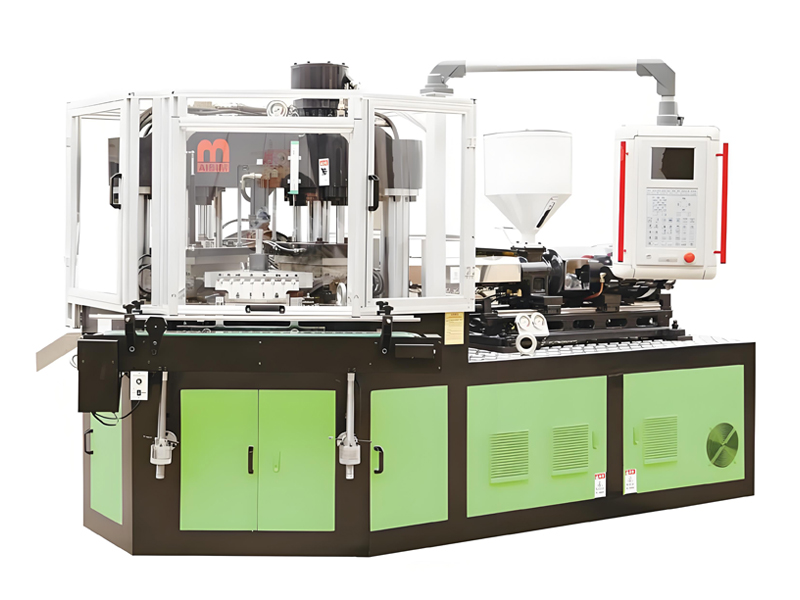
Injection blow molding machines represent the pinnacle of precision manufacturing technology for producing plastic jars and containers with exceptional quality and dimensional accuracy. AiBiM injection blow molding machines offer versatile capabilities for manufacturing plastic jars in diverse shapes and sizes, serving industries ranging from pharmaceuticals to cosmetics and food packaging. With over ten years of experience in plastic machinery manufacturing, AiBiM has developed advanced injection blow molding technology that combines precision injection molding with efficient blow molding processes to create hollow containers with superior quality and consistency. This comprehensive guide explores the capabilities of AiBiM injection blow molding machines for plastic jar production, examines different shape possibilities, analyzes material compatibility, discusses cost considerations, and provides insights into machine selection for optimal production efficiency.
Understanding Injection Blow Molding Technology for Plastic Jars
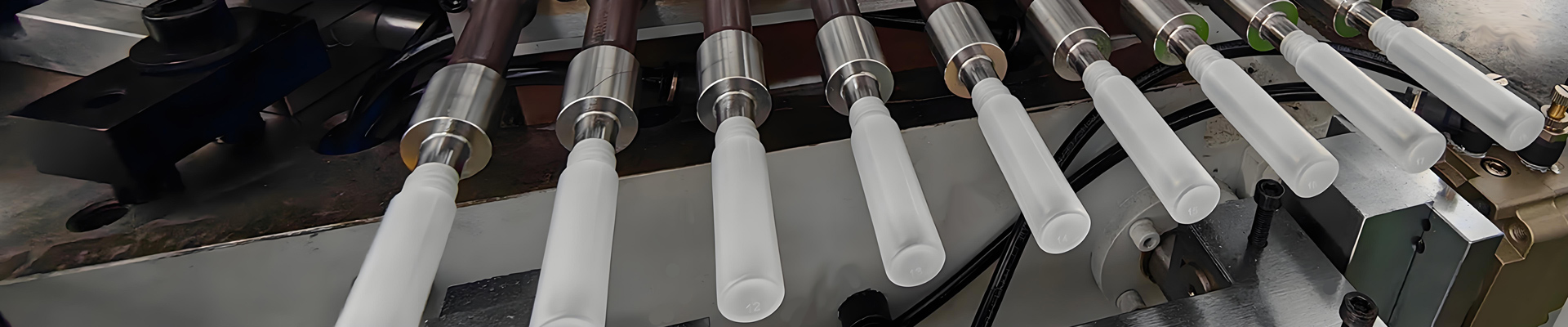
Injection blow molding represents a sophisticated manufacturing process that integrates injection molding and blow molding techniques to produce hollow plastic containers with exceptional precision and quality. The process begins with injection molding, where molten plastic is injected into a preform mold to create a parison with precisely formed neck finish and threads. This parison remains on a core rod as it transfers to the blow molding station. At the blow station, compressed air inflates the parison to conform to the final jar shape within the blow mold cavity. The process completes with ejection of the finished jar. This integrated approach ensures precise neck formation, consistent wall thickness, and superior dimensional accuracy compared to other blow molding methods.
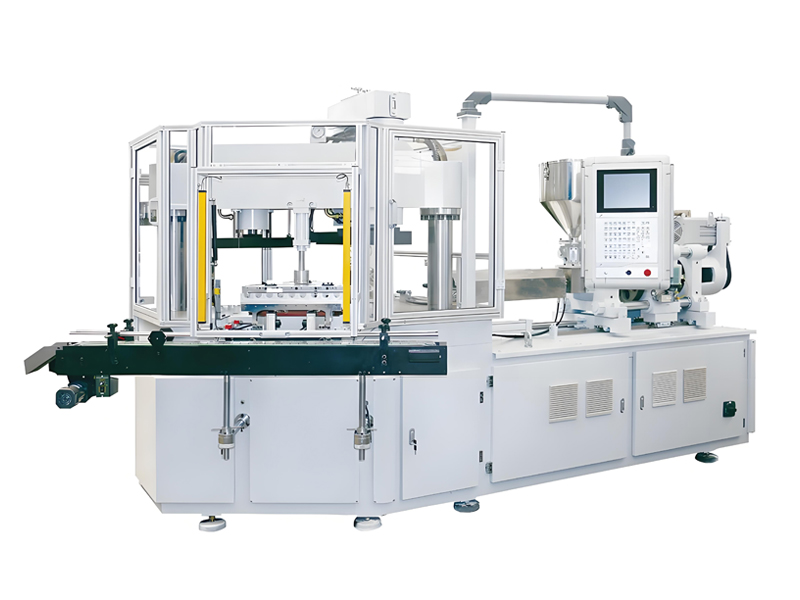
AiBiM injection blow molding machines utilize advanced three-station technology that enables simultaneous operation of injection, blow molding, and ejection functions. The machines feature horizontal three-station rotary devices that support continuous multi-cavity production. This design significantly enhances production efficiency while maintaining product consistency. The injection section employs single-screw injection methods, while the blow molding section adopts horizontal clamping mechanisms. Combined with specialized PRE-FILL technology and variable displacement pump pressurizing technology in the hydraulic system, AiBiM machines achieve high efficiency and reliable performance in plastic jar production.
Three-Station Process Advantages
The three-station configuration of AiBiM injection blow molding machines provides significant advantages for plastic jar manufacturing. Each station operates independently and simultaneously, maximizing production throughput. The injection station creates the parison while the blow station forms jars and the ejection station removes finished products. This concurrent operation eliminates waiting time between processes, resulting in higher productivity compared to sequential processing methods. The rotary design ensures smooth transfer between stations without product damage or contamination risks.
The specialized control systems employed by AiBiM enable precise coordination between all three stations. Temperature controllers maintain optimal thermal conditions at each station, ensuring proper material flow, parison formation, and jar cooling. Pressure sensors monitor hydraulic and pneumatic systems to maintain consistent force throughout the molding cycle. Position sensors verify precise mold alignment and core rod positioning. This comprehensive control ensures consistent jar quality across all cavities and throughout production runs.
Precision Neck Formation Technology
One of the most significant advantages of injection blow molding for plastic jars is the exceptional precision in neck formation and thread quality. The injection process creates the neck finish with dimensional accuracy that meets strict industry requirements for pharmaceutical and cosmetic applications. Thread formation occurs during injection molding, allowing for precise thread geometry and smooth surfaces that ensure proper cap sealing and consumer-friendly opening and closing. This precision cannot be achieved with extrusion blow molding methods where necks are formed during the blowing process with less control.
AiBiM injection blow molding machines incorporate specialized core rod designs and mold technologies that optimize neck formation. The core rods maintain precise temperature control through independent heating and cooling systems. This thermal management prevents material sagging or deformation during transfer between stations. The injection molds for neck formation utilize advanced steel alloys that withstand high injection pressures while maintaining dimensional stability. These features ensure that every plastic jar produced meets the highest standards for neck finish quality and cap compatibility.
Plastic Jar Shape Possibilities with AiBiM Technology
AiBiM injection blow molding machines offer exceptional versatility in producing plastic jars across a wide range of shapes and designs. The combination of precise injection molding capabilities and flexible blow molding configurations enables manufacturers to create jars that meet diverse market demands and brand requirements. From simple cylindrical shapes to complex geometric designs, AiBiM technology provides the flexibility needed to produce jars that stand out in competitive markets.
Standard Cylinder Jar Production
Cylindrical jars represent the most common shape in plastic container applications, and AiBiM injection blow molding machines excel at producing these containers with exceptional quality. The machines handle diameters ranging from 75mm to 100mm depending on the model, with height capabilities up to 230mm. This size range covers most standard cylindrical jar applications across pharmaceutical, cosmetic, and food industries. The injection blow molding process ensures perfectly round cross-sections, uniform wall thickness distribution, and consistent dimensions from jar to jar.
For pharmaceutical applications, cylindrical jars require precise neck finishes and consistent wall thickness for proper dosage and product protection. AiBiM machines achieve wall thickness uniformity within 0.05mm tolerance, meeting pharmaceutical industry standards. The process ensures no parting lines or flash on the jar body, creating smooth surfaces that are essential for pharmaceutical product presentation and consumer acceptance. Medical-grade materials including HDPE, PP, and PC can be processed with the same precision as standard materials.
Square and Rectangular Jar Capabilities
Square and rectangular jars present unique challenges in blow molding due to corner formation requirements and potential material thickness variations. AiBiM injection blow molding machines address these challenges through advanced mold design and precise process control. The injection blow molding process provides better control over material distribution compared to extrusion methods, making it particularly suitable for square and rectangular geometries. The parison injection creates consistent material distribution before blowing, reducing thin spots in corners that can occur with extrusion blow molding.
The horizontal three-station design of AiBiM machines accommodates the rotational requirements often needed for square jar molds. The mold opening strokes of 120-140mm provide adequate space for complex core rod extraction from square cavities. Cooling systems with precise temperature control ensure uniform material solidification across different wall thicknesses typical of square designs. These capabilities make AiBiM machines ideal for cosmetic and personal care products where square and rectangular jar shapes are popular for their shelf appeal and branding opportunities.
Oval and Specialized Geometries
Oval jars and other specialized geometries offer distinctive branding opportunities but require advanced molding capabilities. AiBiM injection blow molding machines support oval shapes through precision core rod design and controlled material distribution. The injection process creates parisons with oval cross-sections that transfer accurately to blow stations without distortion. Temperature control systems manage cooling rates that differ between longer and shorter sides of oval shapes, preventing warpage and ensuring dimensional stability.
Specialized geometries including tapered designs, flanged containers, and jars with embossed logos or text are also within AiBiM machine capabilities. The injection blow molding process accommodates surface textures and embossing through mold cavity machining. The precision of injection molding ensures that fine details such as logos, text, and surface textures replicate consistently across all cavities. This capability enables manufacturers to create branded plastic jars that enhance product recognition and consumer appeal without additional processing steps.
Multi-Cavity Production Options
AiBiM injection blow molding machines support multi-cavity production for high-volume plastic jar manufacturing. The clamping framework with single-crossbeam and double poles provides ample space for mold installation. The maximum platen sizes range from 420x340mm on smaller models to 840x460mm on larger machines, accommodating mold configurations from single cavity to multiple cavities based on jar size and production requirements. Multi-cavity molds significantly increase production efficiency while maintaining consistent quality across all cavities.
The PRE-FILL technology employed by AiBiM machines optimizes material flow for multi-cavity applications. This technology ensures uniform material distribution to all cavities, preventing variations in jar weight or wall thickness between different positions in the mold. The variable displacement pump system adjusts hydraulic pressure based on mold requirements, providing appropriate force for complex multi-cavity molds while maintaining energy efficiency. These features make AiBiM injection blow molding machines ideal for manufacturers requiring high-volume production of identical plastic jars.
Material Compatibility and Processing Capabilities
AiBiM injection blow molding machines demonstrate exceptional versatility in processing various plastic materials for jar production. The machines accommodate general materials including PE (HDPE/LDPE/LLDPE), PP, and PS, while also capable of processing engineering plastics such as ABS, SAN, TPU, PC, and PCTG. This material flexibility enables manufacturers to select materials based on product requirements, cost considerations, and regulatory compliance without machine limitations.
Polyethylene Materials (HDPE/LDPE/LLDPE)
Polyethylene materials represent the most common choice for plastic jar production due to their excellent chemical resistance, impact strength, and cost-effectiveness. AiBiM injection blow molding machines process HDPE with barrel heating power ranging from 7.2kW to 12kW depending on machine model, providing optimal thermal profiles for HDPE processing. The screw diameter options of 40mm to 50mm accommodate different HDPE grades and viscosity ranges. The clamping forces of 350kN to 750kN provide adequate force for HDPE injection molding without flash or short shots.
HDPE jars produced on AiBiM machines exhibit excellent clarity, chemical resistance, and dimensional stability. The injection blow molding process ensures consistent wall thickness that meets requirements for packaging applications involving aggressive chemicals. For food-grade HDPE applications, AiBiM machines maintain sanitary conditions throughout the molding cycle. The machines can process HDPE with recycled content while maintaining product quality, supporting sustainability initiatives in packaging industries. Processing HDPE on AiBiM machines typically requires barrel temperatures between 180-220C depending on specific grade requirements.
Polypropylene Processing Capabilities
Polypropylene offers advantages for plastic jar production including higher temperature resistance, clarity, and stiffness compared to polyethylene. AiBiM injection blow molding machines handle PP with specialized temperature profiles that account for PP’s sharper melting point and potential for crystallinity issues. The control systems with multiple heating zones enable precise temperature gradients in the barrel, ensuring proper PP melting without degradation. The mold heating power of 2.8kW to 6.0kW provides appropriate heat management for PP crystallization control.
PP jars manufactured on AiBiM machines demonstrate excellent clarity, especially for applications requiring transparency such as cosmetic products. The injection blow molding process creates jars with fine surface finish that enhances PP’s natural clarity. Random copolymer PP grades can be processed with consistent quality, providing options for improved impact strength or chemical resistance. PP processing typically requires higher injection temperatures than HDPE, typically ranging from 200-250C, which AiBiM machines accommodate through their robust heating systems.
Engineering Plastics Processing
AiBiM injection blow molding machines extend material compatibility to engineering plastics including ABS, SAN, PC, and PCTG for specialized applications. ABS offers superior impact resistance and surface finish for applications requiring durability and aesthetic appeal. SAN provides excellent clarity and chemical resistance for premium packaging applications. PC delivers exceptional clarity and strength for applications requiring optical properties. PCTG serves as a BPA-free alternative to PC with similar clarity and processing characteristics.
Processing engineering plastics requires advanced temperature control and precise process parameters. AiBiM machines with specialized controllers and software systems enable storage and retrieval of optimal parameter sets for different engineering plastics. The multiple heating zones provide precise temperature profiles required for materials with narrow processing windows. The clamping forces and injection volumes of larger models accommodate the higher melt viscosities typical of engineering plastics. These capabilities make AiBiM machines suitable for producing high-value plastic jars for pharmaceutical, cosmetic, and specialty packaging markets.
Cost Analysis and Investment Considerations
Investing in injection blow molding machines for plastic jar production requires careful consideration of initial costs, operational expenses, and return on investment. AiBiM injection blow molding machines offer competitive pricing while providing advanced technology and energy efficiency that contributes to favorable total cost of ownership. Understanding cost structures enables informed purchasing decisions that balance initial investment with long-term operational benefits.
Initial Machine Investment Costs
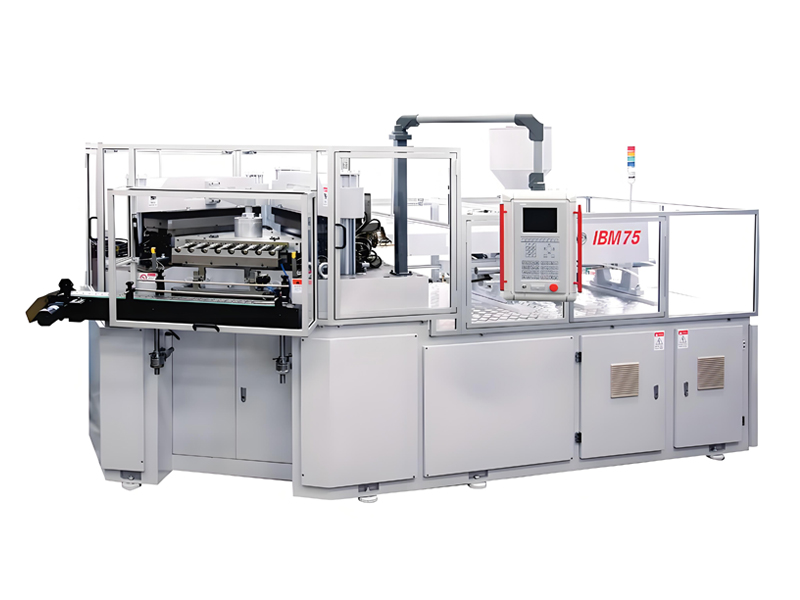
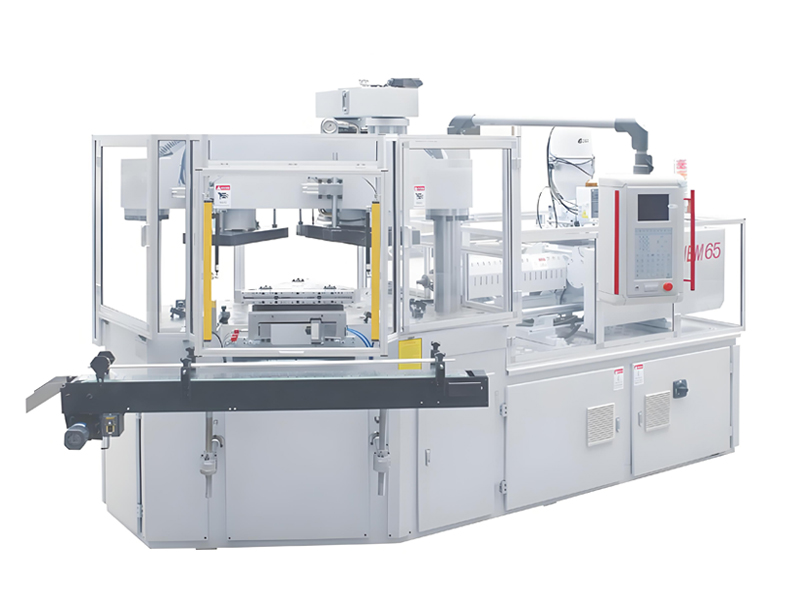
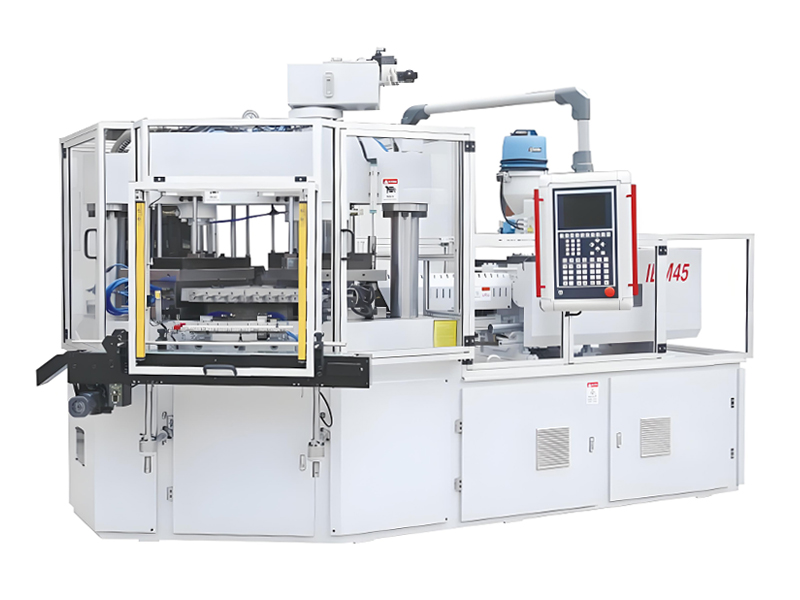
The initial investment for AiBiM injection blow molding machines varies based on model size and configuration. The IBM35 model represents the smallest unit in the AiBiM lineup, suitable for smaller plastic jars up to 175mm height. This model typically requires an investment in the range of 25,000 to 30,000 USD. The IBM45 model, capable of producing jars up to 200mm height, represents a mid-range option with pricing between 30,000 and 38,000 USD. The larger IBM65 model for jars up to 230mm height commands a price range of 35,000 to 45,000 USD. The largest IBM75 model, with the greatest capacity for plastic jar production, typically costs between 40,000 and 52,000 USD.
These prices include the basic machine with standard hydraulic systems. Optional features including servo rotary systems, all-electric injection mechanisms, or enhanced control capabilities add to the base cost. Custom configurations for specific applications may also affect pricing. The investment amounts represent competitive pricing compared to European and Japanese alternatives while providing comparable technology and quality. When evaluating investment costs, buyers should also consider mold costs which typically range from 15,000 to 50,000 USD depending on cavity count and complexity.
Operational Cost Considerations
Beyond initial investment, operational costs significantly impact total ownership cost for injection blow molding machines. AiBiM machines incorporate energy-saving features that reduce operational expenses. The specialized PRE-FILL technology and variable displacement pump systems reduce energy consumption by minimum 35% compared to conventional injection blow molding machines. For machines operating 8,000 hours annually, this energy saving translates to annual electricity cost reductions of approximately 3,000 to 8,000 USD depending on machine size and local energy rates.
Material efficiency also contributes to operational cost savings. The precision of injection blow molding minimizes material waste compared to extrusion blow molding, particularly for complex jar shapes. Material scrap rates on AiBiM machines typically remain below 3%, significantly better than industry averages of 5-8% for extrusion methods. For production consuming 100,000 kg of material annually, this reduction in scrap represents material cost savings of approximately 2,000 to 5,000 USD per year. Combined with energy savings, the operational cost advantages of AiBiM machines can offset the initial investment premium within 2-3 years of operation.
Maintenance and Labor Cost Analysis
Maintenance costs represent another important consideration in total ownership analysis. AiBiM injection blow molding machines incorporate components from reputable brands including FESTO for rotary components and TECHMATION for control systems. These high-quality components reduce maintenance frequency and extend service intervals. The hydraulic system with variable displacement pump operates at optimal conditions, reducing wear on pumps, valves, and actuators. Estimated annual maintenance costs for AiBiM machines range from 2,000 to 4,000 USD depending on operating hours and model size.
Labor costs benefit from the automation and control systems of AiBiM machines. The three-station simultaneous operation requires fewer operators per machine compared to sequential processes. The automatic core rod transfer and ejection systems minimize manual intervention. User-friendly control interfaces with parameter storage and recall functions reduce setup times and operator skill requirements. These features enable labor cost savings of approximately 10,000 to 20,000 USD annually per machine depending on production volume and labor rates. Over a five-year ownership period, the cumulative savings in energy, material efficiency, maintenance, and labor can exceed 100,000 USD per machine.
Return on Investment Calculations
Calculating return on investment requires analysis of revenue generation versus total costs. For a typical plastic jar manufacturing operation producing 2 million jars annually with average margin of 0.10 USD per jar, annual revenue approximates 200,000 USD. Subtracting operational costs of 30,000 USD for energy, material, maintenance, and labor, the annual profit reaches 170,000 USD. Against machine investment of 40,000 USD, the payback period approaches 7-8 months, making injection blow molding investment highly attractive for manufacturers with established markets.
For manufacturers entering new markets or expanding production capacity, the flexibility of AiBiM injection blow molding machines in handling different jar shapes and materials provides additional ROI value. The ability to produce diverse jar shapes on a single machine reduces need for multiple specialized machines, consolidating capital investment. Quick mold changeover capabilities with parameter recall systems enable responsive production scheduling, reducing inventory holding costs and improving cash flow. These operational advantages contribute to ROI beyond simple profit calculations, making AiBiM injection blow molding machines strategic assets for plastic jar manufacturing businesses.
Machine Selection Guidelines for Plastic Jar Production
Selecting the appropriate AiBiM injection blow molding machine for plastic jar production requires careful analysis of production requirements, material specifications, and business objectives. AiBiM offers a range of models with different capabilities to match various application needs. Following systematic selection criteria ensures optimal machine selection that balances capability, cost, and future scalability requirements.
Production Volume Analysis
Production volume represents the primary factor in machine selection. AiBiM machines across the model range offer different production capacities based on cycle times and cavity configurations. The IBM35 model typically produces 500-1,500 jars per hour depending on jar size and cavity count. The IBM45 model increases capacity to 800-2,000 jars per hour. The IBM65 model provides capacity of 1,000-3,000 jars per hour. The IBM75 model delivers the highest capacity of 1,500-4,000 jars per hour. Selecting a model that matches current production needs while allowing for growth prevents over-investment while ensuring capacity for market expansion.
Production volume analysis should consider not only current demand but also seasonal variations and growth projections. Adding 20-30% capacity buffer for growth and peak demand periods prevents production bottlenecks. For manufacturers with variable product mix, machine models with flexible mold installation space accommodate different mold sizes without equipment changes. The platen dimensions and opening strokes of different models should match mold requirements for current and anticipated jar sizes.
Material Processing Requirements
Material selection impacts machine choice through processing requirements and machine capabilities. Standard materials including HDPE, LDPE, and PP can be processed on all AiBiM models with appropriate parameter settings. Engineering plastics including PC, PCTG, and ABS may require larger models with higher clamping forces and injection volumes. The injection volumes of 176g to 400g across the AiBiM model range accommodate most jar requirements but should be verified for specific materials and jar sizes.
Materials with higher processing temperatures or narrow processing windows benefit from machines with more heating zones and advanced temperature control. The IBM65 and IBM75 models with five heating zones provide superior thermal control for sensitive materials. Materials requiring very dry processing conditions may need models with enhanced drying capabilities or external drying equipment preparation. AiBiM technical support can provide specific recommendations based on material grade and jar requirements.
Quality Standards and Regulatory Compliance
Quality requirements and regulatory compliance significantly influence machine selection. Pharmaceutical jar production requires machines capable of consistent dimensional accuracy and surface quality. All AiBiM injection blow molding machines meet these requirements, but specific models may offer advantages for pharmaceutical applications through enhanced control systems and documentation capabilities. Food-grade applications require machines that maintain sanitary conditions, which all AiBiM models achieve through appropriate design features and material compatibility.
Regulatory compliance including CE certification applies to all AiBiM injection blow molding machines. For export markets with specific requirements, AiBiM provides documentation and certifications to support regulatory approval processes. Specialized applications for cosmetic packaging requiring premium surface finish may benefit from models with advanced surface finish capabilities. Quality requirements should be specified during machine selection to ensure appropriate capabilities for target markets and applications.
Advanced Features and Technology Integration
AiBiM injection blow molding machines incorporate advanced features and technology integration that enhance production efficiency, quality consistency, and operational convenience. These technological advantages differentiate AiBiM machines from basic alternatives and provide value that extends beyond simple production capacity. Understanding these features enables manufacturers to leverage technology for competitive advantages and operational excellence.
Specialized Control Systems
The control systems on AiBiM injection blow molding machines represent technological sophistication that optimizes production processes. The specialized controllers and software enable storage of production parameters after commissioning and parameter setting. These parameters can be saved to SD cards for backup and installation into other machines, facilitating function testing and after-service support. This parameter management capability significantly reduces setup times when changing between different jar products or machines.
The control systems provide real-time monitoring of critical process parameters including temperatures, pressures, and cycle times. Alarms alert operators to deviations that could affect quality, enabling prompt corrective action. Historical data logging capabilities enable analysis of production trends and identification of optimization opportunities. For multi-machine operations, consistent control systems across the equipment fleet simplify operator training and maintenance procedures. These advanced control features contribute to both production efficiency and quality consistency.
Energy Efficiency Technologies
Energy efficiency represents both environmental responsibility and cost savings opportunity. AiBiM injection blow molding machines integrate multiple technologies that reduce energy consumption without compromising production quality. The PRE-FILL technology optimizes hydraulic system operation by pre-filling circuits to reduce energy peaks during injection. Variable displacement pumps adjust output based on actual demand rather than running at constant speed, reducing energy consumption during periods of lower requirement.
The optional servo rotary systems provide additional energy savings by replacing hydraulic rotary mechanisms with electric servo drives. These systems typically reduce energy consumption by 40-50% for the rotary function while providing more precise control. For machines operating continuously, the energy savings from servo technology can amount to 5,000-10,000 USD annually depending on machine size and operation mode. The optional all-electric injection system eliminates hydraulic systems entirely, providing the greatest energy savings and reducing environmental impact while offering superior precision.
Safety and Quality Assurance Features
Safety features protect both operators and investment in expensive molds and equipment. The stripper station on AiBiM machines incorporates long-distance digital laser sensors for detection, protecting mold safety by detecting foreign objects or mis-positioned components before mold closing. This advanced sensing technology prevents mold damage that could result in repair costs of 5,000-15,000 USD and production downtime of several days.
Light curtain installation on the stripper station provides personal safety by stopping machine operation when hands or objects enter dangerous zones. This protection meets international safety standards and reduces workplace injury risks. The combination of laser sensors and light curtains creates comprehensive safety protection while maintaining production efficiency. These safety features not only protect personnel and equipment but also contribute to consistent product quality by preventing abnormal operations that could create defective jars.
After-Sales Service and Support
AiBiM provides comprehensive after-sales service support that maximizes machine uptime and optimizes production performance. The company offers on-site installation and commissioning services, ensuring machines operate at optimal conditions from startup. Technical support personnel provide training for operators and maintenance staff, enabling proper machine operation and preventive maintenance procedures. Remote support capabilities through digital communication tools enable rapid troubleshooting and assistance without requiring technician travel.
Spare parts availability ensures minimal downtime for maintenance and repairs. AiBiM maintains inventory of critical components for prompt delivery worldwide. The company provides one year warranty on core components, protecting investment against manufacturing defects. Ongoing maintenance contracts and service agreements are available to provide predictable maintenance costs and priority support. This comprehensive service infrastructure reduces total ownership costs by maximizing machine availability and extending equipment lifespan.
Conclusion
AiBiM injection blow molding machines offer comprehensive solutions for plastic jar manufacturing across diverse shapes, sizes, and materials. The combination of precision injection molding technology with efficient blow molding processes creates capabilities for producing jars with exceptional quality and dimensional accuracy. From simple cylindrical containers to complex specialized geometries, AiBiM machines provide the versatility needed to meet market demands and create distinctive packaging solutions. The material compatibility spanning from standard polyethylene to engineering plastics enables manufacturers to select materials based on product requirements rather than machine limitations.
Cost analysis demonstrates that while injection blow molding represents significant capital investment, the operational advantages of AiBiM machines provide favorable total ownership economics. Energy savings of minimum 35%, reduced material waste, lower maintenance requirements, and labor efficiency improvements combine to create operational cost advantages that can offset initial investment within 2-3 years. The advanced features including specialized control systems, safety sensors, and optional servo technologies provide competitive advantages beyond simple production capacity.
For manufacturers seeking to establish or expand plastic jar production capabilities, AiBiM injection blow molding machines offer proven technology, competitive pricing, and comprehensive support. The company experience with exports to Southeast Asia, Middle East, Europe, Americas, and Africa demonstrates global market acceptance and capability to meet international standards. The range of models ensures appropriate selection for current needs while allowing for future growth and product diversification. As packaging markets continue evolving with increasing demands for quality, sustainability, and distinctive designs, AiBiM injection blow molding machines provide the technology foundation for competitive plastic jar manufacturing.