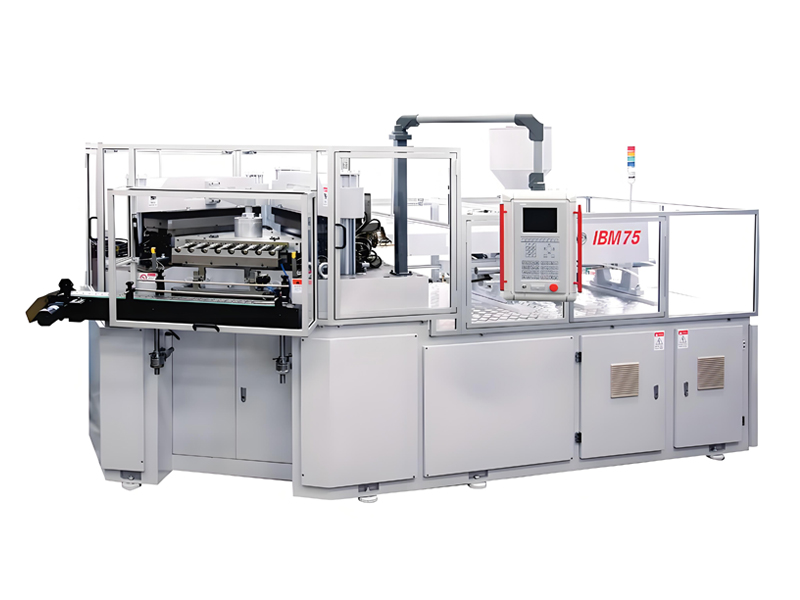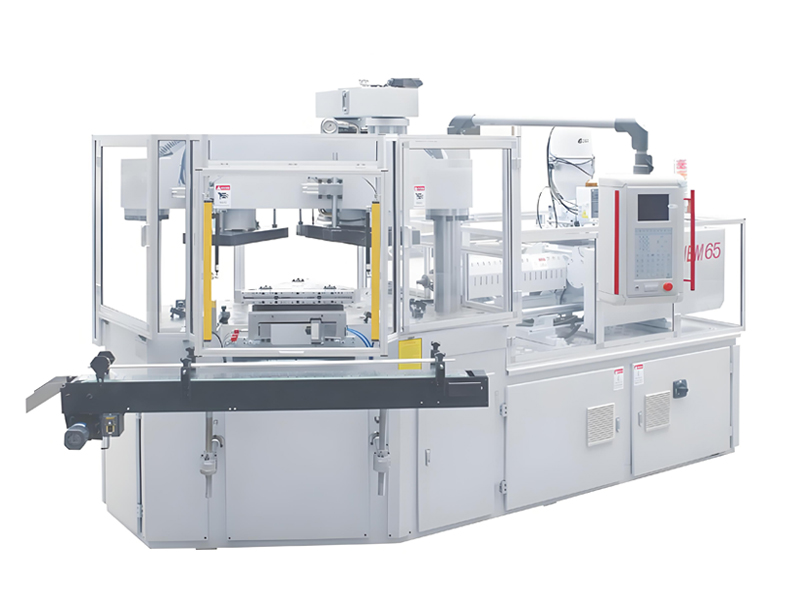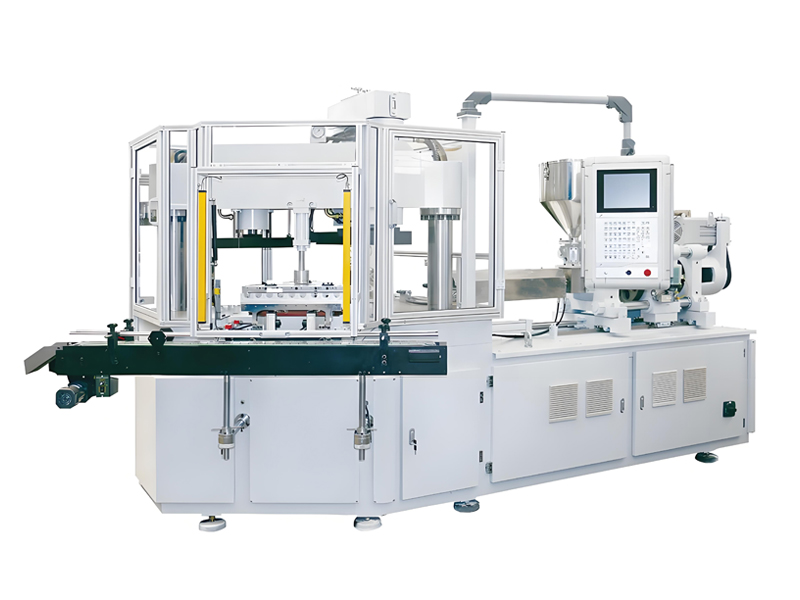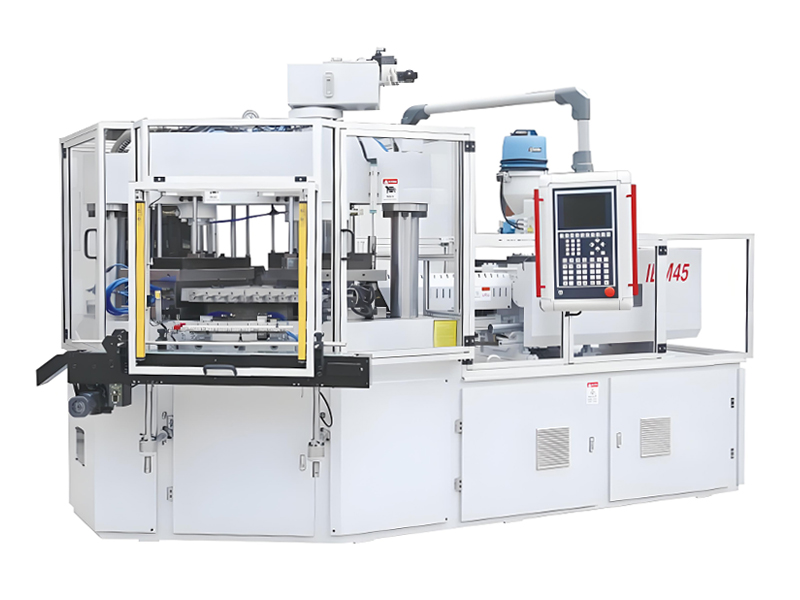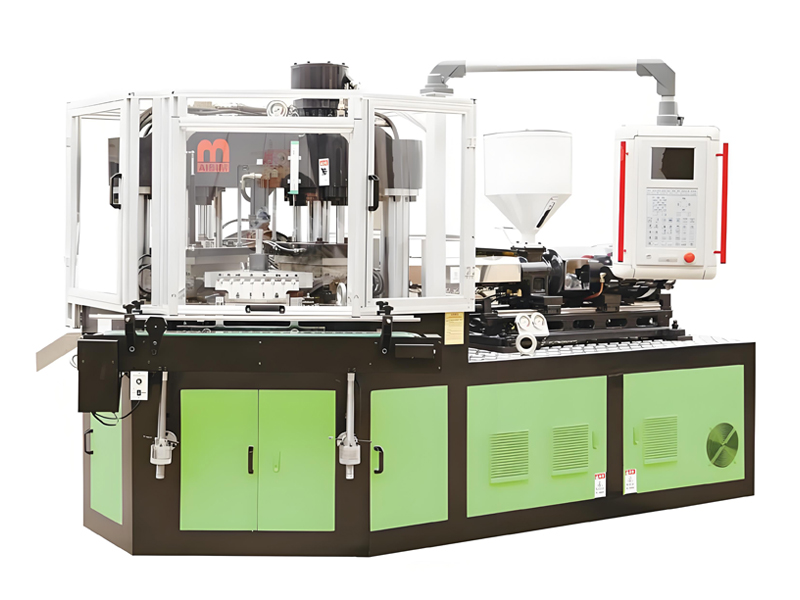
The structural framework of an injection blow molding machine serves as the foundation that determines long-term precision, stability, and operational reliability. Among the critical factors distinguishing high-quality manufacturing equipment, the durability of the machine frame ranks among the most important considerations for production facilities seeking consistent performance over extended equipment lifecycles. China injection blow molding machine manufacturers have made significant advances in frame construction technology, incorporating premium materials and precision manufacturing processes that deliver durability specifications competitive with equipment from any global source. The injection blow molding machine frame must be engineered to withstand years of continuous production demands.
The steel frame of an injection blow molding machine must withstand tremendous forces during the injection, stretching, and blow molding phases while maintaining precise alignment between critical components. These mechanical demands, combined with thermal stresses from heating and cooling cycles, create an environment that challenges structural integrity over time. Equipment with inadequate frame construction experiences alignment drift, increased wear, and premature failure that compromise productivity and product quality.
Understanding the engineering principles and manufacturing practices that determine frame durability enables informed equipment selection and effective maintenance practices. This comprehensive examination of high durability steel frame technology provides the technical foundation required for evaluating China injection blow molding machine options and ensuring optimal performance throughout the equipment lifecycle.
Engineering Principles of Machine Frame Design
Machine frame design balances multiple competing requirements including structural rigidity, weight optimization, manufacturing cost, and material availability. The frame must provide sufficient stiffness to maintain precise component alignment under load while avoiding excessive mass that complicates installation and increases material costs. Modern design approaches utilize finite element analysis to optimize material distribution and identify areas requiring reinforcement for the injection blow molding machine frame.
The selection of appropriate steel grades and section geometries determines the fundamental structural performance characteristics of the injection blow molding machine frame. Different steel compositions offer varying combinations of strength, toughness, and weldability that influence both manufacturing processes and final performance. Understanding these material property relationships enables informed decisions about frame construction specifications.
Thermal considerations in frame design address the effects of temperature variations during equipment operation. The injection blow molding process involves significant heating and cooling cycles that induce thermal stresses in frame components. Proper design accounts for these effects through material selection, geometric features, and manufacturing processes that ensure dimensional stability throughout the operating temperature range of the injection blow molding machine.
Structural Stiffness and Deflection Analysis
Structural stiffness, measured as the ratio of applied force to resulting deflection, represents a primary performance metric for injection blow molding machine frames. Higher stiffness provides better resistance to deformation under load, maintaining precise alignment between the injection unit, mold platen, and tie bars throughout the production cycle. Minimum deflection specifications ensure consistent product quality and tool life of the injection blow molding machine.
Deflection analysis considers the effects of clamping forces, injection pressures, and blow forces on frame deformation. The analysis must address both static deflection under sustained loads and dynamic deflection during rapid force application. Advanced analysis methods incorporate time-dependent effects and material nonlinearity to accurately predict real-world performance.
Tolerances for product dimensions and quality directly relate to machine stiffness specifications. Frames with inadequate stiffness cause variations in mold alignment that manifest as dimensional errors, flash defects, and accelerated tool wear. Production of tight-tolerance products requires correspondingly stiff machine frames to achieve consistent quality.
Fatigue Resistance and Service Life
Machine frames experience cyclic loading throughout their operational life as production cycles repeat continuously. This cyclic loading can cause fatigue damage that accumulates over time, eventually leading to crack initiation and propagation. Frame design must address fatigue resistance to ensure acceptable service life under expected operating conditions for the injection blow molding machine.
Steel fatigue properties depend on material composition, heat treatment, surface condition, and stress levels. Weld locations represent particular concern due to residual stresses and metallurgical changes introduced by the welding process. Proper weld design, execution, and post-weld treatment significantly influence fatigue performance and service life.
Service life predictions for injection blow molding machine frames consider expected production volumes, operating patterns, and maintenance practices. Frames designed for extended service life incorporate generous safety margins and fatigue-resistant details that ensure reliable performance over decades of operation. Documented service life specifications provide assurance for long-term investment planning for the injection blow molding machine.
Steel Frame Materials and Properties
High-Strength Low-Alloy Steels
High-strength low-alloy (HSLA) steels provide excellent strength-to-weight ratios that enable robust frames without excessive mass. These materials contain small additions of alloying elements such as chromium, nickel, molybdenum, and vanadium that improve mechanical properties while maintaining good formability and weldability. Common HSLA grades used in machine frame construction include ASTM A572 and EN 10025 specifications.
The yield strength of HSLA steels typically ranges from 275 to 450 megapascals, providing substantial load-carrying capacity in efficiently designed structures. The enhanced strength enables reduction in section sizes compared to conventional carbon steels, reducing material weight and cost while maintaining equivalent performance. This weight reduction also simplifies installation and reduces shipping costs.
HSLA steels exhibit good weldability when proper procedures are followed, though preheating and post-weld heat treatment may be required for thicker sections. Material data sheets provide specific recommendations for welding parameters and heat treatment requirements. Adherence to established procedures ensures that welded connections achieve mechanical properties matching the base metal.
Carbon Steel Varieties and Applications
Carbon steels remain popular for machine frame construction due to their combination of adequate strength, excellent weldability, and cost-effectiveness. Structural carbon steels such as ASTM A36 and S275JR provide reliable performance for moderate-duty applications. The well-established supply chain for these materials ensures availability and competitive pricing.
Quality variations in carbon steel products for the injection blow molding machine require attention to sourcing and verification practices. Material certificates confirming chemical composition and mechanical properties provide assurance of adequate quality. Reputable suppliers maintain quality management systems that ensure consistent product characteristics. Investing in quality materials prevents problems downstream.
Surface preparation and protective treatment extend the service life of carbon steel frames by preventing corrosion damage. Painting systems appropriate for industrial environments protect against moisture and chemical exposure. Regular inspection and maintenance of protective coatings identifies damage requiring repair before corrosion progresses significantly.
Tool Steel and Specialty Applications
Tool steels find application in machine components requiring exceptional wear resistance or dimensional stability. Guide bushings, wear plates, and other high-contact surfaces benefit from tool steel properties that resist wear and maintain precise dimensions. These materials represent targeted investments that improve specific machine functions without requiring complete frame upgrades.
Hardened steel inserts in critical wear locations provide replaceable surfaces that extend frame service life. This approach enables economical repair of worn components without replacing entire structural members. Design for maintainability considers the locations and replacement procedures for wear components, minimizing downtime for repair operations.
Specialty steel alloys address specific application requirements such as elevated temperature service or corrosive environments. While these materials command premium prices, the enhanced properties justify investment for demanding applications. Consultation with materials specialists helps identify optimal solutions for unusual requirements.
Manufacturing Processes for Durable Frames
Precision Machining and Assembly
Precision machining establishes the dimensional accuracy of frame components and the relationships between critical mounting surfaces. Computer numerical control machining ensures consistent quality and precise adherence to design specifications. Multiple setup operations may be required to access all necessary surfaces while maintaining accuracy across the complete component.
Assembly procedures must maintain the precision established during component manufacturing. Fixture design and assembly sequencing significantly influence the final accuracy of completed frames. Proper fastener installation, including specified torque values and thread engagement, ensures that assembled connections perform as designed throughout service life.
Geometric tolerance verification confirms that assembled frames meet accuracy specifications before machine integration. Coordinate measuring machines and laser tracking systems provide comprehensive dimensional data that documents compliance with requirements. This verification investment prevents problems during machine operation and reduces warranty claims.
Welding Technology and Quality Assurance
Welding joins frame components into complete structural assemblies capable of distributing loads efficiently across all members. Modern welding technology, including semi-automatic and automatic processes, ensures consistent weld quality while maximizing productivity. Shielded metal arc welding, gas metal arc welding, and submerged arc welding each offer advantages for specific applications.
Weld quality assurance encompasses procedure qualification, welder certification, and production testing. Welding procedure specifications document the parameters required for sound welds, including filler metal selection, current settings, and technique requirements. Welder performance qualification confirms individual capability to produce acceptable welds per qualified procedures.
Non-destructive testing methods including ultrasonic testing, magnetic particle inspection, and radiographic examination identify internal and surface defects that could compromise structural integrity. Testing requirements depend on stress levels and consequence of failure for specific weld locations. Quality documentation provides traceability and assurance of adequate testing.
Heat Treatment and Stress Relief
Heat treatment processes modify the mechanical properties of steel components to achieve the combination of strength, toughness, and machinability required for specific applications. Normalizing, annealing, quenching, and tempering each produce characteristic microstructures and properties. The specific treatment sequence depends on material grade and performance requirements.
Stress relief heat treatment reduces residual stresses introduced by welding, machining, and thermal processing. These residual stresses can cause dimensional instability during subsequent machining or service operation. Proper stress relief enables predictable behavior and maintains the accuracy established during manufacturing. Temperature and time parameters depend on material composition and stress levels.
Case hardening processes including carburizing, nitriding, and induction hardening improve surface hardness while maintaining tough core properties. These treatments benefit components subject to surface wear or contact stresses. The depth and hardness of case layers depend on treatment parameters and steel composition. Selective case hardening of wear surfaces provides targeted improvement where needed.
Design Features of Durable Injection Blow Molding Machine Frames
Platen and Tie Bar Construction
The mold platens of an injection blow molding machine must maintain flatness and parallelism under clamping forces that can exceed several hundred tons. High-quality platens incorporate ribbed construction that provides maximum stiffness with minimum weight. Ductile iron casting offers excellent stiffness and damping characteristics, while fabricated steel construction enables customization for specific applications.
Tie bars connect the fixed and moving platens, providing the structural framework that maintains alignment throughout the clamping cycle. High-tensile steel tie bars with precision-machined surfaces ensure smooth movement and extended service life. Tie bar diameter selection considers both strength requirements and deflection limits under load. Four-tie-bar designs represent the standard configuration, with larger machines potentially incorporating additional tie bars.
Guide systems maintain precise alignment between moving components during the injection blow molding cycle. Linear guide bearings, bronze bushings, and slideways each offer advantages depending on load, precision, and maintenance requirements for the injection blow molding machine. Regular lubrication maintains proper clearances and prevents wear that could compromise alignment accuracy.
Base Frame and Foundation Integration
The base frame of the injection blow molding machine provides the foundation for all other machine components, transferring loads to the building foundation while maintaining overall alignment. Rigid base construction prevents settling and misalignment that could affect machine performance. Welded steel fabrications with stiffener ribs provide efficient load distribution and resistance to distortion.
Leveling provisions enable precise machine positioning and compensation for minor foundation variations. Jacking screws, leveling pads, and grouting procedures each contribute to achieving and maintaining proper alignment. Foundation design considerations include load distribution, vibration isolation, and seismic requirements depending on location and building codes.
Integral hydraulic tanks and electrical enclosures integrated into the base frame simplify installation and reduce floor space requirements. These design features consolidate machine functions while maintaining accessibility for maintenance operations. Balanced arrangement of components facilitates material flow and operator access during production.
Injection Unit Mounting and Alignment
The injection unit of an injection blow molding machine requires precise alignment with the mold platens to ensure proper material flow into preform cavities. Mounting arrangements must maintain this alignment throughout the injection process while accommodating thermal expansion and mechanical loading. Rigid mounting systems prevent deflection that could cause leakage or material degradation.
Adjustment mechanisms enable precise positioning of the injection unit relative to the mold platens. Manual adjustment with position indicators provides simple, reliable positioning control. Motorized adjustment enables rapid setup changes for different products. Position feedback systems verify alignment before production begins, preventing problems from misalignment.
The injection unit support structure must resist the substantial forces developed during injection while maintaining the alignment necessary for quality preform production. Vertical and horizontal loading require consideration in support design. Adequate stiffness prevents unit deflection that could affect shot size consistency and preform quality.
Quality Verification and Testing Methods
Dimensional Inspection and Tolerance Verification
Dimensional inspection confirms that manufactured frames of the injection blow molding machine meet design specifications within acceptable tolerances. Coordinate measuring machines provide comprehensive measurement capability for complex geometries. Laser trackers and photogrammetry systems enable efficient verification of large components and assembled units. Measurement uncertainty considerations ensure that tolerances are appropriate for available measurement capability.
Flatness verification for mold mounting surfaces ensures proper sealing and heat transfer during production. Straightedges and feeler gauges provide simple verification methods, while laser interferometers enable high-precision measurement of flatness deviations. Surface plate inspection with height gauges verifies perpendicularity and parallelism relationships between critical surfaces.
Clearance and fit verification confirms that assembled components function as designed. Threaded hole inspection, fastener engagement verification, and moving component clearance measurement identify potential assembly issues before machine operation. Documentation of inspection results provides quality records and traceability.
Structural Testing and Load Verification
Structural testing applies loads that simulate actual operating conditions, verifying that frame deflections and stress levels of the injection blow molding machine remain within design limits. Strain gauge instrumentation measures actual stresses under load, confirming analytical predictions and identifying areas of stress concentration. This testing validates design assumptions and identifies locations requiring reinforcement.
Deflection measurement under controlled loads verifies structural stiffness meets specifications. Dial indicators, LVDT sensors, and laser displacement sensors provide accurate deflection data. Comparison with design calculations enables validation of analytical methods and confidence in performance predictions for untested conditions.
Proof loading applies loads exceeding normal operating levels to verify adequate safety margins. This testing confirms that frames can withstand overload conditions without damage. The magnitude and duration of proof loads depend on design philosophy and applicable standards. Documentation of proof test results provides evidence of structural adequacy.
Long-Term Durability Assessment
Accelerated durability testing simulates extended service conditions to identify potential failure modes and verify service life predictions. Cyclic loading programs replicate the stress patterns experienced during actual production. Environmental exposure testing addresses effects of temperature variations, humidity, and corrosive atmospheres on frame materials and protective coatings.
Wear testing evaluates the durability of guide systems, bearings, and other moving components. Friction and wear measurements quantify performance characteristics and identify wear mechanisms. These tests support selection of optimal materials and lubrication systems for extended service intervals.
Field performance data from installed equipment provides the ultimate validation of frame durability for the injection blow molding machine. Tracking service records, maintenance requirements, and failure patterns across the installed population identifies design improvements and validates design assumptions. This feedback loop enables continuous improvement in frame design and manufacturing processes for the injection blow molding machine.
Cost Analysis of High Durability Steel Frames
The cost of high durability steel frames in China injection blow molding machines reflects the material quality, manufacturing processes, and quality assurance measures incorporated in production. While frames represent a significant portion of total machine cost, the durability benefits typically justify investment through extended service life, reduced maintenance, and consistent production quality. Understanding cost drivers enables informed evaluation of value propositions from different manufacturers.
Material costs for steel frames depend on steel grade, weight, and market conditions. High-strength steels command premium prices compared to structural carbon steels, but enable weight reduction that partially offsets material cost increases. Bulk purchasing and long-term supply agreements can reduce material costs significantly for high-volume manufacturers.
Manufacturing costs including machining, welding, and assembly depend on equipment capabilities, labor costs, and production volumes. Automated welding and machining systems reduce labor requirements while improving consistency. The balance between automation investment and production volume determines optimal manufacturing approaches for specific frame types.
Quality assurance costs include testing equipment, inspection labor, and documentation systems. These investments prevent quality problems that would result in higher costs through warranty claims, customer dissatisfaction, and reputation damage. Comprehensive quality management systems provide cost-effective quality assurance through prevention rather than detection.
AiBiM IBM Series Frame Construction
The AiBiM IBM Series injection blow molding machine incorporates high durability steel frame construction designed for extended service life in demanding production environments. The single-beam dual-column design provides exceptional structural stability while minimizing floor space requirements. This innovative architecture represents an advancement in injection blow molding machine frame design that delivers performance benefits beyond traditional configurations.
AiBiM’s manufacturing facilities in Zhangjiagang utilize advanced fabrication and machining equipment that ensures consistent quality in frame production. Comprehensive quality management systems verify material properties, manufacturing processes, and finished product characteristics. This systematic approach to quality ensures that every machine meets the durability standards expected by customers worldwide.
The IBM55 Hybrid Electric model, priced from $95,000 to $130,000, incorporates the same durable frame construction as larger models, providing excellent value for production of smaller containers. The IBM65 model, ranging from $110,000 to $165,000, scales up frame capacity for medium-scale production requirements. The IBM75 model, priced from $160,000 to $280,000, delivers the robust frame construction required for industrial-scale production of large containers up to 1000ml capacity.
Maintenance Practices for Frame Longevity
Preventive Maintenance Programs
Effective preventive maintenance programs maintain frame condition and identify developing problems before they cause failures. Regular inspection schedules verify that critical fasteners remain properly tightened, protective coatings remain intact, and moving components operate smoothly. Documentation of inspection findings enables tracking of condition trends and planning of maintenance interventions.
Lubrication maintenance ensures that guide systems, bearings, and other moving components operate with minimum friction and wear. Following manufacturer recommendations for lubricant specifications, application intervals, and quantities maintains optimal performance. Inadequate lubrication causes accelerated wear and potential damage that shortens component service life.
Alignment verification at scheduled intervals confirms that frame geometry remains within specifications despite normal service conditions. Thermal effects, foundation settling, and mechanical loading can cause gradual alignment changes that affect product quality and component wear rates. Periodic verification enables correction before problems develop.
Environmental Protection and Corrosion Prevention
Protective coating systems prevent corrosion that compromises frame strength and appearance over time. Regular inspection identifies coating damage requiring repair before corrosion progresses significantly. Touch-up painting and coating repair procedures restore protection without complete repainting. Annual inspection and maintenance typically maintains adequate protection for most environments.
Environmental controls in the production facility influence frame corrosion rates and maintenance requirements. Climate control reduces humidity levels that accelerate corrosion. Proper drainage prevents standing water that damages base structures. Good housekeeping practices prevent accumulation of debris and moisture that promote corrosion.
Corrosion monitoring techniques identify developing problems before significant damage occurs. Visual inspection identifies surface corrosion and coating failure. Thickness measurement using ultrasonic techniques quantifies metal loss from corrosion. These monitoring methods enable targeted maintenance interventions that preserve frame integrity.
Documentation and Service Record Management
Comprehensive maintenance documentation provides valuable information for service planning and performance analysis. Records of inspection findings, maintenance performed, and parts replaced enable tracking of component wear patterns and maintenance costs. This data supports optimization of maintenance intervals and identification of design improvements.
Equipment history documentation provides continuity when personnel changes occur or machines transfer between locations. Complete records enable new personnel to understand equipment condition and maintenance history without time-consuming investigation. This continuity supports consistent maintenance practices and prevents problems from missed service requirements.
Warranty documentation ensures that customers receive the support they are entitled to under manufacturer warranties. Understanding warranty coverage, claim procedures, and documentation requirements enables efficient resolution of warranty issues. Prompt, professional warranty service maintains customer satisfaction and protects manufacturer reputation.
AiBiM Quality Commitment in Machine Manufacturing
AiBiM (Zhangjiagang AiBiM Plastics Machinery Co., Ltd) has built its reputation on delivering high-quality injection blow molding machines that meet the demanding requirements of manufacturers worldwide. With 12 years of focused experience in injection blow molding technology, the company has developed comprehensive expertise in machine design, manufacturing, and customer support. This experience translates into reliable, durable equipment that performs consistently across diverse applications.
The company’s export presence spanning more than 40 countries demonstrates the international recognition of AiBiM machine quality. Diverse market conditions and application requirements have driven continuous improvement in machine design and manufacturing processes. This global perspective ensures that AiBiM machines meet or exceed the requirements of customers regardless of location or application.
CE certification confirms that AiBiM machines comply with European safety and performance requirements, providing assurance of quality to customers worldwide. This certification requires systematic quality management throughout design, manufacturing, and support processes. AiBiM’s commitment to certification maintenance demonstrates ongoing dedication to quality excellence.
The PREFILL technology and energy-efficient hybrid electric drive systems incorporated in AiBiM machines represent technological advancements that improve production efficiency while reducing operating costs. These innovations complement the durable frame construction, providing comprehensive performance benefits that justify investment in AiBiM equipment.
Frequently Asked Questions
What factors determine the durability of injection blow molding machine frames?
Frame durability depends on steel material quality, design engineering, manufacturing precision, and maintenance practices. High-strength materials, optimized geometries, precision machining, proper welding, and stress relief treatment all contribute to long-term structural integrity. Regular maintenance prevents premature deterioration and identifies developing problems.
How long do high-quality injection blow molding machine frames typically last?
Well-maintained injection blow molding machine frames commonly provide 15 to 25 years of productive service life, with some frames operating effectively for 30 years or more. Actual service life depends on operating intensity, maintenance quality, and environmental conditions. Investment in quality frames and maintenance pays returns through extended service life.
What maintenance is required for steel frames on injection blow molding machines?
Steel frame maintenance includes regular inspection of protective coatings, verification of fastener tightness, lubrication of moving components, and alignment verification. Environmental controls and good housekeeping practices support frame longevity. Following manufacturer maintenance recommendations ensures optimal results.
How do China injection blow molding machines compare in frame quality to other sources?
China injection blow molding machine manufacturers have achieved significant advances in quality and durability. Leading manufacturers like AiBiM utilize premium materials, advanced manufacturing processes, and comprehensive quality assurance that compete with any global source. Evaluating specific manufacturers and their quality practices provides the best basis for comparison.
What signs indicate frame problems that require attention?
Warning signs of frame problems include increased vibration, unusual noises, product quality variations, increased wear rates, and visible damage or corrosion. Regular inspection identifies developing issues before they cause failures. Prompt attention to warning signs prevents more serious problems and reduces repair costs.
How does frame design affect injection blow molding machine performance?
Frame rigidity directly influences product quality, tool life, and production consistency. Insufficient rigidity causes deflection under load that manifests as dimensional errors, flash, and accelerated wear. Rigid frames maintain precise alignment throughout the production cycle, enabling consistent quality and extended tool life.
What role does welding quality play in frame durability?
Welding quality significantly influences frame durability through effects on structural integrity and fatigue resistance. Proper weld procedures, qualified welders, and appropriate testing ensure that welded connections achieve design strength. Weld defects represent potential failure initiation sites that compromise overall frame reliability.
Can injection blow molding machine frames be repaired if damaged?
Frame damage can often be repaired through welding, machining, or component replacement depending on the nature and extent of damage. Professional assessment determines repair feasibility and required procedures. Preventive maintenance practices help avoid damage that requires repair and extend overall frame service life.
What should buyers look for when evaluating injection blow molding machine frame quality?
Buyers should evaluate steel specifications, manufacturing processes, quality assurance procedures, and testing practices. Material certifications, weld procedure documentation, and inspection records provide evidence of quality. Visiting manufacturing facilities enables direct assessment of production capabilities and quality management.
How does frame construction affect injection blow molding machine energy efficiency?
Frame rigidity enables efficient machine operation by maintaining alignment and preventing energy losses from deflection. Energy-efficient machines utilize rigid frames that support precise control and optimized cycle times. The frame itself does not consume energy, but enables efficient use of drive systems.
Conclusion
High durability steel frame construction represents a critical factor in injection blow molding machine performance, reliability, and long-term value. Understanding the engineering principles, materials, manufacturing processes, and maintenance practices that determine frame durability enables informed equipment selection and effective asset management for any injection blow molding machine operation.
China injection blow molding machine manufacturers have demonstrated capability to produce machines with frame durability matching or exceeding global standards. The AiBiM IBM Series exemplifies this quality commitment through innovative design, premium materials, and comprehensive quality assurance. These machines deliver the structural performance required for demanding injection blow molding machine production environments.
Investment in high-quality frames provides returns through extended service life, reduced maintenance, consistent product quality, and reliable production performance for the injection blow molding machine. The long-term benefits of quality construction justify initial cost premiums for manufacturers focused on sustainable productivity and competitive advantage in the injection blow molding industry.