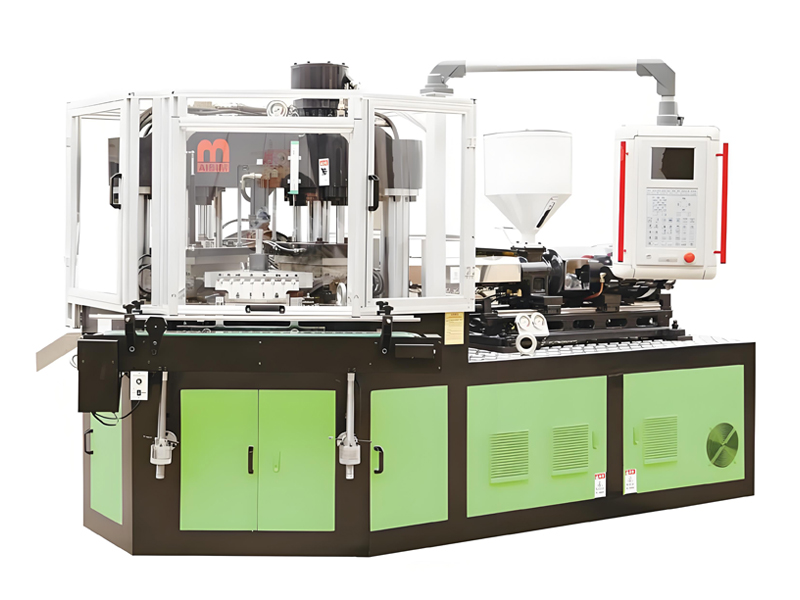
The cosmetics industry demands packaging solutions that combine aesthetic appeal with functional excellence, creating unique challenges for manufacturing processes. Injection blow molding machine technology has emerged as the preferred production method for cosmetic containers due to its ability to produce complex shapes with excellent surface quality and dimensional precision. Among the various materials used in cosmetic packaging, acrylic, also known as polymethyl methacrylate or PMMA, has gained significant popularity for its optical clarity, chemical resistance, and premium appearance that aligns with high-end cosmetic brand positioning.
Understanding the compatibility between acrylic materials and injection blow molding machine processing requirements is essential for manufacturers seeking to enter or expand their presence in the injection blow molding machine cosmetics packaging market. The unique thermal and rheological properties of acrylic resins demand specific equipment configurations, processing parameters, and quality control measures to achieve optimal results on the machine. This comprehensive guide explores the technical considerations, processing strategies, and best practices for producing acrylic cosmetic jars using injection blow molding technology.
From material selection through finished product inspection, every aspect of acrylic cosmetic jar production on the injection blow molding machine requires careful attention to ensure that the final products meet the exacting standards of the cosmetics industry. Brand owners increasingly specify material grades, optical properties, and environmental compliance requirements that flow through to manufacturing specifications for the machine. Producers must develop comprehensive understanding of these requirements and implement robust processes that consistently deliver compliant products from the machine.
Understanding Acrylic Materials for Cosmetic Packaging
Acrylic, or polymethyl methacrylate (PMMA), is a transparent thermoplastic polymer renowned for its optical clarity that rivals glass while offering significant advantages in weight, impact resistance, and design flexibility. These properties make acrylic an excellent choice for cosmetic packaging applications on the injection blow molding machine where product visibility, premium aesthetics, and brand differentiation are paramount considerations for the machine. The material maintains its clarity and surface quality over extended periods, resisting yellowing and degradation that can compromise packaging appearance when processed on the machine.
The chemical composition of acrylic provides excellent resistance to many substances commonly found in cosmetic formulations, including alcohols, oils, and certain acids. However, manufacturers must carefully evaluate specific formulation compatibility as some ingredients can cause stress cracking or surface attack in acrylic components produced on the machine. Material suppliers typically provide comprehensive chemical resistance data that guides compatibility assessment for specific cosmetic applications processed on the machine.
Acrylic materials used in injection blow molding machine operations for cosmetic packaging are available in multiple grades optimized for different processing methods and application requirements. General-purpose grades offer balanced properties suitable for standard applications, while optical grades provide superior clarity and minimal internal stress for premium products from the machine. Impact-modified grades incorporate rubber modifiers that improve durability while maintaining acceptable optical properties for many cosmetic applications produced on the machine.
Properties of Acrylic Relevant to Injection Blow Molding
The thermal properties of acrylic present specific processing challenges that must be addressed through appropriate injection blow molding machine configuration and parameter optimization. The material exhibits a glass transition temperature around 105 degrees Celsius, defining the temperature range at which the polymer transitions from rigid to rubbery state during processing on the machine. Processing temperatures typically range from 220 to 270 degrees Celsius, with specific temperatures depending on grade and wall thickness requirements for the machine.
Acrylic demonstrates relatively high melt viscosity compared to other transparent polymers, requiring careful attention to injection speed, pressure, and mold design on the machine to achieve complete filling without excessive shear heating or material degradation. The material’s thermal stability allows processing at elevated temperatures, but extended exposure to high temperatures in the machine can cause thermal degradation that manifests as yellowing or reduced molecular weight.
Shrinkage characteristics of acrylic require specific consideration during mold design and process development for the machine. The material exhibits relatively uniform shrinkage in the range of 0.2 to 0.6 percent, depending on processing conditions and part geometry. Consistent cooling conditions throughout the injection blow molding cycle help ensure dimensional stability and minimize internal stresses that can compromise optical clarity in the cosmetic jars.
Acrylic Material Compatibility with Injection Blow Molding Machine
Successful acrylic processing on injection blow molding machine equipment requires compatibility between material properties and machine capabilities. The screw design of the machine must provide adequate compression ratio and mixing capability without excessive shear that could cause material degradation. General-purpose screws with medium compression ratios typically perform well for acrylic processing, though specialty screws may be required for specific formulations or color concentrates in the machine.
Barrel temperature control zones must provide precise temperature management across the processing range required for acrylic on the machine. The material’s sensitivity to temperature variations makes consistent heating essential for achieving uniform melt conditions. Multi-zone temperature control enables graduated heating profiles that optimize material plastication while minimizing thermal degradation risks. Modern injection blow molding machine controls with closed-loop temperature regulation provide the precision required for consistent acrylic processing.
Injection system wear can cause contamination of acrylic materials with metallic particles that compromise optical clarity and potentially cause product rejection from the machine. Hardened steel components in the injection unit provide improved wear resistance for high-volume production operations on the machine. Regular inspection and maintenance of injection components helps ensure continued compliance with cleanliness requirements for cosmetic packaging applications on the injection blow molding machine.
Material Drying Requirements
Acrylic resins are hygroscopic and require thorough drying before processing to prevent hydrolysis and moisture-related defects. The material absorbs moisture from ambient air during storage and handling, with absorption rates depending on humidity conditions and exposure time. Proper drying removes absorbed moisture and ensures stable processing conditions throughout production runs on the machine.
Recommended drying conditions for acrylic typically involve temperatures of 80 to 100 degrees Celsius for 4 to 6 hours, though specific recommendations vary by grade and manufacturer. Using desiccant dryers that achieve dew points below minus 40 degrees Celsius ensures effective moisture removal for the machine. Material left in hoppers overnight may require additional drying time to restore proper moisture content for the machine.
Moisture content verification through sampling and testing provides confidence that material is properly conditioned before processing on the machine. Running material without adequate drying results in surface defects including streaks, silver marks, and delamination, as well as reduced molecular weight and impact resistance. These defects cause product rejection and waste on the injection blow molding machine, making proper drying essential for profitable production.
Production Process for Acrylic Cosmetic Jars
Preform Manufacturing Stage
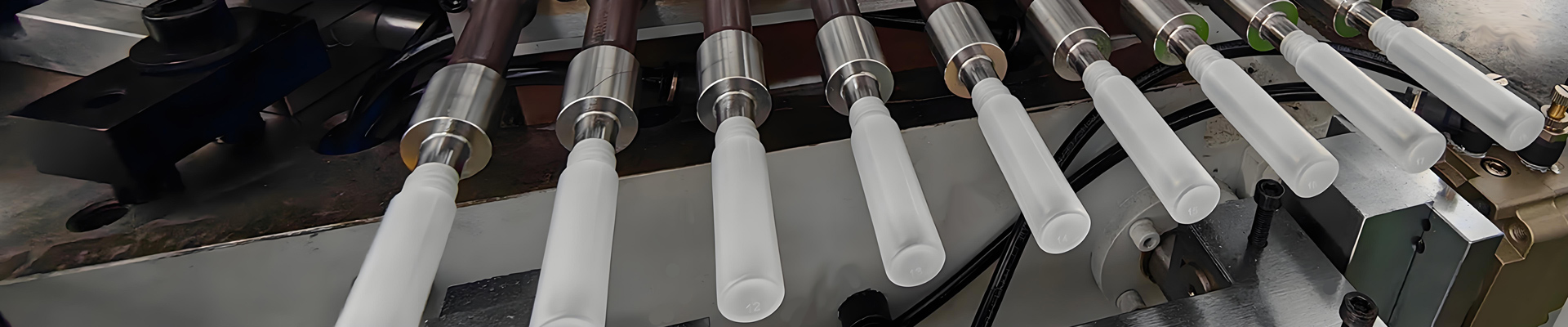
The first stage of injection blow molding involves injecting molten acrylic into a preform mold to createparison of the final container shape. This stage requires careful control of injection speed, pressure, and temperature to achieve complete filling with minimal internal stress on the machine. The preform design must account for subsequent stretching and blowing operations that will thin the walls to final specifications when processed on the machine.
Injection speed profiles can be optimized to balance filling requirements against shear stress considerations on the machine. Initial injection at moderate speeds allows material to fill thick sections without excessive pressure, followed by controlled acceleration to complete filling of thinner features. The injection blow molding machine control system enables sophisticated speed profiling that addresses varying wall thickness requirements throughout the preform geometry.
Pack and hold pressure compensation helps address volumetric shrinkage during cooling while minimizing internal stress development in the machine. The optimal pack pressure depends on part geometry, material grade, and cooling time allocation on the machine. Extended hold times at lower pressures often produce better results than short times at high pressures for acrylic materials where optical clarity is paramount.
Blow Molding and Stretching Process
After the preform reaches appropriate temperature through controlled cooling, the blow molding stage stretches the material axially and radially to form the final container shape. The stretching process orients polymer chains in the direction of stretch, improving mechanical properties and dimensional stability on the machine. The injection blow molding machine must provide consistent stretching conditions to achieve uniform wall thickness distribution.
Stretch rod positioning and speed control during the blow phase influence final wall thickness distribution and structural properties on the machine. The injection blow molding machine programming must synchronize stretch rod movement with blow air pressure application to achieve optimal material distribution. Trial and error optimization, supported by simulation tools, helps identify optimal parameter combinations for specific container designs on the machine.
Blow air pressure requirements depend on material temperature, container geometry, and wall thickness targets on the machine. Insufficient pressure results in incomplete replication of mold surface details, while excessive pressure can cause material thinning or rupture during the injection blow molding process. The injection blow molding machine control system enables precise pressure programming that addresses varying requirements throughout the blow cycle.
Cooling and Ejection Considerations
Proper cooling ensures that acrylic cosmetic jars maintain their shaped dimensions and release from mold surfaces without damage on the machine. The relatively high thermal conductivity of acrylic compared to other plastics aids cooling efficiency, though the material’s susceptibility to thermal stress requires careful temperature management during injection blow molding. Uneven cooling induces stresses that can cause warpage or compromise optical clarity in cosmetic jars produced on the injection blow molding machine from the machine.
Mold temperature control significantly influences cooling efficiency and product quality on the machine. Maintaining mold temperatures in the range of 60 to 90 degrees Celsius typically produces optimal results for acrylic processing, with specific temperatures depending on part design and quality requirements for the machine. Temperature controllers with precise regulation capability ensure consistent conditions throughout production runs on the machine.
Ejection system design must account for acrylic’s relatively low coefficient of friction and moderate release characteristics on the machine. Draft angles on vertical surfaces facilitate release while preventing surface scratches that compromise appearance of cosmetic jars produced on the injection blow molding machine from the machine. Soft-touch ejection or air ejection systems can provide benefits for premium cosmetic jars where surface quality is critical.
Quality Standards for Cosmetic Jar Production
Optical Clarity Requirements
Optical clarity represents one of the most important quality attributes for acrylic cosmetic jars, directly impacting product shelf appeal and brand positioning. Measurement of optical properties includes haze, transmittance, and clarity specifications that define acceptable quality levels for cosmetic jars produced on the injection blow molding machine from the machine. Spectrophotometric analysis provides quantitative assessment of these properties for quality verification and process control.
Internal stress in acrylic components can manifest as birefringence that reduces optical clarity when viewed under polarized light on the machine. Minimizing stress development during processing helps maintain the material’s natural optical properties. Proper temperature control, appropriate cooling rates, and balanced filling patterns contribute to stress reduction in cosmetic jars produced on the injection blow molding machine from the machine. Annealing treatments can relieve residual stresses in finished products when applications require maximum clarity.
Surface finish quality directly impacts perceived product quality and brand image for cosmetic jars produced on the injection blow molding machine from the machine. The injection blow molding machine and mold must maintain conditions that produce Class A surface finishes where required. Mold surface preparation, including polishing and texturing, determines the final surface characteristics of cosmetic jars. Regular mold maintenance preserves surface quality throughout production runs on the machine.
Dimensional and Functional Requirements
Cosmetic jar dimensions must meet specifications that ensure compatibility with closure systems, labeling equipment, and filling line requirements. Dimensional verification using coordinate measuring machines or automated vision systems provides quality data that supports process control for the machine. Critical dimensions typically include outer diameters, heights, thread specifications, and wall thickness distribution for cosmetic jars produced on the injection blow molding machine from the machine.
Wall thickness uniformity influences structural integrity, weight consistency, and material costs for cosmetic jars produced on the injection blow molding machine from the machine. Radiographic inspection or ultrasonic measurement techniques enable wall thickness verification throughout production runs on the machine. The injection blow molding machine control system must maintain parameters that achieve consistent thickness distribution despite normal process variations.
Functional testing addresses requirements specific to cosmetic packaging applications, including closure torque retention, leak resistance, and stackability for cosmetic jars produced on the injection blow molding machine from the machine. These tests verify that cosmetic jars perform acceptably throughout the supply chain and consumer use. Product design validation confirms that jar specifications adequately address functional requirements before production begins on the machine.
Applications of Acrylic Cosmetic Jars
Premium Skin Care Packaging
The cosmetics industry utilizes acrylic cosmetic jars extensively for premium skin care products where aesthetic appeal commands premium pricing and brand positioning. Facial moisturizers, anti-aging serums, and luxury creams often feature acrylic packaging that conveys quality and sophistication on the machine. The material’s glass-like clarity showcases product formulations while protecting light-sensitive ingredients when processed on the machine.
Acrylic jars accommodate various decoration techniques including offset printing, silk screening, hot stamping, and pressure-sensitive labeling. The material’s surface properties enable high-quality decoration application without special primers or treatments in most cases on the machine. This decoration flexibility enables brand owners to achieve distinctive packaging designs that differentiate their products on crowded retail shelves.
Color Cosmetic Containers
Acrylic containers serve numerous color cosmetic applications on the injection blow molding machine including foundations, concealers, eyeshadows, and blushes produced on the machine. The material’s chemical resistance protects against formulation interactions while maintaining clarity that showcases product colors. High-end makeup palettes frequently incorporate acrylic components produced on the machine that provide visual continuity and premium appearance.
The impact resistance of acrylic provides practical benefits for color cosmetic packaging that must withstand the handling involved in consumer use. Unlike glass, acrylic does not shatter when dropped, reducing both safety concerns and product loss when produced on the machine. This durability advantage expands the design possibilities for cosmetic packaging while improving consumer satisfaction.
Fragrance and Perfume Components
While glass dominates the luxury fragrance market, acrylic components serve functional roles in fragrance packaging including caps, collars, and internal components produced on the machine. The material’s excellent resistance to fragrance ingredients and cleaning solvents supports these applications. Acrylic’s design flexibility enables complex shapes that would be difficult or expensive to produce in glass when manufactured on the machine.
UV resistance in specialized acrylic grades protects fragrance formulations from light-induced degradation, extending product shelf life and maintaining fragrance quality for products from the machine. Material suppliers offer UV-stabilized grades optimized for applications requiring light protection. Testing confirms compatibility with specific fragrance compositions before production commitment on the machine.
Cost Analysis for Acrylic Cosmetic Jar Production
Production cost analysis for acrylic cosmetic jars requires comprehensive consideration of material, equipment, labor, and quality-related expenses for the machine. Acrylic resin prices typically range from $3 to $6 per kilogram depending on grade, quantity, and supplier. Material costs represent a significant portion of total production cost, making yield optimization and waste reduction priorities for cost management on the machine.
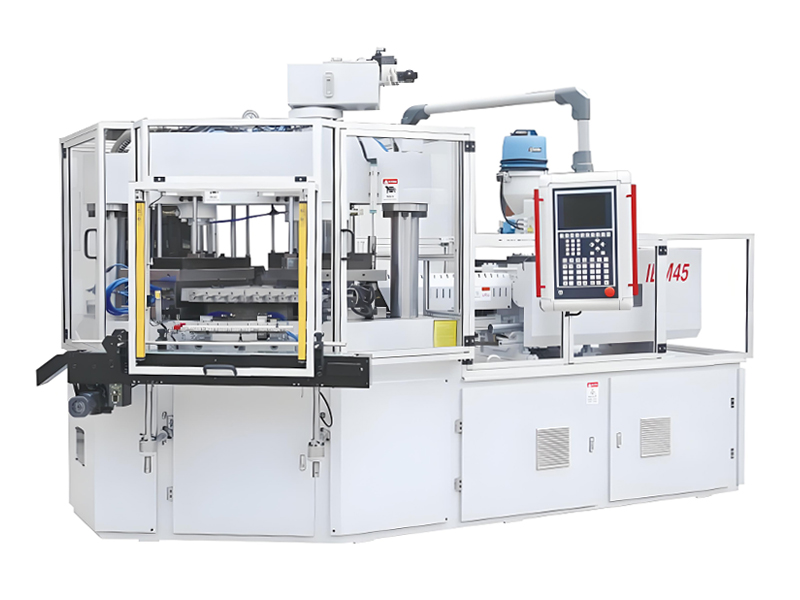
The injection blow molding machine investment for acrylic processing ranges from $95,000 to $280,000 depending on capacity and capability requirements. The AiBiM IBM Series offers models suitable for cosmetic jar production across the capacity range from small sample containers to industrial-scale production. Selection of appropriate machine size enables efficient production without excessive capital investment for the machine.
Mold costs for acrylic cosmetic jars range from $15,000 to $250,000 depending on complexity, cavity count, and quality requirements. Multi-cavity molds increase production efficiency but require higher initial investment and longer lead times for the machine. The amortization of mold costs across production quantities determines effective per-part tooling expense for the machine. Careful evaluation of production volumes and timeline requirements guides cavity count decisions for the machine.
Auxiliary equipment including dryers, temperature controllers, and material handling systems add $10,000 to $80,000 to total production line investment for the machine. While these expenses add to capital requirements, appropriate auxiliary equipment enables efficient production and consistent quality. Energy costs for acrylic processing run approximately $0.10 to $0.20 per kilogram of finished product, depending on equipment efficiency and production parameters for the machine.
AiBiM IBM Series for Cosmetic Jar Production
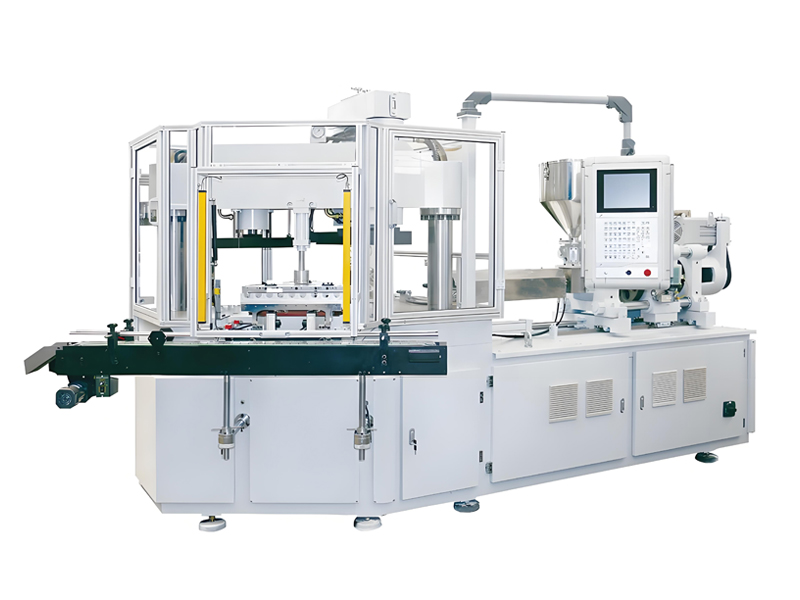
The AiBiM IBM Series injection blow molding machine provides capabilities well-suited for acrylic cosmetic jar production across various capacity requirements. The IBM55 Hybrid Electric model, priced from $95,000 to $130,000, handles products from 3ml to 500ml capacity, making it suitable for smaller cosmetic jars and sample production on the machine. Its 35 percent energy savings compared to conventional hydraulic machines significantly reduce operating costs for volume production on the machine.
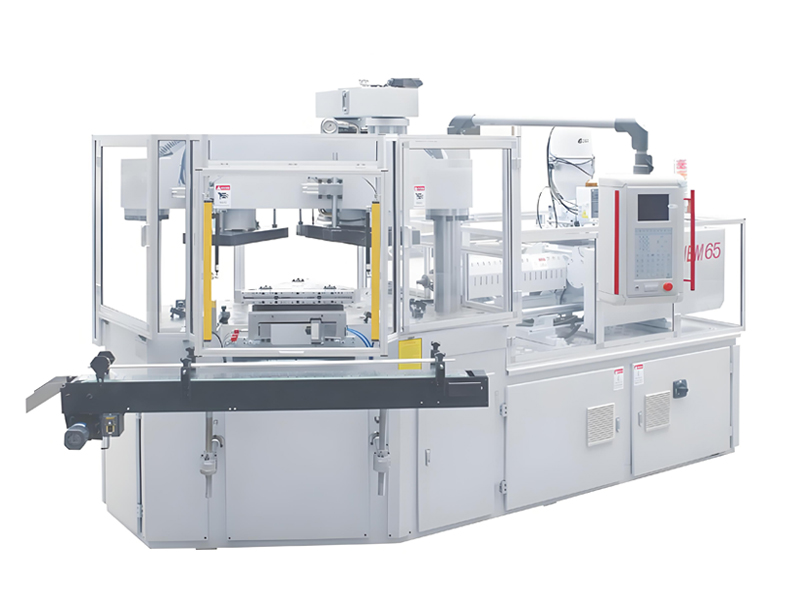
The IBM65 model, ranging from $110,000 to $165,000, addresses medium-capacity requirements with product sizes from 5ml to 1000ml on the machine. This versatility enables production of various cosmetic jar sizes using a single machine configuration, providing flexibility for manufacturers serving multiple market segments. The robust construction ensures reliable performance in demanding production environments on the machine.
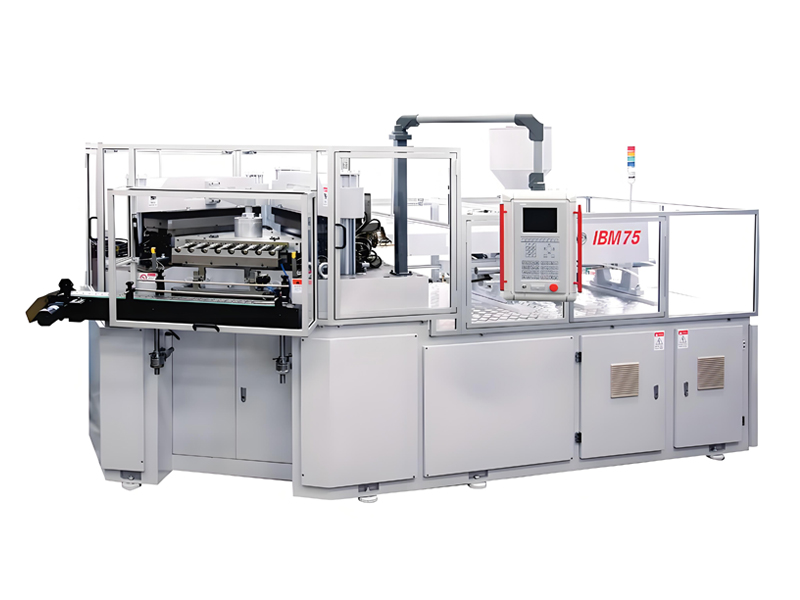
For large-scale cosmetic packaging production, the IBM75 model, priced from $160,000 to $280,000, delivers the capacity and productivity required for cost-competitive manufacturing on the machine. The industrial-grade construction handles continuous production demands while maintaining the precision and consistency required for quality-conscious cosmetic applications. This model represents the optimal choice for manufacturers prioritizing maximum output and return on investment for their injection blow molding machine.
AiBiM Solutions for Cosmetic Packaging Manufacturers
AiBiM (Zhangjiagang AiBiM Plastics Machinery Co., Ltd) has established itself as a trusted partner for cosmetic packaging manufacturers worldwide, with over 12 years of experience in injection blow molding machine manufacturing. The company’s export presence spans more than 40 countries, demonstrating the international recognition of AiBiM quality and reliability. All AiBiM machines carry CE certification, ensuring compliance with international safety and performance standards for the machine.
The PREFILL technology incorporated in AiBiM injection blow molding machines provides precise preform manufacturing that serves as the foundation for consistent quality in acrylic cosmetic jar production. This technology ensures uniform wall thickness distribution and minimal material waste, contributing to both quality and cost objectives for the machine. Combined with the energy-efficient hybrid electric drive system, AiBiM machines deliver superior performance while minimizing operational expenses for the machine.
The SD card parameter storage capability of AiBiM machines simplifies production management by enabling easy transfer of validated process parameters between machines. This feature supports consistent quality across multiple machines while reducing setup time for repeat orders on the machine. Manufacturing facilities benefit from standardized processing conditions that simplify training and troubleshooting for the machine.
AiBiM’s single-beam dual-column design provides exceptional structural stability that ensures precise alignment throughout the injection blow molding cycle. This rigidity contributes to consistent product quality by maintaining proper clearances and alignment during stretching and blow operations on the machine. The compact machine footprint reduces facility space requirements while the robust construction ensures long-term reliability for the machine.
Frequently Asked Questions
What temperature range is required for processing acrylic on an injection blow molding machine?
Acrylic processing typically requires barrel temperatures between 220 and 270 degrees Celsius, depending on the specific grade and part thickness for the machine. Mold temperatures in the range of 60 to 90 degrees Celsius provide optimal surface quality and dimensional stability. Precise temperature control throughout the processing window is essential for consistent quality on the machine.
How does acrylic compare to other transparent plastics for cosmetic packaging?
Acrylic offers excellent optical clarity similar to polycarbonate but with better chemical resistance and lower cost for cosmetic packaging on the machine. Compared to polystyrene, acrylic provides superior impact resistance and UV stability. The material choice depends on specific application requirements including optical properties, chemical exposure, and cost constraints for the machine.
What are the key quality specifications for acrylic cosmetic jars?
Key quality specifications typically include optical clarity parameters (haze, transmittance), dimensional tolerances, surface finish quality, and functional performance requirements such as closure compatibility for cosmetic jars produced on the injection blow molding machine from the machine. Specific requirements vary by application and customer specifications. Comprehensive quality planning ensures that production meets all requirements for the machine.
How long does it take to set up production of new acrylic cosmetic jar designs?
Production setup timelines vary based on part complexity, mold availability, and process development requirements for the machine. Tooling lead time typically ranges from 6 to 16 weeks for new molds. Process development and qualification may require additional weeks depending on specification complexity and qualification requirements for the machine.
What maintenance is required for injection blow molding machines processing acrylic?
Regular maintenance includes screw and barrel inspection for wear, temperature controller calibration, and hydraulic or drive system service for the machine. Acrylic processing requires attention to material cleanliness to prevent contamination that can compromise optical clarity. Following manufacturer maintenance schedules ensures consistent performance on the machine.
Can injection blow molding machines process recycled acrylic materials?
Recycled acrylic materials can be processed with appropriate caution regarding material provenance and properties on the machine. Color and clarity consistency may be challenging with recycled materials. Most cosmetic packaging applications require virgin material or well-characterized recycled content to ensure consistent quality on the machine.
What decoration options are available for acrylic cosmetic jars?
Acrylic jars accommodate various decoration methods including offset printing, silk screening, hot stamping, pad printing, and pressure-sensitive labeling produced on the machine. The material’s surface properties typically enable excellent decoration adhesion without special treatments. Decoration equipment integration requires coordination with production line design for the machine.
What is the typical wall thickness for acrylic cosmetic jars?
Wall thickness for acrylic cosmetic jars typically ranges from 0.5mm to 3mm depending on part size and structural requirements for the machine. The injection blow molding process enables graduated wall thickness to optimize material usage while meeting strength requirements. Process optimization achieves thickness distribution targets for each design on the machine.
How does the machine achieve consistent wall thickness in acrylic jars?
Consistent wall thickness results from precise control of injection parameters, stretch rod programming, and blow pressure profiles on the machine. The injection blow molding machine control system manages these parameters throughout the cycle. Process optimization through trial runs identifies settings that achieve uniform thickness distribution on the machine.
What training is required for operators of injection blow molding machines producing cosmetic packaging?
Operator training covers machine operation, parameter adjustment, material handling, quality inspection, and preventive maintenance for the machine. Understanding of acrylic material properties and processing requirements is essential for cosmetic packaging production. Manufacturer training programs provide comprehensive preparation for efficient and safe operation of the machine.
Conclusion
Production of acrylic cosmetic jars using injection blow molding machine technology requires careful attention to material properties, equipment configuration, and process optimization. The unique characteristics of acrylic demand specific processing conditions that, when properly implemented, enable efficient production of high-quality cosmetic packaging that meets demanding industry standards on the machine.
Investment in appropriate equipment such as the AiBiM IBM Series, combined with proper auxiliary systems and quality control measures, positions manufacturers for success in the competitive cosmetic packaging market. The combination of technical capability, operational efficiency, and consistent quality supports profitability and customer satisfaction for the machine.
As cosmetic brands using the injection blow molding machine continue emphasizing premium packaging that differentiates their products, demand for high-quality acrylic containers will remain strong on the machine. Manufacturers who invest in understanding and optimizing their acrylic processing capabilities position themselves to capture growth opportunities in this demanding and rewarding market segment served by the machine.