The baby care products market represents one of the most dynamic and demanding segments of the consumer goods industry, with baby wipes occupying a central position in daily infant care routines worldwide. The containers housing baby wipes have evolved significantly over the years, with flip top designs emerging as the dominant configuration preferred by parents for their convenience, hygiene, and ease of single-handed operation during diaper changes and other caregiving tasks. This specialized packaging application places unique demands on injection blow molding machines and requires careful attention to design, material selection, and production quality. Understanding the specific requirements for manufacturing high-quality baby wipe containers is essential for manufacturers seeking to serve this demanding market segment successfully.
Baby Wipe Container Market Overview
The global baby wipes market has experienced consistent growth driven by increasing birth rates in developing regions, rising awareness of infant hygiene, and the convenience factor that disposable wipes provide to busy parents. Market research indicates that the baby wipes segment represents a multi-billion dollar category globally, with projections showing continued expansion over the coming decade. This growth has created substantial demand for quality baby wipe containers, driving opportunities for manufacturers capable of producing containers that meet the exacting standards of this market. The competitive landscape includes major consumer products companies as well as private label manufacturers, creating opportunities for injection blow molding operations at various scales of production.
Consumer preferences in the baby wipe market emphasize convenience, hygiene, and product preservation. Parents seek containers that dispense wipes easily with one hand while holding the baby or performing other caregiving tasks. The flip top closure mechanism has become the standard configuration because it allows quick access to wipes while maintaining a seal that prevents moisture loss and protects wipes from contamination. Visual appeal matters significantly in this market, as parents are drawn to attractive packaging designs and are often willing to pay premium prices for products that meet both functional and aesthetic expectations. The combination of functional requirements, safety standards, and aesthetic considerations makes baby wipe container production a demanding application for injection blow molding technology.
Market Segmentation and Distribution Channels
The baby wipe market segments across multiple dimensions including price positioning, wipes formulation, container size, and distribution channel. Premium baby care brands target affluent consumers seeking the highest quality products and are willing to pay premium prices for packaging that reflects this positioning. Mass market brands compete on value, requiring efficient manufacturing to maintain profitability while meeting competitive price points. Natural and organic brands emphasize ingredient purity and environmental responsibility, often requiring specialized materials and marketing claims that must be supported by manufacturing and packaging practices. Each segment presents different opportunities and challenges for container manufacturers, requiring flexibility in production capabilities and quality systems.
Distribution channels influence container requirements through factors including shelf presentation, handling conditions, and order quantities. Retail channels including grocery stores, pharmacies, and baby specialty stores account for the majority of baby wipe sales and have specific requirements for packaging that performs well in shelf environments. E-commerce channels have grown significantly, with different requirements related to package durability during shipping and handling. Food service and institutional channels including hospitals and daycare facilities have distinct requirements related to bulk packaging and professional use cases. Understanding the requirements of target distribution channels helps container manufacturers develop products and production capabilities that meet market needs effectively.
Competitive Landscape and Differentiation
The competitive landscape for baby wipe containers includes large multinational consumer products companies with extensive packaging development capabilities alongside smaller manufacturers serving niche markets and private label customers. Differentiation in this market comes from multiple dimensions including design innovation, material selection, sustainability positioning, and cost competitiveness. Companies that successfully differentiate through design innovation may develop proprietary closure mechanisms or distinctive visual appearances that create brand recognition and consumer loyalty. Sustainability positioning has become increasingly important, with consumers and brand owners seeking packaging solutions that reduce environmental impact through material efficiency, recycled content, or recyclability.
Cost competitiveness remains critical for manufacturers serving mass market and private label customers where margins are thin and efficiency is essential for profitability. The ability to produce quality containers at competitive costs requires efficient equipment, optimized processes, and disciplined cost management throughout the operation. AiBiM’s injection blow molding machines provide manufacturers with the efficiency and capability needed to compete effectively in this demanding market. The company’s equipment delivers consistent quality, efficient production, and the flexibility needed to serve diverse customer requirements across different market segments and price points.
Flip Top Container Design Features
The flip top closure mechanism that characterizes baby wipe containers represents a sophisticated design solution addressing multiple functional requirements simultaneously. Understanding the design principles and engineering considerations underlying effective flip top containers helps manufacturers produce products that meet consumer expectations and perform reliably in use. The flip top design has evolved through multiple generations of refinement, with current designs offering excellent functionality while remaining cost-effective to manufacture at production volumes required by this market.
Closure Mechanism Engineering
The flip top closure consists of a hinged lid that pivots between open and closed positions, providing access to wipes while maintaining a seal that prevents moisture loss and protects remaining wipes from contamination. The hinge design is critical for achieving reliable operation over hundreds or thousands of opening and closing cycles throughout the product lifecycle. Living hinges, formed from the same plastic material as the container body, offer cost-effective solutions when designed properly but require careful attention to material selection and hinge geometry. Multi-piece hinge assemblies using separate components provide greater design flexibility and potentially improved durability at higher manufacturing cost.
The sealing mechanism between the flip top lid and container body must maintain a reliable seal throughout the product lifecycle while allowing easy opening and closing by users. Various sealing configurations including interference fits, gasket materials, and sealing ribs provide different levels of sealing performance and manufacturing complexity. The selection of sealing mechanism depends on factors including the required moisture barrier performance, acceptable defect rates in production, and manufacturing cost constraints. Flip top containers for baby wipes typically require robust sealing to prevent moisture loss over extended storage periods, as consumers expect wipes to remain moist throughout normal product usage.
Ergonomic and User Experience Considerations
Ergonomic design of baby wipe containers focuses on enabling easy, intuitive operation during the challenging conditions of caregiving situations. Parents typically need to access wipes with one hand while holding or attending to their baby with the other hand, requiring that containers be operable without complex motions or excessive force. The flip top mechanism must open easily with minimal grip strength while remaining secure enough to prevent accidental opening during handling and storage. Large, clearly visible opening guides help users locate the flip top quickly and position their hand appropriately for one-handed operation.
The physical design of the container influences grip and handling during use, with contours and surface textures that help parents maintain secure grip even with potentially slippery hands. The container size and weight affect handling during use, with designs that balance the need for adequate wipe quantity against the desire for manageable container size. Visual design elements including color, shape, and graphic treatment contribute to the overall user experience and brand perception. Containers that are visually appealing and pleasant to use create positive associations that influence brand loyalty and repeat purchase behavior. The comprehensive user experience provided by well-designed flip top containers justifies the investment in precise tooling and optimized production processes.
AiBiM Machine Capabilities for Flip Top Production
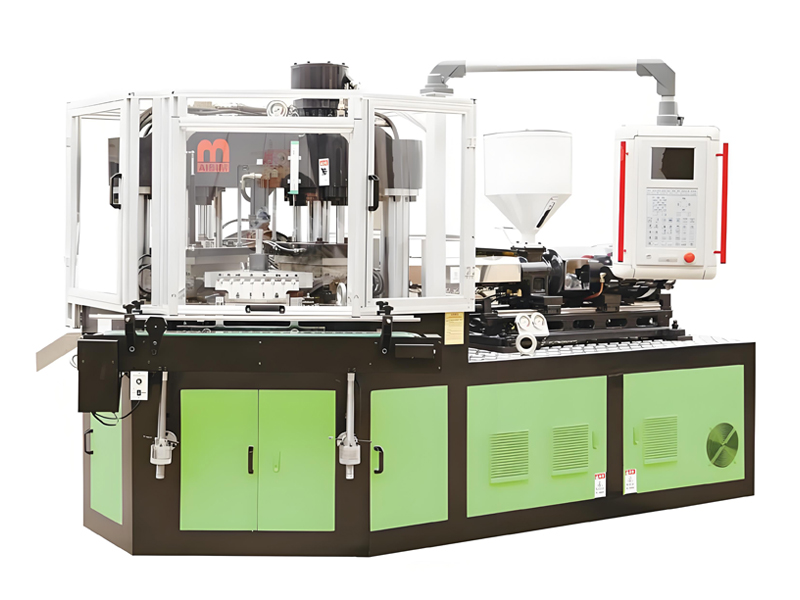
AiBiM has developed injection blow molding capabilities specifically suited to the production of flip top containers for baby care applications. The company’s machines provide the precision, consistency, and efficiency required for competitive manufacturing of these demanding containers. Understanding AiBiM’s capabilities helps manufacturers evaluate equipment options and develop production strategies that support market success in the baby wipe container segment.
Precision Molding for Complex Geometries
Flip top containers require precise molding to achieve proper fit between moving components and consistent sealing performance across production volumes. The living hinge, flip top mechanism, and sealing surfaces must be molded with tight tolerances to ensure reliable function throughout the product lifecycle. AiBiM machines provide the precise control over injection parameters, temperature management, and mold positioning that complex flip top geometries demand. The advanced control systems enable operators to maintain consistent process conditions that minimize variation between parts and ensure reliable performance from the first part through the last part of each production run.
The multi-shot or two-stage injection blow molding capabilities of AiBiM machines enable production of containers with different material properties in various zones. For flip top containers, this capability might be utilized to incorporate different material grades or colors in specific areas of the container. The ability to mold multiple materials or material combinations in a single production operation can improve manufacturing efficiency compared to post-molding assembly operations. Multi-cavity mold configurations enable efficient high-volume production while maintaining the precision required for flip top functionality. AiBiM’s experience with complex injection blow molding applications provides valuable expertise for manufacturers developing flip top container production capabilities.
Consistency and Quality Maintenance
Quality consistency is essential for flip top container production, as even minor variations can affect closure performance and consumer satisfaction. AiBiM machines incorporate advanced process monitoring and control capabilities that help maintain consistent quality throughout production runs. Real-time monitoring of critical parameters including injection pressure, temperatures, and cycle times enables rapid identification and correction of process variations before they result in defective parts. Statistical process control capabilities support systematic quality management and continuous improvement efforts. The comprehensive documentation and traceability features of AiBiM equipment meet the requirements of quality-conscious customers including major consumer products companies.
The robust construction and quality components of AiBiM machines contribute to long-term consistency and reliability. Durable mold platens, precise guide systems, and stable clamping mechanisms maintain alignment throughout extended production runs. The energy-efficient hybrid electric design reduces variability associated with hydraulic system fluctuations, contributing to more consistent process conditions. Preventive maintenance systems and diagnostic capabilities help identify potential issues before they affect product quality or equipment reliability. These capabilities combine to provide the foundation for consistent, reliable production of flip top containers that meet demanding quality standards.
Material Selection for Baby Products
Material selection for baby wipe containers requires careful attention to safety, performance, and regulatory compliance requirements specific to this application category. Baby products are subject to heightened scrutiny regarding material safety, as infants and young children may be more vulnerable to exposure from packaging materials. Understanding the material requirements and available options helps manufacturers select appropriate materials that meet safety standards while delivering the performance and cost characteristics required for competitive market positioning.
Safety Standards and Regulatory Requirements
Baby wipe containers must comply with food contact material regulations in most markets, as wipes formulations may be considered food contact substances depending on their composition and intended use. In the United States, the Food and Drug Administration regulates food contact materials under the Food, Drug, and Cosmetic Act, requiring that packaging materials be suitable for their intended use without causing harm to consumers. Similar regulatory frameworks exist in the European Union, China, and other major markets, with specific requirements that may differ in detail but share common objectives of ensuring material safety. Compliance requires documentation of material safety, testing where required, and maintenance of quality systems that ensure ongoing compliance.
Beyond food contact regulations, baby products may be subject to additional requirements specific to infant care products. These may include specific testing for chemical substances that could migrate into wipes or contact infant skin during use. Regulations regarding phthalates, bisphenol compounds, and heavy metals are particularly relevant for baby product applications. AiBiM machines support processing of materials that meet these stringent requirements, including high-purity grades of conventional plastics and specialty materials developed specifically for sensitive applications. Working with material suppliers who understand baby product requirements helps ensure that selected materials provide the safety and compliance documentation needed for market access.
Polypropylene and Polyethylene Applications
Polypropylene has emerged as the dominant material for baby wipe flip top containers due to its excellent balance of properties for this application. PP offers good chemical resistance to the various formulations used in baby wipes, preventing container degradation and maintaining product integrity over extended storage periods. The material provides adequate impact resistance for containers that may be dropped during use while maintaining the stiffness required for reliable flip top mechanism function. PP can be processed efficiently on injection blow molding equipment, and the material accepts colorants well, enabling attractive visual designs that appeal to parents. Material costs for PP are competitive with other suitable options, supporting cost-effective production.
Polyethylene, particularly high-density HDPE, offers an alternative material option for baby wipe containers with slightly different property trade-offs. HDPE provides excellent chemical resistance and moisture barrier properties, though its flexibility may be less suitable for flip top living hinge applications compared to PP. LDPE offers greater flexibility but typically lacks the stiffness needed for reliable flip top mechanism performance. For containers without flip top living hinges, where hinges are assembled from separate components, HDPE may provide an appropriate material choice with excellent cost and processing characteristics. Material selection for specific applications should consider the complete range of requirements including closure mechanism, filling conditions, and end-use environment.
Specialty Materials for Premium Positioning
Premium baby care brands may seek specialty materials that provide enhanced properties or support differentiated positioning in the market. Eastman Tritan copolyester offers exceptional clarity, impact resistance, and chemical resistance that can differentiate containers in premium market segments. Tritan’s clarity enables visibility of wipe quantity and allows creative visual designs that would not be possible with opaque materials. The material meets stringent safety requirements and provides excellent durability for long product lifecycles. However, Tritan’s higher material cost limits its use to premium applications where the enhanced properties and positioning justify premium pricing.
Sustainable material options including recycled content and bio-based polymers are increasingly relevant for baby product applications as parents and brands seek more environmentally responsible packaging. Recycled HDPE and PP can provide sustainability benefits while maintaining the properties required for flip top container applications. Bio-based PP derived from renewable feedstocks offers reduced petroleum dependence while maintaining properties equivalent to conventional PP. AiBiM machines are capable of processing these sustainable material options, enabling manufacturers to address growing market demand for environmentally responsible baby product packaging. The material compatibility of AiBiM equipment across a broad range of materials provides the flexibility needed to serve diverse market positioning strategies.
Cost Analysis for Baby Wipe Container Production
Understanding the cost structure for baby wipe container production enables manufacturers to develop competitive pricing strategies and optimize production efficiency. The baby wipe container market includes both high-volume commodity segments where cost competitiveness is essential and premium segments where quality and differentiation justify higher prices. Analyzing cost components helps manufacturers identify opportunities for cost optimization while making appropriate investment decisions for equipment and capabilities.
Capital Investment Requirements
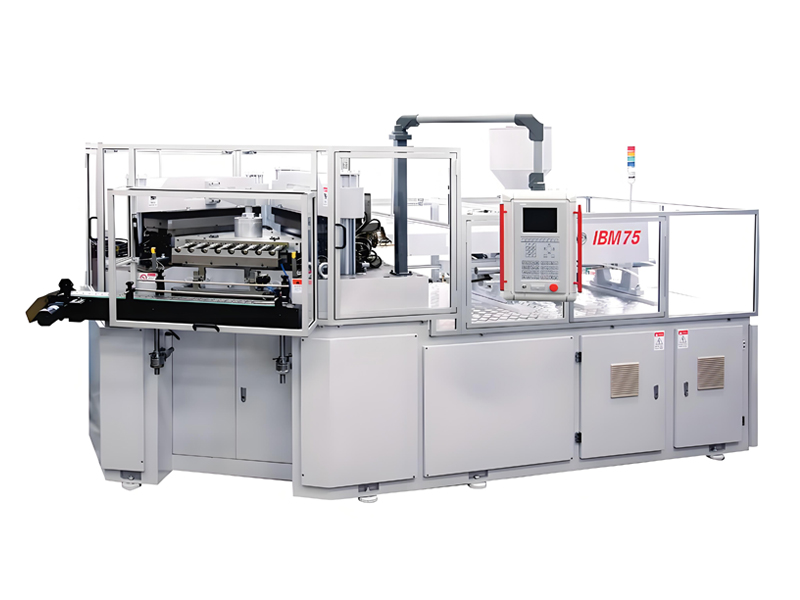
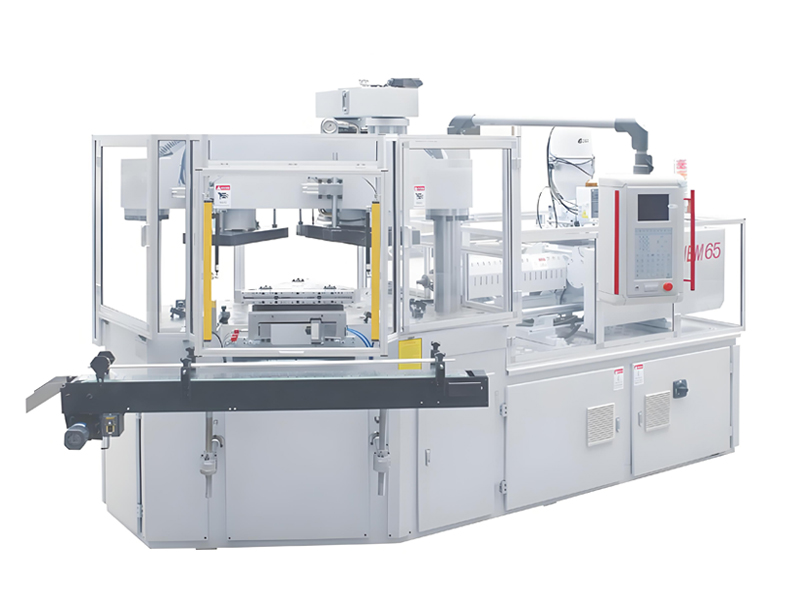
The capital investment for baby wipe container production includes injection blow molding equipment, molds, auxiliary equipment, and facility preparation. Equipment investment for competitive production typically ranges from $75,000 to $180,000 depending on capacity requirements and feature specifications. The AiBiM IBM65 represents an excellent choice for medium-scale baby wipe container production, offering capabilities appropriate for this application at investment levels typically ranging from $75,000 to $110,000. Higher-capacity machines such as the IBM75 provide additional production capability for high-volume operations at investment levels of $130,000 to $180,000 or more depending on configuration.
Mold investment represents a significant component of capital requirements for flip top container production. The complexity of flip top geometries typically requires higher-quality tooling than simple container bodies, with mold investments typically ranging from $30,000 to $80,000 depending on cavity count, material specifications, and supplier selection. Multi-cavity molds that increase production efficiency require higher initial investment but may provide favorable economics at sufficient production volumes. The relationship between mold investment and production economics must be carefully analyzed based on anticipated volumes and customer requirements. Working with experienced mold suppliers who understand flip top container requirements helps ensure quality tooling that supports efficient production.
Operating Cost Structure
Operating costs for baby wipe container production include materials, energy, labor, maintenance, and overhead allocations. Material costs typically represent the largest variable cost component, influenced by container design, wall thickness specifications, and material selection. A typical flip top baby wipe container weighing 50 to 80 grams requires material costs of approximately $0.05 to $0.15 depending on material grade and purchase volume. Polypropylene material costs typically range from $1.00 to $1.30 per pound for general-purpose grades suitable for baby wipe containers. Premium materials such as Tritan may cost $2.50 to $4.00 per pound, significantly increasing material cost but potentially justifying this premium in premium market segments.
Energy costs for injection blow molding operations depend on machine efficiency, production schedule, and local utility rates. AiBiM’s hybrid electric machines provide energy savings of up to 35% compared to traditional hydraulic equipment, reducing energy costs while maintaining competitive production rates. For production operations running single-shift schedules, annual energy costs typically range from $12,000 to $25,000 depending on machine size and local electricity rates. Labor costs vary significantly based on geographic location and the degree of automation employed in the production operation. Maintenance costs for well-maintained equipment typically range from 2% to 4% of equipment purchase price annually. Comprehensive understanding of cost structure enables manufacturers to develop competitive pricing strategies while maintaining profitability.
Production Quality and Safety Standards
Quality and safety standards for baby wipe containers exceed those for many other packaging applications due to the sensitive nature of the baby care market. Manufacturers must implement comprehensive quality systems that ensure consistent compliance with regulatory requirements and customer specifications. Understanding these standards helps manufacturers develop appropriate quality management practices and production capabilities that meet market expectations.
Quality Management System Requirements
Quality management for baby wipe container production typically requires documentation and procedures that meet or exceed recognized standards such as ISO 9001. These systems establish systematic approaches to quality planning, quality control, quality assurance, and quality improvement throughout the organization. Documentation of production processes, material specifications, and quality verification activities provides the foundation for consistent quality and regulatory compliance. Regular audits and assessments verify that quality systems remain effective and identify opportunities for improvement. Customers in the baby care industry often require formal quality system certification as a condition of doing business.
Incoming material inspection verifies that raw materials meet specifications before use in production. Material certifications from suppliers provide documentation of material properties and regulatory compliance, but verification testing may be appropriate for critical applications. In-process quality control monitors production operations to identify variations before they result in defective products. Final product inspection verifies that finished containers meet all specifications and quality requirements before shipment to customers. Maintaining complete records of quality activities supports traceability requirements and provides documentation for regulatory compliance and customer audits.
Product Safety Testing and Compliance
Product safety testing verifies that baby wipe containers meet requirements for safety in their intended use applications. Testing may include migration studies that measure substances potentially transferring from packaging to wipes, odor and flavor testing to ensure no unwanted sensory characteristics, and durability testing to verify performance under normal use conditions. Chemical testing verifies the absence of restricted substances and confirms compliance with regulatory limits for substances such as phthalates, heavy metals, and other potentially harmful compounds. Testing requirements vary by target market, with different regulatory frameworks in different countries requiring compliance with specific standards.
Accelerated aging and stability testing verify that containers maintain their properties and performance over their intended shelf life. These tests expose containers to elevated temperature, humidity, and light conditions that simulate extended storage, verifying that seals remain effective, materials do not degrade, and printing and labeling remain legible. Compatibility testing with specific wipe formulations verifies that containers perform appropriately with the products they will contain. Working with accredited testing laboratories helps manufacturers obtain reliable, defensible test results that support regulatory compliance and customer requirements. The documentation obtained through product safety testing provides assurance to brand owners and consumers that baby wipe containers are safe for their intended use.
Market Demand and Competition Analysis
The baby wipe container market presents both opportunities and challenges for manufacturers, with competitive dynamics that reward efficiency, quality, and customer service. Understanding market demand patterns and competitive positioning helps manufacturers develop strategies that create sustainable competitive advantages. The market continues to evolve with changing consumer preferences, sustainability requirements, and competitive pressures that shape optimal strategies for success.
Demand Drivers and Market Growth
Multiple factors drive demand for baby wipes and their containers, supporting continued market growth that creates opportunities for container manufacturers. Birth rates influence the fundamental demand for baby care products, with regional variations creating different market dynamics across geographic markets. Developed markets with stable or declining birth rates see growth driven primarily by premiumization and volume increases from existing baby populations. Emerging markets with higher birth rates and increasing disposable income experience stronger volume growth as more families gain access to baby care products. The global nature of major baby care brands creates opportunities for container manufacturers regardless of their specific geographic location.
Consumer behavior trends affect the types of containers in demand and the features that drive purchase decisions. The shift toward premium baby care products in many markets has increased demand for higher-quality containers with enhanced features and visual appeal. Convenience trends favor designs that maximize ease of use and wipe protection, driving continued innovation in flip top and other closure designs. Sustainability trends increasingly influence consumer preferences and brand owner decisions, creating demand for containers incorporating recycled content, bio-based materials, or improved recyclability. Manufacturers that understand these demand drivers and align their capabilities accordingly position themselves for success in this evolving market.
Competitive Positioning Strategies
Competitive positioning in the baby wipe container market requires clear strategy regarding target segments, capabilities, and differentiation. Cost leadership strategies focus on achieving the lowest production costs through efficient operations, high equipment utilization, and disciplined cost management. Cost leaders typically serve high-volume commodity segments where price is the primary competitive dimension. Differentiation strategies focus on unique capabilities, superior quality, or specialized features that justify premium pricing. Differentiation strategies may focus on specific market segments such as premium brands, natural products, or specialized applications where specialized capabilities command premium positioning.
AiBiM’s machine capabilities support both cost leadership and differentiation strategies through efficient production, flexible capabilities, and consistent quality. The energy-efficient design of AiBiM machines contributes to competitive cost structures by reducing operating expenses. The broad material compatibility of AiBiM equipment enables serving diverse market segments and material requirements. The precision and consistency of AiBiM machines support quality-focused differentiation strategies. By understanding the competitive positioning options available and selecting strategies aligned with their capabilities and market opportunities, manufacturers can build sustainable competitive positions in the baby wipe container market.
Technical Specifications and Parameters
Optimizing technical specifications and process parameters for baby wipe flip top container production maximizes quality, efficiency, and equipment utilization. The specific requirements of flip top containers, including living hinge performance and sealing functionality, influence optimal parameter settings and quality control approaches. Understanding these technical considerations helps operators develop production processes that deliver consistent quality at competitive costs.
Temperature and Pressure Optimization
Temperature parameters significantly influence the quality of flip top containers, particularly for designs utilizing living hinges that require specific material processing conditions. Melt temperature must be optimized to achieve proper material flow and part formation while avoiding degradation that could affect hinge performance. For polypropylene flip top containers, melt temperatures typically range from 220 to 260 degrees Celsius depending on specific material grade and part design. Mold temperature affects surface quality, dimensional stability, and cycle time, with optimal temperatures varying based on part geometry and production requirements. The precise temperature control capabilities of AiBiM machines enable optimization of these parameters for consistent quality production.
Injection pressure and speed parameters affect how material fills the mold cavity and influences part quality in critical areas including the living hinge and sealing surfaces. Higher injection pressures may be required to fill thin sections and complex geometries in flip top container designs. The control over injection parameters provided by AiBiM machines enables fine-tuning for specific part requirements while maintaining consistency across production runs. Blowing parameters in the injection blow molding process determine how material is distributed in theparison to achieve proper wall thickness throughout the container. Optimizing the interaction between injection and blowing parameters is essential for achieving consistent wall thickness and part quality.
Cycle Time Optimization
Cycle time optimization balances competing objectives including production rate, part quality, and equipment utilization. For flip top containers, cooling time typically represents the largest component of cycle time, as adequate cooling is essential for achieving proper part ejection and dimensional stability. Optimizing cooling time requires understanding the relationship between part geometry, material properties, and cooling system performance. AiBiM machines offer advanced cooling control that enables efficient heat removal while minimizing cycle times. The relationship between cycle time and part quality must be carefully balanced, as insufficient cooling can result in dimensional problems, warpage, or other defects that affect flip top functionality.
Overall equipment effectiveness (OEE) metrics help identify opportunities to optimize cycle time and equipment utilization. OEE considers availability, performance, and quality factors that affect overall production efficiency. Maximizing OEE requires attention to reducing unplanned downtime, optimizing cycle times for maximum performance, and minimizing quality-related losses. The monitoring and diagnostic capabilities of AiBiM machines support OEE improvement by providing visibility into equipment performance and identifying areas for improvement. Continuous attention to cycle time optimization and OEE improvement helps manufacturers maintain competitive production costs and equipment utilization.
Hygiene and Cleanroom Requirements
Hygiene requirements for baby wipe container production reflect the sensitive nature of baby care applications and the regulatory scrutiny these products receive. Manufacturing facilities serving this market must implement practices and controls that ensure containers meet stringent hygiene standards. Understanding these requirements helps manufacturers develop appropriate facilities and production practices that meet market expectations and regulatory compliance.
Facility Design and Operational Controls
Facility design for baby product packaging production emphasizes cleanliness, contamination control, and regulatory compliance. Flooring, walls, and ceilings should be constructed from materials that can be cleaned effectively and do not harbor contamination. Air handling systems should provide appropriate filtration and ventilation to maintain clean production environments. Lighting should be adequate for quality inspection while meeting cleanroom requirements where applicable. The overall facility design should support efficient material flow, minimize contamination risks, and enable effective cleaning and sanitation procedures.
Operational controls govern personnel practices, material handling, and production procedures that maintain hygiene standards throughout operations. Personnel may be required to follow specific gowning procedures, hand washing protocols, and behavior guidelines that minimize contamination risks. Material handling procedures should prevent contamination from raw materials, in-process materials, and finished products. Production equipment should be designed for easy cleaning and sanitation, with appropriate maintenance procedures that maintain hygiene standards over time. Documentation of hygiene practices and regular auditing help ensure ongoing compliance with hygiene requirements and identify opportunities for improvement.
Microbiological and Contamination Control
Microbiological testing verifies that containers meet appropriate standards for microbial contamination, particularly for applications where containers may contact wipe formulations directly. Testing protocols typically include total plate count, yeast and mold, and specific pathogen testing depending on the wipe formulation and intended use. Establishing contamination control specifications and testing procedures helps ensure that containers meet microbiological requirements consistently. Environmental monitoring programs verify that production environments maintain appropriate cleanliness levels and identify potential contamination sources.
Contamination control extends beyond microbiological concerns to include particulate contamination, foreign material, and other quality issues that could affect product safety or performance. Metal detection and X-ray inspection systems may be appropriate for detecting metallic and other foreign material contamination in finished containers. Visual inspection procedures identify visible defects that could indicate contamination or quality problems. The comprehensive approach to contamination control required for baby product applications demands rigorous attention to detail throughout the production process. Manufacturers committed to serving the baby care market must invest in the facilities, equipment, and procedures needed to meet these demanding requirements.
Conclusion
The baby wipe container market presents significant opportunities for manufacturers capable of producing high-quality flip top containers that meet the demanding requirements of this application category. The combination of functional performance requirements, safety standards, visual appeal, and cost competitiveness creates challenges that reward capable manufacturers with sustainable business relationships and market success. Injection blow molding technology provides an efficient and capable manufacturing approach for producing flip top containers that meet these diverse requirements.
AiBiM’s injection blow molding machines, including the IBM55, IBM65, and IBM75 models, provide the precision, consistency, and efficiency required for competitive flip top container production. The company’s equipment supports processing of the full range of materials suitable for baby product applications, including PP, HDPE, and specialty materials for premium positioning. With over 12 years of manufacturing experience and exports to more than 40 countries, AiBiM has developed the expertise needed to support manufacturers entering or expanding their presence in the baby wipe container market. The combination of capable equipment, material compatibility, and technical support positions AiBiM as a valuable partner for manufacturers committed to serving this demanding market segment.
Success in baby wipe container production requires attention to multiple dimensions including design optimization, material selection, quality management, and cost control. The flip top closure mechanism demands precise tooling and process control that distinguish capable manufacturers from less sophisticated competitors. Safety and hygiene requirements exceed those for many other packaging applications, requiring appropriate facilities, procedures, and quality systems. By investing in the capabilities and expertise needed to meet these requirements, manufacturers can build sustainable competitive positions in the growing baby wipe container market. The opportunities available to capable manufacturers in this market segment make investment in appropriate equipment and capabilities a compelling strategic choice.