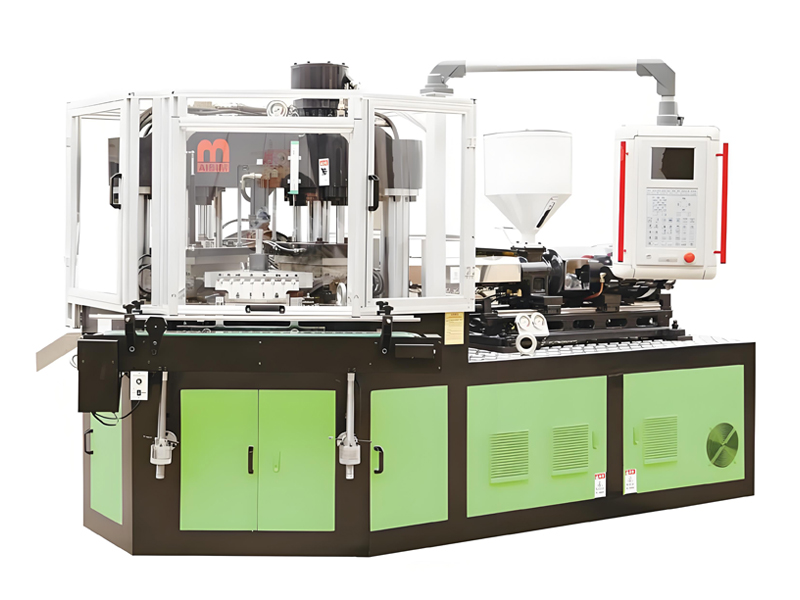
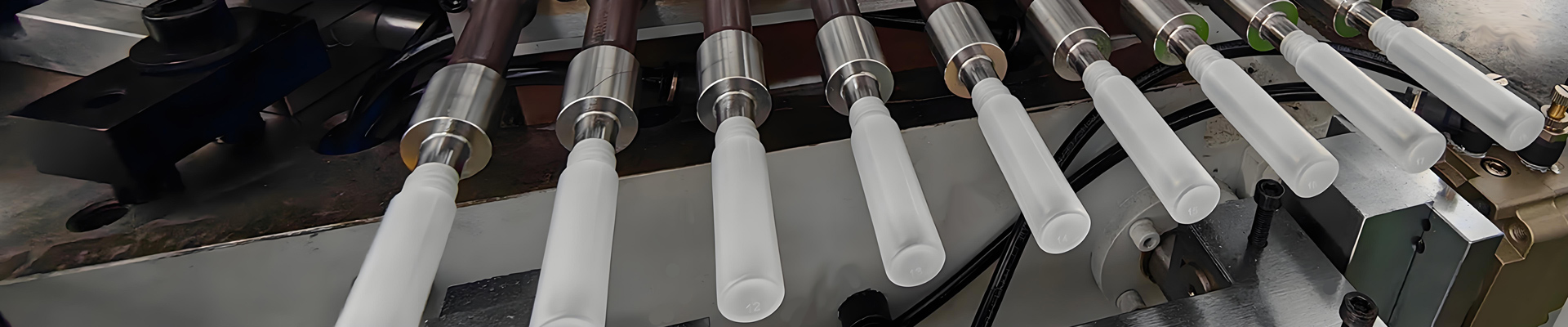
Selecting the appropriate capacity injection blow molding machine is one of the most critical decisions for manufacturers in the plastic packaging industry. The right machine capacity directly impacts production efficiency, product quality, operational costs, and ultimately, your return on investment. With the global injection blow molding machine market experiencing significant growth, driven by increasing demand for plastic containers across pharmaceutical, food, beverage, and cosmetic industries, understanding how to choose the optimal machine capacity has become essential knowledge for both industry veterans and newcomers alike. This comprehensive guide will walk you through every consideration necessary to make an informed decision when investing in an injection blow molding machine that perfectly matches your production requirements and business objectives.
Understanding Injection Blow Molding Machine Capacity
The capacity of an injection blow molding machine refers to its ability to produce a specific volume of plastic products within a given time frame. This capacity is typically measured by the shot weight the machine can inject in a single cycle, the number of cavities in the mold, and the overall cycle time required to complete one production unit. Understanding these parameters is fundamental to selecting a machine that aligns with your production goals. Capacity specifications vary significantly across different machine models and manufacturers, making it crucial to analyze your specific requirements before making any purchasing decisions. The injection blow molding process combines the precision of injection molding with the efficiency of blow molding, creating hollow plastic products with excellent dimensional accuracy and surface finish. This technology has become increasingly popular due to its ability to produce complex shapes with minimal material waste, reduced production costs, and superior product quality compared to traditional manufacturing methods.
Modern injection blow molding machines come with various capacity ratings, typically ranging from small-scale machines capable of producing products as small as 3ml to large industrial machines producing containers exceeding 1000ml in volume. The clamping force of the machine, measured in kilonewtons, is another critical specification that determines the machine’s capacity to hold the mold closed during the injection and blowing processes. Higher clamping forces generally indicate greater production capacity and the ability to work with more complex mold designs. Additionally, the injection unit’s screw diameter and length-to-diameter ratio play crucial roles in determining the machine’s throughput capabilities and material processing efficiency. Manufacturers must carefully evaluate these specifications in relation to their specific product requirements to ensure optimal performance and productivity.
Key Capacity Parameters Explained
The shot size capacity of an injection blow molding machine represents the maximum amount of melted plastic material that can be injected into the mold cavity during each cycle. This parameter is directly related to the size and volume of the products you intend to manufacture. Exceeding the machine’s shot size capacity can lead to poor product quality, increased defect rates, and potential damage to the machine’s components. Understanding the relationship between shot size and product volume is essential for ensuring that your selected machine can handle your production requirements efficiently. The screw diameter determines the amount of material that can be plasticized and injected, while the injection pressure capabilities affect how well the material fills complex mold geometries and thin-walled sections.
Cycle time represents another crucial capacity parameter that significantly influences overall production output. The cycle time of an injection blow molding machine includes the time required for injection, blowing, cooling, and ejection of the finished product. Shorter cycle times generally translate to higher production volumes and improved efficiency. However, it is important to note that excessively reducing cycle times can compromise product quality and increase defect rates. Modern machines with advanced control systems and optimized cooling mechanisms can achieve cycle times that significantly improve productivity while maintaining consistent product quality. When evaluating cycle time, manufacturers should consider the specific requirements of their products and find the optimal balance between speed and quality.
Production Volume Metrics and Calculations
To accurately determine the production volume capacity of an injection blow molding machine, you must consider several interconnected factors including cycle time, number of cavities, and machine availability. The basic formula for calculating hourly production volume involves dividing 3600 seconds by the cycle time in seconds, then multiplying by the number of product cavities and the machine’s operational efficiency factor. For example, a machine with a 10-second cycle time and a 2-cavity mold operating at 85% efficiency would produce approximately 612 units per hour. Understanding these calculations allows manufacturers to accurately estimate production capacity and compare different machine options effectively. It is important to note that real-world production volumes may vary due to factors such as material changes, color transitions, preventive maintenance schedules, and operator breaks.
Machine availability and utilization rates are equally important when calculating actual production volumes. Most manufacturers plan for an availability rate of 85-95%, accounting for planned maintenance, unplanned downtime, and changeover periods. The utilization rate considers how effectively the machine is used during its available operating time. By applying these factors to theoretical production calculations, manufacturers can develop realistic production forecasts that inform capacity planning and customer delivery commitments. Working closely with machine manufacturers like AiBiM can help you understand the expected performance characteristics of specific models and receive guidance on capacity calculations tailored to your unique production requirements.
Capacity vs. Production Volume Analysis
Analyzing the relationship between machine capacity and production volume is essential for matching your equipment selection to market demand. The production volume requirements of your business will largely determine the type and size of injection blow molding machine you should invest in. Small-scale operations producing specialty products or serving niche markets may benefit from smaller capacity machines that offer flexibility and lower initial investment costs. Conversely, high-volume production facilities serving large consumer markets require machines with greater capacity to meet demand efficiently and profitably. This section will explore the considerations for different production volume scenarios and help you identify the optimal capacity range for your specific business situation.
Small to Medium Production Requirements
Businesses with small to medium production requirements typically operate in the range of 100,000 to 1 million units per year. For these operations, selecting a machine with moderate capacity that balances investment costs with production capabilities is crucial. Machines in the lower to mid-capacity range, such as the AiBiM IBM55, offer excellent value for businesses that require flexibility to produce multiple product types and sizes. These machines typically feature smaller shot sizes and clamping forces that are well-suited for producing containers in the 50ml to 500ml range. The initial investment for medium-capacity machines is significantly lower than high-capacity industrial models, making them accessible to smaller manufacturers and startups. Operating costs, including energy consumption and maintenance expenses, are also proportionally lower, contributing to improved profitability at smaller production volumes.
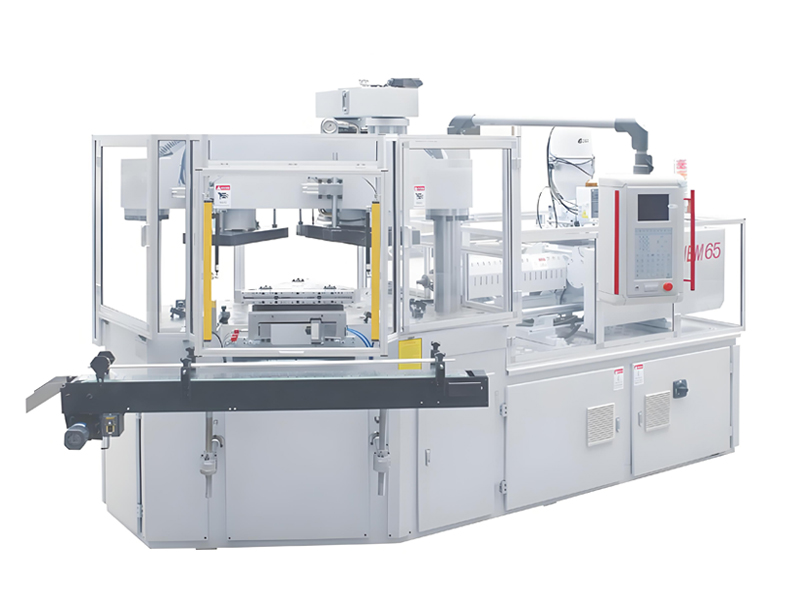
Medium-capacity injection blow molding machines often feature hybrid or all-electric drive systems that provide energy savings of up to 35% compared to traditional hydraulic machines. The AiBiM IBM65 represents an excellent example of a machine designed for medium-scale production, offering a balance between capacity, energy efficiency, and affordability. These machines typically feature multi-cavity mold capabilities that allow for increased production efficiency without requiring the significant investment needed for high-volume industrial equipment. The flexibility of medium-capacity machines makes them ideal for businesses that experience seasonal demand fluctuations or need to accommodate custom orders alongside regular production runs. Additionally, these machines often feature quick-change tooling systems that reduce setup times and enable efficient product transitions.
High Volume Production Requirements
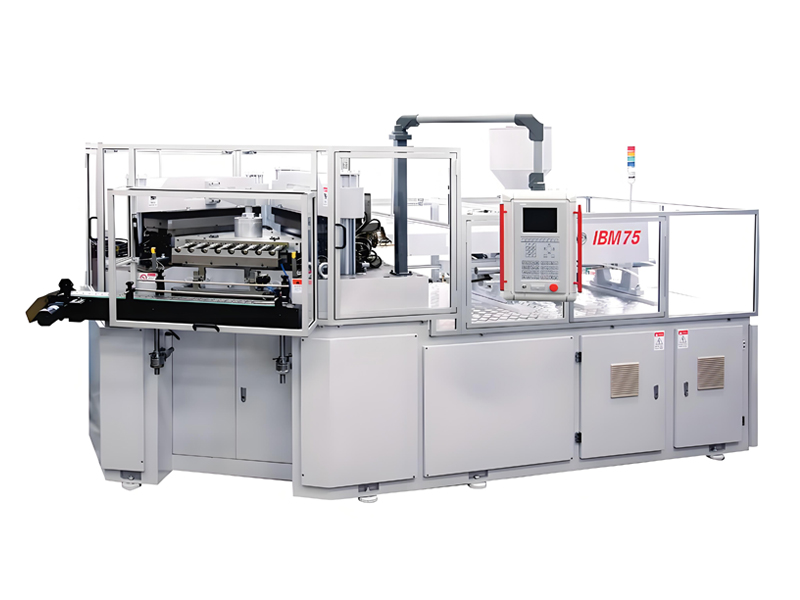
High-volume production facilities typically require machines with substantial capacity to achieve the production rates necessary to meet market demand efficiently. These operations often produce millions of units per year, serving major consumer brands in pharmaceutical, food, and beverage industries. Machines designed for high-volume production, such as the AiBiM IBM75, feature larger shot sizes, higher clamping forces, and multi-cavity mold capabilities that maximize production output per cycle. While the initial investment for high-capacity machines is substantially higher, the per-unit production costs are significantly lower, making them economically justified for large-scale operations. The key to success with high-volume production lies in optimizing all aspects of the production process to minimize downtime and maximize equipment utilization.
When evaluating high-capacity injection blow molding machines, manufacturers must consider the total cost of ownership rather than just the initial purchase price. Energy consumption represents a significant ongoing expense that can be optimized through features such as variable frequency drives, servo-controlled systems, and advanced temperature management. The AiBiM PREFILL technology incorporated into their machines helps reduce energy consumption while improving material processing efficiency. High-capacity machines also require more substantial infrastructure, including larger floor space, higher electrical capacity, and more sophisticated environmental controls. These factors should be factored into the overall investment calculation to ensure that the selected machine delivers the expected return on investment over its operational lifetime.
AiBiM Machine Models and Capacity Range
AiBiM (Zhangjiagang AiBiM Plastics Machinery Co., Ltd) has established itself as a leading manufacturer of injection blow molding machines with over 12 years of manufacturing experience and exports to more than 40 countries worldwide. The company offers a comprehensive range of machines designed to meet diverse production requirements across multiple industries. Understanding the specific capabilities and capacity ranges of AiBiM’s machine models is essential for selecting the optimal equipment for your production needs. Each model in AiBiM’s portfolio has been engineered to deliver specific performance characteristics that address particular market requirements and production scenarios.
IBM75: High-Capacity Production Excellence
The AiBiM IBM75 represents the pinnacle of high-capacity injection blow molding technology in the company’s product lineup. This hybrid electric injection blow molding machine has been engineered to deliver exceptional production performance for high-volume manufacturing operations. The IBM75 features a robust clamping system capable of handling large multi-cavity molds, enabling production rates that meet the demands of industrial-scale manufacturing operations. The machine’s advanced servo motor technology provides precise control over all production parameters, resulting in consistent product quality across high-volume production runs. The energy-efficient design of the IBM75 helps manufacturers reduce operating costs while maintaining the high production rates necessary for competitive market positioning.
The IBM75’s capacity range makes it particularly suitable for producing containers in the 200ml to 1000ml volume range, with the ability to work with a wide variety of materials including PE, PP, PS, ABS, and specialty resins. This versatility enables manufacturers to use the same machine for multiple product lines, maximizing equipment utilization and return on investment. The machine’s advanced control system provides intuitive operation and comprehensive monitoring capabilities that help operators maintain optimal production conditions. With CE certification, the IBM75 meets stringent international quality and safety standards, making it suitable for manufacturers serving regulated markets in pharmaceutical, food, and cosmetic packaging applications. The combination of high capacity, energy efficiency, and material versatility makes the IBM75 an excellent choice for manufacturers seeking to optimize their high-volume production operations.
IBM65: Versatile Mid-Range Performance
The AiBiM IBM65 occupies the middle ground in the company’s product range, offering a compelling combination of capacity, flexibility, and cost-effectiveness. This hybrid electric injection blow molding machine has been designed to meet the requirements of medium to high-volume production operations that need to balance production capacity with equipment investment costs. The IBM65 features an optimized clamping and injection system that delivers consistent product quality while maintaining competitive production rates. The machine’s versatile design enables it to handle a wide range of product sizes and configurations, making it suitable for manufacturers with diverse product portfolios or those planning for future growth and expansion.
One of the key advantages of the IBM65 is its ability to work effectively with the full range of materials supported by AiBiM machines, including HDPE, LDPE, LLDPE, PP, PS, ABS, SAN, TPU, PC, and PCTG. This material compatibility enables manufacturers to produce containers for various applications, from pharmaceutical vials to cosmetic jars, using the same base machine with appropriate mold configurations. The IBM65’s energy-efficient hybrid electric design provides significant savings compared to traditional hydraulic machines, with AiBiM claiming energy savings of up to 35%. The machine’s compact footprint and reasonable infrastructure requirements make it accessible to manufacturers with limited factory space or electrical capacity. For businesses seeking a versatile machine that can grow with their production requirements, the IBM65 represents an excellent investment opportunity.
IBM55: Compact Efficiency for Growing Businesses
The AiBiM IBM55 represents the entry point to AiBiM’s hybrid electric injection blow molding machine range, designed specifically for small to medium-scale production operations. Despite its compact size, the IBM55 delivers impressive performance capabilities that make it suitable for a wide range of applications. The machine’s efficient design enables manufacturers to achieve production rates that meet the demands of smaller-scale operations while maintaining the quality standards expected in pharmaceutical, food, and cosmetic packaging applications. The IBM55’s lower initial investment requirement makes it an attractive option for startups, research and development facilities, and established manufacturers adding new product lines.
The IBM55’s capacity range is particularly well-suited for producing containers in the 3ml to 200ml volume range, making it ideal for small pharmaceutical bottles, sample containers, and specialty packaging applications. The machine’s compatibility with AiBiM’s full range of supported materials ensures that manufacturers are not limited in their product development possibilities. The compact design of the IBM55 requires minimal floor space, enabling manufacturers to maximize their production area efficiency. Quick-change tooling systems allow for rapid product changeovers, minimizing downtime and maximizing equipment utilization. For businesses just entering the injection blow molding market or those with specific small-container requirements, the IBM55 offers an excellent combination of capability, quality, and value.
Cost Analysis of Different Capacity Machines
Understanding the cost implications of different capacity injection blow molding machines is essential for making financially sound investment decisions. The total cost of ownership for injection blow molding equipment includes not only the initial purchase price but also ongoing operating costs, maintenance expenses, and the opportunity costs associated with production capacity. This comprehensive cost analysis will help you evaluate machines across different capacity ranges and identify the options that offer the best return on investment for your specific production requirements. Cost considerations should be balanced against production capabilities, quality requirements, and business growth projections to ensure that your selected machine delivers optimal value over its operational lifetime.
Initial Investment and Capital Requirements
The initial investment for injection blow molding machines varies significantly based on capacity, technology level, and manufacturer. Entry-level machines such as the AiBiM IBM55 typically range from $45,000 to $65,000, making them accessible to smaller manufacturers and startups. Mid-range machines like the IBM65 generally fall in the $75,000 to $110,000 range, offering increased capacity and performance capabilities for growing businesses. High-capacity machines such as the IBM75 represent the larger end of the investment spectrum, with prices typically ranging from $130,000 to $180,000 or more depending on configuration and optional features. These prices represent base machine costs and do not include molds, installation, training, or auxiliary equipment that may be required for complete production capability.
Beyond the base machine price, manufacturers must budget for additional capital expenses including mold acquisition, which can range from $10,000 to $50,000 or more depending on complexity and cavity count. Installation costs, including electrical work, foundation preparation, and utility connections, typically add $5,000 to $15,000 to the total investment. Operator training, documentation preparation, and initial material procurement represent additional upfront costs that should be factored into the total capital requirement. When evaluating different capacity options, manufacturers should calculate the total capital investment required for each option and compare these figures against their available capital and financing options. The lowest-priced option may not always represent the best value if it cannot meet production requirements or requires expensive upgrades to achieve necessary capabilities.
Operating Costs and Energy Consumption
Operating costs represent the ongoing expenses associated with running injection blow molding machines and producing products. Energy consumption is typically the largest operating cost component, followed by raw material expenses, labor costs, and maintenance supplies. The hybrid electric design of AiBiM machines provides significant energy savings compared to traditional hydraulic machines, with claimed efficiency improvements of up to 35%. For a mid-range machine operating at full capacity, annual energy costs typically range from $15,000 to $30,000 depending on local electricity rates and production schedules. High-capacity machines consume more energy due to their larger motors and heating systems, but also produce more units, resulting in lower per-unit energy costs.
Energy consumption varies based on several factors including cycle time, material type, product complexity, and ambient conditions. Machines operating continuous three-shift schedules will consume significantly more energy than those running single-shift operations. Material changes, particularly switching between materials with substantially different melting temperatures, can also affect energy consumption patterns. Implementing energy-saving practices such as optimizing cycle times, maintaining equipment properly, and utilizing standby modes during non-production periods can help reduce overall energy costs. AiBiM’s PREFILL technology helps minimize energy consumption by optimizing the injection process and reducing waste. When comparing machines of different capacities, calculating the expected per-unit energy cost provides a more accurate comparison than total energy consumption alone.
Maintenance Costs and Spare Parts
Regular maintenance is essential for keeping injection blow molding machines operating at peak performance and extending their operational lifetime. Maintenance costs include both scheduled preventive maintenance and unscheduled repairs required to address unexpected equipment failures. Annual maintenance costs for injection blow molding machines typically range from 2% to 5% of the initial machine purchase price, with higher-capacity machines generally requiring proportionally higher maintenance budgets. This translates to annual maintenance costs ranging from $1,000 to $2,000 for smaller machines up to $5,000 to $9,000 for high-capacity industrial equipment. These figures assume proper operation and maintenance practices that prevent major component failures.
The availability and cost of spare parts should be considered when evaluating different machine manufacturers and models. Established manufacturers like AiBiM typically maintain comprehensive parts inventories and support networks that ensure timely availability of replacement components. Generic machines from less established manufacturers may offer lower initial prices but could result in higher long-term costs if spare parts are difficult to obtain or significantly more expensive. When calculating total cost of ownership, manufacturers should research typical maintenance requirements for specific machines and estimate spare parts costs based on historical data from similar equipment. Establishing relationships with equipment service providers and maintaining adequate stocks of critical spare parts can help minimize downtime and repair costs associated with unexpected equipment failures.
Factors Influencing Capacity Selection
Selecting the appropriate injection blow molding machine capacity requires careful consideration of multiple factors beyond simple production volume requirements. Market dynamics, product characteristics, business strategy, and operational considerations all influence the optimal capacity selection. This section examines the key factors that manufacturers should evaluate when determining the right machine capacity for their specific circumstances. Taking a comprehensive approach to capacity selection helps ensure that the chosen machine will meet current requirements while providing flexibility for future growth and changing market conditions.
Market Demand and Growth Projections
Understanding current market demand and projecting future growth is essential for selecting machine capacity that will serve your business effectively over time. Machines typically have operational lifetimes of 10 to 15 years or more, making it important to consider not only your current production requirements but also anticipated future demand. If your business is experiencing rapid growth or expects significant expansion, selecting a machine with capacity somewhat greater than current requirements may be advisable. This approach provides production flexibility while avoiding the need for additional equipment investment in the near term. Conversely, if market conditions are uncertain or your business is in a stable phase, matching capacity more closely to current requirements may be the prudent choice.
Seasonal demand fluctuations are common in many industries served by injection blow molding, including pharmaceutical and beverage packaging. Capacity planning should account for peak demand periods when selecting machines to ensure that production commitments can be met during high-demand seasons. Options for managing capacity include selecting machines with sufficient capacity to handle peak demand without overbuilding for normal production levels. Alternatively, manufacturers may choose to supplement in-house capacity with contract manufacturing during peak periods rather than investing in additional equipment. Understanding your specific market dynamics and customer requirements will inform the capacity planning process and help you select machines that optimize the balance between investment cost and production capability.
Product Specifications and Complexity
The specifications and complexity of the products you intend to manufacture significantly influence machine capacity requirements. Products with complex geometries, intricate details, or tight dimensional tolerances may require machines with specific capabilities that affect capacity considerations. Thin-walled containers require higher injection pressures and more precise control systems, which may be better provided by machines with specific capacity ratings. Products with multiple components or complex finishing requirements may have longer cycle times that reduce effective production capacity. Understanding the specific requirements of your product portfolio is essential for selecting machines that can produce your products efficiently and with consistent quality.
Material selection also influences capacity requirements, as different materials have varying processing characteristics that affect machine performance. High-density materials like polycarbonate require higher processing temperatures and may require longer cycle times compared to materials like polypropylene. Colorants, additives, and recycled materials may require adjustments to processing parameters that affect overall equipment efficiency. When evaluating capacity requirements, manufacturers should consider the full range of materials they plan to use in production and select machines that can handle their most demanding material requirements efficiently. Consulting with material suppliers and equipment manufacturers can provide valuable insights into capacity considerations for specific product and material combinations.
Return on Investment Calculation
Calculating the return on investment for injection blow molding machine purchases helps ensure that capital is allocated effectively to maximize business value. ROI calculations consider both the costs associated with acquiring and operating the equipment and the revenue generated through increased production capacity, improved quality, or other benefits. This section provides a framework for calculating ROI for different capacity machine options and helps identify the investments that will deliver the greatest returns for your specific business situation. Sound financial analysis is essential for justifying capital investments and ensuring that business resources are allocated optimally.
ROI Framework and Calculation Methodology
The basic ROI calculation for injection blow molding machines considers the net benefits generated by the equipment over its expected lifetime compared to the total investment required. Net benefits include revenue generated from increased production capacity, cost savings from improved efficiency, and quality improvements that command premium pricing or reduce waste costs. Total investment includes the purchase price, installation costs, initial training expenses, and any working capital required to support expanded operations. The ROI is calculated as the net benefits divided by the total investment, expressed as a percentage. Higher ROI percentages indicate more profitable investments, all other factors being equal.
When comparing machines of different capacities, ROI calculations become more complex because higher-capacity machines typically require greater investment but may also generate proportionally higher returns if production demand justifies their utilization. The key metric for comparison is the return per dollar invested, which helps identify the most efficient use of capital across different investment options. A lower-capacity machine that is fully utilized may generate a higher ROI than a higher-capacity machine that sits underutilized. The break-even point for different machines depends on the utilization rate they achieve and the margins earned on products sold. Manufacturers should develop multiple scenarios reflecting different production volumes and pricing assumptions to understand the risk profile of each investment option.
Payback Period Analysis
The payback period represents the time required for an investment to generate returns equal to the original capital outlay. Shorter payback periods reduce investment risk and improve cash flow positioning for businesses. For injection blow molding machines, payback periods typically range from 18 months to 4 years depending on utilization levels, margin structures, and the specific machines being compared. Higher-capacity machines may have longer payback periods due to their greater initial investment, but they also generate greater returns when fully utilized. Understanding the payback period for different options helps manufacturers align equipment investments with their financial objectives and risk tolerance.
Calculating payback period requires estimating the annual net cash flow generated by the equipment, which equals the additional revenue minus additional operating costs. For new equipment replacing manual processes or less efficient machinery, the calculation considers the improvement in margins and efficiency. For capacity expansion investments, the calculation focuses on the contribution margin from additional units produced. The payback period is calculated by dividing the total investment by the annual net cash flow. Manufacturers should consider both optimistic and pessimistic scenarios when calculating payback periods to understand the range of possible outcomes. Investments with shorter payback periods and more predictable cash flows are generally preferable for businesses with limited capital or higher risk aversion.
Common Mistakes in Capacity Selection
Avoiding common mistakes in capacity selection can save manufacturers significant time, money, and operational challenges. Learning from the experiences of others who have selected injection blow molding equipment can help you avoid similar pitfalls and make more informed decisions. This section examines the most frequently encountered mistakes in capacity selection and provides guidance on how to avoid them. Taking a methodical approach to capacity selection, with proper analysis and consideration of all relevant factors, helps ensure that the chosen equipment will meet your needs effectively.
Underestimating Production Requirements
One of the most common mistakes in capacity selection is underestimating current and future production requirements. Manufacturers sometimes select machines based on existing order volumes without adequately considering anticipated growth, new customer acquisition, or expansion into new product lines. This often results in machines that become capacity-constrained within a short period, requiring additional investment to address production shortfalls. The cost of acquiring additional equipment, including lost production time during installation and the duplication of overhead costs, can significantly exceed the savings achieved by selecting a smaller machine initially. Conservative capacity planning that includes reasonable growth projections typically proves more economical than aggressive capacity minimization.
Underestimating production requirements can also lead to overworked equipment that experiences accelerated wear and higher maintenance costs. Machines operating near or at their maximum capacity continuously may have shorter lifespans and require more frequent repairs. Additionally, the pressure to meet production deadlines may lead to shortcuts in quality control that compromise product quality and damage customer relationships. To avoid this mistake, manufacturers should develop comprehensive production forecasts that consider historical growth rates, market research, customer commitments, and new product development plans. Adding a margin of safety to these forecasts helps ensure that selected equipment can handle actual production requirements as they evolve over time.
Overinvesting in Capacity
While underestimating requirements is a common problem, overinvesting in capacity represents an equally costly mistake. Selecting machines with substantially greater capacity than required results in higher capital costs, increased operating expenses, and reduced return on investment. Equipment that is significantly underutilized represents an inefficient use of business capital that could be deployed elsewhere in the organization. Additionally, larger machines may have higher minimum efficiency points, making them less efficient when operating at reduced capacity. The financial burden of supporting underutilized equipment can affect profitability and limit the capital available for other important business investments.
Overcapacity also creates operational challenges in some situations. Larger machines may require longer changeover times when switching between products, reducing flexibility for businesses with diverse product portfolios. The higher energy consumption of larger machines results in proportionally higher operating costs even when running at reduced throughput. Floor space consumed by oversized equipment reduces the capacity available for future expansion or other production needs. To avoid overcapacity mistakes, manufacturers should rigorously analyze their actual production requirements and resist the temptation to add capacity beyond what can be justified by concrete demand projections. Starting with appropriately sized equipment and planning for phased expansion as demand warrants provides a more financially responsible approach to capacity development.
Future Growth and Scalability Considerations
Planning for future growth and ensuring scalability are essential considerations when selecting injection blow molding equipment. The manufacturing landscape continues to evolve with changing market demands, new material developments, and evolving regulatory requirements. Selecting machines that can adapt to these changes helps protect your investment and ensures that your production capabilities remain competitive over time. This section explores strategies for building scalable production capabilities and selecting equipment that will serve your business effectively as it grows and evolves.
Modular Design and Expandability Options
Modern injection blow molding machines increasingly incorporate modular design principles that enable expansion and adaptation as production requirements evolve. Modular systems allow manufacturers to add capabilities such as additional injection units, enhanced control features, or auxiliary equipment without replacing the entire machine. When evaluating machines, manufacturers should inquire about available expansion options and the compatibility of current equipment with future upgrades. Investing in machines with expansion capabilities can provide a pathway to increased capacity without the full cost of purchasing new equipment when additional production capability is needed.
AiBiM machines are designed with attention to scalability, enabling manufacturers to adapt their production capabilities as market conditions evolve. The company’s range of machine models provides options for different capacity levels, allowing businesses to select appropriate equipment for current requirements while knowing that alternatives exist for future growth scenarios. Working with equipment manufacturers to understand product roadmaps and future development plans can help ensure that investments today will remain compatible with emerging technologies and market requirements. The goal is to select equipment that provides the capabilities you need now while maintaining flexibility for future adaptation.
Technology Evolution and Industry Trends
The injection blow molding industry continues to evolve with new technologies that improve efficiency, quality, and flexibility. Industry trends including automation, Industry 4.0 integration, and advanced process control are changing the capabilities available in modern equipment. When selecting machines, manufacturers should consider the trajectory of technology development and ensure that their investments will remain competitive as these advances become more widely adopted. Selecting machines with modern control systems and connectivity capabilities positions manufacturers to take advantage of emerging technologies as they mature and become more accessible.
Sustainability requirements are increasingly influencing the injection blow molding industry, with growing demand for recycled materials, biodegradable plastics, and reduced environmental impact. Machines that can effectively process these alternative materials provide manufacturers with flexibility to address evolving market requirements. AiBiM’s compatibility with a wide range of materials including recycled and bio-based polymers positions their equipment to address sustainability requirements as they become more prominent in the market. Manufacturers should evaluate their long-term material strategies and ensure that selected equipment can accommodate anticipated changes in material availability and regulatory requirements.
Technical Specifications Comparison
Comparing technical specifications across different injection blow molding machines helps manufacturers identify the options that best match their specific requirements. This section provides a comprehensive comparison of key specifications for AiBiM’s machine lineup, enabling direct comparison of performance characteristics across different capacity levels. Understanding these specifications and their implications for production capabilities helps ensure that selected equipment will meet operational requirements effectively.
Specification Analysis Framework
When comparing machine specifications, manufacturers should focus on the parameters most relevant to their specific production requirements rather than attempting to optimize every specification. Key parameters for comparison typically include clamping force, shot size capacity, injection pressure capabilities, cycle time performance, and energy consumption characteristics. The relative importance of each parameter depends on the specific products being manufactured and production objectives. For example, manufacturers of pharmaceutical packaging may prioritize precision and consistency over maximum throughput, while high-volume consumer goods manufacturers may prioritize cycle time and production rate above all other considerations.
AiBiM’s machine lineup offers a range of specifications designed to address different production requirements. The IBM55 provides an entry point with moderate specifications suitable for smaller-scale operations and specialty product applications. The IBM65 offers increased capabilities for medium-scale production with enhanced performance across key specifications. The IBM75 provides the highest specifications in the lineup for demanding high-volume applications. By carefully evaluating specifications against requirements, manufacturers can identify the machine that provides the optimal combination of capabilities and value for their specific circumstances. Consulting with AiBiM’s technical team can provide additional insights into specification implications and help identify the most appropriate machine for complex or unusual production requirements.
Conclusion
Selecting the right capacity injection blow molding machine requires careful analysis of multiple factors including production volume requirements, product specifications, financial considerations, and long-term business objectives. The capacity selection decision has lasting implications for production efficiency, product quality, operating costs, and overall business profitability. By understanding the relationship between machine capacity and these important business outcomes, manufacturers can make informed decisions that support their operational and strategic objectives.
AiBiM’s comprehensive range of injection blow molding machines, including the IBM55, IBM65, and IBM75 models, provides options for manufacturers across the capacity spectrum. With over 12 years of manufacturing experience and exports to more than 40 countries, AiBiM has established a reputation for reliable equipment that meets the quality and performance requirements of demanding applications. The company’s CE-certified machines offer energy efficiency improvements of up to 35%, helping manufacturers reduce operating costs while maintaining competitive production capabilities.
When evaluating capacity options, manufacturers should develop comprehensive analyses that consider total cost of ownership rather than focusing solely on initial purchase prices. ROI calculations, payback period analysis, and scalability planning help ensure that selected equipment delivers optimal value over its operational lifetime. By taking a methodical approach to capacity selection and working with experienced equipment manufacturers, businesses can confidently invest in injection blow molding equipment that will support their success now and in the future.
The injection blow molding industry offers significant opportunities for manufacturers who select equipment wisely and operate their facilities efficiently. By applying the principles outlined in this guide, you can make capacity selection decisions that support your business objectives and position your organization for continued growth and success in the competitive plastic packaging market.