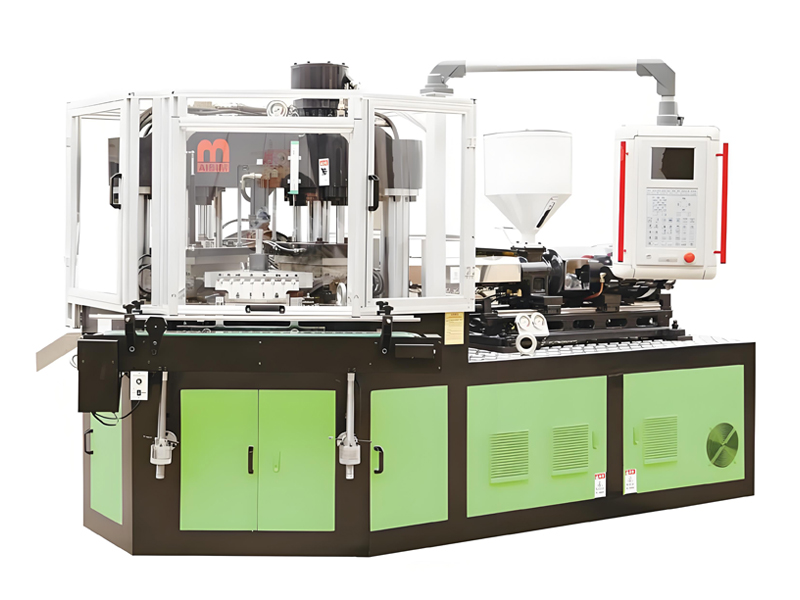
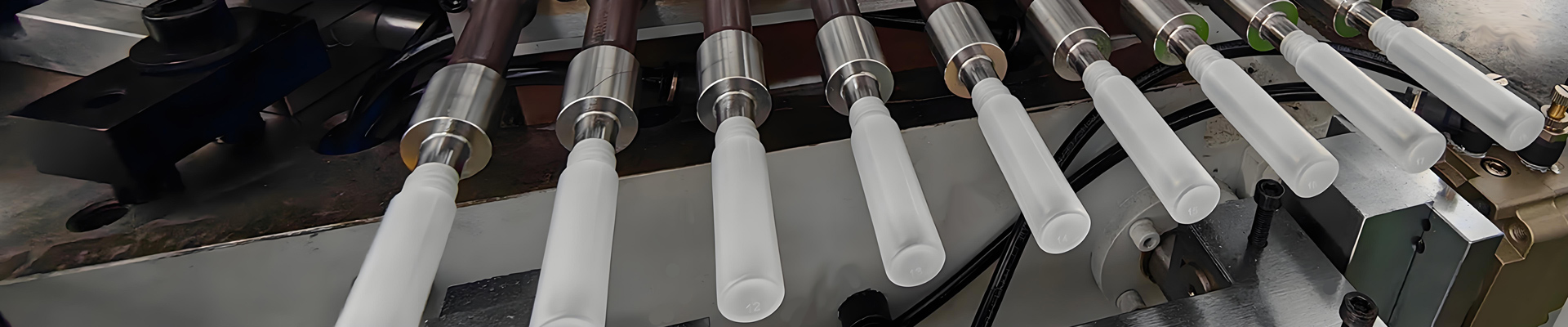
The utilization of injection blow molding machines for plastic tray production represents a significant and growing segment of the small industrial manufacturing sector. Plastic trays serve essential functions across numerous industries including electronics assembly, food processing, medical device handling, and general manufacturing applications. The versatility, durability, and cost-effectiveness of injection blow molded plastic trays have made them increasingly popular alternatives to traditional materials such as metal, wood, and cardboard. Understanding the specific requirements for producing high-quality plastic trays using injection blow molding technology is essential for manufacturers seeking to enter or expand their presence in this market segment. This comprehensive guide explores every aspect of utilizing injection blow molding machines for small-scale plastic tray production, from material selection to quality control and market considerations.
Plastic Tray Types and Applications
Plastic trays manufactured through injection blow molding serve diverse applications across multiple industries, each with unique requirements that influence production specifications and quality standards. The broad range of applications means that manufacturers must understand the specific requirements of their target markets to produce trays that meet customer expectations and regulatory requirements. From simple organization and storage trays to sophisticated components for automated assembly systems, plastic trays have become indispensable tools in modern industrial operations. The growth of e-commerce and package delivery services has further increased demand for plastic trays used in logistics and warehousing applications.
The pharmaceutical and healthcare industries utilize plastic trays for organizing surgical instruments, storing medications, and handling medical samples. These applications require trays that meet strict hygiene standards, resist contamination, and maintain structural integrity under repeated sterilization processes. Food processing industries use plastic trays for ingredient preparation, product handling, and finished goods packaging. Food-contact applications require materials that comply with relevant food safety regulations and do not impart odors or flavors to products. Electronics manufacturers employ plastic trays for transporting and storing sensitive components, requiring trays that provide electrostatic discharge protection and prevent damage during handling and shipping. Each application category presents unique challenges and opportunities for injection blow molding machine operators.
Industrial Organization and Storage Trays
Industrial organization and storage trays represent the largest application category for small-scale plastic tray production. These trays serve essential functions in manufacturing facilities, warehouses, and distribution centers by providing organized storage and efficient handling of parts, tools, and materials. The design requirements for organization and storage trays vary widely based on the items being stored and the operational environment. Heavy-duty applications require trays with robust construction and high load-bearing capacity, while light-duty applications may prioritize cost reduction and disposability. Injection blow molding enables efficient production of trays with consistent quality and reproducible dimensions that support automated handling systems.
The standardization of tray dimensions enables compatibility with existing storage systems, racking equipment, and handling machinery. Many industries have adopted standard tray sizes that allow for interoperability between different manufacturers and seamless integration with automated storage and retrieval systems. When designing plastic trays for industrial applications, manufacturers should consider the dimensional standards used in their target markets and ensure that their products meet or exceed these specifications. The ability to produce trays with consistent dimensions is a key advantage of injection blow molding compared to alternative manufacturing processes that may have greater variability. AiBiM machines provide the precise control necessary to achieve tight dimensional tolerances required for standardized industrial applications.
Electronics and Component Handling Trays
Electronics manufacturing represents a specialized application category that demands particular attention to material selection and tray design. Electronic components are often sensitive to electrostatic discharge that can cause permanent damage during handling and storage. Anti-static plastic trays are specifically designed to dissipate static charges safely, protecting valuable electronic components throughout the supply chain. These trays are typically manufactured using materials that incorporate anti-static additives or are treated with surface coatings that provide electrostatic discharge protection. The material selection for electronics handling trays must balance anti-static properties with other required characteristics such as durability, temperature resistance, and chemical compatibility.
Component handling trays for electronics applications often incorporate specific design features that support automated pick-and-place operations. These features include recessed areas that securely hold components, alignment guides that ensure correct orientation, and identification areas for labeling and tracking. The dimensional accuracy and surface finish of injection blow molded trays are particularly important for electronics applications, as even minor variations can affect the performance of automated handling systems. Manufacturing tolerances for electronics trays are typically tighter than those for general industrial applications, requiring machines with precise control capabilities and rigorous quality control procedures. The premium pricing that electronics applications command can justify the additional manufacturing precision required to produce these specialized trays.
Medical and Pharmaceutical Tray Applications
Medical and pharmaceutical applications represent the most demanding segment of the plastic tray market, requiring strict adherence to quality standards and regulatory requirements. Trays used in medical settings must be manufactured from materials that can withstand repeated sterilization cycles without degradation or contamination. Common sterilization methods include steam autoclaving, ethylene oxide gas treatment, and gamma radiation, each presenting different challenges for plastic materials. The selected materials must maintain their structural integrity, dimensional stability, and surface properties through multiple sterilization cycles while remaining safe for contact with medical devices and pharmaceuticals.
Regulatory compliance is essential for medical and pharmaceutical tray applications, with manufacturers required to maintain documented quality systems and traceability throughout the production process. Materials used in medical applications must meet specific regulatory requirements, including FDA compliance for food and drug contact applications in the United States and similar regulations in other markets. Production facilities serving medical markets typically require certification to quality management standards such as ISO 13485, demonstrating their commitment to consistent quality and regulatory compliance. While the requirements for medical tray production are demanding, the premium pricing and long-term customer relationships that these applications offer can provide stable revenue streams for qualified manufacturers.
Small Scale Production Requirements
Small-scale production of plastic trays presents unique challenges and opportunities that differ from high-volume industrial manufacturing operations. Understanding the specific requirements for successful small-scale tray production helps manufacturers optimize their operations for profitability and growth. Small-scale producers must balance the efficiency advantages of larger production runs against the flexibility needed to serve diverse customer requirements and adapt to changing market conditions. The selection of appropriate equipment and production strategies significantly influences the success of small-scale tray manufacturing operations.
Minimum Efficient Scale Considerations
The minimum efficient scale for plastic tray production represents the production volume at which average costs reach their lowest point. Understanding minimum efficient scale helps small-scale producers optimize their operations by identifying the most efficient production batch sizes and scheduling strategies. For injection blow molding operations, minimum efficient scale is influenced by factors including machine setup times, material changeover requirements, and the economies achieved through longer production runs. Small-scale producers must balance the cost advantages of longer production runs against the inventory carrying costs and market risks associated with producing large quantities of specific products.
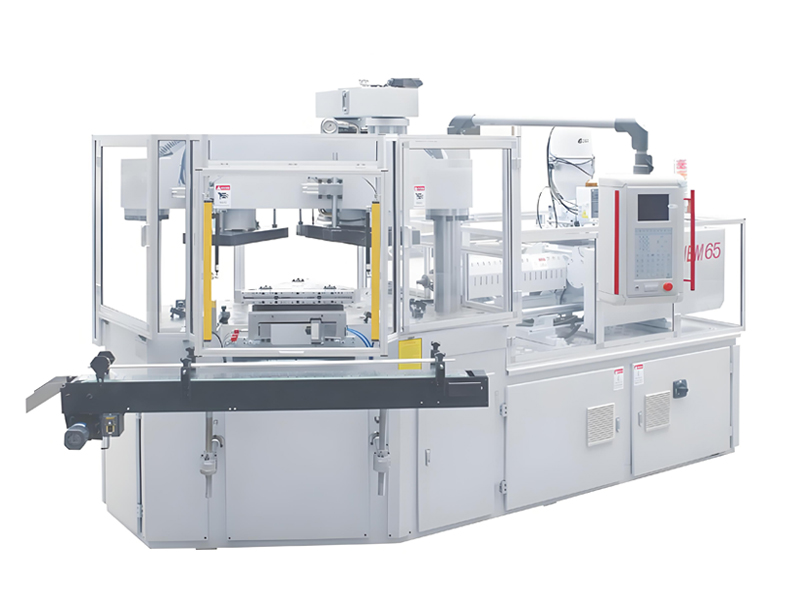
Setup times represent a significant cost component for small-scale production, as each product change requires time for mold changes, material purges, and process adjustments. Modern injection blow molding machines with quick-change tooling systems can significantly reduce setup times, improving the economics of small-batch production. The AiBiM IBM55 and IBM65 machines are well-suited for small-scale tray production, offering the capability to efficiently produce smaller batches without excessive setup-related costs. By optimizing setup procedures and scheduling production runs strategically, small-scale producers can achieve competitive costs even with lower production volumes. The key is to develop efficient production practices that minimize the impact of setup times on overall production economics.
Quality Consistency at Small Volumes
Maintaining consistent quality across small production volumes presents different challenges than quality management in high-volume production environments. In high-volume operations, process drift and equipment wear are more likely to become apparent over time, enabling timely adjustments before significant quality problems develop. Small-scale production may involve longer intervals between runs of specific products, increasing the risk of process variations that affect quality consistency. Establishing robust quality control procedures and maintaining detailed process documentation helps ensure that each production run meets established specifications regardless of volume or frequency.
Statistical process control techniques can be adapted for small-scale production environments, focusing on critical parameters that most directly affect product quality. Regular equipment calibration and preventive maintenance help ensure that machines remain within specification throughout their operational life. Operator training and standardized procedures reduce variability introduced by human factors during the production process. Material characterization and incoming inspection procedures help identify quality issues before they affect finished products. By implementing comprehensive quality management practices, small-scale producers can achieve the consistency required by demanding applications while maintaining the flexibility that differentiates their operations from larger competitors.
AiBiM Machine Capabilities for Tray Production
AiBiM has developed injection blow molding machines specifically optimized for the production of plastic trays and similar products across various industrial applications. The company’s range of hybrid electric machines provides the precision, efficiency, and reliability required for quality tray production while maintaining competitive operating costs. Understanding the specific capabilities of AiBiM machines for tray production helps manufacturers select the most appropriate equipment for their production requirements and maximize their operational success.
IBM Series Tray Production Features
The AiBiM IBM series of injection blow molding machines incorporates design features specifically developed for efficient tray production across various scales of operation. The hybrid electric drive system provides precise control over all machine functions, enabling consistent product quality across extended production runs. The robust clamping system ensures proper mold closure throughout the injection and blowing cycles, preventing flash and other defects that can compromise tray quality. Advanced control systems provide real-time monitoring of critical parameters, enabling operators to identify and address variations before they affect product quality. The energy-efficient design of AiBiM machines helps reduce operating costs, improving the economics of tray production for small-scale operations.
AiBiM machines support the use of multi-cavity molds that enable efficient production of multiple trays per cycle, improving productivity for higher-volume applications. The flexibility to configure machines with different mold configurations allows manufacturers to optimize production efficiency based on their specific product mix and volume requirements. Quick-connect mold mounting systems facilitate rapid mold changes, reducing downtime when switching between different tray designs or sizes. The comprehensive documentation and training provided by AiBiM ensure that operators can effectively utilize all machine capabilities to maximize production efficiency and product quality. For manufacturers entering the tray production market, the support infrastructure provided by established manufacturers like AiBiM represents an important factor in ensuring operational success.
Material Processing Capabilities
Effective tray production requires machines capable of processing the wide range of materials used in different applications. AiBiM machines support processing of materials including HDPE, LDPE, LLDPE, PP, PS, ABS, SAN, TPU, PC, and PCTG, enabling manufacturers to produce trays for virtually any application requirement. The material processing capabilities of AiBiM machines include precise temperature control throughout the barrel and mold, uniform plasticization that ensures consistent material properties, and injection systems that provide adequate pressure and flow for filling complex mold cavities. These capabilities are essential for producing trays with the quality and consistency required by demanding industrial applications.
Different tray applications require different material properties, and AiBiM machines are designed to optimize processing parameters for each material type. High-density polyethylene provides excellent chemical resistance and durability for industrial storage applications. Polypropylene offers good temperature resistance and flexibility for applications requiring sturdy yet lightweight trays. Polystyrene provides excellent clarity for display applications where visibility of tray contents is important. Polycarbonate offers superior impact resistance and temperature tolerance for demanding environments. By understanding the specific requirements of target applications and selecting appropriate materials, manufacturers can produce trays that meet customer expectations while optimizing production efficiency and cost.
Material Selection for Plastic Trays
Material selection represents one of the most critical decisions in plastic tray production, directly affecting product performance, manufacturing efficiency, and cost structure. The chosen material must satisfy functional requirements for the target application while remaining compatible with available production equipment and economically viable for the intended market. This section provides comprehensive guidance on material selection considerations for injection blow molded plastic trays, helping manufacturers make informed decisions that support product success and business profitability.
Polyethylene Applications and Properties
Polyethylene represents the most widely used material for plastic tray production, offering an attractive combination of properties, processing characteristics, and cost-effectiveness. High-density polyethylene provides excellent stiffness and strength-to-weight ratio, making it suitable for trays that must support significant loads without excessive weight. The chemical resistance of HDPE enables use in applications involving exposure to cleaning agents, industrial chemicals, or food products. The material’s excellent moisture barrier properties help protect stored items from environmental moisture that could cause corrosion, degradation, or contamination. HDPE trays are widely used in industrial storage, food processing, and consumer product applications where durability and cost-effectiveness are primary considerations.
Linear low-density polyethylene offers enhanced flexibility and impact resistance compared to HDPE, making it suitable for applications where trays may be subjected to rough handling or impacts during use. LLDPE provides excellent environmental stress crack resistance, enabling use in applications involving exposure to cleaning agents or other potentially aggressive substances. The improved film-forming characteristics of LLDPE enable production of trays with thinner walls while maintaining adequate strength, potentially reducing material costs and part weight. For applications requiring the properties of both HDPE and LLDPE, manufacturers may specify blends that combine the stiffness of HDPE with the flexibility of LLDPE to optimize overall performance characteristics.
Polypropylene for Demanding Applications
Polypropylene provides superior temperature resistance compared to polyethylene, enabling use in applications involving hot contents or elevated temperature sterilization processes. PP maintains its structural integrity at temperatures up to 100 degrees Celsius or higher, making it suitable for steam sterilization applications in medical and food service environments. The material’s excellent fatigue resistance enables use in applications involving repeated flexing or hinge-like movements, such as hinged-lid containers and trays with integral living hinges. Polypropylene offers good chemical resistance and low moisture absorption, maintaining performance in challenging environmental conditions.
The slightly higher processing temperature required for polypropylene compared to polyethylene influences equipment settings and energy consumption during production. AiBiM machines are fully capable of processing polypropylene efficiently, with temperature control systems optimized for the material’s specific requirements. The slightly higher cost of polypropylene compared to HDPE and LLDPE must be justified by the enhanced properties it provides for specific applications. For applications requiring the combination of temperature resistance, chemical resistance, and durability that polypropylene provides, the premium pricing may be appropriate and justified. Manufacturers should carefully evaluate the specific requirements of target applications to determine whether polypropylene’s enhanced properties warrant the additional material cost.
Specialty Materials for Advanced Applications
Advanced applications may require specialty materials that provide properties beyond those available from commodity plastics. Polycarbonate offers exceptional impact resistance and clarity, making it suitable for applications requiring visibility of tray contents combined with maximum protection against damage. PC maintains its properties across a wide temperature range, enabling use in both freezer storage and elevated temperature applications. The higher cost of polycarbonate limits its use to applications where its exceptional properties are essential and justify the premium pricing. Medical device packaging, optical component handling, and high-value product storage represent typical applications for polycarbonate trays.
ABS provides excellent surface appearance and impact resistance, making it suitable for trays where aesthetics are important alongside functional requirements. The material can be easily colored and accepts various surface finishes, enabling production of attractive trays for retail and consumer applications. ABS is widely used in electronic packaging applications where its good dimensional stability and surface hardness provide appropriate protection for sensitive components. Copolyesters such as PCTG offer a compelling combination of clarity, impact resistance, and chemical resistance that makes them increasingly popular for demanding applications. The compatibility of AiBiM machines with these specialty materials enables manufacturers to address advanced application requirements while maintaining efficient production operations.
Cost Analysis for Small Industrial Production
Understanding the cost structure for small-scale plastic tray production is essential for developing profitable operations and competitive pricing strategies. The cost analysis must consider all relevant cost components, including capital investment, operating expenses, and the indirect costs associated with production inefficiencies and quality issues. This comprehensive cost analysis framework enables small-scale producers to make informed decisions about equipment selection, production planning, and customer pricing.
Capital Investment Breakdown
The capital investment required for small-scale plastic tray production includes equipment acquisition, tooling investment, facility preparation, and working capital requirements. The machine investment for small-scale tray production typically ranges from $45,000 to $120,000 depending on the selected equipment model and configuration. The AiBiM IBM55 represents an economical entry point for small-scale operations, with pricing typically ranging from $45,000 to $65,000 depending on options and configuration. Mid-range machines such as the IBM65 typically cost between $75,000 and $110,000, offering enhanced capabilities for growing operations. These investment levels provide access to modern, capable equipment that can produce quality trays efficiently while maintaining competitive operating costs.
Mold investment represents a significant capital component that varies based on tray size, complexity, and cavity count. Simple single-cavity molds for basic tray designs may cost between $8,000 and $15,000, while complex multi-cavity molds for higher-volume production can cost $25,000 to $50,000 or more. The relationship between mold investment and production economics must be carefully analyzed, as higher mold costs are justified only when production volumes are sufficient to spread these costs across enough units. Small-scale producers may initially use single-cavity molds to minimize capital requirements, then invest in multi-cavity molds as production volumes grow and justify the additional investment. This phased approach to tooling investment helps manage capital requirements while building toward more efficient production capabilities.
Operating Cost Structure
The operating costs for small-scale tray production include material costs, energy expenses, labor costs, maintenance expenses, and overhead allocation. Material costs typically represent the largest variable cost component, influenced by material selection, part weight, and material yield during production. Material costs for common tray materials range from $1.00 to $3.00 per pound depending on material type, grade, and purchase volume. A typical 500-gram industrial tray requires approximately $1.10 to $3.30 in material cost per unit, depending on the selected material. Achieving high material yield through proper process control and waste minimization is essential for maintaining competitive production costs.
Energy costs for injection blow molding operations depend on machine size, production schedule, and local electricity rates. Hybrid electric machines like those manufactured by AiBiM offer energy savings of up to 35% compared to traditional hydraulic equipment, reducing operating costs significantly. For small-scale operations running single-shift schedules, annual energy costs typically range from $8,000 to $20,000 depending on machine size and local utility rates. Labor costs vary significantly based on location, with operators in developed markets typically commanding higher wages but often providing greater productivity and quality consistency. Maintenance costs for well-maintained equipment typically range from 2% to 4% of equipment purchase price annually, covering preventive maintenance, parts replacement, and calibration services.
Production Workflow Optimization
Optimizing the production workflow is essential for maximizing the efficiency and profitability of small-scale tray manufacturing operations. Effective workflow optimization reduces wasted time, minimizes material waste, and enables higher production rates without additional equipment investment. This section explores strategies for improving production workflow in injection blow molding operations, helping small-scale producers maximize their competitive position and profitability.
Production Scheduling and Batch Management
Effective production scheduling is critical for maximizing equipment utilization while minimizing setup-related inefficiencies. Production schedules should be developed to maximize the length of runs for each product, reducing the frequency of setup changes and their associated time costs. When scheduling production, manufacturers should consider factors including customer priorities, material requirements, equipment availability, and changeover complexity. Products requiring similar materials and processing conditions can often be scheduled consecutively to minimize changeover requirements. The development of efficient scheduling practices requires ongoing analysis and refinement as production experience accumulates and market conditions evolve.
Batch management strategies help organize production runs to optimize efficiency while meeting customer requirements for order fulfillment and delivery timing. Small-scale producers may need to balance the efficiency advantages of larger batch production against customer requirements for timely delivery and inventory minimization. Just-in-time production approaches that reduce inventory carrying costs may require smaller, more frequent production runs that increase setup-related costs. Finding the optimal balance between batch size and scheduling efficiency depends on factors specific to each manufacturer’s situation, including customer relationships, market dynamics, and operational capabilities. The flexibility of AiBiM machines with quick-change tooling systems supports various batch management approaches, enabling manufacturers to adapt their practices as requirements change.
Material Handling and Inventory Management
Efficient material handling practices reduce production costs and improve operational organization in small-scale tray manufacturing facilities. Raw material storage should protect materials from environmental contamination and degradation while maintaining organized inventory that enables efficient material selection and usage. Material delivery systems that minimize handling requirements and reduce the risk of contamination help maintain consistent quality while reducing labor costs. Material waste management including sprues, runners, and rejected parts should be addressed through proper collection, handling, and where possible, recycling programs that recover value from production waste.
Finished goods inventory management presents particular challenges for small-scale producers serving diverse customer requirements. Inventory investment ties up capital and incurs carrying costs, while insufficient inventory can result in lost sales and damaged customer relationships. Effective inventory management requires accurate demand forecasting, efficient production planning, and appropriate safety stock levels that balance these competing concerns. For custom or specialty tray products, production planning must account for longer lead times and the need for flexibility to address customer-specific requirements. Working closely with customers to understand their ordering patterns and inventory needs helps develop inventory strategies that serve both parties effectively.
Quality Control Standards
Quality control is essential for maintaining customer satisfaction and competitive positioning in the plastic tray market. Different application categories have different quality requirements, and manufacturers must understand the standards applicable to their target markets. Implementing effective quality control procedures helps ensure that products meet specifications consistently while minimizing waste and rework costs. This section provides guidance on establishing quality control systems appropriate for small-scale tray production operations.
Dimensional Verification and Testing
Dimensional verification ensures that trays meet specified tolerances that enable proper fit and function in their intended applications. Key dimensions requiring verification include overall tray dimensions, wall thickness, feature dimensions such as compartments and recessed areas, and critical mating dimensions for trays designed to stack or nest. Measurement equipment selection should be appropriate for the tolerances being verified, with more demanding applications requiring more precise measurement capabilities. Coordinate measuring machines, optical inspection systems, and calibrated hand tools each have roles in comprehensive dimensional verification programs. Regular calibration of measurement equipment ensures that verification results remain accurate and reliable over time.
Functional testing verifies that trays perform appropriately in their intended applications beyond simple dimensional compliance. Load testing verifies that trays can support specified weights without excessive deflection or structural failure. Impact testing assesses resistance to damage from drops, impacts, and rough handling. Environmental testing exposes trays to conditions including temperature extremes, humidity, and chemical exposure to verify continued performance. The specific tests required depend on the application and customer requirements, with medical and food applications typically requiring the most comprehensive testing protocols. Documentation of test results provides evidence of quality compliance and supports customer confidence in product reliability.
Process Monitoring and Continuous Improvement
Process monitoring during production helps identify variations before they result in defective products, enabling timely corrections that maintain quality while minimizing waste. Key process parameters for injection blow molding include injection pressure, melt temperature, mold temperature, cooling time, and cycle time. Statistical process control techniques help distinguish between normal process variation and significant shifts that require intervention. Control charts tracking critical parameters enable operators to monitor process stability and respond appropriately to observed trends. The control systems integrated into AiBiM machines facilitate comprehensive process monitoring, providing real-time data that supports quality maintenance and continuous improvement.
Continuous improvement efforts seek to enhance product quality, production efficiency, and operational effectiveness over time. Improvement opportunities may be identified through analysis of quality data, operator observations, customer feedback, or competitive benchmarking. Effective improvement programs establish systematic approaches to identifying, prioritizing, and implementing improvements that deliver meaningful benefits. Regular quality reviews that bring together production, quality, and management personnel create forums for discussing performance and improvement opportunities. The culture of continuous improvement, combined with appropriate tools and processes, helps small-scale producers maintain competitive advantage and deliver increasing value to customers over time.
Market Demand and Profitability
Understanding market demand and profitability dynamics helps small-scale tray producers develop effective business strategies and make informed operational decisions. The plastic tray market encompasses diverse segments with different characteristics, growth rates, and competitive dynamics. Analyzing market conditions for specific application segments enables manufacturers to identify attractive opportunities and allocate resources effectively to pursue them. This section explores market considerations relevant to small-scale plastic tray production, helping manufacturers develop realistic expectations and effective strategies for market success.
Target Market Analysis
The small industrial tray market serves diverse customers with varying requirements, volumes, and price sensitivities. Industrial manufacturing customers typically require durable trays with specific dimensional and performance characteristics, often in moderate volumes with consistent replenishment requirements. These customers value quality, reliability, and the ability to meet ongoing needs over time. Electronics customers have specialized requirements for anti-static properties and precision dimensions, often willing to pay premium prices for products that meet their exact specifications. Medical and pharmaceutical customers have the most demanding requirements but also offer the potential for stable, long-term relationships based on quality performance and regulatory compliance.
Market research should inform decisions about target market selection and positioning strategies. Understanding customer needs, competitive offerings, and pricing dynamics in potential target segments helps identify the most attractive opportunities for small-scale operations. Differentiation strategies may focus on quality, service, flexibility, or specialization in specific application areas. The ability to serve smaller orders profitably while larger competitors focus on high-volume accounts represents a potential differentiation opportunity for small-scale producers. Building reputation and customer relationships takes time but can create sustainable competitive advantages that support long-term business success.
Competitive Pricing Strategies
Pricing strategies must balance the need to cover costs and generate profit against competitive pressures and customer price sensitivity. Small-scale producers typically face higher per-unit costs than large-scale operations due to lower economies of scale and less favorable purchasing positions. However, small-scale operations may offer advantages in flexibility, service, and specialization that justify premium pricing in appropriate market segments. Cost-based pricing ensures that products cover all costs and generate appropriate margins, while market-based pricing considers competitive conditions and customer perceived value. Effective pricing typically involves elements of both approaches, with costs providing the floor below which pricing should not fall and market conditions informing the appropriate position within the range of possible prices.
Total cost of ownership considerations can provide competitive advantages by helping customers understand the full value of products beyond initial purchase price. Trays with superior durability may have higher initial costs but lower replacement rates that reduce total lifetime costs. Trays that improve production efficiency through better handling characteristics may generate value that justifies premium pricing. Service and support provided by small-scale producers may reduce customer costs for quality issues, delivery problems, and specification changes. Effective communication of total value helps justify pricing that supports profitable operations while delivering genuine benefits to customers.
Technical Parameters and Settings
Optimizing technical parameters and settings for plastic tray production maximizes quality, efficiency, and equipment utilization. The specific settings required depend on tray design, material selection, and quality requirements. Understanding the relationships between different parameters enables operators to develop effective processing strategies that balance competing objectives. This section provides guidance on key technical parameters for tray production, helping operators achieve optimal results from their injection blow molding operations.
Temperature Control and Optimization
Temperature control is critical for achieving proper material flow, adequate bonding, and appropriate cooling in injection blow molding. Melt temperature must be high enough to ensure adequate flow into mold cavities while avoiding thermal degradation that could affect material properties. Different materials have different optimal melt temperature ranges, with AiBiM machines providing precise temperature control throughout the barrel and nozzle assemblies. Mold temperature affects surface quality, dimensional stability, and cycle time, with higher mold temperatures generally improving surface finish while increasing cooling time requirements. Finding the optimal balance between melt temperature and mold temperature for specific products requires experimentation and careful observation of results.
Temperature profile along the barrel should be optimized for the specific material being processed, with appropriate temperatures in the feed, compression, and metering zones. Improper temperature profiles can result in problems including material degradation, inconsistent melt quality, and excessive wear on machine components. Regular monitoring of temperatures and their relationship to product quality helps identify when adjustments are needed. Advanced control systems on AiBiM machines automate many temperature optimization functions while providing operators with information needed to fine-tune settings for specific applications. Investing time in establishing proper temperature settings pays dividends in consistent quality and efficient production over time.
Injection and Blowing Parameters
Injection parameters determine how material is introduced into the mold cavity and significantly influence part quality. Injection speed affects how quickly material fills the mold, with faster injection generally providing better surface finish but potentially causing other issues such as flash or excessive shear heating. Injection pressure must be sufficient to fill the cavity completely while avoiding problems from excessive pressure that could cause flash, mold damage, or excessive part density. The specific optimal settings depend on part geometry, material properties, and quality requirements, requiring careful development for each new product.
Blowing parameters in injection blow molding determine how the parison is expanded to fill the mold cavity and achieve the final part shape. Blowing pressure must be adequate to force material against mold walls while avoiding excessive pressure that could cause thin walls or part deformation. Blowing air volume and timing affect how uniformly the material distributes and fills the cavity. The interaction between injection parameters and blowing parameters must be optimized together to achieve desired results. Trial and error experimentation, guided by understanding of process fundamentals, enables development of effective parameter sets for specific tray designs. Documentation of optimized parameters supports consistent production when running established products.
Conclusion
The production of plastic trays for small industrial applications represents a viable and potentially profitable business opportunity for manufacturers with appropriate equipment, technical capabilities, and market focus. Injection blow molding technology provides an efficient means of producing high-quality plastic trays suitable for diverse applications including industrial storage, electronics handling, and medical packaging. Understanding the specific requirements of target applications, including material properties, quality standards, and performance expectations, enables manufacturers to produce trays that meet customer needs effectively.
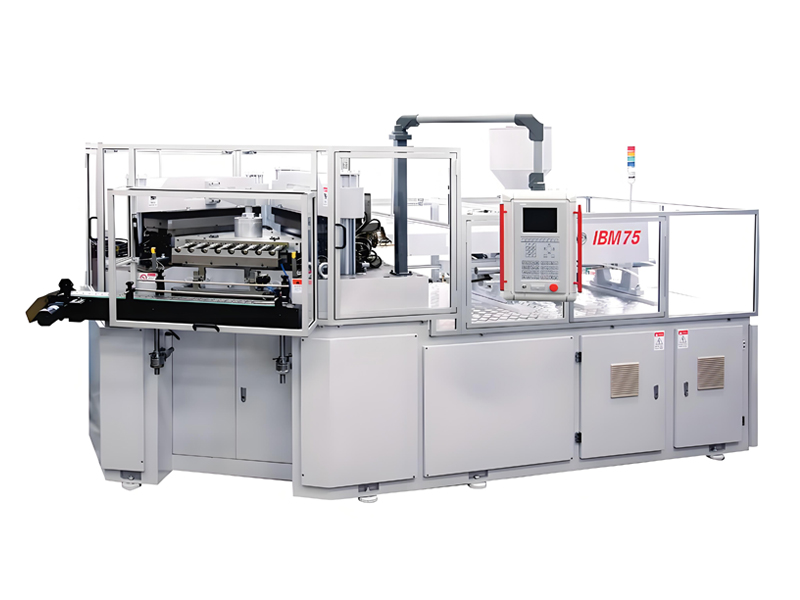
AiBiM’s range of injection blow molding machines, including the IBM55, IBM65, and IBM75 models, provides options for manufacturers at different scales of operation and with different capability requirements. The company’s equipment combines proven technology with modern features including energy efficiency, precise control, and reliable performance. With over 12 years of manufacturing experience and exports to more than 40 countries, AiBiM has established a reputation for quality equipment that supports successful manufacturing operations. The compatibility of AiBiM machines with a wide range of materials including PE, PP, PS, ABS, and specialty polymers enables manufacturers to address virtually any tray application requirement.
Success in small-scale tray production requires attention to multiple dimensions including equipment selection, material optimization, quality control, and market positioning. The investment required for entry-level equipment starting around $45,000 to $65,000 provides access to capable machinery that can produce quality products efficiently. Operating costs including materials, energy, labor, and maintenance must be carefully managed to maintain profitability while remaining competitive in target markets. Building strong customer relationships based on quality, service, and reliability creates sustainable competitive advantages that support long-term business success in the dynamic plastic tray market.