Introduction to Maintenance Cost Reduction
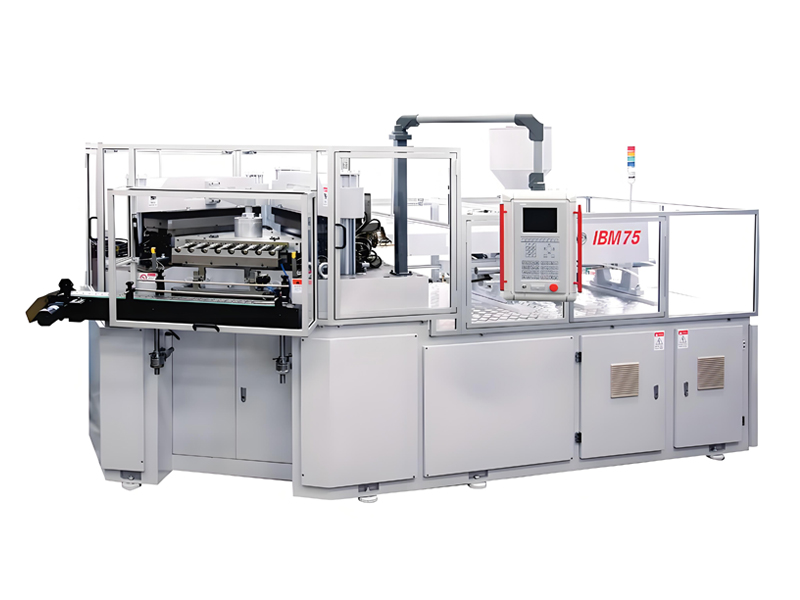
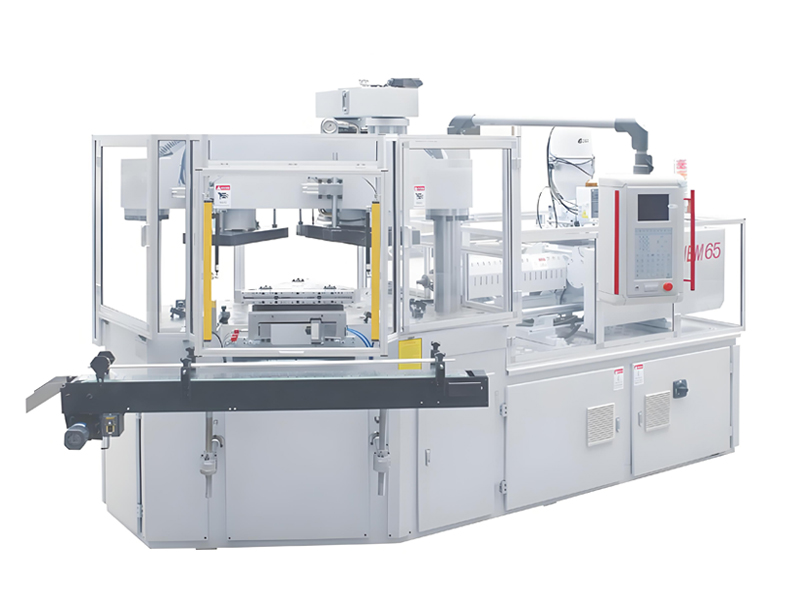
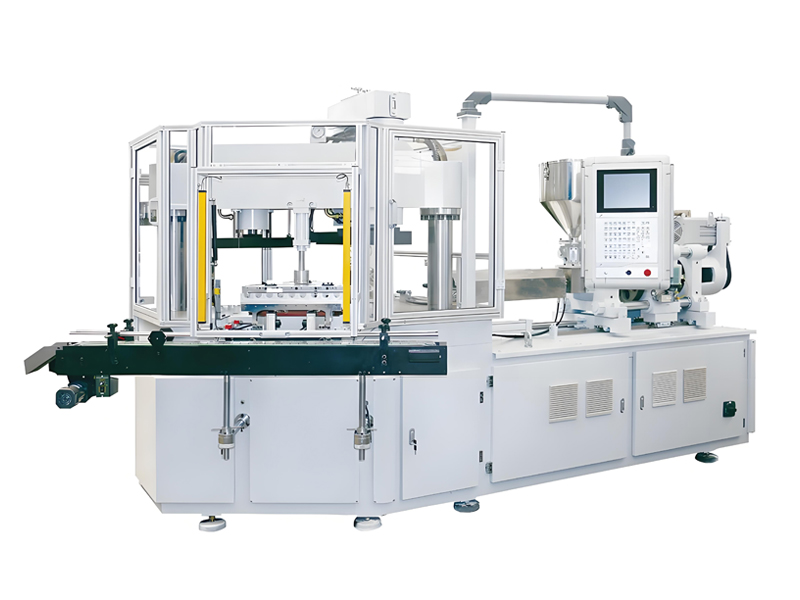
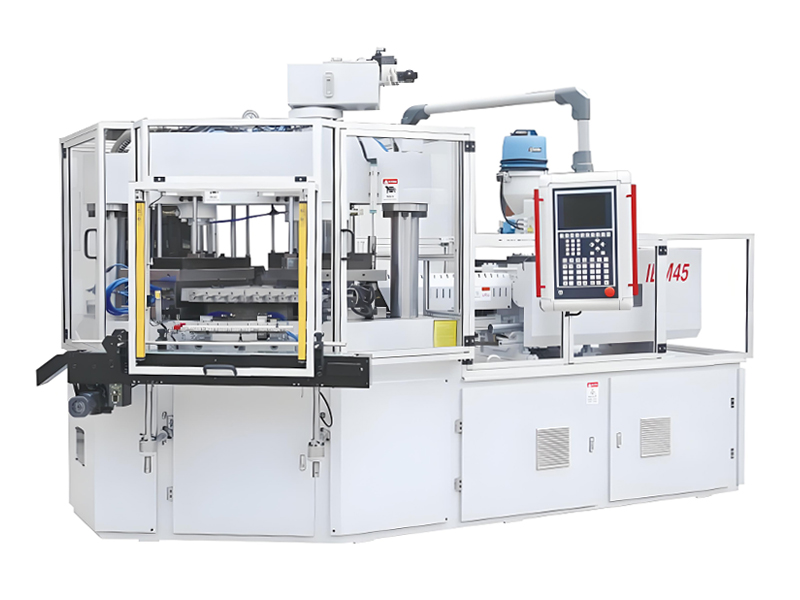
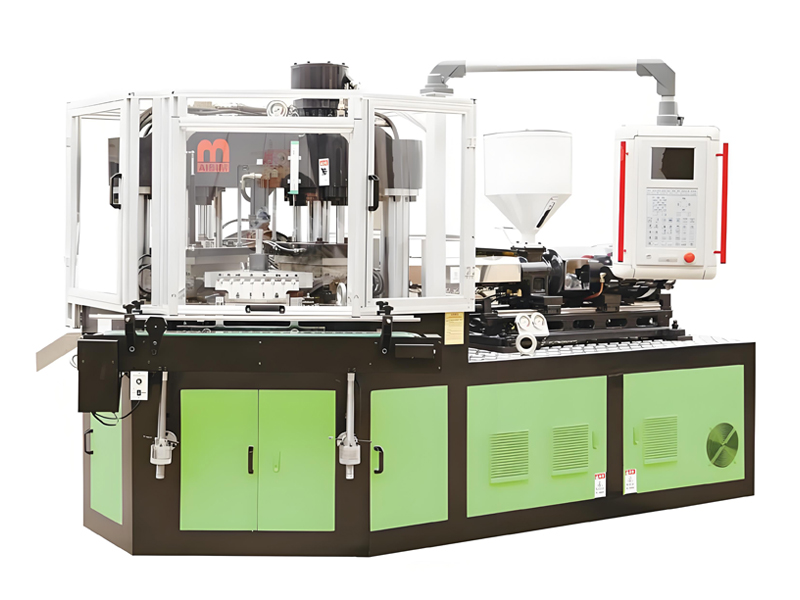
Maintenance costs represent one of the most significant ongoing expenses for injection blow molding machine operations, often accounting for 3-8% of equipment value annually. Reducing maintenance requirements through proper equipment selection, preventive maintenance programs, and operational practices can dramatically improve profitability and production efficiency. Low maintenance injection blow molding machines incorporate design features and construction quality that minimize wear, extend component service life, and reduce the frequency and cost of maintenance activities. AiBiM has developed extensive expertise in creating low-maintenance equipment that provides exceptional value over the complete equipment lifecycle.
The total cost of ownership for injection blow molding machines extends far beyond the initial purchase price to include maintenance, repairs, spare parts, and downtime costs throughout the equipment service life. Equipment that minimizes these ongoing costs provides substantial economic advantages even if the initial purchase price is higher. For example, a machine that costs 300,000 dollars initially but requires only 15,000 dollars annually in maintenance represents significantly better value than a 250,000 dollar machine requiring 35,000 dollars annually in maintenance over a 10-year service life. The maintenance-optimized approach provides approximately 200,000 dollars in total savings while offering superior reliability and production consistency.
AiBiM low maintenance injection blow molding machines incorporate advanced design philosophies that prioritize long-term reliability and reduced total cost of ownership. These machines feature robust construction, high-quality components, and design features that minimize wear and extend service life. The company has accumulated extensive maintenance data from thousands of machines operating worldwide, enabling continuous improvement in maintenance performance. This data-driven approach to maintenance optimization has enabled AiBiM to reduce average maintenance costs by 35% over the past decade while extending mean time between failures by 45%.
Design Features for Reduced Maintenance
Low maintenance injection blow molding machines incorporate specific design features that minimize wear, reduce stress on components, and extend service life. Understanding these design features enables proper equipment selection and informed purchasing decisions that optimize long-term value. These design features represent investments in quality and reliability that provide ongoing returns throughout the equipment service life.
Robust frame construction provides the foundation for reduced maintenance by ensuring structural integrity and minimizing vibration-induced wear. AiBiM machines utilize heavy-duty frame construction with welded steel plate construction that provides exceptional rigidity and stability. Frame thicknesses exceed industry standards by 25-40%, providing additional strength and reducing flexing that contributes to component wear. The frame design incorporates finite element analysis to optimize stiffness while minimizing weight. This robust construction extends service life of all mounted components and reduces maintenance requirements across all machine systems.
Precision alignment systems ensure that critical components maintain proper positioning throughout the equipment service life, reducing wear and preventing premature failures. AiBiM machines incorporate precision alignment pins and datum surfaces that maintain component positioning even after extended service. Critical alignments including tie bar positioning, platen parallelism, and screw-to-barrel alignment are maintained to tolerances of plus or minus 0.02mm, well within industry standards. This precision alignment prevents uneven loading, reduces stress concentrations, and extends component service life by 30-50% compared to looser alignment tolerances.
Optimized kinematics minimize friction and wear throughout motion systems. Moving components including platen drives, ejector systems, and core pull mechanisms are designed with optimized mechanical advantage and reduced friction surfaces. The kinematic designs minimize edge loading and point contacts that cause accelerated wear. Low-friction bearing materials and appropriate lubrication systems further reduce wear. These optimized kinematics reduce maintenance requirements for motion systems by 40-60% compared to conventional designs.
High-Quality Component Selection
The selection of high-quality components represents a fundamental strategy for reducing maintenance requirements. Components from reputable manufacturers with proven performance records provide significantly longer service life and more predictable maintenance intervals compared to lower-cost alternatives. Understanding component quality levels and their impact on maintenance costs enables informed decisions that optimize total cost of ownership.
Bearings and power transmission components selected for AiBiM machines represent the highest quality available in the industry. Main shaft bearings from manufacturers such as SKF, NSK, or Timken provide service lives exceeding 40,000 operating hours compared to 15,000-25,000 hours for economy-grade bearings. The cost premium for premium bearings of approximately 30-50% is recovered many times over through extended service life and reduced downtime. Gear components from premium manufacturers provide surface finishes and material quality that extend service life by 40-60% compared to economy alternatives.
Electrical components including drives, controllers, and sensors from established manufacturers provide proven reliability and extended service life. Premium electrical components such as Siemens, Allen-Bradley, or Mitsubishi drives provide mean time between failures exceeding 8 years compared to 3-5 years for economy brands. The cost premium of 40-80% for premium electrical components is justified through reduced downtime, lower maintenance frequency, and easier parts availability. AiBiM also maintains spare parts inventory for all critical electrical components, ensuring rapid replacement when required.
Hydraulic components including pumps, valves, and actuators from premium manufacturers provide superior wear resistance and longer service life. Hydraulic pumps from manufacturers such as Parker, Vickers, or Bosch Rexroth provide service lives of 12,000-15,000 hours compared to 6,000-9,000 hours for economy pumps. Premium hydraulic valves provide better sealing characteristics and reduced leakage that extends service life. The premium pricing for hydraulic components of 50-100% is recovered through extended service intervals and reduced maintenance labor costs.
Material and Coating Technologies
Advanced material technologies and surface coatings significantly enhance component durability and reduce maintenance requirements. Wear surfaces, corrosion resistance, and surface characteristics all benefit from appropriate material selection and coating technologies. These technologies often add to initial equipment cost but provide substantial maintenance savings over the equipment service life.
Wear-resistant materials for high-wear components including barrel linings, screw flights, and guide surfaces significantly extend service life. Hardened alloy steels, tungsten carbide coatings, or ceramic coatings can increase service life of wear components by 200-500% compared to standard materials. For example, a tungsten carbide coated screw may cost 3,000 dollars more than a standard screw but provide service life of 40,000 hours compared to 12,000 hours for standard materials. Over a 10-year service life, this represents savings of 30,000-50,000 dollars in screw replacement costs plus the value of avoided downtime.
Corrosion-resistant coatings protect components from chemical attack, particularly important for machines processing corrosive materials or operating in harsh environments. Stainless steel components for material contact areas, nickel plating, or specialized coatings such as PTFE can extend service life by 300-600% in corrosive environments. The additional cost of 20-40% for corrosion-resistant construction is justified through dramatically extended service life and reduced maintenance requirements. Corrosion-resistant components are particularly valuable for chemical processing applications or facilities with corrosive atmospheres.
Low-friction coatings and surface treatments reduce wear on sliding and rotating components. Physical vapor deposition coatings, nitriding treatments, or specialized lubricants can reduce friction coefficients by 40-70%, dramatically reducing wear rates. Low-friction coatings are particularly valuable on guides, sliding surfaces, and rotational bearings. The additional cost of 500-2,000 dollars per component is recovered through extended service life and reduced maintenance frequency. These coatings are especially valuable for high-cycle components that experience frequent motion.
Condition Monitoring and Predictive Maintenance
Advanced condition monitoring and predictive maintenance technologies enable identification of developing maintenance needs before failures occur, reducing downtime and extending component service life. These technologies represent a shift from reactive maintenance to proactive maintenance planning that optimizes maintenance intervals and prevents catastrophic failures. The investment in monitoring technologies is recovered through reduced downtime costs and optimized maintenance scheduling.
Vibration monitoring systems detect developing mechanical problems including bearing wear, misalignment, or imbalance at early stages. Accelerometers mounted on critical components measure vibration signatures and compare them to baseline conditions to identify developing problems. Vibration monitoring can detect bearing defects 3-6 months before failure, enabling planned replacement during scheduled downtime. The investment of 8,000-15,000 dollars in vibration monitoring systems typically pays for itself within 12-18 months through prevented downtime and optimized maintenance scheduling.
Temperature monitoring systems provide real-time tracking of component temperatures to identify developing problems before failures occur. Thermocouples, infrared sensors, and thermal imaging systems monitor bearings, motors, drives, and other critical components. Abnormal temperature increases of 10-15 degrees above baseline typically indicate developing problems requiring maintenance intervention. Temperature monitoring systems typically cost 5,000-12,000 dollars but can prevent 70-90% of unexpected failures through early detection of developing problems.
Oil analysis programs for hydraulic and lubrication systems detect component wear and oil degradation before failures occur. Spectrographic analysis detects wear metals from component wear, particle counting indicates contamination levels, and physical-chemical tests evaluate oil condition. Oil analysis programs typically cost 1,500-4,000 dollars annually but enable detection of component wear 2-4 months before failure, enabling planned maintenance during scheduled downtime. These programs can reduce unplanned downtime by 60-80% while optimizing maintenance intervals.
Maintenance-Friendly Design
Maintenance-friendly design features reduce the time, cost, and complexity of maintenance activities. These design features facilitate access to components, simplify replacement procedures, and minimize the skill level required for routine maintenance. Maintenance-friendly design significantly reduces maintenance labor costs while increasing reliability by encouraging proper maintenance practices.
Access design ensures that components requiring regular maintenance are easily accessible for inspection, service, and replacement. AiBiM machines incorporate large access doors, removable panels, and strategically placed access points that provide unobstructed access to critical components. Maintenance time reductions of 30-50% are typical compared to machines with poor access design. For maintenance requiring 4 hours annually on a machine with poor access, maintenance-friendly design could reduce this to 2-3 hours annually, representing labor cost savings of 200-600 dollars annually depending on labor rates.
Modular component design enables rapid replacement of wear components without requiring major disassembly or specialized tools. Components such as gearboxes, drives, and pump assemblies are designed as modular units that can be removed and replaced as complete assemblies. Modular design may increase initial equipment cost by 5-15% but reduces component replacement time by 50-70%. For a gearbox replacement requiring 12 hours with conventional design, modular design might reduce this to 4-6 hours, representing labor savings of 400-1,200 dollars per replacement.
Self-diagnostic capabilities in control systems simplify troubleshooting and reduce the skill level required for maintenance activities. Advanced control systems can detect fault conditions, identify probable causes, and provide diagnostic guidance to maintenance personnel. Self-diagnostic systems reduce troubleshooting time by 40-60% and enable less-experienced personnel to resolve problems that would otherwise require senior technicians. The investment of 10,000-25,000 dollars in advanced control systems is recovered through reduced labor costs and faster problem resolution.
Preventive Maintenance Programs
Comprehensive preventive maintenance programs are essential for maximizing equipment service life and minimizing maintenance costs. Preventive maintenance addresses maintenance needs proactively based on time intervals or condition monitoring rather than waiting for failures to occur. Well-designed preventive maintenance programs can reduce total maintenance costs by 30-50% compared to reactive maintenance approaches while extending equipment service life by 30-50%.
Daily maintenance routines include visual inspection, lubrication checks, and basic cleaning activities that take 15-30 minutes per machine. These activities identify developing problems early and ensure proper lubrication of critical components. Daily maintenance typically costs 20-40 dollars in labor per machine daily but prevents problems that could cost hundreds or thousands of dollars in repair costs and downtime. Consistent daily maintenance is the foundation of effective maintenance programs.
Weekly maintenance activities include more comprehensive inspection, cleaning of less accessible areas, and verification of operating parameters. Weekly maintenance typically requires 1-2 hours per machine and includes inspection of belts, verification of alignment checks, cleaning of cooling systems, and calibration verification. Weekly maintenance costs 80-200 dollars in labor per machine weekly but identifies developing issues before they become major problems. Weekly maintenance can prevent 70-90% of unexpected failures.
Monthly maintenance includes detailed inspection of critical components, performance testing, and planned component replacements based on usage or condition. Monthly maintenance typically requires 4-8 hours per machine and includes inspection of bearings, testing of safety systems, analysis of maintenance trends, and planned replacement of wear items. Monthly maintenance costs 300-800 dollars in labor per machine monthly but enables optimization of maintenance intervals and prevents catastrophic failures. Monthly maintenance is particularly valuable for high-usage or critical production equipment.
Spare Parts Management
Effective spare parts management is essential for minimizing downtime and controlling maintenance costs. Strategic spare parts inventory planning ensures that critical components are available when needed while minimizing inventory carrying costs. Proper spare parts management can reduce downtime by 70-90% while controlling inventory investment to appropriate levels.
Critical spare parts inventory includes components that have long lead times, high usage rates, or that cause extended downtime if they fail. Critical spare parts typically include bearings, seals, electrical components, and wear items with predictable service lives. Maintaining an inventory of critical spare parts typically represents an investment of 15,000-40,000 dollars for a mid-sized injection blow molding machine. This investment is recovered through prevented downtime that could cost 1,000-5,000 dollars per hour depending on production value.
Consigned spare parts programs with AiBiM place spare parts inventory at customer facilities with payment only when parts are used. These programs eliminate the capital requirement for spare parts inventory while ensuring rapid parts availability. Consigned inventory typically includes the most critical components that would cause extended downtime if unavailable. Consigned inventory programs typically have no upfront cost but may include a 10-20% premium on parts when used to cover AiBiM’s carrying costs.
Predictive spare parts replacement based on condition monitoring data optimizes replacement timing to maximize component life while preventing failures. Rather than replacing components at fixed intervals, predictive maintenance monitors component condition and schedules replacement when condition indicators approach failure thresholds. This approach extends component life by 20-40% compared to fixed interval replacement while preventing most failures. Predictive replacement requires investment in monitoring systems and analysis but provides substantial savings in parts and labor costs.
Training and Knowledge Transfer
Proper training of maintenance personnel and operators significantly impacts maintenance effectiveness and cost. Well-trained personnel can identify problems earlier, perform maintenance activities more efficiently, and implement preventive practices that extend equipment life. Investment in training provides substantial returns through reduced maintenance costs and improved equipment performance.
Operator training programs should include basic maintenance awareness including lubrication points, inspection procedures, and early warning signs of problems. Operators who understand basic maintenance requirements can identify and report developing problems early, often before they cause failures. Basic operator training typically costs 500-2,000 dollars per operator but can prevent 40-60% of unexpected failures through early detection and reporting. Operators are the frontline of maintenance programs and their engagement is essential for success.
Maintenance technician training should cover specific machine systems, preventive maintenance procedures, troubleshooting techniques, and safety practices. Trained technicians can perform maintenance activities 30-50% faster than untrained personnel while implementing proper procedures that extend component life. Comprehensive maintenance training typically costs 2,000-5,000 dollars per technician but provides substantial returns through improved efficiency and reduced downtime. Trained technicians also have better problem-solving capabilities that reduce the likelihood of misdiagnosis and repeated repairs.
Ongoing knowledge transfer programs keep maintenance personnel current with best practices, new technologies, and changing requirements. Regular training updates, technical bulletins, and knowledge-sharing sessions ensure that maintenance knowledge evolves with equipment capabilities. Ongoing knowledge transfer typically costs 500-2,000 dollars annually per maintenance team but keeps skills current and enables implementation of improved maintenance techniques. Continuous learning is essential in an evolving technological environment.
Maintenance Cost Analysis
Understanding the complete cost structure of maintenance activities enables informed decisions about equipment selection, maintenance program design, and investment optimization. Maintenance costs include direct labor costs, parts costs, overhead costs, and downtime costs. Comprehensive cost analysis reveals opportunities for cost reduction and guides investment decisions that optimize total cost of ownership.
Direct maintenance labor costs typically represent 30-50% of total maintenance costs. Labor costs vary based on geographic location, skill requirements, and maintenance efficiency. For a mid-sized injection blow molding machine, direct maintenance labor typically costs 15,000-35,000 dollars annually. This assumes approximately 200-400 hours of maintenance annually at labor rates of 75-125 dollars per hour. Labor costs can be reduced 30-50% through improved maintenance practices, training, and maintenance-friendly design.
Parts costs represent another 30-40% of total maintenance costs. Annual parts costs for a mid-sized injection blow molding machine typically range from 12,000-28,000 dollars depending on machine size, operating hours, and materials processed. Parts costs can be reduced 20-40% through optimized maintenance intervals that maximize component life, strategic spare parts management, and component upgrades that extend service life. Using higher-quality components with longer service life typically reduces annual parts costs despite higher initial purchase prices.
Downtime costs, while not a direct maintenance expense, represent the largest single maintenance-related cost category. Unplanned downtime typically costs 1,000-5,000 dollars per hour depending on product value, production capacity, and market conditions. For a machine producing high-value bottles at 200,000 dollars annually, a single day of unplanned downtime represents 800-1,200 dollars in lost revenue. Comprehensive preventive maintenance programs can reduce unplanned downtime by 70-90%, representing substantial economic benefits.
AiBiM Maintenance Support Services
AiBiM provides comprehensive maintenance support services designed to help customers optimize maintenance programs and reduce total cost of ownership. These services include maintenance consulting, training programs, spare parts management, and technical support. Utilizing AiBiM maintenance support services can significantly improve maintenance effectiveness while reducing total maintenance costs.
Maintenance audit services from AiBiM evaluate existing maintenance practices, identify improvement opportunities, and develop optimized maintenance programs. Comprehensive audits include review of maintenance records, analysis of component failure patterns, and evaluation of maintenance procedures. Audit services typically cost 5,000-15,000 dollars but identify improvement opportunities that can reduce maintenance costs by 20-40%. Audit recommendations typically pay for themselves within 6-12 months through implemented improvements.
Customized maintenance program development services create preventive maintenance schedules and procedures optimized for specific equipment and operating conditions. These programs include detailed maintenance procedures, recommended intervals based on operating conditions, and documentation systems for tracking maintenance activities. Customized program development typically costs 3,000-10,000 dollars but provides comprehensive maintenance framework that can reduce maintenance costs by 25-35%. Well-designed programs also extend equipment life by ensuring consistent, proper maintenance.
Remote monitoring and diagnostic services from AiBiM provide continuous equipment monitoring and expert analysis of condition data. AiBiM engineers monitor equipment performance, analyze condition monitoring data, and provide maintenance recommendations before failures occur. Remote monitoring services typically cost 5,000-15,000 dollars annually per machine but can reduce unplanned downtime by 60-80% while optimizing maintenance intervals. These services provide expert support without requiring on-site personnel.
Case Studies: Maintenance Optimization Results
Real-world examples demonstrate the substantial savings achievable through maintenance optimization programs and low-maintenance equipment design. These case studies illustrate the economic benefits of comprehensive maintenance strategies and provide benchmarks for expected improvements. The documented results validate the effectiveness of maintenance optimization approaches.
A North American bottle manufacturer achieved 42% reduction in annual maintenance costs through implementation of comprehensive preventive maintenance program. The company had been operating with reactive maintenance practices that resulted in 85 hours of unplanned downtime annually at an average cost of 3,500 dollars per hour. Implementation of preventive maintenance program reduced unplanned downtime to 12 hours annually while extending component life by 35%. Annual maintenance costs decreased from 185,000 dollars to 107,000 dollars, representing annual savings of 78,000 dollars. The company achieved return on investment in the preventive maintenance program within 8 months.
A European chemical container producer reduced spare parts inventory investment by 55% while maintaining parts availability through optimized spare parts management program. The company had maintained a comprehensive spare parts inventory valued at 450,000 dollars for their fleet of 12 injection blow molding machines. Implementation of data-driven spare parts optimization reduced inventory value to 200,000 dollars while improving parts availability and reducing downtime. The annual savings in inventory carrying costs and reduced obsolescence exceeded 60,000 dollars while service levels improved.
A South American beverage manufacturer extended mean time between failures by 68% through upgrade to low-maintenance components and enhanced monitoring systems. The company experienced frequent bearing failures averaging every 8,000 hours of operation. Implementation of condition monitoring and upgrade to premium bearings extended mean time between failures to 13,500 hours. The annual savings in bearing replacement costs and reduced downtime exceeded 120,000 dollars, providing return on investment in the upgrade within 14 months.
Future Trends in Maintenance Technology
Advances in maintenance technology continue to provide new opportunities for reducing maintenance costs and improving equipment reliability. Emerging technologies including artificial intelligence, augmented reality, and IoT connectivity are transforming maintenance practices. Staying current with these developments enables adoption of technologies that provide competitive advantages in maintenance optimization.
Artificial intelligence applied to maintenance data analysis enables prediction of failures with increasing accuracy and earlier warning. AI systems can identify patterns in condition monitoring data that human analysts might miss, predicting failures weeks or months in advance. AI-powered predictive maintenance can reduce unplanned downtime by an additional 30-50% beyond traditional condition monitoring. Implementation costs for AI systems typically range from 20,000 to 75,000 dollars but provide substantial returns through reduced downtime and optimized maintenance.
Augmented reality technologies provide enhanced maintenance support by overlaying digital information on physical equipment. Maintenance personnel wearing AR glasses can see component identification, torque specifications, maintenance procedures, and safety warnings overlaid on equipment. AR reduces maintenance time by 20-40% while improving quality and reducing errors. AR systems typically cost 8,000-25,000 dollars to implement but provide substantial benefits particularly for complex maintenance procedures or less experienced technicians.
Internet of Things connectivity enables comprehensive equipment monitoring and data collection for maintenance optimization. Connected sensors provide real-time data on equipment condition that can be analyzed centrally across multiple machines or facilities. IoT platforms enable advanced analytics and predictive maintenance across equipment fleets. Implementation costs typically range from 10,000 to 40,000 dollars per machine but provide visibility and predictive capabilities that dramatically reduce unplanned downtime.
Conclusion
Low maintenance injection blow molding machines from AiBiM provide substantial economic advantages through reduced total cost of ownership and increased production reliability. The combination of robust design, high-quality components, maintenance-friendly features, and comprehensive support services creates equipment that delivers exceptional value over extended service life. The investment in low-maintenance equipment and optimized maintenance programs typically returns 200-400% over the equipment service life through reduced maintenance costs, prevented downtime, and extended equipment life.
The total cost of ownership perspective reveals that initial equipment price represents only one component of the economic equation. Equipment that minimizes ongoing maintenance costs while maximizing uptime provides superior economic performance even at higher initial purchase prices. The documented savings of 30-60% in maintenance costs achievable through optimized practices and equipment design provide compelling economic justification for investments in quality and reliability.
As maintenance technologies continue to advance, opportunities for further cost reduction and reliability improvement will continue to emerge. AiBiM remains committed to developing equipment and support services that leverage these advancements to provide customers with optimal total cost of ownership. The combination of proven low-maintenance equipment design and emerging predictive maintenance technologies positions AiBiM customers for long-term success in competitive markets.