Introduction to Chemical Bottle Manufacturing
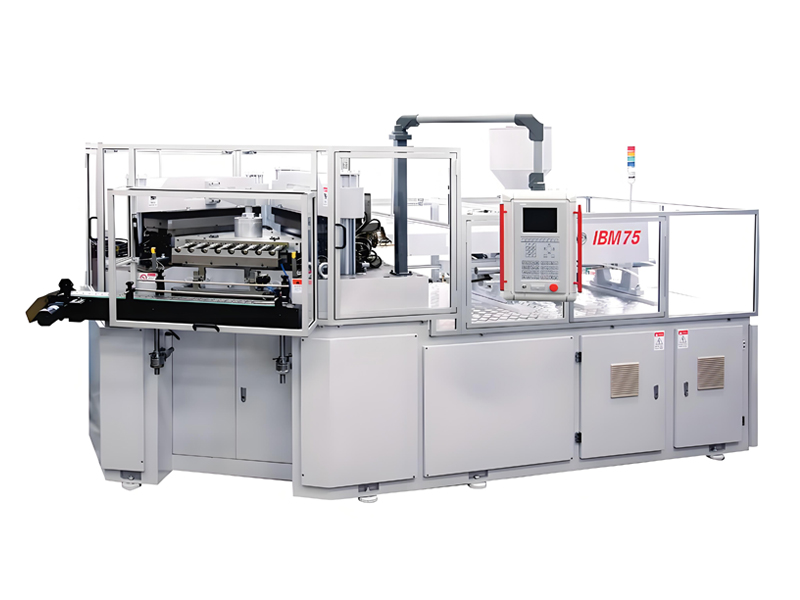
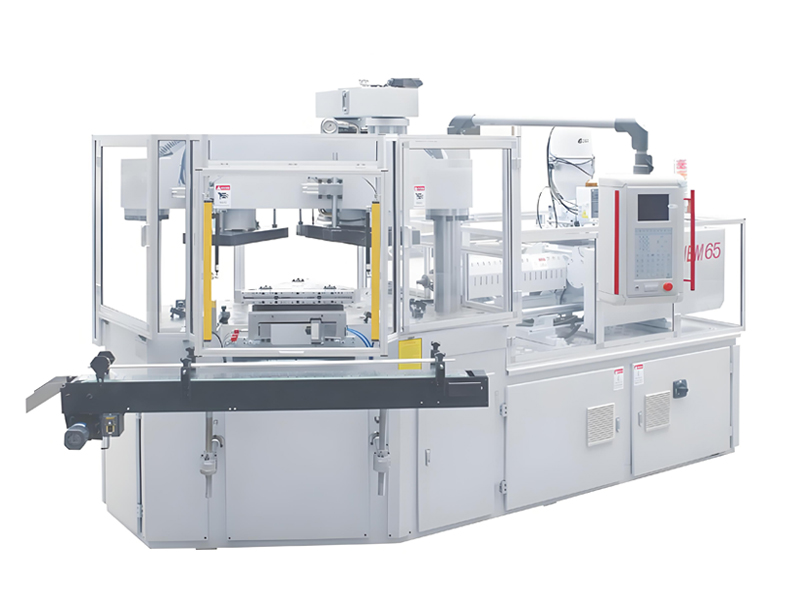
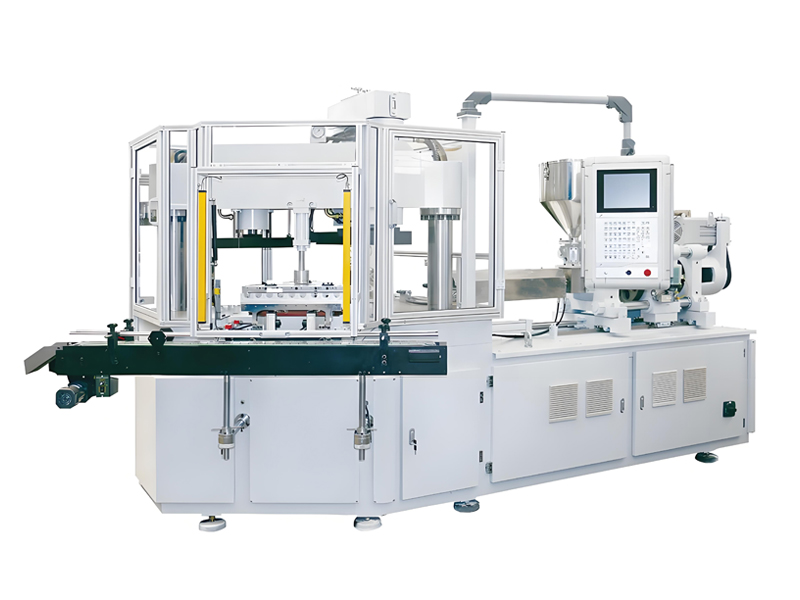
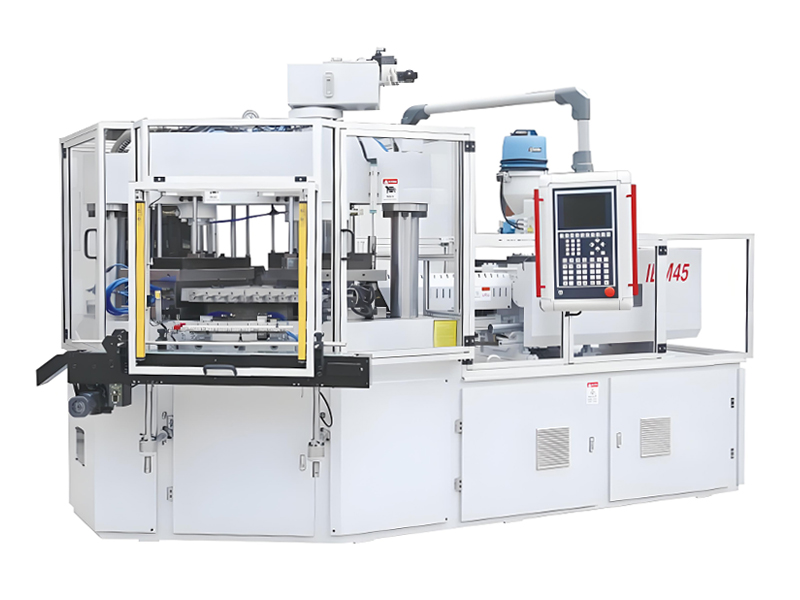
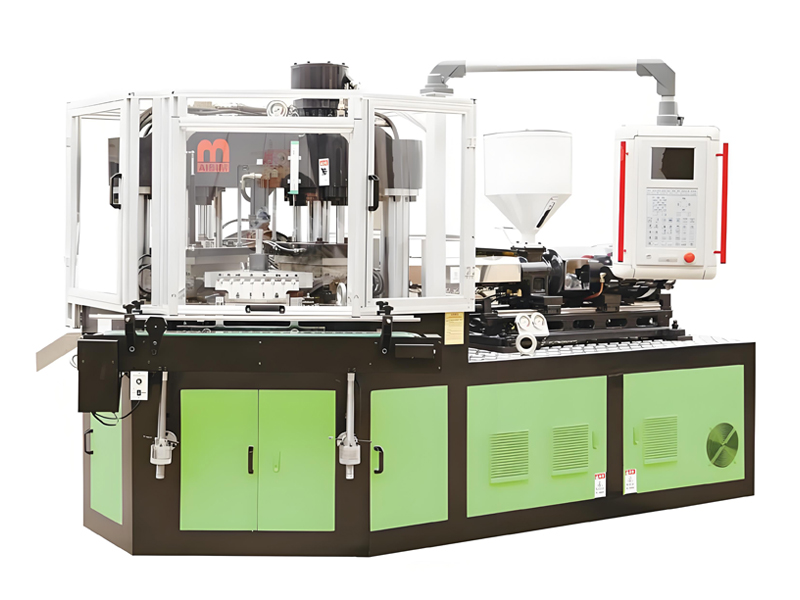
Chemical bottle manufacturing represents one of the most demanding applications in the plastic container industry, requiring equipment capable of producing containers with exceptional chemical resistance and durability. Chemical bottles must withstand exposure to aggressive substances including strong acids, alkalis, solvents, and corrosive compounds while maintaining structural integrity and preventing product contamination. The injection blow molding process provides precise control over wall thickness distribution and material orientation, making it ideal for producing high-quality chemical bottles with consistent performance characteristics. AiBiM injection blow molding machines have been specifically engineered to address the unique challenges of chemical bottle production.
The chemical industry encompasses diverse applications including industrial chemicals, agricultural products, household chemicals, pharmaceuticals, and automotive fluids. Each application presents specific requirements for chemical resistance, barrier properties, and regulatory compliance. Chemical bottles must provide reliable containment of aggressive substances while maintaining dimensional stability and mechanical strength throughout their service life. The combination of precision material distribution, consistent quality, and material versatility makes injection blow molding the preferred technology for high-quality chemical bottle production.
AiBiM has established expertise in chemical bottle manufacturing through extensive research and development focused on processing chemically resistant materials and ensuring equipment durability in corrosive production environments. The company understands the critical importance of chemical resistance not only for the final bottles but also for the equipment producing them. AiBiM injection blow molding machines incorporate materials and designs resistant to chemical exposure, ensuring reliable operation and extended service life in chemical production facilities.
Chemical Resistance Fundamentals
Understanding the fundamental principles of chemical resistance is essential for selecting appropriate materials and processing parameters for chemical bottle production. Chemical resistance encompasses the ability of materials to withstand exposure to specific chemicals without degradation, swelling, cracking, or loss of mechanical properties. Different chemicals exhibit varying degrees of aggressiveness toward different polymers, requiring careful material selection and processing optimization to ensure bottle performance and longevity.
Acid resistance represents a critical requirement for chemical bottles intended to contain acidic substances including mineral acids, organic acids, and acidic formulations. Strong acids such as sulfuric acid, hydrochloric acid, and nitric acid present significant challenges for plastic materials. Polymer selection must consider acid concentration, temperature, and exposure duration. Materials such as high-density polyethylene, polypropylene, and fluoropolymers provide varying levels of acid resistance depending on specific acid characteristics and concentration levels. Proper material selection ensures that bottles maintain structural integrity and prevent leaks during chemical storage.
Alkali resistance is equally important for bottles containing alkaline substances including sodium hydroxide, potassium hydroxide, and other basic compounds. Alkali resistance requirements differ from acid resistance, with some materials performing better against alkalis than acids and vice versa. The stress cracking phenomenon represents a particular concern with alkaline solutions, where the combined effects of chemical exposure and mechanical stress can cause sudden cracking and container failure. Understanding the specific alkali characteristics including concentration, temperature, and presence of other chemicals enables appropriate material selection and bottle design.
Solvent resistance becomes critical for bottles intended to contain organic solvents including alcohols, ketones, hydrocarbons, and chlorinated solvents. Different polymers exhibit widely varying resistance to different solvents, with some materials exhibiting excellent resistance to certain solvent families while being rapidly attacked by others. Solvent resistance considerations include swelling, softening, chemical attack, and permeation. Proper material selection must balance solvent resistance with other requirements including mechanical strength, clarity, and processing characteristics.
Material Selection for Chemical Bottles
Material selection represents the most critical decision in chemical bottle manufacturing, directly determining chemical resistance, mechanical properties, and long-term performance. Different polymer materials offer varying combinations of chemical resistance, mechanical properties, processing characteristics, and cost that must be evaluated against specific application requirements. Understanding material properties and limitations enables selection of the optimal material for each chemical bottle application.
High-density polyethylene provides excellent chemical resistance to a wide range of acids, alkalis, and organic solvents at ambient temperatures. HDPE exhibits good environmental stress crack resistance and excellent impact strength, making it suitable for many chemical bottle applications. The material provides resistance to most inorganic acids at concentrations up to 50% and temperatures up to 50 degrees Celsius. Against alkalis, HDPE shows good resistance to solutions up to 30% concentration. HDPE material costs typically range from 1.80 to 3.20 dollars per pound depending on grade and volume requirements. The material processes well on injection blow molding machines with standard screw designs and temperature profiles.
Polypropylene offers enhanced chemical resistance compared to HDPE, particularly against higher temperature applications and certain aggressive chemicals. PP provides resistance to higher acid concentrations and can operate at temperatures up to 120 degrees Celsius compared to 80 degrees Celsius for HDPE. The material exhibits excellent resistance to most organic solvents at ambient temperatures. PP material costs typically range from 2.00 to 3.80 dollars per pound depending on grade and volume. Processing PP requires slightly higher temperatures than HDPE, typically 200 to 260 degrees Celsius, and appropriate screw design to achieve optimal melt homogeneity.
Fluoropolymers including PTFE, FEP, and PVDF provide exceptional chemical resistance to virtually all acids, alkalis, and solvents across wide temperature ranges. These materials represent the ultimate chemical resistance solution but come at significantly higher cost. Fluoropolymer material costs typically range from 8.00 to 25.00 dollars per pound depending on specific material and grade. Processing fluoropolymers requires specialized screw designs, temperature profiles, and mold coatings due to their unique processing characteristics and tendency to stick to metal surfaces. These materials are typically reserved for the most demanding chemical applications where performance justifies the high cost.
Polyethylene terephthalate provides excellent resistance to dilute acids and alkalis but limited resistance to concentrated acids or strong alkalis. PET offers superior clarity and barrier properties compared to HDPE or PP, making it suitable for certain chemical bottle applications where appearance and barrier performance are important. PET material costs typically range from 2.20 to 4.50 dollars per pound depending on grade and volume. Processing PET requires material drying to moisture levels below 0.005% and higher processing temperatures of 260 to 290 degrees Celsius. PET is not recommended for aggressive chemical applications requiring extended chemical resistance.
AiBiM Injection Blow Molding Machine Features for Chemical Bottles
AiBiM injection blow molding machines incorporate specific features designed to address the unique requirements of chemical bottle production. These features address challenges such as processing chemically resistant materials, equipment durability in corrosive environments, and quality assurance for containers that must maintain reliable chemical containment. The specialized design of AiBiM chemical bottle machines enables reliable production of high-quality chemical bottles with exceptional productivity.
Corrosion-resistant construction materials throughout the machine ensure long-term durability in chemical production environments. AiBiM uses stainless steel grades such as 316L and 304 for material contact surfaces exposed to aggressive materials or cleaning chemicals. Critical components including the barrel, screw, and hot runner systems are constructed from materials resistant to chemical attack. Wear components including seals and gaskets use chemically resistant materials such as Viton or PTFE where appropriate. This corrosion-resistant construction extends machine service life and reduces maintenance requirements in chemical production facilities.
Enhanced temperature control systems provide the precise thermal management required for processing chemically resistant materials. Many chemically resistant materials require tight temperature tolerances to achieve optimal processing and maintain material properties. AiBiM machines incorporate multi-zone temperature control with independent control for barrel, nozzle, and mold areas. Temperature control accuracy of plus or minus 1.5 degrees Celsius ensures consistent material processing and prevents thermal degradation that could affect chemical resistance. Advanced temperature control also accommodates the varied processing temperatures required by different chemically resistant materials.
Precision parison control systems enable uniform wall thickness distribution critical for chemical bottle performance. Uniform wall thickness ensures consistent chemical resistance throughout the bottle and prevents weak spots that could fail under chemical exposure. AiBiM machines incorporate closed-loop parison control systems with multiple adjustment points that compensate for material behavior variations and ensure uniform material distribution. The control systems can store multiple parison programs for different bottle designs and materials, enabling rapid changeovers while maintaining optimal wall thickness control.
Processing Parameters for Chemically Resistant Materials
Optimization of processing parameters is essential for achieving consistent quality and maintaining chemical resistance in chemically resistant materials. Different materials require specific processing conditions to achieve optimal material properties and chemical resistance. Understanding the effects of processing parameters on material behavior enables production of chemical bottles that meet performance specifications.
Temperature profiles must be carefully optimized for each chemically resistant material to achieve proper melting while preventing thermal degradation. HDPE typically processes well with a temperature profile ranging from 180 to 230 degrees Celsius from feed zone to nozzle. PP requires slightly higher temperatures, typically 200 to 260 degrees Celsius. Fluoropolymers require significantly higher temperatures, typically 300 to 380 degrees Celsius depending on the specific material. Thermal degradation must be avoided as it can significantly reduce chemical resistance and create weak spots in the final bottles.
Screw speed and shear rates must be optimized to achieve proper melting and mixing without excessive shear heating that could degrade material properties. Screw speeds typically range from 50 to 150 rpm depending on material, machine size, and throughput requirements. Higher shear rates can improve mixing but generate additional heat that must be managed through temperature control. Screw designs for chemically resistant materials often feature lower compression ratios and optimized mixing sections to achieve proper melting while minimizing shear heating.
Blow pressure and timing significantly affect material orientation and wall thickness uniformity in chemical bottles. Blow pressures typically range from 80 to 200 psi depending on material, bottle geometry, and wall thickness requirements. Too low blow pressure can result in incomplete mold filling and non-uniform wall thickness. Too high blow pressure can cause excessive material orientation and potential weak spots. Blow timing must be synchronized with material cooling to achieve proper forming without inducing excessive internal stresses that could affect chemical resistance.
Quality Assurance for Chemical Bottles
Comprehensive quality assurance programs are essential for chemical bottle production to ensure reliable performance and regulatory compliance. Quality requirements for chemical bottles are particularly stringent due to safety implications and potential environmental impacts of leaks or failures. Quality control programs must address dimensional accuracy, wall thickness uniformity, material integrity, and chemical resistance verification.
Dimensional inspection verifies that bottles meet specifications for critical dimensions including neck finish, overall dimensions, and wall thickness. Dimensional tolerances for chemical bottles are typically tighter than for general purpose bottles due to compatibility requirements with dispensing equipment and stacking requirements. Wall thickness tolerances of plus or minus 0.1mm are common for chemical bottles requiring consistent chemical resistance. Regular dimensional monitoring using precision measurement equipment ensures consistent production and detects process variations before they cause quality problems.
Wall thickness measurement and verification is particularly important for chemical bottles to ensure uniform chemical resistance. Non-uniform wall thickness can result in areas with reduced chemical resistance that could fail prematurely. AiBiM machines incorporate in-line wall thickness measurement systems that continuously monitor wall thickness distribution during production. These systems can detect and alarm on wall thickness variations greater than specified tolerances, enabling rapid correction before producing defective bottles.
Chemical compatibility testing verifies that bottles can withstand intended chemical exposure for required service life. Testing involves exposing bottles to actual chemicals or simulated chemical environments under worst-case conditions including elevated temperatures and extended exposure periods. Testing typically includes weight change measurements, dimensional checks, and leak testing after chemical exposure. Chemical compatibility testing requirements vary based on application but typically involve exposure periods ranging from 30 to 180 days depending on regulatory requirements and expected service life.
Regulatory Compliance and Standards
Chemical bottles must comply with numerous regulatory requirements and industry standards that address safety, environmental protection, and transportation regulations. Compliance with these requirements is mandatory for market access and legal operation. Understanding applicable regulations and implementing appropriate compliance strategies is essential for successful chemical bottle manufacturing.
United Nations packaging regulations govern the transportation of hazardous materials and specify requirements for container design, testing, and certification. Chemical bottles intended for hazardous materials must be tested and certified according to UN standards that include drop testing, stacking testing, leak testing, and pressure testing. Certified containers must bear appropriate UN markings indicating contents, compatibility, and performance classifications. Compliance with UN/DOT regulations is mandatory for transportation of hazardous chemicals by commercial carriers.
Occupational Safety and Health Administration regulations establish requirements for workplace safety including container design and handling of hazardous chemicals. Bottles must be designed for safe handling and storage in workplace environments. Labeling requirements specify that containers must be properly labeled with contents and hazard information. Workplace chemical storage requirements may specify container design and construction requirements for specific chemical classes. Compliance with OSHA regulations is essential for workplace safety and legal operation.
Environmental Protection Agency regulations address container disposal and potential environmental impact. Containers must be designed to minimize environmental impact and enable proper disposal or recycling where possible. Regulations may specify requirements for container materials, construction, and marking for environmental compliance. Understanding and complying with environmental regulations is increasingly important for chemical bottle manufacturers as environmental regulations continue to strengthen.
Production Optimization for Chemical Bottles
Optimizing production of chemical bottles on injection blow molding machines requires attention to material efficiency, energy consumption, and quality consistency. Implementing comprehensive optimization strategies can significantly improve production economics while maintaining or improving the critical chemical resistance characteristics required for these demanding applications.
Material optimization through precise parison control and minimal wall thickness requirements reduces material costs while maintaining chemical resistance. Advanced parison programming enables production of chemical bottles with optimized wall thickness distributions that use minimum material while providing consistent chemical resistance throughout the bottle. Material savings of 10-20% can be achieved through optimized design and processing without compromising chemical resistance. For a chemical bottle line producing 500,000 pounds of material annually, material savings of 15% represent annual savings of 150,000 to 300,000 dollars depending on material selection and pricing.
Energy efficiency improvements through optimized processing parameters, energy-efficient equipment, and facility systems reduce operating costs and environmental impact. Chemical bottle production often involves processing materials that require significant thermal energy. Energy-efficient servo drives, optimized heating profiles, and facility heat recovery systems can reduce energy consumption by 15-30%. For chemical bottle production operations consuming 500,000 kWh annually, energy savings of 20% represent annual savings of 50,000 to 100,000 dollars depending on local energy costs.
Quality consistency improvements through advanced process control and monitoring systems reduce scrap and rework costs. In-line monitoring systems for wall thickness, temperature, and process parameters enable early detection of process variations before they produce defective bottles. Statistical process control techniques analyze process data to identify trends and predict quality issues. Quality consistency improvements can reduce scrap rates from typical 3-5% to below 1%, representing substantial material and production cost savings.
Cost Analysis for Chemical Bottle Production
Understanding the cost structure of chemical bottle production is essential for pricing decisions, investment analysis, and operational planning. Production costs include equipment amortization, material costs, operating costs, and quality-related expenses. Chemical bottle production typically involves higher costs compared to general purpose bottles due to material costs, quality requirements, and regulatory compliance expenses.
Material costs represent the largest component of chemical bottle production costs, typically accounting for 60-75% of total production cost. Chemically resistant materials typically cost more than general purpose materials due to specialized formulations and performance requirements. Material costs for a 1-liter chemical bottle typically range from 0.40 to 1.50 dollars per bottle depending on material selection and wall thickness requirements. Material costs for fluoropolymer bottles can exceed 3.00 dollars per bottle due to the high cost of fluoropolymer resins.
Equipment investment for injection blow molding machines suitable for chemical bottle production varies based on machine capacity and configuration. Machines for chemical bottle production typically incorporate corrosion-resistant materials, enhanced temperature control, and quality monitoring systems that increase cost compared to standard machines. Machines for small to medium chemical bottle production typically cost between 250,000 and 500,000 dollars depending on capacity and automation level. Equipment amortization typically adds 0.05 to 0.15 dollars per bottle depending on production volume and equipment cost.
Operating costs including energy, labor, maintenance, and quality control typically account for 20-30% of total production cost. Energy costs for chemical bottle production typically range from 0.08 to 0.20 dollars per bottle depending on material and processing requirements. Labor costs vary based on automation level but typically range from 0.10 to 0.30 dollars per bottle. Maintenance costs for chemical bottle production are typically higher than for general purpose bottles due to corrosive materials and equipment wear, averaging 5-8% of equipment value annually. Quality control costs including chemical compatibility testing add 0.05 to 0.15 dollars per bottle.
Mold Design and Material Selection for Chemical Bottles
Mold design and material selection significantly impact chemical bottle quality, production efficiency, and tooling costs. Chemical bottle molds must be designed to process chemically resistant materials while maintaining dimensional accuracy and surface finish. Understanding mold design considerations enables selection of appropriate mold configurations and optimization of production economics.
Mold material selection must consider wear resistance, corrosion resistance, and cost requirements. Standard mold steels such as P20 provide good performance for many chemical bottle applications at reasonable cost. P20 molds for chemical bottle production typically cost between 20,000 and 60,000 dollars depending on size and complexity. For more abrasive or corrosive materials, hardened steels such as H13 or corrosion-resistant materials such as S136 may be required. These premium mold materials typically cost 50-100% more than P20 but provide significantly extended service life in demanding applications.
Mold coatings and surface treatments can significantly enhance chemical resistance and release characteristics. Hard chrome plating, nickel plating, or physical vapor deposition coatings can protect mold surfaces from chemical attack and improve release of chemically resistant materials that tend to stick to mold surfaces. Mold coatings typically add 3,000 to 15,000 dollars to mold cost depending on coating type and surface area. The investment in mold coatings is justified through extended service life, improved part quality, and reduced maintenance requirements.
Temperature control systems in molds for chemical bottles must provide uniform heating and cooling to achieve consistent material properties and dimensional stability. Chemical bottle molds often require more sophisticated temperature control than general purpose bottles due to the processing requirements of chemically resistant materials. Conformal cooling channels that follow the contour of the bottle provide uniform cooling and reduce cycle times. Advanced temperature control systems with multiple zones enable optimization of cooling profiles for different bottle geometries and materials.
AiBiM Support and Services for Chemical Bottle Production
AiBiM provides comprehensive support and services designed to ensure successful chemical bottle production operations. These services include equipment selection, material processing expertise, quality assurance support, and technical assistance. Utilizing AiBiM support services can significantly improve project success rates and accelerate return on investment.
Material consultation services from AiBiM provide expert guidance on material selection and processing parameters for specific chemical bottle applications. The company’s materials engineers have extensive experience with chemically resistant materials and can recommend appropriate materials based on chemical characteristics, performance requirements, and cost considerations. Material consultation typically includes compatibility assessments, processing parameter recommendations, and cost analysis. This service typically costs 2,000 to 8,000 dollars depending on project complexity but can prevent material selection errors that could cost much more in lost production and reputation damage.
Process development services from AiBiM help customers optimize production processes for specific chemical bottle applications. These services may include process parameter optimization, cycle time reduction, quality improvement projects, or yield enhancement initiatives. Process development services are typically priced on a project basis ranging from 15,000 to 75,000 dollars depending on scope and complexity. However, process development projects typically pay for themselves through improved productivity within 6-12 months.
Regulatory compliance assistance from AiBiM helps customers navigate the complex regulatory requirements for chemical bottles. This service includes interpretation of regulations, assistance with certification testing, and preparation of required documentation. Regulatory compliance assistance typically costs 5,000 to 25,000 dollars depending on the scope of regulations and certification requirements. Compliance assistance can significantly reduce the time and expense of achieving necessary certifications while ensuring ongoing regulatory compliance.
Future Trends in Chemical Bottle Manufacturing
The chemical bottle market continues to evolve influenced by regulatory changes, environmental concerns, and technological developments. Future trends will create both challenges and opportunities for chemical bottle manufacturers. Staying current with industry developments and adapting to changing requirements is essential for long-term success.
Sustainability initiatives are increasingly influencing chemical bottle requirements including demand for recycled content and improved recyclability. Regulations and customer requirements may mandate minimum percentages of recycled content in chemical bottles. Improved recyclability including material selection and design for recycling addresses end-of-life considerations. Bio-based polymers are being developed for certain chemical applications, offering potential environmental benefits. Sustainability initiatives create both challenges and opportunities for chemical bottle manufacturers who can adapt to changing requirements.
Advanced materials with enhanced chemical resistance or barrier properties continue to be developed, expanding the range of applications for plastic chemical bottles. These materials may require specialized processing equipment and techniques. Processing challenges for advanced materials include temperature requirements, moisture sensitivity, and crystallization behavior. Equipment flexibility and adaptability will be increasingly important to accommodate emerging materials. Manufacturers adopting advanced materials may gain competitive advantages in performance-focused market segments.
Smart packaging technologies incorporating sensors and indicators are being developed for chemical bottles. These technologies may include chemical exposure indicators, temperature monitoring, or tamper evidence features. Smart packaging technologies typically add 0.20 to 2.00 dollars per bottle depending on technology complexity but provide enhanced safety, traceability, or monitoring capabilities. These technologies may create competitive advantages in markets where safety and monitoring are critical concerns.
Market Applications and Opportunities
Chemical bottles serve diverse market applications across multiple industry segments, each with specific requirements and characteristics. Understanding market applications helps manufacturers identify promising opportunities and develop appropriate product offerings. The versatility of injection blow molding technology enables serving diverse chemical bottle market needs.
Industrial chemicals represent a significant market for chemical bottles, including containers for acids, alkalis, solvents, and industrial processing chemicals. These applications often require high chemical resistance, regulatory compliance, and durability under rough handling conditions. Industrial chemical bottles typically represent a large volume segment but also have significant price pressure. Prices for industrial chemical bottles typically range from 0.50 to 3.00 dollars depending on size, material, and chemical resistance requirements.
Agricultural chemicals including pesticides, herbicides, and fertilizers require specialized bottle formulations with specific chemical resistance characteristics. These applications often require resistance to specific chemical formulations and environmental factors including UV exposure and temperature extremes. Agricultural chemical bottles typically command price premiums of 20-50% compared to industrial chemical bottles due to specialized requirements and regulatory compliance needs.
Household chemicals including cleaners, detergents, and automotive products represent a significant market with specific requirements for chemical resistance and consumer safety. These applications often require good chemical resistance combined with consumer-friendly aesthetics and appropriate labeling. Household chemical bottles typically compete on both performance and appearance, creating opportunities for differentiation through both technical and design factors.
Conclusion
Chemical bottle manufacturing using injection blow molding machines provides exceptional control over quality, chemical resistance, and dimensional accuracy. AiBiM injection blow molding machines offer specialized features designed specifically for the demanding requirements of chemical bottle production. The combination of advanced machine capabilities, material expertise, and comprehensive support services makes AiBiM the preferred choice for chemical bottle manufacturers worldwide.
The investment in chemical bottle production requires careful consideration of material selection, regulatory compliance, and economic objectives. Proper equipment selection, mold design, and process optimization enable production of chemical bottles that meet stringent performance requirements while achieving favorable economics. AiBiM’s extensive experience and application expertise help customers navigate these decisions and achieve successful chemical bottle production operations.
As the chemical bottle market continues to evolve, manufacturers must adapt to changing requirements including sustainability initiatives, regulatory developments, and technological advancements. AiBiM continues to develop technologies and capabilities that address emerging market needs, ensuring that customers can maintain competitive advantage and capitalize on new opportunities in the chemical bottle market.