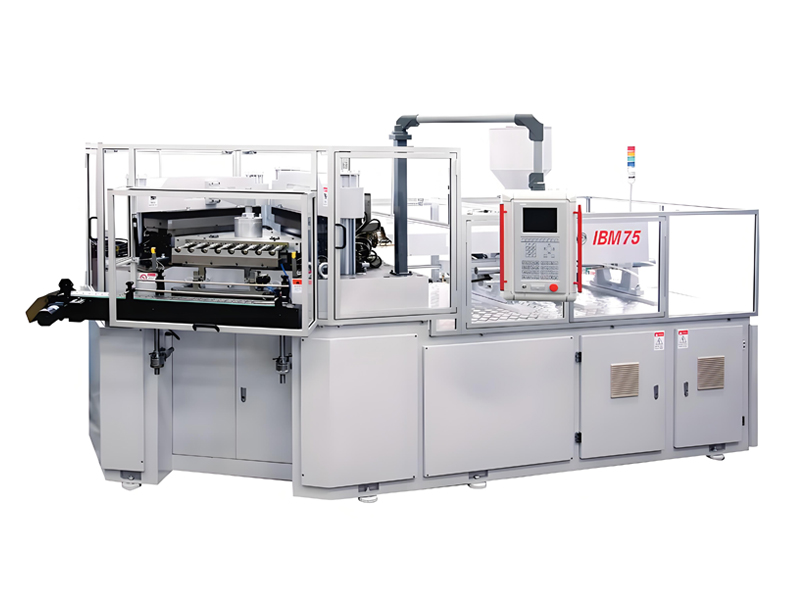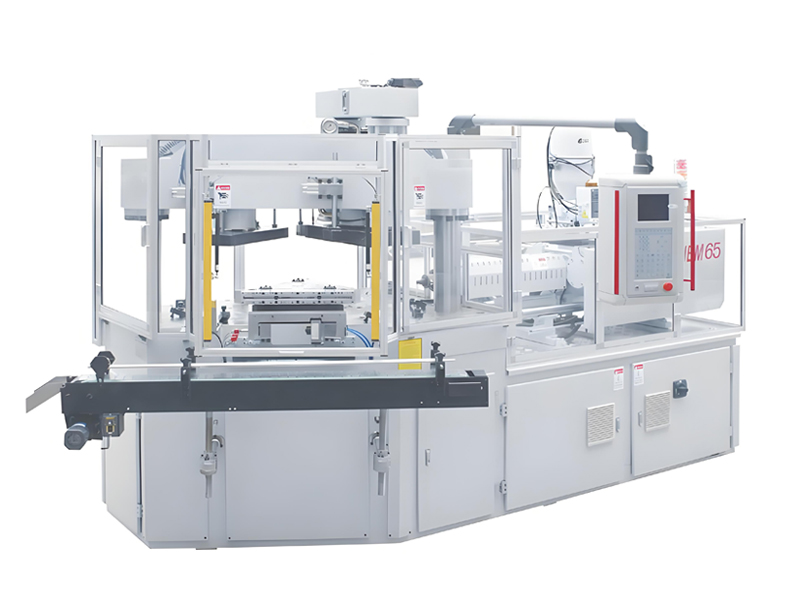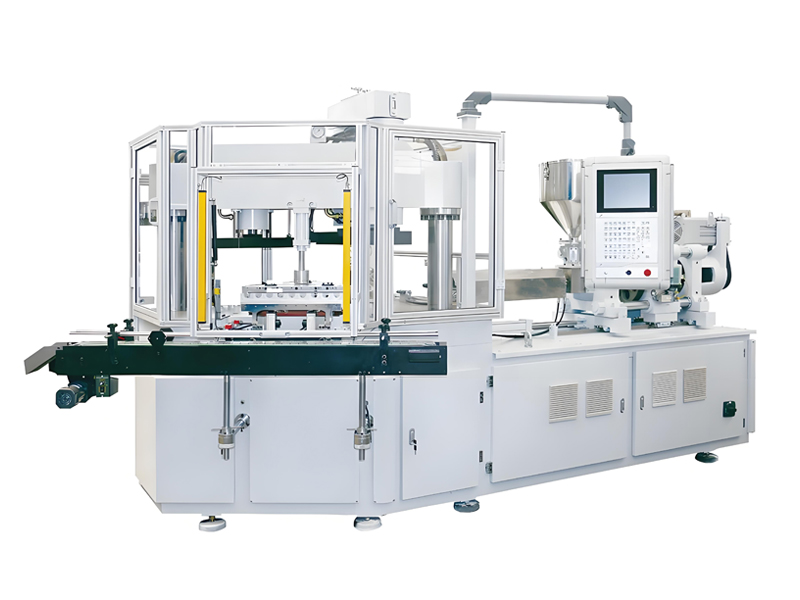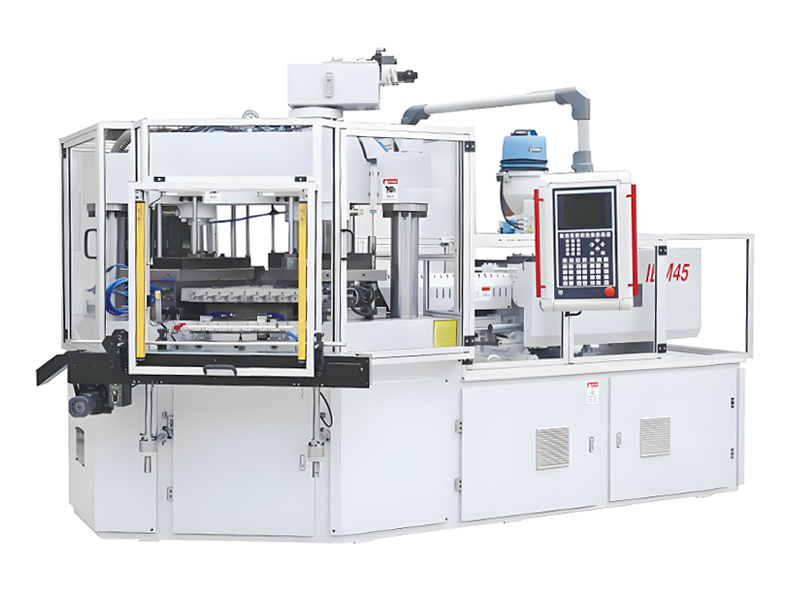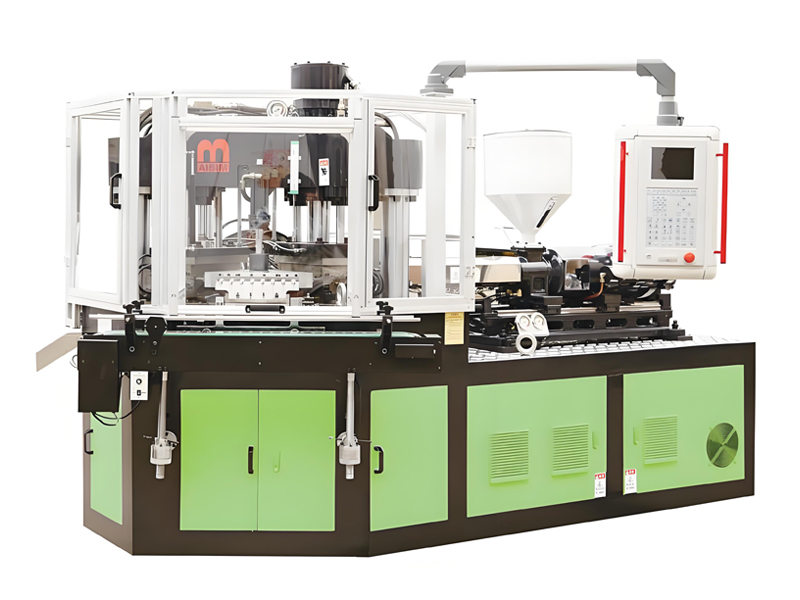
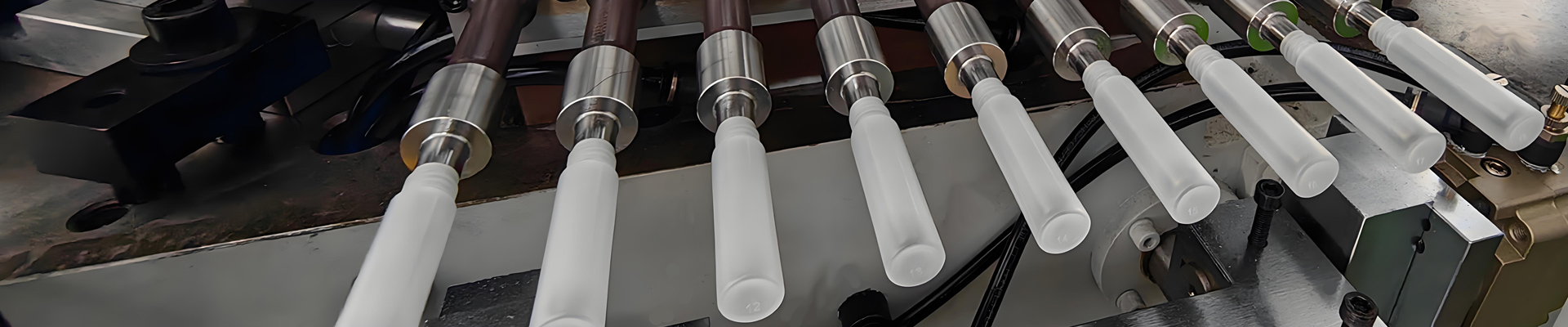
The cosmetics industry presents unique requirements for packaging production, particularly for jars and containers that require screw cap closures. Injection blow molding machines used for cosmetic jar production must achieve precise dimensional control to ensure compatibility between containers and closure systems. Understanding the relationship between injection blow molding machine capabilities, screw cap design requirements, and production optimization strategies enables manufacturers to achieve quality and efficiency objectives for cosmetic packaging applications.
Thiết kế hũ mỹ phẩm và yêu cầu nắp đậy
Hiểu về chức năng của nắp vặn
Screw caps serve multiple functions in cosmetic packaging beyond simple container closure. They provide barrier protection against contamination, maintain product integrity by preventing leakage, and contribute to user experience through easy opening and secure resealing. The interaction between screw caps and containers must be precisely engineered to achieve all these functions consistently across production volumes.
Screw cap performance depends on thread geometry, sealing surfaces, and material compatibility between cap and container. Thread specifications include profile shape, pitch, and diameter tolerances that must match between closure and container. Sealing effectiveness depends on compression of sealing surfaces under appropriate torque, creating reliable barrier without over compression that could damage container or cap.
Tiêu chuẩn và thông số thiết kế ren
Cosmetic packaging utilizes several thread standard systems including metric, DIN, and proprietary specifications developed by closure manufacturers. Common metric thread sizes for cosmetic jars range from 38 millimeters to 89 millimeters outer diameter, with varying thread counts depending on closure design. Understanding the specific thread standard applicable to your products is essential for proper mold design and machine adjustment.
Thread tolerance specifications define acceptable variation ranges for critical dimensions. Standard tolerance grades typically allow plus or minus 0.2 millimeters for major diameter dimensions, with tighter tolerances for critical sealing surfaces. Injection blow molding machines must achieve consistent production within these tolerance requirements across extended production runs.
Các Cân nhắc Vật liệu cho Tương thích Mỹ phẩm
Cosmetic jar materials must be compatible with contained products while providing appropriate aesthetic qualities. Common materials include polystyrene for clarity and cost efficiency, acrylic for premium appearance and chemical resistance, and polypropylene for flexibility and chemical compatibility. Material selection affects thread geometry achievable and processing parameters required for optimal results.
Acrylic materials have emerged as preferred choices for premium cosmetic packaging due to their glass like appearance, excellent chemical resistance, and good processing characteristics. Material costs for cosmetic grade acrylic range from 4 to 8 dollars per kilogram depending on grade and supplier. The superior appearance and performance characteristics justify higher material costs in premium cosmetic applications.
Công nghệ Ép phun Thổi cho Lọ Mỹ phẩm
Đặc điểm Quy trình và Lợi thế Chất lượng
Injection blow molding offers specific advantages for cosmetic jar production compared to alternative manufacturing methods. The process produces containers with consistent wall thickness, smooth interior surfaces, and excellent dimensional control for thread features. Three dimensional symmetry achieved through the process ensures that screw caps seat evenly around the container circumference.
The injection blow molding process creates containers without weld lines or seams that could affect appearance or sealing performance. Interior surface quality supports clean filling operations and prevents product residue accumulation that could affect product stability or appearance. These quality characteristics make injection blow molding particularly suitable for cosmetic applications where appearance quality is paramount.
Sản xuất đa khuôn để nâng cao hiệu quả
High volume cosmetic jar production benefits from multi cavity injection blow molding that produces multiple containers per machine cycle. Common multi cavity configurations produce 4, 8, 12, or more containers simultaneously depending on jar size and machine specifications. Multi cavity production significantly improves production efficiency and reduces per unit manufacturing costs.
Cavity count selection balances production efficiency against quality consistency requirements. Higher cavity counts reduce cycle time efficiency due to increased filling complexity and potential for imbalance between cavities. Quality consistency across cavities requires precise mold design, careful machine adjustment, and effective process control. Typical multi cavity machines for cosmetic jar production range from 50 to 300 tons clamping force.
Thiết kế khuôn cho độ chính xác ren
Mold design for cosmetic jars requires particular attention to thread section geometry and accuracy. Thread cavities must be machined to precise specifications with appropriate draft angles for part release. Thread surface finish must be optimized to achieve proper cap engagement without binding or cross threading.
Neck ring design determines thread dimensions and requires careful attention to cavity alignment and temperature control. Uniform temperature distribution in the neck ring area prevents dimensional variation that could affect cap compatibility. Cooling channel placement must consider heat transfer requirements for the neck section while avoiding interference with thread geometry.
Kỹ thuật tương thích nắp vặn
Yêu cầu Kích thước cho Sự Ăn khớp Ren
Thread engagement between cap and container requires precise dimensional coordination across multiple parameters. Outer diameter of container threads must be controlled within tight tolerances to achieve proper fit with corresponding inner diameter of the cap. Standard tolerance bands for cosmetic thread applications typically range from plus or minus 0.1 to 0.15 millimeters depending on thread size and application requirements.
Thread pitch, the distance between adjacent thread crests, must match between container and cap to enable smooth engagement. Pitch variations cause cross threading or interference that prevents proper closure. Lead accuracy in thread manufacturing, typically maintained within 0.02 millimeters per 25 millimeters of thread length, ensures consistent engagement behavior.
Thiết kế và hiệu suất bề mặt làm kín
Sealing surfaces on cosmetic jars typically utilize a gasket or land seal design where the cap compresses against the container finish to create barrier closure. The sealing surface, known as the land, must be flat and perpendicular to the thread axis to ensure uniform compression around the circumference. Surface flatness tolerances typically range from 0.02 to 0.05 millimeters.
Sealing surface height relative to thread termination affects closure seating and removal torque characteristics. Proper design positions the sealing surface at a height that ensures engagement of thread engagement before seal compression occurs. This sequencing prevents seal damage during cap application and enables appropriate removal torque for consumer use.
Yêu cầu mô-men xoắn và kiểm tra hiệu suất
Application torque requirements for cosmetic screw caps vary based on cap design, seal configuration, and product requirements. Typical application torque ranges from 15 to 40 newton centimeters depending on cap size and seal type. Under application torque results in leakage risk while over application torque can damage seals or cause thread failure.
Removal torque, the force required to open the container, affects consumer experience and must be maintained within acceptable ranges. Removal torque typically ranges from 8 to 25 newton centimeters, providing secure closure while enabling easy opening. Testing protocols should verify both application and removal torque performance across production samples to ensure consistent closure behavior.
Điều chỉnh Máy cho Sản xuất Lọ Mỹ phẩm
Điều chỉnh chính xác phần miệng chai
Neck finish dimensions directly affect screw cap compatibility and require precise adjustment throughout production. Core rod positioning determines inner diameter of thread sections, while cavity alignment affects outer diameter concentricity. Both dimensions must be controlled within specification to achieve proper cap fit and seal performance.
Adjustment procedures should verify neck finish dimensions using appropriate gauges after any change in operating conditions or material lots. Periodic dimensional verification during production runs ensures continued compliance with specification requirements. Documented adjustment procedures and dimensional records support quality assurance and troubleshooting activities.
Tối ưu hóa Nhiệt độ cho Ổn định Kích thước
Mold temperature significantly affects dimensional stability of cosmetic jars, particularly in the neck finish area where thread accuracy is critical. Uniform temperature distribution prevents differential shrinkage that could affect thread dimensions or sealing surface flatness. Temperature control precision of plus or minus one degree Celsius is typically required for cosmetic applications.
Material temperature affects viscosity during injection and influences how material fills thread cavities and forms thread geometry. Higher material temperatures reduce viscosity and improve filling, but can cause other quality issues if excessive. Optimize temperature parameters based on material supplier recommendations and observed quality results.
Tối ưu hóa thông số phun
Injection pressure and speed must be optimized to achieve complete filling of thread cavities without flash formation or other defects. Thread sections represent geometric challenges that require adequate pressure to fill properly, while care must be taken to avoid excessive pressure that causes flash at the parting line. Injection profiles that vary pressure during the filling sequence often provide optimal results.
Pack and hold pressure settings affect final dimensions and density of the container, influencing dimensional stability and seal performance. Insufficient pack pressure results in under filled dimensions and potential leakage paths. Excessive pack pressure can cause excessive flash or stress in the container. Optimize pack and hold parameters based on dimensional measurements of production samples.
Kiểm soát chất lượng và quy trình thử nghiệm
Phương pháp kiểm tra kích thước
Dimensional inspection for cosmetic jars requires measurement of critical dimensions that affect screw cap compatibility. Essential measurements include outer diameter at thread sections, inner diameter in the neck area, thread pitch, sealing surface height, and perpendicularity. Inspection frequency should be risk based, with higher frequency for critical dimensions and lower frequency for stable characteristics.
Measurement equipment ranges from manual gauges for simple dimensional checks to coordinate measuring machines for comprehensive dimensional verification. Optical measurement systems provide efficient inspection of thread geometry without physical contact that could damage delicate thread surfaces. Investment in appropriate measurement capability is essential for maintaining quality in cosmetic jar production.
Kiểm tra chức năng nắp đậy
Functional testing verifies that produced containers will perform correctly with intended closure systems. Application torque testing measures the force required to apply closures to production samples. Removal torque testing measures force required to open containers after application. Both measurements should fall within specified ranges to ensure proper closure performance.
Leak testing verifies barrier integrity of the closure system under appropriate conditions. Vacuum decay testing and dye penetration testing are common methods for leak verification. Testing should include samples from throughout production runs to identify any dimensional drift that could affect closure performance. Sample sizes for functional testing typically range from 10 to 50 containers depending on production volume and quality requirements.
Kiểm tra chất lượng bằng mắt thường
Visual quality inspection addresses appearance characteristics that affect cosmetic jar value and market acceptance. Critical visual characteristics include surface finish, color consistency, flash presence, and dimensional uniformity. Inspection methods range from manual visual inspection for low volume production to automated vision systems for high volume manufacturing.
Surface defects including sink marks, flow lines, and weld lines may affect appearance quality even when dimensional requirements are satisfied. Define acceptable quality standards clearly and communicate these standards to production personnel. Consistent application of visual standards ensures uniform quality across production volumes and time periods.
Các vấn đề sản xuất thường gặp và giải pháp
Các vấn đề lệch ren và khớp nắp
Cross threading occurs when cap threads engage incorrectly with container threads, preventing proper closure seating. Common causes include dimensional variation beyond tolerance, thread geometry errors, and debris or contamination on thread surfaces. Diagnosis requires dimensional verification of both container and cap samples along with visual inspection of engagement behavior.
Container dimensional issues causing cross threading typically originate from core rod or cavity wear, temperature variation affecting dimensions, or injection parameter inconsistency. Implement appropriate countermeasures including mold maintenance schedules, temperature control optimization, and injection parameter monitoring. Cross threading issues may indicate need for mold repair or replacement if wear is the root cause.
Rò rỉ và hỏng gioăng làm kín
Leakage indicates failure of the closure seal, which can result from multiple causes including dimensional issues, seal surface defects, and material compatibility problems. Systematic diagnosis begins with dimensional verification to confirm that dimensions fall within specification, then proceeds to seal surface inspection and functional testing to identify specific failure modes.
Sealing surface defects including scratches, contamination, or deformation prevent proper seal formation. Inspection under magnification often reveals defects not visible to unaided inspection. Material compatibility issues may cause seal surfaces to deform under application torque or environmental conditions. Address seal failure causes specifically rather than adjusting application torque, which may mask underlying problems.
Hình thành ba via và yêu cầu cắt tỉa
Flash formation at the parting line affects appearance quality and may interfere with closure application if excessive. Flash results from inadequate clamping force, worn seal surfaces, or excessive injection pressure. Diagnosis requires inspection of flash characteristics and measurement of relevant dimensions to identify root cause.
Trim operations remove flash but add cost and may affect appearance if not performed properly. Investment in mold quality and adjustment that prevents flash formation reduces production costs and improves quality compared to reliance on trim operations. Evaluate trim equipment and procedures if trimming is necessary, ensuring consistent quality and efficient operation.
Phân tích chi phí sản xuất hũ mỹ phẩm
Yêu cầu đầu tư thiết bị
Injection blow molding machine investment for cosmetic jar production varies based on production capacity and automation level. Basic production machines suitable for single cavity or low volume multi cavity production range from 60000 to 120000 dollars. Mid range production machines with higher capacity and better precision range from 120000 to 200000 dollars.
High performance production systems with full automation, vision inspection integration, and comprehensive monitoring range from 200000 to 400000 dollars. Complete production line investment including molds, auxiliary equipment, and quality systems typically ranges from 150000 to 600000 dollars depending on capacity requirements and automation level.
Đầu tư khuôn và phân bổ chi phí
Mold investment for cosmetic jars varies significantly based on cavity count, complexity, and quality requirements. Single cavity prototype molds may cost 5000 to 15000 dollars, while production molds with 4 to 8 cavities typically range from 30000 to 80000 dollars. High cavitation molds for volume production may cost 100000 to 200000 dollars or more.
Mold cost per container decreases as production volume increases due to amortization across more units. For high volume production exceeding 10 million containers annually, mold cost per unit may be negligible compared to material and production costs. For lower volumes, mold cost allocation significantly impacts per unit economics and may influence cavity count and production scheduling decisions.
Cơ cấu chi phí sản xuất
Production cost per thousand cosmetic jars includes material, machine time, labor, overhead allocation, and quality testing costs. Material costs vary based on jar size and material selection, typically ranging from 5 to 25 dollars per kilogram depending on material grade. Per unit material cost calculation considers material weight including scrap and flash allowances.
Machine time costs depend on cycle time, machine rate, and production efficiency. Cycle times for cosmetic jars typically range from 6 to 12 seconds depending on size and cavity count. Machine rates range from 30 to 80 dollars per hour depending on machine size and geographic location. Labor costs vary significantly by region, ranging from 15 to 50 dollars per hour including benefits.
Tính toán tổng chi phí mỗi đơn vị
Total cost per unit calculations must account for all production costs to enable accurate pricing and profitability analysis. For a typical 50 milliliter cosmetic jar produced at moderate volume, total production cost typically ranges from 0.03 to 0.08 dollars per container depending on material selection, production efficiency, and geographic location factors. Higher volumes reduce per unit costs through amortization of fixed expenses over more units.
Premium cosmetic jars with complex designs, specialized materials, or stringent quality requirements may have significantly higher production costs, sometimes exceeding 0.20 dollars per unit. These higher costs must be recovered through product pricing that reflects the premium positioning of these cosmetics. Cost analysis should consider both production costs and total cost including packaging, filling, and distribution logistics.
Lựa chọn vật liệu cho ứng dụng mỹ phẩm
Đặc tính và ứng dụng của polystyrene
Polystyrene provides excellent clarity, good dimensional stability, and cost efficient processing for cosmetic jar applications. Material costs range from 2 to 4 dollars per kilogram depending on grade and supplier. Polystyrene jars are suitable for many cosmetic applications including powders, creams, and lotions that do not require aggressive chemical resistance.
Polystyrene limitations include relatively high brittleness and limited chemical resistance compared to other materials. Impact modified grades improve durability but may reduce clarity. Environmental stress cracking can occur with certain cosmetic formulations, requiring compatibility verification before production commitment.
Lợi thế của vật liệu acrylic
Acrylic materials, also known as polymethyl methacrylate, provide glass like clarity combined with excellent chemical resistance and surface hardness. These properties make acrylic the preferred choice for premium cosmetic packaging where appearance quality and product protection are paramount. Material costs range from 4 to 8 dollars per kilogram depending on grade and supplier.
Acrylic processing requires careful temperature control to achieve optimal clarity and reduce internal stress that could affect dimensional stability. Higher material costs are often justified by premium pricing achievable for cosmetics packaged in acrylic containers. The aesthetic and functional benefits frequently outweigh the higher material cost in premium cosmetic applications.
Polypropylene và các vật liệu chuyên dụng
Polypropylene cung cấp khả năng kháng hóa chất và tính linh hoạt tuyệt vời khiến nó phù hợp cho một số ứng dụng mỹ phẩm. Các hũ polypropylene có thể chịu được các công thức mạnh có thể tấn công các vật liệu khác. Chi phí vật liệu dao động từ 2 đến 4 đô la mỗi kilogam, tương tự như polystyrene.
Màu tự nhiên của polypropylene là mờ đục thay vì trong suốt, điều này có thể hạn chế sức hấp dẫn thẩm mỹ cho một số ứng dụng mỹ phẩm. Các gói phụ gia có thể cải thiện độ trong suốt nhưng thêm chi phí. Polypropylene đặc biệt phù hợp cho các ống và chai bóp cũng như các hũ yêu cầu các tính năng có thể bóp được.
Ứng dụng trong ngành và phân khúc thị trường
Bao bì chăm sóc da cao cấp
Premium skincare products represent the largest market segment for high quality cosmetic jars. These products command premium prices that justify investment in premium packaging with superior appearance and performance characteristics. Acrylic jars dominate this segment due to their glass like appearance and excellent product protection capabilities.
Premium skincare packaging often features custom colors, special effects, and multi component designs that increase complexity and cost. Production equipment must achieve consistent quality across these specialized designs, requiring precision control and experienced operators. Market value of premium skincare packaging typically exceeds 0.10 dollars per container, supporting investment in quality production capability.
Hộp đựng mỹ phẩm màu
Các sản phẩm mỹ phẩm màu bao gồm kem nền, kem che khuyết điểm và các sản phẩm phấn sử dụng các thiết kế hũ chuyên biệt đáp ứng các hệ thống dụng cụ bôi và các yêu cầu trải nghiệm người dùng. Các sản phẩm này thường đòi hỏi các hũ có đường kính rộng hơn và các hình dạng bên trong cụ thể ảnh hưởng đến việc phân phối sản phẩm.
Production challenges for color cosmetic jars include larger sizes that increase cooling time and potential for warpage, complex geometries that require careful mold design and process optimization, and decoration requirements that may affect handling and inspection procedures. Investment in production capability for color cosmetic jars ranges from moderate to high depending on specific requirements.
Lọ đựng nước hoa và hương liệu
Fragrance packaging often utilizes specialized container designs that differ significantly from standard cosmetic jars. Decorative elements, complex shapes, and premium materials characterize fragrance packaging that serves as much as a luxury object as a functional container. Injection blow molding produces specialized components for fragrance packaging including decorative bottles and specialized closures.
Production volumes for fragrance packaging are typically lower than standard cosmetic applications, with higher per unit value supporting different production economics. Quality requirements for fragrance packaging emphasize appearance and dimensional precision that affect closure fit and overall package aesthetics. These specialized requirements often justify premium pricing for production services.
Giải pháp sản xuất hũ mỹ phẩm AiBiM
Khả năng Máy cho các Ứng dụng Mỹ phẩm
AiBiM manufactures injection blow molding machines optimized for cosmetic jar production with features that address industry requirements. Precision temperature control systems maintain conditions within plus or minus 0.5 degrees Celsius for consistent dimensional stability. Stable clamping systems ensure proper seal alignment throughout production cycles.
Machine configurations accommodate cavity counts from 1 to 24 depending on jar size and production volume requirements. Available clamping forces range from 20 to 350 tons to match diverse production requirements. Clean room compatible designs support pharmaceutical and sterile cosmetic applications with appropriate environment control.
Đảm bảo chất lượng và hỗ trợ kiểm tra
AiBiM provides documentation and testing support that assists cosmetic manufacturers in meeting quality requirements. Standard testing protocols verify dimensional compliance, closure compatibility, and visual quality specifications. Customized testing programs address specific customer requirements and regulatory compliance needs.
Application engineering support helps optimize production parameters for specific jar designs and material selections. Our technical team works with customers to develop validated processes that achieve consistent quality throughout production runs. This application support investment helps customers achieve optimal results from their production equipment.
Giá cạnh tranh và giao hàng
AiBiM injection blow molding machines for cosmetic jar production are priced competitively in the global market. Production machines suitable for cosmetic applications start at approximately 85000 dollars for basic configurations. Mid range production machines with enhanced precision and automation range from 130000 to 220000 dollars.
Complete turnkey solutions including production molds, auxiliary equipment, and quality systems are priced based on specific requirements following application review. Delivery lead times typically range from 3 to 6 months depending on machine specifications and current production scheduling. AiBiM provides comprehensive quotations following detailed discussion of production requirements and quality specifications.
Kết luận
Injection blow molding machines provide exceptional capabilities for cosmetic jar production, achieving the precision, consistency, and appearance quality required for screw cap compatibility and market success. Understanding the relationship between machine capability, mold design, process optimization, and quality control enables production of containers that meet the demanding requirements of cosmetic applications.
Screw cap compatibility depends on precise dimensional control throughout the production process, requiring appropriate equipment, skilled adjustment, and effective quality systems. Investment in these capabilities yields returns through reduced defects, improved efficiency, and enhanced product quality that supports market success.
AiBiM offers injection blow molding solutions designed for cosmetic jar production with the precision, reliability, and support that industry requirements demand. Our experience across diverse cosmetic applications enables us to provide informed guidance on equipment selection, process optimization, and quality assurance. Contact our application engineering team to discuss your cosmetic jar production requirements and explore solutions that meet your quality and efficiency objectives.
Xu hướng bao bì mỹ phẩm cao cấp
Tính bền vững trong bao bì mỹ phẩm
Sustainability has become a critical consideration in cosmetic packaging design, influencing material selection, production processes, and end of life considerations. Premium cosmetic brands increasingly seek packaging solutions that demonstrate environmental responsibility while maintaining the quality and aesthetics consumers expect. Injection blow molding technology adapts to sustainability requirements through material innovations and production efficiencies.
Recycled content integration represents a significant trend in sustainable cosmetic packaging. Post consumer recycled materials reduce virgin plastic consumption while providing environmental benefits. Multi layer injection blow molding enables incorporation of recycled content in core layers while maintaining virgin material in product contact surfaces. This approach satisfies sustainability goals without compromising product protection or regulatory compliance.
Bio based polymers offer renewable alternatives to petroleum derived plastics. Materials derived from plant sources including corn, sugarcane, and cellulose provide renewable content that reduces environmental footprint. Material costs for bio based polymers range from 1.5 to 3 times conventional plastic costs, but premium cosmetic brands often justify these costs through consumer preference for sustainable products.
Đổi mới thiết kế và trải nghiệm người tiêu dùng
Premium cosmetic packaging increasingly emphasizes user experience alongside functional requirements. Novel container designs create distinctive unboxing experiences that enhance brand perception. Injection blow molding enables complex geometries that create unique visual and tactile experiences. Investment in innovative design contributes to brand differentiation in competitive cosmetic markets.
Texture and surface effects on cosmetic jars create premium perceptions that support premium pricing. Soft touch surfaces, embossed patterns, and special finishes differentiate premium products from mass market alternatives. Mold surface treatments including texturing and engraving create these effects during production without additional post processing operations.
Closure innovation enhances user experience through improved functionality and aesthetics. Sift free closures, pump systems, and flip top designs provide convenient dispensing while maintaining product freshness. Injection blow molding produces closure components with precision and consistency that ensure reliable function.
Xu hướng màu sắc và trang trí
Color trends in cosmetic packaging evolve seasonally and reflect broader fashion and design movements. Premium cosmetic brands develop signature colors that reinforce brand identity and create recognition. Injection blow molding with colored materials produces containers with consistent, durable coloration that resists fading and scratching.
Multi shot molding enables production of containers with multiple colors in single production operation. This capability creates design possibilities including two tone effects, color gradients, and integrated logos. Multi shot equipment investment is significantly higher than standard equipment but enables differentiation that supports premium positioning.
In mold labeling technology integrates labeling during the production process, eliminating separate labeling operations. Labels become permanent parts of the container with no peeling or separation concerns. High definition printing enables photographic quality graphics that enhance brand presentation and consumer appeal.
Thiết kế khuôn cho sản xuất hũ mỹ phẩm
Tích hợp miệng chai và nắp đậy
Neck finish design determines closure compatibility and affects overall package functionality. Thread specifications follow industry standards including DIN, metric, and proprietary designs. Precise thread geometry ensures proper cap engagement, secure sealing, and smooth application on high speed capping equipment.
Sealing surface design creates reliable barrier between container and closure. The sealing surface must be flat, clean, and properly positioned relative to thread geometry. Proper sealing surface height ensures seal compression occurs after thread engagement, preventing seal damage during cap application.
Closure migration and product compatibility testing verifies that selected closure and container combinations perform adequately under expected storage conditions. Testing protocols should simulate temperature cycling, humidity exposure, and handling conditions. Documented testing supports regulatory compliance and reduces field failure risk.
Tối ưu hóa thiết kế độ dày thành
Wall thickness design balances structural requirements against material costs and production efficiency. Minimum wall thickness requirements depend on material selection, container size, and handling requirements. Structural analysis predicts performance under expected loads including stacking, transportation, and consumer use.
Uniform wall thickness distribution prevents aesthetic defects including sink marks and warpage. Wall thickness transitions should be gradual to prevent stress concentrations. Ribs and inserts can increase stiffness without adding significant material. Simulation tools predict wall thickness effects on quality outcomes.
Blow ratio calculations determine the relationship between preform thickness and final container dimensions. Typical blow ratios range from 2:1 to 4:1 depending on material and design requirements. Higher blow ratios thin walls and reduce material usage but may affect structural performance and surface replication.
Vật liệu khuôn và xử lý bề mặt
Mold material selection influences cost, durability, and surface quality achievable. Tool steel molds provide longest service life and best surface replication but highest initial cost. Aluminum molds offer faster production and lower cost but limited durability in high volume production. Beryllium copper alloys provide superior heat transfer for efficient cooling while maintaining reasonable durability.
Surface finish treatments determine final container appearance. Mirror polished surfaces produce high gloss containers. Textured surfaces can mask minor surface defects and create premium tactile qualities. Embossed logos and designs are formed directly during molding, eliminating post molding decoration operations.
Các yêu cầu bảo trì khuôn phụ thuộc vào lựa chọn vật liệu và khối lượng sản xuất. Các khuôn thép đòi hỏi đánh bóng định kỳ để duy trì chất lượng bề mặt. Các khuôn nhôm có thể yêu cầu thay thế thường xuyên hơn do mòn. Các chương trình bảo trì phòng ngừa kéo dài tuổi thọ khuôn và duy trì chất lượng nhất quán.
Đảm bảo chất lượng cho ứng dụng mỹ phẩm
Tiêu chuẩn chất lượng bề ngoài
Các tiêu chuẩn chất lượng ngoại hình xác định các đặc điểm trực quan chấp nhận được cho các hũ mỹ phẩm. Các tiêu chuẩn nên giải quyết các khuyết tật bề mặt bao gồm vết xước, vết bẩn và nhiễm bẩn. Các mô hình dòng chảy, đường hàn và vết lún đòi hỏi các tiêu chí chấp nhận cụ thể dựa trên khả năng nhìn thấy và định vị sản phẩm.
Visual inspection methods range from manual inspection by trained evaluators to automated vision systems. Manual inspection provides flexibility for complex evaluations but depends on inspector skill and attention. Automated vision systems provide consistent evaluation but require significant investment and careful setup. Many operations combine manual and automated inspection approaches.
Lighting conditions significantly affect visual inspection accuracy. Standardized lighting environments ensure consistent evaluation regardless of time of day or inspector. Color calibrated lighting enables accurate color consistency evaluation. Investment in proper lighting supports quality assurance effectiveness.
Kiểm tra hiệu năng chức năng
Functional testing verifies that cosmetic jars perform correctly throughout their intended use. Closure torque testing ensures caps apply and remove with appropriate force. Multiple open and close cycles verify durability of closure systems. Testing should simulate expected use patterns to identify potential field issues.
Thử nghiệm rò rỉ xác minh tính toàn vẹn của rào cản dưới các điều kiện lưu trữ và vận chuyển dự kiến. Thử nghiệm chân không và phương pháp thẩm thấu thuốc nhuộm cung cấp các mức độ nhạy khác nhau. Thử nghiệm áp suất xác minh hiệu suất dưới tải trọng xếp chồng và thay đổi độ cao trong quá trình vận chuyển.
Thử nghiệm rơi xác minh khả năng chống hư hỏng trong quá trình xử lý và vận chuyển. Các quy trình thử nghiệm xác định độ cao rơi, bề mặt và hướng. Thử nghiệm va đập xác minh khả năng chống hư hỏng cục bộ. Kết quả thử nghiệm định hướng các cải tiến thiết kế giúp giảm tỷ lệ hỏng hóc thực tế.
Tuân thủ Quy định cho Bao bì Mỹ phẩm
Cosmetic containers must comply with regulations governing product contact materials in the markets where products are sold. United States FDA regulations require that cosmetic containers be made from materials approved for food contact or specifically approved for cosmetic use. European Union regulations require compliance with REACH requirements for chemical substances.
Material data sheets and compliance documentation verify that containers meet regulatory requirements. Suppliers should provide certificates of compliance that reference specific regulations. Documentation retention requirements vary by market but typically require retention for product shelf life plus several years.
Testing requirements for cosmetic containers include extractables and leachables testing in some markets. These tests verify that container materials do not transfer substances to cosmetic products in quantities that could affect consumer safety. Testing protocols should address specific product formulations and storage conditions.
Tối ưu hóa hiệu quả sản xuất
Chiến lược giảm thời gian chu kỳ
Cycle time optimization increases production capacity and reduces per unit costs. Cooling time typically represents 40 to 60 percent of total cycle time, making cooling optimization the highest priority. Material selection affects cooling time requirements, with some materials enabling faster cycles than others.
Mold cooling optimization through improved channel design and flow balance reduces cooling time requirements. conformal cooling channels that follow part geometry improve cooling efficiency beyond traditional straight channel designs. Investment in conformal cooling mold construction is justified by productivity improvements in high volume production.
Tối ưu hóa thông số quy trình cho phép chu kỳ nhanh hơn trong khi vẫn duy trì chất lượng. Nhiệt độ khuôn cao hơn có thể giảm thời gian làm mát nhưng yêu cầu kiểm soát cẩn thận để ngăn ngừa các vấn đề chất lượng. Tối ưu hóa nhiều khoang cân bằng tính nhất quán điền đầy khoang với hiệu quả thời gian chu kỳ.
Cải thiện hiệu suất vật liệu
Cải thiện hiệu quả sử dụng vật liệu giảm chi phí vật liệu và tác động đến môi trường. Việc sử dụng vật liệu không chỉ bao gồm trọng lượng chai mà còn cả trọng lượng phế phẩm, ba via và cuống phun. Tối ưu hóa quy trình giảm thiểu các tổn thất vật liệu này và nâng cao hiệu quả tổng thể.
Light weighting reduces container weight while maintaining performance requirements. Wall thickness reduction decreases material consumption proportionally. Design optimization through structural analysis identifies opportunities for light weighting without compromising performance. Each 10 percent reduction in container weight represents direct material cost savings.
Các chương trình tái chế vật liệu giải quyết phế liệu sản xuất và bao bì hết vòng đời. Tái chế phế liệu sản xuất trong nhà máy giảm chi phí nguyên liệu thô. Các chương trình tái chế sau tiêu dùng hỗ trợ các sáng kiến bền vững và có thể đủ điều kiện cho các ưu đãi quy định tại một số thị trường.
Tự động hóa và hiệu quả lao động
Tự động hóa giảm chi phí nhân công và cải thiện tính nhất quán trong các hoạt động sản xuất. Xử lý vật liệu tự động bao gồm sấy khô, vận chuyển và cấp liệu giảm yêu cầu lao động thủ công. Xử lý sản phẩm tự động bao gồm lấy ra, cắt tỉa và kiểm tra tiếp tục giảm cường độ lao động.
Robot integration enables flexible automation that adapts to changing production requirements. Robots can perform part removal, visual inspection, and packing operations. Programming flexibility enables quick changeover between products. Investment in robotics is justified by labor savings and quality improvements in high volume production.
Production monitoring systems track key performance indicators including cycle time, output, and quality metrics. Real time dashboards alert operators to issues requiring attention. Historical data analysis identifies improvement opportunities. Integrated monitoring systems support continuous improvement initiatives.
Giải pháp sản xuất hũ mỹ phẩm AiBiM
Năng lực máy cho mỹ phẩm cao cấp
AiBiM injection blow molding machines for cosmetic jar production incorporate capabilities that address premium quality requirements. Precision temperature control with stability of plus or minus 0.5 degrees Celsius ensures consistent material processing. Stable clamping systems maintain mold alignment throughout production for dimensional precision.
Khả năng nhiều lớp cho phép sản xuất các bao bì có đặc tính rào cản, hàm lượng tái chế hoặc hiệu ứng thẩm mỹ. Các hệ thống phun vật liệu kiểm soát độc lập từng lớp để phân bố độ dày chính xác. Tính linh hoạt của tỷ lệ lớp đáp ứng các yêu cầu sản phẩm đa dạng.
Máy AiBiM hỗ trợ số khoang từ 1 đến 32 tùy thuộc vào kích thước hũ và yêu cầu sản xuất. Các cấu hình số khoang cao tối đa hóa hiệu quả sản xuất cho các sản phẩm khối lượng lớn. Các cấu hình linh hoạt cho phép sản xuất hiệu quả trên nhiều danh mục sản phẩm đa dạng.
Tích hợp hệ thống chất lượng
AiBiM machines integrate with quality systems including vision inspection, dimensional measurement, and statistical process control. Real time data collection enables immediate quality monitoring and rapid response to quality variation. Integration reduces manual inspection requirements while improving quality assurance effectiveness.
Thu thập dữ liệu điện tử hỗ trợ các yêu cầu tuân thủ quy định và truy xuất nguồn gốc. Hồ sơ sản xuất ghi chép các thông số máy, lô vật liệu và kết quả chất lượng cho từng lô sản xuất. Chức năng nhật ký kiểm toán duy trì tính toàn vẹn và bảo mật dữ liệu.
Các hệ thống báo cáo chất lượng cung cấp khả năng quan sát hiệu suất chất lượng sản xuất. Phân tích xu hướng xác định các cơ hội cải tiến. Tích hợp với các hệ thống doanh nghiệp cho phép quản lý chất lượng toàn diện trên các hoạt động sản xuất.
Giải pháp sản xuất trọn gói
AiBiM cung cấp các giải pháp chìa khóa trao tay bao gồm thiết bị sản xuất, khuôn, hệ thống phụ trợ và hỗ trợ sản xuất. Các giải pháp trọn gói giảm độ phức tạp cho khách hàng và rút ngắn thời gian đưa vào sản xuất. Đầu mối liên hệ duy nhất đơn giản hóa việc giao tiếp và trách nhiệm.
Các dịch vụ phát triển khuôn tạo ra các khuôn sản xuất được tối ưu hóa cho các thiết kế hũ mỹ phẩm cụ thể. Kỹ thuật ứng dụng hỗ trợ lựa chọn vật liệu, tối ưu hóa thiết kế và phát triển quy trình. Các gói khuôn hoàn chỉnh bao gồm thiết kế khuôn, sản xuất, lắp đặt và hỗ trợ định chuẩn.
Các chương trình đào tạo phát triển năng lực của người vận hành cho sản xuất hũ mỹ phẩm. Đào tạo thực hành với sản phẩm của khách hàng đảm bảo phát triển kỹ năng phù hợp. Hỗ trợ kỹ thuật liên tục giải quyết các vấn đề sản xuất và hỗ trợ cải tiến liên tục.
Kết luận
Injection blow molding machines provide exceptional capabilities for cosmetic jar production, achieving the precision, consistency, and appearance quality required for screw cap compatibility and market success. Understanding the relationship between machine capability, mold design, process optimization, and quality control enables production of containers that meet the demanding requirements of cosmetic applications.
Screw cap compatibility depends on precise dimensional control throughout the production process, requiring appropriate equipment, skilled adjustment, and effective quality systems. Investment in these capabilities yields returns through reduced defects, improved efficiency, and enhanced product quality that supports market success.
Sustainability trends and premium positioning requirements influence cosmetic jar production strategies. Material innovations including recycled content and bio based polymers address environmental requirements. Design innovations create differentiated products that support brand positioning. Production technologies that enable these innovations provide competitive advantages.
AiBiM offers injection blow molding solutions designed for cosmetic jar production with the precision, reliability, and support that industry requirements demand. Our experience across diverse cosmetic applications enables us to provide informed guidance on equipment selection, process optimization, and quality assurance. Contact our application engineering team to discuss your cosmetic jar production requirements and explore solutions that meet your quality and efficiency objectives.