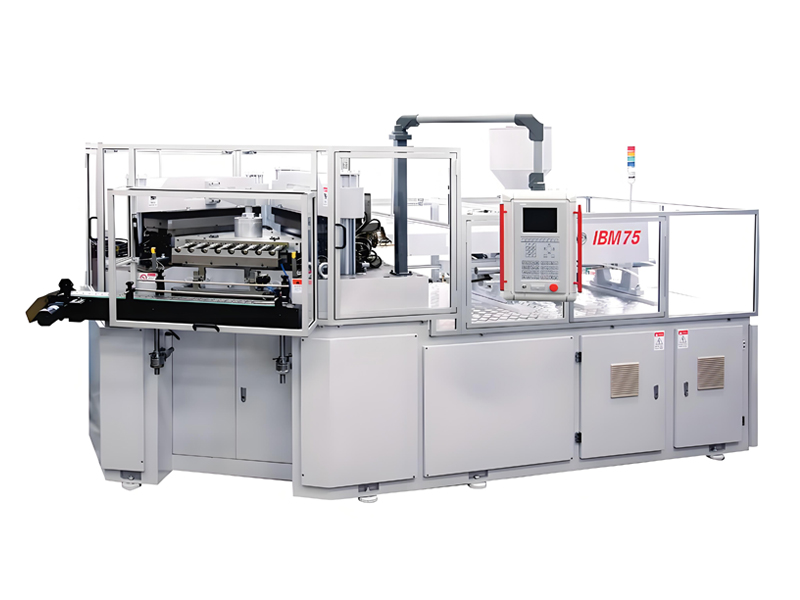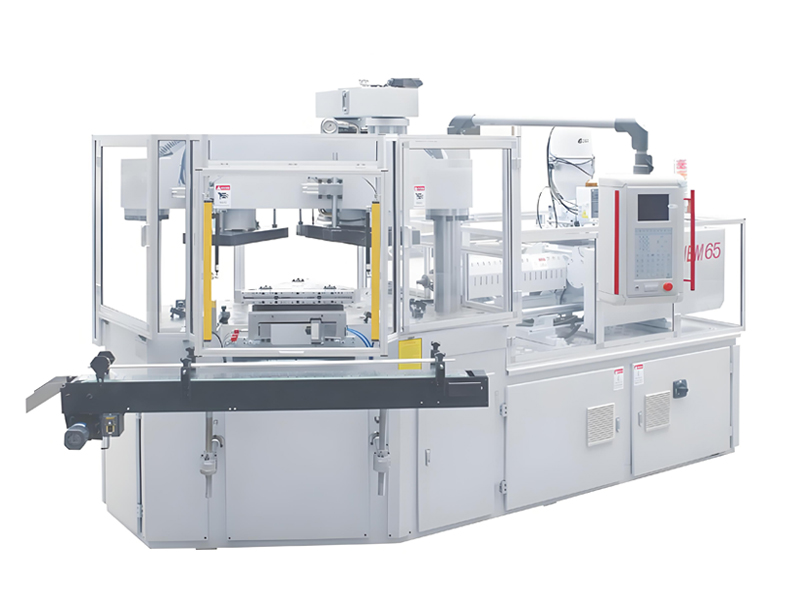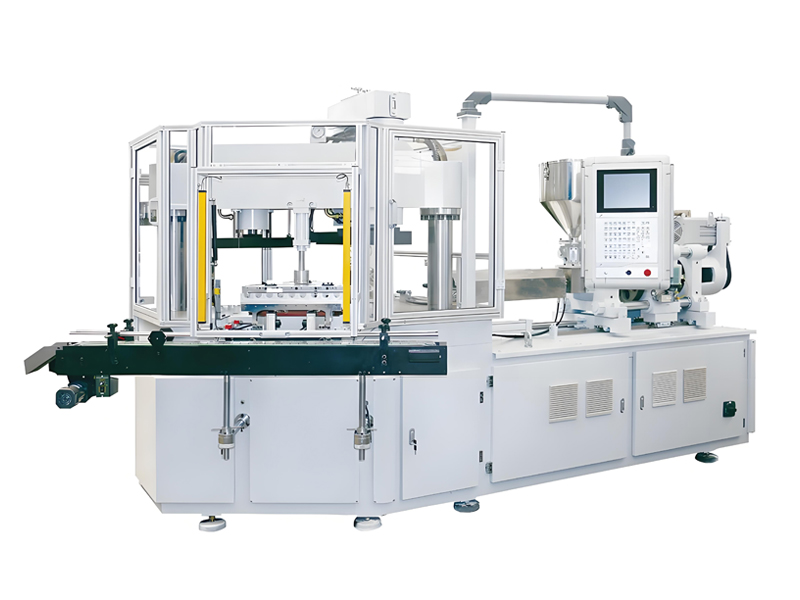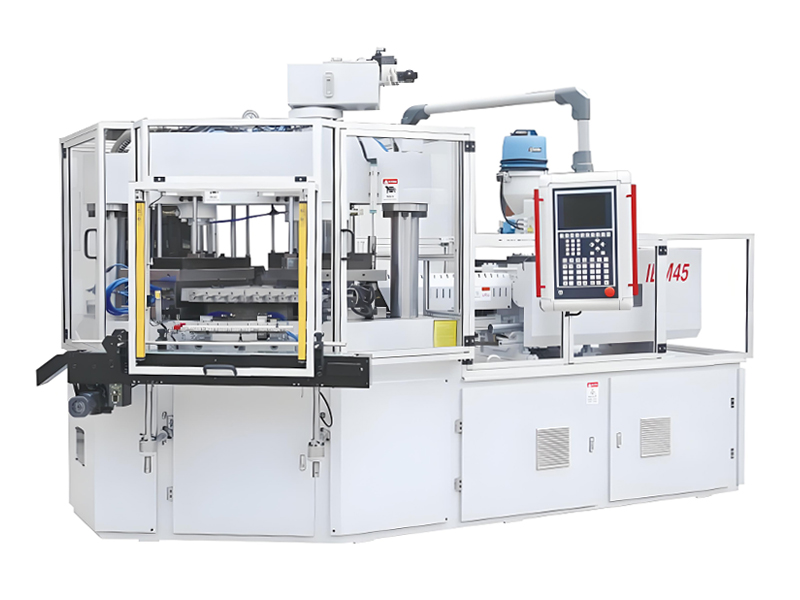
Defect prevention in injection blow molding machine production represents one of the most critical challenges facing manufacturers seeking to deliver consistent quality and control production costs. Common defects including flash formation, wall thickness variation, short shots, and surface imperfections can significantly impact production efficiency and product quality. Understanding the root causes of these defects and implementing systematic prevention strategies enables manufacturers to achieve excellent first pass quality while minimizing waste and rework expenses.
Tìm hiểu Các Lỗi Ép phun Thổi Phổ biến
Hình thành ba via và các vấn đề đường phân khuôn
Flash formation occurs when molten material escapes past the mold parting line or seal surfaces during injection or blow stages. This defect manifests as thin protrusions of material along container edges that require trimming and increase material waste. Flash results from inadequate clamping force, worn or damaged mold seal surfaces, or injection pressure that exceeds mold containment capacity.
Parting line alignment issues produce similar visual defects and may affect dimensional accuracy of the finished container. Misalignment between cavity halves causes steppage at the split line that can interfere with closure application or affect sealing surface integrity. Precise mold alignment during assembly and regular maintenance of alignment mechanisms prevent parting line defects.
Biến động độ dày thành
Wall thickness variation represents one of the most significant quality concerns in injection blow molding production. Uneven material distribution affects structural integrity, barrier properties, and appearance quality of containers. Variation typically results from improper core rod alignment, uneven cooling, or incorrect blow timing and pressure parameters.
Excessive wall thickness variation can cause weak points in containers that fail during filling, shipping, or end use. In pharmaceutical applications, wall thickness variation may affect barrier properties that protect product stability. Measurement of wall thickness at multiple points around container circumference and length identifies variation patterns that help diagnose root causes.
Phun thiếu và tạo hình không hoàn chỉnh
Short shots occur when material fails to completely fill the mold cavity, resulting in incomplete containers or missing sections. This defect wastes material and production time while producing parts that must be discarded. Causes include insufficient injection pressure, material viscosity too high for the injection conditions, or restricted flow paths in the mold.
Incomplete formation during the blow stage produces containers that do not fully replicate cavity geometry. This defect may appear as incomplete detail formation, visible seams, or poor surface replication. Blow stage issues typically result from insufficient blow pressure, premature material cooling, or improper timing between injection and blow phases.
Các khuyết tật bề mặt và vấn đề ngoại quan
Surface defects include a range of appearance issues that affect container quality perception and may indicate underlying structural concerns. Sink marks appear as depressions in container surfaces, typically near thick sections or ribs, caused by internal material contraction during cooling. Flow lines appear as streaks or patterns on container surfaces resulting from material flow patterns during injection.
Weld lines occur where material flow fronts meet after flowing around obstacles such as core pins. These lines create stress concentrations and affect appearance quality, particularly in transparent materials where they are highly visible. Causes include low melt temperature, low injection speed, or mold design that creates flow obstacles.
Phân tích Nguyên nhân Gốc và Chiến lược Phòng ngừa
Ngăn ngừa khuyết tật liên quan đến vật liệu
Material selection and preparation significantly influence defect occurrence in injection blow molding production. Material moisture content must be controlled within specification to prevent hydrolysis degradation and moisture related defects. Hygroscopic materials including polyethylene terephthalate and nylon require drying at elevated temperatures for specified times before processing.
Material contamination from previous production runs or improper storage introduces defects including black specs, color variation, and property degradation. Implement material handling procedures that prevent contamination including dedicated material handling equipment, sealed storage containers, and material verification before production use. Material lot tracking enables identification of quality issues to specific material lots.
Tối ưu hóa độ nhớt vật liệu
Material viscosity affects how material fills the mold cavity and influences final part quality. Viscosity varies with temperature, shear rate, and material moisture content. High viscosity causes incomplete filling and excessive pressure requirements, while low viscosity may cause flash and poor surface replication. Optimize processing conditions to achieve appropriate viscosity for the specific application.
Ép phun speed affects shear rate in the material, influencing viscosity during the filling phase. Higher speeds increase shear thinning in most polymers, reducing effective viscosity and improving fill characteristics. However, excessive speed can cause other issues including air entrapment and surface defects. Balance injection speed against other parameters to achieve optimal filling conditions.
Kiểm soát nhiệt độ để ngăn ngừa khuyết tật
Mold temperature significantly affects part quality and defect occurrence. Insufficient mold temperature increases material viscosity and can cause incomplete filling, particularly in thin wall sections. Excessive mold temperature can cause flashing, poor ejection, and extended cycle times. Maintain mold temperature within specifications established during process development.
Temperature uniformity throughout the mold prevents differential cooling that causes warpage, dimensional variation, and internal stress. Uneven cooling results from cooling channel blockage, inadequate flow, or insufficient channel sizing. Regular maintenance of cooling systems ensures consistent temperature distribution throughout production runs.
Thiết kế và bảo trì khuôn để đảm bảo chất lượng
Các cân nhắc thiết kế khuôn
Mold design fundamentally influences defect susceptibility and quality achievable in production. Proper gate design ensures complete cavity filling without hesitation or air entrapment. Gate location affects material flow patterns and can influence weld line positions and wall thickness distribution. Gate sizing must balance fill requirements against aesthetic considerations and ejection ease.
Draft angle design facilitates part release from the mold without damage. Insufficient draft causes ejection difficulties that can scratch or deform container surfaces. Standard draft angle requirements range from one half degree to two degrees per side depending on material selection and surface texture requirements. Deep draw sections require proportionally larger draft angles.
Quy trình bảo trì định kỳ
Preventive maintenance prevents quality issues caused by mold wear and deterioration. Establish maintenance schedules based on production volume rather than calendar time. High volume production may require weekly or even daily maintenance attention, while lower volume production can extend intervals appropriately. Document all maintenance activities and their results.
Critical maintenance items include cleaning of parting line surfaces, verification of alignment pin and bushing conditions, inspection of seal surfaces for wear, and verification of cooling channel integrity. Wear in these areas directly affects quality parameters and should be addressed before defects become significant problems. Replacement parts should meet original specifications to maintain quality consistency.
Giám sát và khắc phục mài mòn khuôn
Monitor mold wear through regular dimensional verification of critical cavity dimensions. Track dimensional trends over time to identify wear progression before dimensions exceed tolerance limits. Statistical process control techniques applied to dimensional data enable early identification of drift that may indicate developing problems.
When wear is identified, evaluate repair options based on extent and cost. Minor wear may be addressable through polishing or minor machining, while significant wear may require complete component replacement. Planned repair activities should be scheduled during planned downtime to minimize production disruption.
Tối ưu hóa thông số quy trình
Cài đặt và kiểm soát thông số ép phun
Ép phun parameters require careful optimization to achieve defect free production. Ép phun pressure must be sufficient to fill the cavity completely without causing flash or excessive stress. Initial settings should follow material supplier recommendations, then refined based on observed quality results. Incremental adjustments of 5 to 10 percent are appropriate when optimizing pressure settings.
Ép phun speed affects material flow patterns, pressure requirements, and surface quality. Multiple speed stages may be beneficial for complex parts, allowing slower injection through critical sections and faster injection through less sensitive areas. Pressure and speed profiles should be coordinated to achieve smooth transitions between stages.
Tối ưu hóa giai đoạn thổi
Blow stage parameters control material distribution and container formation during the blow phase. Blow pressure must be sufficient to fully expand the preform against cavity walls without causing material thinning or rupture. Higher pressures are typically required for containers with complex geometries or thick walls.
Blow timing controls when blow pressure activates relative to material cooling. Premature blow activation causes material sag and neck deformation, while delayed activation allows excessive cooling that requires higher pressures for adequate formation. Optimize timing through observation of part quality with incremental adjustments of 0.1 seconds.
Quản lý thông số làm mát
Cooling time typically represents the largest portion of cycle time in injection blow molding. Insufficient cooling causes dimensional instability, warpage, and potential quality issues after containers leave the production line. Excessive cooling wastes production time without quality benefit. Optimize cooling time based on actual dimensional stability rather than arbitrary settings.
Cooling system maintenance ensures consistent performance throughout production runs. Monitor coolant flow rates and temperatures to verify system function. Blocked cooling channels reduce cooling efficiency and cause temperature variation that affects quality. Regular cleaning and flow verification maintains cooling system performance.
Hệ thống kiểm soát chất lượng và kiểm tra
Giám sát chất lượng trong quá trình sản xuất
In process monitoring detects quality variation before defects become widespread. Key parameters to monitor include injection pressures and temperatures, blow pressures and timing, and cycle times. Statistical process control charts track these parameters and identify when variation exceeds acceptable limits, enabling rapid response before quality problems affect production.
Modern injection blow molding machines incorporate data collection capabilities that support comprehensive process monitoring. Real time data collection enables immediate detection of parameter deviations and supports root cause analysis when quality issues occur. Investment in monitoring capability provides significant return through defect prevention and improved process understanding.
Triển khai kiểm soát quy trình thống kê
Statistical process control provides systematic methodology for quality monitoring and improvement. Control charts track key quality characteristics over time, distinguishing between common cause variation inherent in the process and special cause variation indicating problems requiring attention. Implementation requires identification of critical characteristics, establishment of measurement systems, and development of control chart protocols.
Process capability analysis quantifies the relationship between specification limits and actual process variation. Capability indices including Cpk provide objective measures of process performance that support quality improvement efforts and customer communication. Target capability indices of 1.33 or higher indicate processes capable of meeting specification requirements consistently.
Kiểm tra và thử nghiệm kích thước
Dimensional inspection verifies that containers meet specification requirements. Critical dimensions vary by application but typically include neck finish dimensions, overall height, body diameter, and wall thickness. Measurement methods range from manual gauges for simple dimensions to coordinate measuring machines for comprehensive verification.
Tính năng testing verifies that containers perform correctly with closure systems and meet application requirements. Closure torque testing, leak testing, and other functional tests provide quality assurance beyond dimensional verification. Testing frequency should be risk based, with higher frequency for critical characteristics and lower frequency for stable parameters.
Đào tạo vận hành viên và thực hành tốt nhất
Yêu cầu Năng lực và Chương trình Đào tạo
Operator competency significantly affects defect rates and production efficiency. Comprehensive training programs should cover machine operation, adjustment procedures, quality requirements, and troubleshooting techniques. Training should combine classroom instruction with hands on practice under experienced supervision.
Certification requirements verify that operators have achieved required competency levels before assuming production responsibilities. Regular refresher training maintains skill levels and introduces new procedures or techniques as equipment and processes evolve. Documentation of training activities supports quality system requirements and regulatory compliance.
Xây dựng quy trình vận hành chuẩn
Standard operating procedures document approved methods for all production activities. Well developed procedures ensure consistent execution regardless of operator, reducing variation and defect occurrence. Procedures should be specific, clear, and supported by visual aids where helpful. Regular review ensures procedures remain current with equipment and process changes.
Procedure development should involve experienced operators who understand practical considerations and potential issues. Testing new procedures during development identifies gaps or unclear instructions before formal release. Change control processes ensure that procedure updates are implemented consistently across all production shifts.
Phát triển kỹ năng xử lý sự cố
Effective troubleshooting requires understanding of cause and effect relationships between process parameters and quality outcomes. Training should develop systematic troubleshooting approaches that methodically identify root causes rather than implementing quick fixes that may mask underlying problems. Documentation of troubleshooting activities supports continuous improvement.
Common troubleshooting frameworks include fault tree analysis for complex problems and five why analysis for simpler issues. These systematic approaches develop problem solving skills that improve over time with practice. Encourage knowledge sharing among operators to spread effective troubleshooting techniques across the organization.
Hiệu chuẩn và bảo trì thiết bị
Hiệu chuẩn hệ thống đo lường
Accurate measurement is essential for quality verification and process control. Measurement systems must be calibrated against traceable standards at defined intervals to ensure accuracy. Calibration records document measurement system performance and support quality system requirements. Include all measurement and test equipment in calibration programs.
Calibration frequency depends on equipment type and usage patterns. More frequent calibration may be appropriate for critical measurement systems or equipment subject to heavy use. Calibration procedures should specify methods, acceptance criteria, and documentation requirements. Out of tolerance conditions require investigation and corrective action.
Hiệu chuẩn và xác minh máy
Ép phun blow molding machines require periodic calibration of temperature controllers, pressure transducers, and motion control systems. Temperature calibration should verify accuracy at multiple set points throughout the operating range. Pressure calibration ensures accurate measurement and control of injection and blow pressures.
Motion calibration verifies positioning accuracy and repeatability of injection unit and mold movements. Improperly calibrated motion systems cause dimensional variation and affect process consistency. Include machine calibration verification in preventive maintenance schedules and after any significant machine repair or adjustment.
Lập lịch bảo trì phòng ngừa
Preventive maintenance prevents equipment failures that cause defects and production interruptions. Develop maintenance schedules based on manufacturer recommendations, equipment age, and operating experience. Critical maintenance items should be prioritized to ensure attention is not deferred due to production pressure.
Các hồ sơ bảo trì ghi lại tình trạng thiết bị và hỗ trợ phân tích hiệu quả của bảo trì. Theo dõi chi phí bảo trì và hiệu suất thiết bị để tối ưu hóa các chương trình bảo trì theo thời gian. Cải tiến liên tục các thực hành bảo trì giảm thời gian ngừng máy và cải thiện tính nhất quán chất lượng.
Các chiến lược phòng ngừa khuyết tật cụ thể
Các biện pháp ngăn ngừa ba via
Flash prevention requires addressing all potential causes including clamping force, mold condition, and injection pressure. Verify clamping force is adequate for the specific material and part geometry. Higher pressures and certain materials require proportionally higher clamping forces to prevent flash.
Inspect mold seal surfaces regularly for wear that reduces sealing effectiveness. Seal surface wear typically manifests as progressive flash that worsens over time. Prompt repair or replacement of worn seal surfaces prevents escalating flash problems. Document flash occurrence patterns to identify when mold maintenance is needed.
Kỹ thuật ngăn ngừa cong vênh
Warpage results from uneven cooling or internal stress that causes containers to distort after ejection. Prevention strategies include uniform cooling, appropriate material selection, and optimized processing conditions. Uniform cooling requires adequate and properly balanced cooling channel design and function.
Material selection influences warpage susceptibility, with some materials more prone to warpage than others. Process optimization can reduce warpage in susceptible materials by minimizing internal stress through appropriate cooling and ejection conditions. Container design can address warpage susceptibility through geometry optimization.
Ngăn ngừa bọt khí và lỗ rỗng
Bubbles and voids indicate air entrapment or material density issues that affect container quality and may compromise structural integrity. Prevention focuses on proper material preparation, optimized injection parameters, and appropriate venting. Material moisture control prevents steam formation that creates internal bubbles.
Ép phun speed and pressure optimization reduces air entrapment during cavity filling. Proper mold venting enables escape of air and gases ahead of material flow. Vent channel design and maintenance ensure effective venting throughout production. Observe bubble formation patterns to identify specific causes.
Ngăn ngừa khuyết tật bề mặt
Surface defects including sink marks, flow lines, and weld lines require integrated prevention approaches addressing material, design, and process factors. Material selection influences susceptibility to specific surface defects. Processing optimization addresses parameters that affect surface quality.
Sink marks near thick sections can be addressed through material selection, part design modification, or process adjustment. Flow lines can be reduced through increased injection speed or modified gate location. Weld lines require attention to melt temperature and flow patterns to ensure proper material fusion where flow fronts meet.
Phân tích chi phí ngăn ngừa khuyết tật
Tính toán chi phí chất lượng kém
Cost of poor quality includes all expenses resulting from defects including scrap, rework, inspection, and customer impact costs. Direct scrap costs include material, machine time, and labor consumed in producing rejected parts. Scrap costs typically range from 2 to 10 percent of production cost for well controlled processes but can exceed 30 percent for poorly controlled operations.
Rework costs apply when defective parts can be salvaged through additional processing. Rework often costs more than original production due to special handling and reduced efficiency. Customer impact costs including rejection, returns, and reputation damage can far exceed direct production costs. These hidden costs emphasize the importance of defect prevention investment.
Lợi nhuận từ đầu tư phòng ngừa
Prevention investment yields returns through reduced defect costs, improved efficiency, and enhanced customer satisfaction. Chất lượng system investment typically ranges from 2 to 5 percent of production cost but often reduces total quality costs by significantly more than the investment amount. The relationship follows the classic quality cost curve where prevention investment reduces failure costs more than proportionally.
Calculate specific return on investment for prevention activities based on current defect costs and expected improvements. Consider both direct cost reduction and intangible benefits including improved customer relationships and reduced compliance risk. Prioritize prevention investments that offer highest return relative to investment required.
Cân bằng giữa phòng ngừa và phát hiện
Effective quality management balances prevention activities that stop defects from occurring with detection activities that identify defects when they do occur. Over emphasis on detection without prevention wastes inspection resources on managing defects rather than eliminating them. Over emphasis on prevention without adequate detection risks releasing defects to customers.
Risk based approaches allocate resources according to the criticality of different quality characteristics and the effectiveness of different prevention and detection strategies. Critical characteristics receive more intensive prevention attention and higher inspection frequency. Less critical characteristics may rely more on process control with periodic verification.
Chương trình cải tiến liên tục
Quy trình cải tiến dựa trên dữ liệu
Continuous improvement requires systematic collection and analysis of quality data to identify improvement opportunities. Key performance indicators track quality performance over time, revealing trends and improvement progress. Establish baseline measurements before improvement initiatives to enable objective evaluation of results.
Root cause analysis of quality issues identifies underlying causes that can be addressed through improvement activities. Use structured problem solving methods to ensure thorough analysis and effective corrective action. Follow up verification confirms that corrective actions achieve intended results and do not create new problems.
Phương pháp tối ưu hóa quy trình
Design of experiments enables systematic optimization of process parameters to achieve defect free production efficiently. Screening experiments identify which parameters most significantly affect quality outcomes. Response surface methodology refines parameter settings to achieve optimal quality and efficiency.
Process window optimization identifies the ranges of parameters within which acceptable quality is achieved consistently. Operating within these windows reduces defect occurrence and improves process robustness. Document process windows in standard operating procedures to ensure consistent operation.
Chia sẻ thực hành tốt nhất và tiêu chuẩn hóa
Chia sẻ thực tiễn tốt nhất phân phối các kỹ thuật hiệu quả trên toàn tổ chức. Ghi chép các cách tiếp cận thành công và truyền đạt chúng thông qua đào tạo và cập nhật quy trình. Khuyến khích người vận hành đóng góp ý tưởng cải tiến và ghi nhận các đóng góp hiệu quả.
Standardization applies proven best practices consistently across production lines and shifts. Standardized approaches reduce variation and enable more effective troubleshooting when problems occur. Balance standardization against flexibility needed to address specific product or situation requirements.
Công nghệ tiên tiến để ngăn ngừa khuyết tật
Hệ thống kiểm tra trực tuyến
Advanced inspection systems inspect containers during production without slowing cycle times. Vision systems detect surface defects, dimensional variations, and visual quality issues automatically. Ultrasonic systems verify wall thickness without contact. These systems enable 100 percent inspection of critical characteristics that would be impractical with manual inspection.
Integration of inspection systems with production controls enables automatic rejection of defective parts and feedback to process controls. Closed loop systems can adjust process parameters automatically in response to detected variation. Investment in inline inspection systems ranges from 30000 to 150000 dollars depending on complexity and capabilities.
Hệ thống chất lượng dự đoán
Predictive quality systems use statistical and machine learning methods to predict quality outcomes before defects occur. Analysis of process parameter patterns identifies conditions that typically precede quality problems. This early warning enables preventive adjustment before defective parts are produced.
Implementation requires substantial data collection infrastructure and analytical capability. Investment in predictive systems ranges from 50000 to 200000 dollars for software, sensors, and integration. Return on investment comes from reduced scrap, improved uptime, and reduced inspection costs. Benefits increase with production volume and defect rate.
Tích hợp Công nghiệp 4.0
Industry 4.0 technologies including Internet of Things connectivity, cloud computing, and advanced analytics enable new approaches to defect prevention. Connected equipment provides comprehensive data visibility across production operations. Cloud based analytics enable sophisticated analysis that would not be practical with local computing resources.
Digital thread concepts connect design, production, and quality data throughout product lifecycle. This integration enables traceability and supports root cause analysis when quality issues occur. Investment in Industry 4.0 capabilities ranges from moderate to substantial depending on scope and implementation approach.
Hỗ trợ phòng ngừa khuyết tật của AiBiM
Tính năng thiết kế máy cho chất lượng
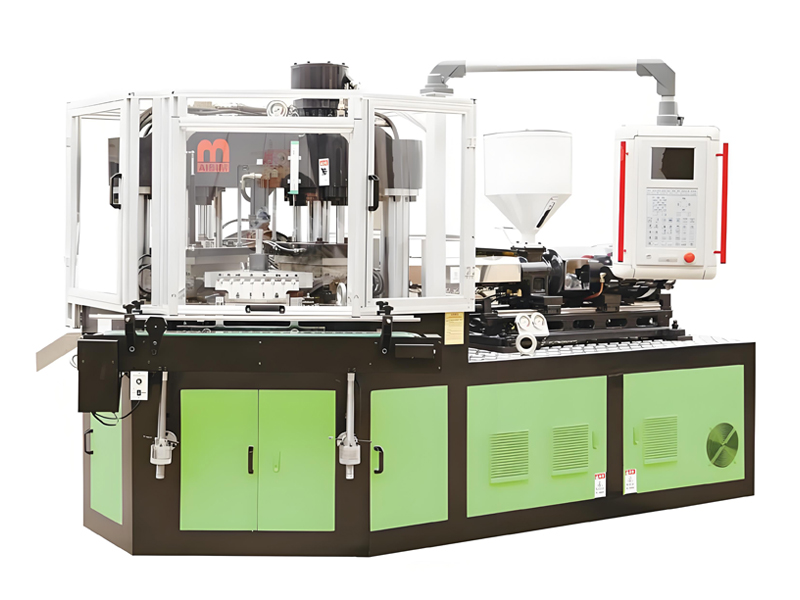
AiBiM injection blow molding machines incorporate design features that support defect prevention. Precision temperature control systems maintain processing conditions within tight tolerances that prevent temperature related defects. Stable clamping systems ensure consistent mold closure that prevents flash and alignment defects.
Các hệ thống điều khiển tiên tiến cung cấp các khả năng giám sát và thu thập dữ liệu toàn diện hỗ trợ quản lý chất lượng. Các giao diện hệ thống kiểm tra tích hợp cho phép kết nối với các thiết bị kiểm tra bên ngoài. Các tính năng này cung cấp nền tảng cho các chương trình phòng ngừa khuyết tật hiệu quả.
Dịch vụ Phát triển và Tối ưu hóa Quy trình
Các kỹ sư ứng dụng của AiBiM hỗ trợ phát triển và tối ưu hóa quy trình cho các ứng dụng của khách hàng. Các dịch vụ phát triển quy trình thiết lập các thông số đã được xác nhận để đạt được sản xuất không khuyết tật. Các dịch vụ tối ưu hóa cải thiện các quy trình hiện có để giảm khuyết tật và nâng cao hiệu quả.
Training programs develop operator competency in defect prevention and troubleshooting. AiBiM training combines classroom instruction with hands on practice using customer equipment and representative products. Ongoing technical support assists with troubleshooting and continuous improvement activities.
Tài liệu và hỗ trợ hệ thống chất lượng
AiBiM cung cấp tài liệu hỗ trợ các yêu cầu hệ thống chất lượng bao gồm quy trình xác nhận, quy trình hiệu chuẩn và lịch bảo trì. Nền tảng tài liệu này đẩy nhanh việc triển khai các thực hành chất lượng và các hoạt động tuân thủ quy định.
Chất lượng system consulting services assist customers with development and improvement of quality management systems. Our quality professionals have experience across diverse industries and applications. This expertise supports effective quality system implementation regardless of current capability level.
Kết luận
Defect prevention in injection blow molding production requires systematic attention to material, machine, mold, process, and human factors that influence quality outcomes. Understanding root causes of common defects enables implementation of targeted prevention strategies that eliminate defects at their source rather than managing them through inspection and sorting.
Investment in prevention activities yields substantial returns through reduced scrap, improved efficiency, and enhanced customer satisfaction. Chất lượng system implementation provides the framework for systematic defect prevention and continuous improvement. Commitment to quality excellence throughout the organization creates culture that sustains quality performance over time.
AiBiM supports customer quality objectives through machine design, process development, training, and ongoing technical assistance. Our experience across diverse injection blow molding applications enables us to provide effective guidance on defect prevention strategies for specific requirements. Contact our application engineering team to discuss quality improvement opportunities for your production operations.
Kỹ thuật phân tích khuyết tật tiên tiến
Phương pháp phân tích nguyên nhân gốc rễ
Systematic root cause analysis prevents recurring defects by identifying underlying causes rather than addressing symptoms. The five why technique explores causal chains by repeatedly asking why until fundamental causes are identified. This simple yet powerful method often reveals root causes that are not immediately apparent from initial observations.
Fault tree analysis provides structured methodology for complex defect investigation. This technique identifies all possible causes of a defect and determines how combinations of causes might produce the observed failure. Fault trees reveal interaction effects between multiple factors that simple investigation might miss.
Fishbone diagrams organize potential causes into categories including machine, material, method, measurement, and environment. This categorization ensures comprehensive consideration of all potential cause sources. Team based fishbone analysis incorporates diverse perspectives and expertise into defect investigation.
Hệ thống chất lượng dự đoán
Các hệ thống chất lượng dự đoán sử dụng các phương pháp thống kê và học máy để dự đoán các khuyết tật trước khi chúng xảy ra. Phân tích dữ liệu lịch sử xác định các mô hình xảy ra trước các vấn đề chất lượng. Các mô hình này cho phép hành động phòng ngừa ngăn chặn các khuyết tật trước khi chúng ảnh hưởng đến sản xuất.
Machine learning models trained on production data predict quality outcomes based on current process conditions. Models continuously refine as new data becomes available, improving prediction accuracy over time. Integration with process controls enables automatic parameter adjustment when predicted quality falls below acceptable thresholds.
Implementation of predictive quality requires substantial data collection infrastructure and analytical capability. Investment ranges from 50000 to 200000 dollars depending on system complexity and integration requirements. Return on investment comes from reduced scrap, improved uptime, and enhanced customer satisfaction.
Phân tích chế độ hỏng hóc và ảnh hưởng
Phân tích chế độ hỏng hóc và tác động chủ động xác định các khuyết tật tiềm ẩn và nguyên nhân của chúng trước khi chúng xảy ra. FMEA gán các số ưu tiên rủi ro dựa trên mức độ nghiêm trọng, xác suất xảy ra và độ khó phát hiện. Cách tiếp cận dựa trên rủi ro này ưu tiên các nỗ lực phòng ngừa cho các vấn đề rủi ro cao nhất.
Các đội FMEA bao gồm nhân sự có chuyên môn đa dạng để đảm bảo xác định toàn diện các chế độ hỏng hóc tiềm ẩn. Các đội liên chức năng kết hợp các góc nhìn về thiết kế, sản xuất, chất lượng và khách hàng. Các bản cập nhật FMEA định kỳ kết hợp các bài học kinh nghiệm từ thực tế sản xuất.
FMEA thiết kế giải quyết các điểm yếu của thiết kế sản phẩm và quy trình có thể gây ra khuyết tật. FMEA quy trình đánh giá các rủi ro của quy trình sản xuất. Kết hợp FMEA thiết kế và quy trình cung cấp đánh giá rủi ro toàn diện hỗ trợ phòng ngừa khuyết tật trong suốt vòng đời sản phẩm.
Giải pháp khuyết tật liên quan đến vật liệu
Hệ thống kiểm soát độ ẩm
Kiểm soát độ ẩm vật liệu ngăn ngừa các khuyết tật do độ ẩm trong polyme hút ẩm gây ra. Hệ thống sấy hút ẩm loại bỏ độ ẩm đến mức cần thiết trước khi gia công. Công suất máy sấy phải phù hợp với tốc độ tiêu thụ vật liệu để duy trì điều kiện vật liệu ổn định.
Drying parameter optimization ensures effective moisture removal without material degradation. Temperature, time, and airflow requirements depend on material properties and moisture levels. Over drying can cause chain scission that affects material properties. Careful parameter control achieves appropriate moisture levels.
Material moisture verification confirms that drying processes achieve required moisture content. Karl Fischer titration provides accurate moisture measurement. Inline moisture sensors enable continuous monitoring during production. Verification ensures that moisture control systems function effectively.
Các thực hành tốt nhất về xử lý vật liệu
Các quy trình xử lý vật liệu ngăn ngừa nhiễm bẩn và trộn lẫn gây ra khuyết tật. Các hệ thống xử lý vật liệu chuyên dụng cho từng vật liệu ngăn ngừa nhiễm chéo. Lưu trữ vật liệu trong các thùng kín ngăn ngừa nhiễm bẩn và hút ẩm.
Theo dõi lô vật liệu cho phép truy xuất nguồn gốc từ nguyên liệu thô đến thành phẩm. Nhận dạng lô hỗ trợ điều tra khi phát sinh vấn đề chất lượng. Luân chuyển tồn kho FIFO đảm bảo vật liệu được sử dụng trước khi hết hạn sử dụng.
Thiết bị vận chuyển vật liệu bao gồm băng tải và máy trộn yêu cầu vệ sinh và bảo trì thường xuyên. Vật liệu còn sót lại trong thiết bị vận chuyển có thể làm nhiễm bẩn các vật liệu tiếp theo. Xác nhận vệ sinh đảm bảo thiết bị xử lý vật liệu không gây ra khuyết tật.
Thông số kỹ thuật và định chuẩn vật liệu
Thông số kỹ thuật vật liệu xác định các yêu cầu mà vật liệu phải đáp ứng để đảm bảo chất lượng chấp nhận được. Thông số bao gồm yêu cầu tính chất, giới hạn tạp chất và quy trình thử nghiệm. Thông số phù hợp đảm bảo vật liệu mua vào hỗ trợ các mục tiêu chất lượng.
Các quy trình đánh giá vật liệu xác minh rằng vật liệu đáp ứng thông số kỹ thuật và hoạt động đầy đủ trong sản xuất. Thử nghiệm đánh giá nên bao gồm các thử nghiệm gia công để xác minh khả năng tương thích sản xuất. Danh sách vật liệu đã được đánh giá cung cấp các nguồn được phê duyệt cho sử dụng sản xuất.
Các thỏa thuận chất lượng nhà cung cấp chính thức hóa các kỳ vọng về chất lượng và hiệu suất vật liệu. Các thỏa thuận nên xác định yêu cầu thông số kỹ thuật, quy trình thử nghiệm và quy trình hành động khắc phục. Mối quan hệ nhà cung cấp mạnh mẽ hỗ trợ các sáng kiến cải tiến chất lượng.
Chiến lược tối ưu hóa quy trình
Thiết kế thí nghiệm
Thiết kế thí nghiệm cho phép tối ưu hóa có hệ thống nhiều thông số quy trình đồng thời. Các thiết kế giai thừa xác định các hiệu ứng chính và tương tác giữa các thông số. Cách tiếp cận này hiệu quả hơn so với tối ưu hóa từng yếu tố một.
Các thiết kế sàng lọc xác định thông số nào ảnh hưởng đáng kể nhất đến kết quả chất lượng. Các nghiên cứu sơ bộ này định hướng các nỗ lực tối ưu hóa chi tiết hơn. Phương pháp bề mặt đáp ứng tinh chỉnh các cài đặt thông số trong các vùng tối ưu được xác định thông qua sàng lọc.
DOE requires careful planning including definition of objectives, selection of factors and levels, and specification of response variables. Statistical analysis of results identifies optimal settings and quantifies effects. Documentation of DOE activities supports regulatory compliance and knowledge management.
Phát triển cửa sổ quy trình
Các cửa sổ quy trình xác định các dải thông số trong đó các yêu cầu chất lượng được thỏa mãn. Hiểu các cửa sổ quy trình cho phép sản xuất mạnh mẽ chịu được các biến động bình thường mà không tạo ra khuyết tật. Các cửa sổ quy trình rộng giảm độ nhạy với biến động và cải thiện tính nhất quán sản xuất.
Các nghiên cứu cửa sổ quy trình thay đổi các thông số một cách có hệ thống để xác định các giới hạn vượt quá đó sẽ xảy ra khuyết tật. Nhiều đặc tính chất lượng có thể có các cửa sổ tối ưu khác nhau, đòi hỏi sự thỏa hiệp cân bằng. Biểu diễn đồ họa của các cửa sổ quy trình hỗ trợ sự hiểu biết và truyền đạt.
Các điểm vận hành trong các cửa sổ quy trình nên cung cấp biên độ so với các giới hạn thông số kỹ thuật. Các chỉ số năng lực quy trình định lượng mối quan hệ giữa biến động quy trình và các giới hạn thông số kỹ thuật. Nhắm mục tiêu vận hành tại tâm quy trình tối đa hóa biên độ và cải thiện tính nhất quán.
Phân tích tương tác thông số
Các thông số quy trình tương tác theo những cách ảnh hưởng đến kết quả chất lượng. Hiểu các tương tác này cho phép tối ưu hóa hiệu quả hơn so với xử lý các thông số một cách độc lập. Hiệu ứng tương tác xảy ra khi tác động của một thông số phụ thuộc vào mức của một thông số khác.
Phân tích tương tác thông qua DOE tiết lộ cách các thông số ảnh hưởng lẫn nhau. Các tương tác đáng kể đòi hỏi sự chú ý đặc biệt trong quá trình tối ưu hóa vì các cài đặt tối ưu cho một thông số phụ thuộc vào các mức thông số khác. Các biểu đồ đường viền trực quan hóa các hiệu ứng tương tác và định hướng các quyết định tối ưu hóa.
Các chiến lược kiểm soát quy trình nên tính đến các tương tác giữa các thông số. Các hệ thống điều khiển điều chỉnh nhiều thông số một cách phối hợp duy trì các điều kiện tối ưu hiệu quả hơn so với kiểm soát thông số đơn lẻ. Các thuật toán điều khiển tiên tiến có thể khai thác các hiệu ứng tương tác để cải thiện hiệu suất.
Các yếu tố môi trường và vận hành
Điều kiện môi trường xung quanh và ảnh hưởng của chúng
Nhiệt độ và độ ẩm môi trường xung quanh ảnh hưởng đến xử lý vật liệu và chất lượng chi tiết. Nhiệt độ môi trường cao làm giảm hiệu quả làm mát và có thể gây biến động chất lượng. Độ ẩm ảnh hưởng đến hàm lượng ẩm của vật liệu và độ ổn định xử lý.
Kiểm soát khí hậu trong các khu vực sản xuất duy trì các điều kiện môi trường nhất quán. Hệ thống điều hòa không khí và kiểm soát độ ẩm điều chỉnh các điều kiện môi trường. Hệ thống giám sát xác minh rằng các điều kiện vẫn nằm trong phạm vi quy định.
Sự biến đổi theo mùa trong các điều kiện môi trường xung quanh có thể gây ra các vấn đề chất lượng trong các giai đoạn thời tiết khắc nghiệt. Lập kế hoạch cho sự biến đổi theo mùa thông qua việc điều chỉnh các thông số gia công ngăn ngừa các vấn đề chất lượng. Ghi chép về các ảnh hưởng theo mùa hỗ trợ khắc phục sự cố khi vấn đề xảy ra.
Bảo trì thiết bị và hiệu suất
Bảo trì thiết bị ảnh hưởng trực tiếp đến tỷ lệ khuyết tật và tính đồng nhất sản xuất. Bảo trì phòng ngừa ngăn chặn sự suy giảm gây ra khuyết tật. Lịch trình bảo trì nên tính đến tuổi thiết bị, cường độ sử dụng và hiệu suất lịch sử.
Các kỹ thuật bảo trì dự đoán sử dụng dữ liệu giám sát để dự đoán các nhu cầu bảo trì trước khi sự cố xảy ra. Phân tích rung động, phân tích dầu và giám sát nhiệt độ xác định các vấn đề đang phát triển. Các kỹ thuật này giảm thời gian ngừng máy bất ngờ và ngăn ngừa các vấn đề chất lượng do sự cố thiết bị.
Các hồ sơ bảo trì ghi lại tình trạng thiết bị và hỗ trợ phân tích hiệu quả của bảo trì. Sự tương quan giữa các hoạt động bảo trì với hiệu suất chất lượng xác định các thực hành bảo trì tối ưu. Cải tiến liên tục các quy trình bảo trì giảm chi phí và cải thiện độ tin cậy.
Đào tạo và năng lực vận hành viên
Năng lực của người vận hành ảnh hưởng đến tỷ lệ khuyết tật thông qua việc ra quyết định trong quá trình sản xuất. Người vận hành lành nghề nhận biết các dấu hiệu cảnh báo sớm của các vấn đề đang phát triển và hành động phòng ngừa. Đào tạo phát triển các khả năng nhận biết và phản ứng này.
Các chương trình đào tạo nên bao gồm nhận dạng khuyết tật, phân tích nguyên nhân gốc rễ và các quy trình hành động khắc phục. Đào tạo thực hành với thiết bị sản xuất xây dựng các kỹ năng thực tế. Các yêu cầu chứng nhận xác minh năng lực trước khi người vận hành đảm nhận các trách nhiệm độc lập.
Chia sẻ kiến thức giữa các người vận hành phân phối các thực hành hiệu quả trong toàn tổ chức. Đào tạo chéo mang lại tính linh hoạt và khả năng dự phòng. Phản hồi hiệu suất thúc đẩy phát triển kỹ năng liên tục.
Ngăn ngừa khuyết tật theo ngành cụ thể
Hệ thống chất lượng dược phẩm
Pharmaceutical production requires quality systems that satisfy regulatory requirements while preventing defects. Good Manufacturing Practice regulations mandate specific quality system elements including deviation investigation, corrective action, and change control. Compliance requires investment in quality systems and documentation.
Xác nhận quy trình chứng minh rằng các quy trình sản xuất luôn tạo ra các sản phẩm chất lượng. Định chuẩn lắp đặt, định chuẩn vận hành và định chuẩn hiệu suất xác minh khả năng của thiết bị và quy trình. Xác minh quy trình liên tục xác nhận hiệu suất đã được xác nhận tiếp tục được duy trì.
Các cuộc thanh tra quy định đánh giá việc tuân thủ các yêu cầu GMP. Kết quả thanh tra có thể dẫn đến thư cảnh báo, thu hồi sản phẩm hoặc đóng cửa cơ sở. Đầu tư vào hệ thống chất lượng mạnh mẽ bảo vệ khả năng tiếp cận thị trường và an toàn cho bệnh nhân.
Yêu cầu an toàn thực phẩm
Sản xuất bao bì thực phẩm đòi hỏi các hệ thống chất lượng ngăn ngừa nhiễm bẩn và đảm bảo an toàn sản phẩm. Các chương trình phân tích mối nguy và điểm kiểm soát tới hạn xác định rủi ro và thiết lập các biện pháp kiểm soát. Kế hoạch HACCP giải quyết các mối nguy sinh học, hóa học và vật lý.
Kiểm soát chất gây dị ứng ngăn ngừa lây nhiễm chéo với các chất gây dị ứng thực phẩm. Các quy trình xử lý vật liệu ngăn ngừa chuyển giao chất gây dị ứng giữa các sản phẩm. Xác nhận làm sạch xác nhận việc loại bỏ chất gây dị ứng khỏi thiết bị sản xuất.
Các hệ thống truy xuất nguồn gốc cho phép phản ứng nhanh khi các vấn đề chất lượng được xác định. Truy xuất nguồn gốc từ nguyên liệu thô đến sản phẩm hoàn thiện cho phép thu hồi có mục tiêu giúp giảm thiểu mức độ phơi nhiễm của người tiêu dùng. Các yêu cầu quy định bắt buộc khả năng truy xuất nguồn gốc tại nhiều khu vực pháp lý.
Các cân nhắc về chất lượng thẩm mỹ
Các hệ thống chất lượng bao bì mỹ phẩm tập trung vào ngoại hình và trải nghiệm người tiêu dùng bên cạnh các yêu cầu chức năng. Các tiêu chuẩn chất lượng trực quan phải được xác định rõ ràng và áp dụng nhất quán. Các khuyết tật ngoại hình có thể chấp nhận được trong các sản phẩm công nghiệp là không thể chấp nhận được trong các ứng dụng mỹ phẩm.
Theo dõi khiếu nại của người tiêu dùng giúp xác định các khuyết tật lọt qua kiểm soát chất lượng sản xuất. Phân tích các mẫu khiếu nại tiết lộ các vấn đề mang tính hệ thống cần được chú ý. Phản hồi nhanh chóng với khiếu nại ngăn ngừa thiệt hại về danh tiếng và hỗ trợ cải tiến liên tục.
Thử nghiệm độ ổn định xác minh rằng bao bì duy trì chất lượng trong suốt thời hạn sử dụng của sản phẩm. Các quy trình thử nghiệm nên mô phỏng các điều kiện lưu trữ dự kiến bao gồm nhiệt độ, độ ẩm và tiếp xúc ánh sáng. Dữ liệu độ ổn định hỗ trợ các hồ sơ quy định và niềm tin của người tiêu dùng.
Phân tích chi phí - lợi ích của các chương trình phòng ngừa
Phân loại chi phí chất lượng
Chất lượng costs fall into four categories: prevention, appraisal, internal failure, and external failure. Prevention costs include quality planning, training, and preventive maintenance. Appraisal costs include inspection and testing activities. Internal failure costs include scrap and rework. External failure costs include warranty claims and reputation damage.
Prevention costs typically represent 5 to 10 percent of quality costs in well controlled operations. External failure costs may exceed 50 percent of total quality costs when quality systems fail. Investment in prevention reduces failure costs more than proportionally, improving overall quality cost performance.
Chất lượng cost analysis identifies opportunities for improvement by comparing costs across categories. High failure costs indicate need for improved prevention. Low prevention costs may indicate under investment in quality improvement. Balanced allocation across categories optimizes quality cost performance.
Tính toán hoàn vốn đầu tư
Return on investment for quality improvement projects considers both cost reduction and benefit generation. Cost reductions come from reduced scrap, rework, and warranty claims. Benefits include improved customer satisfaction and reduced compliance risk. Quantifying these factors enables objective project prioritization.
Tính thời gian hoàn vốn bằng cách chia khoản đầu tư cho khoản tiết kiệm hàng năm. Các dự án có thời gian hoàn vốn dưới một năm thường đáng để triển khai ngay. Thời gian hoàn vốn dài hơn đòi hỏi đánh giá dựa trên các ưu tiên chiến lược và nguồn vốn sẵn có.
Các yếu tố rủi ro bao gồm rủi ro triển khai và sự không chắc chắn trong hiện thực hóa lợi ích ảnh hưởng đến các tính toán ROI. Các ước tính thận trọng với điều chỉnh rủi ro phù hợp cung cấp các kỳ vọng thực tế. Phân tích độ nhạy xác định cách các thay đổi trong các giả định chính ảnh hưởng đến kết quả.
Khung ưu tiên hóa
Các khung ưu tiên giúp phân bổ nguồn lực hạn chế trên các cơ hội cải tiến. Ưu tiên dựa trên rủi ro tập trung sự chú ý vào các vấn đề có tác động cao nhất. Phân tích chi phí-lợi ích đánh giá mức độ hấp dẫn về tài chính của các cơ hội cải tiến.
Sự liên kết chiến lược đảm bảo các nỗ lực cải tiến hỗ trợ các ưu tiên của tổ chức. Các dự án phù hợp với mục tiêu chiến lược được ưu tiên bất kể các chỉ số tài chính. Sự đồng thuận của các bên liên quan hỗ trợ việc triển khai thành công.
Quản lý danh mục đầu tư cân bằng giữa các thắng lợi nhanh ngắn hạn và các khoản đầu tư chiến lược dài hạn. Danh mục dự án đa dạng giải quyết các nhu cầu trước mắt đồng thời xây dựng năng lực cho thành công trong tương lai. Việc rà soát danh mục thường xuyên đảm bảo sự phù hợp với các ưu tiên thay đổi.
Kết luận
Defect prevention in injection blow molding production requires systematic attention to material, machine, mold, process, and human factors that influence quality outcomes. Understanding root causes of common defects enables implementation of targeted prevention strategies that eliminate defects at their source rather than managing them through inspection and sorting.
Advanced analytical techniques including root cause analysis, FMEA, and predictive quality systems provide frameworks for systematic defect prevention. These methodologies enable organizations to move beyond reactive defect management toward proactive prevention that eliminates defects before they occur.
Investment in prevention activities yields substantial returns through reduced scrap, improved efficiency, and enhanced customer satisfaction. Chất lượng system implementation provides the framework for systematic defect prevention and continuous improvement. Commitment to quality excellence throughout the organization creates culture that sustains quality performance over time.
AiBiM supports customer quality objectives through machine design, process development, training, and ongoing technical assistance. Our experience across diverse injection blow molding applications enables us to provide effective guidance on defect prevention strategies for specific requirements. Contact our application engineering team to discuss quality improvement opportunities for your production operations.
Continuous improvement in defect prevention requires ongoing attention to emerging issues and evolving best practices. Stay current with industry developments through professional development, industry conferences, and peer networking. Investment in quality excellence creates sustainable competitive advantage that benefits your organization and customers alike.