The global gardening industry has witnessed remarkable growth in recent years, with homeowners and commercial landscaping businesses increasingly investing in outdoor spaces. This expansion has created unprecedented demand for garden plastic containers that can withstand harsh environmental conditions while maintaining their functional integrity and visual appeal. Durable containers represent a critical segment of this market, requiring specialized manufacturing processes and materials to ensure long-term durability against UV radiation, temperature fluctuations, moisture exposure, and chemical interactions. The selection of an appropriate injection blow molding machine plays a pivotal role in producing containers that meet these demanding performance requirements while remaining cost-effective for manufacturers.
Understanding the intersection between manufacturing technology and material science is essential for anyone seeking to enter or expand their presence in the garden products market. This comprehensive guide explores every aspect of producing durable containers using blow molding technology, from material selection and design considerations to equipment specifications and market analysis. Whether you are a startup manufacturer exploring new product lines or an established producer looking to enhance your capabilities, the insights provided here will help you make informed decisions about equipment investment and production strategies.
Classification and Applications of Garden Plastic Containers
The garden products market encompasses a diverse range of products, each designed for specific horticultural and aesthetic purposes. Manufacturers must understand these distinct categories to select appropriate production methods and material formulations that meet the performance requirements of each application. Outdoor containers face unique challenges that distinguish them from indoor products, requiring enhanced material properties and manufacturing precision.
Flower Pots and Planter Boxes
Flower pots and planter boxes constitute the largest segment of the garden products market, serving both residential and commercial applications. These containers range from small seedling pots to large decorative planters exceeding several liters in capacity. The primary functional requirements include adequate drainage, sufficient soil volume for root development, and structural stability to resist tipping in wind conditions. Outdoor containers must also maintain their appearance despite continuous exposure to sunlight, rain, and temperature cycling.
Modern planter box designs increasingly incorporate self-watering mechanisms and modular connection systems that appeal to urban gardeners with limited space. These value-added features require careful consideration during the mold design phase to ensure proper integration without compromising structural integrity or durability. The blow molding process excels in producing these complex geometries with consistent wall thickness and excellent surface finish.
Watering Cans and Sprayers
Watering cans represent specialized containers designed for manual irrigation of plants and gardens. These products require careful attention to ergonomic design, balance, and spray pattern control. The blow molding process enables production of seamless, leak-proof bodies with integrated handles and spouts, eliminating the weak points associated with welded or assembled alternatives.
Garden sprayers serve complementary functions, allowing application of liquid fertilizers, pesticides, and herbicides. These containers must be UV resistant and withstand exposure to aggressive chemical formulations while maintaining dimensional stability and chemical resistance. Material selection becomes particularly critical for sprayer applications, as the contents may include caustic substances that could degrade inadequate plastic formulations over time.
Garden Tool Storage Containers
Storage containers for gardening tools and accessories address practical organizational needs in outdoor environments, requiring weatherproof construction. These products range from small tool caddies to large storage benches and shed organizers. Key performance requirements include structural rigidity to support heavy tool loads, UV resistance to prevent brittleness, and water resistance to protect stored items from moisture damage.
The blow molding process produces storage containers with smooth interior surfaces that facilitate easy cleaning and prevent dirt accumulation in corners or seams. Thick-walled construction provides the necessary strength for stacking and supporting substantial loads without deformation or cracking under sustained stress.
Fertilizer and Pesticide Storage Containers
Agricultural and residential gardeners require specialized storage containers for fertilizers, soil amendments, and pest control products. These containers face unique challenges including chemical resistance, child safety features, and transportation durability. The walls must prevent chemical permeation while maintaining structural integrity when containers are dropped or impacts occur during handling.
Safety regulations in many markets require child-resistant closures and clear labeling areas on these products. Injection blow molding accommodates these requirements through integral molded features that can incorporate locking mechanisms and large label surfaces directly into the container design.
Balcony and Patio Decorative Containers
The growing popularity of urban balcony gardening and patio decoration has created demand for aesthetically appealing containers that complement outdoor living spaces. These products prioritize visual design, color consistency, and decorative finishes while maintaining performance characteristics. Manufacturers must balance aesthetic appeal with functional requirements to produce containers that enhance rather than detract from outdoor environments.
Modern decorative containers often incorporate texture patterns, embossed designs, or metallic finish effects that add visual interest while potentially improving grip or drainage characteristics. The blow molding process accommodates these design elements through careful mold engineering and appropriate material selection that maintains color stability under UV exposure.
Challenges Facing Outdoor Garden Containers
Outdoor containers endure environmental stresses far beyond those experienced by indoor products. Understanding these challenges is essential for selecting appropriate materials, designs, and manufacturing processes that will ensure satisfactory product performance throughout the intended service life. Weatherproof containers must address multiple degradation mechanisms simultaneously to deliver reliable performance year after year.
UV Ultraviolet Degradation
Ultraviolet radiation represents the most significant degradation threat to outdoor plastic containers. UV photons break chemical bonds in polymer chains, initiating a degradation cascade that leads to surface chalking, color fading, embrittlement, and eventual structural failure. The rate of UV degradation depends on radiation intensity, exposure duration, and the specific polymer formulation employed. UV resistant materials incorporate stabilizers that intercept these degradation reactions.
Geographic location significantly affects UV exposure intensity, with products in equatorial regions or high-altitude locations experiencing accelerated degradation compared to temperate climates. Manufacturers serving global markets must specify UV stabilization packages appropriate for the harshest intended use conditions, or alternatively offer regional product variants optimized for specific climate zones.
Temperature Cycling Fatigue
Daily and seasonal temperature fluctuations subject containers to repeated thermal expansion and contraction stresses. These cyclic loading conditions can initiate and propagate fatigue cracks, particularly in areas of stress concentration such as corners, wall thickness transitions, or molded-in features. Freeze-thaw cycles present particular challenges in cold climates, as water infiltration into microcracks expands upon freezing, accelerating crack propagation.
Material selection must account for adequate low-temperature impact resistance to prevent brittle fracture during winter conditions while maintaining sufficient high-temperature stiffness to prevent deformation under summer heat loads. The coefficient of thermal expansion should be considered during mold design to ensure dimensional accuracy across the expected temperature range.
Moisture and Humidity Exposure
Constant or intermittent exposure to water, humidity, and soil moisture creates several degradation pathways for containers. Hydrolytic degradation occurs when water molecules react with polymer chains, particularly in condensation polymers such as polyesters and polyamides. Surface absorption can lead to swelling, warping, and loss of mechanical properties over extended exposure periods.
Biological fouling represents another moisture-related challenge, as algae, moss, and fungal growth can colonize container surfaces, creating slip hazards and aesthetic deterioration. While not directly causing structural failure, biological growth indicates excessive moisture retention that may accelerate other degradation mechanisms. Appropriate surface treatments or anti-fouling additives can mitigate these issues.
Chemical Exposure Risks
Garden containers frequently encounter fertilizers, pesticides, soil amendments, and cleaning agents that may contain aggressive chemical compounds. These substances can cause stress cracking, surface degradation, or permeation through container walls, compromising product performance and potentially contaminating stored materials. Chemical resistance testing should be conducted using actual formulations expected in end-use applications rather than standardized test fluids.
Even common substances such as fertilizers can exhibit varying aggressiveness depending on their specific chemical compositions. Ammonium nitrate fertilizers present different challenges compared to phosphate-based products, and organic fertilizers may support biological growth that accelerates degradation. A comprehensive chemical compatibility assessment should guide material selection decisions.
Physical Impact and Abrasion
Garden containers experience physical stresses during transport, handling, installation, and routine use. Impact from accidental drops, collision with garden tools, and contact with hard surfaces can cause cracking, chipping, or deformation. Surface abrasion from soil, sand, and routine cleaning gradually wears away surface material, potentially exposing underlying layers to accelerated environmental degradation.
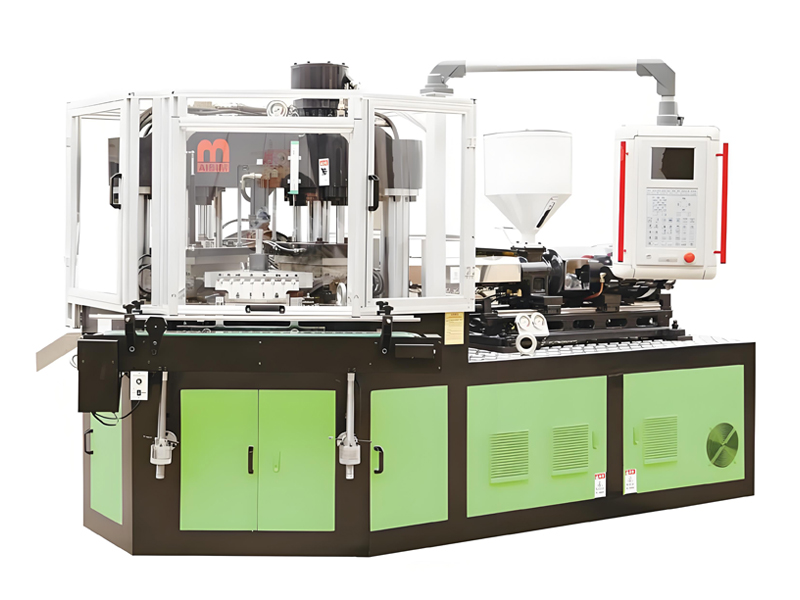
The single-beam dual-column design of AiBiM blow molding machines produces containers with consistent wall thickness and minimal weld lines, resulting in superior impact resistance compared to products manufactured using processes with multiple material injection points or extensive assembly operations.
Selecting Weather Resistant Plastic Materials
Material selection fundamentally determines the performance characteristics of finished containers. The appropriate polymer choice balances performance requirements against cost constraints, processing compatibility, and regulatory compliance considerations.
UV Stabilized Polypropylene Properties
Polypropylene offers an excellent balance of mechanical properties, chemical resistance, and cost effectiveness for container applications. Base polypropylene provides good fatigue resistance, reasonable impact strength at moderate temperatures, and resistance to many agricultural chemicals. However, unmodified polypropylene degrades rapidly under UV exposure, limiting its utility for outdoor applications without appropriate stabilization.
UV stabilized polypropylene formulations incorporate hindered amine light stabilizers and UV absorber packages that intercept and neutralize degradation reactions. These additive packages extend outdoor service life from months to years, depending on stabilization package concentration and exposure severity. Pigmented grades provide additional UV protection through selective light absorption by colorant particles.
Impact Modified Polyethylene Applications
Polyethylene provides excellent moisture resistance, good chemical compatibility, and excellent processing characteristics that make it suitable for large-volume container production. Standard polyethylene grades offer limited UV resistance, but specialized outdoor formulations incorporate carbon black, UV stabilizers, or hindered amine light stabilizers to enhance weatherability.
Linear low-density polyethylene and metallocene polyethylene grades offer improved environmental stress crack resistance compared to conventional polyethylene, extending product life in demanding applications. These advanced formulations command premium pricing but may provide economic advantages through extended service life and reduced warranty claims.
ASA and ABS Outdoor Performance
Acrylonitrile styrene acrylate represents a premium material choice for containers requiring superior color retention and surface aesthetics. ASA exhibits excellent UV stability without yellowing or surface degradation, maintaining its appearance through years of outdoor exposure. The material also provides good chemical resistance and reasonable impact strength across temperature extremes.
Acrylonitrile butadiene styrene offers excellent mechanical properties and surface finish characteristics but requires UV stabilization for outdoor applications. UV stabilized grades incorporate UV absorber packages that protect the butadiene rubber phase from UV-induced degradation, though these formulations typically cost more than general-purpose alternatives.
Pigment and Additive Weathering Formulations
Color selection significantly influences durability performance, as different pigments exhibit varying degrees of UV stability and heat reflection characteristics. Light-colored containers reflect more solar radiation, reducing thermal stress and UV exposure intensity compared to dark-colored products in the same location.
Specialized additive packages can enhance specific performance characteristics beyond UV stabilization. Impact modifiers improve low-temperature ductility, anti-oxidants slow thermal oxidation during processing and service, and slip agents facilitate mold release without affecting finished product properties. Careful additive selection and concentration optimization ensures balanced performance across all relevant degradation mechanisms.
Balancing Material Cost and Performance
Material cost typically represents the largest variable cost component in container production, making material selection a critical economic decision. Premium premium formulations command higher pricing but may provide economic advantages through extended product life, reduced warranty costs, and enhanced brand reputation for quality.
A comprehensive total cost analysis should consider not only raw material pricing but also processing characteristics, scrap rates, productivity implications, and downstream costs associated with field failures or customer complaints. Initial cost minimization often proves false economy when premature failures generate warranty claims, customer dissatisfaction, and potential liability exposure.
How Injection Blow Molding Process Affects Weather Resistance
The blow molding process offers several inherent advantages for producing durable containers compared to alternative manufacturing methods. Understanding these process advantages helps manufacturers leverage equipment capabilities to optimize product performance.
Wall Thickness Uniformity Impact on Aging
Consistent wall thickness distribution ensures uniform stress distribution throughout the container structure, eliminating weak points where accelerated degradation might initiate. The blow molding process produces walls with excellent thickness uniformity through the combination of precise injection-molded parison control and balanced blow molding programming.
Non-uniform wall thickness creates thermal gradients during temperature cycling that generate internal stresses and accelerate fatigue crack propagation. Variable wall sections also respond differently to UV exposure, with thin sections reaching higher surface temperatures and experiencing accelerated surface degradation. The parison programming capabilities of AiBiM machines enable precise wall thickness control throughout the container geometry.
Internal Stress Control Techniques
Residual internal stresses from the manufacturing process can accelerate environmental stress cracking and fatigue failure in service. The blow molding process generates lower residual stresses compared to injection molding alone, as the blow molding phase allows molecular relaxation during the inflation stage.
AiBiM blow molding machines incorporate advanced process control capabilities that optimize temperature profiles, injection speeds, and blow pressures to minimize residual stress development. The SD card parameter storage system enables consistent production of low-stress containers by maintaining precise process settings across production runs and equipment operators.
Molecular Chain Orientation Optimization
Blow molding orientation of polymer molecules along the circumferential direction enhances strength and stiffness in that axis while potentially creating anisotropic mechanical behavior. Optimizing orientation levels requires balancing improved properties against excessive orientation that might lead to dimensional instability or reduced impact resistance.
The three-stage blow molding process employed by AiBiM equipment provides superior control over molecular orientation compared to conventional extrusion blow molding. Precise control over parison temperature, blow ratio, and mold contact timing enables optimization of orientation levels for specific performance requirements.
Surface Treatment and Coating Options
Surface treatments and coatings can significantly enhance durability of containers beyond the inherent properties of the bulk material. UV protective coatings create a barrier layer that filters harmful radiation before it reaches the underlying polymer. Anti-graffiti coatings facilitate cleaning of paint or marker contamination.
In-mold coating processes apply protective layers during the manufacturing cycle, eliminating separate coating operations and ensuring uniform coverage. AiBiM machines accommodate various surface treatment options through adjustable processing parameters that enable integration of coating steps into the production cycle.
Comparison with Other Manufacturing Processes
Alternative manufacturing processes present distinct advantages and limitations for container production. Extrusion blow molding offers lower tooling costs and faster product changeover but provides less precise wall thickness control and limited design complexity. Injection molding enables high production rates and excellent dimensional accuracy but requires higher tooling investment and may generate higher residual stresses.
Rotational molding produces large, hollow products with excellent wall thickness uniformity but limited surface detail and longer cycle times. The blow molding process represents an optimal balance, combining precise wall thickness control, excellent surface finish, reasonable tooling costs, and efficient production rates suitable for garden products market volumes.
Design Essentials for Weather Resistant Garden Containers
Effective product design optimizes both functional performance and manufacturing efficiency while ensuring long-term durability. Designers must consider material behavior, mold manufacturing requirements, and end-use conditions when developing container specifications.
Drainage System Design
Effective drainage prevents water accumulation that could lead to root rot in planted containers and freeze-thaw damage in empty containers during winter. Drainage hole size and distribution must balance water removal efficiency against soil retention requirements, with typical designs incorporating multiple holes of appropriate diameter.
Drainage channels or recessed areas around drainage holes facilitate water flow and prevent clogging by soil media. Some designs incorporate elevated bottom platforms that create water storage reservoirs beneath the root zone, providing drought tolerance while preventing waterlogging. The blow molding process accommodates integral drainage features without additional assembly operations.
Wall Thickness Reinforcement Strategies
Ribbed structures and variable wall thickness distributions can enhance structural rigidity without excessive material consumption. Vertical ribs increase buckling resistance and provide impact energy absorption in critical areas, while thicker sections in high-stress locations improve load-bearing capacity.
Molded-in structural foam cores can provide exceptional stiffness-to-weight ratios for large containers, though this technique requires specialized equipment and process control. For standard injection blow molding applications, strategically located reinforcing ribs and wall thickness optimization provide adequate structural performance at reasonable cost.
Edge Protection Features
Rounded edges and generous radii reduce stress concentrations that could initiate crack propagation under impact or thermal loading. Thickened lip sections around container openings provide impact resistance during handling and improve sealing compatibility with closure systems or saucers.
Metal or rigid plastic edge guards can be integrated into container designs for applications requiring exceptional edge impact resistance. While adding component cost and assembly complexity, these features may prove economical for products expected to experience harsh handling conditions or extended service in commercial landscaping applications.
Stacking Stability Design
Nestable and stackable container designs reduce storage and transportation costs while facilitating automated handling. Effective stacking design requires precise dimensional control, adequate interlock features, and sufficient vertical alignment to ensure stable stacks under expected handling conditions.
The consistent dimensional accuracy produced by AiBiM blow molding machines facilitates tight stacking tolerances without functional interference. Stackable designs should incorporate anti-adhesion features that prevent containers from sticking together during storage in humid conditions.
Color Stability Design Considerations
Pigment selection significantly influences color retention during outdoor exposure, with inorganic pigments generally providing superior UV stability compared to organic alternatives. Titanium dioxide white provides excellent light reflection and UV protection but may exhibit chalking in highly UV-intensive applications.
Integral coloration throughout the wall thickness provides inherent color stability, as surface scratching or wear does not expose contrasting underlying material. This approach requires higher pigment loading than surface coatings but ensures consistent appearance throughout the product service life. The PREFILL technology from AiBiM enables precise color concentrate mixing for consistent coloration across production runs.
AiBiM Injection Blow Molding Machine Advantages for Weather Resistant Container Production
AiBiM Plastics Machinery has developed a comprehensive lineup of injection blow molding equipment specifically optimized for producing high-quality containers that meet demanding durability requirements. The combination of advanced machine design, precise process control, and comprehensive support services makes AiBiM an ideal partner for manufacturers seeking to expand production capabilities.
IBM Series for Large Capacity Container Applications
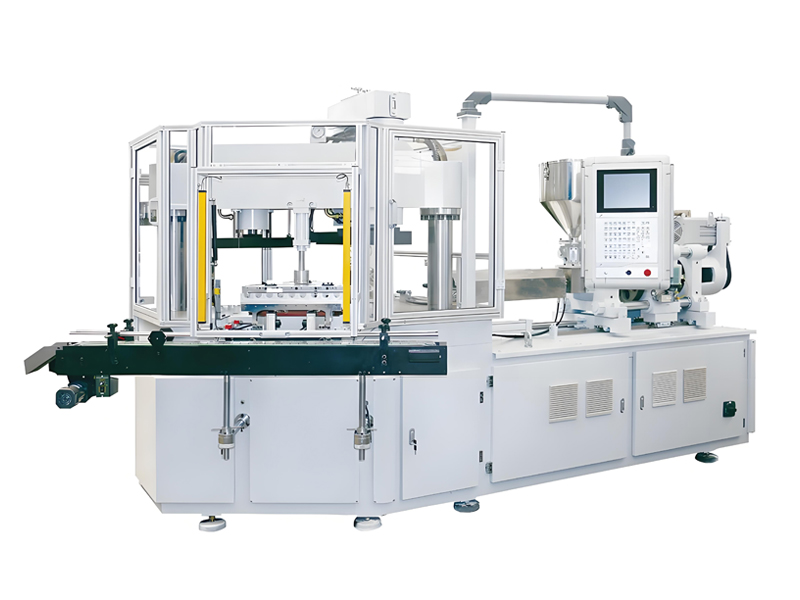
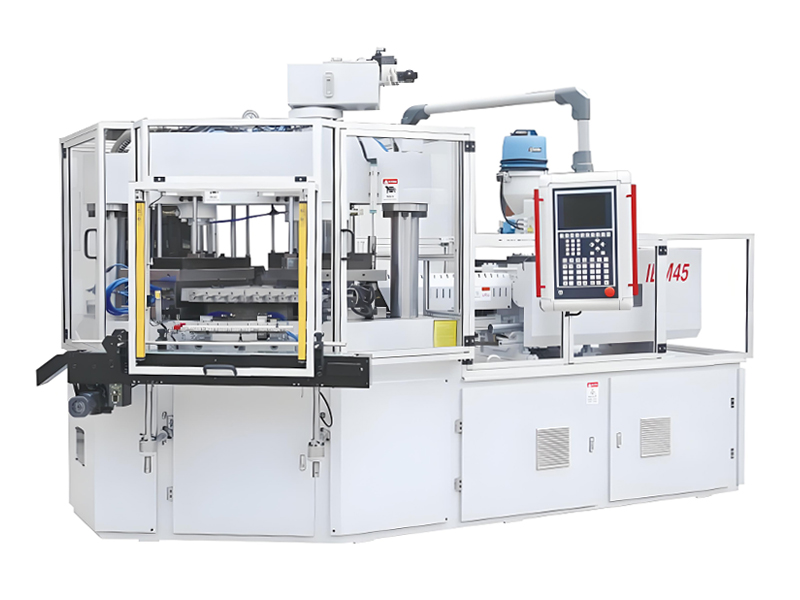
The AiBiM IBM series encompasses a range of machine sizes designed to accommodate various container capacity requirements. The IBM55 Hybrid Electric model provides an optimal balance of precision and efficiency for small to medium containers, while larger models address production requirements for bigger formats.
Hybrid electric drive systems combine the energy efficiency of electric drives with the robustness of hydraulic actuation, delivering 35% energy savings compared to conventional hydraulic machines. This efficiency advantage translates directly to lower production costs and improved environmental sustainability credentials for manufacturers marketing their products as eco-friendly options.
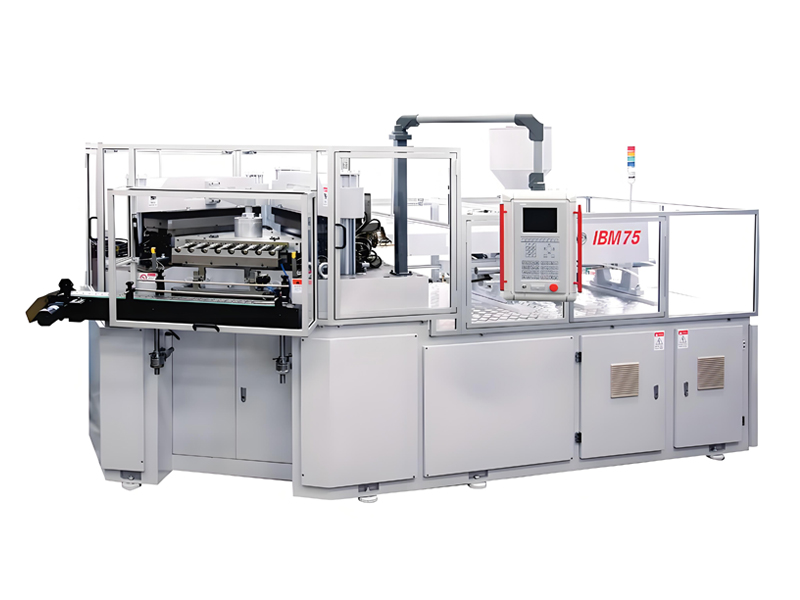
IBM75 for Large Garden Containers
The IBM75 model represents AiBiM’s largest capacity option, specifically engineered for producing large containers up to 1000ml capacity. This machine combines generous platen dimensions with high clamping force capability to accommodate large mold configurations required for substantial containers.
Large containers present unique manufacturing challenges including extended cooling requirements, elevated material consumption, and stringent dimensional tolerance requirements. The IBM75 addresses these challenges through optimized cooling channel layouts, precise temperature control systems, and advanced process monitoring capabilities that ensure consistent quality across large production runs.
Precision Mold Temperature Control
Mold temperature uniformity significantly influences product quality, particularly for durable containers where dimensional accuracy affects fit with closure systems, saucers, and stacking performance. AiBiM machines incorporate advanced mold temperature control systems that maintain precise temperature distribution throughout the mold cavity.
Uniform mold temperature reduces thermal gradients that could cause warpage, sink marks, or internal stress development. The PREFILL technology enables rapid temperature transitions for product changeover while maintaining production stability, reducing setup times and increasing effective production capacity.
Energy Efficiency and Cost Advantages
The 35% energy savings delivered by AiBiM hybrid electric machines directly impact production economics, reducing operating costs and improving competitiveness against lower-efficiency production alternatives. These savings compound across high-volume production runs to generate substantial annual cost reductions.
Energy-efficient production supports sustainability marketing claims that increasingly influence purchasing decisions in European and North American markets. Manufacturers can differentiate their products through environmental credentials, potentially commanding premium pricing while simultaneously reducing operating costs.
CE Certification Quality Assurance
All AiBiM machines carry CE certification, confirming compliance with European Union health, safety, and environmental protection requirements. This certification provides manufacturers with confidence in equipment reliability and safety while facilitating market access throughout Europe and other regions recognizing CE requirements.
Quality assurance extends beyond equipment certification to encompass comprehensive technical support, operator training programs, and spare parts availability. The combination of reliable equipment and responsive support minimizes production disruptions and ensures consistent product quality throughout the equipment service life.
Single Beam Dual Column Construction
The innovative single beam dual column design employed across the AiBiM product line provides superior mold protection and ensures consistent platen parallelism throughout the production cycle. This design reduces mechanical complexity while enhancing precision and reliability compared to traditional toggle or two-platen configurations.
Enhanced platen parallelism ensures uniform mold contact pressure distribution, eliminating flash formation and ensuring proper seal integrity for containers requiring leak-tight performance. Consistent parallelism also extends mold life by preventing localized wear and damage from uneven clamping forces.
Cost Analysis for Weather Resistant Garden Containers
Comprehensive cost analysis supports informed investment decisions and pricing strategy development for weather resistant container production. Understanding cost structures enables manufacturers to optimize profitability while remaining competitive in target markets.
Material Formulation Costs
UV stabilized polypropylene suitable for outdoor applications typically ranges in price depending on stabilization package complexity and volume pricing tiers. Premium premium formulations incorporating advanced stabilizers and impact modifiers command higher prices but provide extended service life that justifies the premium investment.
Color concentrates add to formulation costs depending on pigment selection and concentration requirements. Inorganic pigments with excellent UV stability cost more than organic alternatives but provide superior color retention in outdoor applications. Manufacturers should balance initial formulation costs against potential warranty and reputation costs from premature product failures.
Mold Design and Manufacturing Investment
Injection blow mold costs vary significantly based on cavity count, complexity, and quality requirements. Single-cavity molds for specialized large containers may require substantial investment, while multi-cavity production molds for high-volume standard products range accordingly depending on cavity count and quality specifications.
Tooling material selection influences both initial cost and mold longevity. Hardened steel molds provide the longest service life but require higher initial investment, while aluminum molds offer cost advantages for prototype production or limited-volume applications. Quality mold manufacturing from experienced suppliers ensures consistent product quality and extended tool life that amortizes higher initial costs across larger production volumes.
Mold Investment by Container Size
Small containers up to 100ml capacity typically utilize multi-cavity molds with specific investment requirements. Medium containers from 100ml to 500ml commonly employ intermediate cavity configurations costing accordingly. Large containers exceeding 500ml generally require single or dual cavity molds with investments varying by design complexity and feature requirements.
Equipment Investment Budget
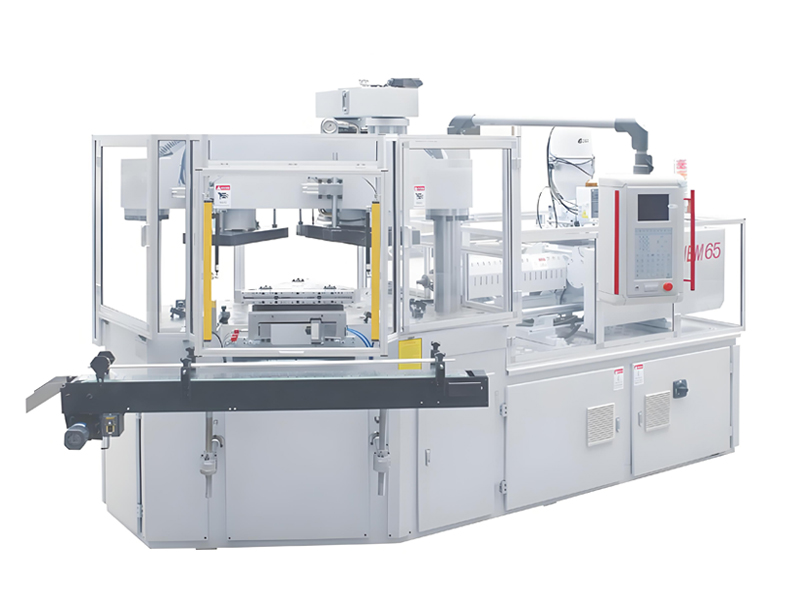
AiBiM injection blow molding machine pricing varies by model specifications and capacity. The IBM55 Hybrid Electric model ranges from $95,000 to $130,000 depending on configuration and optional features. The IBM65 occupies the mid-range position with pricing from $110,000 to $165,000. The IBM75 represents the premium option for large container production, priced from $160,000 to $280,000.
Additional equipment requirements include material handling systems, quality inspection equipment, packaging machinery, and auxiliary equipment such as chillers and air compressors. Total capital investment for a complete production facility typically ranges from $300,000 for a basic single-machine operation to $2 million or more for comprehensive multi-line facilities with automated material handling and quality systems.
Machine Model Price Comparison
The IBM55 Hybrid Electric model provides an optimal entry point for manufacturers new to injection blow molding or seeking to add container production capabilities to existing operations. The IBM65 offers enhanced capacity and capabilities for growing operations, while the IBM75 addresses production requirements for large-format containers where volume efficiency justifies premium equipment investment.
Production Cost Breakdown
Direct production costs for durable containers typically distribute across material costs, labor, energy, and overhead allocation varying by operational efficiency. Premium formulations increase material costs compared to general-purpose alternatives, representing the primary variable cost impact of enhanced performance.
Cycle time significantly influences production economics, with faster cycles enabling more units per machine-hour and better absorption of fixed costs. AiBiM machines optimize cycle efficiency through precise process control and efficient hydraulic systems, while the SD card parameter storage ensures consistent cycle times across operators and shifts.
Volume Production Economics and Pricing Strategy
Economies of scale substantially influence per-unit manufacturing costs for containers. Material purchasing power increases with volume, enabling cost reductions through supplier negotiations and freight optimization. Production efficiency improvements through operator learning and process optimization typically reduce per-unit costs as cumulative production volume increases.
Market pricing for durable containers varies by market segment and geographic region. Premium products targeting European and North American markets command higher price points depending on capacity and features, while budget products serving emerging markets may price lower. Understanding target market requirements and competitive positioning guides pricing strategy development.
Return on Investment Analysis
Investment payback periods for injection blow molding equipment typically range from 18 to 36 months depending on utilization levels, margin realization, and market conditions. Conservative projections assuming moderate equipment utilization and market-average margins provide reasonable confidence intervals for investment decision-making.
Sensitivity analysis should evaluate impacts of key assumptions including pricing pressure from competitors, material cost volatility, and demand fluctuations across economic cycles. Flexible manufacturing capabilities that enable product mix adjustment provide risk mitigation against market uncertainty while maintaining capacity utilization above minimum thresholds required for profitability.
Global Garden Container Market Analysis
Understanding global market dynamics helps manufacturers identify growth opportunities and adapt products to regional requirements. The garden products market exhibits distinct characteristics across major geographic regions, creating opportunities for specialized positioning.
North American Market Demands
The North American garden products market benefits from strong consumer spending on home improvement and outdoor living enhancement. Suburban homeowners invest substantially in landscaping and garden improvement projects, creating sustained demand for decorative containers and functional garden products.
Climate diversity across North America creates varied requirements, from freeze-thaw resistance in northern regions to heat tolerance in southern climates. Container designs must accommodate regional temperature extremes while maintaining competitive pricing in a market characterized by major retail channel dominance and intense private-label competition.
European Market Preferences
European consumers demonstrate strong environmental awareness that influences purchasing decisions toward sustainable and recyclable products. Weather resistant containers made from recyclable materials with responsible manufacturing credentials appeal to this environmentally conscious consumer base.
Regulatory requirements including REACH compliance for chemical substances and packaging regulations shape product formulation and marketing claims. The CE certification of AiBiM equipment supports manufacturers seeking to serve European markets with compliant products. Urban gardening trends in densely populated European cities drive demand for space-efficient container designs suitable for balconies and small outdoor areas.
Asia Pacific Market Opportunities
The Asia Pacific region represents the fastest-growing garden products market, driven by urbanization, rising disposable incomes, and increasing interest in home gardening activities. City dwellers embracing balcony and rooftop gardens create demand for compact, durable containers designed for urban environments.
Manufacturing cost advantages enable competitive pricing in this price-sensitive market while maintaining quality standards that satisfy increasingly sophisticated consumers. The 40+ country export experience of AiBiM Plastics Machinery provides valuable market knowledge and logistics capabilities that facilitate entry into Asia Pacific markets.
Regional Weather Resistance Standards
Different regions establish varying standards and testing requirements for outdoor plastic products. European standards emphasize UV exposure testing and chemical resistance, while North American requirements focus on freeze-thaw performance and impact resistance. Manufacturers serving multiple markets must either develop regionally optimized formulations or select broadly compatible materials that satisfy the most stringent requirements.
Certification requirements vary by market and application, with agricultural containers potentially subject to additional regulatory oversight compared to decorative products. Understanding regional requirements early in product development enables efficient compliance achievement and avoids costly redesigns or reformulation efforts.
Case Studies of Weather Resistant Garden Container Success
Real-world examples illustrate successful approaches to manufacturing durable containers, providing practical insights that inform product development and manufacturing strategy decisions.
Large Planter Box Production Case Study
A commercial landscaping supplier in the northeastern United States developed a comprehensive line of large decorative planters for shopping mall atriums and corporate campus installations. Initial products manufactured using conventional extrusion blow molding experienced premature cracking and color fading within two years of outdoor exposure, generating warranty claims and customer dissatisfaction.
Investment in an AiBiM IBM75 injection blow molding system enabled production of improved planters incorporating UV stabilized polypropylene, optimized wall thickness distribution, and reinforced rib structures. The precision temperature control and consistent wall thickness eliminated the stress concentration points that initiated crack propagation in previous designs. Customer feedback indicated satisfactory appearance retention after multiple years of outdoor exposure, with projected service life exceeding ten years under normal use conditions.
Watering Can Manufacturing Success Story
A garden equipment manufacturer in Germany sought to expand from metal watering cans into plastic alternatives that would offer improved corrosion resistance and reduced weight. Initial plastic prototypes failed prematurely due to UV embrittlement and chemical stress cracking from fertilizer contact.
Material reformulation using ASA compound with enhanced UV stabilization package resolved the weathering issues, while redesign incorporating thicker wall sections and rounded corners improved impact resistance. Production on an AiBiM IBM65 machine enabled efficient high-volume output with consistent quality that satisfied German quality expectations. The resulting product line achieved market success across European garden centers, with sales volumes supporting premium pricing that reflected enhanced durability and aesthetic retention.
Pesticide Storage Container Implementation
An agricultural chemical distributor in Brazil required specialized storage containers for concentrated pesticide formulations distributed to farming cooperatives. Previous suppliers utilized inadequate plastic formulations that degraded rapidly when contacting aggressive chemical products, creating safety concerns and environmental contamination risks.
Development of specialized containers using chemical-resistant polypropylene with barrier additives provided the necessary chemical resistance while maintaining reasonable cost structures. The blow molding process enabled integral handle and closure integration that simplified handling procedures and reduced operator exposure risks. AiBiM SD card parameter storage ensured consistent production quality across batches, while precise process control eliminated the defective units that had generated complaints with previous manufacturing approaches.
Selection Guide for Garden Container Production Equipment
Equipment selection requires careful evaluation of multiple factors including capacity requirements, product specifications, budget constraints, and growth expectations. This guide provides a systematic framework for evaluating options and making informed purchasing decisions.
Container Size and Machine Matching
Machine selection should begin with analysis of target product specifications, particularly maximum container dimensions and expected production volumes. The IBM55 Hybrid Electric accommodates containers up to medium capacity with efficient multi-cavity production for high-volume standard products. The IBM65 provides enhanced capability for larger containers or lower-volume specialty products requiring longer cycle times.
Platen dimensions and daylight opening determine maximum mold size that can be accommodated, while clamping force capacity limits cavity depth and wall thickness capabilities. Careful specification review ensures adequate margins for product development variations while avoiding over-specification that wastes capital on unused capability.
Material Selection Recommendations
Target product applications guide material selection, with outdoor containers generally requiring UV stabilized formulations regardless of base polymer choice. UV stabilized polypropylene provides an optimal balance of performance and cost for most applications, while premium products may justify ASA or specialized outdoor-grade materials.
Color concentrate compatibility with base resins should be verified through testing, particularly for aggressive pigment systems that might accelerate polymer degradation. Material suppliers can provide formulation recommendations and compatibility guidance based on intended applications and performance requirements.
Capacity Planning Considerations
Production capacity requirements should account for both current demand and anticipated growth, with equipment selection providing adequate margin for volume increases without excessive idle capacity during initial market development phases. Multi-machine facilities provide flexibility to match capacity to demand variations while maintaining production continuity when individual machines require maintenance.
Growth projections should consider market development timelines, competitive dynamics, and potential product line expansions that might require additional capacity. Equipment investment timing should balance early capacity availability against technology evolution that might make current equipment obsolete before full investment recovery.
Budget and ROI Assessment Framework
Comprehensive ROI analysis should incorporate not only equipment and tooling costs but also facility preparation, working capital requirements, training investments, and ongoing operational costs including maintenance, energy consumption, and consumable materials. Multi-year projections should account for inflation, potential pricing changes, and market evolution.
Sensitivity analysis for key assumptions including sales volumes, pricing levels, and material costs provides risk assessment for various scenarios. Conservative projections establishing minimum acceptable utilization levels for profitability help guide go/no-go investment decisions while identifying threshold conditions requiring intervention.
Conclusion and Call to Action
Durable containers represent a substantial and growing market opportunity for manufacturers equipped with appropriate production capabilities. The combination of advanced blow molding technology, optimized material formulations, and thoughtful product design enables production of containers that satisfy demanding performance requirements while remaining cost-competitive in global markets.
AiBiM Plastics Machinery offers the equipment, expertise, and support services required to establish or expand container production capabilities. The IBM series lineup provides scalable options addressing requirements from entry-level production through high-volume manufacturing operations, while CE certification, energy-efficient design, and comprehensive support services ensure long-term operational success.
Manufacturers considering container production investments should request detailed equipment specifications, conduct facility assessments, and develop comprehensive business cases that account for all relevant cost factors and market dynamics. AiBiM’s 12 years of industry experience and established presence across 40+ countries provide valuable knowledge resources for informing investment decisions and operational planning.
The convergence of market growth drivers including urbanization, outdoor living trends, and sustainability awareness creates favorable conditions for durable container investments. Acting decisively to establish production capabilities positions manufacturers to capture market share before competitive intensity increases. Contact AiBiM today to discuss your container production requirements and explore how their injection blow molding machine expertise can support your business growth objectives.