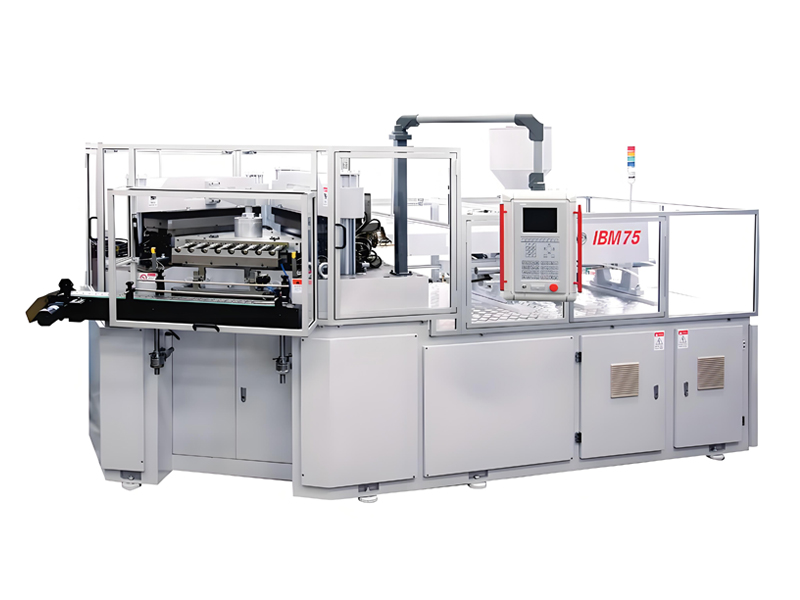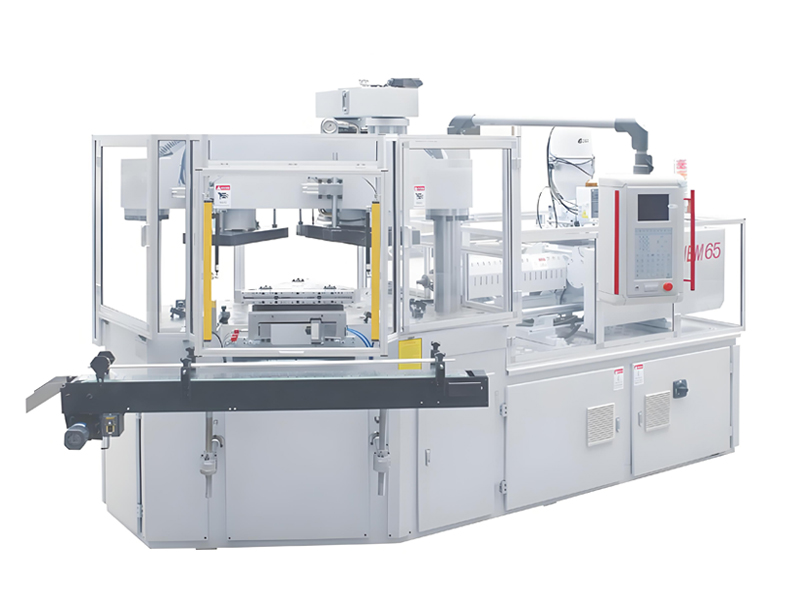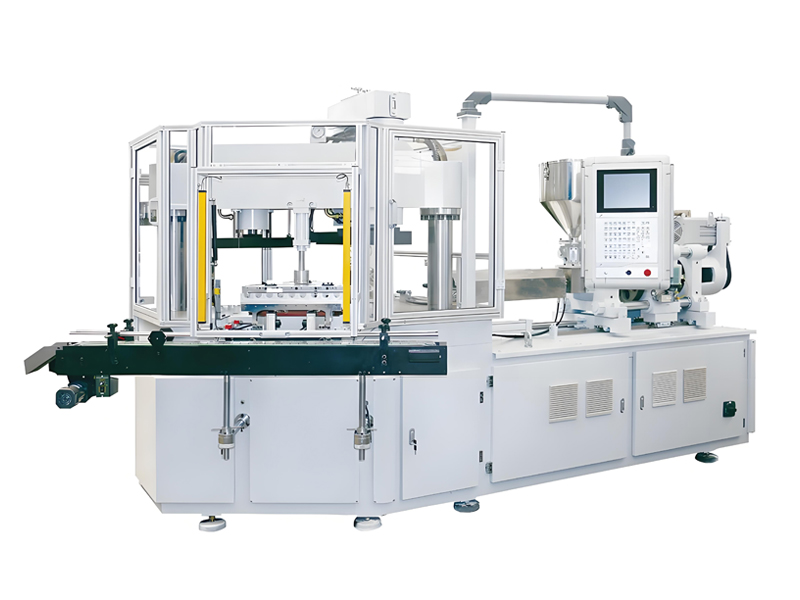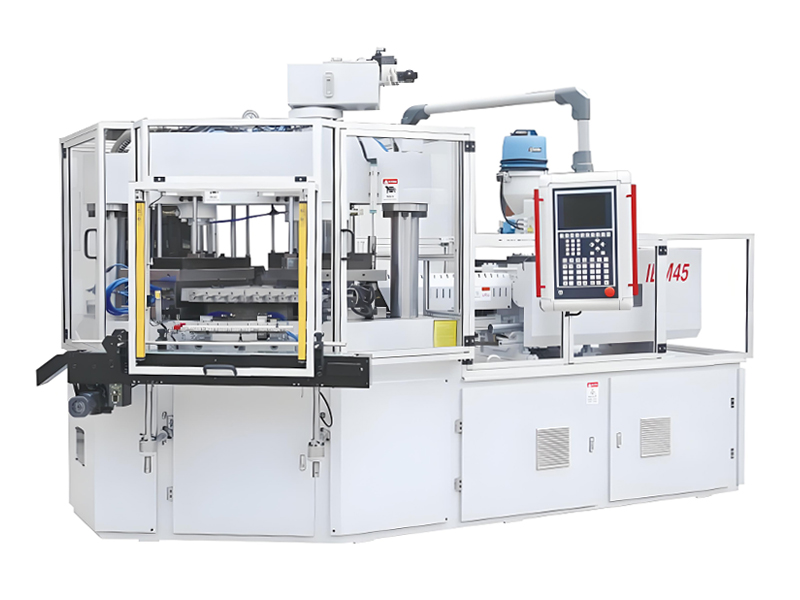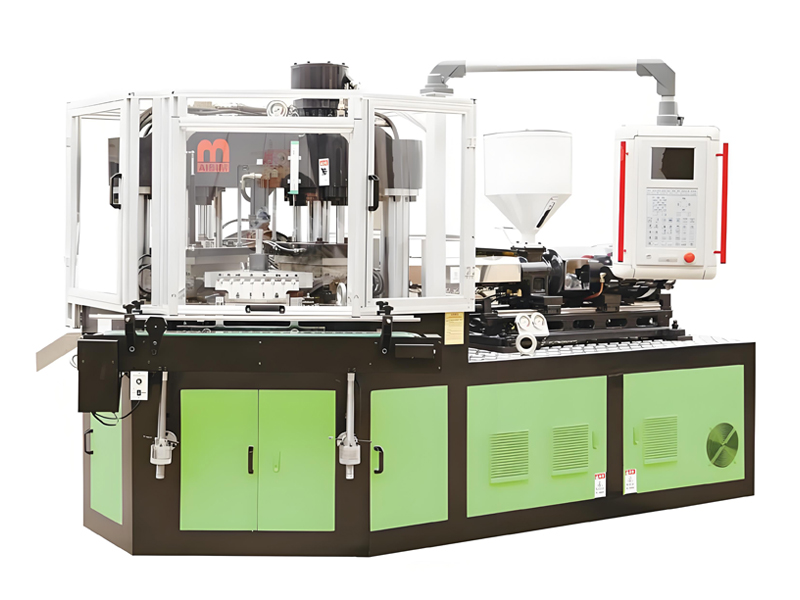
Material compatibility represents one of the most critical factors in injection blow molding operations, determining production efficiency, product quality, and operational costs. Injection blow molding machines from AiBiM demonstrate exceptional versatility in processing various plastic materials including HDPE, PP, PET, and PS, each requiring distinct processing parameters, mold designs, and operational considerations. With over 12 years of manufacturing experience and more than 100 machines exported annually to over 40 countries, AiBiM has developed comprehensive material processing expertise that enables manufacturers to optimize production across diverse plastic materials. Understanding material-specific requirements, processing characteristics, and compatibility considerations is essential for maximizing machine performance, minimizing production issues, and achieving consistent product quality across different plastic resin types.
Understanding Material Properties in Injection Blow Molding
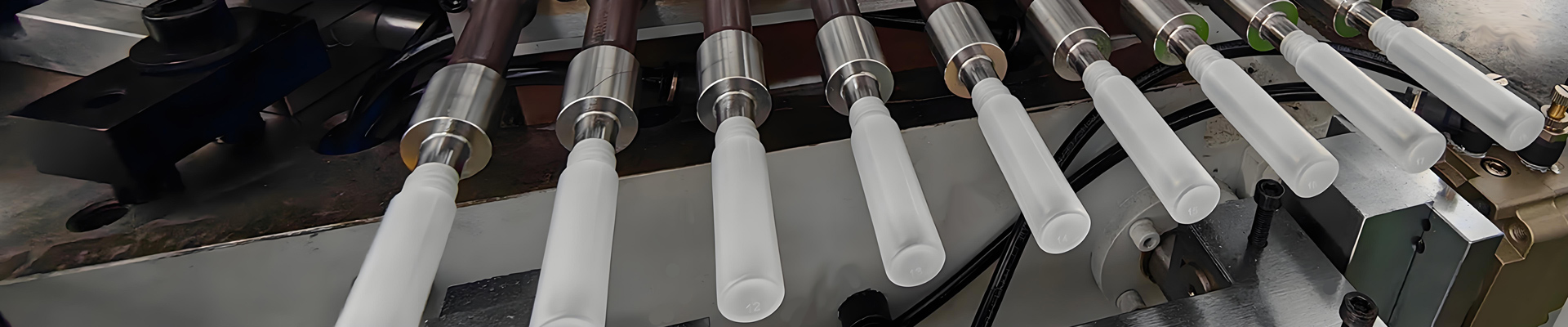
Injection blow molding combines injection molding and blow molding processes in a single integrated operation, requiring careful material selection and process optimization. The process involves injecting molten plastic into a preform mold, then transferring the preform to a blow mold where it is expanded into the final shape. Each plastic material exhibits unique rheological properties, thermal characteristics, and processing requirements that significantly impact machine operation and product quality. High-density polyethylene (HDPE), polypropylene (PP), polyethylene terephthalate (PET), and polystyrene (PS) represent the most commonly processed materials in injection blow molding applications, each offering distinct advantages and processing challenges. AiBiM injection blow molding machines, including IBM75, IBM65, and IBM55 hybrid electric models, are engineered to accommodate these diverse materials with appropriate temperature control systems, screw designs, and processing capabilities.
Material selection considerations extend beyond basic compatibility to include factors such as product requirements, environmental conditions, regulatory compliance, and cost-effectiveness. Pharmaceutical applications demand materials with excellent clarity, chemical resistance, and regulatory approval status. Food and beverage containers require materials that meet FDA standards and provide appropriate barrier properties. Cosmetic packaging often requires materials with excellent aesthetic qualities and color consistency. Understanding the specific requirements of each application enables manufacturers to select optimal materials and configure injection blow molding machines appropriately. AiBiM provides comprehensive material guidance and technical support to help customers navigate material selection and processing optimization challenges.
HDPE Processing Characteristics
High-density polyethylene represents one of the most commonly processed materials in injection blow molding applications, offering excellent chemical resistance, impact strength, and processability. HDPE exhibits favorable processing characteristics including relatively low melting temperatures, good melt flow properties, and excellent dimensional stability during blow molding. The material’s semi-crystalline structure provides good barrier properties while maintaining reasonable clarity in thin-wall applications. AiBiM injection blow molding machines process HDPE efficiently across a wide range of grades and molecular weights, enabling production of containers from 3ml to 1000ml capacity. The material’s low density and high strength-to-weight ratio make it particularly suitable for applications requiring chemical resistance and durability, including household chemicals, pharmaceutical products, and industrial containers.
Processing HDPE on injection blow molding machines requires careful temperature control and appropriate screw design. Barrel temperatures typically range from 180-240°C depending on grade and molecular weight, with mold temperatures maintained between 10-40°C to optimize crystallization and cycle times. The material’s relatively narrow processing window demands precise temperature control, particularly in the injection and blow molding stations. AiBiM machines feature advanced temperature control systems with multiple heating zones and cooling capabilities that enable precise temperature management throughout the HDPE processing cycle. The company’s unique prefill technology and variable displacement pump systems ensure consistent melt quality and optimal filling dynamics, essential for producing high-quality HDPE containers with uniform wall thickness distribution.
HDPE shrinkage characteristics must be carefully considered in mold design and processing parameter selection. The material exhibits moderate shrinkage (1.5-3%) that varies with wall thickness, mold temperature, and cooling rate. Proper mold design incorporating appropriate draft angles, gate configurations, and cooling systems is essential for achieving consistent dimensional accuracy in HDPE injection blow molded products. AiBiM’s single-crossbeam, double-pole clamping framework provides increased mold space and easier installation, enabling precise mold alignment and efficient cooling system implementation. The extended mold space facilitates the integration of conformal cooling channels that improve cooling efficiency and reduce cycle times, particularly important for HDPE’s crystallization requirements.
Material drying requirements for HDPE are minimal due to its low moisture absorption characteristics, typically requiring only 2-4 hours drying at 60-80°C for most applications. However, recycled HDPE or materials exposed to humid storage conditions may require extended drying times to prevent surface defects such as splay or bubbles. AiBiM injection blow molding machines can be equipped with hopper dryers and material handling systems that ensure consistent material quality and processing performance. The company’s energy-saving hydraulic systems, demonstrated to reduce energy consumption by at least 35%, make HDPE processing particularly economical for high-volume production runs.
PP Processing Requirements
Polypropylene represents another widely processed material in injection blow molding applications, offering excellent clarity, chemical resistance, and temperature resistance characteristics. PP exhibits higher melting temperatures compared to HDPE (220-260°C) and demonstrates different crystallization behavior that impacts processing parameters and mold design. The material’s excellent optical properties, including clarity and gloss, make it particularly suitable for applications requiring premium appearance such as cosmetic packaging and premium food containers. AiBiM injection blow molding machines process PP effectively across a range of grades, including homopolymer, random copolymer, and impact copolymer types, each offering distinct property profiles and processing characteristics.
Processing PP on injection blow molding machines requires attention to several critical factors including melt temperature control, crystallization management, and shrinkage compensation. Barrel temperatures typically range from 220-260°C, with careful attention to maintaining uniform melt temperature to prevent degradation. PP’s higher crystallinity compared to HDPE requires careful cooling control to manage shrinkage and warpage. Mold temperatures between 20-60°C help control crystallization rate and cycle time balance. AiBiM’s advanced control systems enable precise temperature management across multiple heating and cooling zones, ensuring consistent PP processing performance. The company’s hybrid electric IBM55 model offers particular advantages for PP processing through precise servo control and reduced thermal fluctuations.
PP shrinkage characteristics present significant processing challenges due to the material’s higher crystallinity and greater shrinkage rates (1.5-2.5%). The anisotropic shrinkage behavior requires careful mold design consideration, particularly for products requiring precise dimensional control. AiBiM’s experience in PP processing enables optimization of mold design parameters including gate locations, venting, and cooling system design to minimize shrinkage-related defects. The company’s engineering team provides comprehensive mold design support based on extensive experience processing PP across diverse applications. The single-crossbeam clamping design provides the mold space flexibility needed for implementing optimal cooling systems that manage PP’s crystallization requirements effectively.
Material drying requirements for PP are similar to HDPE, typically requiring 2-4 hours drying at 80-100°C for optimal processing. However, PP is more sensitive to degradation than HDPE, requiring careful residence time control and temperature management to prevent molecular weight reduction and property loss. AiBiM machines feature screw designs optimized for PP processing that provide appropriate shear characteristics and minimize residence time while maintaining melt homogeneity. The company’s advanced control systems enable monitoring and adjustment of processing parameters to prevent degradation and maintain consistent material properties throughout production runs. For applications requiring recycled PP or post-consumer content, AiBiM provides guidance on material selection, processing parameter adjustment, and quality control procedures to ensure acceptable product quality.
PET Processing Considerations
Polyethylene terephthalate represents a high-performance material widely used in injection blow molding applications requiring excellent clarity, barrier properties, and temperature resistance. PET exhibits significantly different processing characteristics compared to HDPE and PP, including higher processing temperatures (280-310°C), greater moisture sensitivity, and different crystallization behavior. The material’s excellent optical clarity, gas barrier properties, and chemical resistance make it ideal for applications such as beverage bottles, pharmaceutical containers, and high-end packaging. AiBiM injection blow molding machines, particularly the IBM75 model with enhanced temperature capabilities, are engineered to process PET effectively while addressing the material’s unique processing challenges.
PET processing requires strict moisture control due to the material’s significant moisture absorption characteristics (0.4-0.5% at equilibrium) and susceptibility to hydrolytic degradation at processing temperatures. Proper drying represents the most critical processing requirement, typically requiring 4-6 hours drying at 120-150°C to achieve moisture content below 0.005%. Inadequate drying results in molecular weight degradation, reduced mechanical properties, and surface defects such as splay or bubbles. AiBiM provides comprehensive material drying system recommendations and can equip injection blow molding machines with integrated hopper dryers featuring moisture monitoring capabilities that ensure consistent PET processing performance. The company’s experience with PET processing across global markets enables proper selection of drying equipment and operating parameters for various environmental conditions.
Temperature control requirements for PET processing are more stringent than for HDPE and PP due to the material’s higher melting point and greater sensitivity to temperature variations. Barrel temperatures must be maintained within a narrow range (280-310°C) to achieve optimal melt properties while preventing thermal degradation. The higher processing temperatures demand robust heating system design and precise temperature control capabilities. AiBiM injection blow molding machines feature advanced temperature control systems with multiple independently controlled heating zones that enable precise temperature management throughout the PET processing cycle. The company’s energy-efficient hydraulic systems and servo-driven options (IBM55 hybrid electric model) provide the thermal stability and precise control required for consistent PET processing.
PET crystallization characteristics present unique processing considerations compared to polyolefins. PET exhibits significantly slower crystallization rates, requiring careful management of cooling parameters to achieve desired properties. For amorphous PET applications requiring maximum clarity, rapid cooling prevents crystallization and maintains transparency. For semi-crystalline applications requiring improved temperature resistance, controlled cooling enables appropriate crystallization. AiBiM provides extensive experience managing PET crystallization through mold design optimization, cooling system design, and processing parameter selection. The company’s mold design expertise includes conformal cooling channel implementation that enables precise cooling control critical for PET processing. The IBM75 model, with its larger mold space and enhanced cooling capabilities, is particularly suitable for PET applications requiring precise cooling management.
Material handling considerations for PET include protection from moisture re-absorption after drying, contamination prevention, and consistent material feeding. Once properly dried, PET quickly re-absorbs moisture from ambient air, requiring careful material handling systems that maintain dry conditions. AiBiM provides recommendations for closed-loop material handling systems, heated hoppers, and appropriate conveyor systems that prevent moisture re-absorption and contamination. The company’s material handling expertise extends to recycled PET processing, with guidance on material selection, drying procedures, and processing parameter adjustment for rPET applications. The combination of proper material handling and precise processing control enables consistent PET production on AiBiM injection blow molding machines across diverse applications and market requirements.
PS Processing Parameters
Polystyrene represents a material commonly processed in injection blow molding applications requiring excellent clarity, rigidity, and dimensional stability. PS exhibits processing characteristics distinct from other common injection blow molding materials, including lower processing temperatures (180-230°C), excellent flow characteristics, and different shrinkage behavior. The material’s excellent optical clarity, ease of coloring, and low cost make it suitable for various packaging applications including cosmetic containers, household product packaging, and disposable packaging. AiBiM injection blow molding machines process PS efficiently across various grades, including general-purpose PS, high-impact PS, and specialty formulations, each offering different processing requirements and product characteristics.
Processing PS on injection blow molding machines requires attention to several critical factors including melt temperature control, flow management, and shrinkage compensation. Barrel temperatures typically range from 180-230°C depending on grade and molecular weight, with careful attention to maintaining uniform melt temperature to prevent degradation and flow variations. PS’s low melt viscosity enables excellent filling characteristics but requires careful injection speed control to prevent jetting or flow lines. Mold temperatures between 10-60°C help control cooling rates and cycle time balance while managing PS shrinkage characteristics. AiBiM’s advanced control systems enable precise temperature and injection speed management, ensuring consistent PS processing performance. The company’s injection control systems, particularly the servo-driven IBM55 model, provide the precise control needed for optimal PS filling characteristics.
PS shrinkage characteristics (0.4-0.7%) are generally lower than polyolefins, making dimensional control more achievable. However, PS exhibits anisotropic shrinkage that must be considered in mold design and process parameter selection. The material’s relatively low shrinkage enables tighter dimensional tolerances compared to HDPE or PP, making it suitable for applications requiring precise fit and finish. AiBiM’s experience in PS processing enables optimization of mold design parameters including gate design, venting, and cooling system design to achieve dimensional accuracy and surface quality requirements. The company’s mold design expertise incorporates PS-specific considerations such as gate location optimization to minimize flow orientation effects and appropriate draft angles for easy part ejection.
Material drying requirements for PS are minimal due to the material’s low moisture absorption characteristics, typically requiring only 2-3 hours drying at 70-80°C for optimal processing. However, PS is sensitive to thermal degradation, requiring careful residence time control and temperature management to prevent molecular weight reduction and property loss. The material’s low melt viscosity reduces shear heating, but excessive shear can still cause degradation in screw and manifold areas. AiBiM machines feature screw designs optimized for PS processing that provide appropriate shear characteristics and minimize residence time while maintaining melt homogeneity. The company’s energy-efficient systems and precise control capabilities enable consistent PS processing with minimal degradation, even for high-clarity applications requiring stringent quality requirements.
Multi-Material Processing Capabilities
Modern injection blow molding applications increasingly require processing of multiple materials or material combinations to achieve specific product requirements. Multi-material processing may involve multi-layer preforms, color changes during production, or sequential production of different materials on the same machine. AiBiM injection blow molding machines demonstrate exceptional flexibility in multi-material processing, supported by advanced control systems, material handling capabilities, and changeover procedures. The company’s experience across diverse global markets and applications enables provision of comprehensive guidance for multi-material processing optimization.
Multi-layer preform production enables creation of containers with enhanced properties through combination of different materials in wall structure. Common applications include barrier layers for chemical resistance, inner layers for product compatibility, and outer layers for aesthetic qualities. AiBiM injection blow molding machines can be configured for multi-layer processing through appropriate mold design, material feeding systems, and control system capabilities. The company’s engineering team provides comprehensive support for multi-layer processing applications including material selection recommendations, processing parameter development, and quality control procedures. The IBM75 model, with its enhanced capabilities and larger production capacity, is particularly suitable for multi-layer applications requiring complex processing requirements.
Rapid material changeover capabilities enable efficient production of different materials on the same machine, supporting diverse product portfolios and flexible manufacturing strategies. Effective material changeover requires thorough purging procedures, temperature adjustment protocols, and appropriate material handling to prevent cross-contamination. AiBiM provides detailed changeover procedures customized for different material combinations and processing conditions. The company’s control systems enable storage and recall of processing parameters for different materials, facilitating quick changeovers and consistent production. The specified controller and software allow parameter storage on SD cards for easy transfer between machines, supporting standardized procedures across production facilities.
Material-Specific Mold Design Considerations
Mold design represents one of the most critical factors for successful injection blow molding across different materials. Each material requires specific mold design considerations addressing gate design, cooling system configuration, venting, and dimensional compensation. AiBiM’s extensive mold design experience across diverse materials and applications enables provision of comprehensive mold design recommendations optimized for specific material requirements. The company’s engineering team collaborates closely with customers to develop molds that maximize product quality and production efficiency for each material type.
Gate design must be optimized for each material’s flow characteristics and product requirements. HDPE’s favorable flow characteristics enable simpler gate designs compared to materials with higher melt viscosity or greater sensitivity to shear. PP’s higher melt viscosity and crystallinity require careful gate design to achieve appropriate filling and minimize flow-related defects. PET’s processing demands require gates that minimize shear heating while maintaining appropriate filling dynamics. PS’s low melt viscosity requires gate designs that control filling speed and prevent jetting or flow lines. AiBiM provides comprehensive gate design recommendations for each material based on extensive experience processing diverse applications across global markets. The company’s mold design expertise includes gate location optimization, size determination, and detailed geometry specification for each material type.
Cooling system design must be optimized for each material’s thermal properties and crystallization characteristics. HDPE’s moderate crystallinity requires balanced cooling that manages shrinkage while maintaining cycle time efficiency. PP’s higher crystallinity demands more aggressive cooling to manage crystallization and prevent excessive shrinkage. PET’s significantly different thermal behavior requires cooling systems that can rapidly extract heat for amorphous applications or provide controlled cooling for crystalline applications. PS’s different cooling requirements enable faster cooling but require careful control to prevent warpage or stress-related defects. AiBiM’s mold design expertise includes advanced cooling system design including conformal cooling channels, optimized water channel layout, and temperature control capabilities tailored to each material’s requirements. The company’s single-crossbeam clamping framework provides the mold space flexibility needed for implementing optimal cooling systems across different materials.
Quality Control and Material Testing
Comprehensive quality control procedures are essential for maintaining consistent product quality across different materials processed on injection blow molding machines. Each material presents unique quality challenges requiring specific testing protocols and acceptance criteria. AiBiM provides comprehensive quality control guidance including testing procedures, equipment recommendations, and acceptance criteria tailored to each material type. The company’s experience processing diverse materials across global markets enables development of effective quality control systems that ensure product consistency and regulatory compliance.
Dimensional control requirements vary significantly across materials due to different shrinkage characteristics. HDPE’s moderate shrinkage requires regular dimensional monitoring and appropriate process control to maintain dimensional specifications. PP’s greater shrinkage demands more frequent dimensional checks and potentially tighter process control windows. PET’s anisotropic shrinkage behavior requires specific measurement protocols and appropriate compensation in mold design. PS’s lower shrinkage enables tighter dimensional tolerances but requires monitoring for stress-related dimensional changes. AiBiM provides comprehensive dimensional control recommendations including measurement protocols, frequency recommendations, and process adjustment procedures for each material type. The company’s advanced control systems enable consistent dimensional control through precise processing parameter management and automatic adjustment capabilities.
Material property testing ensures that processed materials maintain required characteristics through the injection blow molding process. Testing may include melt flow index, tensile strength, impact resistance, and other material-specific properties depending on application requirements. HDPE testing typically includes environmental stress crack resistance and chemical resistance verification for applications such as chemical containers. PP testing may include temperature resistance and chemical resistance evaluation for food or chemical applications. PET testing frequently includes barrier property measurement and clarity evaluation for beverage or pharmaceutical applications. PS testing may include clarity assessment and dimensional stability evaluation for cosmetic or packaging applications. AiBiM provides guidance on appropriate testing protocols and equipment for each material type, supported by the company’s extensive materials testing capabilities.
Regulatory Compliance and Material Certification
Regulatory compliance represents a critical consideration for injection blow molding applications, particularly in pharmaceutical, food, and medical markets. Different materials have different regulatory approval statuses and certification requirements across global markets. AiBiM provides comprehensive regulatory compliance guidance based on extensive experience exporting machines to over 40 countries with diverse regulatory requirements. The company’s CE certification and extensive international experience enable navigation of complex regulatory landscapes across global markets.
Pharmaceutical applications require materials meeting strict regulatory requirements including USP, EP, and other pharmacopoeia standards. HDPE, PP, and PET all have various grades approved for pharmaceutical applications, but appropriate grade selection and documentation is essential. AiBiM provides guidance on material selection for pharmaceutical applications including regulatory approval status, documentation requirements, and quality control procedures. The company’s experience supplying machines to pharmaceutical manufacturers across global markets enables comprehensive support for pharmaceutical material processing requirements.
Food and beverage applications require materials meeting FDA regulations in the United States and similar food contact regulations in other markets. HDPE, PP, and PET all have well-established food contact approval statuses, but appropriate grade selection and processing controls are necessary to maintain compliance. PS has more limited food contact approvals and requires careful selection of appropriate grades. AiBiM provides comprehensive guidance on food contact material selection, processing requirements, and quality control procedures to maintain regulatory compliance. The company’s machines are designed to meet hygienic design requirements for food and beverage production, supporting regulatory compliance across global markets.
Cost Optimization and Material Efficiency
Material costs represent a significant component of injection blow molding production costs, making material efficiency optimization critical for competitive manufacturing. Different materials present different cost structures and optimization opportunities. AiBiM provides comprehensive material efficiency guidance based on extensive experience optimizing production across diverse materials and applications. The company’s energy-efficient systems and advanced control capabilities enable material cost reduction while maintaining product quality.
Material consumption optimization focuses on minimizing scrap, reducing part weight while maintaining performance, and improving material yield. HDPE’s favorable processing characteristics enable thin-wall designs that reduce material consumption while maintaining required performance. PP’s higher density compared to HDPE makes weight optimization particularly important for cost control. PET’s higher material cost makes efficiency particularly critical for economic production. PS’s relatively low cost makes efficiency improvements secondary to quality optimization. AiBiM provides comprehensive material consumption optimization guidance including wall thickness optimization, weight reduction strategies, and scrap minimization procedures. The company’s advanced control systems enable precise material management and consistent production that minimizes waste.
Energy consumption varies significantly across materials due to different processing temperature requirements. HDPE’s lower processing temperatures and favorable flow characteristics enable relatively low energy consumption. PP’s higher processing temperatures and higher density require more energy input. PET’s significantly higher processing temperatures and moisture drying requirements represent the highest energy consumption among common injection blow molding materials. PS’s lower processing temperatures and ease of processing enable relatively low energy consumption. AiBiM’s energy-saving systems, demonstrated to reduce energy consumption by at least 35%, provide particular benefit for higher energy consumption materials such as PET. The company’s hybrid electric IBM55 model offers additional energy savings potential through precise servo control and regenerative braking capabilities.
Conclusion: Optimizing Material Compatibility
Material compatibility optimization represents a comprehensive process requiring understanding of material properties, processing requirements, and application specifications. HDPE, PP, PET, and PS each offer unique advantages and processing challenges that must be carefully managed for successful injection blow molding production. AiBiM injection blow molding machines provide the capabilities, flexibility, and technical support needed to optimize production across diverse materials efficiently. The company’s 12 years of manufacturing experience, 100+ machines produced annually, and global export to 40+ countries provide extensive material processing expertise across diverse applications and market requirements.
Successful material compatibility optimization requires integrated consideration of material selection, machine configuration, mold design, processing parameters, and quality control procedures. AiBiM provides comprehensive support across all aspects of material processing optimization, from initial material selection through production optimization and ongoing technical support. The company’s advanced control systems, energy-efficient operation, and flexible design enable efficient processing of diverse materials while maintaining product quality and production efficiency. The combination of advanced equipment technology, extensive processing experience, and comprehensive technical support makes AiBiM injection blow molding machines an ideal choice for manufacturers requiring versatile material processing capabilities.
For manufacturers seeking to optimize injection blow molding production across HDPE, PP, PET, PS, or other plastic materials, AiBiM provides the equipment, expertise, and support needed to achieve production excellence. The company’s commitment to quality, innovation, and customer success ensures that injection blow molding operations achieve maximum efficiency, product quality, and profitability regardless of material requirements. Contact AiBiM to discuss your specific material compatibility challenges and discover how their injection blow molding machines can optimize your production across diverse plastic materials.