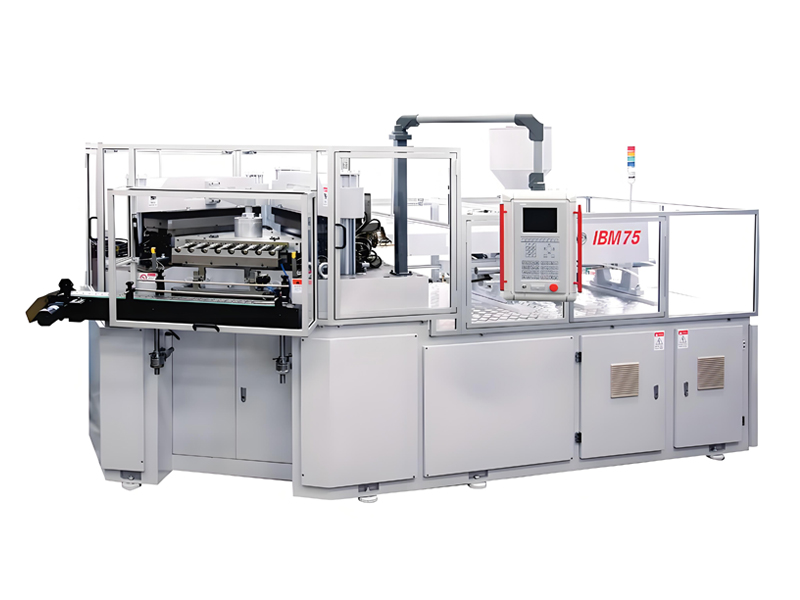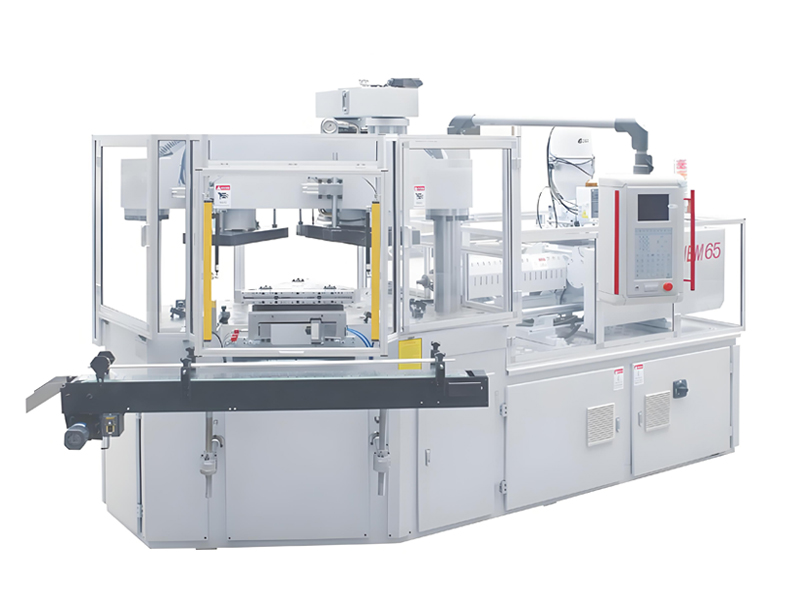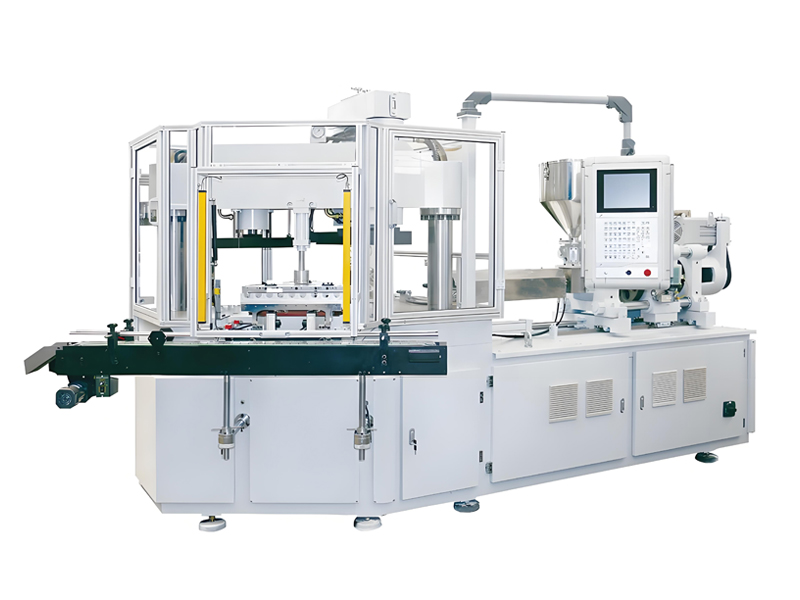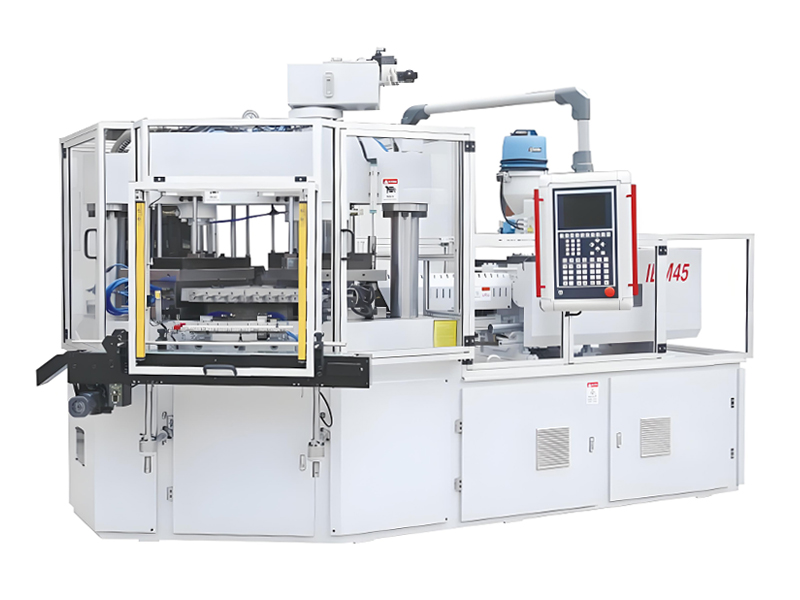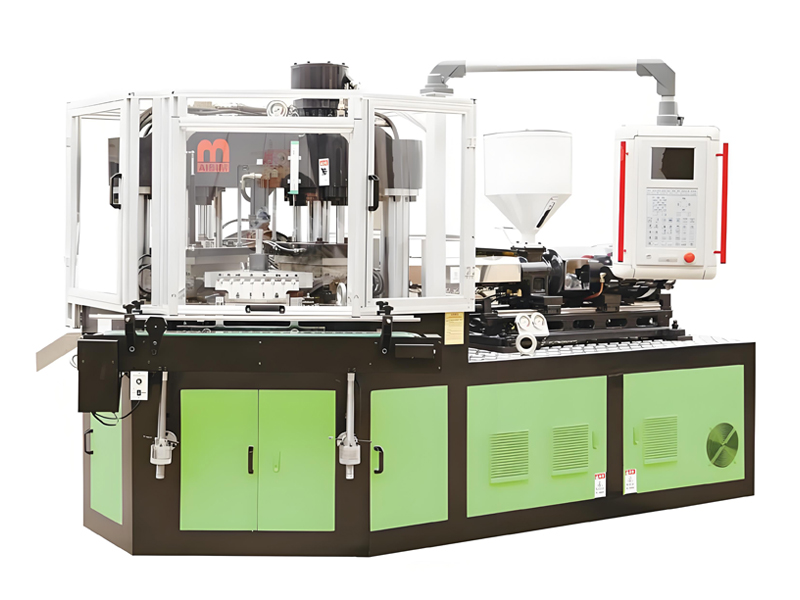
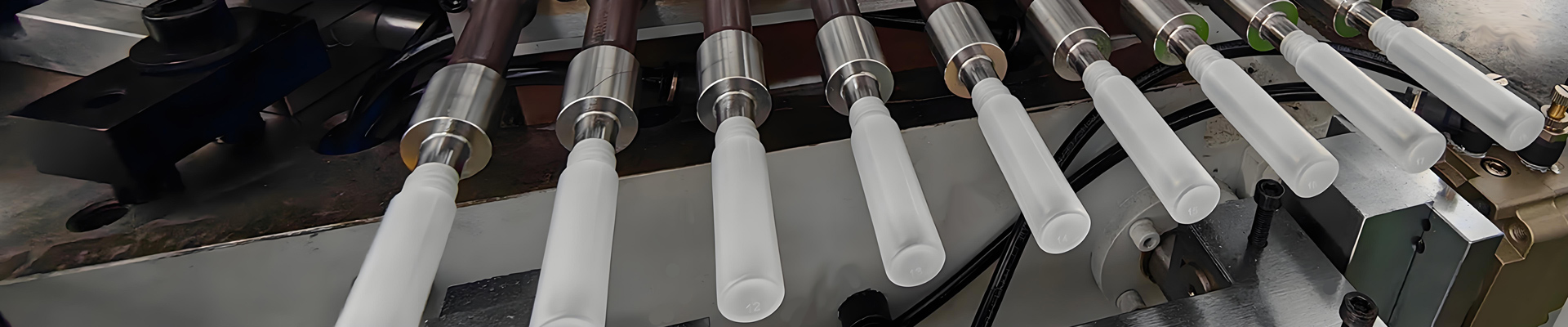
Chemical sample bottles represent a critical application for injection blow molding technology, requiring specialized materials, processing capabilities, and machine design to meet demanding chemical resistance requirements. These containers must maintain product integrity when exposed to aggressive chemicals, preventing contamination, container degradation, and material compatibility problems. AiBiM injection blow molding machines, with over 12 years of manufacturing experience and more than 100 machines exported annually to over 40 countries, demonstrate exceptional capability for producing chemical sample bottles that meet stringent industry requirements. The company’s extensive experience in pharmaceutical and chemical packaging enables provision of comprehensive solutions for chemical container production, from machine selection and material specification to processing parameter optimization and quality control procedures.
Understanding Chemical Sample Bottle Requirements
Chemical sample bottles serve diverse applications across pharmaceutical, chemical, analytical, and industrial sectors, each imposing specific requirements on container design and material selection. These containers must provide excellent chemical resistance to prevent interaction between container contents and bottle material, maintain dimensional stability under various environmental conditions, and ensure product integrity throughout storage and handling periods. The chemical nature of contained substances varies widely from mild aqueous solutions to aggressive organic solvents, acids, and bases, each requiring appropriate material selection and processing considerations. AiBiM injection blow molding machines, including IBM75, IBM65, and IBM55 hybrid electric models, offer the versatility and precision needed to produce chemical sample bottles meeting diverse application requirements.
Chemical resistance requirements depend heavily on the specific chemicals to be contained, exposure duration, temperature conditions, and regulatory requirements. Some applications require resistance to single chemicals while others must withstand chemical mixtures or sequential exposure to different substances. Temperature conditions during storage, transport, and use significantly affect chemical resistance requirements, as elevated temperatures accelerate chemical attack on container materials. Regulatory requirements for chemical sample storage containers, particularly in pharmaceutical and laboratory applications, impose strict standards for material purity, extractables and leachables, and container performance verification. AiBiM provides comprehensive guidance on material selection and processing optimization for chemical sample bottle applications based on extensive experience across global markets.
Container design considerations for chemical sample bottles include capacity, closure compatibility, handling requirements, and dispensing functionality. Chemical sample bottles typically range from small volumes suitable for laboratory samples to larger containers for bulk chemical storage. Closure systems must provide secure sealing that prevents leakage and chemical evaporation while enabling convenient access for dispensing. Handling requirements often include considerations for transport, stacking, and protection against accidental breakage. Dispensing functionality may involve precision pour features, integrated measurement systems, or specialized closure systems for controlled dispensing. AiBiM’s engineering capabilities enable development of molds and processing parameters optimized for specific container designs and applications.
Material Selection for Chemical Resistance
Material selection represents the most critical factor in chemical sample bottle performance, with different plastic materials exhibiting vastly different chemical resistance characteristics. High-density polyethylene (HDPE) and polypropylene (PP) represent the most commonly used materials for chemical containers due to their excellent chemical resistance across broad chemical spectrums. However, more specialized applications may require alternative materials including polyethylene terephthalate (PET), polystyrene (PS), or engineering plastics such as polycarbonate (PC) for applications requiring specific property combinations. AiBiM injection blow molding machines process all of these materials effectively, enabling manufacturers to select optimal materials for their specific chemical applications.
High-density polyethylene (HDPE) provides excellent chemical resistance across a wide range of chemicals including acids, bases, and many organic solvents. HDPE exhibits particularly good resistance to aqueous solutions, dilute acids and bases, and many organic chemicals. The material’s molecular structure provides inherent chemical resistance while maintaining good mechanical properties and processability. HDPE’s relatively low cost and favorable processing characteristics make it an economical choice for many chemical container applications. AiBiM injection blow molding machines process HDPE efficiently, with the material’s favorable flow characteristics and moderate processing temperatures enabling efficient production. The company’s experience processing HDPE for chemical applications across global markets provides comprehensive processing optimization capabilities.
Polypropylene (PP) offers chemical resistance characteristics complementary to HDPE, with particularly good resistance to certain chemicals where HDPE may show limited compatibility. PP demonstrates excellent resistance to higher temperature conditions, organic solvents, and certain acids and bases that may affect HDPE. The material’s higher melting point and greater crystallinity compared to HDPE provide enhanced temperature resistance and improved barrier properties. PP’s excellent clarity and aesthetic qualities make it suitable for applications where visual inspection of contents is required. AiBiM injection blow molding machines process PP effectively across various grades including homopolymer, random copolymer, and impact copolymer types, each offering different chemical resistance profiles. The company’s advanced temperature control systems and precise processing capabilities enable optimal PP processing for chemical container applications.
Specialty materials including fluoropolymers, engineering plastics, and chemically modified polyolefins provide enhanced chemical resistance for demanding applications. These materials may be required for applications involving particularly aggressive chemicals, elevated temperature conditions, or extended storage periods where conventional materials may not provide adequate performance. AiBiM’s machine capabilities and processing expertise extend to these specialized materials, enabling production of high-performance chemical containers for demanding applications. The company provides comprehensive material selection guidance and processing optimization for specialized chemical container applications based on extensive experience across diverse industries and global markets.
Chemical Resistance Testing and Validation
Comprehensive chemical resistance testing represents an essential requirement for chemical sample bottle production, ensuring that containers perform adequately under expected service conditions. Testing programs typically include exposure testing, physical property evaluation, dimensional verification, and container functionality testing across the range of chemicals and conditions to which containers will be exposed. AiBiM provides guidance on appropriate testing protocols and can assist with test program development based on extensive experience in chemical container production and validation across global markets.
Immersion testing represents the most common method for evaluating chemical resistance, involving exposure of container samples to specific chemicals under controlled conditions of temperature and duration. Test samples are evaluated for weight changes, dimensional changes, surface appearance changes, and mechanical property variations following exposure. Testing may involve single chemical exposure or sequential exposure to multiple chemicals simulating actual use conditions. Elevated temperature testing accelerates chemical attack effects, providing insight into long-term performance within practical testing timeframes. AiBiM provides comprehensive testing protocol recommendations based on material type, chemical nature, and application requirements. The company’s experience across diverse chemical applications enables development of appropriate test programs for various container applications.
Extractables and leachables testing represents a critical requirement for pharmaceutical and analytical applications where container material components could contaminate container contents. This testing identifies substances that could migrate from container material into container contents under various exposure conditions. Extractables testing involves aggressive extraction conditions to identify all potential migrating substances. Leachables testing under milder conditions simulates actual use conditions to identify substances likely to migrate during normal use. AiBiM provides guidance on appropriate extractables and leachables testing approaches for different applications based on regulatory requirements and material characteristics. The company’s experience in pharmaceutical container production provides comprehensive understanding of extractables and leachables testing requirements.
Long-term aging testing simulates extended storage periods to verify container performance over the intended container lifetime. This testing may involve accelerated aging using elevated temperatures to simulate longer service periods within practical testing duration. Testing evaluates chemical resistance stability over time, mechanical property retention, and dimensional stability. Long-term aging testing is particularly important for containers storing chemicals for extended periods or under variable temperature conditions. AiBiM provides guidance on appropriate aging test protocols and interpretation of aging test results based on experience with long-term chemical container performance. The company’s machines enable production of containers with consistent properties that support reliable aging test results.
Machine Design for Chemical Container Production
Injection blow molding machine design significantly impacts the ability to produce high-quality chemical sample bottles meeting demanding performance requirements. Machine characteristics affecting chemical container production include material handling capabilities, contamination prevention features, processing precision, and quality control capabilities. AiBiM injection blow molding machines incorporate numerous design features optimized for chemical container production, supporting consistent production of containers meeting stringent chemical resistance and quality requirements.
Material handling systems for chemical container production must prevent contamination that could affect chemical resistance or container performance. Closed material handling systems, dedicated material delivery systems for different materials, and effective material drying systems all contribute to contamination prevention. Material hoppers and loaders should be designed for easy cleaning to prevent cross-contamination between different materials or colors. Dryer systems must provide consistent moisture control, particularly for moisture-sensitive materials that could be used for chemical containers. AiBiM provides material handling system recommendations optimized for chemical container production, addressing contamination prevention and material quality maintenance. The company’s machines can be equipped with advanced material handling systems supporting production of high-purity chemical containers.
Contamination prevention throughout the machine prevents impurities that could affect chemical resistance or container quality. Machine surfaces contacting molten plastic must be constructed from materials that do not introduce contaminants. Hydraulic systems should be designed to prevent fluid leakage that could contaminate containers. Cooling systems must be designed to prevent corrosion that could introduce contaminants. Machine components in contact with product material should be constructed from appropriate materials that will not react with container contents or processing materials. AiBiM machines feature corrosion-resistant construction and contamination prevention design features. The company’s extensive experience in pharmaceutical and chemical packaging provides comprehensive understanding of contamination prevention requirements.
Processing precision capabilities directly affect container consistency and quality, which are critical for chemical container performance. Precise temperature control ensures consistent material properties and chemical resistance. Precise injection control enables uniform wall thickness distribution, affecting container strength and chemical resistance. Precise pressure control during blow molding ensures consistent container dimensions and wall thickness uniformity. AiBiM injection blow molding machines feature advanced control systems providing the precision needed for chemical container production. The IBM55 hybrid electric model offers particularly precise control through servo-driven operation and closed-loop control systems. The company’s advanced control capabilities enable production of containers with consistent properties meeting strict chemical container specifications.
Processing Parameter Optimization
Processing parameter optimization represents a critical factor in producing chemical sample bottles with consistent properties and chemical resistance. Temperature profiles, injection speeds and pressures, blow molding parameters, and cooling conditions all affect final container properties including chemical resistance, mechanical properties, and dimensional accuracy. AiBiM provides comprehensive processing parameter optimization support based on extensive experience processing various materials for chemical container applications across global markets.
Temperature profile optimization for chemical containers must achieve proper melting and homogenization of material while preventing thermal degradation that could affect chemical resistance. Barrel temperature profiles must be tailored to material type and grade, ensuring proper melting without excessive thermal stress. Mold temperature affects crystallization behavior, which influences mechanical properties and chemical resistance. Temperature uniformity throughout the processing system ensures consistent container properties. AiBiM’s advanced temperature control systems with multiple independently controlled heating zones enable precise temperature profile optimization for chemical container production. The company’s processing experience enables optimization of temperature profiles for various materials and container applications.
Injection parameter optimization affects container wall thickness distribution, material orientation, and internal stresses that influence chemical resistance and mechanical performance. Injection speed affects shear heating and molecular orientation within the preform, which can affect blow molding behavior and final container properties. Injection pressure affects preform density and uniformity, which influence wall thickness distribution during blow molding. Injection and hold pressure profiles affect packing and dimensional accuracy. AiBiM provides comprehensive injection parameter optimization guidance based on material characteristics, container design, and performance requirements. The company’s advanced control systems enable precise injection parameter control essential for chemical container production.
Blow molding parameter optimization determines final container geometry, wall thickness distribution, and mechanical properties. Blow pressure affects wall thickness distribution and container dimensions. Blow timing affects material orientation and mechanical properties. Mold temperature affects crystallization and cooling rates, influencing dimensional stability and mechanical properties. AiBiM provides blow molding parameter optimization support based on extensive experience producing chemical containers with various materials and designs. The company’s machines feature precise blow molding control capabilities enabling optimization of blow molding parameters for specific container requirements.
Cooling Parameter Optimization
Cooling parameter optimization significantly affects container crystallization, residual stresses, and dimensional stability, all of which influence chemical resistance and performance. Cooling rates affect crystallinity in semi-crystalline materials such as HDPE and PP, which influences mechanical properties and chemical resistance. Uneven cooling can create internal stresses that may affect dimensional stability and resistance to chemical attack. Cooling temperature profiles affect crystallization patterns and residual stress distribution. AiBiM provides comprehensive cooling parameter optimization guidance based on material characteristics and container requirements.
Mold cooling system design for chemical containers must provide uniform cooling to minimize residual stresses and ensure dimensional consistency. Conformal cooling channels, strategic water channel placement, and balanced cooling rates all contribute to uniform cooling. Cooling water temperature control affects cooling rate and can be optimized for specific material crystallization requirements. Air cooling systems for certain applications must be designed for uniform cooling without causing container distortion. AiBiM provides mold design recommendations and cooling system optimization for chemical container applications. The company’s single-crossbeam clamping framework provides increased mold space enabling implementation of optimized cooling systems for chemical containers.
Quality Control for Chemical Containers
Comprehensive quality control systems are essential for ensuring chemical sample bottles meet demanding performance and reliability requirements. Quality control for chemical containers includes dimensional verification, wall thickness measurement, visual inspection, leak testing, and chemical resistance verification. AiBiM provides comprehensive quality control program development support, including testing protocols, acceptance criteria, and statistical process control methodologies based on extensive experience in chemical container production.
Dimensional control ensures containers meet specified dimensions and fit properly with closure systems and other container components. Critical dimensions include neck finish specifications, overall dimensions, and wall thickness measurements. Dimensional tolerances must be tight enough to ensure proper closure fit and container functionality while being achievable within process capabilities. Regular dimensional monitoring through statistical process control enables early detection of process drifts that could affect chemical container performance. AiBiM provides dimensional control recommendations and measurement protocols tailored to specific container designs and applications. The company’s precise processing capabilities enable consistent production meeting tight dimensional tolerances required for chemical containers.
Wall thickness measurement and control directly affect container strength, chemical resistance, and performance. Uniform wall thickness ensures consistent strength and chemical resistance across the container. Wall thickness specification must be appropriate for intended chemical exposure conditions and container application. Wall thickness measurement systems enable monitoring and control of this critical parameter. AiBiM provides wall thickness measurement recommendations and control strategies for chemical container applications. The company’s advanced control systems enable precise wall thickness control essential for chemical container performance.
Visual inspection identifies surface defects, contamination, color variations, and other quality issues that could affect chemical container performance. Visual inspection should be performed at appropriate light levels with trained inspectors knowledgeable about defect types relevant to chemical container performance. Automated inspection systems can provide consistent detection of certain defect types, supplementing manual inspection. AiBiM provides visual inspection training and defect identification guidance based on extensive experience in chemical container quality control. The company’s machines produce containers with consistent surface quality facilitating effective visual inspection.
Leak testing ensures containers provide secure containment without leakage that could cause chemical exposure or product loss. Leak testing methods include pressure decay testing, bubble testing, and tracer gas testing depending on container type and application requirements. Leak testing should be performed on a statistically representative sample basis to ensure container population quality. Leak test acceptance criteria must be appropriate for the chemical application and container design. AiBiM provides leak testing method recommendations and acceptance criteria guidance for various chemical container applications. The company’s processing capabilities enable production of containers with consistent neck finish and seal integrity supporting reliable leak test results.
Regulatory Compliance for Chemical Containers
Chemical sample containers must comply with various regulatory requirements depending on their intended application and geographic market. Regulatory compliance requirements for chemical containers include material approvals, container performance standards, labeling requirements, and documentation requirements. AiBiM provides comprehensive regulatory compliance support based on extensive experience exporting machines and producing containers for markets worldwide with diverse regulatory requirements.
Pharmaceutical applications require containers meeting stringent regulatory requirements including USP, EP, and JP pharmacopoeia standards. Material must meet specific purity requirements and be listed in pharmacopoeias for pharmaceutical container applications. Container testing must verify compliance with pharmacopoeial specifications for extractables, leachables, and container performance. Documentation including certificates of analysis and material traceability is required for regulatory submissions and quality systems. AiBiM provides comprehensive regulatory compliance guidance for pharmaceutical container applications based on extensive experience in pharmaceutical packaging production. The company’s machines are designed to meet pharmaceutical industry requirements for cleanliness, precision, and documentation.
Laboratory and analytical chemistry applications require containers meeting various standards including ASTM specifications and ISO standards for laboratory equipment. Container material must be appropriate for intended analytical methods and should not interfere with analytical procedures. Container design should facilitate sample handling, storage, and analysis workflows. Documentation verifying material composition and performance may be required for quality systems or customer specifications. AiBiM provides laboratory container production guidance based on experience producing containers for analytical and laboratory applications across global markets.
Industrial chemical applications may require containers meeting specific industry standards or customer specifications for chemical handling and storage. Container material must be compatible with handled chemicals and appropriate for storage conditions. Container design should meet industry standards for chemical storage including closure systems, labeling compatibility, and handling requirements. Documentation verifying material specifications and container performance may be required for quality systems or customer acceptance. AiBiM provides industrial chemical container production guidance based on extensive experience across diverse industrial applications and global markets.
Corrosion-Resistant Machine Components
Machine component corrosion resistance represents an important consideration for chemical container production, as chemical exposure during operation or maintenance could accelerate component degradation. Machine components exposed to potential chemical contact should be constructed from corrosion-resistant materials or appropriately protected. AiBiM injection blow molding machines incorporate corrosion-resistant design features and material selections to enhance machine durability in chemical production environments.
Material contact surfaces including hoppers, loaders, dryers, and machine internal components contacting molten plastic should be constructed from appropriate materials. Stainless steel construction for wetted surfaces provides excellent corrosion resistance for many applications. Coatings and surface treatments on steel components provide corrosion protection while maintaining mechanical properties. Seals and gaskets should be constructed from chemically resistant materials compatible with processing materials and potential environmental exposure. AiBiM provides corrosion-resistant material recommendations and machine configuration options for chemical production environments. The company’s machines feature corrosion-resistant construction in critical areas exposed to chemical contact.
Hydraulic system corrosion resistance prevents fluid degradation and system failures that could affect production quality. Hydraulic fluid selection should consider potential chemical exposure and system compatibility. Hydraulic system components including pumps, valves, and cylinders should be constructed from materials resistant to hydraulic system degradation. Regular fluid analysis and maintenance helps maintain hydraulic system integrity and prevent corrosion-related failures. AiBiM provides hydraulic system corrosion prevention guidance and maintenance recommendations for chemical production environments. The company’s energy-efficient hydraulic systems are designed for durability in demanding operating environments.
Electrical system corrosion resistance prevents failures due to environmental exposure and chemical contamination. Electrical enclosures should be appropriately rated for environmental conditions including potential chemical exposure. Electrical connections and components should be protected from chemical contact and corrosion. Regular electrical system inspection and maintenance helps identify and address corrosion-related issues before failures occur. AiBiM provides electrical system corrosion prevention recommendations based on experience in diverse operating environments worldwide. The company’s machines feature CE-certified electrical systems with appropriate protection for industrial environments.
Cleaning and Maintenance Considerations
Cleaning and maintenance procedures for chemical container production require special considerations to prevent contamination and maintain chemical resistance capabilities. Machine cleaning between different materials or colors must be thorough to prevent cross-contamination that could affect chemical resistance of subsequent production. Maintenance procedures must prevent introduction of contaminants that could affect container performance. AiBiM provides comprehensive cleaning and maintenance procedure recommendations tailored to chemical container production requirements.
Material changeover cleaning procedures must be thorough enough to prevent cross-contamination between different materials that could affect chemical resistance. Purging procedures should be developed based on material compatibility and transition requirements. Machine components contacting molten plastic should be cleaned or replaced as appropriate for material changes. Complete machine cleaning may be required for particularly sensitive applications or transitions between significantly different materials. AiBiM provides material changeover procedure recommendations based on experience with diverse material combinations and chemical applications. The company’s machines feature design facilitating thorough cleaning between material changes.
Preventive maintenance for chemical production environments must address accelerated wear or corrosion that may occur due to chemical exposure. Maintenance frequency may need to be increased compared to standard operating conditions. Special attention should be paid to seals, gaskets, and surfaces exposed to potential chemical contact. Corrosion inspection and prevention should be included in regular maintenance procedures. AiBiM provides maintenance program recommendations tailored to chemical production environments. The company’s machines are designed for durability in demanding operating conditions, with maintenance procedures documented for chemical production applications.
Productivity Optimization for Chemical Containers
Productivity optimization for chemical container production requires balancing processing efficiency with quality requirements and chemical resistance performance. Cycle time optimization, tooling design, and processing parameter optimization all contribute to productivity while maintaining quality standards. AiBiM provides comprehensive productivity optimization guidance for chemical container production based on extensive experience optimizing production across diverse global markets.
Cycle time optimization for chemical containers must consider material characteristics, wall thickness requirements, and quality requirements. Temperature profile optimization enables faster cooling while maintaining material properties. Injection and blow molding parameter optimization enables faster cycle times while maintaining container quality. Efficient mold design including conformal cooling channels enables faster cooling and shorter cycle times. AiBiM provides cycle time optimization recommendations for various chemical container applications and materials. The company’s energy-saving systems and advanced control capabilities enable fast cycle times while maintaining quality requirements.
Tooling design optimization for chemical containers affects productivity, quality, and maintenance requirements. Multi-cavity molds enable higher production rates but must maintain quality consistency across all cavities. Mold design should incorporate features for efficient cooling, easy maintenance, and long service life. Mold surface finish affects container release quality and maintenance requirements. AiBiM provides mold design recommendations for chemical container applications based on extensive experience across diverse applications and global markets. The company’s single-crossbeam clamping framework provides increased mold space enabling optimized mold design for chemical containers.
Case Studies and Application Examples
Chemical sample bottle applications span diverse industries and requirements, each presenting unique challenges and solutions. Pharmaceutical sample bottles require exceptional chemical resistance, purity, and regulatory compliance. Laboratory sample bottles demand precision dimensional control, chemical resistance for diverse chemicals, and reliable performance under various conditions. Industrial chemical containers require durability, chemical resistance for specific applications, and cost-effectiveness. AiBiM has extensive experience producing chemical containers across diverse applications globally, providing comprehensive case studies and application examples demonstrating successful solutions for various requirements.
Pharmaceutical sample bottle applications typically involve small to medium volume containers for drug samples, compounding containers, and pharmaceutical reagent containers. These applications require materials meeting pharmaceutical regulatory requirements and providing excellent chemical resistance to diverse pharmaceutical compounds. Container design must enable precise dispensing, secure closure, and compatibility with pharmaceutical workflows. AiBiM has extensive experience supplying machines and technical support for pharmaceutical container production, with comprehensive understanding of pharmaceutical regulatory requirements and quality standards. The company’s machines, particularly the IBM55 hybrid electric model, provide the precision and contamination control needed for pharmaceutical container production.
Laboratory sample bottle applications include containers for analytical samples, reagent bottles, and laboratory chemical storage. These applications require chemical resistance to diverse chemicals including acids, bases, solvents, and aqueous solutions. Container design must facilitate laboratory workflows including measurement, mixing, and dispensing applications. Quality requirements include dimensional precision, clarity for visual inspection, and leak-free performance. AiBiM has extensive experience producing laboratory containers across global markets, with comprehensive understanding of laboratory application requirements and quality standards. The company’s machines provide the versatility and precision needed for diverse laboratory container applications.
Conclusion: Chemical Container Production Excellence
Chemical sample bottle production represents a demanding application requiring specialized materials, processing capabilities, and quality control systems to meet stringent chemical resistance and performance requirements. AiBiM injection blow molding machines provide the versatility, precision, and reliability needed for chemical container production across diverse applications and global markets. The company’s 12 years of manufacturing experience, 100+ machines produced annually, and global export to 40+ countries provides extensive expertise in chemical container production across diverse industries and regulatory environments.
Successful chemical container production requires integrated consideration of material selection, machine configuration, processing optimization, quality control, and regulatory compliance. AiBiM provides comprehensive support across all aspects of chemical container production, from initial machine selection and material specification through process optimization, quality control implementation, and ongoing technical support. The company’s extensive experience in pharmaceutical, laboratory, and industrial chemical container applications provides comprehensive understanding of diverse requirements and solutions.
For manufacturers seeking to produce chemical sample bottles meeting demanding performance and regulatory requirements, AiBiM provides the equipment, expertise, and technical support needed to achieve production excellence. The company’s commitment to quality, innovation, and customer success ensures that chemical container operations achieve maximum quality, efficiency, and regulatory compliance. Contact AiBiM to discuss your specific chemical container production requirements and discover how their injection blow molding machines can optimize your chemical container production.