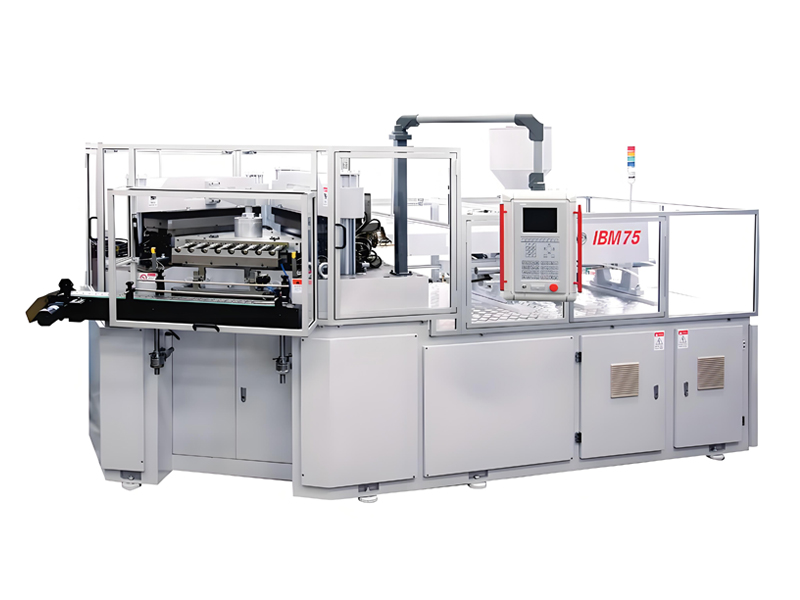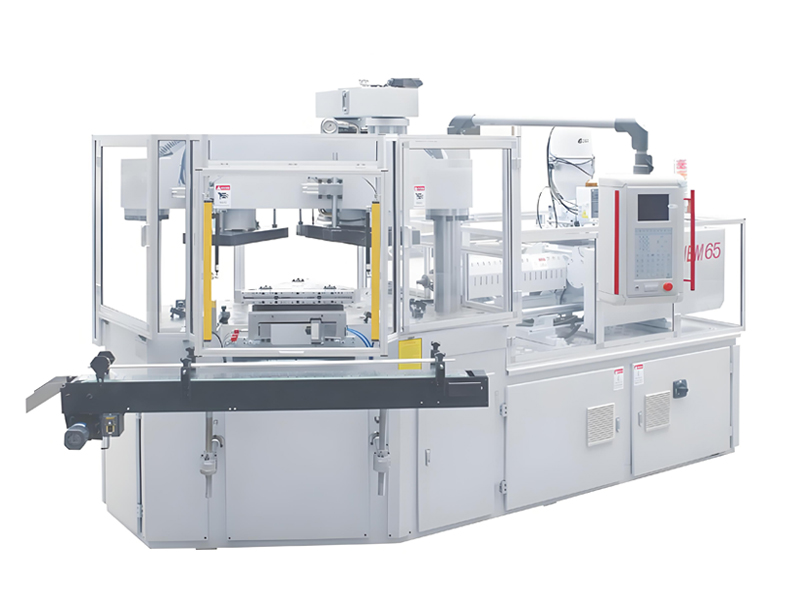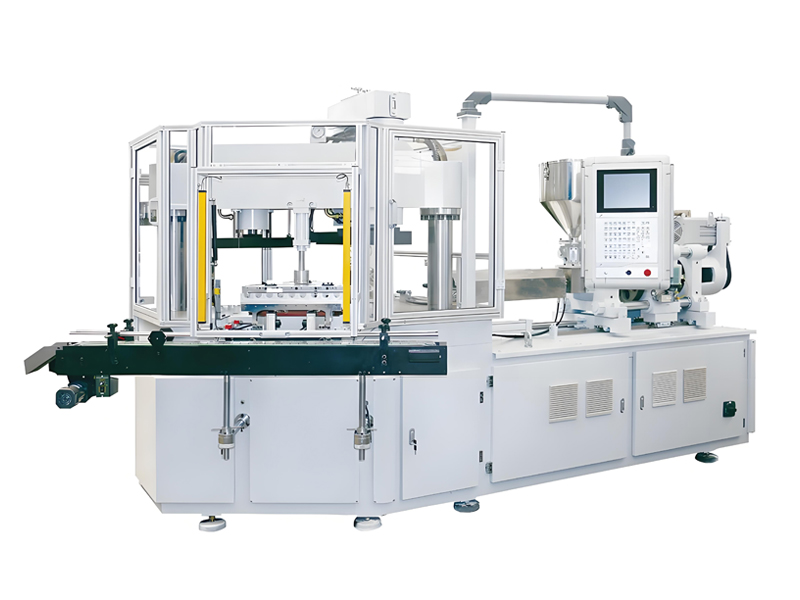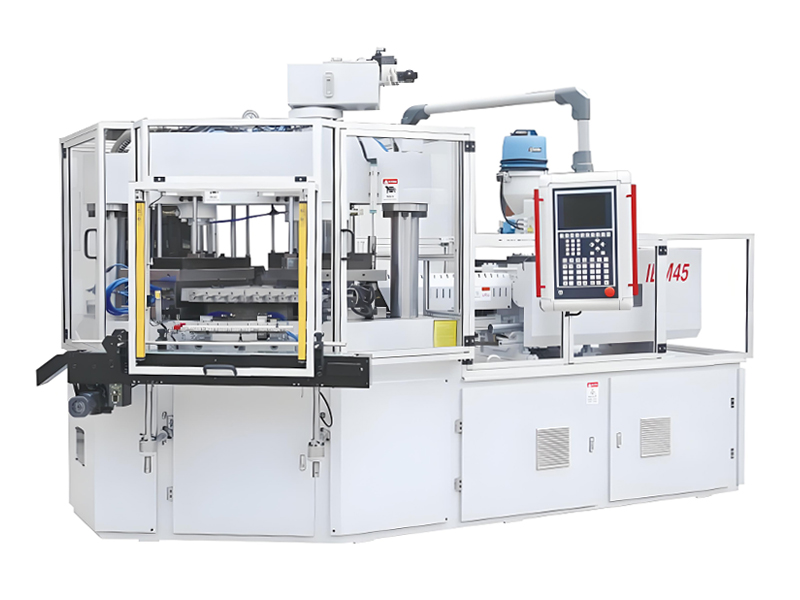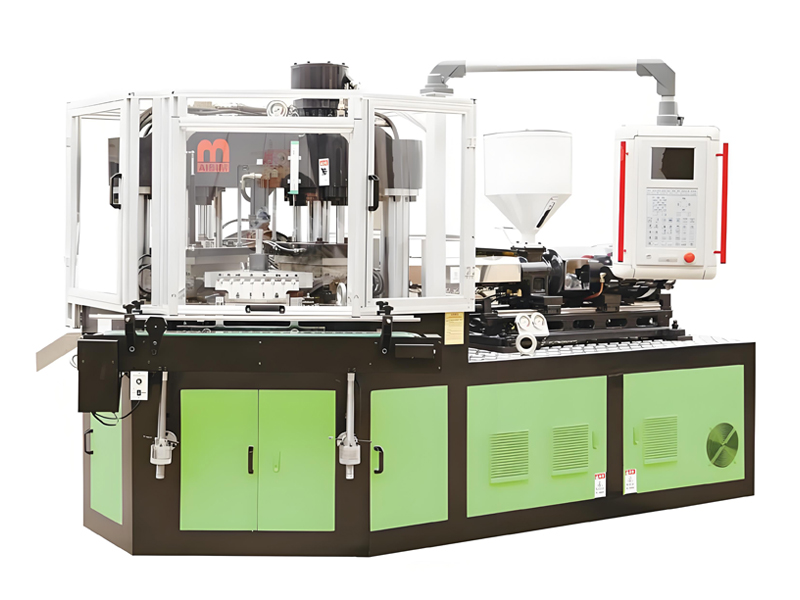
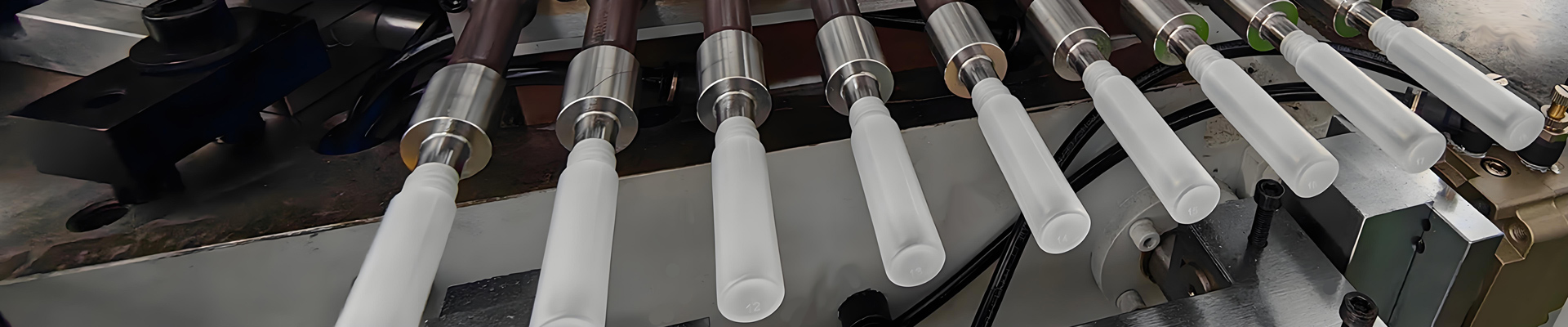
The design of plastic jugs produced on Injection Blow Molding Machines directly impacts consumer experience, brand perception, and functional performance in the marketplace. Easy grip design has emerged as a critical consideration for manufacturers seeking to create containers that customers find comfortable, safe, and convenient to use. This comprehensive guide explores how modern Injection Blow Molding Machines facilitate the production of plastic jugs with superior grip characteristics, examining the technical capabilities, design considerations, and manufacturing techniques that enable ergonomic container solutions.
The Importance of Grip Design in Plastic Jug Manufacturing
Consumer preference research consistently demonstrates that the tactile experience of handling a container significantly influences purchasing decisions and brand loyalty. Plastic jugs with poor grip characteristics frustrate users, increase the likelihood of accidental spills, and create negative associations with the products they contain. Conversely, well-designed grip features enhance user satisfaction, promote repeated purchases, and differentiate products in competitive retail environments. Understanding these dynamics helps manufacturers prioritize grip design in their product development processes.
The functional requirements of plastic jugs vary widely across applications, from household cleaning products to food condiments, from automotive fluids to industrial chemicals. Each application presents unique challenges for grip design, including considerations of hand size variation across different consumer populations, wet or greasy hand conditions, one-handed versus two-handed operation, and the weight of the filled container. Injection Blow Molding Machines must accommodate this diverse range of requirements while maintaining production efficiency and cost competitiveness.
Brand differentiation represents another compelling reason to invest in superior grip design. In commodity product categories where contents may be nearly identical across competitors, packaging design becomes a primary driver of consumer choice. A plastic jug that feels more comfortable, more secure, and more premium in the hand commands attention on crowded retail shelves and justifies premium pricing. This marketing value of grip design translates directly to business results for manufacturers who get it right.
Ergonomic Principles Applied to Plastic Jug Design
Ergonomic design principles provide the scientific foundation for creating plastic jugs that feel natural and comfortable in the hand. These principles consider the anatomy of the human hand, the mechanics of grip strength, and the sensory feedback that informs user confidence. By applying these principles systematically, designers can create jug shapes that minimize fatigue, reduce strain, and enhance overall user experience.
The distribution of grip force across the hand affects both comfort and security during handling. Wide, flat surfaces that press uncomfortably against the palm create pressure points that fatigue quickly. Curved surfaces that cradle the hand distribute force more evenly, reducing localized stress. The height and positioning of grip features relative to the jug center of gravity determine the torque forces that the hand must counteract, with well-positioned grips significantly reducing the effort required for stable handling.
Sensory feedback from the container surface helps users gauge their grip security without visual confirmation. Textured surfaces provide tactile cues that confirm proper hand positioning and grip pressure. Flexible container walls that yield slightly under grip pressure give users intuitive feedback about their interaction with the container. Injection Blow Molding Machines capable of producing these nuanced surface characteristics enable designers to incorporate sensory feedback into their grip solutions.
Market Trends Driving Grip Feature Innovation
Contemporary market trends continue to accelerate innovation in plastic jug grip design, with demographic shifts, lifestyle changes, and sustainability concerns all influencing design priorities. Aging populations in developed markets require grip features that accommodate reduced hand strength and dexterity. Growing health consciousness drives demand for easier-to-handle containers for food products and supplements. Environmental concerns encourage designs that minimize material usage while maintaining functional performance.
The rise of e-commerce has introduced new handling scenarios that impact grip design requirements. Containers that perform well in traditional retail environments may not survive the increased handling of direct-to-consumer shipping. Vibration, compression stacking, and repeated picking up and setting down during fulfillment operations demand robust grip features that maintain their integrity throughout the distribution cycle. Injection Blow Molding Machines that produce consistent, durable grip features help manufacturers address these emerging requirements.
Competitive pressures from alternative packaging formats also influence grip design investment. Flexible pouches, aluminum cans, and paperboard containers all compete with plastic jugs for market share. Maintaining competitive advantage requires plastic jugs that offer superior handling experiences that alternative formats cannot easily replicate. Grip design represents one of the clearest opportunities for plastic packaging to differentiate itself through functional superiority.
Technical Capabilities of IBM Machines for Grip Production
Injection Blow Molding Machines offer specific technical capabilities that make them particularly suitable for producing plastic jugs with sophisticated grip features. Understanding these capabilities helps manufacturers leverage their equipment investment to achieve desired design outcomes. The interaction between machine capabilities and mold design determines what grip features can be economically produced at commercial volumes.
The fundamental advantage of injection blow molding for grip-intensive applications lies in its ability to produce containers with varying wall thicknesses in a single production step. While other forming processes may limit designers to uniform wall sections, injection blow molding enables strategic thickness variations that enhance both structural performance and grip comfort. This design flexibility translates directly into competitive advantages for manufacturers who master these techniques.
Modern IBM machines incorporate advanced control systems that maintain precise parameters throughout the production cycle, ensuring consistent quality across large production runs. This consistency proves essential for grip features, where dimensional variations can significantly impact user experience. Temperature control, injection pressure regulation, and blow air management all influence how well grip features replicate their intended design specifications.
Precision Mold Technology for Grip Features
The mold represents the heart of grip feature production, with mold design determining what geometric shapes can be achieved and how consistently they reproduce across production cycles. Precision mold manufacturing techniques enable the creation of intricate grip features with micron-level accuracy, ensuring that every jug produced matches design specifications. Advanced mold materials and surface treatments extend tooling life while maintaining feature definition through millions of production cycles.
Grip feature geometry in injection blow molds typically involves recessed areas, protruding ribs, and textured surfaces that create tactile qualities in the finished container. The mold must accommodate these features while enabling proper material flow during injection and uniform cooling during the solidification phase. This balancing act between feature complexity and manufacturing feasibility requires experienced mold designers who understand both design intent and process requirements.
Surface texture in grip areas serves multiple purposes beyond aesthetic enhancement. Fine textures increase friction coefficients, reducing the grip force required for secure handling. Directional textures can guide hand positioning, guiding users to optimal grip locations. Anti-slip textures can maintain grip effectiveness even when hands are wet or contaminated with the container contents. Achieving these textural effects requires specialized surface treatment of the mold cavities, typically through texturing, etching, or coating processes.
Material Selection for Optimal Grip Performance
The plastic material selected for jug manufacturing significantly influences grip performance characteristics. Material properties including surface friction, flexibility, durability, and weight all interact to determine how well the finished container performs in user hands. Material selection should consider both functional requirements and economic constraints, balancing performance benefits against raw material costs and processing considerations.
Polyethylene remains the dominant material for plastic jug production due to its excellent chemical resistance, good durability, and processing characteristics suited to injection blow molding. High-density polyethylene offers stiffness and dimensional stability that suits applications requiring rigid grip structures. Medium-density polyethylene provides more flexibility for applications benefiting from squeezable containers. Material grade selection within these families enables fine-tuning of grip characteristics.
Polypropylene offers an alternative material choice with distinct advantages for certain applications. Its higher melting point provides better heat resistance for hot-fill applications. Its excellent hinge memory makes it suitable for containers with integrated flip-top closures. Its slightly different surface characteristics provide a different tactile quality that some users prefer. AiBiM Injection Blow Molding Machines process both polyethylene and polypropylene materials with equal facility, enabling manufacturers to select optimal materials for their specific applications.
Designing Effective Grip Structures for Plastic Jugs
Effective grip structure design requires balancing multiple competing considerations, from user comfort to manufacturing efficiency, from material costs to structural integrity. The design process benefits from systematic evaluation of user needs, technical constraints, and economic factors. Applying proven design principles while remaining open to innovative approaches leads to grip solutions that satisfy both users and business requirements.
Common grip structure types include handle integrally molded with the jug body, recessed grip areas carved into the jug surface, structural ribs that create comfortable finger placement, thumb rests that provide secure positioning guidance, and full-panel textured surfaces that accommodate variable grip preferences. Each type offers distinct advantages and limitations that inform their appropriate application contexts.
Handle Design Considerations
Integral handles molded as part of the jug structure represent the most traditional grip solution for larger containers. Handle design directly influences the carrying experience, with handle width, thickness, and curvature all affecting grip comfort during transport. Handles sized for average adult hands may feel cramped for larger users or too wide for smaller hands, suggesting multiple handle sizes for products targeting diverse consumer populations.
The connection between handle and jug body requires careful structural consideration. Sharp transitions create stress concentrations that can lead to failure under repeated use or impact loading. Generous fillet radii distribute stress more effectively, extending fatigue life. Rib reinforcement at stress points enhances durability without significantly increasing material usage. These structural details distinguish professional handle designs from amateur attempts.
Handle positioning relative to the jug center of gravity affects the effort required for lifting and pouring. Handles positioned directly above the center of gravity minimize torque requirements, reducing user fatigue during transport. Asymmetric positioning may improve pouring dynamics, with the handle positioned to counterbalance the weight of the remaining contents. Computational modeling tools enable designers to optimize handle positioning before committing to expensive mold modifications.
Recessed Grip and Finger Groove Designs
Recessed grip areas carved into the jug surface offer a different approach to grip enhancement, integrating the grip feature into the container shape rather than adding material for a separate handle structure. This approach suits smaller containers where integral handles would appear disproportionate, and applications where compact storage dimensions take priority over grip convenience. Recessed grips typically position within the side walls of the jug, creating indentations that guide natural hand positioning.
Finger groove designs extend the recessed grip concept by incorporating specific channels sized to receive individual fingers. This precision sizing enhances grip security by ensuring proper finger spacing and positioning. The grooves prevent fingers from sliding together or spreading apart during handling, maintaining consistent grip geometry throughout use. Achieving this precision requires tight manufacturing tolerances that quality injection blow molding machines can deliver consistently.
The depth and profile of recessed features must balance grip enhancement against structural considerations. Deeper recesses provide more secure finger engagement but reduce wall thickness and structural strength in the grip area. Strategies for maintaining adequate thickness include local thickening of the grip area, strategic rib placement, and careful management of material distribution during the blow molding process. Modern IBM machines with advanced parison programming can create these thickness variations automatically during production.
Surface Texture and Non-Slip Features
Surface texture modifications provide grip enhancement without changing the overall container shape, offering an attractive option for manufacturers seeking to improve grip performance with minimal design changes. Texture patterns range from fine matte finishes that provide subtle grip improvement to coarse knurled patterns that offer aggressive anti-slip performance. Texture selection should consider the conditions of use, with wet or greasy environments requiring more aggressive textures.
The science of friction between skin and plastic surfaces informs texture optimization. Smooth plastic surfaces can become slippery when wet, as water acts as a lubricant between the hand and container. Textured surfaces that channel water away and maintain direct skin contact provide more consistent grip in wet conditions. The texture geometry, including feature size, spacing, and orientation, influences both the coefficient of friction and the subjective perception of grip quality.
Soft-touch coatings represent an advanced surface treatment option for premium grip applications. These coatings, typically applied as a secondary operation after container molding, provide a rubbery surface that enhances grip comfort and friction. While adding process complexity and cost, soft-touch surfaces can dramatically improve the perceived quality and premium positioning of plastic jugs. Not all injection blow molding machines can accommodate these secondary coating processes, making equipment capability an important consideration.
Quality Control for Consistent Grip Performance
Manufacturing consistency directly impacts grip performance in the finished product. Variation in grip feature dimensions, surface texture, or material properties can significantly alter user experience, even when variations fall within traditional quality tolerance specifications. Implementing grip-specific quality control measures ensures that every container reaching consumers delivers the intended handling experience.
Statistical process control techniques help maintain consistent grip characteristics throughout production runs. Monitoring key dimensional parameters related to grip features enables early detection of process drift before out-of-specification products reach completion. Modern IBM machines with integrated sensors provide real-time data on critical process parameters, enabling sophisticated statistical analysis of production quality.
Measuring and Testing Grip Performance
Objective measurement of grip performance enables data-driven quality control and design optimization. Various testing methods assess different aspects of grip performance, from simple coefficient of friction measurements to sophisticated user testing protocols. Selecting appropriate test methods and establishing meaningful specifications ensures that quality control efforts address actual user experience rather than easily measured but less relevant parameters.
Friction testing measures the resistance to sliding between the container surface and standard test materials simulating human skin. These tests can evaluate both dry and wet friction coefficients, providing data relevant to different usage conditions. While correlation between friction coefficients and user perception varies, friction testing provides useful screening information during product development and production monitoring.
Functional grip testing evaluates how well containers perform during realistic handling scenarios. Drop tests assess whether containers remain securely gripped during accidental impacts. Tilt tests measure the angle at which containers begin to slip from standardized grip positions. Pour tests evaluate handling convenience during content dispensing. These functional tests complement objective measurements by capturing real-world performance characteristics.
Process Optimization for Grip Feature Consistency
Process optimization focuses on minimizing variation in grip features by identifying and controlling critical process variables. The injection blow molding process involves numerous parameters that can influence grip feature quality, including melt temperature, injection speed, blow air pressure, cooling time, and material moisture content. Systematic optimization of these parameters through design of experiments or similar methods identifies optimal operating windows that maximize grip feature quality.
Material preparation significantly influences grip feature consistency. Proper drying of hygroscopic materials prevents moisture-related surface defects that can affect grip texture. Consistent material lot quality ensures that material properties remain stable throughout production runs. Material handling procedures that prevent contamination or degradation maintain processing consistency. AiBiM provides material handling guidance as part of their customer support services, helping users establish procedures that optimize grip feature quality.
Preventive maintenance of both the IBM machine and the mold preserves grip feature quality over time. Wear in machine components can alter critical parameters like injection pressure or timing precision. Wear in mold surfaces can degrade grip feature definition or surface texture. Scheduled maintenance programs that address these wear mechanisms maintain consistent grip quality throughout equipment life. Documentation of maintenance activities enables tracking of quality trends and prediction of maintenance requirements.
Cost Considerations for Grip-Enhanced Plastic Jugs
Economic considerations influence every manufacturing decision, and grip enhancement strategies must justify their costs through improved product performance, reduced defect rates, or enhanced brand value. Understanding the cost structure of grip-enhanced jug production enables informed decision-making about design investments and process capabilities.
Tooling costs for molds capable of producing sophisticated grip features typically exceed basic mold costs due to increased complexity, specialized surface treatments, and tighter tolerance requirements. Mold costs for complex grip features may range from 15,000 to 50,000 USD depending on cavity count, feature complexity, and material requirements. While significant, these tooling investments amortize across production volumes, becoming less impactful per unit as volume increases.
Production Cost Impacts of Grip Features
Production cycle times may increase when grip features introduce complexity to the molding process. Deep recesses require longer cooling times to achieve adequate part ejection temperatures. Complex surface textures may require slower injection speeds to ensure complete filling. Additional processing steps like soft-touch coating add direct production costs per unit. However, modern IBM machines with optimized processing capabilities minimize these time and cost impacts.
Material usage may increase or decrease with grip-enhanced designs depending on the specific approach. Integral handles typically add material compared to recessed grips, increasing raw material costs. Recessed grips may actually reduce material usage by eliminating material in non-critical areas. Surface textures add no material cost but may require process adjustments. Trade-offs between these factors should inform design decisions.
Defect rates can increase or decrease with grip feature complexity, depending on process capability and design optimization. Poorly designed grip features can create processing challenges that increase scrap rates. Well-designed features that account for process requirements can achieve excellent yields. Investment in design optimization and process development often pays dividends through reduced scrap costs and improved throughput.
Total Cost of Ownership Analysis
Total cost of ownership analysis considers all costs throughout the product lifecycle, not just initial production costs. Grip-enhanced products may command higher selling prices in the marketplace, offsetting production cost premiums. Reduced complaint rates and returns related to grip issues provide additional value. Extended product life from improved durability reduces replacement frequency. These factors should inform investment decisions.
For a typical plastic jug product line, grip feature investments might break down as follows: grip-optimized mold tooling at 25,000 USD, amortized across 500,000 units over two years at 0.05 USD per unit. Production cost premium of 0.02 USD per unit for cycle time adjustments and tighter process control. Total additional cost of 0.07 USD per unit, potentially offset by 0.05 USD per unit higher selling price from improved product differentiation and 0.01 USD per unit reduction in quality-related costs. Net impact of only 0.01 USD per unit, easily justified by competitive advantages gained.
AiBiM Injection Blow Molding Machines support cost-effective grip feature production through efficient processing, consistent quality maintenance, and robust design that minimizes maintenance requirements. Their global support network ensures that manufacturers can optimize grip feature production regardless of their location, backed by technical expertise accumulated across countless applications.
Industry Applications of Grip-Optimized Plastic Jugs
Grip-optimized plastic jugs serve diverse industries, each with distinct requirements that inform grip design priorities. Understanding how different industries approach grip design helps manufacturers develop versatile capabilities that address multiple market segments. Common application areas include household products, food and beverage, personal care, automotive, and industrial chemical packaging.
Household Cleaning Product Applications
Household cleaning products represent a major application category for plastic jugs with robust grip features. These products often involve heavy contents that strain grip strength, wet or slippery hands from the cleaning task in progress, and one-handed operation while the other hand holds the cleaning tool. Grip failures in this category can create significant user frustration and potential safety hazards from spilled chemicals.
Cleaning product jugs typically feature recessed side grips with aggressive surface textures that maintain effectiveness even when hands are wet or soapy. Handle designs often incorporate thumb rests and finger grooves that guide secure positioning. Some products incorporate flexible squeeze zones that reduce the effort required for dispensing viscous contents. These features must also accommodate easy cleaning and recycling considerations.
Food and Beverage Packaging Applications
Food and beverage applications present unique grip design challenges including regulatory requirements for food-contact materials, temperature considerations for hot or cold contents, and user expectations for premium quality appearance. Jugs for cooking oils, sauces, and beverages benefit from grip features that convey quality and enhance the dispensing experience.
Food-grade materials and manufacturing processes require certification and documentation that add complexity to production. Surface finishes for food applications must be easy to clean and resistant to bacterial growth. While aggressive textures may be less appropriate for food contact surfaces, elegant curves and comfortable shapes still provide grip benefits without compromising food safety requirements.
Conclusion
The production of plastic jugs with easy grip design represents a sophisticated intersection of ergonomics, materials science, process engineering, and aesthetic design. Injection Blow Molding Machines provide the technological foundation for producing these grip-enhanced containers at commercial volumes with consistent quality. Success in this application requires understanding user needs, applying ergonomic principles, leveraging machine capabilities, and maintaining rigorous quality control.
Investment in grip design yields returns through improved user satisfaction, enhanced brand differentiation, and reduced quality-related costs. The cost considerations, while real, rarely outweigh the competitive advantages gained in demanding market environments. Manufacturers who master grip-enhanced jug production position themselves to serve diverse industries with products that users prefer and trust.
AiBiM remains committed to supporting manufacturers in producing superior grip-enhanced plastic jugs. Their Injection Blow Molding Machines incorporate advanced capabilities for grip feature production, supported by technical expertise and global service networks. By partnering with equipment suppliers who understand grip design requirements, manufacturers can confidently pursue opportunities in this demanding and rewarding application area.