The chemical packaging industry requires specialized container solutions that balance safety requirements with economic considerations and operational efficiency. Small capacity chemical drums, particularly in the 5-liter size range, represent a critical segment serving agricultural chemicals, industrial cleaners, automotive fluids, and numerous specialty chemical applications. Injection blow molding technology provides the manufacturing foundation for producing these containers with the material consistency, dimensional precision, and structural integrity required for chemical containment applications. This comprehensive guide examines the technical considerations, production challenges, and economic factors involved in manufacturing 5-liter chemical drums using injection blow molding equipment.
The market for small-capacity chemical drums continues to expand as chemical product formulations evolve toward concentrated products that require smaller package sizes while maintaining adequate product quantity for end users. This trend creates substantial demand for efficient manufacturing solutions capable of producing high-quality 5-liter drums with consistent performance across diverse chemical formulations. Injection blow molding machines engineered for chemical drum production provide the manufacturing capability required to meet this demand while delivering the precision and quality that chemical containment applications demand.
Chemical Drum Applications and Requirements
Chemical drums in the 5-liter size category serve diverse applications spanning multiple industry sectors, each with unique requirements that influence container design and manufacturing specifications. Understanding these application requirements provides the foundation for effective manufacturing process development and equipment selection. The chemical compatibility, regulatory compliance, and performance requirements vary significantly across different chemical categories, requiring manufacturers to develop production capabilities that accommodate diverse formulation characteristics.
Agricultural Chemical Packaging
Agricultural chemicals including pesticides, herbicides, and fungicides require containers that provide excellent chemical resistance, UV stability, and dimensional integrity under outdoor storage conditions. Agricultural chemicals often include aggressive solvents and active ingredients that can degrade certain plastic materials, making material selection and formulation critical for container performance. The containers must also withstand temperature variations, exposure to sunlight, and mechanical stresses associated with agricultural handling and transportation.
Regulatory requirements for agricultural chemical packaging include specific labeling requirements, child-resistance features for certain product categories, and compatibility verification with specific chemical formulations. These regulatory requirements influence container design including closure systems, surface treatment for label adhesion, and material selection for chemical compatibility compliance. Agricultural chemical drum manufacturing must account for these regulatory considerations during process development to ensure compliance with regional requirements across different markets.
Industrial Chemical Containers
Industrial chemicals including cleaners, degreasers, metal treatment solutions, and specialty chemicals require containers that provide reliable containment of potentially corrosive or hazardous formulations. Material selection must consider the specific chemical composition of the contained product, including pH levels, solvent systems, and active ingredients that could affect material compatibility. Many industrial chemicals contain aggressive solvents or acids that require specialized material formulations for long-term containment without degradation.
Performance requirements for industrial chemical drums often include extended shelf life requirements ranging from twelve to thirty-six months depending on product category and market characteristics. The containers must maintain dimensional stability, seal integrity, and material properties throughout the specified shelf life under varying storage conditions including temperature extremes, humidity variations, and UV exposure. Manufacturers must conduct compatibility testing to verify that container materials and design meet these performance requirements before commercial production.
Automotive and Specialty Fluids
Automotive fluids including engine oils, transmission fluids, brake fluids, and antifreeze require containers that provide excellent chemical resistance and compatibility with petroleum-based formulations. These containers often require specialized closure systems that facilitate dispensing while maintaining secure containment during storage and transportation. The automotive fluids market places premium importance on container appearance and brand presentation, requiring consistent surface finish and precise dimensional control for labeling and dispensing system integration.
Specialty fluids including hydraulic oils, industrial lubricants, and metalworking fluids present unique challenges due to the variety of chemical formulations and additive packages used across different products. These fluids may contain detergents, dispersants, friction modifiers, and other additives that influence material compatibility requirements. Manufacturing processes must accommodate frequent material and formulation changes while maintaining quality consistency across different product runs.
Material Selection for Chemical Drum Applications
Material selection for chemical drums requires comprehensive evaluation of chemical compatibility, regulatory compliance, processing characteristics, and cost considerations. The selected material must provide reliable containment of the target chemical formulation while maintaining mechanical integrity throughout the specified service life. Chemical resistance evaluation should include testing with actual product formulations under simulated use conditions to ensure compatibility verification across all material exposure scenarios.
Polyethylene Material Options
High-density polyethylene represents the most widely used material for chemical drum applications due to its excellent balance of chemical resistance, mechanical properties, and processability. HDPE provides good resistance to a wide range of aqueous solutions, acids, bases, and many organic solvents. The material also offers excellent toughness and impact resistance, which is particularly important for drums that may experience rough handling during transportation and use. HDPE processing characteristics facilitate consistent production of complex container geometries including reinforced features for drum handling and stacking.
Different HDPE grades offer varying chemical resistance profiles and processing characteristics suitable for specific applications. Standard blow molding HDPE grades provide good chemical resistance for many formulations while offering excellent processing characteristics for injection blow molding operations. Specialized chemical-resistant grades incorporate additives and molecular designs that enhance resistance to specific chemical classes including aromatic hydrocarbons, chlorinated solvents, and aggressive industrial chemicals. Material costs for chemical-resistant HDPE grades typically range from 1.40 to 2.20 dollars per kilogram compared to 1.10 to 1.40 dollars for standard blow molding grades.
Polypropylene Applications
Polypropylene provides superior chemical resistance to certain chemical classes compared to HDPE, particularly for high-temperature applications and aggressive solvent systems. PP exhibits excellent resistance to acids, bases, and organic solvents at elevated temperatures that would cause degradation in HDPE materials. The material also offers higher heat deflection temperature that enables use with hot-fill applications and products requiring sterilization processes. These characteristics make PP suitable for specific chemical drum applications where HDPE performance limitations would compromise product safety or container integrity.
Chemical-resistant PP formulations often include stabilizers and nucleating agents that enhance material performance under demanding application conditions. The improved chemical resistance comes with slightly higher material costs and more demanding processing requirements compared to HDPE. PP materials typically cost 1.50 to 2.40 dollars per kilogram depending on grade and additive package. Processing requirements for PP include more precise temperature control and slightly different processing parameters that may require equipment optimization for consistent production quality.
Barrier Material Considerations
Certain chemical formulations require barrier materials that provide enhanced resistance to permeation, product loss, or contamination. Multi-layer materials combining HDPE with barrier layers such as ethylene vinyl alcohol or nylon provide excellent barrier properties for sensitive applications. These materials prevent volatile loss of low-molecular-weight components and protect products from oxygen ingress that could cause degradation over time. Barrier materials typically increase material costs by 50 to 150 percent compared to single-layer materials, with costs ranging from 2.00 to 3.50 dollars per kilogram depending on barrier layer composition and structure.
Material selection for barrier applications must balance barrier performance requirements against processing complexity and cost considerations. Co-injection or multi-material injection blow molding equipment capabilities enable production of multi-layer containers, but require significant investment in equipment and process development. The added costs become justified for applications where product quality and safety considerations outweigh material cost increases, particularly for high-value chemical products or formulations with stability challenges.
Design Considerations for 5-Liter Chemical Drums
Chemical drum design must address multiple functional requirements including containment reliability, handling performance, stacking capability, dispensing functionality, and regulatory compliance. The design process requires careful balancing of competing requirements to achieve optimal overall performance across the intended application environment. Injection blow molding technology enables production of complex drum designs that integrate multiple functional features into single molded containers, eliminating the need for secondary operations and assembly steps.
Structural Integrity and Wall Thickness Design
Wall thickness design for chemical drums must provide sufficient structural integrity for handling and stacking operations while optimizing material usage and production economics. Typical wall thickness for 5-liter chemical drums ranges from 1.5 to 3.0 millimeters depending on container geometry, material selection, and loading requirements. The injection blow molding process enables precise control over wall thickness distribution through preform design optimization, allowing material concentration in high-stress areas while minimizing thickness in regions where structural demands are lower.
Finite element analysis during the design phase optimizes wall thickness distribution by identifying stress concentrations and predicting performance under loading conditions. Simulation analysis considers various loading scenarios including internal pressure from chemical product expansion, handling impacts, stacking loads, and transportation vibrations. The analytical approach reduces the need for physical testing prototypes while enabling rapid design optimization cycles that accelerate time-to-market for new drum designs.
Reinforcing features including ribs, beadings, and structural enhancements provide additional strength in critical areas without requiring uniform wall thickness increase throughout the container. Injection blow molding can incorporate these features as integral parts of the molded container, eliminating secondary operations while enhancing structural performance. Strategic placement of reinforcing features improves performance under handling and stacking while maintaining material efficiency and production economics.
Handle Design and Ergonomics
Handle design for 5-liter chemical drums must balance ergonomics, strength requirements, and manufacturing feasibility. The handle configuration must accommodate comfortable gripping by users while supporting the weight of filled containers during lifting and pouring operations. Handle geometry affects stress distribution and load paths that influence structural performance, requiring careful design to ensure adequate strength without excessive weight or material consumption.
Molded-in handles provide ergonomic benefits while eliminating the need for separate handle components that would require assembly operations. Injection blow molding can produce integrated handles that provide comfortable gripping surfaces with appropriate load-bearing capacity. Handle design must consider load paths and stress concentrations that occur during lifting operations, ensuring that the handle-container junction distributes forces appropriately to prevent failure points.
Closure and Sealing Systems
Closure system design must provide secure sealing that prevents leakage while enabling convenient access for product dispensing and refilling operations. The neck finish design must accommodate standard closure components while maintaining precision tolerances for consistent sealing performance. Thread design, sealing surface geometry, and closure force requirements must accommodate the specific closure system and application requirements.
Vented closure systems may be required for certain chemical applications to prevent pressure buildup from thermal expansion or chemical reactions. These systems incorporate pressure-relief features that maintain appropriate pressure differential while preventing leakage of chemical product. Vented closure compatibility must be designed into the container neck finish geometry and sealing system, requiring coordinated development between container and closure suppliers.
Manufacturing Process Optimization
Injection blow molding process optimization for chemical drum production requires attention to multiple processing parameters that influence container quality, production efficiency, and material utilization. The process must achieve consistent quality across thousands of production cycles while maintaining competitive cycle times and material yields. Understanding the interrelationships between process variables enables manufacturers to optimize production performance and economics for chemical drum manufacturing.
Preform Design and Injection Parameters
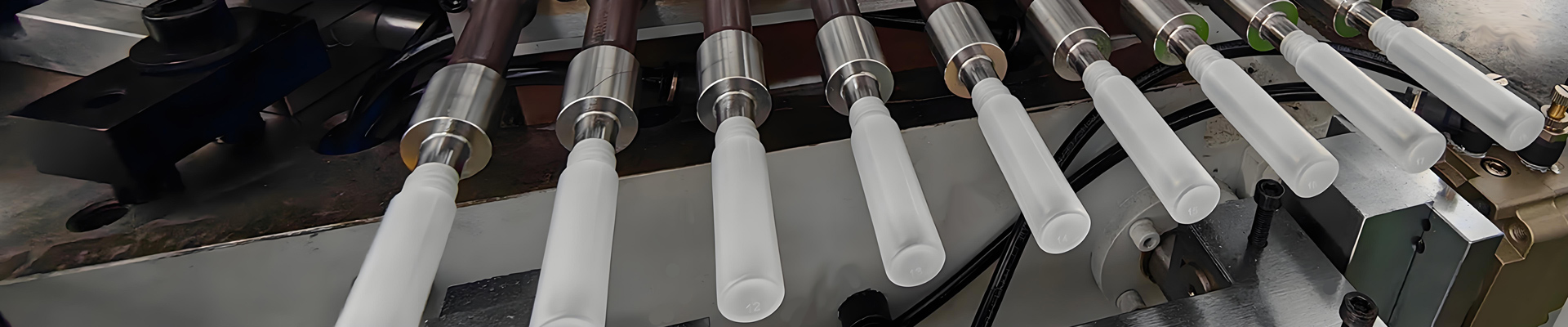
Preform design determines the starting material distribution that will be expanded during the blow molding stage to form the final container geometry. Optimal preform design balances material requirements against wall thickness distribution needs, ensuring that sufficient material reaches all container regions without excessive waste. Preform wall thickness distribution should consider container geometry, blow ratio, and material characteristics to achieve uniform wall thickness in the finished drum.
Injection parameters including injection speed, pressure, and temperature affect preform quality and subsequent container characteristics. Proper injection speed control prevents material degradation while ensuring complete cavity filling. Injection pressure optimization ensures appropriate material packing and dimensional consistency. Temperature control affects material viscosity and flow characteristics that influence preform formation and final container quality. Process optimization requires systematic evaluation of parameter interactions to identify optimal settings for specific container designs and material formulations.
Blow Molding Process Parameters
Blow pressure and timing significantly influence wall thickness distribution and dimensional accuracy in the finished container. Higher blow pressures typically produce more uniform wall thickness but may create excessive material thinning in certain regions. Blow timing optimization ensures proper material expansion and contact with cavity surfaces without causing material rupture or uneven distribution. The process parameters must be tuned for each container design to achieve the optimal balance between quality and production efficiency.
Mold temperature control affects material cooling rate and resulting crystallinity in semi-crystalline materials, which influences container mechanical properties and dimensional stability. Temperature variations across the mold cavity can create differential cooling that introduces residual stresses and dimensional variations. Maintaining uniform mold temperature throughout production cycles ensures consistent container quality and dimensional accuracy. Precision temperature control systems maintain mold temperature within plus or minus 2 degrees Celsius to ensure consistent cooling conditions.
Cycle Time Optimization
Cycle time represents a critical factor in production economics, determining equipment capacity and per-unit manufacturing cost. Cycle time optimization must balance speed against quality requirements, ensuring that faster cycle times do not compromise container quality or create increased scrap rates. The major time components in injection blow molding include injection, preform cooling, transfer to blow mold, blow molding expansion, and ejection operations.
Advanced injection blow molding machines can produce 5-liter drums with cycle times ranging from 30 to 60 seconds depending on material, wall thickness requirements, and cooling requirements. Production optimization focuses on minimizing cycle time elements that do not affect quality, particularly cooling times that represent the largest time component in most cycles. Optimized cooling through mold design improvements, temperature control optimization, and material selection can reduce cycle times by 20 to 40 percent compared to baseline operations.
Equipment Selection and Investment Analysis
Equipment selection for chemical drum manufacturing requires evaluation of multiple technical and economic factors to identify appropriate machine specifications and configurations. The investment analysis must consider not only equipment purchase costs but also long-term operating costs, production capabilities, and support requirements. Understanding equipment specifications and performance characteristics enables informed decision-making that matches equipment capabilities to production requirements.
Machine Specification Requirements
Injection blow molding machines for chemical drum production must accommodate the shot size requirements of 5-liter containers while providing sufficient clamping force for mold closure. Typical machines require injection capacities ranging from 500 to 1500 grams per shot depending on container size and wall thickness specifications. Clamping force requirements typically range from 80 to 200 tons depending on mold design and material characteristics. Machine selection must ensure adequate shot volume and clamping force with appropriate safety margins for production variations and material property differences.
Mold base dimensions and platen size must accommodate the required cavity configuration for desired production throughput. Multi-cavity molds can increase production volume but require larger machines and higher clamping force. Production economics analysis must balance increased throughput against higher equipment costs, tooling costs, and complexity. The optimal configuration depends on projected production volumes and target manufacturing costs per container.
Equipment Investment Cost Ranges
Entry-level injection blow molding machines suitable for small-scale chemical drum production typically cost 45000 to 80000 dollars depending on specifications and manufacturer. These machines provide basic capabilities suitable for startup operations or niche production with moderate volume requirements. The equipment may have limitations in terms of production speed, automation capabilities, and advanced process controls, but provides entry point capabilities with reduced capital investment.
Mid-range machines designed for mainstream production applications cost 100000 to 180000 dollars and provide improved production capabilities, better process control, and enhanced automation features. These machines suit manufacturers with established production requirements and more demanding quality specifications. The enhanced capabilities support higher production volumes and provide flexibility to produce different container designs on the same equipment.
High-performance machines for high-volume production environments cost 200000 to 350000 dollars and incorporate advanced control systems, automation capabilities, and production optimization features. These machines achieve the highest production rates with best-in-class quality consistency, justifying the premium investment through reduced per-unit manufacturing costs. The enhanced capabilities support 24/7 operation with minimal operator intervention, maximizing equipment utilization for return on investment optimization.
Tooling Investment Considerations
Mold tooling represents a significant investment alongside equipment purchase, with costs varying based on cavity configuration, material specifications, and quality requirements. Single-cavity molds for 5-liter drums typically cost 25000 to 45000 dollars depending on material quality, complexity, and required precision. Multi-cavity molds increase tooling costs proportionally but reduce per-container production costs through higher throughput. The optimal cavity configuration depends on projected production volumes, available capital for tooling investment, and targeted manufacturing economics.
Tooling material selection affects mold life, maintenance requirements, and dimensional stability over the production lifetime. High-quality tool steels such as P20 or H13 provide extended mold life and consistent performance but increase initial tooling costs by 30 to 60 percent compared to lower-grade materials. The tooling investment decision should balance initial cost against expected production volume and required mold life to achieve optimal overall economics.
Quality Assurance and Compliance
Quality assurance systems for chemical drum production must ensure consistent container performance that meets product safety and regulatory requirements. Quality systems encompass dimensional verification, material property verification, chemical compatibility testing, and performance testing under simulated use conditions. Comprehensive quality assurance prevents container failures that could result in product loss, safety incidents, or regulatory penalties.
Dimensional Verification Systems
Dimensional verification ensures that containers meet specified tolerances for critical dimensions including height, diameter, neck finish geometry, and wall thickness. Coordinate measuring machines provide comprehensive dimensional analysis with high accuracy and repeatability. CMM systems can measure hundreds of dimensions per container, generating statistical data for process control and quality monitoring. Investment in CMM systems typically ranges from 60000 to 150000 dollars depending on measurement range and automation capabilities.
In-line inspection systems provide real-time quality monitoring during production operations, detecting dimensional variations that might indicate process drift or developing problems. Vision-based inspection systems can detect surface defects, flash, and dimensional variations at production speeds exceeding 50 containers per minute. In-line inspection investment typically ranges from 40000 to 100000 dollars depending on inspection complexity and system configuration. The real-time monitoring capability enables rapid response to quality issues before they cause production of non-conforming containers.
Material Property Verification
Material property verification ensures that containers maintain appropriate mechanical characteristics for safe handling and product containment. Testing typically includes drop testing, impact resistance, top load testing, and stacking load evaluation. Drop testing simulates handling impacts during transportation and use, verifying that containers do not fail when dropped from specified heights onto various surfaces. Impact testing evaluates container resistance to sudden point loads that might occur during handling operations.
Testing equipment for mechanical property evaluation typically costs 15000 to 50000 dollars depending on automation level and testing capabilities. Testing frequency ranges from continuous monitoring through automated systems to periodic testing on statistical sampling plans. The testing investment provides assurance that container performance requirements are met throughout production, preventing quality excursions that could compromise product safety.
Chemical Compatibility Verification
Chemical compatibility testing verifies that container materials provide adequate resistance to chemical formulations throughout the specified service life. Testing typically involves exposure to actual product formulations under accelerated conditions including elevated temperatures and extended time periods. Compatibility evaluation includes visual inspection, mechanical property testing, and material analysis to detect degradation or chemical attack.
Compatibility testing infrastructure typically requires dedicated testing laboratories with controlled environmental conditions and specialized analytical equipment. Investment in compatibility testing capabilities typically ranges from 30000 to 100000 dollars depending on testing scope and automation level. The testing investment is essential for manufacturers producing containers for diverse chemical formulations, as compatibility failures can result in catastrophic consequences including product contamination, container failure, and safety incidents.
AiBiM Solutions for Chemical Drum Manufacturing
AiBiM provides comprehensive injection blow molding solutions optimized for chemical drum production requirements. The equipment, support, and technical expertise address the specific challenges of chemical containment applications while delivering the production efficiency and quality consistency required for competitive manufacturing operations. AiBiM understands the technical requirements and regulatory considerations that influence chemical drum manufacturing success.
Chemical Drum Production Equipment
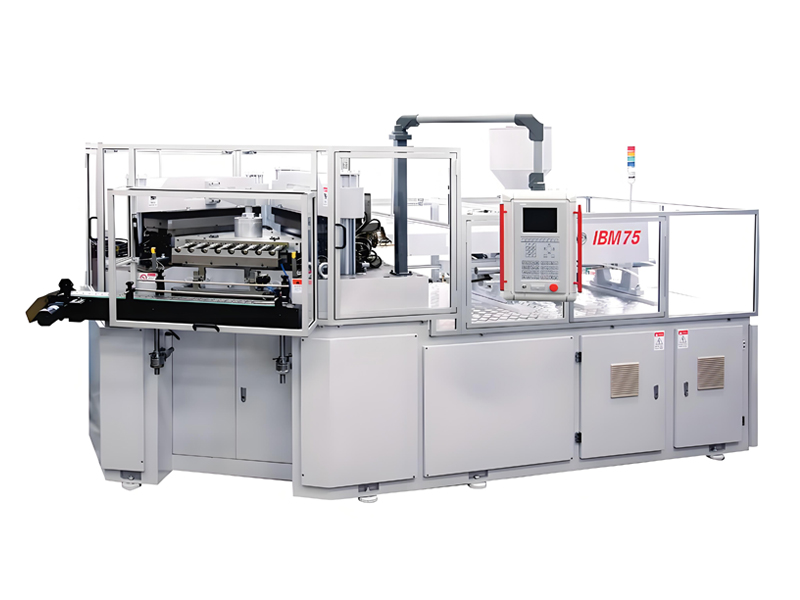
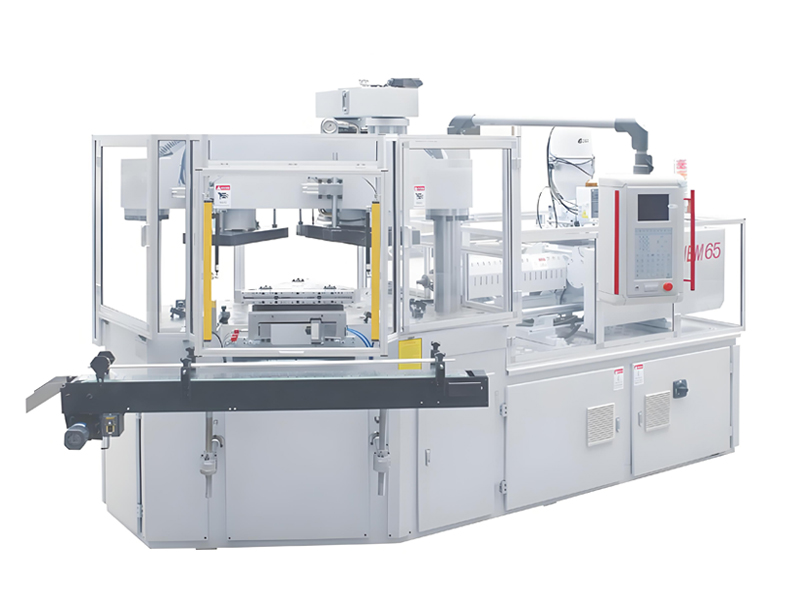
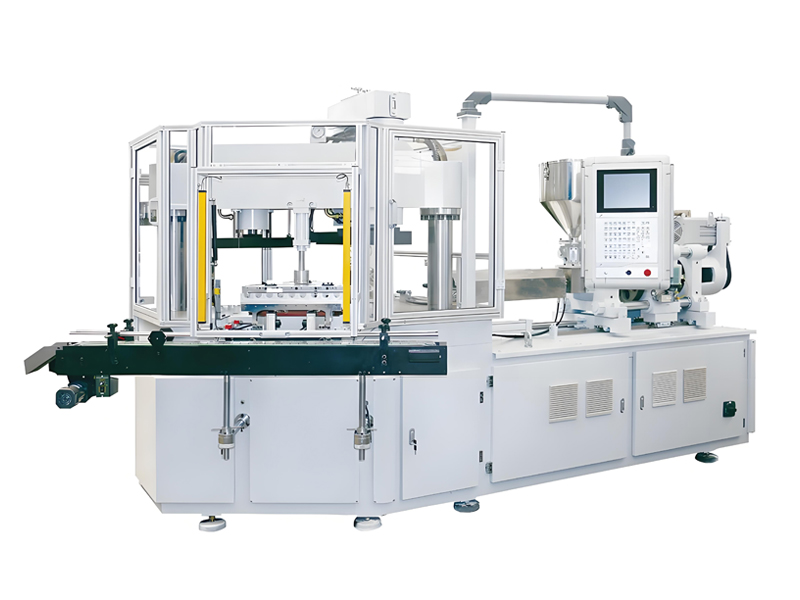
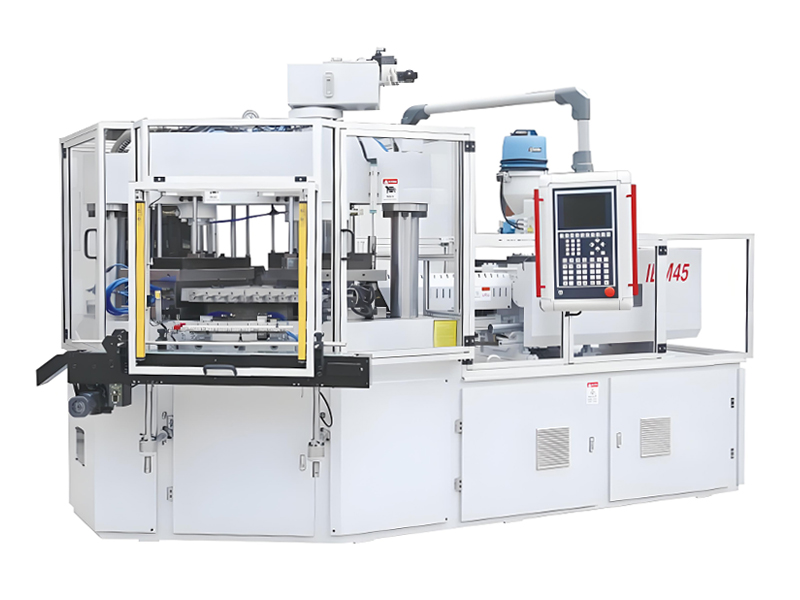
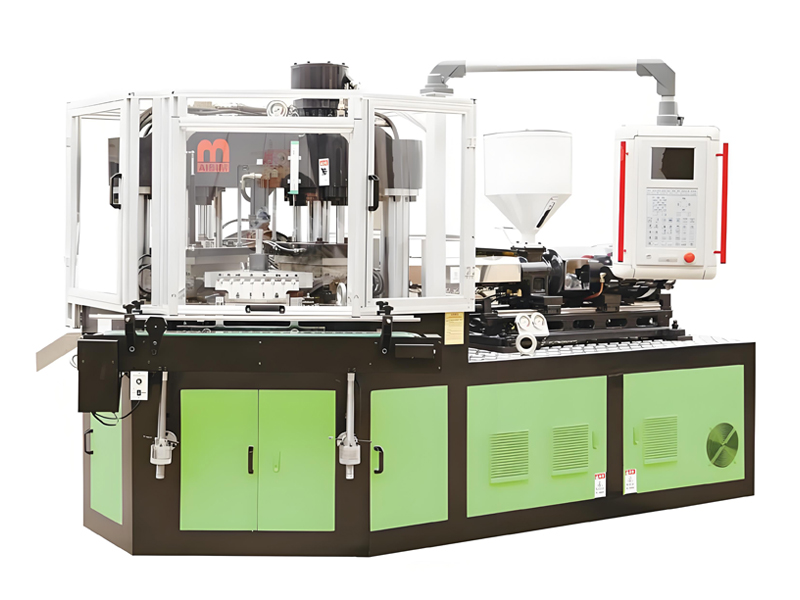
AiBiM injection blow molding machines for chemical drum production incorporate design features specifically optimized for chemical containment applications. The machines provide the shot capacity and clamping force required for 5-liter drum production while maintaining the precision control needed for dimensional consistency and wall thickness control. Advanced control systems enable precise process management that ensures consistent container quality across production runs and material variations.
The robust construction of AiBiM machines ensures reliable operation in demanding production environments where continuous operation is essential for meeting customer commitments. Heavy-duty frame construction, premium component selection, and proven designs minimize downtime and maintenance requirements. The reliability focus maximizes equipment availability and reduces total cost of ownership over the equipment lifetime.
Material Processing Expertise
AiBiM technical expertise includes extensive experience processing the specialized material formulations used for chemical drum applications. The material knowledge base covers standard and specialty HDPE grades, PP formulations, and barrier materials used for demanding chemical containment applications. This expertise enables process development that achieves optimal container quality while maximizing production efficiency and material utilization.
Process development support includes parameter optimization for specific material formulations and container designs, troubleshooting assistance for production challenges, and continuous improvement recommendations that enhance operational performance over time. The material and process expertise accelerates new product development and supports ongoing production optimization that maintains competitive positioning.
Regulatory Compliance Support
AiBiM provides support for regulatory compliance requirements that affect chemical drum production including material certification, testing documentation, and quality system requirements. The regulatory knowledge encompasses regional requirements across major markets including North America, Europe, and Asia. This support capability helps manufacturers navigate complex regulatory landscapes and ensure that their containers meet applicable requirements for different markets.
Quality system documentation and support facilitates certification to quality standards including ISO 9001 requirements for quality management systems and specific industry standards for chemical packaging. The support accelerates certification processes and ensures that quality systems are designed for effective operation rather than just compliance achievement.
Economic Analysis and Production Cost Optimization
Economic analysis of chemical drum production requires comprehensive evaluation of all cost components including materials, labor, energy, equipment, and overhead. Understanding cost structures enables identification of optimization opportunities that improve competitiveness while maintaining quality requirements. The analysis should consider both direct manufacturing costs and indirect costs including quality failures, downtime, and administrative overhead.
Cost Component Analysis
Material costs typically represent the largest component of chemical drum manufacturing costs, accounting for 45 to 60 percent of total per-unit cost depending on container design, material selection, and wall thickness requirements. Material costs for 5-liter drums typically range from 0.80 to 1.50 dollars per container depending on material formulation and container specifications. Material optimization through wall thickness reduction, yield improvement, and material selection can reduce material costs by 10 to 25 percent while maintaining required performance characteristics.
Labor costs depend heavily on the degree of automation incorporated into the production process. Fully automated production lines with minimal operator intervention can achieve labor costs below 0.15 dollars per container, while semi-automated operations may require 0.30 to 0.60 dollars per container in labor costs. The optimal automation level depends on local labor rates, production volume, and capital availability. Many manufacturers find that partial automation provides the best balance between investment cost and labor reduction.
Energy consumption for injection blow molding typically accounts for 5 to 10 percent of total manufacturing cost. Energy costs per container typically range from 0.05 to 0.15 dollars depending on equipment efficiency, process parameters, and local energy costs. Energy optimization through efficient equipment selection, process optimization, and energy recovery systems can reduce energy consumption by 15 to 30 percent compared to unoptimized operations.
Total Cost per Container Ranges
Basic 5-liter chemical drums using standard HDPE materials produced on mid-range equipment typically have manufacturing costs ranging from 1.20 to 1.80 dollars per container. These costs include materials, labor, energy, equipment amortization, and overhead. Costs at the lower end of the range assume high-volume production, efficient equipment, and optimized processes. Costs at the upper end reflect lower production volumes, less efficient equipment, or additional features that increase complexity.
Premium chemical drums with specialized materials, enhanced features, or higher quality specifications typically cost 1.80 to 2.80 dollars per container depending on specific requirements. The premium cost reflects higher material costs for specialty formulations, additional processing steps for enhanced features, and increased quality assurance requirements for high-performance applications. The higher cost is justified for applications where container performance creates value exceeding the incremental cost.
Profitability and Return Analysis
Equipment investment return analysis should consider production capacity, profit margins, and operational efficiency. A mid-range 150000-dollar injection blow molding machine producing 5-liter drums at 60 containers per hour operates at approximately 480000 containers annually assuming 80 percent operational availability. At a 0.60 dollar profit margin per container, the machine generates approximately 288000 dollars in annual profit, achieving equipment payback in approximately six months under favorable conditions.
Return on investment analysis should consider various scenarios including production volume variations, margin pressure, and operational efficiency factors. Conservative scenarios with lower production volumes and tighter margins typically achieve equipment payback in 12 to 18 months, representing attractive returns for manufacturing investments. Sensitivity analysis should identify the operational thresholds where investment remains economically justified, supporting informed decision-making under uncertain market conditions.
Conclusion and Implementation Recommendations
Successful implementation of injection blow molding for 5-liter chemical drum production requires comprehensive attention to technical requirements, economic factors, and quality considerations. The combination of appropriate equipment selection, material formulation, process optimization, and quality assurance enables manufacturers to produce chemical containers that meet demanding application requirements while maintaining competitive manufacturing economics.
Implementation should begin with thorough market analysis that identifies target application requirements, competitive positioning, and production volume projections. Material selection must balance chemical compatibility against processing requirements and cost considerations. Equipment selection should match production capacity requirements with appropriate specification and automation levels. Process development should systematically optimize parameters to achieve consistent quality while maximizing production efficiency.
The partnership with experienced equipment suppliers like AiBiM significantly reduces implementation risk and accelerates time-to-market for new production capabilities. Technical support, process expertise, and quality assurance knowledge transfer enable manufacturers to develop robust production processes that deliver consistent quality from startup through ongoing production operations. The combination of proven technology, comprehensive support, and strategic partnership positions manufacturers for success in the competitive chemical packaging market.