Introduction
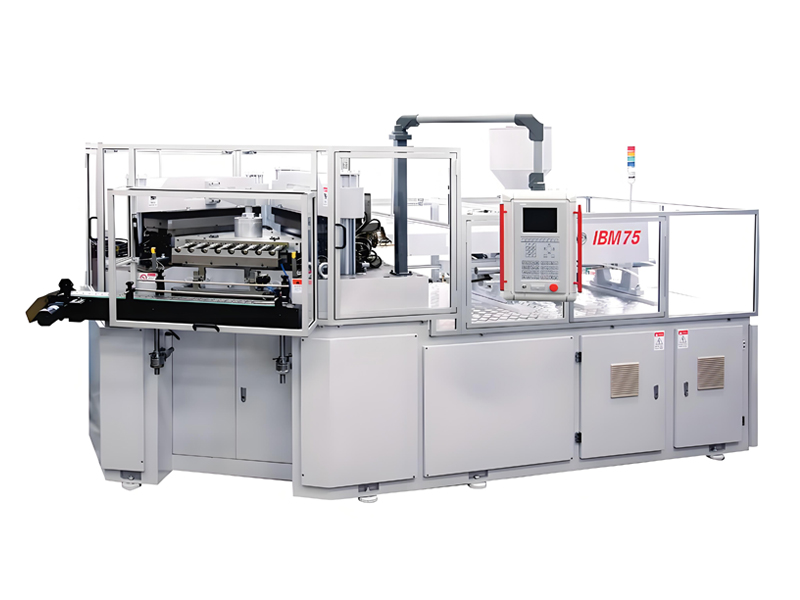
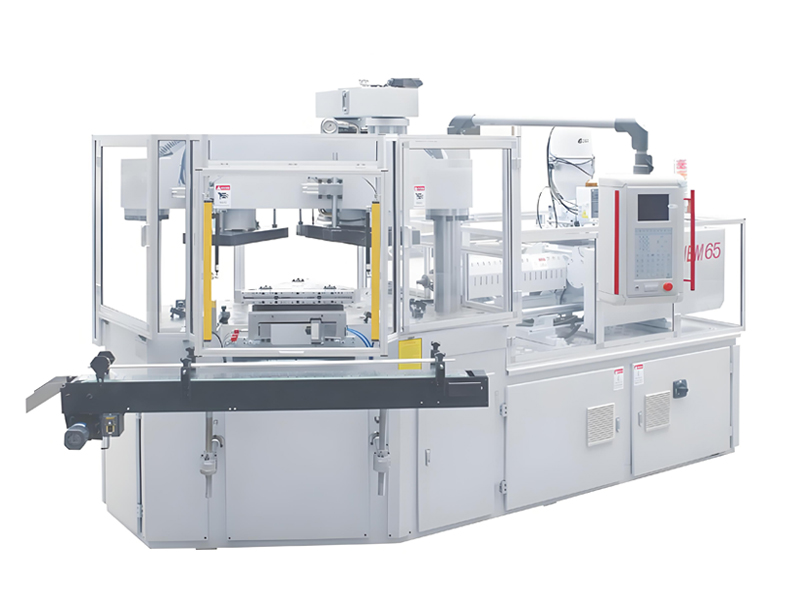
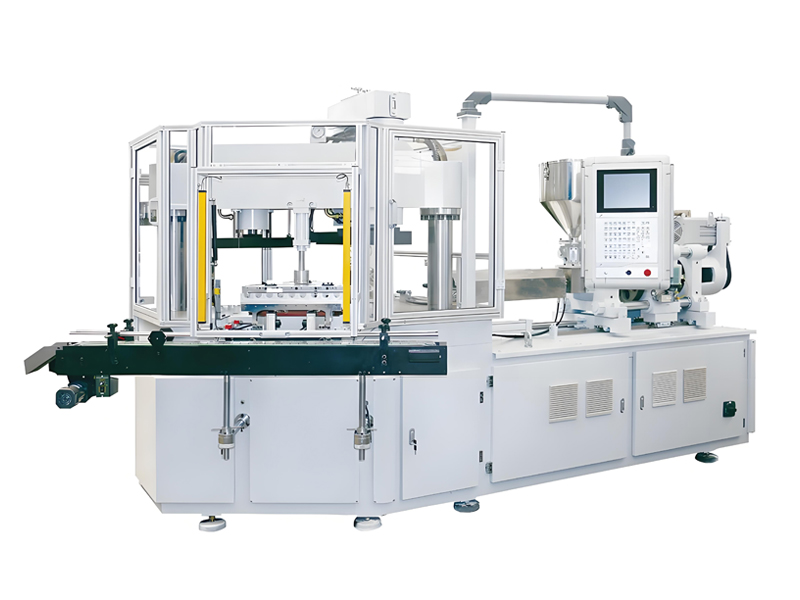
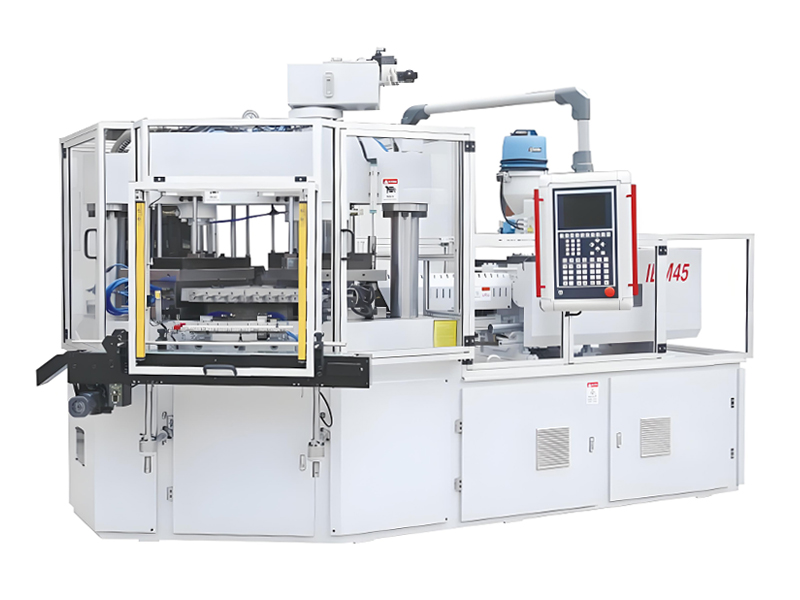
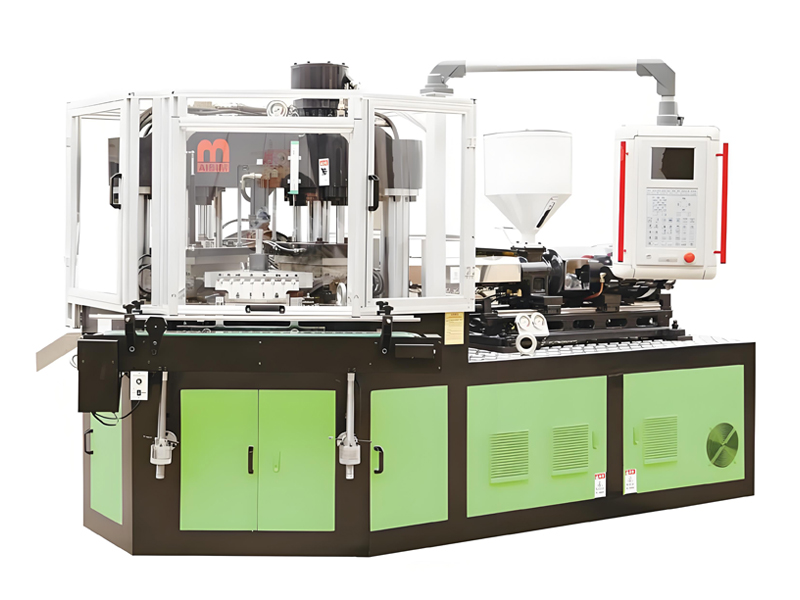
Plastic canisters represent one of the most critical packaging applications in modern manufacturing, requiring exceptional precision to ensure airtight and leak-proof performance characteristics. Injection blow molding machines designed specifically for canister production represent the pinnacle of this technology, delivering unmatched precision, consistency, and reliability for manufacturers serving pharmaceuticals, chemicals, food products, and industrial applications. AiBiM injection blow molding machines have established industry leadership in this demanding segment through advanced technology integration, precision engineering, and comprehensive quality systems ensuring every canister meets stringent airtight specifications.
The unique challenges of canister manufacturing include maintaining precise wall thickness distribution, achieving perfect sealing surfaces, ensuring dimensional accuracy for closure compatibility, and maintaining production consistency across millions of units. Injection blow molding addresses these challenges through multi-stage processes combining injection molding precision with blow molding versatility. AiBiM China factory designs and manufactures specialized equipment that excels in these demanding applications, providing manufacturers with competitive advantages in quality, efficiency, and total cost of ownership.
Understanding Plastic Canister Manufacturing Requirements
Canister Applications and Specifications
Plastic canisters serve diverse applications across multiple industries, each with specific requirements that drive equipment specifications and process parameters. Pharmaceutical applications require exceptional purity, precise dimensions for closure systems, and compliance with stringent regulatory requirements including USP Class VI and European Pharmacopeia standards. These canisters typically range from 50ml to 5-liter capacities and must maintain hermetic seals to protect sensitive contents from contamination and moisture ingress.
Chemical industry applications demand exceptional chemical resistance, particularly for aggressive substances including solvents, acids, and bases. These canisters require specialized materials including HDPE, PP, and multilayer constructions with barrier layers to prevent chemical interaction and product degradation. Canisters for chemical applications range from 100ml to 10-liter capacities with requirements for chemical compatibility certifications and extensive safety testing.
Food and beverage applications emphasize food contact safety, clarity for product visibility, and resistance to flavor migration. These canisters must comply with FDA regulations, EU food contact material standards, and various regional requirements. Capacity ranges from 50ml to 5 liters with requirements for both clear and colored options depending on product characteristics and branding requirements.
Airtight Performance Specifications
Achieving and maintaining airtight performance requires precision manufacturing with tight tolerances and consistent quality throughout production runs. Critical airtight specifications include neck finish tolerances typically within plus or minus 0.1mm to ensure perfect closure compatibility, wall thickness uniformity maintained within plus or minus 5% across all surfaces to prevent weak points, and dimensional stability ensuring consistent fit with closure systems throughout product shelf life.
Leak testing requirements vary by application but typically include pressure decay testing for pharmaceutical applications at 30psi for 30 seconds, bubble emission testing for food and beverage applications at 15psi for 60 seconds, and hydrostatic testing for chemical applications at pressures exceeding expected use conditions. AiBiM injection blow molding machines incorporate integrated quality systems ensuring every canister meets or exceeds these testing requirements without additional manual inspection requirements.
AiBiM Injection Blow Molding Technology for Canisters
Specialized Machine Features
AiBiM injection blow molding machines designed for canister production incorporate specialized features that differentiate them from general-purpose equipment. Multi-cavity production capabilities ranging from 4 to 32 cavities depending on canister size enable high-volume production while maintaining precision across all cavities. Precision temperature control systems with individual zone heating and cooling maintain consistent thermal profiles within plus or minus 1 degree Celsius across all cavities, ensuring uniform material properties and dimensional accuracy.
Advanced injection systems including servo-electric drives provide precise shot control with repeatability within plus or minus 0.001mm, critical for maintaining consistent wall thickness distribution. These systems reduce material waste, improve energy efficiency, and enhance product quality compared to traditional hydraulic systems. AiBiM servo injection systems reduce energy consumption by 40-60% compared to hydraulic systems while providing faster cycle times and better process control.
Integrated quality inspection systems perform 100% inline inspection of critical parameters including neck dimensions, wall thickness, and leak integrity before canisters leave the production line. These systems automatically reject non-conforming units, ensuring only products meeting specifications reach packaging operations. Quality data is collected and stored for traceability requirements, particularly important for pharmaceutical and food applications requiring complete production records.
Canister Production Capabilities
AiBiM injection blow molding machines deliver comprehensive canister production capabilities across multiple material types and size ranges. Material compatibility includes HDPE for chemical resistance applications, PP for high-temperature applications and chemical resistance, PET for clarity and barrier properties, and multilayer co-injection capabilities for specialized barrier requirements. The machines process these materials with precision control ensuring consistent properties throughout production runs.
Canister size capabilities range from 50ml to 10-liter capacities, with machine configurations optimized for different size ranges. Small capacity machines handle 50-500ml canisters with 16-32 cavities, medium capacity machines handle 500ml-2 liter canisters with 8-16 cavities, and large capacity machines handle 2-10 liter canisters with 4-8 cavities. This modular approach enables manufacturers to select equipment optimized for their specific product mix while maintaining flexibility for future requirements.
Injection Blow Molding Process for Canisters
Stage 1: Injection Molding of Preforms
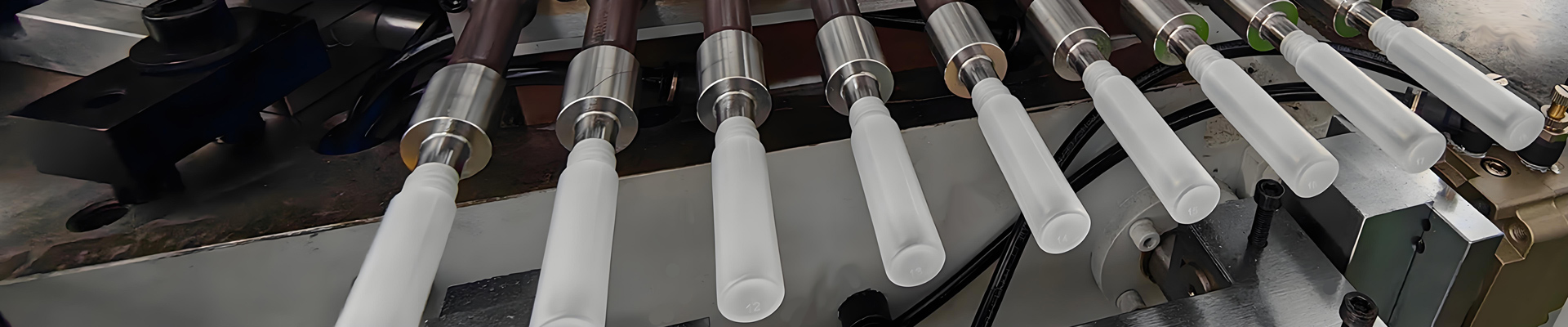
The injection blow molding process begins with precision injection of preforms that become canister containers. This critical first stage determines wall thickness distribution, neck precision, and overall dimensional accuracy of finished canisters. AiBiM injection systems deliver precise material distribution with multi-zone injection capabilities that optimize material placement for structural integrity and weight optimization.
Preform design optimization for canisters includes features for airtight performance including precision neck finishes for closure systems, controlled wall thickness distribution for pressure resistance, and optimized geometry for material efficiency while maintaining performance requirements. AiBiM engineering support includes preform design optimization services based on specific application requirements, material selection, and production volume targets.
Stage 2: Blow Molding of Canisters
Preforms transfer to blow molds where controlled air pressure expands them to final canister shape. This stage requires precise control of air pressure profiles, mold temperatures, and timing to achieve uniform wall thickness distribution and dimensional accuracy. AiBiM blow molding systems incorporate advanced control algorithms that dynamically adjust process parameters in real-time based on process monitoring data, compensating for material variations and environmental conditions to maintain consistent product quality.
Temperature control during blow molding critically affects crystallinity, stress distribution, and final performance characteristics. AiBiM systems maintain mold temperature uniformity within plus or minus 2 degrees Celsius across mold surfaces, ensuring consistent material properties throughout production runs. Advanced cooling systems with optimized channel design enable rapid heat removal while maintaining temperature uniformity, supporting shorter cycle times without compromising quality.
Stage 3: Ejection and Quality Control
Final blow molding stages include ejection systems that carefully remove finished canisters from molds without causing damage, followed by comprehensive quality inspection. Integrated inspection systems perform real-time checks including dimensional verification, wall thickness measurement, and leak testing. Non-conforming units are automatically rejected from production line, preventing defective products from reaching downstream processes.
Traceability systems track every canister through production, recording cavity number, production parameters, and quality data. This traceability proves essential for pharmaceutical applications requiring complete production records and recall capabilities. AiBiM systems provide comprehensive traceability reporting compatible with MES systems and regulatory requirements for various industries.
Material Considerations for Canister Production
High-Density Polyethylene (HDPE)
HDPE represents the most common material for plastic canisters due to excellent chemical resistance, good barrier properties, and cost-effectiveness. Chemical resistance makes HDPE ideal for containing aggressive chemicals and solvents without degradation or contamination. Barrier properties provide protection against moisture ingress and oxygen permeation for sensitive contents. Cost-effectiveness makes HDPE attractive for high-volume applications where material costs significantly impact total production economics.
Processing characteristics of HDPE include melt temperatures between 180-220°C, mold temperatures of 20-40°C, and blow pressures of 6-10 bar depending on canister size and wall thickness. Material costs for HDPE range from $1.00-$1.50 per kilogram for standard grades to $1.80-$2.50 per kilogram for specialized grades including UV-stabilized or food-contact formulations. Typical material usage ranges from 15-45 grams per canister depending on size, with material costs representing 60-80% of total production costs.
Polypropylene (PP)
Polypropylene offers advantages for canister applications requiring higher temperature resistance or specific chemical compatibility. High temperature resistance enables PP canisters to withstand sterilization processes and hot filling operations up to 135°C, making them ideal for medical and food applications requiring heat resistance. Chemical resistance to various substances including bases and acids makes PP suitable for diverse chemical applications while maintaining material integrity.
Processing requirements for PP include melt temperatures between 200-250°C, mold temperatures of 20-60°C, and blow pressures of 7-12 bar. Material costs for PP range from $1.20-$1.80 per kilogram for standard grades to $2.00-$3.00 per kilogram for specialized grades including nucleated and clarified formulations. Material usage is typically slightly lower than HDPE for equivalent canister sizes due to lower density, ranging from 13-40 grams per canister.
Polyethylene Terephthalate (PET)
PET provides superior clarity and barrier properties for canister applications requiring product visibility and extended shelf life. Excellent clarity enables visual inspection of contents and premium product presentation, particularly valuable for food and beverage applications. Enhanced barrier properties against oxygen and carbon dioxide extend product shelf life compared to HDPE and PP, making PET ideal for oxygen-sensitive products.
Processing requirements for PET include melt temperatures between 250-280°C, mold temperatures of 5-15°C for proper crystallinity control, and blow pressures of 25-40 bar, significantly higher than HDPE and PP. Material costs for PET range from $1.40-$2.00 per kilogram for standard grades to $2.50-$4.00 per kilogram for specialized barrier-enhanced grades. Material usage ranges from 15-42 grams per canister depending on size and wall thickness requirements.
Cost Analysis for Canister Production
Machine Investment Costs
AiBiM injection blow molding machines for canister production represent significant capital investments, with costs varying based on machine size, cavity count, and automation level. Small capacity machines for 50-500ml canisters with 16-32 cavities range from $180,000-$320,000 depending on automation level and material systems. Medium capacity machines for 500ml-2 liter canisters with 8-16 cavities range from $250,000-$450,000 including advanced automation and quality systems. Large capacity machines for 2-10 liter canisters with 4-8 cavities range from $320,000-$580,000 for complete systems with automation and integration capabilities.
Additional equipment requirements include material drying systems ranging from $15,000-$35,000 depending on capacity and material requirements, auxiliary equipment including conveyors and packaging integration costing $25,000-$75,000, and mold tooling ranging from $25,000-$85,000 depending on cavity count, material, and complexity. Total facility investment typically ranges from $300,000-$850,000 depending on production scale and automation requirements.
Production Cost Breakdown
Variable production costs for canister manufacturing include material costs representing the largest component at 60-80% of total variable costs, energy costs at 8-12% of variable costs depending on machine efficiency and local energy rates, and direct labor costs at 5-15% depending on automation level and local labor rates. For typical HDPE canisters, total variable costs range from $0.08-$0.25 per canister depending on size, material, and production efficiency.
Fixed costs include machine depreciation representing $0.03-$0.08 per canister based on 5-year depreciation and annual production volumes, maintenance costs averaging $0.02-$0.05 per canister for preventive maintenance programs, and facility costs including space allocation and overhead support totaling $0.01-$0.04 per canister depending on facility utilization. Total fixed costs range from $0.06-$0.17 per canister based on production scale and efficiency.
Profitability Analysis
Canister manufacturing profitability depends on market segments, product specialization, and operational efficiency. Pharmaceutical canisters typically command premium pricing ranging from $0.45-$1.50 per canister for 100-500ml sizes, with gross margins of 35-55% achievable through quality differentiation and regulatory compliance capabilities. Chemical industry canisters for aggressive applications command pricing of $0.35-$0.85 per canister for 250ml-2 liter sizes, with margins of 25-40% depending on chemical resistance requirements and certification levels.
Food and beverage canisters face more competitive pricing of $0.15-$0.45 per canister for 250ml-2 liter sizes, with margins of 15-30% depending on volume, material selection, and product differentiation. Premium packaging for specialty food products can achieve higher margins through design differentiation and enhanced functionality. Return on investment for complete production lines typically ranges from 18-36 months depending on market segment, production volume, and operational efficiency.
Quality Assurance and Testing
Airtight Testing Methods
Comprehensive airtight testing ensures canisters meet performance specifications for various applications. Pressure decay testing represents the most accurate method for detecting leaks, measuring pressure reduction within canisters when pressurized air is applied. AiBiM integrated testing systems perform pressure decay testing at 30psi for pharmaceutical applications with tolerance of plus or minus 0.5psi over 30 seconds, detecting leaks as small as 0.01 standard cubic centimeters per minute.
Bubble emission testing provides visual verification of leak locations by submerging pressurized canisters in water and observing bubble formation. This method provides immediate visual feedback on leak location and magnitude, valuable for process troubleshooting and quality improvements. AiBiM systems can integrate bubble testing stations for applications requiring 100% leak verification with visual confirmation capabilities.
Helium mass spectrometry testing provides the highest sensitivity for detecting minute leaks, capable of detecting leaks as small as 1×10^-12 standard cubic centimeters per second. This method represents the industry standard for pharmaceutical canisters requiring the highest level of leak detection capability. AiBiM provides helium testing integration for pharmaceutical customers requiring compliance with stringent regulatory requirements.
Dimensional Quality Control
Precise dimensional control ensures proper closure compatibility and consistent fit throughout product shelf life. Neck finish verification includes measurements of thread pitch, neck diameter, and sealing surface perpendicularity to ensure proper closure function. AiBiM quality systems perform 100% neck dimension verification with tolerances of plus or minus 0.1mm, automatically rejecting canisters outside specification ranges.
Wall thickness measurement systems use ultrasonic technology to verify wall thickness distribution across canister surfaces, identifying weak points and ensuring structural integrity. These systems provide detailed thickness maps for process optimization and quality documentation. AiBiM ultrasonic measurement systems achieve accuracy of plus or minus 0.05mm, sufficient for most canister applications while maintaining high-speed operation.
Dimensional verification including overall height, diameter, and volume capacity ensures consistency across production lots. Automated optical measurement systems perform these measurements at high speed without physical contact, preventing product damage while maintaining throughput. AiBiM optical systems achieve accuracy of plus or minus 0.2mm for linear dimensions and plus or minus 0.5% for volume verification.
Operational Excellence and Efficiency
Production Optimization Strategies
Maximizing production efficiency requires systematic optimization of process parameters, equipment capabilities, and operational procedures. Cycle time optimization involves balancing injection time, blow molding time, and cooling requirements to achieve minimum cycle times while maintaining product quality. Typical cycle times for HDPE canisters range from 8-18 seconds depending on size and wall thickness, with optimized lines achieving cycle times 15-25% faster than industry averages through advanced control systems and optimized mold designs.
Material efficiency optimization involves minimizing material usage while maintaining performance requirements. AiBiM systems provide parison programming capabilities that optimize material distribution, typically reducing material usage by 8-15% compared to unoptimized processes while maintaining performance characteristics. Material savings directly impact profitability, particularly in high-volume applications where material costs represent significant portion of total production costs.
Energy efficiency optimization reduces operational costs through advanced system designs including servo-electric drives, energy recovery systems, and optimized thermal management. AiBiM energy-efficient machines reduce energy consumption by 40-60% compared to traditional hydraulic systems, providing significant cost savings particularly in regions with high energy costs. Energy monitoring systems provide real-time consumption data enabling continuous improvement and cost control.
Automation Integration
Comprehensive automation capabilities enable unattended operation and reduced labor requirements while improving consistency and quality. Automated material handling systems including gravimetric blenders, automatic loaders, and material drying systems minimize operator intervention and maintain consistent material conditions. These systems can reduce labor requirements by 60-80% compared to manual operation while improving material consistency and reducing contamination risks.
Robotic automation for downstream operations including leak testing, inspection, packaging, and palletizing enables complete production line automation. AiBiM provides integrated robotic solutions that can be customized for specific applications, achieving throughput of 2,000-6,000 canisters per hour depending on size and line configuration. Automated systems reduce labor costs by 70-90% compared to manual operations while improving consistency and reducing handling damage.
Maintenance and Reliability
Preventive Maintenance Programs
Comprehensive preventive maintenance programs ensure consistent performance and maximum uptime for injection blow molding machines. Daily maintenance tasks include cleaning machine surfaces, checking oil levels, inspecting cooling systems, and verifying safety system function. These tasks typically require 30-45 minutes per shift and prevent approximately 70-80% of unscheduled downtime when performed consistently.
Weekly maintenance includes detailed inspection of mechanical components, verification of alignment, and lubrication of moving parts according to manufacturer specifications. These activities typically require 2-3 hours and address wear and deterioration before causing operational problems. AiBiM provides detailed maintenance schedules and checklists specific to each machine model and application.
Monthly maintenance includes calibration of sensors and control systems, inspection of electrical connections, and detailed examination of wear components. These activities typically require 4-6 hours and are essential for maintaining precision operation and preventing cumulative wear problems. AiBiM maintenance programs include detailed documentation of all maintenance activities for traceability and warranty compliance.
Common Maintenance Issues and Solutions
Understanding common maintenance issues enables proactive identification and resolution before causing production disruptions. Injection system issues including inconsistent shot size or pressure typically result from worn screw or barrel components, hydraulic system leaks, or control system calibration drift. Regular inspection and preventive replacement of wear components prevents these issues from affecting production quality and consistency.
Blow molding system issues including inconsistent wall thickness or flash formation result from improper parison control, mold temperature variation, or air pressure inconsistencies. Regular calibration of parison control systems, verification of mold temperature uniformity, and maintenance of air systems prevent quality issues. AiBiM preventive maintenance programs include specific procedures for maintaining blow molding system performance.
Quality control system issues including false rejects or missed defects result from sensor contamination, calibration drift, or software configuration problems. Regular sensor cleaning, calibration verification, and system performance monitoring ensure quality systems function correctly. AiBiM provides comprehensive training for quality system maintenance and troubleshooting.
FAQ
What size canisters can AiBiM machines produce?
AiBiM injection blow molding machines produce canisters ranging from 50ml to 10-liter capacities, with different machine models optimized for specific size ranges. Small capacity machines handle 50-500ml canisters with high cavitation for high-volume production, medium capacity machines handle 500ml-2 liter canisters with balanced cavitation, and large capacity machines handle 2-10 liter canisters with lower cavitation but heavier individual product weights. Machine selection depends on target canister size, required production volume, and material requirements.
What is the production capacity of AiBiM canister machines?
Production capacity varies by canister size and machine configuration. For 250ml HDPE canisters, typical production rates range from 3,500-6,000 canisters per hour on 8-cavity machines, depending on cycle time and operational efficiency. For 500ml canisters, production rates range from 2,500-4,500 canisters per hour on 6-cavity machines. For 1-liter canisters, production rates range from 1,500-3,000 canisters per hour on 4-cavity machines. Actual production rates depend on material, wall thickness requirements, and operational efficiency.
How much does a complete canister production line cost?
Complete production line costs vary based on canister size, material, and automation level. Small scale production for 100-500ml canisters typically requires investment of $300,000-$500,000 including machine, molds, and basic automation. Medium scale production for 500ml-2 liter canisters typically requires $450,000-$700,000 including advanced automation and quality systems. Large scale production for 2-10 liter canisters typically requires $600,000-$900,000 for complete systems with comprehensive automation and integration. Additional costs include facility preparation, utilities, and operating capital.
What materials can AiBiM canister machines process?
AiBiM injection blow molding machines process all common canister materials including HDPE for chemical resistance and general applications, PP for high temperature resistance, PET for clarity and barrier properties, and various engineering plastics for specialized applications. Multi-layer co-injection capabilities enable production of canisters with barrier layers or special material combinations for advanced applications. Material selection depends on application requirements including chemical compatibility, temperature resistance, clarity needs, and regulatory compliance requirements.
How do AiBiM machines ensure airtight performance?
AiBiM injection blow molding machines ensure airtight performance through precision engineering, advanced control systems, and integrated quality verification. Precision injection systems maintain consistent wall thickness distribution and neck dimensions within tight tolerances. Advanced control systems maintain consistent process parameters including temperature, pressure, and timing throughout production runs. Integrated quality systems perform 100% leak testing using pressure decay, bubble emission, or helium mass spectrometry depending on application requirements. These systems automatically reject any canisters not meeting airtight specifications.
What is the maintenance requirement for canister production lines?
Maintenance requirements include daily tasks taking 30-45 minutes per shift for cleaning, lubrication, and system verification. Weekly maintenance requiring 2-3 hours includes detailed inspection and lubrication of mechanical components. Monthly maintenance requiring 4-6 hours includes calibration of control systems and detailed component inspection. Annual maintenance typically requires 1-2 days and includes comprehensive system inspection and replacement of wear components. Total annual maintenance costs typically range from 2-4% of machine value when preventive maintenance programs are properly implemented. AiBiM provides detailed maintenance schedules and support services for all machine models.
Conclusion
Injection blow molding machines designed for plastic canister production represent sophisticated manufacturing technology delivering exceptional precision, consistency, and reliability for demanding applications across multiple industries. AiBiM injection blow molding machines combine advanced technology integration, precision engineering, and comprehensive quality systems to provide manufacturers with competitive advantages in canister quality, production efficiency, and total cost of ownership. Understanding canister application requirements, material considerations, process optimization strategies, and quality assurance methods enables manufacturers to maximize equipment performance and profitability.
Investment in AiBiM injection blow molding technology for canister production delivers long-term value through superior product quality, operational efficiency, and market competitiveness. The comprehensive support infrastructure including engineering expertise, spare parts availability, and technical support ensures successful implementation and sustained performance throughout equipment lifecycle. As canister applications continue evolving with new materials, performance requirements, and market demands, AiBiM injection blow molding technology provides the foundation for manufacturing excellence in this critical packaging segment.