Introduction
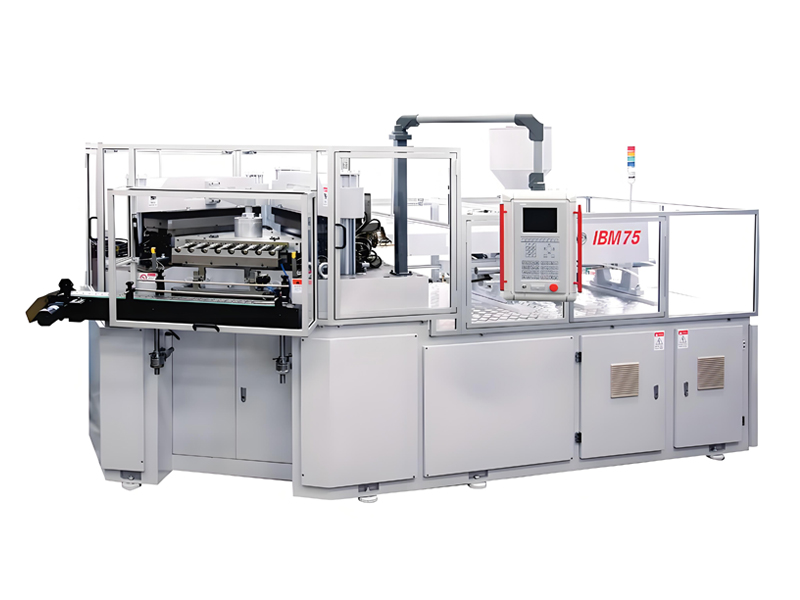
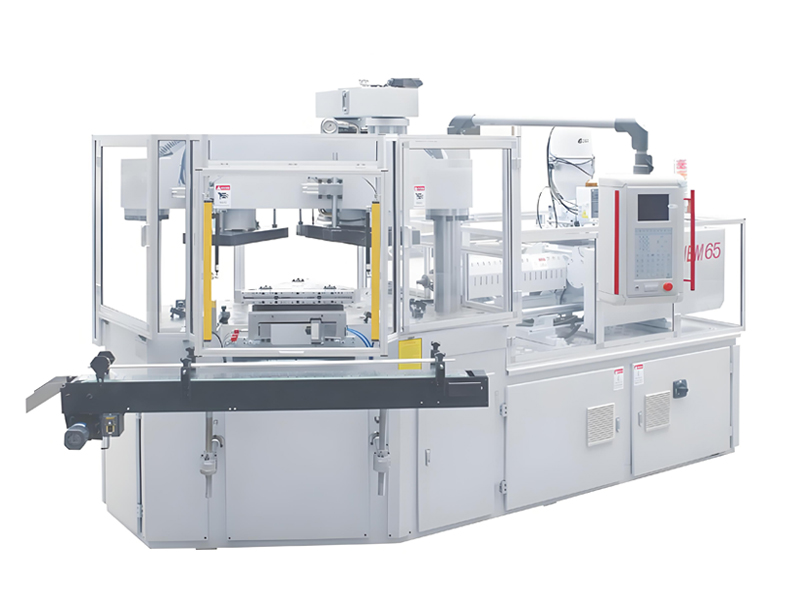
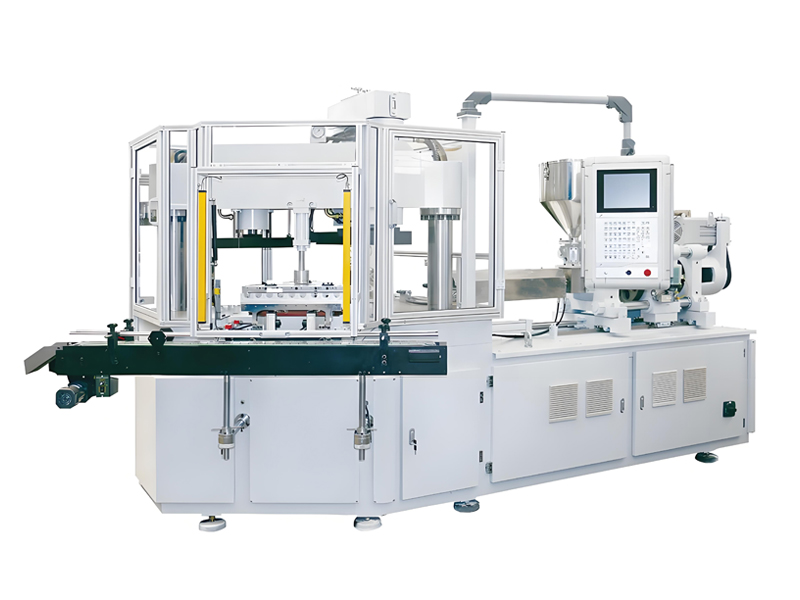
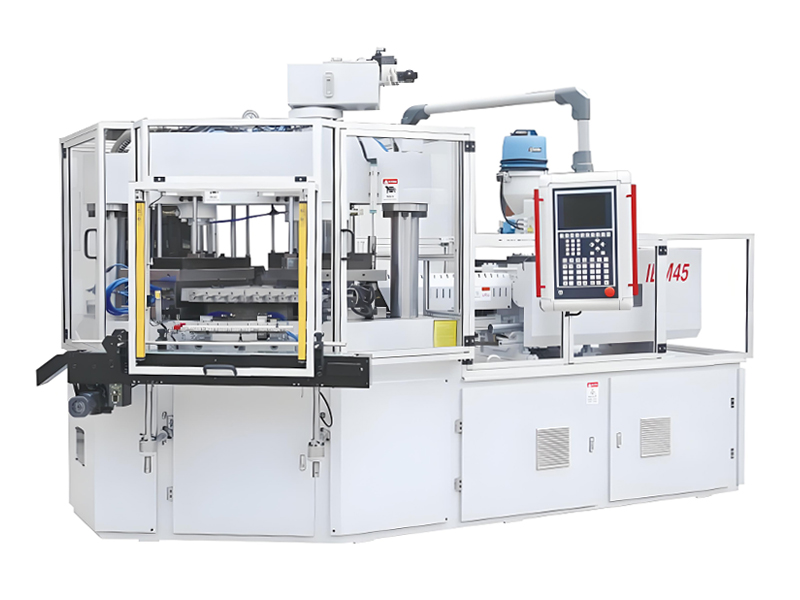
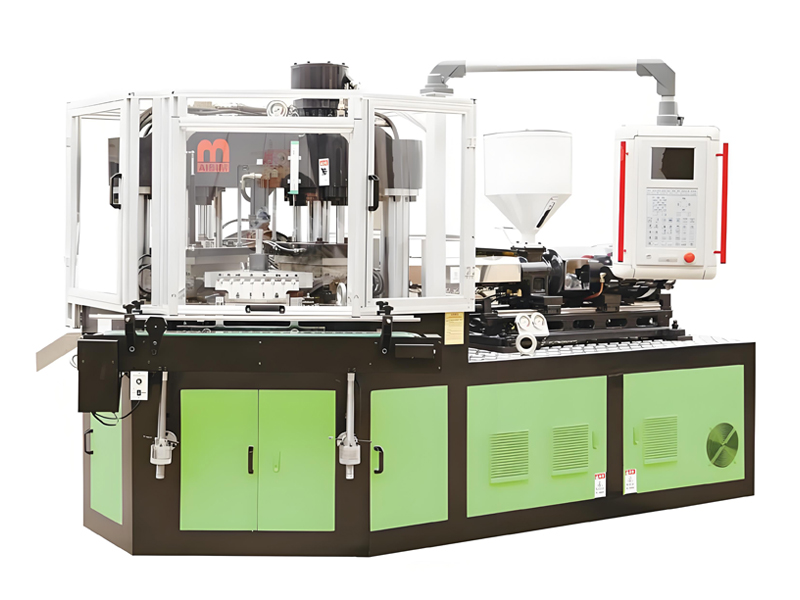
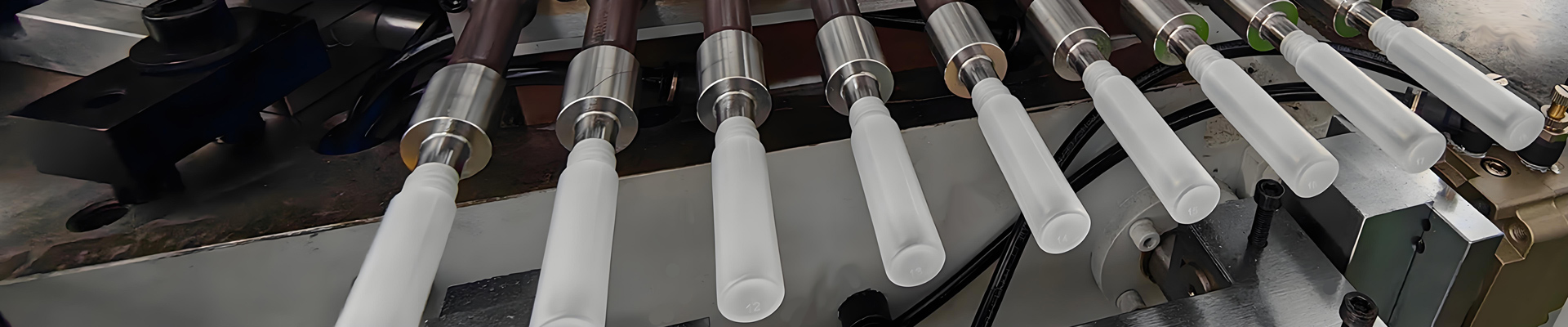
Garden spray bottles represent critical packaging applications requiring exceptional pressure resistance and durability to withstand the demands of chemical storage, transportation, and repeated use. Injection blow molding technology provides the precision and consistency necessary to manufacture garden spray bottles that meet stringent performance requirements while maintaining cost-effectiveness for high-volume production. AiBiM injection blow molding machines have established excellence in this demanding application through specialized equipment designs, advanced material processing capabilities, and comprehensive quality assurance systems ensuring every bottle performs reliably under pressure.
The unique challenges of garden spray bottle manufacturing include maintaining consistent wall thickness distribution, ensuring proper neck finish precision for pump compatibility, achieving dimensional accuracy for cap fit and closure integrity, and delivering pressure resistance capable of containing liquids during spraying operations. Garden spray bottles must also withstand outdoor conditions including UV exposure, temperature extremes, and mechanical stress during use. AiBiM injection blow molding technology addresses these challenges through precision engineering, optimized process control, and comprehensive testing capabilities ensuring product reliability.
Understanding Garden Spray Bottle Requirements
Pressure Resistance Specifications
Garden spray bottles must withstand internal pressures generated during pumping and spraying operations, typically ranging from 15-30 PSI for standard garden sprayers up to 45-60 PSI for professional-grade equipment. This pressure resistance requirement demands consistent wall thickness distribution and material strength throughout the bottle structure. Critical pressure-related specifications include wall thickness minimums of 0.8-1.2mm depending on bottle size, neck integrity capable of withstanding torque forces from pump mechanisms, and overall structural integrity maintaining shape and performance under repeated pressure cycles.
Pressure testing protocols for garden spray bottles include hydrostatic testing at 1.5 times maximum operating pressure for duration of 30 seconds, cyclic pressure testing simulating repeated pump cycles for 500-1000 cycles, and burst pressure testing ensuring safety margins of at least 2 times maximum operating pressure. AiBiM injection blow molding machines incorporate integrated pressure testing systems ensuring every bottle meets these rigorous requirements without manual intervention.
Chemical Resistance Requirements
Garden spray bottles contain various chemicals including herbicides, pesticides, fertilizers, cleaning solutions, and water-based formulations requiring appropriate chemical resistance. Chemical compatibility varies significantly based on bottle material selection, with HDPE providing excellent resistance to most water-based formulations, PP offering superior resistance to acids and bases, and specialized engineering plastics providing enhanced resistance to aggressive chemicals. Material selection must account for both immediate chemical compatibility and long-term effects including stress cracking, material degradation, and chemical permeation.
Chemical resistance testing includes immersion testing for 7-30 days at 40-50°C simulating accelerated aging, stress crack resistance testing under chemical exposure, and permeation testing evaluating chemical migration through bottle walls. AiBiM provides material selection guidance based on specific chemical formulations and regulatory requirements, ensuring bottles maintain integrity throughout intended service life.
Environmental Durability Requirements
Outdoor garden applications expose spray bottles to environmental factors including UV radiation, temperature extremes, moisture, and mechanical stress during use. UV resistance requires incorporation of UV stabilizers or selection of inherently UV-resistant materials to prevent embrittlement and degradation. Temperature resistance must accommodate operating ranges from -10°C to 50°C for typical garden applications, with some professional applications requiring performance from -20°C to 60°C. Mechanical durability must withstand impact from drops, crushing forces from storage, and stress from pump operation.
Environmental testing protocols include accelerated UV aging testing simulating 6-12 months of outdoor exposure in 200-400 hours, thermal cycling testing between minimum and maximum operating temperatures, and impact and drop testing simulating typical use conditions. AiBiM provides testing support and material selection guidance to ensure environmental durability appropriate for intended application.
AiBiM Injection Blow Molding Technology for Spray Bottles
Specialized Machine Features
AiBiM injection blow molding machines designed for garden spray bottle production incorporate specialized features optimized for pressure resistance and durability. Precision injection systems deliver consistent material distribution with wall thickness uniformity maintained within plus or minus 0.05mm across all bottle surfaces, critical for pressure resistance. These systems employ multi-zone injection control enabling optimized material placement for structural strength while minimizing material usage and weight.
Advanced blow molding systems incorporate pressure control profiles that optimize wall thickness distribution for pressure resistance while minimizing cycle time. Variable blow pressure profiles ranging from 8-25 bar provide optimal expansion control for different bottle geometries and wall thickness requirements. AiBiM blow systems maintain pressure control accuracy within plus or minus 0.5 bar, ensuring consistent bottle performance across production runs.
Integrated quality inspection systems perform real-time verification of critical parameters including wall thickness, neck dimensions, and pressure resistance. Optical measurement systems verify wall thickness distribution with accuracy of plus or minus 0.02mm across critical bottle sections. Integrated pressure testing capabilities perform inline burst and hydrostatic testing, automatically rejecting bottles not meeting pressure resistance specifications. These systems ensure 100% quality verification without manual intervention or additional inspection stations.
Production Capabilities
AiBiM injection blow molding machines deliver comprehensive production capabilities for garden spray bottles across multiple sizes and configurations. Bottle size capabilities range from 250ml to 5-liter capacities, with machine configurations optimized for different size ranges. Small capacity machines for 250ml-1 liter bottles feature 8-16 cavities, medium capacity machines for 1-2 liter bottles feature 4-12 cavities, and large capacity machines for 2-5 liter bottles feature 2-6 cavities. This flexible approach enables manufacturers to select equipment optimized for their product mix while maintaining flexibility for future requirements.
Material processing capabilities include HDPE for standard garden applications requiring chemical resistance and durability, PP for applications requiring higher temperature resistance or specific chemical compatibility, and specialized materials including co-extruded multilayer structures for enhanced chemical resistance. AiBiM processing expertise ensures optimal material handling, temperature control, and process parameters for each material type, delivering consistent bottle performance and quality.
Material Selection for Garden Spray Bottles
High-Density Polyethylene (HDPE)
HDPE represents the predominant material choice for garden spray bottles due to excellent chemical resistance, good mechanical strength, and cost-effectiveness. Chemical resistance to water-based formulations, many herbicides, pesticides, and fertilizers makes HDPE suitable for most garden applications. Mechanical strength including good impact resistance and stiffness provides durability for outdoor use and pump operation requirements. Cost-effectiveness makes HDPE attractive for high-volume production where material costs significantly impact total production economics.
Processing parameters for HDPE in garden spray bottle applications include melt temperatures of 180-220°C, mold temperatures of 20-40°C, and blow pressures of 8-12 bar for 250ml-1 liter sizes and 10-15 bar for 2-5 liter sizes. Material costs for HDPE suitable for garden applications range from $1.00-$1.40 per kilogram for standard grades to $1.50-$2.00 per kilogram for UV-stabilized grades. Typical bottle weights range from 25-45 grams for 250ml bottles to 80-150 grams for 5-liter bottles depending on wall thickness requirements and pressure specifications.
Polypropylene (PP)
Polypropylene offers advantages for garden spray bottles requiring enhanced chemical resistance or higher temperature resistance. Superior chemical resistance to acids, bases, and certain organic chemicals makes PP suitable for aggressive formulations that may affect HDPE. Higher temperature resistance enables PP bottles to withstand hot filling processes and storage in hot environments where HDPE may deform. Improved clarity compared to HDPE enables better visual inspection of contents and premium product presentation.
Processing parameters for PP include melt temperatures of 200-250°C, mold temperatures of 25-60°C, and blow pressures of 10-15 bar for small sizes to 12-18 bar for larger sizes. Material costs for PP range from $1.20-$1.80 per kilogram for standard grades to $1.80-$2.50 per kilogram for specialized grades including nucleated and UV-stabilized formulations. Bottle weights for PP are typically 10-15% lower than HDPE for equivalent sizes due to lower density, ranging from 22-40 grams for 250ml bottles to 70-130 grams for 5-liter bottles.
Multilayer Co-Extruded Materials
Multilayer co-extruded materials enable enhanced performance through combination of material layers optimized for specific functions. Common configurations include HDPE outer layer for chemical resistance and durability combined with barrier layer for enhanced chemical impermeability, PP outer layer with EVOH barrier layer for organic chemical resistance, and UV-resistant outer layer with structural HDPE core layer for environmental durability. These materials provide performance capabilities unattainable with single-material constructions.
Processing parameters for multilayer materials require specialized equipment with multiple injection systems and precise layer ratio control. Layer thicknesses typically range from 10-30% of total wall thickness for barrier layers, with outer structural layers comprising the remaining wall thickness. Material costs for multilayer materials range from $2.00-$4.00 per kilogram depending on layer configuration and material selection. These materials are typically reserved for premium applications where enhanced performance justifies increased material costs.
Production Process Optimization
Injection Optimization for Pressure Resistance
Injection molding optimization represents critical factor in achieving consistent pressure resistance in garden spray bottles. Shot size control with repeatability within plus or minus 0.2% ensures consistent material volume entering each preform, directly affecting final wall thickness distribution. AiBiM injection systems achieve shot size control accuracy of plus or minus 0.1% through servo-electric drives and advanced closed-loop control systems.
Multi-zone injection control enables precise material placement optimization for structural strength. Injection profiles can be programmed to deliver more material to critical areas requiring thicker walls for pressure resistance while minimizing material in non-critical areas for weight reduction. AiBiM injection systems provide up to 10 injection zones enabling sophisticated wall thickness optimization reducing material usage while maintaining pressure resistance requirements.
Temperature control precision maintains consistent melt properties essential for uniform wall thickness and structural integrity. AiBiM systems maintain melt temperature uniformity within plus or minus 1°C across the melt stream, eliminating temperature variations that could cause wall thickness inconsistencies. This precision control ensures consistent bottle-to-bottle performance across production runs.
Blow Molding Optimization
Blow molding optimization ensures consistent expansion and wall thickness distribution critical for pressure resistance. Pressure profile control enables optimization of blow pressure throughout expansion cycle, applying higher pressure during initial expansion and lower pressure during final shaping to optimize cycle time while maintaining wall thickness uniformity. AiBiM blow systems provide programmable pressure profiles with up to 8 pressure stages for precise control.
Temperature control during blow molding affects crystallinity, stress distribution, and final mechanical properties. AiBiM systems maintain mold temperature uniformity within plus or minus 2°C across mold surfaces, ensuring consistent material properties throughout production runs. Advanced cooling systems with optimized channel design enable rapid heat removal while maintaining temperature uniformity, supporting shorter cycle times without compromising quality.
Blow timing optimization balances expansion time, pressure holding time, and cooling time to achieve minimum cycle times while maintaining quality requirements. AiBiM systems provide automated blow timing optimization based on real-time process monitoring, adjusting parameters dynamically to compensate for material variations and environmental conditions. This optimization typically reduces cycle times by 15-25% compared to manual optimization while maintaining or improving quality consistency.
Quality Assurance for Pressure Resistance
Testing Methods and Protocols
Comprehensive quality assurance ensures garden spray bottles meet pressure resistance specifications reliably. Hydrostatic pressure testing involves filling bottles with water and pressurizing to test pressures typically 1.5 times maximum operating pressure. AiBiM integrated hydrostatic testing systems perform this test at production speeds with rejection capabilities for bottles failing test specifications.
Burst pressure testing determines the maximum pressure bottles can withstand before failure, ensuring adequate safety margins. AiBiM systems can perform burst testing on sampling basis, typically testing 1-2% of production volume to verify process control. Test pressures typically exceed 2 times maximum operating pressure to ensure safety margins.
Cyclic pressure testing simulates repeated use conditions, applying pressure cycles simulating pump operation to verify bottle durability. AiBiM can perform cyclic testing on sampling basis, typically applying 500-1000 cycles at operating pressures to verify bottle integrity under repeated stress. This testing ensures bottles withstand expected use without developing fatigue failures.
Dimensional Quality Control
Precise dimensional control ensures proper pump compatibility and closure performance. Neck finish verification includes measurement of thread pitch, neck diameter, and sealing surface perpendicularity ensuring proper pump fit and sealing. AiBiM systems perform 100% neck dimension verification with tolerances of plus or minus 0.1mm, automatically rejecting bottles outside specification ranges.
Wall thickness measurement systems use ultrasonic technology to verify wall thickness distribution across bottle surfaces, identifying weak points and ensuring pressure resistance capabilities. These systems provide detailed thickness maps for process optimization and quality documentation. AiBiM ultrasonic systems achieve accuracy of plus or minus 0.03mm, sufficient for detecting wall thickness variations affecting pressure resistance.
Overall dimensional verification including height, diameter, and volume ensures consistency across production lots. Automated optical measurement systems perform these measurements at high speed without physical contact, preventing product damage while maintaining throughput. AiBiM optical systems achieve accuracy of plus or minus 0.2mm for linear dimensions and plus or minus 0.5% for volume verification.
Cost Analysis and Economic Considerations
Machine Investment Analysis
Investment analysis for garden spray bottle production machines considers various factors affecting total cost of ownership. Machine costs vary based on bottle size, cavity count, and automation level. Small capacity machines for 250ml-1 liter bottles with 8-16 cavities range from $180,000-$320,000 depending on automation level and material systems. Medium capacity machines for 1-2 liter bottles with 4-12 cavities range from $250,000-$450,000 including advanced automation and quality systems. Large capacity machines for 2-5 liter bottles with 2-6 cavities range from $320,000-$580,000 for complete systems with automation and integration capabilities.
Production Cost Breakdown
Variable production costs for garden spray bottles include material costs representing 65-80% of total variable costs, energy costs at 8-12% of variable costs, and direct labor costs at 5-15% depending on automation level. For typical HDPE garden spray bottles, total variable costs range from $0.12-$0.35 per bottle depending on size, material, and production efficiency. Material costs range from $0.08-$0.25 per bottle for HDPE depending on size and wall thickness requirements.
Fixed costs include machine depreciation representing $0.03-$0.10 per bottle based on 5-year depreciation and annual production volumes, maintenance costs averaging $0.02-$0.06 per bottle for preventive maintenance programs, and facility costs including space allocation and overhead support totaling $0.01-$0.05 per bottle depending on facility utilization. Total fixed costs range from $0.06-$0.21 per bottle based on production scale and efficiency.
Profitability Analysis
Garden spray bottle manufacturing profitability depends on market segment, product quality, and operational efficiency. Standard garden sprayer bottles for consumer applications typically command pricing of $0.25-$0.60 per bottle for 500ml-2 liter sizes, with gross margins of 25-40% achievable through operational excellence and cost control. Professional-grade bottles for commercial applications typically command pricing of $0.45-$0.95 per bottle for 1-3 liter sizes, with margins of 30-50% achievable through quality differentiation and performance capabilities.
Performance improvements through operational excellence including cycle time optimization, material efficiency improvements, and energy efficiency enhancements can significantly improve profitability. Operational optimization can reduce variable costs by 15-30% while maintaining or improving quality, potentially increasing gross margins by 10-20 percentage points. Return on investment for complete production lines typically ranges from 24-42 months depending on market segment, production volume, and operational efficiency.
Operational Excellence and Efficiency
Production Optimization Strategies
Maximizing production efficiency requires systematic optimization of process parameters, equipment capabilities, and operational procedures. Cycle time optimization involves balancing injection time, blow molding time, and cooling requirements to achieve minimum cycle times while maintaining product quality. Typical cycle times for HDPE garden spray bottles range from 12-25 seconds depending on size and wall thickness, with optimized lines achieving cycle times 20-30% faster than industry averages.
Material efficiency optimization involves minimizing material usage while maintaining pressure resistance requirements. AiBiM systems provide parison programming capabilities that optimize material distribution, typically reducing material usage by 10-18% compared to unoptimized processes while maintaining pressure resistance specifications. Material savings directly impact profitability, particularly in high-volume applications where material costs represent significant portion of total production costs.
Energy efficiency optimization reduces operational costs through advanced system designs including servo-electric drives, energy recovery systems, and optimized thermal management. AiBiM energy-efficient machines reduce energy consumption by 40-60% compared to traditional hydraulic systems, providing significant cost savings particularly in regions with high energy costs.
Quality Control and Consistency
Comprehensive quality control systems ensure consistent pressure resistance performance across production. Statistical process control monitors critical parameters including wall thickness, neck dimensions, and pressure test results, detecting process drift before quality problems occur. AiBiM SPC systems provide real-time monitoring and alerts enabling proactive adjustments preventing quality issues and reducing scrap.
Automated quality inspection systems perform 100% verification of critical quality parameters without manual intervention. These systems include optical inspection for dimensional verification, ultrasonic systems for wall thickness measurement, and automated pressure testing for pressure resistance verification. AiBiM integrated inspection systems reject non-conforming bottles automatically while collecting quality data for traceability and process improvement.
Maintenance and Reliability
Preventive Maintenance Programs
Comprehensive preventive maintenance programs ensure consistent performance and maximum uptime. Daily maintenance tasks include cleaning machine surfaces, checking oil levels, inspecting cooling systems, and verifying safety system function, typically requiring 30-45 minutes per shift. Weekly maintenance includes detailed inspection of mechanical components, verification of alignment, and lubrication of moving parts, requiring 2-3 hours. Monthly maintenance includes calibration of sensors and control systems, inspection of electrical connections, and detailed examination of wear components, requiring 4-6 hours.
Common Maintenance Issues
Understanding common maintenance issues enables proactive identification and resolution. Injection system issues including inconsistent shot size or pressure typically result from worn screw or barrel components, hydraulic system leaks, or control system calibration drift. Blow molding system issues including inconsistent wall thickness or flash formation result from improper parison control, mold temperature variation, or air pressure inconsistencies. Quality control system issues including false rejects or missed defects result from sensor contamination, calibration drift, or software configuration problems.
FAQ
What pressure resistance do AiBiM garden spray bottles provide?
AiBiM injection blow molding machines produce garden spray bottles meeting pressure resistance requirements for standard applications up to 30 PSI and professional-grade applications up to 60 PSI. Pressure resistance is achieved through precise wall thickness control, uniform material distribution, and optimized bottle design. Every bottle undergoes testing ensuring it meets specified pressure requirements. Pressure capabilities are verified through hydrostatic testing at 1.5 times maximum operating pressure and burst testing ensuring safety margins of at least 2 times maximum operating pressure.
What materials can AiBiM machines process for garden spray bottles?
AiBiM injection blow molding machines process all common garden spray bottle materials including HDPE for standard applications requiring chemical resistance and durability, PP for applications requiring enhanced chemical resistance or higher temperature resistance, and multilayer co-extruded materials for advanced applications requiring barrier properties or enhanced chemical resistance. Material selection depends on specific chemical formulations, environmental conditions, and performance requirements. AiBiM provides material selection guidance based on application requirements and regulatory considerations.
What is the production capacity of AiBiM garden spray bottle machines?
Production capacity varies by bottle size and machine configuration. For 500ml HDPE garden spray bottles, typical production rates range from 2,500-4,500 bottles per hour on 8-cavity machines. For 1-liter bottles, production rates range from 1,800-3,500 bottles per hour on 6-cavity machines. For 2-liter bottles, production rates range from 1,200-2,500 bottles per hour on 4-cavity machines. Actual production rates depend on material, wall thickness requirements, and operational efficiency.
How much does a garden spray bottle production line cost?
Complete production line costs vary based on bottle size, material, and automation level. Small scale production for 250ml-1 liter bottles typically requires investment of $300,000-$550,000 including machine, molds, and basic automation. Medium scale production for 1-2 liter bottles typically requires $450,000-$750,000 including advanced automation and quality systems. Large scale production for 2-5 liter bottles typically requires $600,000-$1,100,000 for complete systems with comprehensive automation and integration.
How do AiBiM machines ensure pressure resistance consistency?
AiBiM injection blow molding machines ensure pressure resistance consistency through precision injection control maintaining shot size repeatability within plus or minus 0.2%, advanced blow systems with pressure control accuracy within plus or minus 0.5 bar, integrated quality inspection systems performing 100% pressure testing, and real-time process monitoring detecting variations before they affect product quality. These capabilities ensure every bottle meets pressure resistance specifications consistently throughout production runs.
What is the warranty and support for AiBiM equipment?
AiBiM provides comprehensive warranty coverage including 12-month parts and labor warranty on all major components, extended warranty options available for additional coverage, and global support network providing technical assistance within 24-48 hours worldwide. Spare parts are available from regional warehouses ensuring delivery of common components within 48-72 hours. Comprehensive training programs ensure operators and maintenance personnel have knowledge required for optimal operation. Technical support includes 24/7 hotlines, remote diagnostic capabilities, and on-site support from qualified service engineers.
Conclusion
Injection blow molding machines designed for garden spray bottle production represent sophisticated manufacturing technology delivering exceptional pressure resistance, durability, and quality consistency. AiBiM injection blow molding machines combine advanced technology integration, precision engineering, and comprehensive quality systems to provide manufacturers with competitive advantages in garden spray bottle quality, production efficiency, and total cost of ownership. Understanding garden spray bottle requirements, material selection, process optimization, and quality assurance enables manufacturers to maximize equipment performance and profitability.
Investment in AiBiM injection blow molding technology for garden spray bottle production delivers long-term value through superior product quality, operational excellence, and market competitiveness. The comprehensive support infrastructure including engineering expertise, spare parts availability, and technical support ensures successful implementation and sustained performance throughout equipment lifetime. As garden spray bottle applications continue evolving with new chemical formulations, performance requirements, and environmental considerations, AiBiM injection blow molding technology provides the foundation for manufacturing excellence in this demanding application.