The global disposable plastic containers market is experiencing unprecedented growth, reaching $241.94 billion in 2026 and projected to grow at a compound annual growth rate (CAGR) of 6.3% through 2035. This expansion is driven by increasing demand from the food and beverage, pharmaceutical, personal care, and household industries. The disposable food containers segment alone is valued at $51.91 billion in 2026, growing at 5.5% annually, while the pharmaceutical packaging segment is the fastest-growing at 7.2% due to rising demand for sterile, single-use medical containers.
In this highly competitive market, production cost efficiency is the key to profitability. Raw materials typically account for 60-80% of total production costs, followed by energy, labor, and maintenance expenses. Manufacturers are constantly seeking ways to reduce costs while maintaining product quality and compliance with strict regulatory standards. Injection blow molding (IBM) technology has emerged as the most cost-effective solution for producing high-quality, precision disposable plastic containers in small to medium sizes.
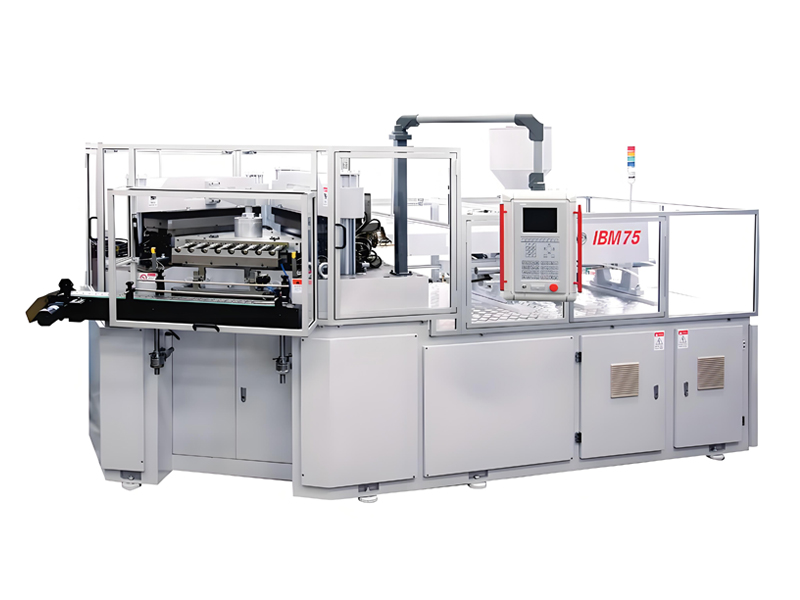
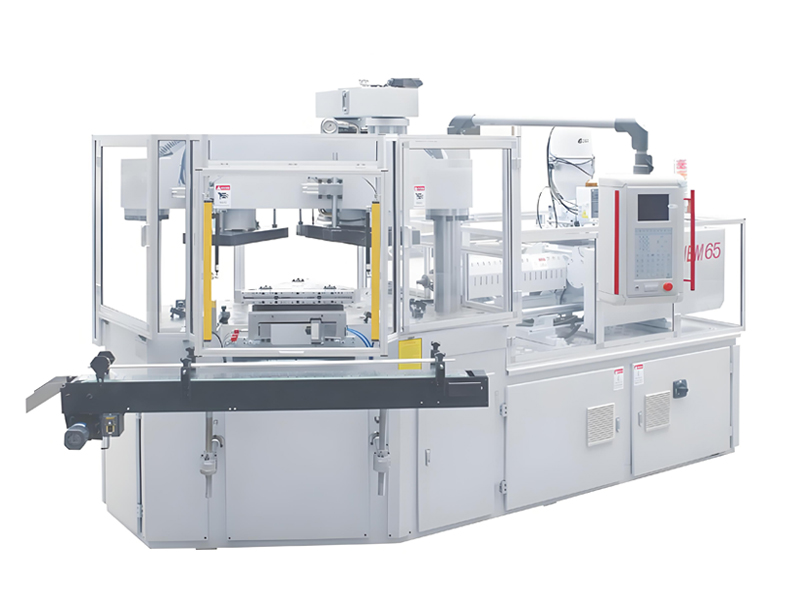
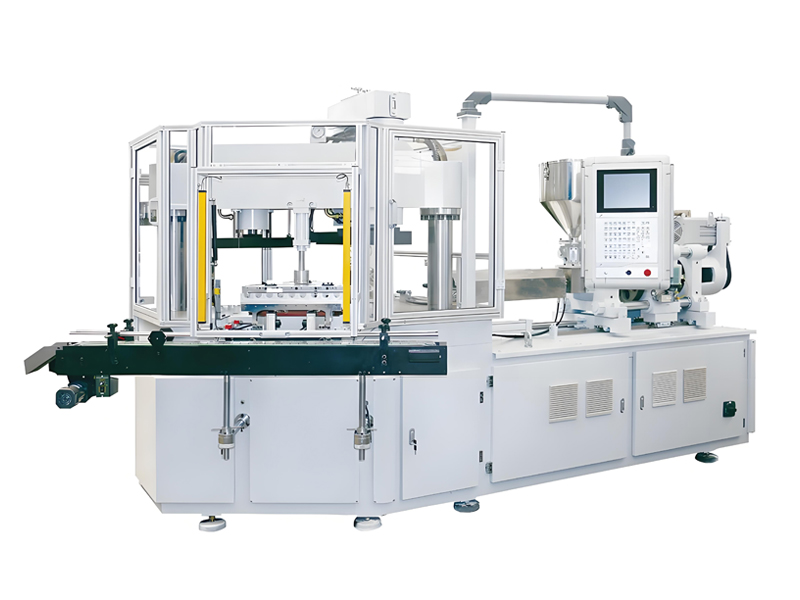
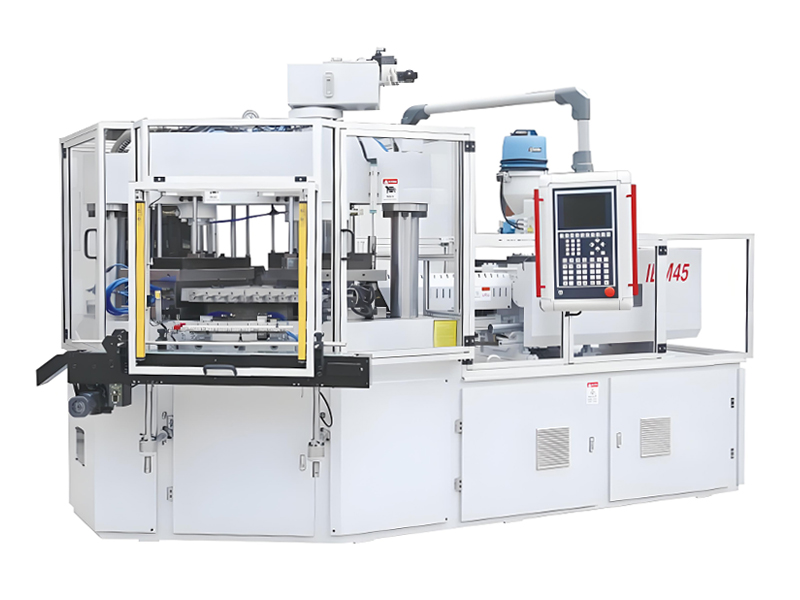
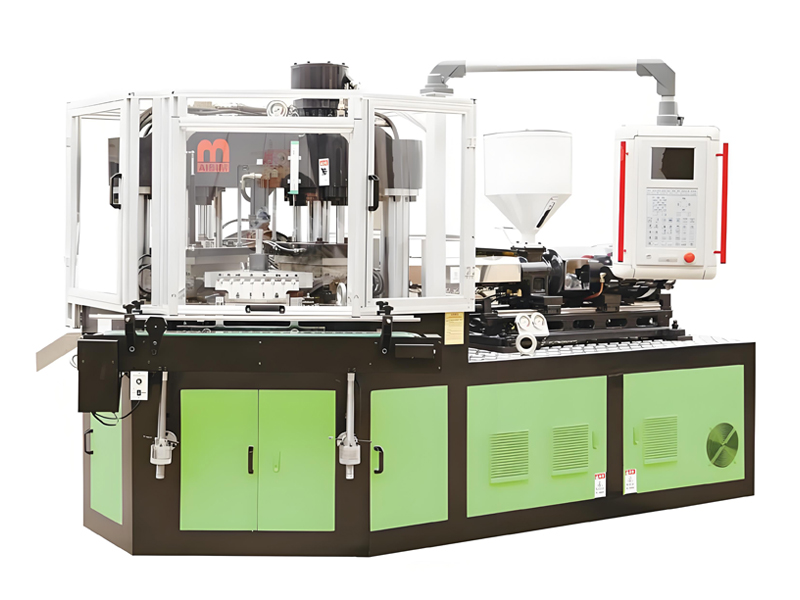
As a leading manufacturer of injection blow molding machines with over 15 years of experience, AiBiM has developed a comprehensive range of IBM machines specifically designed for low-cost disposable plastic container production. AiBiM machines combine advanced servo drive technology, intelligent control systems, and energy-efficient designs to deliver the lowest total cost of ownership in the industry. With production capacities ranging from 250 to 1200 bottles per hour, AiBiM has a solution for every production need, from small-scale startups to large-scale manufacturing facilities.
This comprehensive guide explores how injection blow molding technology enables low-cost production of disposable plastic containers. It examines the key cost drivers in plastic container manufacturing, explains the advantages of IBM over alternative technologies, details AiBiM’s innovative cost-saving features, and provides a complete cost analysis and real-world case studies. Whether you are starting a new disposable container business or looking to upgrade your existing production line, this guide will help you understand how AiBiM injection blow molding machines can significantly reduce your production costs and improve your profitability.
1. Disposable Plastic Containers Market and Cost Pressure Challenges
The disposable plastic containers industry is characterized by high volume production, thin profit margins, and intense price competition. Manufacturers face constant pressure to reduce costs while meeting increasingly strict quality and regulatory requirements.
1.1 Growing Global Demand for Disposable Plastic Containers
Disposable plastic containers have become an essential part of modern life due to their convenience, lightweight, durability, and low cost. They are used in a wide range of applications, including food and beverage packaging, pharmaceutical and medical packaging, personal care products, household chemicals, and industrial products.
The food and beverage industry is the largest consumer of disposable plastic containers, accounting for approximately 45% of total market share. The growing popularity of ready-to-eat meals, takeout food, and bottled beverages has driven significant demand for plastic containers. The pharmaceutical industry is the second-largest consumer, accounting for about 20% of the market, with demand increasing due to the growing need for sterile, tamper-evident packaging for drugs and medical devices.
The personal care and cosmetics industry is also a major consumer, using plastic containers for products such as shampoo, lotion, cream, and perfume. These containers require high precision, excellent surface finish, and attractive design to appeal to consumers.
1.2 Key Cost Drivers in Disposable Plastic Container Production
Understanding the key cost drivers is essential for optimizing production costs. The main cost components in disposable plastic container manufacturing are:
- Raw materials: This is the largest cost component, typically accounting for 60-80% of total production costs. The most commonly used materials are PET, PP, HDPE, and LDPE. Resin prices are volatile and fluctuate based on petroleum prices, global supply and demand, and economic conditions.
- Energy costs: Energy is the second-largest cost component, accounting for 5-15% of total production costs. This includes electricity for running the machines, compressed air for the blow molding process, and heating and cooling for the facility.
- Labor costs: Labor typically accounts for 5-12% of total production costs. This includes machine operators, maintenance personnel, quality control inspectors, and management staff.
- Tooling and mold costs: Molds are a significant capital expense, and their cost is amortized over the production run. Mold costs can range from $4,700 to $89,500 depending on the complexity, size, and number of cavities.
- Maintenance and repair costs: Regular maintenance is essential to keep machines running efficiently and prevent costly breakdowns. Maintenance costs typically account for 2-5% of total production costs.
- Waste and scrap costs: Material waste from production defects, trimming, and machine changeovers can significantly increase costs. Waste rates vary depending on the production technology and process efficiency.
1.3 The Need for Cost-Effective Production Technology
In today’s competitive market, manufacturers cannot afford to use outdated or inefficient production technology. The choice of production technology has a significant impact on all cost components, from raw material utilization to energy consumption and labor requirements.
Traditional extrusion blow molding (EBM) technology has been widely used for producing plastic containers, but it has several limitations that increase production costs. EBM produces containers with less uniform wall thickness, requires trimming of excess flash, and has higher material waste rates. It also has slower cycle times and lower production efficiency compared to modern injection blow molding technology.
Injection blow molding technology addresses these limitations, offering higher precision, better material utilization, faster production speeds, and lower overall production costs. For manufacturers producing high volumes of small to medium-sized disposable containers, IBM is the most cost-effective production technology available today.
2. Injection Blow Molding vs. Alternative Technologies: Cost Comparison
When choosing a production technology for disposable plastic containers, it is important to compare the total cost of ownership of different options. The following comparison examines the cost advantages of injection blow molding over extrusion blow molding and injection stretch blow molding.
2.1 Injection Blow Molding vs. Extrusion Blow Molding
Extrusion blow molding is the most common alternative to injection blow molding for producing plastic containers. While EBM has lower initial equipment and tooling costs, it has higher operating costs and lower product quality compared to IBM.
The main cost differences between IBM and EBM are:
- Material utilization: IBM is a scrap-free process that produces containers with no flash or excess material, resulting in material utilization rates of 99% or higher. EBM requires trimming of flash from the top and bottom of containers, resulting in material waste rates of 5-15%. For high-volume production, this difference in material utilization can result in significant cost savings with IBM.
- Energy consumption: Modern IBM machines use advanced servo drive systems that consume 30-50% less energy than traditional hydraulic EBM machines. Servo drives only consume energy when needed, whereas hydraulic systems run continuously, wasting energy even when the machine is idle.
- Product quality: IBM produces containers with extremely accurate neck dimensions, uniform wall thickness, and excellent surface finish. This results in lower defect rates and higher product yields compared to EBM. IBM containers also have better sealing properties, reducing the risk of leaks and product spoilage.
- Production speed: IBM has faster cycle times than EBM for small to medium-sized containers. A typical IBM machine can produce 500-1200 bottles per hour, while a comparable EBM machine produces 300-800 bottles per hour. This higher production speed means that fewer machines are needed to meet production requirements, reducing capital investment and labor costs.
- Labor requirements: IBM machines are more automated than EBM machines, requiring fewer operators per machine. IBM also eliminates the need for separate trimming and deflashing operations, further reducing labor requirements.
- Initial investment: IBM machines have higher initial equipment and tooling costs than EBM machines. However, the higher operating costs of EBM mean that IBM typically has a lower total cost of ownership for production volumes above 500,000 units per year.
For example, a manufacturer producing 1 million 50ml pharmaceutical bottles per year would save approximately $120,000 annually in material costs alone by using IBM instead of EBM, based on a 10% difference in material utilization and a resin price of $1.20 per kg.
2.2 Injection Blow Molding vs. Injection Stretch Blow Molding
Injection stretch blow molding (ISBM) is another technology used for producing plastic containers, particularly PET bottles for beverages. While ISBM is suitable for large-volume production of standard bottle sizes, it is less cost-effective for small to medium-sized containers and custom designs.
The main cost differences between IBM and ISBM are:
- Tooling costs: ISBM requires separate injection molds and blow molds, resulting in higher tooling costs than IBM. ISBM molds are also more complex and expensive to manufacture and maintain.
- Changeover time: IBM has much faster changeover times between different container sizes and shapes compared to ISBM. A typical IBM changeover takes 15-30 minutes, while an ISBM changeover can take 2-4 hours. This makes IBM more suitable for producing a variety of different products in small to medium batches.
- Material flexibility: IBM can process a wider range of materials than ISBM, including PP, HDPE, LDPE, and PET. ISBM is primarily used for PET bottles and has limited capability with other materials.
- Production volume: ISBM is more cost-effective for very high-volume production of standard bottle sizes (above 5 million units per year). For lower production volumes or custom designs, IBM is more cost-effective.
- Container design: IBM can produce more complex container shapes and designs than ISBM, including containers with narrow necks, special closures, and intricate details.
2.3 Total Cost of Ownership Comparison
To illustrate the cost advantages of injection blow molding, the following table compares the total cost of ownership of IBM, EBM, and ISBM for producing 1 million 50ml pharmaceutical bottles per year over a 5-year period:
- Initial equipment cost: IBM $75,000, EBM $50,000, ISBM $120,000
- Tooling cost: IBM $15,000, EBM $8,000, ISBM $25,000
- Annual material cost: IBM $108,000, EBM $120,000, ISBM $112,000
- Annual energy cost: IBM $12,000, EBM $20,000, ISBM $15,000
- Annual labor cost: IBM $30,000, EBM $45,000, ISBM $35,000
- Annual maintenance cost: IBM $5,000, EBM $8,000, ISBM $7,000
- Total 5-year cost: IBM $830,000, EBM $963,000, ISBM $982,000
This comparison clearly shows that injection blow molding has the lowest total cost of ownership for this application, despite having a higher initial investment than extrusion blow molding. The annual cost savings with IBM more than offset the higher initial cost within the first year of operation.
3. Key Factors for Low-Cost Disposable Plastic Container Production
Achieving low-cost production of disposable plastic containers requires optimizing all aspects of the production process. The following are the key factors that determine production costs and how modern injection blow molding technology addresses them.
3.1 Maximum Material Utilization
As raw materials account for the largest share of production costs, maximizing material utilization is the most effective way to reduce costs. Injection blow molding technology achieves near-perfect material utilization by eliminating flash and scrap from the production process.
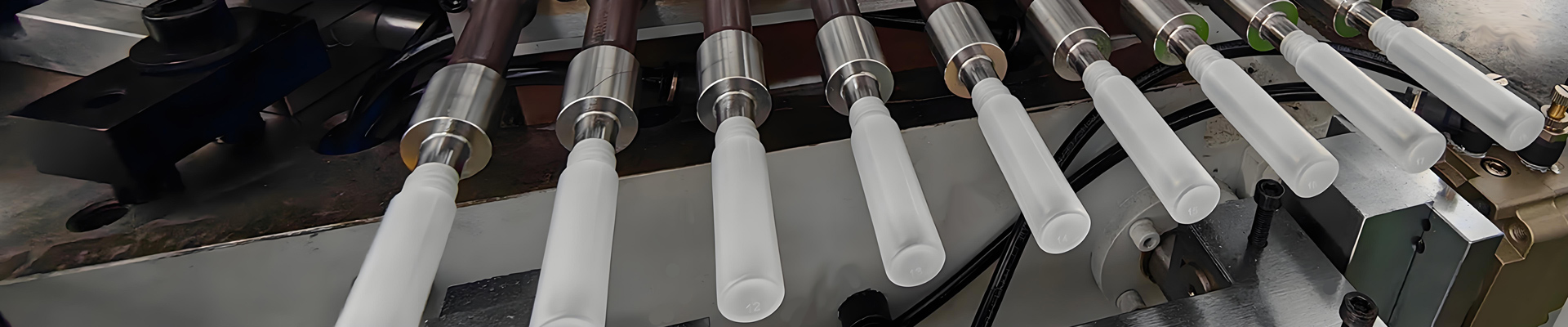
In the IBM process, molten plastic is injected into a preform mold around a core rod, forming the neck and body of the container with precise dimensions. The preform is then transferred to the blow station, where it is inflated into the final container shape. The finished container is removed from the machine cleanly, with no excess material to trim or recycle.
This scrap-free process results in material utilization rates of 99% or higher, compared to 85-95% for extrusion blow molding. For high-volume production, this difference translates into significant cost savings. For example, a manufacturer producing 5 million containers per year with an average weight of 10 grams would save 50,000 kg of resin annually with IBM, worth approximately $60,000 at a resin price of $1.20 per kg.
Modern IBM machines also feature precise material dosing and control systems that ensure consistent preform weight and wall thickness, further reducing material waste from overfilling or underfilling.
3.2 Energy Efficiency
Energy costs are the second-largest component of production costs, making energy efficiency another critical factor for low-cost production. Traditional hydraulic injection blow molding machines are energy-intensive, consuming large amounts of electricity even when idle.
Modern all-electric and servo-hydraulic IBM machines use advanced servo drive technology that significantly reduces energy consumption. Servo drives only consume energy when performing a specific operation, such as injection, clamping, or blowing, and return to idle state when not in use. This results in energy savings of 30-50% compared to traditional hydraulic machines.
AiBiM injection blow molding machines feature energy-efficient servo drive systems that deliver precise control over all machine functions while minimizing energy consumption. The machines also include energy-saving features such as automatic power-down during idle periods, variable-speed pumps, and heat recovery systems that reuse waste heat from the hydraulic system for other purposes.
For example, an AiBiM IBM-500 machine consumes approximately 8 kW of power during operation, compared to 15 kW for a comparable traditional hydraulic machine. At an electricity cost of $0.10 per kWh, this results in annual energy savings of approximately $8,400 based on 2 shifts per day, 250 days per year.
3.3 High Production Efficiency and Uptime
Production efficiency and machine uptime have a direct impact on production costs. Higher production efficiency means that more products are produced in less time, reducing labor and overhead costs per unit. Higher machine uptime means less lost production due to breakdowns and maintenance.
Injection blow molding machines offer higher production efficiency than alternative technologies due to their faster cycle times and higher automation levels. A typical IBM machine can produce 500-1200 containers per hour, with cycle times as short as 6-10 seconds per container.
Modern IBM machines also feature advanced control systems that optimize production parameters in real-time, ensuring consistent product quality and maximum production speed. They also include automatic fault detection and diagnostic systems that minimize downtime by identifying and resolving issues quickly.
AiBiM injection blow molding machines are designed for maximum reliability and uptime. They are constructed using high-quality components from leading international suppliers, and undergo rigorous testing before delivery. The machines also feature modular designs that simplify maintenance and reduce repair time.
AiBiM machines typically achieve uptime rates of 95% or higher, compared to 85-90% for many competing machines. This higher uptime translates into additional production capacity and higher revenue for manufacturers.
3.4 Automation and Labor Reduction
Labor costs are a significant component of production costs, particularly in regions with high labor rates. Automation is an effective way to reduce labor costs while improving production efficiency and product quality.
Modern injection blow molding machines are highly automated, requiring only one operator to run multiple machines. The machines handle all aspects of the production process automatically, from material feeding and preform injection to blowing and container ejection.
Many IBM machines also include optional automation features such as automatic container handling, quality inspection, and packaging systems. These features further reduce labor requirements and improve production efficiency.
AiBiM injection blow molding machines feature fully automated operation with intuitive touchscreen controls. The machines can be operated by a single operator with minimal training, reducing labor costs and training time. Optional automation features include automatic container conveyors, vision inspection systems, and robotic palletizers.
For example, a production line with three AiBiM IBM-500 machines can be operated by just one operator, compared to three operators for a comparable line of traditional EBM machines. At a labor cost of $30,000 per year per operator, this results in annual labor savings of $60,000.
3.5 Low Maintenance and Tooling Costs
Maintenance and tooling costs are important factors in the total cost of ownership. High maintenance costs can significantly increase production costs, while frequent tooling changes can disrupt production and increase downtime.
Modern injection blow molding machines are designed for low maintenance, with durable components and easy access for service. They also feature advanced diagnostic systems that help identify potential issues before they cause breakdowns, reducing maintenance costs and downtime.
IBM tooling is more expensive than EBM tooling, but it has a longer lifespan and produces higher quality products. High-quality IBM molds can produce 5-10 million containers before requiring major maintenance, compared to 2-5 million for EBM molds.
AiBiM injection blow molding machines are designed for low maintenance and long service life. They use high-quality bearings, seals, and hydraulic components that require minimal maintenance. The machines also feature quick-change tooling systems that allow for fast and easy mold changes, reducing downtime between production runs.
AiBiM also offers comprehensive maintenance services and spare parts support to ensure that your machines operate at peak performance throughout their service life. Our global service network provides fast response times and local support to minimize downtime.
4. AiBiM Injection Blow Molding Machines: Designed for Low-Cost Production
AiBiM has developed a comprehensive range of injection blow molding machines specifically designed for low-cost production of disposable plastic containers. Each model combines advanced technology, reliable performance, and energy efficiency to deliver the lowest total cost of ownership in the industry.
4.1 AiBiM IBM-250: Entry-Level Solution for Small-Scale Production
The AiBiM IBM-250 is the perfect entry-level solution for small-scale production and startup businesses. Despite its compact size and affordable price, it offers the same high quality and performance as our larger production machines.
The IBM-250 has a production capacity of up to 250 bottles per hour for 50ml containers, making it ideal for small-batch production, product development, and laboratory use. It features a compact footprint of just 3m x 2m, allowing it to fit in small production facilities and even garages.
Key features of the IBM-250 include:
- Servo-driven injection and clamping systems for precise control and energy efficiency
- User-friendly touchscreen control system with recipe management
- Quick-change tooling system for fast format changes
- Automatic lubrication system for low maintenance
- Comprehensive safety features to protect operators and equipment
The base price of the AiBiM IBM-250 ranges from $35,000 to $50,000, depending on configuration and optional features. This makes it the most affordable injection blow molding machine on the market for small-scale production.
Despite its low price, the IBM-250 delivers excellent production efficiency and product quality. It achieves material utilization rates of 99% or higher and energy consumption of just 5 kW per hour, resulting in low operating costs for small businesses.
4.2 AiBiM IBM-500: Most Popular Model for Medium-Scale Production
The AiBiM IBM-500 is our most popular model and the ideal choice for medium-scale production of disposable plastic containers. It offers the perfect balance of performance, capacity, and affordability, making it suitable for a wide range of applications.
The IBM-500 has a production capacity of up to 500 bottles per hour for 50ml containers, making it ideal for producing pharmaceutical bottles, cosmetic containers, food packaging, and household chemical containers. It can handle container sizes ranging from 5ml to 500ml and process a wide range of materials including PP, HDPE, LDPE, and PET.
Key features of the IBM-500 include:
- Advanced all-servo drive system that reduces energy consumption by 40% compared to hydraulic machines
- High-precision injection system for consistent preform weight and wall thickness
- Rotary blow station with 3 stations for maximum production efficiency
- Automatic material feeding and drying system
- Integrated quality control system with real-time monitoring
- Remote monitoring and diagnostic capabilities
The base price of the AiBiM IBM-500 ranges from $65,000 to $90,000, depending on configuration and optional features. This represents excellent value for money, considering its advanced features and high production capacity.
The IBM-500 delivers exceptional cost savings for medium-scale producers. Its high material utilization rate saves thousands of dollars in resin costs annually, while its energy-efficient design reduces electricity bills by up to 50% compared to competing machines.
4.3 AiBiM IBM-750: High-Capacity Solution for Growing Businesses
The AiBiM IBM-750 is a high-capacity injection blow molding machine designed for growing businesses that need increased production capacity. It offers all the advanced features of the IBM-500 with higher production speed and greater flexibility.
The IBM-750 has a production capacity of up to 750 bottles per hour for 50ml containers, making it ideal for high-volume production of disposable plastic containers. It can handle container sizes ranging from 5ml to 1000ml and process all common thermoplastic materials.
Key features of the IBM-750 include:
- Dual-servo injection system for faster cycle times and higher precision
- 4-station rotary blow station for maximum production efficiency
- Advanced temperature control system with 32 heating zones
- Automatic defect detection and rejection system
- Modular design for easy expansion and upgrade
- Energy recovery system that reduces energy consumption by an additional 15%
The base price of the AiBiM IBM-750 ranges from $95,000 to $130,000, depending on configuration and optional features. While this represents a higher initial investment than the IBM-500, the higher production capacity and lower unit cost make it the most cost-effective solution for growing businesses.
The IBM-750 can produce up to 1.35 million containers per month based on 2 shifts per day, 25 days per month. This high production capacity allows manufacturers to meet increasing demand without investing in additional machines, reducing capital expenditure and labor costs.
4.4 AiBiM IBM-1200: High-Speed Model for Large-Scale Manufacturing
The AiBiM IBM-1200 is our flagship high-speed injection blow molding machine designed for large-scale manufacturing operations. It offers the highest production capacity and lowest unit cost in our product lineup, making it ideal for multinational corporations and large contract manufacturers.
The IBM-1200 has a production capacity of up to 1200 bottles per hour for 50ml containers, making it one of the fastest injection blow molding machines on the market. It can handle container sizes ranging from 5ml to 2000ml and process all common thermoplastic materials including PP, HDPE, LDPE, PET, and PS.
Key features of the IBM-1200 include:
- Advanced all-electric drive system with 6 servo motors for maximum precision and energy efficiency
- 6-station rotary blow station for ultra-high production speed
- High-speed injection system with closed-loop pressure and velocity control
- Fully automated production line integration capabilities
- Advanced vision inspection system for 100% quality control
- Predictive maintenance system that reduces downtime by up to 30%
The base price of the AiBiM IBM-1200 ranges from $150,000 to $220,000, depending on configuration and optional features. While this is the highest initial investment in our product lineup, the IBM-1200 delivers the lowest unit production cost and fastest return on investment for large-scale manufacturers.
The IBM-1200 can produce up to 2.16 million containers per month based on 2 shifts per day, 25 days per month. This high production capacity allows manufacturers to achieve significant economies of scale, reducing per-unit costs and increasing profitability.
4.5 Customization Options for Specific Production Needs
AiBiM understands that every production operation is unique, and we offer a wide range of customization options to meet the specific needs of our customers. Our engineering team can modify our standard machines to handle special container designs, unique materials, or specific production requirements.
Common customization options include:
- Custom mold designs for unique container shapes and sizes
- Specialized material handling systems for difficult-to-process materials
- Additional heating and cooling zones for precise temperature control
- Integrated printing and labeling systems
- Automatic container handling and packaging systems
- Cleanroom-compatible designs for pharmaceutical and medical applications
- Explosion-proof designs for hazardous environments
Our customization process begins with a detailed consultation to understand your specific production needs and requirements. Our engineering team will then develop a customized solution that meets your exact specifications while maintaining the highest standards of quality and performance.
Whether you need a machine for producing specialized pharmaceutical containers, unique cosmetic packaging, or high-volume food containers, AiBiM can design a customized injection blow molding solution that delivers the lowest possible production cost.
5. Complete Cost Analysis: AiBiM IBM Machine Production Costs
To help you evaluate the financial benefits of investing in an AiBiM injection blow molding machine, this section provides a detailed cost analysis for producing disposable plastic containers using our most popular models.
5.1 Initial Investment Breakdown
The initial investment for an AiBiM injection blow molding production line includes the following components:
- Machine price: This is the largest component, ranging from $35,000 for the IBM-250 to $220,000 for the IBM-1200
- Mold cost: Ranges from $4,700 for a single-cavity mold to $40,000 for a multi-cavity mold, depending on complexity and size
- Auxiliary equipment: Includes material dryers, chillers, compressors, and conveyors, ranging from $10,000 to $50,000 depending on machine size
- Installation and commissioning: Typically 10-15% of the machine price
- Training: Included in the installation and commissioning fee
- Initial raw material inventory: Ranges from $5,000 to $20,000 depending on production volume
The following table shows the total initial investment for each AiBiM IBM model with standard configuration:
- AiBiM IBM-250: Total initial investment $55,000 – $75,000
- AiBiM IBM-500: Total initial investment $95,000 – $130,000
- AiBiM IBM-750: Total initial investment $135,000 – $180,000
- AiBiM IBM-1200: Total initial investment $210,000 – $300,000
These figures represent the total investment required to start production with a standard configuration. Customization options and additional features will increase the initial investment accordingly.
5.2 Operating Cost Breakdown
The operating costs for producing disposable plastic containers with an AiBiM IBM machine include the following components:
- Raw materials: 60-80% of total operating costs, depending on material type and container weight
- Energy: 5-10% of total operating costs, including electricity for the machine, chiller, and compressor
- Labor: 5-12% of total operating costs, including machine operators and maintenance personnel
- Maintenance: 2-5% of total operating costs, including routine maintenance and spare parts
- Tooling amortization: 1-3% of total operating costs, amortized over the mold lifespan
- Overhead: 5-10% of total operating costs, including rent, utilities, insurance, and management
The following table shows the estimated operating cost per 1000 containers for producing 50ml PP pharmaceutical bottles with each AiBiM IBM model, based on 2 shifts per day, 250 days per year:
- AiBiM IBM-250: $12.50 per 1000 containers
- AiBiM IBM-500: $10.80 per 1000 containers
- AiBiM IBM-750: $9.60 per 1000 containers
- AiBiM IBM-1200: $8.40 per 1000 containers
These figures clearly show the economies of scale achieved with larger production capacity. The IBM-1200 has a 33% lower unit cost than the IBM-250 due to higher production efficiency and lower labor and overhead costs per unit.
5.3 Total Cost of Ownership Comparison
To illustrate the long-term cost advantages of AiBiM injection blow molding machines, the following comparison shows the total cost of ownership over a 5-year period for producing 1 million 50ml pharmaceutical bottles per year:
- AiBiM IBM-500:
- Initial investment: $110,000
- Annual operating cost: $108,000
- Total 5-year cost: $650,000
- Cost per container: $0.13
- Competitor hydraulic IBM machine:
- Initial investment: $90,000
- Annual operating cost: $135,000
- Total 5-year cost: $765,000
- Cost per container: $0.153
- Extrusion blow molding machine:
- Initial investment: $70,000
- Annual operating cost: $150,000
- Total 5-year cost: $820,000
- Cost per container: $0.164
This comparison shows that the AiBiM IBM-500 has the lowest total cost of ownership despite having a higher initial investment than the competitor machine and the EBM machine. The annual operating cost savings with the AiBiM machine more than offset the higher initial cost within the first 18 months of operation.
Over the 5-year period, the AiBiM IBM-500 saves $115,000 compared to the competitor hydraulic machine and $170,000 compared to the extrusion blow molding machine. These savings translate directly into higher profits for the manufacturer.
5.4 Return on Investment Calculation
The return on investment (ROI) for an AiBiM injection blow molding machine depends on several factors, including production volume, selling price, and operating costs. The following calculation shows the ROI for the AiBiM IBM-500 producing 1 million 50ml pharmaceutical bottles per year with a selling price of $0.20 per bottle:
- Initial investment: $110,000
- Annual revenue: $200,000
- Annual operating cost: $108,000
- Annual net profit: $92,000
- Payback period: 1.2 years
- 5-year ROI: 418%
This calculation shows that the AiBiM IBM-500 has an extremely fast payback period of just 1.2 years and a 5-year ROI of 418%. This is significantly higher than the average ROI for manufacturing equipment, which typically ranges from 20-30% annually.
Even with a more conservative selling price of $0.18 per bottle, the payback period is still just 1.6 years, and the 5-year ROI is 309%. This demonstrates the excellent profitability of investing in an AiBiM injection blow molding machine for disposable plastic container production.
6. Real-World Case Studies: How AiBiM Machines Reduced Production Costs
The following case studies illustrate how AiBiM injection blow molding machines have helped manufacturers around the world significantly reduce their production costs and improve their profitability.
6.1 Case Study 1: Pharmaceutical Packaging Manufacturer in Germany
A pharmaceutical packaging manufacturer in Germany was using traditional extrusion blow molding machines to produce 50ml sterile pharmaceutical bottles. The company was facing increasing pressure to reduce costs while maintaining strict quality standards required by the pharmaceutical industry.
The EBM machines had a material utilization rate of only 88%, resulting in significant resin waste. They also had high energy consumption and required multiple operators per machine. The company was looking for a more cost-effective production solution that would meet their quality requirements.
AiBiM Solution: The company purchased two AiBiM IBM-500 injection blow molding machines with cleanroom-compatible designs and integrated quality control systems. The machines were customized to meet the strict hygiene and safety requirements of the pharmaceutical industry.
Results: After installing the AiBiM machines, the company achieved the following results:
- Material utilization rate increased from 88% to 99.2%, saving 112,000 kg of resin annually
- Energy consumption reduced by 45%, saving €18,000 annually in electricity costs
- Labor requirements reduced by 60%, from 6 operators to 2 operators
- Product defect rate reduced from 3.5% to 0.3%
- Production capacity increased by 30% without additional floor space
- Total annual cost savings: €125,000
- Payback period: 1.4 years
The company was so satisfied with the results that they have since purchased three more AiBiM IBM-750 machines to expand their production capacity.
6.2 Case Study 2: Food Container Producer in Thailand
A food container producer in Thailand was using injection stretch blow molding machines to produce 200ml yogurt cups. The company was experiencing high tooling costs and long changeover times, which made it difficult to produce small batches of custom designs for their customers.
The ISBM machines also had limited material flexibility, making it difficult to process PP materials which were preferred for food packaging applications. The company was looking for a more flexible production solution that would allow them to offer a wider range of products to their customers.
AiBiM Solution: The company purchased three AiBiM IBM-750 injection blow molding machines with quick-change tooling systems and advanced material handling capabilities. The machines were configured to process both PP and PET materials, giving the company greater production flexibility.
Results: After installing the AiBiM machines, the company achieved the following results:
- Tooling costs reduced by 40% compared to ISBM molds
- Changeover time reduced from 3 hours to 20 minutes, allowing for more frequent product changes
- Material flexibility increased, allowing the company to offer both PP and PET containers
- Production capacity increased by 35% due to faster cycle times
- Labor costs reduced by 50% due to higher automation
- Total annual cost savings: $85,000
- Payback period: 1.8 years
The increased production flexibility allowed the company to expand their product line and attract new customers, resulting in a 40% increase in annual revenue.
6.3 Case Study 3: Cosmetic Packaging Company in the United States
A cosmetic packaging company in the United States was outsourcing the production of their 100ml lotion bottles to a contract manufacturer. The company was experiencing quality issues, long lead times, and high costs from their outsourcing partner.
The company decided to bring production in-house to improve quality control and reduce costs. They were looking for a production solution that would allow them to produce high-quality cosmetic containers with excellent surface finish and precise dimensions.
AiBiM Solution: The company purchased one AiBiM IBM-1200 high-speed injection blow molding machine with integrated vision inspection and printing systems. The machine was customized to produce the company’s unique bottle designs with high precision and consistency.
Results: After bringing production in-house with the AiBiM machine, the company achieved the following results:
- Production cost per bottle reduced by 45% compared to outsourcing
- Product quality improved significantly, with defect rate reduced from 5% to 0.2%
- Lead time reduced from 6 weeks to 3 days, allowing for faster response to customer demand
- Production flexibility increased, allowing for smaller batch sizes and custom designs
- Annual cost savings: $250,000
- Payback period: 1.1 years
The company was able to pass some of the cost savings on to their customers, making them more competitive in the market. They have since expanded their production capacity with an additional AiBiM IBM-1200 machine.
7. Best Practices for Maximizing Cost Savings with AiBiM IBM Machines
To maximize the cost savings and profitability of your AiBiM injection blow molding machine, it is important to follow these best practices for efficient production operation.
7.1 Optimize Material Usage
As raw materials account for the largest share of production costs, optimizing material usage is the most effective way to reduce costs. The following practices will help you maximize material utilization:
- Use precise material dosing and control systems to ensure consistent preform weight
- Optimize wall thickness distribution to minimize material usage while maintaining product strength
- Implement strict quality control procedures to reduce defect rates and scrap
- Use recycled materials where possible to reduce raw material costs
- Work closely with your material supplier to select the most cost-effective material grade for your application
AiBiM machines feature advanced material control systems that help optimize material usage and reduce waste. Our technical support team can also help you optimize your process parameters to achieve the best possible material utilization.
7.2 Implement Energy-Saving Measures
Energy costs are a significant component of production costs, and implementing energy-saving measures can result in substantial savings. The following practices will help you reduce energy consumption:
- Take advantage of the energy-saving features of your AiBiM machine, such as automatic power-down during idle periods
- Optimize production scheduling to minimize machine idle time
- Use energy-efficient auxiliary equipment such as variable-speed chillers and compressors
- Implement heat recovery systems to reuse waste heat from the machine for other purposes
- Regularly maintain your machine to ensure it operates at peak efficiency
AiBiM machines are designed for maximum energy efficiency, but proper operation and maintenance are essential to achieve the lowest possible energy consumption. Our service team can provide energy audits and recommendations to help you further reduce your energy costs.
7.3 Maximize Machine Uptime and Production Efficiency
Maximizing machine uptime and production efficiency is essential for reducing per-unit production costs. The following practices will help you achieve the highest possible production efficiency:
- Implement a preventive maintenance program to minimize unplanned downtime
- Keep an inventory of critical spare parts to minimize repair time
- Train your operators properly to ensure they can operate the machine efficiently and resolve minor issues quickly
- Optimize production scheduling to minimize changeover time between different products
- Use the recipe management system to store and recall production parameters for different products
- Monitor production performance in real-time to identify and address bottlenecks
AiBiM provides comprehensive maintenance services and training to help you maximize machine uptime and production efficiency. Our remote monitoring and diagnostic system also allows us to identify and resolve potential issues before they cause downtime.
7.4 Invest in Automation
Investing in automation is an effective way to reduce labor costs and improve production efficiency. The following automation options are available for AiBiM IBM machines:
- Automatic material feeding and drying systems
- Automatic container handling and conveying systems
- Vision inspection systems for 100% quality control
- Automatic printing and labeling systems
- Robotic palletizing systems
While automation requires additional initial investment, it typically provides a fast return on investment through labor savings and improved production efficiency. AiBiM can integrate these automation systems with your machine to create a fully automated production line.
7.5 Optimize Tooling Design and Maintenance
Tooling design and maintenance have a significant impact on production costs and product quality. The following practices will help you optimize your tooling performance:
- Work with experienced mold designers to create molds that maximize production efficiency and product quality
- Use high-quality mold materials to extend mold life and reduce maintenance costs
- Implement a regular mold maintenance program to prevent wear and damage
- Train your personnel in proper mold handling and maintenance procedures
- Keep detailed records of mold performance and maintenance to identify issues early
AiBiM offers custom mold design and manufacturing services to ensure that your molds are optimized for our machines. We also provide mold maintenance and repair services to keep your molds in top condition.
8. Conclusion
The disposable plastic containers market is growing rapidly, but intense competition and rising costs are putting pressure on manufacturers to improve efficiency and reduce production costs. Injection blow molding technology has emerged as the most cost-effective solution for producing high-quality, precision disposable plastic containers in small to medium sizes.
AiBiM injection blow molding machines are specifically designed for low-cost production, combining advanced servo drive technology, energy-efficient designs, and high automation levels to deliver the lowest total cost of ownership in the industry. Our machines achieve material utilization rates of 99% or higher, reduce energy consumption by 30-50% compared to traditional machines, and require fewer operators, resulting in significant cost savings for manufacturers.
With production capacities ranging from 250 to 1200 bottles per hour, AiBiM has a solution for every production need, from small-scale startups to large-scale manufacturing facilities. Our machines are backed by comprehensive after-sales support, including installation, training, maintenance, and spare parts supply, to ensure that your operation runs smoothly and efficiently.
The real-world case studies presented in this guide demonstrate that AiBiM injection blow molding machines typically deliver a return on investment within 1-2 years and provide significant long-term cost savings. Whether you are starting a new disposable container business or looking to upgrade your existing production line, AiBiM has the expertise and technology to help you reduce your production costs and improve your profitability.
If you are considering investing in an injection blow molding machine for disposable plastic container production, contact AiBiM today to discuss your specific needs. Our team of experienced engineers will work with you to design a customized solution that meets your production requirements and budget. With AiBiM as your partner, you can be confident that you are getting the most cost-effective and reliable production solution available.