In today’s highly competitive disposable plastic packaging market, production speed directly determines your profitability and market competitiveness. A 10% increase in machine speed can reduce unit production costs by 8-12% and increase annual revenue by $50,000-$150,000 for a typical medium-scale operation. However, many manufacturers struggle with slow cycle times, frequent downtime, and inconsistent production rates that limit their growth potential.
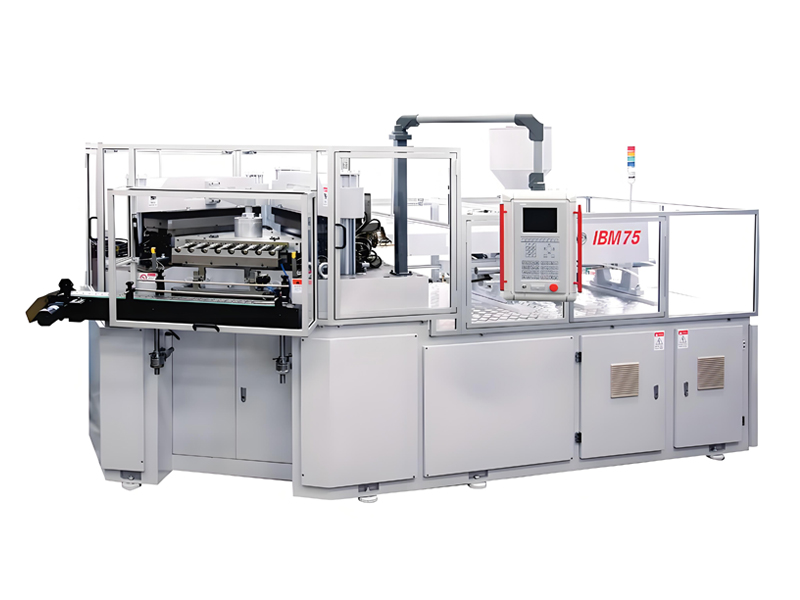
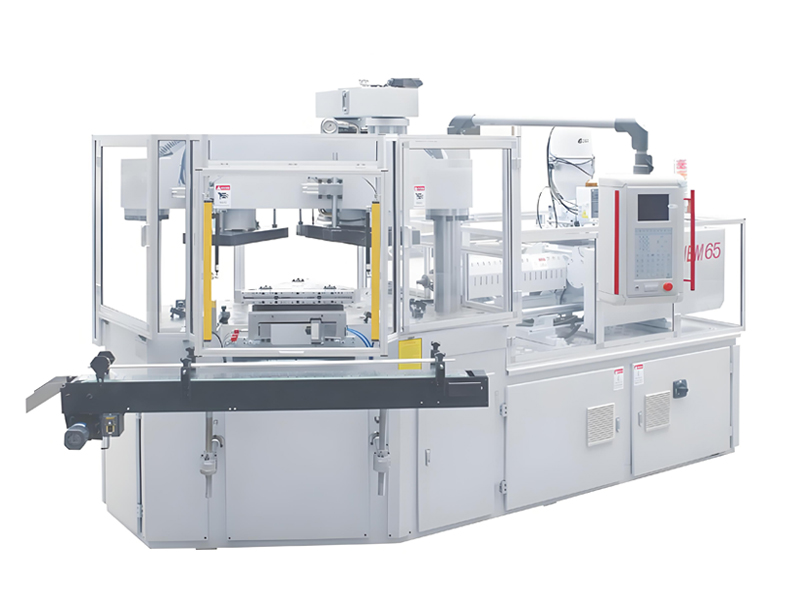
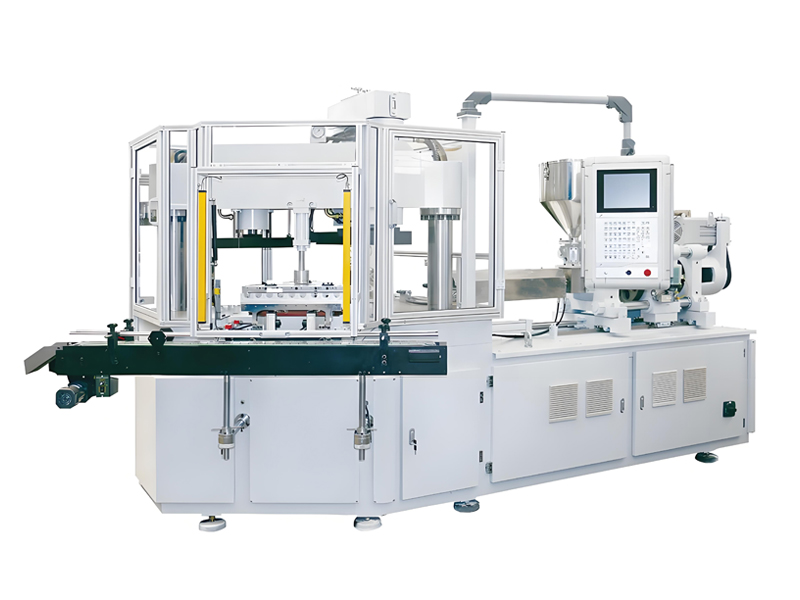
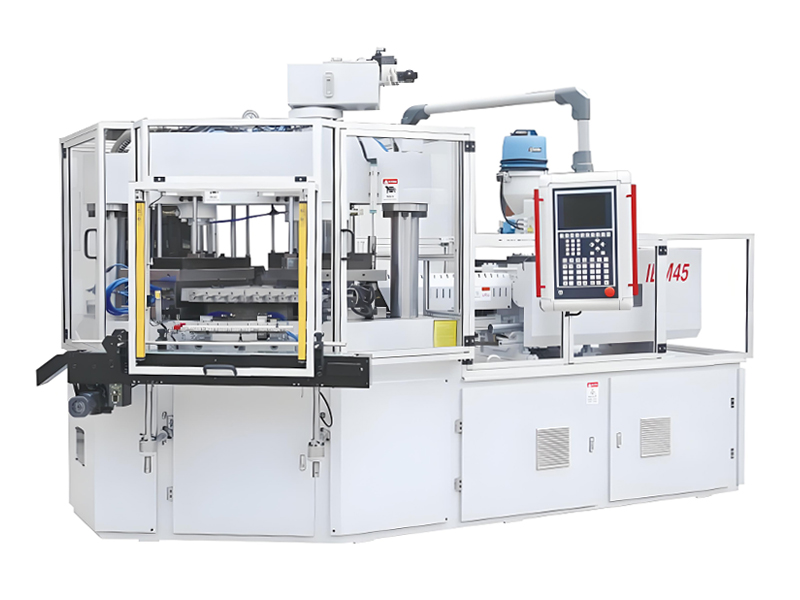
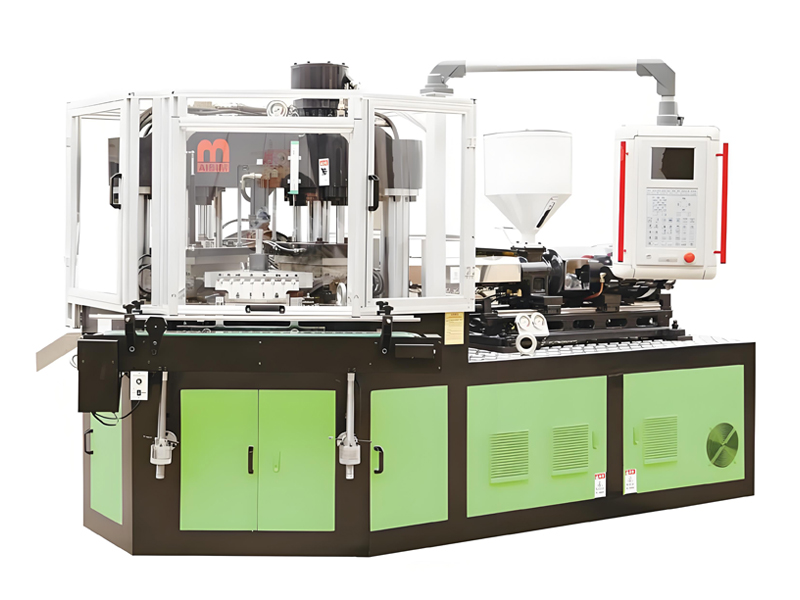
The global injection blow molding (IBM) machine market has seen significant technological advancements in 2026, with new servo drive systems, intelligent control platforms, and advanced cooling technologies enabling production speeds up to 1200 bottles per hour for standard 50ml containers. AiBiM, as a leading manufacturer of high-performance IBM machines, has developed proprietary technologies that can increase production speed by 25-40% compared to traditional hydraulic machines while maintaining product quality and reducing energy consumption.
This comprehensive guide provides a systematic approach to increasing the speed of your injection blow molding machine. It covers everything from basic operational adjustments that require no additional investment to advanced hardware upgrades and custom solutions. Whether you are operating an older hydraulic machine or a modern all-electric system, this guide will help you identify bottlenecks, implement effective optimizations, and achieve maximum production efficiency. We also include real-world case studies showing how AiBiM customers have increased their production speeds by up to 50% using the techniques outlined in this guide.
1. Understanding the Injection Blow Molding Cycle: Identifying Speed Bottlenecks
Before implementing any speed optimization measures, it is essential to understand the complete injection blow molding cycle and identify which stages are limiting your production speed. The IBM cycle consists of six distinct stages, each with its own optimization potential.
1.1 Breakdown of the IBM Production Cycle
A typical injection blow molding cycle includes the following stages, with approximate time allocations for a standard 50ml PP pharmaceutical bottle:
- Injection stage: 15-25% of total cycle time (2-4 seconds)
- Holding pressure stage: 10-20% of total cycle time (1-3 seconds)
- Cooling stage: 40-60% of total cycle time (5-10 seconds) – the single largest bottleneck
- Rotary transfer stage: 5-10% of total cycle time (0.5-1.5 seconds)
- Blow molding stage: 10-15% of total cycle time (1-2 seconds)
- Ejection stage: 5-10% of total cycle time (0.5-1 second)
As the data shows, the cooling stage typically accounts for nearly half of the total cycle time, making it the most promising area for optimization. However, significant speed gains can also be achieved by optimizing the other stages, particularly the rotary transfer and ejection stages in older machines.
1.2 Common Speed Bottlenecks in IBM Machines
The most common speed bottlenecks in injection blow molding machines include:
- Inefficient cooling systems with poor water flow and inadequate heat transfer
- Slow hydraulic response times in older machines
- Excessive holding pressure and cooling times set for safety rather than optimization
- Slow rotary transfer mechanisms with imprecise positioning
- Poor mold design with inadequate venting and cooling channels
- Frequent downtime due to maintenance issues and material defects
- Manual material handling and quality inspection processes
By systematically addressing each of these bottlenecks, you can achieve significant increases in production speed without compromising product quality or increasing defect rates.
2. Zero-Cost Speed Optimization: Basic Operational Adjustments
The following optimization techniques require no additional capital investment and can be implemented immediately to increase your production speed by 5-15%. These adjustments should be the first step in any speed improvement program.
2.1 Optimize Process Parameters
Many manufacturers run their machines with conservative parameter settings that were established during initial setup and never adjusted. By fine-tuning these parameters, you can significantly reduce cycle time while maintaining product quality.
- Reduce holding pressure time: Most machines use excessive holding pressure time that is not necessary for proper part formation. Gradually reduce holding time until you see the first signs of sink marks or dimensional variation, then add 0.2-0.3 seconds for safety. This can reduce cycle time by 10-15%.
- Optimize injection speed profile: Use a multi-stage injection speed profile that fills the runner system quickly, slows down at the gate to prevent jetting, and accelerates in the main cavity. This can reduce injection time by 20-30% while improving part quality.
- Increase mold open/close speed: Most machines have conservative mold open/close speed settings to prevent damage. Gradually increase these speeds while monitoring for any signs of impact or vibration. This can reduce cycle time by 5-10%.
- Minimize delay times: Eliminate any unnecessary delay times between stages, such as the delay between mold closing and injection start, or between blow molding and ejection. These delays often add 0.5-1 second to each cycle for no reason.
2.2 Improve Production Scheduling
Effective production scheduling can significantly increase your overall production output by minimizing changeover time and maximizing machine utilization.
- Group similar products together: Schedule production runs of similar container sizes and materials together to minimize changeover time. This can reduce the total time spent on changeovers by 30-40%.
- Implement quick changeover procedures: Develop standardized quick changeover procedures that clearly outline each step and assign responsibilities to specific team members. This can reduce changeover time from 2-3 hours to 30-45 minutes.
- Maximize machine utilization: Schedule production to run 24/7 where possible, as the fixed costs of the machine are spread over more units. Even a 10% increase in machine utilization can reduce unit costs by 8-10%.
- Plan maintenance during off-peak hours: Schedule routine maintenance and repairs during scheduled downtime or off-peak hours to minimize disruption to production.
2.3 Implement Preventive Maintenance
Regular preventive maintenance is essential for maintaining maximum machine speed and reliability. A well-maintained machine runs faster, has fewer breakdowns, and produces higher quality products.
- Clean cooling systems regularly: Scale and sediment buildup in cooling channels can reduce heat transfer efficiency by 30-50% over time. Clean cooling systems every 3-6 months using a descaling solution to maintain optimal cooling performance.
- Lubricate moving parts properly: Proper lubrication reduces friction and wear, allowing the machine to run faster and smoother. Follow the manufacturer’s recommended lubrication schedule and use the specified lubricants.
- Inspect and replace worn components: Worn components such as seals, bearings, and belts can slow down the machine and cause breakdowns. Inspect these components regularly and replace them before they fail.
- Calibrate sensors and controls: Calibrate temperature sensors, pressure transducers, and position sensors regularly to ensure accurate control of process parameters. This allows you to run the machine at optimal settings without safety margins.
3. Hardware Upgrades for Significant Speed Improvements
For more significant speed improvements of 15-40%, consider the following hardware upgrades. These upgrades require capital investment but typically provide a return on investment within 1-2 years through increased production and reduced operating costs.
3.1 Servo Drive System Upgrade
The single most impactful upgrade for older hydraulic injection blow molding machines is replacing the constant-pressure hydraulic system with a modern servo drive system. This upgrade can reduce cycle time by 10-15% and energy consumption by 25-40%.
Servo drive systems only consume energy when needed, unlike traditional hydraulic systems that run continuously. They also provide much faster response times and more precise control over machine movements. AiBiM offers servo hydraulic system upgrades for most older IBM machines, with prices ranging from $3,000 to $8,000 depending on machine size and configuration.
For even greater performance, consider upgrading to an all-electric machine. AiBiM’s all-electric IBM machines use advanced servo motors for all machine functions, providing cycle time reductions of 25-40% compared to hydraulic machines and energy savings of up to 50%.
3.2 Advanced Cooling System Upgrade
Upgrading your cooling system can significantly reduce cooling time, which is the largest component of the IBM cycle. The most effective cooling system upgrades include:
- High-flow water chillers: Replace old, inefficient chillers with modern high-flow chillers that provide consistent water temperature and pressure. This can reduce cooling time by 10-15%. A 10-ton high-flow chiller costs approximately $5,000-$8,000.
- Variable-speed water pumps: Install variable-speed water pumps that adjust flow rate based on cooling demand. This can reduce energy consumption by 20-30% while improving cooling efficiency. Variable-speed pumps cost $1,500-$3,000 per pump.
- Conformal cooling channels: For new molds, consider using 3D-printed conformal cooling channels that follow the exact contours of the container. This can reduce cooling time by 30-40% compared to traditional straight-line cooling channels. Conformal cooling molds cost approximately 30-50% more than standard molds but provide significant cycle time reductions.
- Core cooling systems: Install internal core cooling systems to cool the core rod from the inside. This is particularly effective for containers with narrow necks and long bodies, reducing cooling time by 20-25%. Core cooling upgrades cost $2,000-$5,000 per mold.
3.3 Quick Change Mold System
Reducing changeover time between different products can significantly increase your overall production output. A quick change mold system allows you to change molds in 15-30 minutes compared to 2-3 hours for traditional systems.
AiBiM offers quick change mold systems for all its IBM machine models, with prices ranging from $4,000 to $10,000 depending on machine size. These systems use standardized mold bases and quick-release clamps that allow for fast and easy mold changes without the need for special tools.
For manufacturers producing multiple products in small batches, a quick change mold system can increase effective production capacity by 20-30% by minimizing downtime between runs.
3.4 High-Speed Rotary Transfer Mechanism
The rotary transfer stage is often a bottleneck in older IBM machines, with slow rotation speeds and imprecise positioning. Upgrading to a high-speed rotary transfer mechanism with servo drive control can reduce transfer time by 50-70% and improve positioning accuracy.
AiBiM’s high-speed rotary transfer systems use advanced servo motors and precision gearboxes to achieve transfer times as low as 0.3 seconds, compared to 1-1.5 seconds for traditional systems. These upgrades cost $5,000-$12,000 depending on machine size and can increase production speed by 10-15%.
4. Advanced Process Parameter Optimization
Advanced process parameter optimization using modern control systems and simulation tools can further increase production speed by 5-10% while maintaining product quality and consistency.
4.1 Multi-Stage Injection and Pressure Control
Modern IBM machines use multi-stage injection and pressure control systems that allow precise adjustment of injection speed and pressure throughout the injection cycle. By optimizing these profiles, you can reduce injection time and improve part quality.
The optimal injection speed profile depends on the container geometry and material properties. For most small to medium-sized containers, a three-stage injection profile works best:
- Stage 1: High speed to fill the runner system quickly (60-80% of maximum speed)
- Stage 2: Medium speed to fill the main cavity (40-60% of maximum speed)
- Stage 3: Low speed to fill the final 10-15% of the cavity and prevent flash (10-20% of maximum speed)
Similarly, a multi-stage holding pressure profile can reduce holding time by applying higher pressure initially to pack the cavity, then gradually reducing pressure as the material cools.
4.2 Temperature Profile Optimization
Optimizing the temperature profile of the barrel and nozzle can improve material flow and reduce injection time. The optimal temperature profile depends on the material being processed:
- PP: 180-220°C from feed zone to nozzle, with a slightly higher nozzle temperature to prevent cold slugs
- HDPE: 160-200°C, with a gradual increase from feed zone to nozzle
- PET: 240-280°C, with careful temperature control to prevent degradation
Modern machines use multi-zone temperature control with PID controllers that maintain temperature within ±0.3°C. This allows you to run at the optimal temperature without safety margins, reducing cycle time and improving material consistency.
4.3 Scientific Cooling Time Calculation
Many manufacturers use arbitrary cooling times based on experience rather than scientific calculation. The theoretical cooling time for a plastic part can be calculated using the following formula:
Cooling Time = (Wall Thickness² × Thermal Diffusivity Constant) / (π² × Temperature Difference)
For most thermoplastics, the thermal diffusivity constant is approximately 1×10⁻⁷ m²/s. Using this formula, you can calculate the minimum required cooling time for your specific container wall thickness and temperature difference.
In practice, you should start with the calculated cooling time and gradually increase it until you achieve consistent part quality. This approach typically results in cooling time reductions of 20-30% compared to traditional settings.
4.4 Process Simulation and Digital Twin Technology
Advanced process simulation and digital twin technology allow you to optimize process parameters virtually before implementing them on the actual machine. This reduces trial and error time and allows you to achieve optimal settings faster.
AiBiM offers digital twin solutions for its IBM machines that create a virtual replica of your production process. You can test different parameter settings, mold designs, and material combinations in the virtual environment to identify the optimal configuration for maximum speed and quality. This can reduce setup time by 50-70% and increase production speed by 5-10%.
5. Mold Design and Maintenance for Maximum Speed
Mold design and maintenance have a significant impact on production speed. A well-designed mold can run faster, produce higher quality parts, and require less maintenance than a poorly designed mold.
5.1 Optimized Mold Design for High-Speed Production
The following mold design features are essential for high-speed injection blow molding:
- Efficient cooling system: As discussed earlier, conformal cooling channels and separate cooling circuits for the cavity, core, and neck ring provide the best cooling performance. The cooling channels should be 8-12mm in diameter and positioned 3-5mm from the cavity surface for maximum heat transfer.
- Proper venting: Adequate venting is essential to prevent trapped air from causing incomplete fills and burn marks. Vents should be 0.01-0.02mm deep and located at the last points of fill. Poor venting can force you to run slower injection speeds, increasing cycle time.
- Balanced multi-cavity design: For multi-cavity molds, ensure that all cavities are balanced to provide uniform filling and cooling. This allows you to run at maximum speed without quality variations between cavities.
- Precision alignment: Accurate alignment between the injection mold and blow mold is essential for high-speed operation. Misalignment can cause part defects and excessive wear, forcing you to run slower speeds.
- Surface treatment: Apply a hard chrome coating or PVD coating to mold surfaces to reduce friction and improve release. This allows for faster ejection and reduces sticking issues.
5.2 Mold Maintenance Best Practices
Regular mold maintenance is essential for maintaining maximum production speed and part quality. The following maintenance practices should be implemented:
- Clean molds regularly: Remove any plastic residue, grease, and dirt from mold surfaces after each production run. This prevents buildup that can affect part quality and slow down ejection.
- Inspect cooling channels: Inspect cooling channels regularly for scale and sediment buildup. Use a borescope to check for blockages and clean the channels as needed.
- Lubricate moving parts: Lubricate mold guide pins, bushings, and ejector pins regularly to ensure smooth operation. Use high-temperature lubricants that can withstand the mold operating temperature.
- Check for wear: Inspect mold surfaces for signs of wear, corrosion, and damage. Repair or replace worn components as needed to maintain part quality and prevent downtime.
- Store molds properly: When not in use, store molds in a clean, dry environment with protective covers to prevent damage and corrosion.
6. Automation and Integration for End-to-End Speed Improvement
Automating material handling, quality inspection, and packaging processes can significantly increase your overall production speed and efficiency. These systems reduce labor requirements, minimize human error, and allow the machine to run at maximum speed without interruption.
6.1 Automated Material Handling Systems
Automated material handling systems eliminate the need for manual material loading and mixing, ensuring consistent material supply to the machine. The most common automated material handling systems for IBM machines include:
- Vacuum loaders: Automatically transfer resin from storage silos or bags to the machine hopper. This eliminates manual loading and ensures a continuous supply of material. Vacuum loaders cost $1,000-$3,000 per machine.
- Gravimetric blenders: Precisely mix virgin resin, regrind, and colorants to ensure consistent material composition. This reduces material waste and improves part quality. Gravimetric blenders cost $3,000-$8,000 depending on capacity.
- Centralized material conveying systems: For multiple machine installations, a centralized material conveying system can deliver material to all machines from a central storage location. This reduces material handling costs and improves efficiency. Centralized systems cost $20,000-$100,000 depending on the number of machines and distance.
6.2 In-Line Quality Inspection Systems
In-line quality inspection systems automatically inspect each container for defects as it exits the machine, eliminating the need for manual inspection. This allows the machine to run at maximum speed without slowing down for quality checks.
The most common in-line inspection systems for IBM machines include:
- Vision inspection systems: Use high-speed cameras and advanced image processing software to detect defects such as cracks, holes, dimensional variations, and color inconsistencies. Vision inspection systems cost $10,000-$30,000 depending on the number of cameras and inspection capabilities.
- Leak testers: Automatically test each container for leaks by pressurizing it and measuring pressure decay. Leak testers cost $5,000-$15,000 depending on speed and accuracy.
- Weight checkers: Weigh each container to ensure it meets the specified weight tolerance. Weight checkers cost $3,000-$8,000 depending on speed and accuracy.
These systems can detect and reject defective containers automatically, ensuring that only high-quality products reach the packaging stage. They also provide valuable data on defect rates and production quality that can be used to further optimize the process.
6.3 Robotic Handling and Packaging Systems
Robotic handling and packaging systems automate the process of transferring containers from the machine to the packaging line. These systems can handle containers at high speeds with consistent precision, reducing labor requirements and increasing overall production efficiency.
AiBiM offers integrated robotic handling systems for all its IBM machine models, with prices ranging from $15,000 to $40,000 depending on robot size and capabilities. These systems can be configured to perform a variety of tasks, including container transfer, orientation, counting, and packaging.
For high-volume production lines, fully integrated packaging systems can automatically pack containers into boxes, seal the boxes, and palletize them for shipping. These systems can increase overall production efficiency by 30-40% and reduce labor costs by 50-70%.
7. AiBiM Proprietary High-Speed Technologies
AiBiM has developed several proprietary technologies that enable our injection blow molding machines to achieve industry-leading production speeds while maintaining exceptional product quality and energy efficiency.
7.1 AiBiM SpeedDrive Servo System
The AiBiM SpeedDrive servo system is an advanced all-servo drive system that provides precise control over all machine functions. It uses high-torque, low-inertia servo motors that deliver faster response times and higher acceleration than traditional servo systems.
The SpeedDrive system reduces cycle time by 25-40% compared to hydraulic machines and 10-15% compared to standard servo machines. It also reduces energy consumption by up to 50% and provides smoother operation with less vibration and noise.
All AiBiM IBM machines from the IBM-500 upwards come standard with the SpeedDrive system. For older machines, we offer SpeedDrive upgrades that can be installed on-site by our service technicians.
7.2 AiBiM SmartControl Platform
The AiBiM SmartControl platform is an advanced intelligent control system that uses artificial intelligence and machine learning algorithms to optimize production parameters in real-time. It continuously monitors process variables such as temperature, pressure, and cycle time, and automatically adjusts parameters to maintain optimal performance.
The SmartControl platform includes the following features:
- Automatic cycle optimization: Continuously analyzes cycle time and adjusts parameters to minimize cycle time while maintaining product quality
- Predictive maintenance: Uses machine learning algorithms to predict potential failures before they occur, reducing unplanned downtime
- Remote monitoring and control: Allows you to monitor and control your machine from anywhere in the world using a smartphone or computer
- Data analytics and reporting: Provides detailed production reports and analytics to help you identify areas for further improvement
The SmartControl platform can increase production speed by 5-10% and reduce downtime by 20-30% compared to traditional control systems.
7.3 AiBiM RapidCool Cooling System
The AiBiM RapidCool cooling system is an advanced cooling system that combines high-flow water circulation, precision temperature control, and optimized mold cooling design to achieve the fastest cooling times in the industry.
The RapidCool system features:
- High-flow variable-speed water pumps that deliver up to 50% more flow than standard systems
- Precision temperature control with ±0.1°C accuracy
- Separate cooling circuits for the injection mold, blow mold, and core rods
- Integrated heat recovery system that reuses waste heat for other purposes
The RapidCool system reduces cooling time by 30-40% compared to standard cooling systems, resulting in significant overall cycle time reductions.
7.4 AiBiM QuickTransfer Rotary Mechanism
The AiBiM QuickTransfer rotary mechanism is a high-speed rotary transfer system that uses advanced servo drive technology and precision gearboxes to achieve transfer times as low as 0.3 seconds. This is 50-70% faster than traditional rotary transfer systems.
The QuickTransfer mechanism also features:
- Precision positioning with ±0.01mm accuracy
- Smooth acceleration and deceleration to prevent part damage
- Automatic alignment correction to compensate for wear
- Low maintenance design with sealed bearings and lubrication-free components
The QuickTransfer mechanism is standard on all AiBiM IBM-750 and IBM-1200 machines and is available as an upgrade for older models.
8. AiBiM Machine Speed Comparison: Which Model is Right for You?
AiBiM offers a comprehensive range of injection blow molding machines designed to meet the production speed requirements of different applications. The following table compares the production speeds of our most popular models for standard 50ml PP pharmaceutical bottles:
- AiBiM IBM-250: Up to 250 bottles per hour. Entry-level model for small-scale production and startups. Base price: $35,000-$50,000.
- AiBiM IBM-500: Up to 500 bottles per hour. Most popular model for medium-scale production. Features SpeedDrive servo system and SmartControl platform. Base price: $65,000-$90,000.
- AiBiM IBM-750: Up to 750 bottles per hour. High-capacity model for growing businesses. Features QuickTransfer rotary mechanism and RapidCool cooling system. Base price: $95,000-$130,000.
- AiBiM IBM-1200: Up to 1200 bottles per hour. Flagship high-speed model for large-scale manufacturing. Features 6-station rotary design and fully integrated automation. Base price: $150,000-$220,000.
All AiBiM machines can be customized with additional features and options to meet your specific production requirements. Our engineering team will work with you to determine the optimal machine configuration for your application and production volume.
9. Real-World Case Studies: Speed Improvements Achieved by AiBiM Customers
The following case studies demonstrate how AiBiM customers have achieved significant production speed improvements using the techniques and technologies outlined in this guide.
9.1 Case Study 1: Pharmaceutical Packaging Manufacturer in India
A pharmaceutical packaging manufacturer in India was operating three older hydraulic injection blow molding machines producing 50ml sterile pharmaceutical bottles. The machines had an average cycle time of 18 seconds, resulting in a production rate of 200 bottles per hour per machine.
The company was facing increasing demand and needed to increase production capacity without investing in additional machines. They contacted AiBiM for assistance with optimizing their existing machines.
AiBiM Solution: Our service team performed a comprehensive audit of the machines and implemented the following optimizations:
- Upgraded the hydraulic systems to AiBiM SpeedDrive servo systems
- Installed RapidCool cooling systems with high-flow chillers
- Optimized process parameters using the SmartControl platform
- Replaced the old molds with new molds featuring conformal cooling channels
- Implemented preventive maintenance procedures
Results: After the optimizations, the average cycle time was reduced from 18 seconds to 10 seconds, increasing production speed by 80%. The production rate increased from 200 bottles per hour to 360 bottles per hour per machine, providing a total capacity increase of 160 bottles per hour per machine. The total investment for the upgrades was $45,000, and the payback period was just 8 months.
9.2 Case Study 2: Cosmetic Packaging Company in Mexico
A cosmetic packaging company in Mexico was producing 100ml lotion bottles using a competitor’s hydraulic IBM machine. The machine had a cycle time of 22 seconds and a production rate of 163 bottles per hour. The company was experiencing frequent downtime and quality issues that limited their production capacity.
They decided to replace the old machine with a new AiBiM IBM-750 high-speed injection blow molding machine.
AiBiM Solution: The company purchased an AiBiM IBM-750 with the following features:
- SpeedDrive all-servo system
- RapidCool cooling system
- QuickTransfer rotary mechanism
- SmartControl platform
- Integrated vision inspection system
- Robotic container handling system
Results: The new AiBiM IBM-750 achieved an average cycle time of 9.6 seconds, resulting in a production rate of 375 bottles per hour. This represents a 130% increase in production speed compared to the old machine. The defect rate was reduced from 4.5% to 0.3%, and downtime was reduced by 70%. The total investment was $150,000, and the payback period was 1.2 years.
9.3 Case Study 3: Food Container Producer in Germany
A food container producer in Germany was producing 200ml yogurt cups using injection stretch blow molding (ISBM) technology. The ISBM machine had a cycle time of 12 seconds and a production rate of 300 bottles per hour. However, the company was experiencing high tooling costs and long changeover times that made it difficult to produce small batches of custom designs.
They decided to switch to injection blow molding technology and purchased two AiBiM IBM-750 machines.
AiBiM Solution: The company purchased two AiBiM IBM-750 machines with quick change mold systems and custom molds for their yogurt cup designs.
Results: The AiBiM IBM-750 machines achieved an average cycle time of 9.6 seconds, resulting in a production rate of 375 bottles per hour per machine. This represents a 25% increase in production speed compared to the ISBM machine. Changeover time was reduced from 3 hours to 20 minutes, allowing the company to produce smaller batches of custom designs more efficiently. Tooling costs were reduced by 40%, and labor costs were reduced by 50% due to higher automation.
10. Common Speed Bottlenecks and Troubleshooting Guide
The following troubleshooting guide will help you identify and resolve common speed bottlenecks in your injection blow molding machine:
10.1 Long Cooling Time
Possible causes and solutions:
- Inadequate cooling water flow: Check water pumps and filters for blockages. Increase water flow rate to achieve turbulent flow (Re > 4000).
- High cooling water temperature: Lower the chiller temperature to the recommended level for your material (10-15°C for HDPE, 20-30°C for PET).
- Poor mold cooling design: Upgrade to conformal cooling channels or add additional cooling circuits.
- Insufficient core cooling: Install internal core cooling systems to cool the core rod from the inside.
- Excessive wall thickness: Optimize container design to reduce wall thickness while maintaining strength.
10.2 Slow Injection Time
Possible causes and solutions:
- Low injection pressure: Increase injection pressure to the maximum safe level for your mold and material.
- Low injection speed: Optimize the injection speed profile to fill the cavity as quickly as possible without causing defects.
- Material viscosity too high: Increase barrel temperature to reduce material viscosity and improve flow.
- Small gate size: Enlarge the gate size to allow faster material flow into the cavity.
- Worn screw or barrel: Replace worn screw and barrel to improve plasticizing efficiency.
10.3 Slow Rotary Transfer
Possible causes and solutions:
- Slow hydraulic or servo response: Upgrade to a modern servo drive system for faster response times.
- Excessive rotary speed settings: Optimize acceleration and deceleration profiles to achieve the fastest possible transfer without causing vibration or part damage.
- Worn bearings or gears: Replace worn bearings and gears to reduce friction and improve precision.
- Poor alignment: Realign the rotary table and stations to ensure smooth operation.
- Overweight tooling: Reduce mold weight where possible to reduce inertia and allow faster acceleration.
10.4 Frequent Downtime
Possible causes and solutions:
- Lack of preventive maintenance: Implement a regular preventive maintenance program to address issues before they cause breakdowns.
- Worn components: Inspect and replace worn components regularly.
- Poor material quality: Use high-quality resin and implement proper material handling procedures to reduce defects.
- Operator error: Provide comprehensive training to operators to ensure they can operate the machine correctly and resolve minor issues.
- Inadequate spare parts inventory: Maintain an inventory of critical spare parts to minimize downtime when repairs are needed.
11. Best Practices for Sustained High-Speed Production
To maintain maximum production speed and efficiency over the long term, follow these best practices:
- Continuously monitor and optimize process parameters: Use the data from your machine’s control system to identify areas for further improvement.
- Invest in employee training: Provide regular training to your operators and maintenance personnel to ensure they have the skills and knowledge to operate and maintain the machine at peak performance.
- Implement a continuous improvement program: Encourage your team to identify and implement process improvements on an ongoing basis.
- Stay up-to-date with new technologies: Regularly evaluate new technologies and upgrades that can further improve your production speed and efficiency.
- Work with a trusted equipment supplier: Partner with a supplier like AiBiM that provides comprehensive after-sales support, including installation, training, maintenance, and spare parts supply.
12. Conclusion
Increasing the speed of your injection blow molding machine is a systematic process that involves optimizing every aspect of your production operation, from basic operational adjustments to advanced hardware upgrades and automation. By following the techniques outlined in this guide, you can achieve significant increases in production speed, reduce unit costs, and improve your competitiveness in the market.
AiBiM is committed to helping our customers achieve maximum production efficiency and profitability. Our advanced injection blow molding machines feature proprietary technologies that deliver industry-leading speeds while maintaining exceptional product quality and energy efficiency. We also provide comprehensive after-sales support, including installation, training, maintenance, and upgrade services, to ensure your machine operates at peak performance throughout its service life.
Whether you are looking to optimize your existing machine or invest in a new high-speed system, AiBiM has the expertise and technology to help you achieve your production goals. Contact our team of experienced engineers today to schedule a free production audit and learn how we can help you increase the speed of your injection blow molding machine.