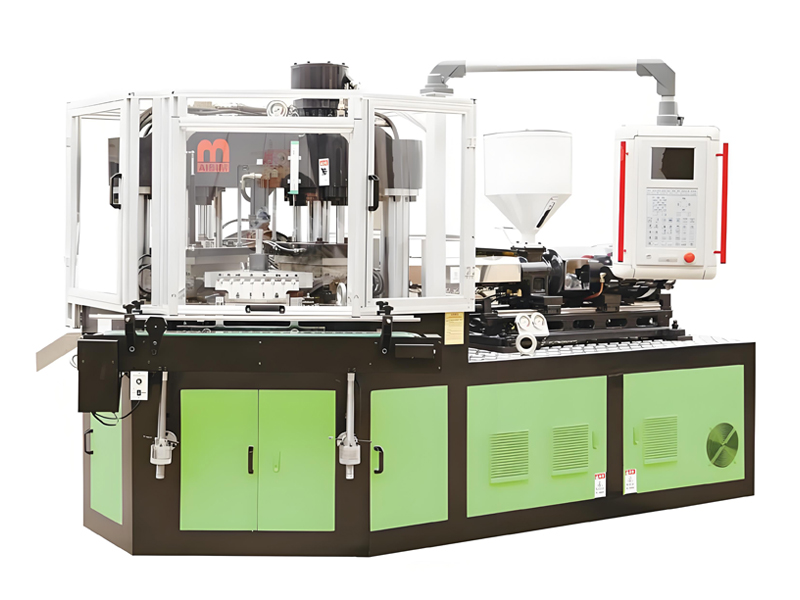
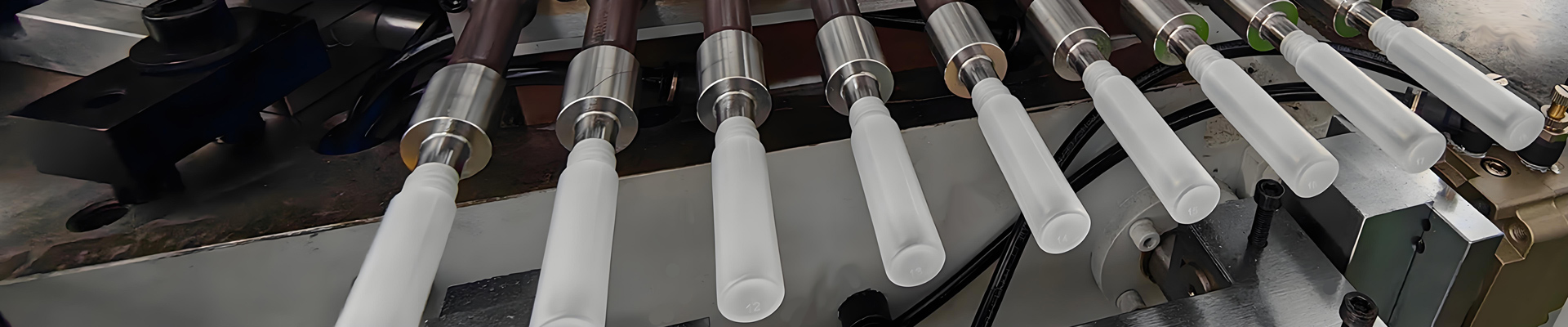
The baby bottle manufacturing industry represents a highly specialized segment of the plastic container market, requiring exceptional precision, material safety compliance, and ergonomic design characteristics that address infant feeding requirements and parental concerns about product safety and usability. AiBiM injection blow molding machines provide advanced technological solutions for manufacturing baby bottles with soft touch design features that enhance product comfort and usability while maintaining rigorous quality standards required for products intended for infant use. These specialized machines combine precision engineering, advanced surface treatment capabilities, and material processing expertise to produce baby bottles that meet the most demanding safety requirements while providing enhanced user experience through innovative soft touch surface characteristics.
Soft touch design represents a significant innovation in baby bottle manufacturing, addressing consumer preferences for products that provide tactile comfort and secure grip characteristics during feeding operations. Traditional hard-surface baby bottles can be challenging for parents to hold during feeding sessions, particularly in low-light conditions or when handling multiple tasks simultaneously. Soft touch surfaces provide enhanced grip security and comfort, addressing these practical concerns while creating product differentiation opportunities in competitive baby product markets where sensory characteristics increasingly influence purchasing decisions.
Baby Bottle Manufacturing Requirements
Material Safety Standards
Baby bottle material safety requirements represent the most critical manufacturing consideration, as these products directly contact infant feeding materials and must meet stringent regulatory standards worldwide. The primary regulatory frameworks include FDA regulations in the United States, EU standards for food contact materials, and additional country-specific requirements that govern materials that contact infant food products. AiBiM machines process materials certified for infant food contact, ensuring compliance with these regulations without requiring special material certifications or post-production testing that would increase manufacturing costs.
BPA-free requirements represent the most significant material safety standard for modern baby bottles, with regulatory authorities and consumer preferences both driving elimination of bisphenol-A from products intended for infant use. AiBiM machines process BPA-free materials including PPSU, Tritan, PP, and PC formulations that meet BPA-free requirements while maintaining the clarity, durability, and heat resistance characteristics required for baby bottle applications. The material processing systems are optimized for these alternative materials, ensuring that baby bottles maintain material properties through repeated heating cycles typical of sterilization and washing procedures.
Material migration testing represents another critical safety standard, requiring that bottles do not release harmful substances into infant formula or breast milk during typical use conditions. AiBiM machines process materials that have passed rigorous migration testing according to FDA and EU standards, ensuring that baby bottles maintain food safety compliance throughout their service life without requiring additional testing or certification beyond initial material certification performed by material suppliers.
Dimensional Precision Requirements
Dimensional precision represents a critical quality characteristic for baby bottles, as variations in neck dimensions can prevent proper cap engagement and create leak paths during feeding operations. Infant feeding requires leak-proof performance to prevent formula or breast milk spills that create cleanup burdens and potential safety hazards for infants and caregivers. AiBiM machines maintain neck diameter tolerances within 0.02mm to ensure consistent cap engagement across production runs, eliminating dimensional variations that could cause leak problems or cap attachment issues.
Cap compatibility represents the primary dimensional requirement for baby bottle neck design. Most baby bottle systems use proprietary cap designs that require precise neck dimensions to ensure proper fit and reliable sealing performance. AiBiM machines maintain dimensional accuracy across production runs, ensuring that caps from the same batch provide consistent performance regardless of which individual bottle from the production run the cap is paired with during use.
Overall dimensional consistency represents another critical requirement, as variations in bottle height, shoulder geometry, or base dimensions can affect compatibility with warming devices, sterilization equipment, or storage systems designed for specific bottle dimensions. AiBiM machines maintain overall dimensional tolerances within 0.05mm across all bottle dimensions, ensuring compatibility with accessories and equipment commonly used in infant feeding applications.
Ergonomic Design Considerations
Ergonomic design represents an increasingly important baby bottle characteristic, as manufacturers recognize that feeding operations occur under various conditions including low-light environments and single-handed operation scenarios typical for parents multitasking during feeding sessions. AiBiM machines enable production of bottles with optimized ergonomic characteristics including contoured shapes, balanced weight distribution, and surface textures that enhance grip security and user comfort during feeding operations.
Soft touch surface design represents the most significant ergonomic innovation in modern baby bottles, providing tactile characteristics that enhance grip security while creating premium product positioning opportunities. AiBiM machines incorporate advanced surface treatment capabilities that enable production of bottles with soft touch surfaces while maintaining material properties required for infant safety and durability. The soft touch surfaces provide enhanced grip security without compromising material clarity or heat resistance characteristics required for typical baby bottle usage patterns.
Weight optimization represents another ergonomic consideration, as excessively heavy bottles can cause fatigue during extended feeding sessions. AiBiM machines optimize wall thickness distribution to minimize weight while maintaining structural integrity and leak-proof performance characteristics required for baby bottle applications. The weight optimization capabilities enable production of bottles that feel substantial in hand without causing user fatigue during typical feeding durations.
AiBiM Baby Bottle Machine Specifications
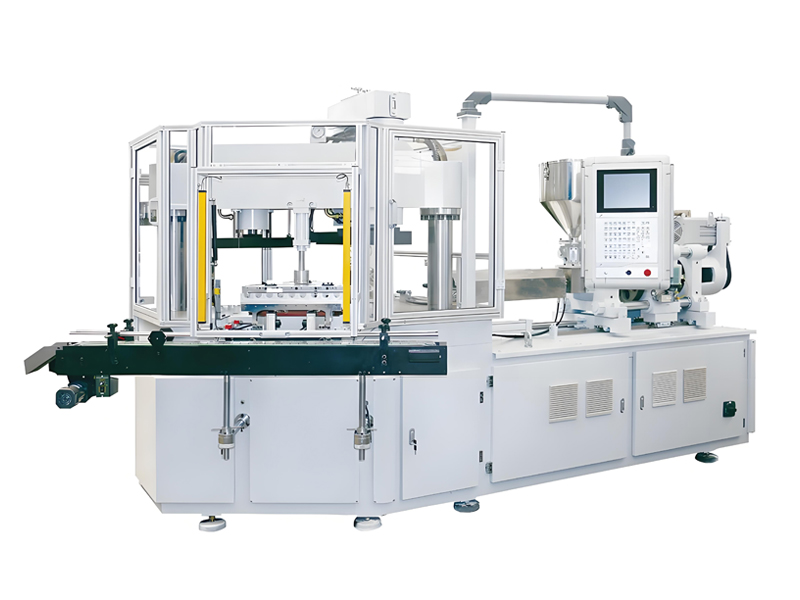
IBM35 Compact Baby Bottle Model
The IBM35 represents AiBiM’s compact solution for small baby bottle production, ideal for containers ranging from 120ml to 240ml with exceptional precision for soft touch surface formation. This model features a 40mm screw diameter with maximum injection capacity of 220cm3, providing adequate capacity for baby bottles while maintaining precise control over material delivery for soft touch surface characteristics. The machine’s injection clamping force of 350kN and blow clamping force of 30kN provide appropriate force levels for baby bottles while maintaining precise control.
Technical specifications for the IBM35 include temperature control across multiple heating zones with accuracy within 1 degree Celsius, ensuring consistent material flow and solidification for soft touch surface formation. The machine’s compact dimensions of 3100x1200x2200mm make it suitable for specialized baby bottle manufacturing facilities with limited space while maintaining the precision capabilities required for premium baby bottle production. Total power consumption of 25kW provides energy-efficient operation for continuous production.
The IBM35 incorporates precision mold temperature control systems that maintain optimal thermal conditions for soft touch surface formation, preventing surface defects that could affect tactile characteristics. The machine’s rotary indexing system maintains precise positioning accuracy across millions of cycles, ensuring consistent soft touch surface quality across production runs without degradation that could affect product differentiation characteristics over time.
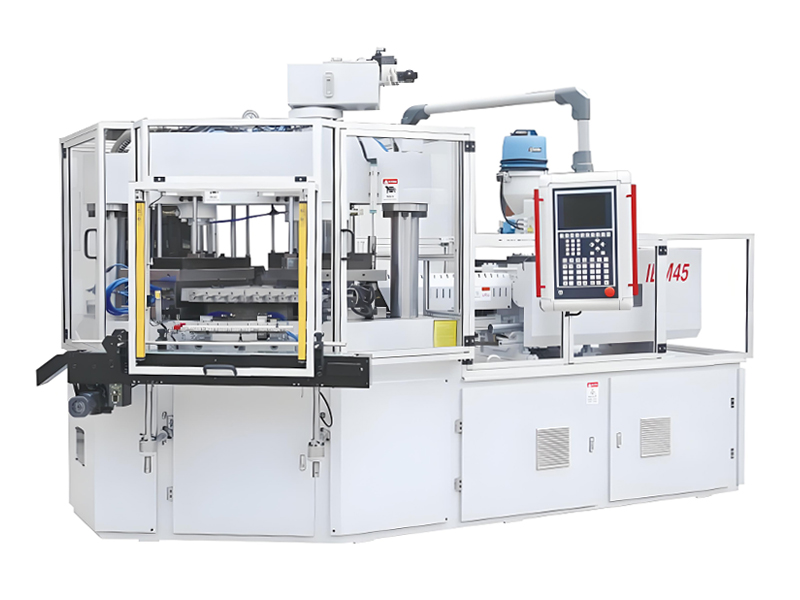
IBM45 Mid-Range Baby Bottle Model
The IBM45 extends AiBiM’s baby bottle production capabilities to containers ranging from 120ml to 330ml with increased capacity for medium-sized baby bottles. This model features a 45mm screw diameter with maximum injection capacity of 260cm3, providing enhanced material throughput while maintaining precise control for soft touch surface formation. The machine’s injection clamping force of 450kN and blow clamping force of 78kN provide increased force capacity for larger baby bottles while maintaining precise control.
Technical specifications for the IBM45 include enhanced temperature control with 3 heating zones plus mold heating capability, enabling precise temperature profiling for soft touch surface materials that require specific thermal management characteristics. The machine’s dimensions of 3500x1400x2300mm provide adequate capacity for multiple cavity molds while maintaining compact efficiency for specialized baby bottle production facilities. Total power consumption of 35kW balances increased capacity with reasonable energy efficiency.
The IBM45 features advanced process monitoring systems that track critical parameters affecting soft touch surface quality including injection pressure, blow pressure, and material temperature. These monitoring systems detect parameter variations that could affect surface texture quality or tactile characteristics, ensuring consistent soft touch performance across production runs. The systems provide real-time alerts enabling operators to take corrective action before surface quality defects affect significant production quantities.
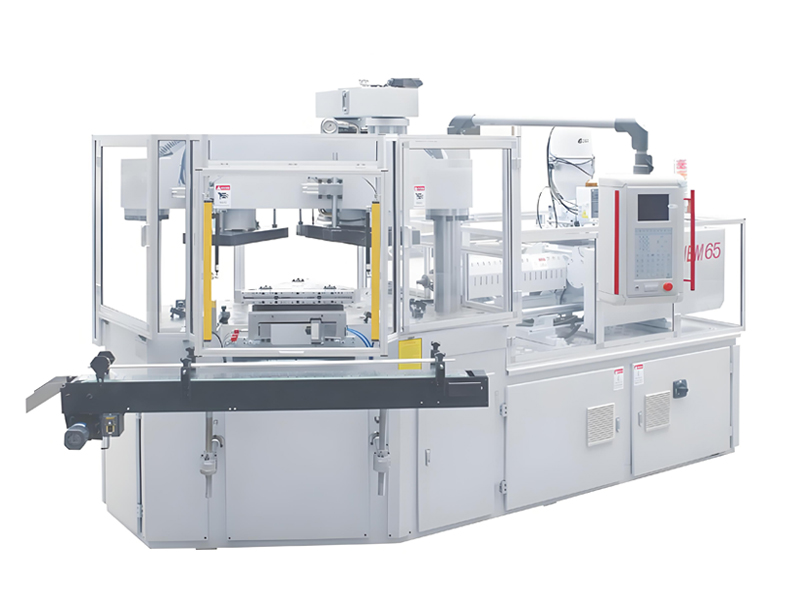
IBM60 High-Capacity Baby Bottle Model
The IBM60 provides high-capacity production for baby bottles ranging from 120ml to 330ml with maximum efficiency while maintaining exceptional precision for soft touch surface formation. This model features a 50mm screw diameter with maximum injection capacity of 314cm3, providing substantial material throughput for high-volume baby bottle production. The machine’s injection clamping force of 600kN and blow clamping force of 89kN provide substantial force capacity for baby bottles while maintaining precise control.
Technical specifications for the IBM60 include servo-driven systems that provide precise control over motion and positioning with 0.01mm accuracy, ensuring consistent mold alignment and core rod positioning critical for soft touch surface formation. The machine’s dimensions of 4000x1280x2350mm accommodate large molds and multiple cavity configurations for high-volume baby bottle production. Total power consumption of 45kW includes mold heating, providing comprehensive functionality for baby bottle production.
The IBM60 incorporates automated quality inspection systems that verify critical soft touch surface characteristics including surface texture consistency, tactile uniformity across bottle surfaces, and surface quality uniformity across production runs. These inspection systems can be configured for different baby bottle types with adjustable sensitivity based on specific tactile quality requirements. The automated inspection reduces manual inspection requirements while ensuring that only bottles meeting soft touch specifications reach customers.
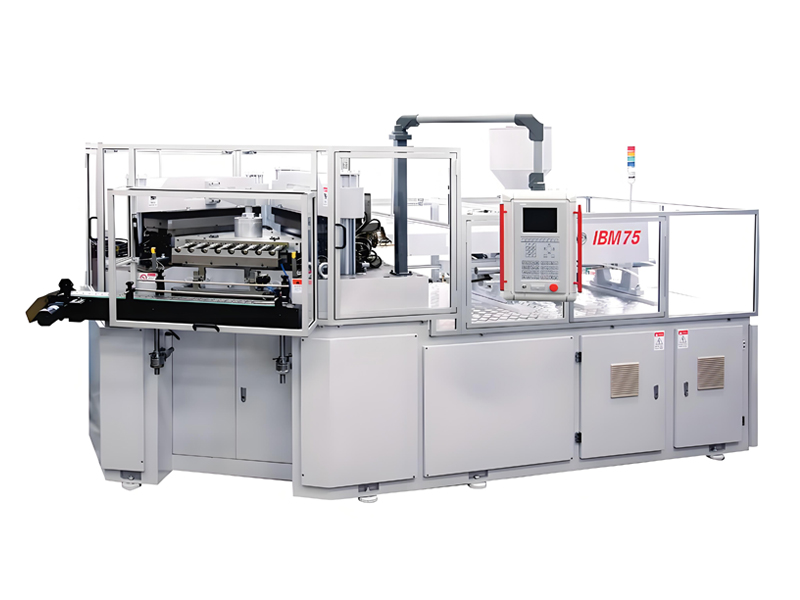
IBM75 Large-Capacity Baby Bottle Model
The IBM75 provides maximum capacity for baby bottles ranging from 120ml to 330ml with highest production efficiency while maintaining precision for soft touch surface formation. This model features a 50mm screw diameter with maximum injection capacity of 400cm3, providing the highest material throughput in the AiBiM baby bottle line. The machine’s injection clamping force of 750kN and blow clamping force of 150kN provide maximum force capacity for baby bottles while maintaining precise control.
Technical specifications for the IBM75 include the most advanced precision features in the AiBiM line, including multi-zone temperature control with independent control for up to 5 heating zones plus mold heating. This comprehensive temperature control enables precise thermal profiling for baby bottle production requiring complex temperature management for soft touch surface formation. The machine’s data logging system records processing parameters for every cycle, enabling traceability and quality analysis that supports soft touch surface quality verification.
The IBM75 features enhanced mold surface treatment capabilities that enable production of baby bottles with consistent soft touch surface characteristics across production runs. The mold surface treatments maintain surface texture accuracy across millions of production cycles, preventing degradation that could affect tactile characteristics over time. The machine’s hydraulic system maintains consistent pressure delivery within 0.5% variation, preventing surface defects caused by pressure fluctuations.
Soft Touch Design Technologies
Surface Texture Formation
Soft touch surface texture represents the most critical aspect of baby bottle ergonomic design, as surface characteristics directly affect tactile comfort and grip security during feeding operations. AiBiM machines incorporate multiple technologies that enable production of baby bottles with consistent soft touch surface texture that provides enhanced grip characteristics while maintaining material clarity and durability requirements for baby bottle applications.
Mold surface treatment represents the primary technology for soft touch surface formation. AiBiM utilizes specialized mold surface texturing techniques that create microscopic surface patterns that produce tactile softness without compromising material clarity or creating surface characteristics that could harbor bacteria. The mold surface treatments maintain texture accuracy across millions of production cycles, ensuring consistent tactile characteristics across production runs without degradation that could affect product differentiation over time.
Material selection represents another critical factor for soft touch surface formation. AiBiM machines process materials specifically formulated for soft touch applications including specialized PP formulations and Tritan materials that provide tactile softness characteristics while maintaining clarity, heat resistance, and chemical compatibility required for baby bottle applications. The material processing systems maintain consistent material properties that ensure soft touch characteristics regardless of minor material batch variations.
Surface formation process control ensures consistent soft touch characteristics across production runs despite variations in material properties or ambient conditions. AiBiM machines maintain precise control over injection pressure, blow pressure, and cooling rates that affect surface texture formation. The process control systems maintain surface texture consistency within 0.05mm surface roughness variation across production runs, ensuring uniform tactile characteristics regardless of production variations.
Tactile Uniformity Control
Tactile uniformity represents a critical quality characteristic for soft touch baby bottles, as variations in surface texture across bottle surfaces can create inconsistent grip characteristics that affect user experience. AiBiM machines incorporate multiple technologies that ensure uniform tactile characteristics across all bottle surfaces, preventing localized soft or hard spots that could create grip inconsistencies or perceived quality problems.
Mold temperature uniformity represents the primary technology for ensuring tactile uniformity across bottle surfaces. AiBiM machines incorporate multi-zone mold temperature control that maintains uniform thermal conditions across all mold surfaces, preventing temperature variations that could cause surface texture variations across different bottle areas. The temperature control systems maintain mold surface uniformity within 1 degree Celsius across all mold cavities and surfaces, ensuring consistent tactile characteristics regardless of bottle surface location.
Material flow uniformity represents another critical technology for tactile uniformity. AiBiM injection systems maintain consistent material flow patterns that ensure uniform material distribution across all bottle surfaces, preventing flow variations that could create texture differences across bottle surfaces. The injection control systems maintain consistent flow rates within 2% variation across production runs, ensuring uniform tactile characteristics regardless of bottle surface geometry.
Cooling uniformity represents the third critical technology for tactile uniformity. AiBiM cooling systems maintain uniform cooling rates across all bottle surfaces, preventing differential solidification that could create texture variations. The cooling systems maintain cooling uniformity within 5% across all bottle surfaces, ensuring consistent tactile characteristics regardless of bottle wall thickness variations or geometry differences across bottle designs.
Surface Quality Enhancement
Surface quality represents a critical factor for soft touch baby bottles, as surface defects can affect both tactile characteristics and visual appeal that influences purchasing decisions in premium baby product markets. AiBiM machines incorporate multiple technologies that enhance surface quality while maintaining soft touch characteristics, ensuring that bottles provide both tactile excellence and visual appeal that supports premium market positioning.
Surface defect prevention technologies include precise temperature control, material flow optimization, and mold surface quality maintenance that prevent common defects including sink marks, flow lines, and surface blemishes. AiBiM machines maintain temperature uniformity within 1 degree Celsius, material flow consistency within 2%, and mold surface finish quality better than Ra 0.2, preventing surface defects that could affect tactile characteristics or visual appeal.
Clarity enhancement technologies enable production of soft touch bottles with transparency characteristics that compete with traditional hard-surface bottles while maintaining tactile comfort characteristics. AiBiM processing controls optimize clarity through precise temperature management and controlled cooling rates that minimize crystallization that could reduce clarity. The clarity enhancement capabilities enable soft touch bottles that maintain material transparency while providing enhanced tactile comfort characteristics.
Surface cleaning and maintenance technologies ensure that mold surfaces maintain optimal condition for soft touch surface formation across extended production runs. AiBiM machines incorporate automatic mold cleaning capabilities and maintenance scheduling that prevent mold surface contamination or wear that could affect surface texture quality. The maintenance technologies ensure consistent surface quality across production runs regardless of accumulated production hours.
Material Processing Capabilities
PPSU Material Processing
Polyphenylsulfone (PPSU) represents a premium material choice for baby bottles due to its exceptional heat resistance, durability, and BPA-free characteristics that meet the most demanding safety requirements for infant products. AiBiM machines process PPSU with precision control that maintains material properties while achieving the dimensional accuracy and surface quality required for premium baby bottle applications. The processing capabilities enable production of PPSU bottles that maintain performance characteristics through repeated sterilization cycles typical of baby bottle usage.
PPSU temperature control represents the most critical processing challenge due to the material’s high melting temperature of approximately 365 degrees Celsius. AiBiM machines incorporate high-temperature heating systems capable of maintaining optimal processing temperatures for PPSU while providing precise temperature control within 1 degree Celsius. The temperature control systems prevent thermal degradation that could compromise material properties or cause discoloration that would affect product appearance and perceived quality.
Moisture control represents another critical PPSU processing requirement, as the material is hygroscopic and requires careful moisture control to prevent hydrolytic degradation during processing. AiBiM machines incorporate drying systems that maintain PPSU moisture content below 0.01%, preventing degradation that could compromise material properties or cause surface defects that would affect tactile characteristics and visual quality of finished baby bottles.
Tritan Material Processing
Tritan represents an innovative copolyester material developed specifically for BPA-free applications requiring clarity, durability, and heat resistance characteristics. AiBiM machines process Tritan with precision control that maintains material properties while achieving the clarity and surface quality required for premium baby bottle applications. The processing capabilities enable production of Tritan bottles that maintain clarity and durability through typical baby bottle usage patterns including sterilization and repeated washing.
Tritan clarity optimization represents a significant processing capability, as the material’s transparency characteristics represent one of its primary competitive advantages compared to other BPA-free materials. AiBiM processing controls optimize Tritan clarity through precise temperature management and controlled cooling rates that minimize crystallization that could reduce transparency. The clarity optimization capabilities enable Tritan bottles that maintain glass-like clarity while providing enhanced durability compared to traditional glass bottles.
Tritan surface quality optimization represents another critical capability, as surface quality affects both tactile characteristics and visual appeal for premium baby bottles. AiBiM processing controls maintain Tritan surface finish quality better than Ra 0.2, ensuring smooth surface characteristics that enhance both tactile comfort and visual appeal. The surface quality capabilities enable Tritan bottles that compete visually with premium PC products while maintaining BPA-free characteristics.
Polypropylene Material Processing
Polypropylene (PP) represents a cost-effective material choice for baby bottles, particularly for value-oriented market segments where material cost represents a significant competitive factor. AiBiM machines process PP with precision control that maintains material properties while achieving the dimensional accuracy and surface quality required for baby bottle applications. The processing capabilities enable production of PP bottles that provide cost-effective solutions without compromising safety or performance requirements.
PP clarity enhancement represents a significant processing capability, as clarity represents an important consumer preference even for value-oriented baby bottle products. AiBiM processing controls optimize PP clarity through nucleating agent addition and controlled cooling rates that enhance transparency while maintaining material properties required for baby bottle applications. The clarity enhancement capabilities enable PP bottles that approach the visual appeal of more expensive materials while maintaining cost advantages.
PP impact strength optimization represents another critical capability, as baby bottles must withstand dropping and impact events typical of infant and toddler usage. AiBiM processing controls optimize PP impact strength through controlled orientation and molecular alignment that enhance toughness characteristics without compromising clarity or dimensional accuracy. The impact strength optimization capabilities enable PP bottles that provide durability characteristics suitable for demanding infant usage patterns.
Quality Assurance Systems
Automated Surface Inspection
Automated surface inspection systems represent a critical quality assurance component for soft touch baby bottle production, ensuring that bottles meet tactile quality requirements while maintaining visual appeal standards expected by premium baby product consumers. AiBiM machines incorporate camera-based inspection systems that verify surface texture uniformity, tactile consistency, and surface quality characteristics that affect user experience and product differentiation.
Surface texture inspection verifies that soft touch surfaces meet specified texture characteristics that provide the intended tactile comfort and grip security benefits. AiBiM inspection systems utilize specialized lighting and image analysis techniques to detect texture variations that could affect tactile uniformity across bottle surfaces. The systems detect texture variations as small as 0.05mm, rejecting bottles with inconsistent tactile characteristics before reaching customers.
Tactile uniformity inspection ensures that soft touch characteristics remain consistent across all bottle surfaces without localized hard or soft spots that could create grip inconsistencies. AiBiM inspection systems utilize tactile measurement devices that verify surface hardness uniformity across bottle surfaces, detecting variations that could affect grip characteristics during feeding operations. The inspection capabilities ensure uniform tactile experience regardless of which portion of the bottle the user contacts during typical usage patterns.
Surface quality inspection detects defects including surface blemishes, flow lines, or texture variations that could affect both tactile characteristics and visual appeal. AiBiM inspection systems utilize high-resolution cameras and advanced image analysis algorithms to detect surface defects as small as 0.1mm, ensuring that only bottles meeting both tactile and visual quality specifications reach premium market customers expecting excellence in product characteristics.
Dimensional Verification
Dimensional verification ensures that baby bottles maintain the precise dimensions required for cap compatibility and accessory compatibility across various baby bottle systems and feeding accessories. AiBiM machines incorporate automated dimensional inspection systems that verify critical dimensions including neck diameter, thread profile, and overall bottle dimensions with accuracy within 0.01mm.
Neck diameter inspection verifies that bottles meet dimensional specifications for proper cap engagement and leak-proof performance. AiBiM inspection systems measure neck diameter at multiple points to detect ovality or dimensional variations that could affect cap compatibility. The systems reject bottles with dimensions outside specified tolerances, preventing defective bottles from reaching customers while providing data for process adjustment if dimension trends indicate developing problems.
Thread profile inspection ensures that neck threads meet specifications for proper cap engagement and reliable sealing performance. AiBiM inspection systems utilize optical systems to verify thread dimensions including pitch, major diameter, and minor diameter. The systems detect thread defects including incomplete threads, damaged threads, or dimensional variations that could prevent proper cap engagement and create leak paths during feeding operations.
Overall dimensional inspection verifies that bottles meet all critical dimensional specifications for compatibility with warming devices, sterilization equipment, and storage systems commonly used in infant feeding applications. AiBiM inspection systems measure multiple bottle dimensions including overall height, shoulder diameter, and base dimensions. The systems provide comprehensive dimensional verification while maintaining production efficiency through high-speed inspection capabilities.
Leak Testing
Leak testing represents a critical quality assurance activity for baby bottles, as leak failures during feeding operations create cleanup burdens and potential safety hazards for infants and caregivers. AiBiM machines incorporate automated leak testing systems that test every bottle using pressure decay or vacuum decay methods to ensure leak-proof performance under typical usage conditions.
Pressure decay testing represents the most common method for baby bottle leak testing, applying controlled air pressure and monitoring pressure decay that indicates leakage. AiBiM leak testing systems apply pressures typically ranging from 0.3 to 0.5 MPa for baby bottles, with sensitivity capable of detecting leaks as small as 0.01 cc per minute. The automated systems reject defective bottles while maintaining production efficiency at rates exceeding 12,000 bottles per hour.
Cap engagement testing verifies that bottles properly engage with caps to create reliable seals. AiBiM testing systems incorporate automated cap application and seal verification that ensures bottles properly interface with specified cap designs. The testing systems detect cap engagement issues including thread misalignment, dimensional incompatibilities, or sealing surface problems that could cause leak failures.
Functional leak testing simulates typical usage conditions including liquid containment during feeding operations. AiBiM testing systems can perform functional testing with actual liquids to verify leak-proof performance under conditions that replicate typical usage patterns. The functional testing capabilities provide confidence that bottles will perform reliably in real-world usage scenarios beyond simplified pressure or vacuum decay testing methods.
Production Efficiency and Cost Analysis
Equipment Investment Analysis
Investment in injection blow molding equipment for baby bottle production represents significant capital expenditure that must be justified through premium pricing opportunities, market positioning benefits, and quality advantages that support premium market positioning. AiBiM baby bottle machines range in price from $23,000 for entry-level IBM35 models to $48,000 for high-capacity IBM75 models, representing competitive pricing given the advanced soft touch capabilities and quality assurance features.
Premium pricing opportunities represent a significant benefit of soft touch baby bottle production, as products with enhanced tactile characteristics can command price premiums of 15-30% compared to standard hard-surface bottles. For a manufacturer producing 5 million baby bottles annually at $2.00 per unit for standard bottles, soft touch premium pricing at $2.40 per unit provides additional revenue of $200,000 annually, significantly contributing to equipment ROI justification.
Market differentiation advantages provide additional financial benefits through enhanced brand positioning and customer loyalty that can increase market share and reduce competitive pressure in premium baby product markets. Soft touch characteristics create product differentiation that appeals to parents seeking enhanced comfort and convenience features, potentially increasing market share by 5-10% in competitive markets where product differentiation represents a significant competitive advantage.
Operating Cost Optimization
Operating costs for AiBiM baby bottle machines include energy consumption, material usage, labor, maintenance, and quality assurance activities. Energy consumption varies by model from 25kW for IBM35 to 50kW for IBM75, representing competitive energy efficiency given the advanced soft touch capabilities provided. For continuous operation at 6000 hours annually, energy costs at $0.15 per kWh range from $5,625 to $22,500 depending on model size and local energy costs.
Material costs represent the largest operating expense for baby bottle production, particularly for premium materials such as PPSU and Tritan that command significantly higher prices than commodity plastics. PPSU material costs typically range from $8-12 per kg, while Tritan costs range from $4-6 per kg, compared to $1.50-2.00 per kg for PP. For a facility consuming 30 tons of material annually for baby bottle production, material selection represents annual cost differences of $180,000-$330,000 depending on material choice, making material selection a critical operating cost consideration.
Quality assurance costs represent another significant operating expense for baby bottle production, particularly for premium products requiring comprehensive inspection and testing to ensure compliance with safety standards. AiBiM machines incorporate automated quality systems that reduce manual inspection requirements and improve inspection consistency, potentially reducing quality assurance labor costs by 40-60% compared to manual inspection processes. For facilities employing 3-4 quality assurance personnel, automated inspection systems provide annual labor cost savings of $60,000-$100,000 based on labor rates.
Return on Investment Calculation
Return on investment for soft touch baby bottle production equipment must account for multiple factors including equipment cost, premium pricing opportunities, material cost differences, quality assurance costs, and market positioning benefits. For a typical manufacturer transitioning from standard PP bottles to premium soft touch Tritan bottles using IBM45 equipment, the ROI analysis reveals attractive investment opportunities when all factors are considered.
Equipment investment for IBM45 machines including installation and mold costs typically totals approximately $45,000-$55,000 depending on configuration and customization requirements. Annual premium pricing revenue increases of $200,000 for 5 million bottles at $0.40 per unit premium pricing provide substantial revenue enhancement. Material cost increases of $120,000 for Tritan compared to PP at $4.00 per kg difference for 30 tons annually offset some premium revenue benefits.
Net annual benefits including premium pricing revenue ($200,000) minus material cost increases ($120,000) plus quality assurance labor savings ($80,000) equal $160,000 annual net benefit. Against equipment investment of $50,000, this provides ROI of 320% and payback period of approximately 3.75 months, representing exceptional investment returns for capital equipment in manufacturing environments where typical payback periods exceed 18-24 months for standard equipment investments.
Technical Support and Training
Specialized Baby Bottle Training
Specialized training programs for baby bottle production ensure that production teams understand the unique requirements and considerations for manufacturing products intended for infant use. AiBiM provides comprehensive training programs covering material handling for infant-safe materials, quality assurance procedures for safety-critical products, and soft touch surface formation techniques that ensure consistent tactile characteristics across production runs.
Material handling training covers specific requirements for infant-safe materials including moisture control procedures for hygroscopic materials like PPSU, temperature control requirements for heat-sensitive materials, and contamination prevention procedures that ensure material purity throughout processing. The training emphasizes the importance of material handling procedures that prevent contamination or degradation that could compromise product safety characteristics.
Quality assurance training covers specialized inspection procedures for baby bottles including leak testing protocols, surface inspection methods for soft touch verification, and dimensional verification procedures for cap compatibility. The training emphasizes the critical nature of quality assurance activities for infant products, where quality failures can have serious consequences and significant reputational damage to manufacturers.
Soft touch processing training covers specialized techniques for producing consistent tactile characteristics including parameter adjustment procedures, mold maintenance requirements for surface texture consistency, and troubleshooting methods for tactile quality issues. The training ensures that production teams can maintain consistent soft touch quality across production runs while optimizing production efficiency and minimizing quality-related scrap.
Regulatory Compliance Support
Regulatory compliance support ensures that baby bottle manufacturers meet the complex and varied regulatory requirements that govern products intended for infant use across different global markets. AiBiM provides comprehensive regulatory support including documentation assistance, material certification coordination, and compliance verification services that help manufacturers navigate complex regulatory landscapes without requiring specialized in-house regulatory expertise.
Documentation support includes preparation of required regulatory documentation including material safety data sheets, compliance certifications, and technical specifications required for market access in various global regions. AiBiM documentation specialists prepare materials according to specific regulatory requirements for target markets, ensuring completeness and accuracy that prevents delays or regulatory inquiries that could disrupt market access timelines.
Material certification coordination ensures that processed materials maintain required certifications for infant product applications across various global markets. AiBiM maintains relationships with material suppliers and works with certification bodies to ensure that materials used in production maintain appropriate certifications for intended market applications, preventing certification gaps that could require reformulation or production changes that would disrupt manufacturing operations.
Compliance verification services include periodic review of production processes, quality assurance procedures, and material handling practices to ensure continued compliance with evolving regulatory requirements. AiBiM compliance specialists stay current with regulatory developments and provide guidance on required process modifications or additional testing that may be required to maintain compliance as regulations evolve over time.
Market Trends and Future Developments
Smart Baby Bottle Integration
Smart baby bottle technology represents an emerging trend incorporating electronic sensors and connectivity features that monitor feeding characteristics including temperature, consumption volume, and feeding duration. AiBiM machines are evolving to accommodate smart bottle production through integration of sensor attachment capabilities, electronic component compatibility, and design modifications that enable incorporation of smart features without compromising safety or quality characteristics.
Sensor attachment capabilities enable integration of temperature sensors, flow monitoring sensors, and consumption tracking sensors into baby bottle designs during manufacturing. AiBiM machines incorporate mold modifications and component assembly capabilities that enable precise sensor positioning and reliable attachment without compromising bottle integrity or safety characteristics. The sensor integration capabilities enable production of smart bottles that provide enhanced functionality while maintaining traditional bottle characteristics valued by parents.
Electronic component compatibility ensures that smart bottles can incorporate electronic components including displays, connectivity modules, and power sources without creating safety hazards or compromising material compatibility requirements. AiBiM machines incorporate material selection and processing capabilities that ensure compatibility between bottle materials and electronic components, preventing compatibility issues that could affect product safety or reliability.
Design modification capabilities enable incorporation of smart features while maintaining ergonomic characteristics and visual appeal that consumers expect from premium baby products. AiBiM engineering teams collaborate with manufacturers to develop smart bottle designs that integrate technological features without compromising traditional bottle characteristics including soft touch surfaces, clarity, and ergonomic design elements that contribute to user satisfaction.
Sustainable Material Innovation
Sustainable material innovation represents a significant trend in baby bottle manufacturing, driven by environmental concerns and consumer preferences for eco-friendly product options. AiBiM machines incorporate processing capabilities for bio-based materials, recycled content materials, and alternative polymer formulations that reduce environmental impact while maintaining safety and performance characteristics required for baby bottle applications.
Bio-based material processing enables production of baby bottles from renewable sources including plant-based polymers and bio-derived formulations that reduce reliance on petroleum-based materials. AiBiM machines process bio-based materials through specialized temperature profiles and screw designs optimized for the unique characteristics of bio-based polymers. The processing capabilities ensure that bio-based bottles maintain safety and performance characteristics while providing environmental benefits that appeal to environmentally conscious consumers.
Recycled content processing enables incorporation of post-consumer or post-industrial recycled materials into baby bottle production, reducing environmental impact while maintaining material properties required for infant-safe applications. AiBiM machines incorporate filtration and homogenization systems that ensure recycled material purity and consistency while meeting regulatory requirements for recycled content in products intended for infant use. The recycled content capabilities enable environmental benefits without compromising safety or quality characteristics.
Alternative polymer formulations enable use of innovative materials that provide enhanced safety or environmental characteristics compared to traditional options. AiBiM machines process alternative formulations through flexible control systems and adaptable processing parameters that accommodate diverse material characteristics. The processing capabilities enable manufacturers to adopt innovative materials as they become available, maintaining competitive advantages in evolving baby product markets.
Conclusion
AiBiM injection blow molding machines provide comprehensive solutions for baby bottle production with advanced soft touch design capabilities that enhance user experience while maintaining rigorous safety standards required for infant products. The combination of precision manufacturing technologies, specialized surface treatment capabilities, and material processing expertise enables production of baby bottles that meet the most demanding safety and quality requirements while providing enhanced comfort and convenience features that differentiate products in competitive markets.
Soft touch design represents a significant innovation in baby bottle manufacturing, addressing consumer preferences for enhanced grip security and tactile comfort during feeding operations. AiBiM’s advanced surface treatment capabilities enable production of bottles with consistent soft touch characteristics while maintaining clarity, durability, and material properties required for infant-safe products that must withstand repeated sterilization and cleaning procedures typical of baby bottle usage patterns.
The economic benefits through premium pricing opportunities, market positioning advantages, and quality differentiation provide compelling justification for investment in soft touch baby bottle production equipment. The return on investment analysis reveals exceptional payback periods typically under 12 months when premium pricing revenue, market share growth, and quality assurance savings are considered comprehensively.
As consumer preferences continue evolving toward enhanced functionality, sustainability considerations, and smart technology integration, AiBiM machines provide flexible platforms that enable manufacturers to adopt new technologies and materials as they emerge in baby product markets. This adaptability ensures that manufacturers investing in AiBiM technology today can maintain competitive advantages as market requirements continue evolving in response to consumer preferences and regulatory developments affecting baby product manufacturing.