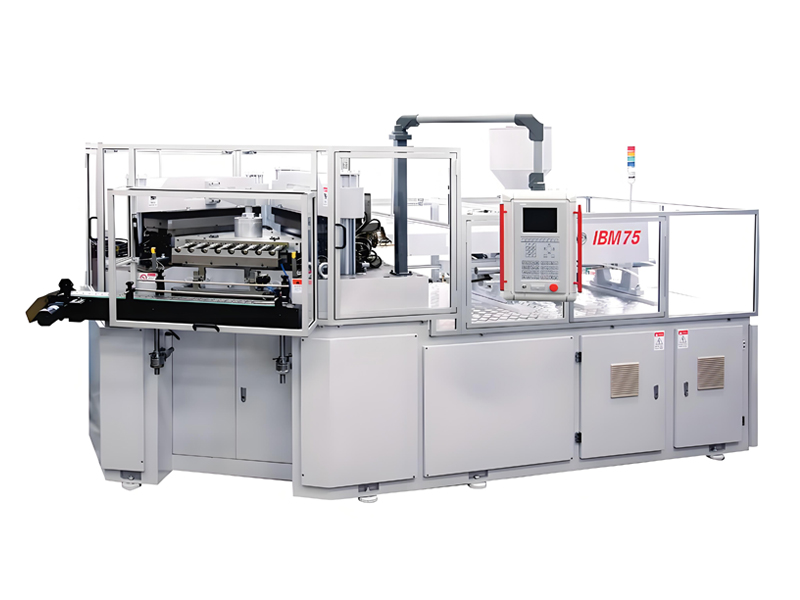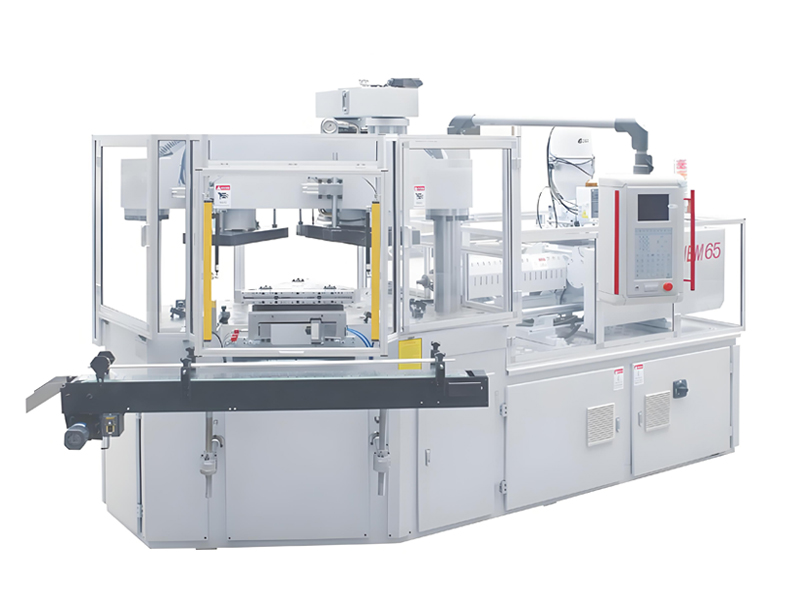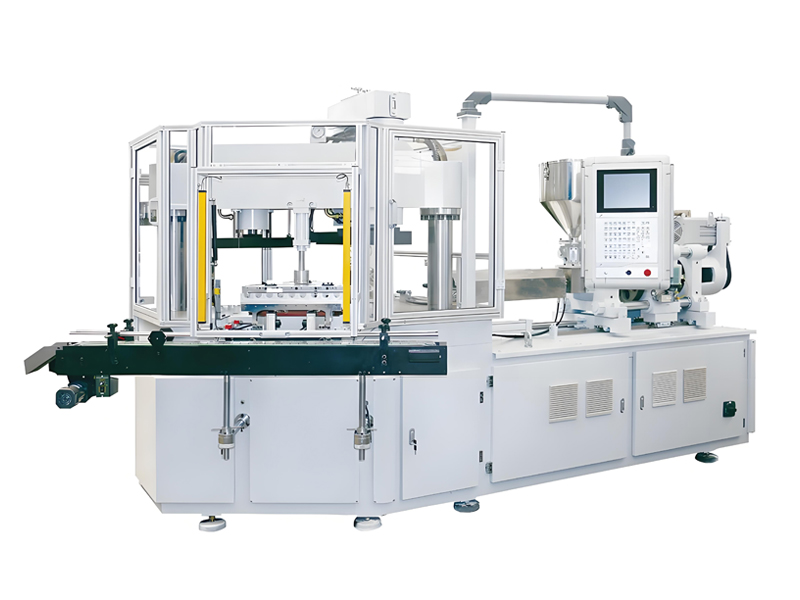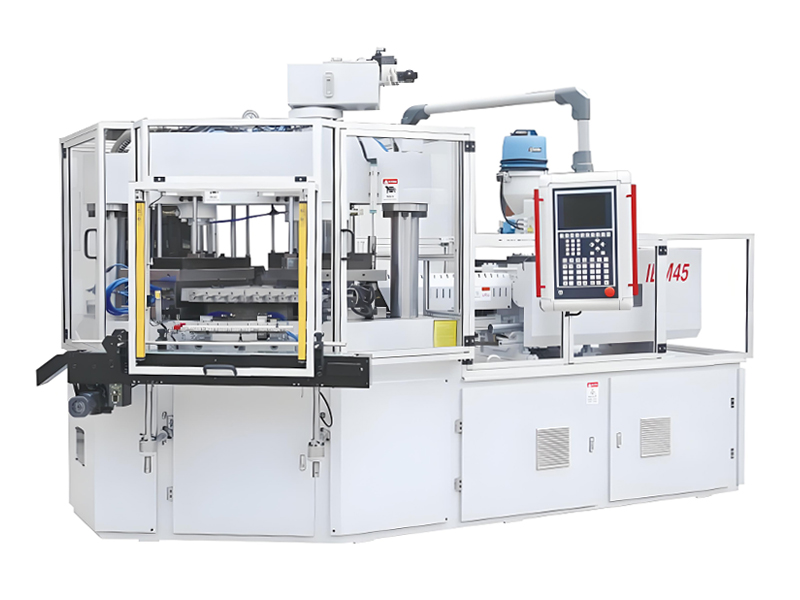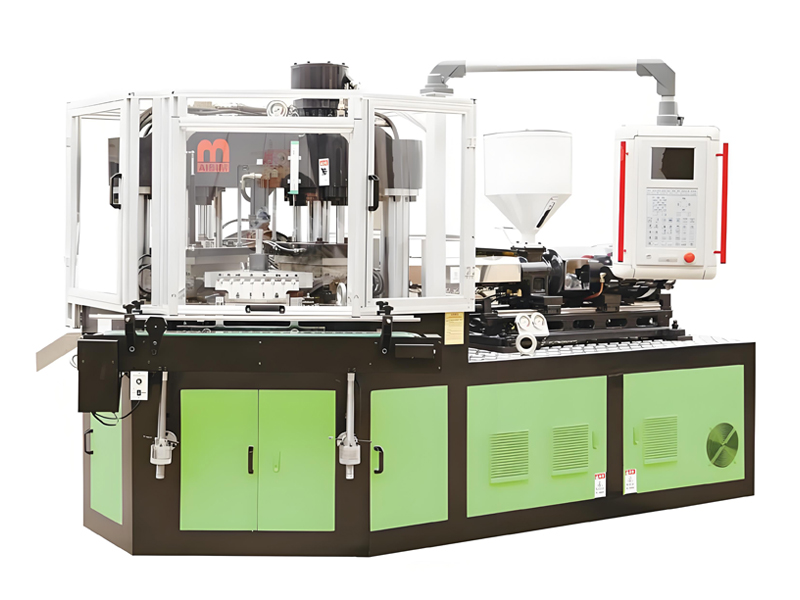
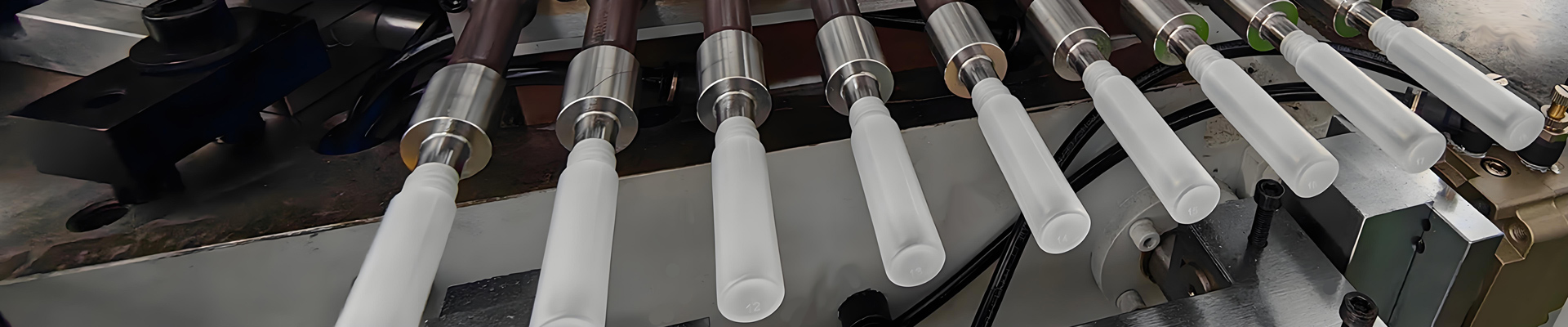
The global plastic manufacturing industry increasingly relies on Chinese injection blow molding (IBM) machines as cost-effective yet high-performance solutions for producing plastic containers. AiBiM injection blow molding machines from China have established a reputation for exceptional precision, reliability, and cost competitiveness among global manufacturers. To support worldwide distribution, AiBiM provides comprehensive global shipping services including door-to-door delivery to customer facilities across over 90 countries. This comprehensive logistics infrastructure ensures that customers worldwide receive their equipment efficiently and in optimal condition while maintaining cost-effectiveness through streamlined international supply chain operations.
International equipment logistics represents a significant challenge for manufacturers purchasing machinery overseas, involving complex customs procedures, language barriers, and potential transportation risks. AiBiM addresses these challenges through integrated logistics services that handle all aspects of international shipping, from factory preparation to installation at customer facilities. The door-to-door service model eliminates the need for customers to manage multiple logistics providers and handles all documentation requirements, ensuring a smooth equipment acquisition experience regardless of location complexity.
Global Supply Chain Advantages
Cost Competitiveness Analysis
Chinese injection blow molding machines offer significant cost advantages compared to European or Japanese alternatives while maintaining competitive performance characteristics. AiBiM machines typically provide cost savings of 15-30% compared to similar machines from established Western manufacturers, enabling manufacturers to reduce capital expenditure while maintaining production capabilities and quality standards. These cost savings represent a significant competitive advantage for manufacturers operating in markets with tight cost control requirements.
The cost advantages arise from China’s comprehensive manufacturing infrastructure, economies of scale in component production, and efficient production processes that optimize labor and material costs without compromising quality. AiBiM leverages these industry advantages while maintaining stringent quality control standards through premium component sourcing, advanced manufacturing processes, and comprehensive product testing. This combination of cost-effectiveness and quality ensures that customers receive equipment with competitive life cycle costs rather than initial cost advantages that disappear with higher maintenance expenses.
When evaluating total cost of ownership over equipment life, AiBiM machines typically provide even more significant cost advantages compared to competitors with higher capital costs. The combination of lower initial investment, competitive energy consumption, reasonable maintenance costs, and reliable performance throughout equipment life provides exceptional return on investment that far exceeds what can be achieved with higher-cost alternatives. Manufacturers considering global equipment options increasingly recognize these total cost of ownership advantages over traditional initial cost comparisons.
Manufacturing Capacity and Scalability
AiBiM operates an 8,000-square-meter manufacturing facility in Zhangjiagang, China’s plastic machinery hub, that enables large-scale production while maintaining customization capabilities. The facility incorporates advanced manufacturing technologies including CNC machining centers, automated assembly lines, and comprehensive testing stations that ensure consistent quality across production volumes. This manufacturing capacity enables prompt equipment delivery even during peak demand periods, supporting customer production schedules with reliable supply timelines.
The manufacturing facility maintains flexibility to accommodate customized machine configurations based on specific customer requirements. AiBiM engineers collaborate with customers to develop tailored solutions for unique applications, incorporating specialized features or modifications that optimize machine performance for specific production requirements. This customization capability ensures that customers receive equipment optimized for their production needs rather than generic machines requiring additional adaptation after delivery.
Scalable production capabilities enable AiBiM to support customer growth through equipment expansion as production requirements increase. Manufacturers implementing initial AiBiM machines can expand production capacity with identical or complementary machines that maintain consistent processing characteristics and quality standards. This equipment scalability ensures that production processes remain consistent even during growth periods, maintaining product quality and production efficiency regardless of production volume changes.
International Certification and Compliance
AiBiM injection blow molding machines meet international certification requirements that enable global deployment across diverse regulatory environments. Key certifications include CE certification for the European market, ISO 9001 quality management system certification, and FDA certification for food and pharmaceutical packaging applications. These certifications ensure that AiBiM machines comply with international safety, quality, and product contact requirements without requiring modifications that could increase cost or delay deployment.
CE certification ensures compliance with European Union safety standards including machinery directive 2006/42/EC and low-voltage directive 2014/35/EU. AiBiM machines incorporate safety features including emergency stop systems, protective guarding, and safety interlocks that prevent accidents during operation. The certification ensures that machines meet EU safety requirements without requiring additional modifications that could delay equipment installation and production startup.
ISO 9001 certification demonstrates adherence to international quality management principles that ensure consistent product quality and continuous improvement. AiBiM quality management systems cover all aspects of equipment development, production, and service, ensuring that machines meet specified requirements and customer expectations consistently across production runs. The certification provides assurance that equipment will perform as specified throughout its service life with minimal quality-related issues.
FDA certification ensures compliance with US regulations for food and drug contact materials, enabling AiBiM machines to produce containers for food, pharmaceutical, and personal care applications in US markets. AiBiM machines incorporate material handling systems and component materials that meet FDA requirements, preventing contamination issues and ensuring compliance with food contact regulations without requiring special modifications or additional testing after equipment delivery.
Global Shipping and Logistics Infrastructure
Door-to-Door Service Coverage
AiBiM provides door-to-door service coverage across over 90 countries in North America, South America, Europe, Asia, Africa, and Oceania. This comprehensive coverage ensures that manufacturers around the world can access AiBiM injection blow molding machines without managing complex international logistics procedures. The door-to-door service model handles all aspects of international shipping from factory loading to equipment installation at customer facilities, providing a seamless acquisition experience regardless of geographic complexity.
Regional logistics management centers ensure efficient shipping operations across global markets with localized support for documentation, customs clearance, and local transportation requirements. AiBiM maintains partnerships with leading international logistics providers including DHL, Maersk, and UPS that provide reliable transportation services with comprehensive tracking capabilities. These partnerships ensure prompt equipment delivery with minimum transit times and reduced risk of transportation-related damage.
The door-to-door service includes comprehensive installation support services that ensure equipment operates under optimal conditions from initial startup. AiBiM service teams provide professional installation including equipment positioning, utility connections, control system configuration, and initial production setup. This professional installation ensures that equipment performs to specifications from initial startup, reducing the time required to achieve production capacity and minimizing production delays associated with suboptimal installation practices.
Shipping Options and Transit Times
AiBiM provides multiple shipping options to accommodate customer requirements for cost efficiency and delivery speed, including sea freight, air freight, and land transport for neighboring countries. The shipping options provide flexibility based on customer urgency, budget constraints, and equipment size requirements, ensuring that customers can balance delivery speed with cost-effectiveness according to their specific operational needs.
Sea freight represents the most cost-effective option for long-distance equipment shipping, typically providing delivery in 45-60 days for international destinations. AiBiM employs specialized containerization methods for sea freight that protect equipment during ocean transportation, including custom-fitted crating, vibration isolation, and moisture protection systems. These specialized packaging methods ensure that equipment arrives in optimal condition despite potential environmental challenges during ocean transport.
Air freight provides the fastest delivery option, typically delivering equipment within 7-10 days for urgent requirements. AiBiM works with specialized air cargo partners that provide heavy equipment handling capabilities required for injection blow molding machines that typically weigh 3-8 tons depending on model size. Air freight represents a premium service option with higher costs but enables urgent production capacity expansion or equipment replacement needs with minimal production downtime consequences.
Land transport provides efficient shipping options for neighboring countries including Southeast Asian markets, typically delivering equipment within 7-14 days depending on distance and border crossing complexity. AiBiM works with licensed land transport providers with experience handling heavy industrial equipment across international borders, ensuring prompt delivery while managing customs clearance procedures efficiently to avoid delays at border crossings.
Customs Clearance Assistance
International equipment import procedures represent a significant challenge for manufacturers unfamiliar with destination country customs regulations and documentation requirements. AiBiM addresses these challenges through comprehensive customs clearance assistance that handles all documentation preparation and submission, ensuring compliance with destination country requirements without requiring customer expertise in international trade procedures.
Documentation support includes preparation of commercial invoices, packing lists, certificates of origin, and required technical documentation including machine specifications, operating manuals, and certification documentation. AiBiM documentation specialists prepare these materials according to destination country requirements, ensuring that documentation meets specific customs authority requirements without errors that could delay clearance or incur additional expenses.
Customs tariff classification ensures that equipment is classified according to destination country requirements, minimizing import duties where possible while ensuring compliance with regulations. AiBiM maintains expertise in global customs classification systems including HS codes, ensuring accurate classification that minimizes financial exposure to unnecessary duties while avoiding classification errors that could result in penalties or shipment delays.
Import tax calculation support helps customers understand and plan for import costs associated with equipment acquisition. AiBiM provides detailed cost breakdowns including shipping expenses, insurance costs, customs duties, and applicable taxes, ensuring that customers receive comprehensive cost information before committing to equipment purchase. This transparency enables accurate budgeting and avoids unexpected costs that could disrupt financial planning processes.
Export Packaging and Preparation
Anti-Rust Treatment Systems
Long-distance international shipping exposes equipment to varying environmental conditions including humidity, salt spray, and temperature variations that could cause rust and corrosion during transportation. AiBiM employs comprehensive anti-rust treatment systems that protect equipment surfaces during shipping, ensuring that machinery arrives in optimal condition without corrosion-related damage that could compromise performance or require costly repairs before production startup.
The anti-rust treatment process begins with thorough equipment cleaning to remove any contaminants from manufacturing processes that could accelerate corrosion during transportation. The cleaning process ensures that all surfaces are free from machining residues, oils, or other substances that could interact with protective treatments or create conditions for corrosion initiation.
Surface treatment processes include application of corrosion inhibitors, wax coatings, and vacuum sealing that provide multiple layers of protection against environmental exposure. AiBiM applies corrosion inhibitors to all metal surfaces that create protective barriers against moisture and oxygen interaction that causes corrosion initiation. The inhibitor application follows manufacturer recommendations for appropriate thickness and coverage based on environmental exposure duration during shipping.
For long-distance sea freight shipments, AiBiM applies additional wax coatings that provide enhanced protection against salt spray exposure during ocean transportation. The wax coatings create physical barriers against salt water intrusion that could cause accelerated corrosion of unprotected surfaces. The wax coatings are selected for compatibility with equipment surfaces and ease of removal at customer facilities after delivery without requiring specialized cleaning equipment or processes.
Custom Crate Construction
Custom-designed wooden crates provide physical protection during transportation, preventing damage from impact, vibration, and improper handling during loading, transit, and unloading processes. AiBiM constructs custom crates according to ISPM 15 international standards for wooden packaging, ensuring compliance with phytosanitary regulations that prohibit untreated wooden materials across international borders to prevent spread of invasive species that could damage agricultural environments.
The crate design process considers equipment dimensions, weight distribution, and handling requirements during transportation. AiBiM engineers design crates with appropriate internal bracing, shock-absorbing materials, and lifting points that protect equipment from physical damage while enabling safe handling during transportation. The crates are constructed from heat-treated wooden materials that comply with ISPM 15 requirements without requiring additional phytosanitary treatment at destination countries.
Vibration isolation systems within the crates protect sensitive machinery components including control systems, sensor components, and precision alignment systems from damage during transportation. AiBiM employs specialized damping materials and isolation mounts that absorb transportation-related vibrations that could disrupt delicate machinery settings or damage sensitive electronic components. The isolation systems ensure that precision settings remain intact from factory configuration to customer facility installation without requiring recalibration after transportation that could delay production startup.
Component Protection Measures
Component-specific protection measures ensure that sensitive machinery parts including control panels, hydraulic systems, and electrical components receive specialized protection according to their unique vulnerability characteristics during transportation. AiBiM implements component-specific protection that addresses the unique risks associated with each machinery subsystem, ensuring that all components arrive in optimal condition without damage that could compromise performance or require replacement before production startup.
Control panels receive specialized protection including moisture barriers, physical impact protection, and electrostatic discharge protection that prevents damage to electronic components during transportation. AiBiM wraps control panels in moisture-proof materials that prevent water intrusion that could cause short circuits or component failure during transit. The physical protection includes foam padding and reinforced crate sections that prevent impact damage during handling processes.
Hydraulic systems receive specialized preparation for transportation including fluid level adjustment, component securing, and protection against fluid leakage during transit. AiBiM engineers bleed hydraulic systems to appropriate levels that prevent fluid pressure buildup during transportation while ensuring that sensitive seals and components remain properly lubricated throughout the shipping period. The preparation prevents fluid leakage that could damage equipment components or create safety hazards during transportation and delivery processes.
Electrical components including motors, sensors, and control systems receive protection against physical damage, moisture exposure, and electrostatic discharge that could compromise performance or cause component failure. AiBiM employs specialized packaging materials that provide electrostatic protection during handling and transit, preventing component damage caused by static electricity buildup that occurs during typical transportation handling processes. This specialized protection ensures that sensitive electronic components remain operational from factory configuration to customer facility installation.
Post-Delivery Services and Support
On-Site Installation and Commissioning
Professional on-site installation and commissioning services ensure that equipment operates under optimal conditions from initial startup, minimizing production delays and reducing risks associated with improper installation practices that could compromise performance or safety. AiBiM service teams provide comprehensive installation services including equipment positioning, utility connections, control system configuration, and initial production setup that ensure equipment performs to specifications from initial production operations.
Equipment positioning services ensure that machinery is located to maximize operational efficiency while maintaining appropriate access for maintenance activities and safety clearance requirements. AiBiM installation teams work with customer facility personnel to identify optimal equipment locations based on material flow requirements, utility access, and spatial constraints within production facilities. This collaborative approach ensures that equipment integrates effectively with existing production processes rather than creating operational inefficiencies or safety hazards.
Utility connection services ensure that electrical, hydraulic, and pneumatic systems are connected according to manufacturer specifications and local safety standards. AiBiM technicians perform utility connections following standardized procedures that ensure reliable operation while maintaining safety standards that prevent accidents or equipment damage caused by improper connection practices. The connection services include testing and verification procedures that confirm utility systems operate under appropriate parameters before proceeding with equipment operation.
Control system configuration services ensure that equipment is calibrated according to customer production requirements and specific application characteristics. AiBiM technicians configure control systems with appropriate parameters for materials to be processed, production rates, and quality requirements. This initial configuration ensures that equipment achieves optimal production performance from startup rather than requiring extended adjustment periods before achieving production capacity specifications.
Operator Training Programs
Comprehensive operator training programs ensure that production teams maximize equipment capabilities and maintain optimal performance throughout equipment life. AiBiM provides training programs designed for operators at all experience levels, from basic operational training for new users to advanced optimization training for experienced technicians seeking to enhance production efficiency and quality levels.
Basic operator training covers equipment fundamentals including startup procedures, parameter adjustment methods, production monitoring techniques, and basic troubleshooting practices. The training ensures that operators can safely and effectively operate equipment while monitoring production quality and performance indicators. The basic training program typically requires 2-3 days of instruction and hands-on practice with supervision to ensure competency development.
Advanced optimization training provides experienced operators with specialized techniques for parameter adjustment to optimize production efficiency, improve product quality, and reduce operational costs. The advanced training covers process optimization methods, material handling techniques, and quality monitoring strategies that maximize equipment capabilities beyond basic production requirements. The advanced training program typically requires 1-2 days of specialized instruction based on specific application requirements and operator skill levels.
Maintenance training programs provide maintenance personnel with the knowledge and skills required to perform preventive maintenance tasks and address common equipment issues effectively. The maintenance training covers maintenance schedules, lubrication requirements, component inspection procedures, and common problem diagnosis techniques. This training ensures that maintenance teams can minimize equipment downtime through proactive maintenance practices that address potential issues before they cause production interruptions.
Technical Support and Warranty
AiBiM provides comprehensive technical support services and warranty coverage that ensure equipment operates reliably throughout its service life, providing customers with confidence in their equipment investment decision beyond initial purchase. The comprehensive support infrastructure includes telephone support, remote diagnostics, on-site service, and comprehensive warranty coverage that address customer requirements for equipment reliability and operational continuity.
Telephone technical support provides prompt assistance for operational questions, parameter adjustment advice, and basic troubleshooting guidance. AiBiM support technicians receive comprehensive training on equipment systems and common issues, enabling them to provide effective solutions for most operational challenges encountered during daily production processes. The telephone support services are available during regular business hours with emergency support options for critical production issues that require immediate resolution to prevent extended production downtime.
Remote diagnostics services enable rapid issue resolution without requiring technician travel to customer facilities, often resolving problems within hours rather than days for more complex issues that might otherwise require on-site intervention. AiBiM machines incorporate internet connectivity capabilities that enable support technicians to access equipment data, diagnostic information, and control systems remotely for real-time issue diagnosis and resolution support. This remote support capability reduces production downtime while minimizing support costs associated with on-site service requirements.
Warranty coverage protects customers against manufacturing defects and component failures during the initial operational period, typically providing 12 months of warranty coverage from equipment installation date. The warranty coverage includes parts replacement and labor costs associated with addressing covered issues, ensuring that customers do not incur unexpected costs during the initial equipment operational period. AiBiM warranty terms ensure that customers receive support for equipment issues that result from manufacturing defects rather than improper use or maintenance activities that fall outside normal operational conditions.
Customer Success Case Studies
European Pharmaceutical Manufacturer
A pharmaceutical manufacturer in Germany faced challenges maintaining production quality for pharmaceutical packaging containers while reducing production costs associated with equipment investment and operating expenses. The company evaluated multiple equipment options and selected AiBiM IBM60 precision machines due to competitive pricing, comprehensive quality features, and global shipping capabilities that enabled equipment delivery and installation within tight production timelines critical for market expansion requirements.
The AiBiM global shipping team coordinated door-to-door delivery from China to Germany in 56 days using sea freight with custom ISPM 15-compliant crating that ensured equipment arrived in optimal condition without damage requiring repair before production startup. The professional installation services ensured equipment performed to specifications from initial startup, achieving production quality standards that met stringent pharmaceutical regulations without requiring extended adjustment periods after installation completion.
Implementation of AiBiM machines reduced equipment capital expenditure by 22% compared to previously considered European alternatives while maintaining production quality requirements through precision capabilities that reduced product rejection rates from 2.8% to 0.3% after implementation. This quality improvement provided annual material savings of €18,500 through reduced scrap rates while enabling the company to meet growing demand for pharmaceutical packaging products without compromising quality standards or customer delivery timelines.
South American Consumer Goods Producer
A consumer goods manufacturer in Brazil sought to expand production capacity for personal care product containers while maintaining competitive cost structures required in regional markets with tight price competition constraints. The company selected AiBiM IBM45 injection blow molding machines due to cost-effectiveness, comprehensive shipping services, and localized technical support capabilities that addressed concerns about operating machinery outside familiar regional supply channels.
The AiBiM global logistics team coordinated door-to-door delivery from China to Brazil in 52 days using sea freight with specialized packaging that protected equipment during ocean transportation despite potential environmental challenges associated with long-distance shipping to tropical destinations. The delivery included all required documentation prepared according to Brazilian customs regulations, ensuring seamless customs clearance processes without delays that could have disrupted production expansion timelines scheduled to meet seasonal demand peaks.
Implementation of AiBiM machines reduced capital expenditure by 28% compared to previously considered equipment options while enabling production capacity expansion by 40% through enhanced production efficiency and cycle time optimization capabilities. The comprehensive operator training program ensured that local production teams achieved proficiency rapidly, minimizing production ramp-up time required to meet seasonal demand requirements critical for maintaining market share during peak sales periods.
African Chemical Processing Company
A chemical processing company in Nigeria required specialized injection blow molding machines for producing chemical sample bottles that meet UN packaging standards for hazardous material transportation and storage requirements. The company evaluated multiple equipment providers and selected AiBiM injection blow molding machines due to specialized capabilities for producing UN-compliant containers, comprehensive shipping services that addressed logistics challenges in emerging markets, and localized technical support capabilities that ensured reliable performance despite regional infrastructure limitations encountered in production facility environments.
The AiBiM logistics team coordinated door-to-door delivery from China to Nigeria in 62 days using sea freight with specialized packaging that protected equipment during transportation through complex regional logistics networks including multiple port transfers and inland transport to customer facilities located away from major port cities. The delivery included comprehensive documentation prepared according to Nigerian customs regulations and specialized handling requirements for hazardous material processing equipment imported into Nigeria for industrial applications.
Implementation of AiBiM machines enabled the company to produce UN-compliant chemical sample containers that meet international transport requirements without requiring additional testing or certification costs associated with imported finished container products previously obtained from European suppliers. The local production capability reduced container costs by 45% compared to imported alternatives while enabling production flexibility that allowed customization for specific customer requirements rather than relying on standard container options available through international suppliers.
Global Market Expansion Strategies
Regional Partnership Development
Regional partnership strategies enable AiBiM to provide localized support to customers worldwide through collaborations with local distributors, service providers, and technical support organizations. These regional partnerships ensure that customers receive timely support services without language barriers or cultural misunderstandings that could hinder effective equipment operation or maintenance practices required for optimal performance outcomes.
Regional distributors provide local sales support, inventory management, and basic technical support that ensures customers receive personalized service tailored to local market requirements and business practices. AiBiM regional distributors receive comprehensive training on product characteristics, application recommendations, and basic technical support procedures that enable them to serve customer needs effectively while maintaining consistent service standards that align with AiBiM global quality policies and procedures.
Local service partner networks provide on-site technical support capabilities that ensure prompt response to equipment issues requiring physical intervention at customer facilities across diverse geographic locations. AiBiM trains local service technicians on equipment maintenance procedures, repair techniques, and advanced troubleshooting methods that enable them to provide support comparable to AiBiM factory service teams while reducing response times associated with travel requirements for factory-based support personnel located in China manufacturing facilities.
Technical training partnerships with local vocational institutions enable AiBiM to develop localized training programs that adapt standard training materials to local language requirements, cultural characteristics, and educational standards appropriate for regional workforce development needs. These partnerships ensure that training programs remain effective despite language or cultural differences that could hinder learning outcomes for production teams operating in diverse global environments with varying educational backgrounds and operational practices.
Market Specific Customization
Market-specific customization strategies ensure that AiBiM injection blow molding machines meet unique requirements of regional markets based on regulatory standards, material availability characteristics, and production practices common within specific geographic areas. This customer-centric approach ensures that equipment operates effectively in diverse environments without requiring extensive modifications after delivery that could delay production startup or increase costs associated with adapting machinery for local conditions.
Regulatory customization involves adapting equipment to meet specific regional safety standards, electrical requirements, and operational regulations applicable within target market environments. AiBiM engineering teams design equipment configurations that comply with local electrical standards including voltage requirements, frequency characteristics, and safety protocols required within specific countries or regions served through global distribution networks. This regulatory customization ensures that equipment operates safely within local regulatory environments without requiring specialized modification services after delivery that could disrupt production schedules or incur unexpected compliance-related costs.
Material customization involves adapting equipment processing capabilities to accommodate locally available materials commonly used within specific regional markets rather than relying on imported materials that may be prohibitively expensive or unavailable within certain geographic areas. AiBiM engineers modify processing parameters, screw designs, or material handling systems based on characteristics of locally available polymers rather than requiring customers to source specific material types that may not be readily accessible within local supply chains or may create cost structures that are not competitive within regional markets.
Operational customization involves adapting equipment control interfaces, documentation materials, and operating procedures to align with local language requirements and operational practices common within specific geographic regions served through global distribution networks. AiBiM provides documentation materials in multiple languages with examples tailored to regional operational scenarios rather than generic examples that may not resonate effectively with production teams operating in diverse cultural contexts and operational environments across global markets.
Future Global Expansion Plans
Regional Service Center Network
AiBiM plans to expand regional service center infrastructure across major global markets to enhance response times and improve support capabilities for customers located outside traditional core markets served through current distribution networks. The regional service centers will maintain inventory of common spare parts, provide on-site technical support capabilities, and offer training programs tailored to regional requirements rather than relying solely on factory-based support resources located in China manufacturing facilities.
The regional service center network will incorporate advanced diagnostics capabilities that enable rapid issue resolution through remote monitoring technologies combined with local service personnel interventions when physical equipment access is required for repairs or maintenance activities. These advanced service capabilities will minimize production downtime associated with equipment issues through proactive monitoring systems that identify developing problems before they cause critical failures requiring emergency intervention responses.
Advanced inventory management systems within regional service centers will ensure timely spare parts availability through integrated supply chain operations that balance local inventory levels with global distribution capabilities managed centrally from AiBiM headquarters facilities in China manufacturing operations. This balanced inventory strategy ensures minimal spare parts lead times while optimizing inventory costs associated with maintaining multiple regional stock locations through centralized inventory management practices that prevent overstocking situations or stockouts causing extended production downtime consequences.
Advanced Logistics Technology Integration
AiBiM plans to integrate advanced logistics technologies including IoT trackers, blockchain supply chain platforms, and predictive analytics systems that enhance transparency across global supply chain operations while reducing costs associated with international shipping activities and logistics management processes. These technologies will provide real-time visibility into equipment location, environmental conditions during transport, and customs status updates that enable proactive management of potential issues before they disrupt delivery schedules or cause equipment damage during transportation stages of equipment acquisition processes.
IoT trackers embedded within shipping crates will provide real-time location monitoring combined with environmental sensors that track temperature, humidity levels, shock exposure events during transport operations from factory departure to customer facility arrival points. This real-time monitoring capability enables immediate intervention responses if environmental conditions exceed acceptable thresholds that could cause equipment damage or compromise anti-corrosion protection measures applied before shipping departures.
Blockchain supply chain platforms will enhance transparency and traceability across global logistics operations through immutable record-keeping systems that document all stages of equipment manufacturing processes, shipping activities performed by logistics partners involved in international transportation stages, and customs clearance procedures completed at port destinations where shipments cross international borders into regional markets served through AiBiM distribution networks.
Predictive analytics systems will analyze historical logistics data combined with real-time information sources including weather forecasts, port congestion reports, and customs processing time trends to predict potential delays or challenges likely to arise during international shipping operations before they occur. These predictive capabilities enable proactive schedule adjustments or route modifications that minimize disruptions to customer delivery timelines while optimizing shipping costs associated with alternative transportation options selected based on predicted conditions rather than relying on static planning methodologies that don’t account for dynamic logistics environments encountered during international equipment shipments across diverse global destinations.
Conclusion
AiBiM injection blow molding machines from China provide global manufacturers with cost-effective yet high-performance solutions for producing plastic containers with exceptional precision and quality characteristics. The comprehensive global shipping and door-to-door delivery services ensure that customers worldwide receive their equipment efficiently while minimizing logistical complexities associated with international machinery procurement transactions involving diverse regional regulations and supply chain operations encountered across global distribution networks.
The integrated logistics infrastructure combines specialized packaging technologies, custom crating solutions, and comprehensive documentation support services that ensure equipment arrives in optimal condition regardless of transportation duration or environmental challenges encountered during international shipping stages from China manufacturing facilities to customer factory locations spread across over 90 countries served through AiBiM global distribution capabilities.
Post-delivery services including professional installation support programs, comprehensive operator training initiatives, and global technical assistance networks ensure that customers maximize equipment capabilities from initial startup operations while maintaining optimal performance throughout equipment service lifecycles extending beyond typical industry standards found within competitive product offerings available within worldwide machinery markets today.
As AiBiM continues expanding global service capabilities through regional service center network developments and advanced logistics technology integration initiatives currently underway within strategic business planning activities, customers around the world can expect even more responsive support services combined with enhanced supply chain transparency that further simplifies international machinery procurement transactions across future operational periods.