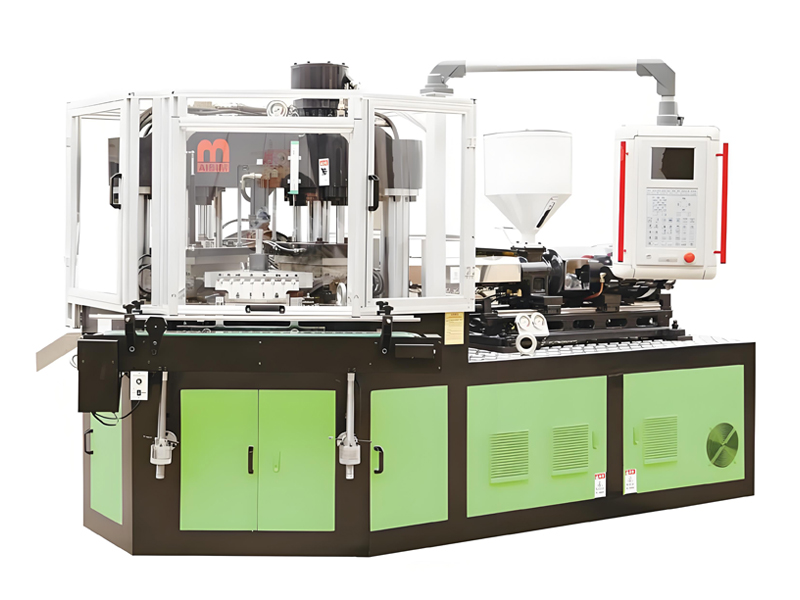
The global packaging industry is undergoing a significant transformation driven by sustainability demands, cost pressures, and environmental regulations. Lightweight design has emerged as one of the most effective strategies for plastic bottle manufacturers seeking to reduce material consumption while maintaining product quality and performance. An injection blow molding machine plays a crucial role in achieving these lightweight objectives, offering precision manufacturing capabilities that enable producers to create thinner-walled bottles without compromising structural integrity or consumer safety.
As brands and manufacturers worldwide commit to sustainable packaging goals, understanding the intersection of injection blow molding technology and lightweight design becomes essential for industry professionals. This comprehensive guide explores how injection blow molding machines contribute to lightweight bottle production, the technical principles behind successful weight reduction, and practical strategies for implementing lightweight solutions across various applications.
Understanding Lightweight Design in Plastic Bottle Manufacturing
Lightweight design represents a systematic approach to reducing the amount of plastic material used in bottle production while preserving or enhancing functional performance. This methodology goes beyond simple material reduction; it encompasses holistic engineering considerations including structural optimization, material selection, and manufacturing precision.
Defining Lightweight Design and Industry Context
Lightweight design in plastic bottle manufacturing refers to the deliberate engineering of bottle structures that use less material than traditional designs while meeting equivalent or superior performance requirements. The concept gained prominence in the early 2000s when oil prices surged and environmental awareness increased, prompting manufacturers to seek efficiency improvements throughout their production operations.
The pharmaceutical, food, and beverage industries have been primary adopters of lightweight technology, driven by regulatory requirements, sustainability commitments, and economic incentives. Modern lightweight bottles typically achieve weight reductions of 15 to 40 percent compared to conventional designs, depending on the application requirements and material selection.
Environmental and Economic Significance
The environmental benefits of lightweight plastic bottles extend across the entire product lifecycle. Reduced material consumption means less raw material extraction, lower energy consumption during manufacturing, decreased transportation emissions due to lighter product weights, and reduced waste at end-of-life. A single gram of plastic saved per bottle, when multiplied by millions of units produced daily, translates to substantial environmental impact reduction.
From an economic perspective, material costs typically represent 50 to 70 percent of total bottle production costs. Lightweight design directly addresses this variable cost driver, offering immediate savings that improve profit margins or enhance competitive pricing capability. Manufacturers implementing successful lightweight strategies often achieve return on investment within 12 to 24 months through combined material and transportation savings.
Consumer Acceptance and Market Trends
Contemporary consumers increasingly support sustainable packaging initiatives, with research indicating that over 60 percent of shoppers consider environmental factors when making purchasing decisions. Lightweight bottles align with consumer expectations for responsible packaging without sacrificing the convenience and functionality they demand.
Market trends show accelerated adoption across all major packaging segments. Major beverage brands have committed to significant weight reduction targets, while pharmaceutical companies increasingly specify lightweight containers for both environmental and patient-handling benefits. This market momentum creates both opportunity and pressure for manufacturers to develop or enhance their lightweight production capabilities.
Advantages of Injection Blow Molding for Plastic Bottle Production
Injection blow molding technology offers distinct advantages for producing lightweight plastic bottles, particularly in applications requiring precision, consistency, and material efficiency. Understanding these advantages helps manufacturers make informed equipment decisions and optimize their production processes.
One-Step Manufacturing Process
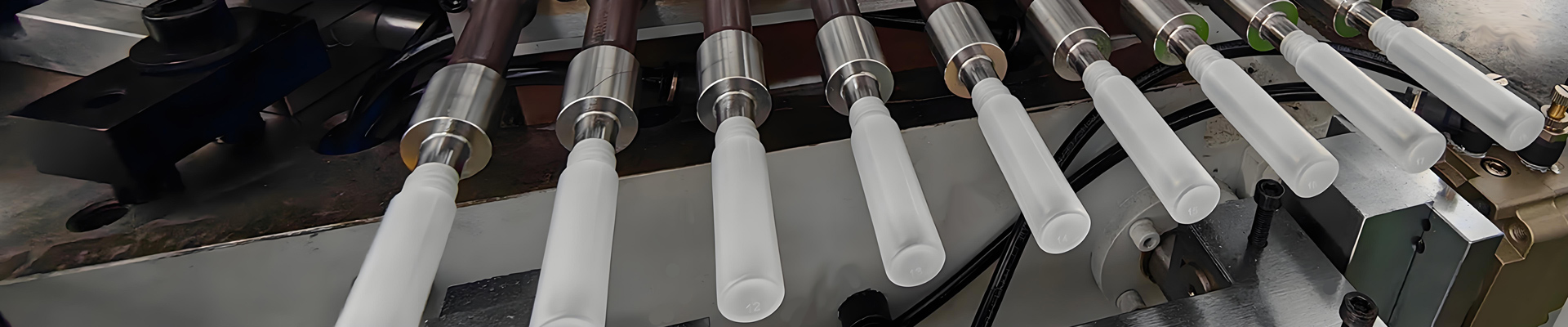
The injection blow molding machine executes bottle production through an integrated process that combines injection molding for the preform with blow molding for the final container shape. This one-step approach eliminates handling and transfer operations that characterize multi-stage manufacturing methods, reducing contamination risk and production cycle time.
The seamless integration of preform creation and bottle forming enables tighter process control and improved consistency. Each bottle emerges from the machine with uniform wall thickness distribution and precise dimensional characteristics, eliminating variations that often occur when preforms are transported between separate manufacturing stations.
Superior Wall Thickness Control
Precise wall thickness control represents one of the most significant advantages of injection blow molding for lightweight applications. The technology enables manufacturers to program exact material distribution across the bottle structure, concentrating material in high-stress areas while reducing thickness where load requirements permit.
Advanced injection blow molding machines incorporate sophisticated control systems that monitor and adjust process parameters in real-time, maintaining thickness consistency within tight tolerances throughout production runs. This capability proves essential for lightweight bottles where even minor variations can compromise structural integrity or cause aesthetic defects.
Bottle Neck Precision and Integrity
The injection molded neck finish of injection blow molded bottles exhibits superior dimensional accuracy compared to other manufacturing methods. This precision results from the high-pressure injection process that fills the neck cavity with molten material before any stretching or blowing occurs.
For lightweight bottles, neck integrity proves particularly important as the closure area often represents the highest stress concentration point. Injection blow molding produces thread profiles and sealing surfaces that meet exact specifications, ensuring reliable sealing performance even with reduced material in adjacent body sections.
Comparison with Injection Stretch Blow Molding
While both injection blow molding and injection stretch blow molding utilize similar initial injection steps, the stretching mechanism differs significantly. Injection stretch blow molding introduces axial stretching through a stretch rod, creating molecular orientation that enhances strength in the body section. This characteristic makes stretch blow molding particularly suitable for carbonated beverage applications requiring high hoop strength.
Injection blow molding without stretching offers advantages for certain applications including pharmaceutical containers, cosmetics packaging, and wide-mouth bottles. The absence of stretching simplifies tooling, reduces machine complexity, and often provides better material distribution control for non-carbonated applications. For lightweight designs targeting these segments, conventional injection blow molding frequently delivers superior results.
Design Principles for Lightweight Plastic Bottles
Successful lightweight bottle design requires systematic engineering attention across multiple design dimensions. Manufacturers must balance weight reduction objectives against structural requirements, processing constraints, and end-use considerations.
Material Selection Criteria
Material choice fundamentally influences achievable weight reduction and final bottle performance. Each polymer offers distinct characteristics that determine its suitability for specific applications.
PET represents the most common material for beverage and food packaging, offering excellent clarity, good mechanical properties, and widespread recycling infrastructure. Modern PET grades enable significant weight reduction while maintaining adequate barrier properties and impact resistance for most applications.
Polypropylene provides superior chemical resistance and thermal stability, making it suitable for pharmaceutical and cosmetics applications requiring sterilization or exposure to aggressive contents. PP lightweight bottles achieve excellent results with injection blow molding due to the material’s favorable flow characteristics and low temperature sensitivity.
Polyethylene offers cost-effective solutions for household and industrial chemical containers. HDPE provides excellent stiffness and chemical resistance, while LDPE enables flexible dispensing applications. Both materials respond well to lightweight optimization through injection blow molding processes.
Polystyrene, particularly in impact-modified grades, serves applications requiring clarity and rigidity. While less commonly used for lightweight bottles due to brittleness concerns, modified PS formulations enable specialized packaging solutions with appropriate design considerations.
Wall Thickness Optimization
Optimizing wall thickness requires balancing multiple competing requirements including structural strength, material conservation, and processing capability. Engineers employ finite element analysis and practical testing to identify optimal thickness distributions for specific applications.
Modern lightweight design principles advocate for gradient wall thickness approaches that vary thickness based on localized stress analysis. High-stress regions such as the base, shoulder, and closure interface receive additional material, while body sections under lower stress accommodate thickness reductions. This targeted approach maximizes weight savings while maintaining structural adequacy.
The injection blow molding machine must achieve consistent thickness control throughout the optimized distribution pattern. Advanced parison programming capabilities enable precise thickness variation during the blow phase, translating design intentions into manufactured products with high fidelity.
Structural Ribbing and Reinforcement
Strategic placement of structural ribs provides stiffness and impact resistance without proportional material increase. Ribbing proves particularly effective in maintaining column strength and preventing buckling in tall, slender bottle designs where body sections might otherwise require excessive thickness.
Effective rib design considers multiple factors including rib height-to-width ratios, spacing between ribs, and integration with body geometry. Properly designed ribs can increase structural stiffness by 30 to 50 percent while adding minimal weight, making them essential tools for lightweight optimization.
The injection blow molding process enables precise rib formation through controlled material distribution during both injection and blow phases. Tooling design must accommodate rib geometry while ensuring complete material fill and proper surface finish.
Base Design Optimization
Bottle base design significantly influences both structural performance and material efficiency. Traditional flat bases require substantial thickness to resist deformation under stacking loads and internal pressure, presenting opportunities for optimization through alternative geometries.
Champagne-style bases with recessed centers and radial ribbing achieve excellent stability and load resistance with reduced material compared to conventional designs. The curved geometry distributes stresses more efficiently than flat surfaces, enabling thickness reduction while maintaining or improving performance.
Footed bases incorporating multiple contact points offer additional optimization opportunities for certain applications. While requiring more complex tooling, these designs can achieve substantial weight reduction while providing adequate stability and stackability.
Shoulder and Transition Design
The shoulder region connecting the neck finish to the body requires careful design attention as it represents a critical stress concentration area. Lightweight optimization must preserve adequate strength in this transition zone while reducing material where stress levels permit.
Smooth radius transitions between the neck and shoulder reduce stress concentrations and enable more aggressive lightweight measures in adjacent areas. Sharp corners create localized stress peaks that require additional material to prevent failure, making radius optimization an essential lightweight strategy.
The slope angle of the shoulder influences both material distribution during blow molding and stress distribution during use. Steeper shoulder angles facilitate material flow during manufacturing but may create stress concentrations requiring additional thickness. Design optimization balances these competing considerations for each specific application.
Key Technologies Enabling Lightweight Production
Advanced technologies integrated into modern injection blow molding machines enable the precision and control necessary for successful lightweight bottle production. Understanding these technologies helps manufacturers leverage their equipment investments effectively.
Precision Control Systems
Modern injection blow molding machines incorporate sophisticated control systems that manage all process parameters with high precision and repeatability. Closed-loop feedback systems monitor temperature, pressure, and position sensors throughout the production cycle, adjusting parameters in real-time to maintain optimal conditions.
Programmable logic controllers with advanced motion capabilities enable precise coordination between injection, blow, and ejection phases. This coordination proves essential for lightweight applications where minor variations can cause significant quality deviations.
Human-machine interfaces provide intuitive operation and comprehensive monitoring capabilities, enabling operators to optimize settings for specific bottle designs and material combinations. Recipe storage functions allow quick changeovers between products while maintaining validated parameters for each configuration.
PREFILL Technology Applications
PREFILL technology represents an advanced control methodology that optimizes material distribution during the preform injection phase. By precisely controlling the filling pattern and pressure profile, PREFILL systems achieve more uniform preform wall thickness that translates directly to improved final bottle characteristics.
The technology enables manufacturers to produce preforms with specifically engineered thickness distributions that compensate for subsequent blow molding operations. This predictive control approach produces bottles with tighter tolerances and more efficient material placement than conventional processes.
For lightweight applications, PREFILL technology proves particularly valuable as it enables more aggressive optimization of wall thickness distributions. Manufacturers can reduce average thickness while maintaining performance through precisely targeted material placement.
Temperature Uniformity Management
Consistent temperature distribution throughout the melt and tooling system directly influences final bottle quality and consistency. Modern injection blow molding machines incorporate multiple heating and cooling zones that maintain precise temperature control across all relevant surfaces.
Insufficient temperature uniformity causes viscosity variations within the melt, leading to thickness inconsistencies and weak spots in the final bottle. Advanced systems monitor temperature at multiple points and automatically adjust heating output to maintain consistency within tight tolerances.
For lightweight production, temperature uniformity becomes even more critical as the reduced wall sections leave less margin for processing variations. Tight temperature control enables consistent filling and blowing behavior that produces uniform lightweight bottles.
Air Pressure Optimization Systems
The blow air system delivers the energy that shapes molten material against the cavity surface. Optimization of this system involves careful management of blow pressure, timing, and profile to achieve complete forming without excessive material stretch or deformation.
Multi-stage blow profiles that begin at lower pressure and increase to higher pressure enable better material distribution control than single-pressure approaches. This staged approach proves particularly valuable for complex bottle geometries and aggressive lightweight designs.
Modern machines incorporate precise pneumatic controls that deliver consistent air pressure regardless of line voltage variations or compressed air supply fluctuations. This consistency ensures stable production quality throughout long runs and across shift changes.
AiBiM Injection Blow Molding Machine Advantages for Lightweight Production
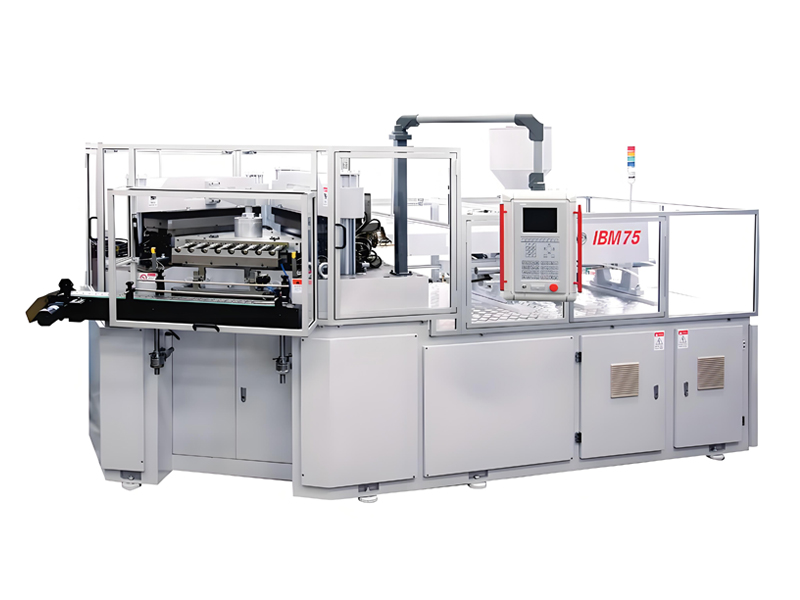
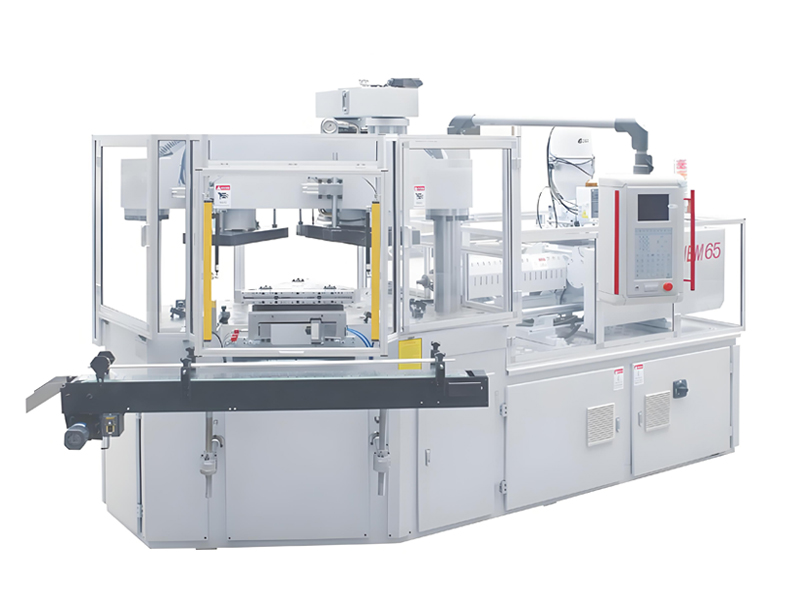
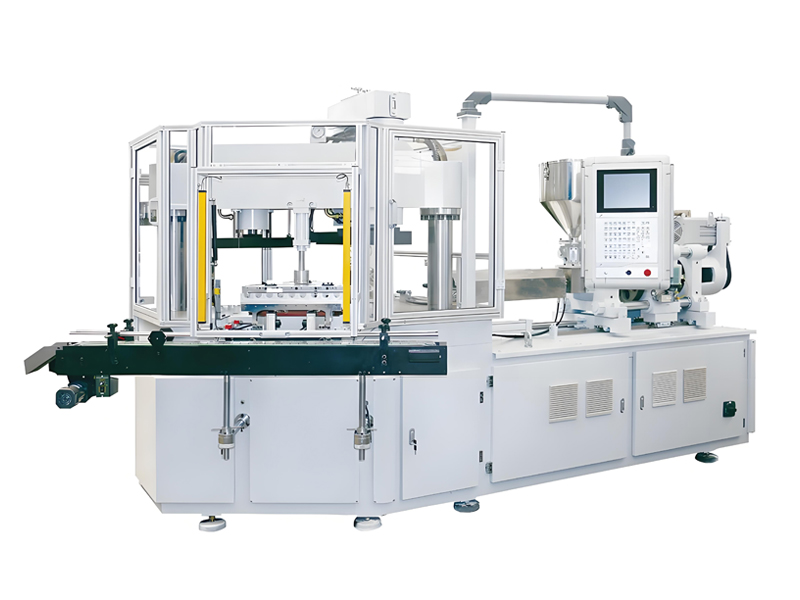
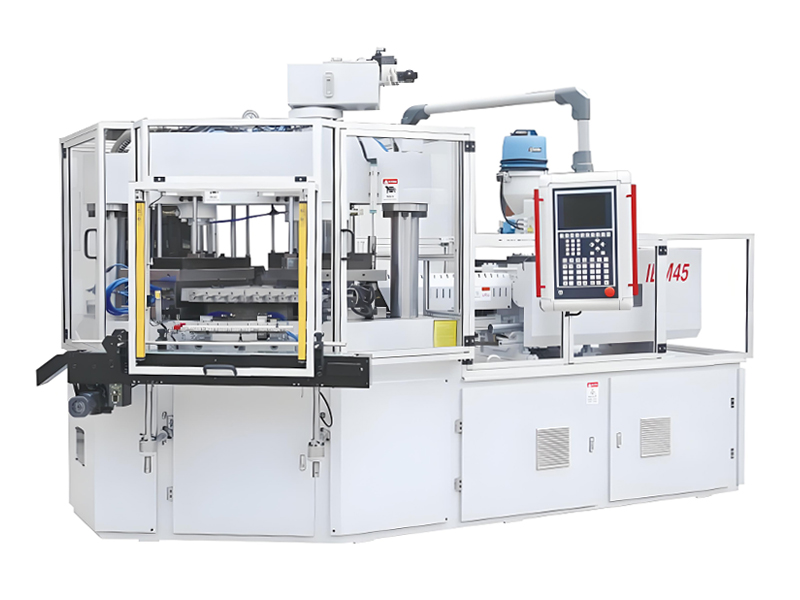
Zhangjiagang AiBiM Plastics Machinery Co., Ltd. has developed a comprehensive lineup of injection blow molding machines specifically engineered to meet the demanding requirements of lightweight bottle production. The IBM Series combines proven mechanical design with advanced control technologies to deliver exceptional performance across the full range of lightweight applications.
IBM Series Technical Specifications
The AiBiM IBM Series encompasses three primary machine models designed to address different production requirements and budget considerations. Each model incorporates features specifically optimized for lightweight bottle manufacturing.
The IBM55 Hybrid Electric machine represents the entry point to the lightweight-optimized lineup, offering competitive pricing from $95,000 to $130,000 while delivering professional-grade performance. This model handles containers from 3ml to 500ml with efficient production rates suitable for small to medium volume requirements.
The IBM65 model provides enhanced capabilities for medium-scale production, with pricing ranging from $110,000 to $165,000. This machine offers improved cycle times and larger shot capacities that enable higher production volumes while maintaining the precision control required for lightweight quality.
The IBM75 represents the flagship model for demanding lightweight applications, priced from $160,000 to $280,000. This machine delivers maximum performance with extended capacity ranges up to 1000ml and the most sophisticated control features for achieving aggressive lightweight objectives.
Single Beam Twin Column Design Stability
The innovative single beam twin column mechanical design provides exceptional platform stability throughout the injection and blow phases. This architecture ensures precise alignment between the injection unit and blow station, maintaining consistent conditions for high-quality production.
Reduced mechanical complexity compared to traditional designs minimizes wear points and maintenance requirements while improving overall reliability. The symmetrical column arrangement distributes forces evenly, preventing deflection that could compromise dimensional accuracy in critical bottle features.
This design philosophy proves particularly valuable for lightweight applications where even microscopic variations can cause quality deviations in thin-walled products. The inherent stability of the design provides a solid foundation for achieving tight tolerances across extended production runs.
Energy Efficiency Advantages
AiBiM machines incorporate energy-efficient technologies that reduce operating costs by up to 35 percent compared to conventional alternatives. This efficiency improvement directly enhances the economics of lightweight bottle production by reducing the per-unit cost contribution of energy consumption.
Hybrid electric drive systems combine servo motor precision with optimized power consumption, delivering required performance without excess energy waste. Intelligent power management functions reduce consumption during idle periods and adjust energy delivery to match actual production requirements.
The 35 percent energy savings significantly improve return on investment timelines for lightweight production equipment. Combined with material savings from reduced bottle weights, manufacturers achieve compelling total cost of ownership advantages.
SD Card Parameter Storage Convenience
Integrated SD card storage functionality enables convenient management of production parameters across different bottle designs and materials. This feature simplifies changeover procedures and ensures repeatability of validated settings.
Operators can store complete configuration profiles including temperature settings, pressure profiles, timing sequences, and thickness distribution parameters. This comprehensive storage capability eliminates manual parameter entry and reduces changeover time while preventing transcription errors.
The SD card system also facilitates backup and documentation requirements for quality management systems. Validated parameters can be preserved in secure archives, enabling rapid recovery after maintenance activities or equipment relocation.
Cost-Benefit Analysis of Lightweight Plastic Bottles
Lightweight bottle production offers substantial economic benefits that extend across multiple cost categories. Comprehensive analysis enables informed decisions about lightweight implementation strategies and equipment investments.
Material Cost Savings Calculations
Material cost savings represent the most immediate and measurable benefit of lightweight design. Consider a typical 500ml beverage bottle weighing 25 grams in conventional design. A 25 percent weight reduction brings this to 18.75 grams, saving 6.25 grams per bottle.
At a PET resin price of $1.50 per kilogram, the material saving equals approximately 0.94 cents per bottle. For a production facility manufacturing one million bottles monthly, this translates to monthly savings of $9,400 or annual savings exceeding $112,000. Larger facilities with higher volumes realize proportionally greater savings.
These calculations assume constant resin pricing; actual savings increase when considering that lightweight reduction often enables procurement of smaller quantities at equivalent per-kilogram costs. Additionally, reduced material consumption lowers handling, storage, and transportation costs within the manufacturing facility.
Transportation Cost Reduction Analysis
Weight reduction directly influences transportation economics throughout the supply chain. Lighter bottles reduce shipping costs per unit, enable more bottles per pallet or shipping container, and decrease fuel consumption for transportation vehicles.
A 25 percent weight reduction in bottle packaging typically reduces transportation costs by 8 to 15 percent, depending on distance, mode, and specific product configurations. For international shipments, where freight costs accumulate significantly, these savings become particularly substantial.
Warehouse handling also benefits from reduced weight, with faster loading and unloading operations, reduced worker fatigue and injury risk, and improved storage density. These operational improvements translate to labor cost savings and enhanced throughput capacity.
Equipment Investment Return Period
Investment in advanced injection blow molding equipment for lightweight production requires careful evaluation of return timelines. The analysis must consider both cost increases for capable equipment and the comprehensive savings achievable through lightweight production.
For an AiBiM IBM65 machine priced at approximately $140,000, the monthly material and transportation savings achievable with lightweight production typically generate paybacks within 14 to 20 months for moderate-volume facilities. Higher volume operations achieve faster returns, often within 10 to 14 months.
Beyond direct cost savings, manufacturers benefit from enhanced competitive positioning through sustainability credentials, potential premium pricing for lightweight products, and improved capacity utilization from reduced material handling requirements. These factors often accelerate returns beyond baseline calculations.
Production Volume Scenarios
Different production volumes suggest different optimal approaches to lightweight implementation. Understanding these scenarios helps manufacturers right-size their investments and strategies.
Low-volume producers manufacturing 50,000 to 200,000 bottles monthly may find that modest lightweight reductions of 15 to 20 percent deliver optimal returns through simplified implementation and reduced risk. Entry-level equipment investments combined with incremental design improvements often prove most cost-effective for this segment.
Medium-volume operations producing 200,000 to 1,000,000 bottles monthly can justify more aggressive lightweight targets of 25 to 35 percent along with corresponding equipment investments. This volume level typically supports mid-range machine selections and more comprehensive optimization efforts.
High-volume producers exceeding 1,000,000 bottles monthly should pursue maximum lightweight potential with premium equipment selections and ongoing optimization programs. At these volumes, even small percentage improvements translate to substantial absolute savings that justify significant investment in capability development.
Application Areas for Lightweight Plastic Bottles
Lightweight bottle technology applies across diverse industry segments, each with specific requirements and optimization opportunities. Understanding these application areas helps manufacturers identify the most promising targets for lightweight implementation.
Beverage Industry Applications
The beverage industry represents the largest market for plastic bottle production, with substantial lightweight implementation opportunities across multiple sub-segments. Water bottles, juice containers, and tea beverages all benefit from weight reduction while maintaining required functionality.
Still water bottles present excellent lightweight opportunities as they experience minimal internal pressure and handle relatively gentle conditions throughout their lifecycle. Conventional water bottles in the 500ml to 1500ml range often achieve 30 to 40 percent weight reduction through optimized design and injection blow molding production.
Juice and tea beverages require somewhat more conservative lightweight approaches due to pasteurization requirements and potential acid content. However, even these applications typically achieve 20 to 30 percent weight reduction with appropriate design and material considerations.
Food Industry Applications
Food packaging applications including sauces, condiments, oils, and specialty food products utilize plastic bottles that accommodate effective lightweight optimization. The diverse geometry and closure requirements of food packaging create varied optimization opportunities.
Sauce and condiment bottles often feature complex geometries with substantial material in closure areas and bases. Redesign for lightweight production can achieve 20 to 30 percent weight reduction while maintaining functional performance for viscous product dispensing and shelf stability.
Cooking oil bottles present unique opportunities due to the product weight and volume typically involved. A lightweight 1-liter oil bottle weighing 40 grams instead of 55 grams saves 15 grams per unit, translating to significant material savings when considering the volumes typical for this category.
Pharmaceutical Industry Applications
Pharmaceutical packaging demands rigorous quality standards that inform lightweight strategies differently than consumer goods applications. While pharmaceutical bottles must meet strict regulatory requirements, thoughtful design enables meaningful weight reduction while ensuring complete product protection.
Oral liquid containers in sizes from 10ml to 100ml serve as excellent candidates for lightweight implementation. These small-volume containers often utilize excessive material in conventional designs, creating opportunities for 25 to 35 percent weight reduction without compromising medication safety or dosing accuracy.
Eye drop bottles require particular attention to closure area design and dropper functionality while offering lightweight opportunities in body sections. The precision capabilities of injection blow molding enable optimization that preserves functional requirements while reducing material consumption.
Cosmetics Industry Applications
Cosmetics packaging balances functional requirements with aesthetic considerations that influence lightweight design approaches.瓶子 aesthetics often dominate consumer perception, requiring careful balance between weight reduction and visual quality.
Lotion and serum bottles frequently achieve 20 to 30 percent weight reduction while maintaining the visual quality and product protection required for cosmetic applications. Injection blow molding delivers the surface finish quality that cosmetics branding demands while enabling effective lightweight optimization.
Travel-size cosmetic containers present particularly compelling lightweight opportunities due to the volumes involved and the direct relationship between container weight and shipping costs for these small-format products. Even modest weight reductions translate to meaningful savings at typical travel-size production volumes.
Selection Guide: Choosing Equipment for Lightweight Bottle Production
Selecting appropriate equipment for lightweight bottle production requires systematic evaluation of multiple factors. This guide provides a framework for making informed equipment decisions aligned with production requirements and business objectives.
Production Capacity Assessment
Accurate capacity assessment forms the foundation of equipment selection. Manufacturers must evaluate current production volumes, anticipated growth trajectories, and potential contract requirements that might influence future capacity needs.
The AiBiM IBM55 handles production rates suitable for up to approximately 800,000 small bottles monthly, making it appropriate for entry-level operations or specialized small-volume applications. The IBM65 expands this capability to approximately 1,200,000 units monthly for medium-scale producers.
High-volume producers requiring maximum output should consider the IBM75, which delivers enhanced speed and capacity for demanding production schedules. The additional investment often proves justified through superior throughput and reduced per-unit overhead costs.
Bottle Complexity Considerations
Bottle design complexity influences both machine specification requirements and tooling investments. Simple cylindrical bottles with minimal features can often be produced effectively on standard equipment configurations, while complex geometries benefit from advanced control capabilities.
Features such as specialized base geometries, complex shoulder transitions, large mouth diameters, or integrated handles require enhanced control precision and potentially more sophisticated tooling. Manufacturers should honestly assess their product portfolio complexity when evaluating equipment specifications.
AiBiM machines across the IBM Series incorporate the control capabilities required for complex lightweight designs, with more advanced models offering additional precision and flexibility for demanding applications. This scalability enables manufacturers to match equipment to actual requirements rather than purchasing excessive capability.
Material Compatibility Requirements
Different materials present different processing requirements that influence equipment specification. Manufacturers must confirm that prospective equipment handles the materials required for their target applications with appropriate capability and efficiency.
The IBM Series machines accommodate the full range of materials common in lightweight bottle production including PET, PP, PE, and PS grades. The control systems enable precise parameter optimization for each material family, ensuring consistent quality across material changes.
Specialized applications requiring unusual materials or demanding processing conditions may require additional evaluation. AiBiM technical support can provide specific guidance for challenging material requirements.
Budget and Return on Investment Balance
Equipment investment decisions must balance upfront capital requirements against long-term returns. While premium equipment offers enhanced capabilities, manufacturers should ensure that additional features deliver proportional value for their specific situations.
The IBM55 provides an accessible entry point for manufacturers new to lightweight production or operating with limited capital availability. The compelling performance-to-price ratio enables rapid return on investment while building capabilities for future advancement.
Producers with established lightweight operations or demanding requirements may find that IBM65 or IBM75 investments deliver superior returns through enhanced capabilities, improved efficiency, and expanded application range. The total cost of ownership analysis should guide these decisions rather than purchase price alone.
Common Challenges and Solutions in Lightweight Production
Lightweight bottle production presents specific challenges that require understanding and systematic approaches for successful resolution. This section addresses common issues and provides practical solutions for maintaining quality and efficiency.
Addressing Wall Thickness Uniformity Issues
Inconsistent wall thickness represents the most common quality challenge in lightweight bottle production. Variations cause weak spots that compromise structural integrity and create aesthetic defects that affect marketability.
Solutions focus on three primary areas: tooling quality, process control, and design optimization. High-quality tooling with proper venting and material flow channels enables consistent filling behavior. Advanced process control systems maintain stable parameters throughout production runs. Optimized designs with appropriate thickness distributions minimize sensitivity to normal process variations.
AiBiM machines incorporate advanced control features specifically designed to address thickness uniformity, including precise parison programming and closed-loop monitoring that identify and correct variations before they cause quality problems.
Preventing Bottle Neck Deformation
Neck finish deformation compromises closure performance and consumer acceptance. Lightweight designs sometimes concentrate stress in neck areas, creating susceptibility to dimensional variations during production or subsequent handling.
Prevention strategies include maintaining adequate material in critical neck dimensions, optimizing cooling sequences to reduce thermal stress, and implementing appropriate handling procedures throughout production and filling operations. Tooling design must ensure proper support during ejection and subsequent handling.
Injection blow molding inherently produces superior neck finish quality compared to other methods, providing a foundation for lightweight optimization without sacrificing this critical feature. Combined with appropriate design attention and process control, manufacturers can achieve lightweight goals while maintaining neck quality.
Navigating Material Selection Complexities
Material selection for lightweight applications involves balancing multiple performance requirements against cost and processing considerations. The variety of available resins and the continuous introduction of new grades complicate decision-making.
Systematic evaluation approaches help navigate this complexity. Begin by clearly defining performance requirements including strength, clarity, barrier properties, chemical resistance, and regulatory compliance. Then evaluate material options against these requirements, considering both conventional grades and newer lightweight-optimized formulations.
Consultation with material suppliers often proves valuable, as suppliers can recommend appropriate grades and share experience from similar applications. AiBiM technical support also provides guidance based on extensive experience across material types and applications.
Resolving Production Rate Limitations
Achieving lightweight quality sometimes requires slower production rates than conventional manufacturing. This tension between quality and throughput influences equipment selection and production planning.
Modern equipment with advanced control capabilities increasingly resolves this conflict, enabling both quality and speed. Investment in capable equipment often proves more economical than accepting quality compromises or production limitations.
Production planning should realistically account for achievable rates with specific products and materials. Building appropriate cycle time allowances into production schedules prevents quality problems caused by excessive speed pressure. As manufacturers gain experience with lightweight production, optimization typically enables continuous improvement in achievable throughput.
Conclusion: Partnering for Lightweight Success
Lightweight plastic bottle production represents a strategic opportunity for manufacturers seeking to reduce costs, enhance sustainability, and improve competitive positioning. Success requires thoughtful integration of design optimization, material selection, and manufacturing capability.
Injection blow molding technology provides essential capabilities for achieving lightweight objectives while maintaining the quality and consistency that markets demand. The precision control and material efficiency of this manufacturing approach make it ideally suited for lightweight applications across diverse industry segments.
Zhangjiagang AiBiM Plastics Machinery Co., Ltd. offers comprehensive solutions for lightweight bottle production through the IBM Series lineup. With 12 years of industry experience, exports to more than 40 countries, CE certification compliance, and advanced technologies including PREFILL systems and energy-efficient operation, AiBiM provides the capability and support manufacturers need for lightweight success.
Whether producing pharmaceutical containers, beverage bottles, food packaging, or cosmetics containers, manufacturers can benefit from AiBiM’s proven technology and global service network. Contact our team to discuss your specific requirements and explore how our injection blow molding machines can support your lightweight production objectives.
The path to successful lightweight production requires careful planning, appropriate investment, and ongoing optimization. With the right equipment partner and systematic approach, manufacturers can achieve substantial benefits across economic, environmental, and competitive dimensions. Start your lightweight journey today by evaluating how AiBiM technology can transform your plastic bottle production capabilities.