Understanding Multi-Cavity Injection Blow Molding Technology
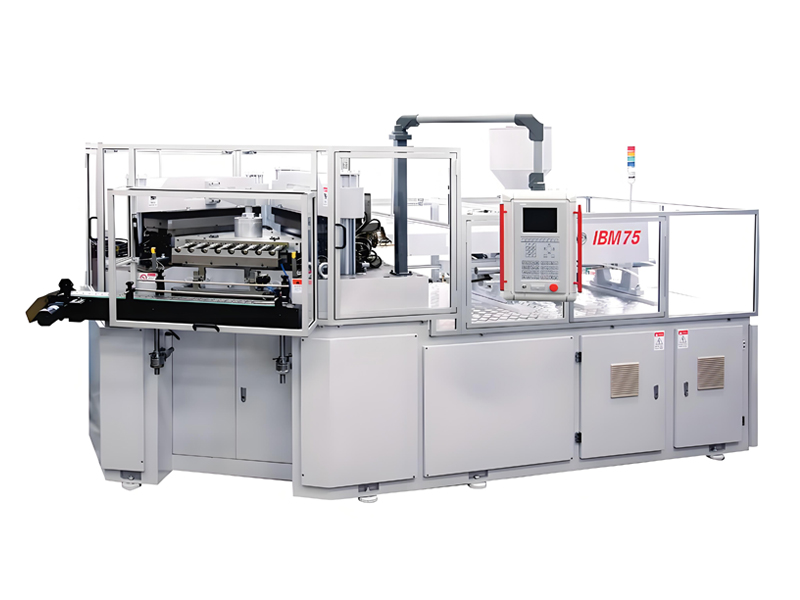
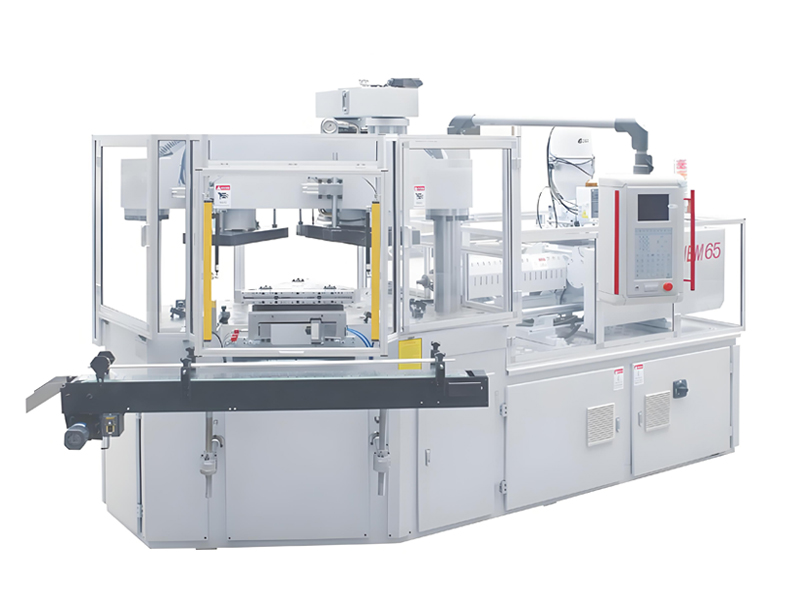
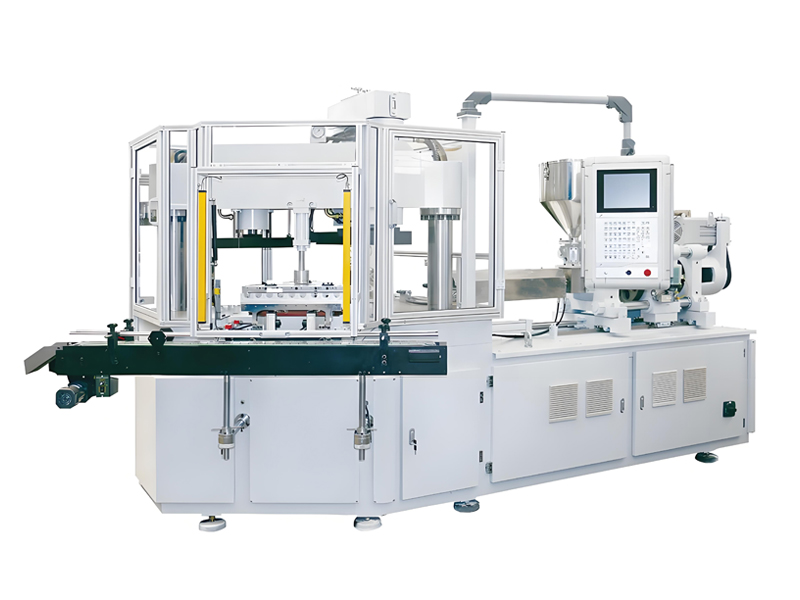
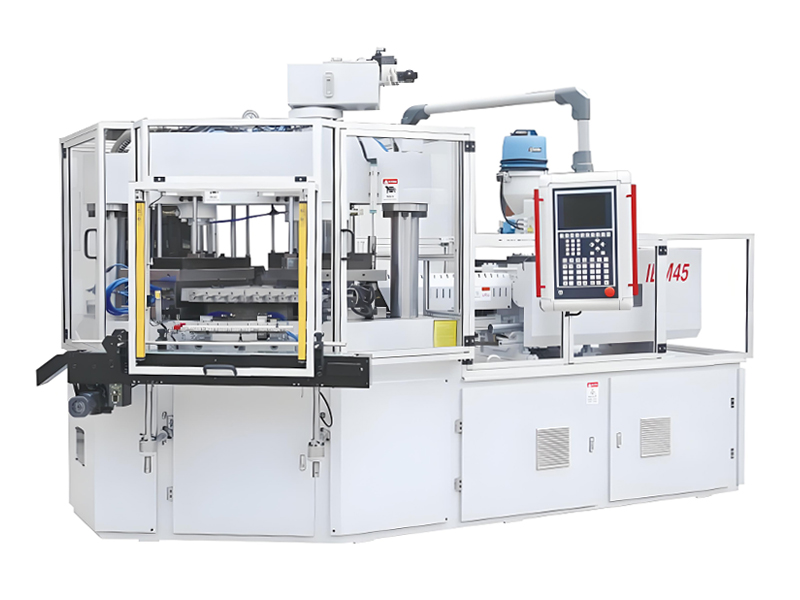
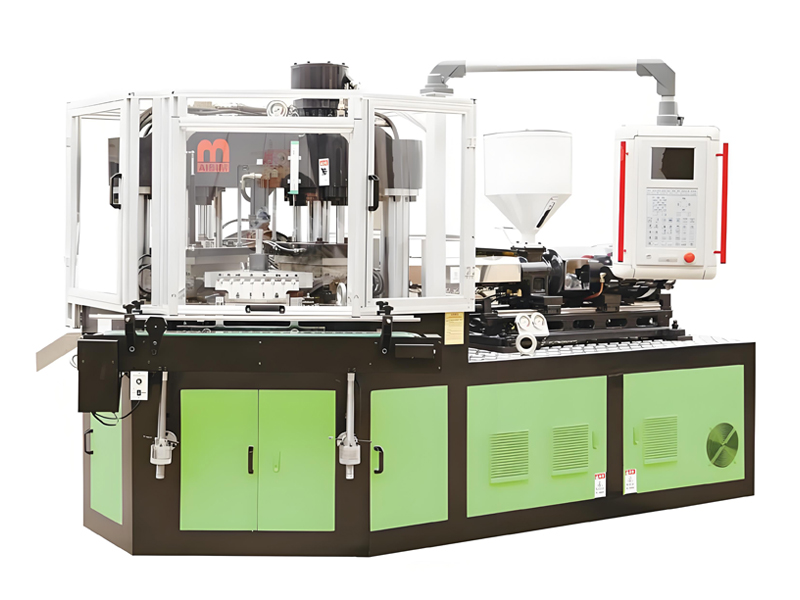
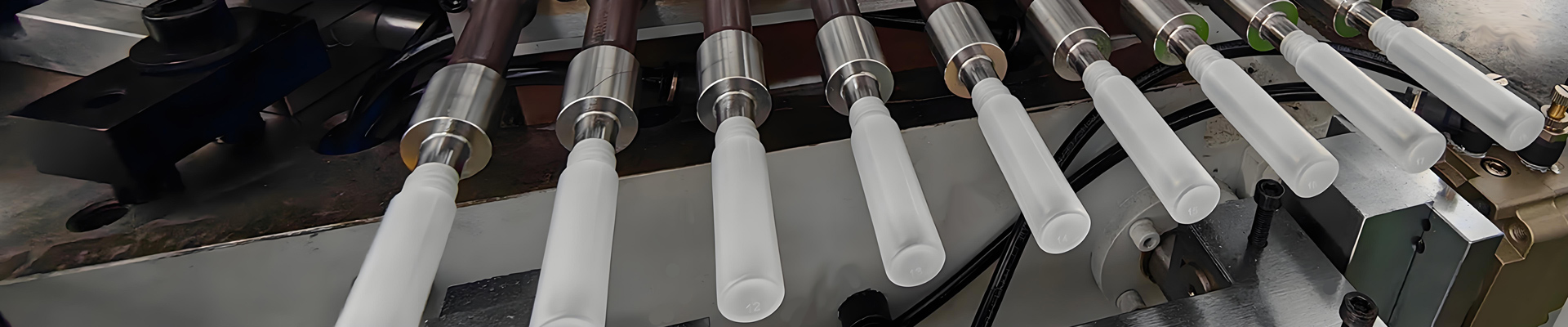
Multi-cavity injection blow molding machines represent advanced manufacturing technology capable of simultaneously producing multiple identical containers per molding cycle, significantly enhancing production efficiency and reducing unit production costs. These machines feature multiple cavities within a single mold, typically ranging from 2 to 16 cavities depending on container size and machine capacity. Multi-cavity technology enables high-volume production with minimal incremental cost per additional cavity, making it ideal for applications requiring annual production volumes exceeding 500,000 units of identical containers.
AiBiM multi-cavity injection blow molding machines incorporate sophisticated engineering ensuring consistent quality across all cavities through precision control systems that maintain identical processing conditions throughout the mold cavity array. The machines feature independent parison programming capabilities for each cavity, ensuring uniform wall thickness distribution despite varying flow paths and cooling characteristics across different cavity positions. Advanced mold design including balanced runner systems, optimized cooling channels, and precision alignment features ensures consistent product quality from all cavities simultaneously.
The economic advantages of multi-cavity injection blow molding are substantial. A 4-cavity machine reduces unit production costs by approximately 60 percent compared to single-cavity production, while an 8-cavity machine provides approximately 70 percent cost reduction per unit. However, achieving these efficiency gains requires significant investment in mold design and machine selection. High-quality multi-cavity molds typically cost $30,000 to $150,000 depending on cavity count, container complexity, and required precision levels. The investment in multi-cavity technology is justified through reduced unit costs that provide rapid return on investment for high-volume production applications.
Pre-Import Planning and Supplier Selection
Successful import of multi-cavity injection blow molding machines from China begins with thorough planning and careful supplier evaluation. The planning phase typically requires 3 to 6 months and involves defining production requirements, establishing budgets, evaluating potential suppliers, and developing comprehensive specifications and acceptance criteria.
Defining production requirements represents the critical first step in the pre-import planning process. Manufacturers must specify container dimensions, annual production volumes, material specifications, quality standards, and required production rates. Annual production volumes directly influence the optimal cavity configuration, with volumes under 200,000 units typically requiring 2 to 4 cavities, volumes between 200,000 and 1,000,000 units requiring 4 to 8 cavities, and volumes exceeding 1,000,000 units potentially benefiting from 8 to 16 cavities. Machine specifications including clamping force, shot capacity, and cycle time requirements must be established to ensure selected equipment can meet production targets efficiently.
Budget planning for multi-cavity injection blow molding machine imports must account for multiple cost components beyond the machine purchase price. Machine costs for multi-cavity systems range from $120,000 to $450,000 depending on cavity count and machine capabilities. Mold costs represent another significant investment component, typically ranging from $30,000 to $150,000. Additional costs include international shipping ranging from $8,000 to $25,000 depending on machine size and destination, import duties ranging from 0 to 25 percent of total value depending on destination country regulations, installation and commissioning costs ranging from $15,000 to $40,000, and initial operator training costs ranging from $8,000 to $20,000. Total import project costs typically range from $200,000 to $700,000 depending on system complexity and destination country requirements.
Supplier evaluation requires comprehensive assessment of manufacturing capabilities, quality systems, financial stability, and service capabilities. Critical evaluation criteria include ISO 9001 quality management system certification, minimum 5 years experience manufacturing multi-cavity injection blow molding machines, annual production capacity exceeding 500 machines, comprehensive after-sales service capabilities in destination country, and established customer references for similar applications. AiBiM meets and exceeds these criteria with over 15 years experience in multi-cavity injection blow molding manufacturing, annual production exceeding 800 machines, ISO 9001:2015 certification, and global service network providing support across 35 countries.
Supplier verification should include factory visits, customer reference checks, and technical capability assessments. Factory visits enable direct observation of manufacturing processes, quality control systems, and testing capabilities. Customer reference checks provide insights into reliability, product quality, and service responsiveness. Technical capability assessments verify supplier ability to meet specific technical requirements through review of engineering capabilities, technical documentation, and test facilities. Comprehensive supplier evaluation requires investment of $5,000 to $15,000 including travel expenses and technical assessment time but provides significant risk reduction for import projects.
Technical Specifications and Machine Selection
Selecting the appropriate multi-cavity injection blow molding machine requires detailed technical analysis to ensure equipment meets production requirements and quality standards. AiBiM offers comprehensive technical support throughout machine selection process, providing expertise in cavity optimization, machine configuration, and production efficiency maximization.
Clamping force requirements for multi-cavity injection blow molding machines depend on projected cavity area and required holding pressure. For HDPE containers, typical clamping force requirements range from 30 to 45 tons per cavity for containers up to 500 milliliters, increasing to 45 to 70 tons per cavity for containers up to 2 liters. AiBiM machines provide clamping forces ranging from 100 tons for 2 to 4 cavity systems up to 600 tons for high-cavity large-container systems. Proper clamping force selection ensures adequate mold clamping during injection and blowing operations while avoiding excessive force that wastes energy and increases machine wear. AiBiM application engineers provide clamping force calculations based on specific container requirements at no additional cost during project planning phase.
Shot capacity must accommodate total material required for all cavities plus adequate safety margin for processing variations. Multi-cavity shot capacity requirements equal single-cavity shot capacity multiplied by cavity count plus 15 to 25 percent safety factor for processing flexibility. For example, a 4-cavity system producing 500-milliliter HDPE containers requiring 100 grams per cavity necessitates shot capacity of at least 460 grams (100 grams × 4 cavities × 1.15 safety factor). AiBiM machines provide shot capacities ranging from 150 grams for small multi-cavity systems up to 1,500 grams for large-cavity systems, enabling flexible production across various container sizes and cavity configurations.
Mold size and cavity layout directly influence machine selection and overall project economics. Optimal cavity layout balances efficient space utilization with adequate spacing for proper cooling, ejection, and mold operation. AiBiM provides mold design services including cavity layout optimization, cooling system design, and flow analysis services to maximize production efficiency and product quality. These design services typically cost $5,000 to $15,000 but provide significant long-term benefits through improved efficiency and reduced cycle times. AiBiM mold design capabilities include 3D modeling, flow simulation, and thermal analysis ensuring optimal mold performance across all operating conditions.
Production rate capabilities vary based on container size, cavity count, material type, and mold design efficiency. AiBiM machines achieve cycle times ranging from 15 seconds for small containers with efficient cooling to 90 seconds for larger containers with complex geometries. Production rates per hour equal 3,600 seconds divided by cycle time multiplied by cavity count. For example, a 6-cavity system with 30-second cycle time achieves production rate of 720 containers per hour (3,600 ÷ 30 × 6). Annual production capacity equals hourly production rate multiplied by annual operating hours, typically 4,000 to 6,000 hours for continuous production operations. Proper machine selection requires balancing production capacity requirements with economic considerations to avoid over-investment in excessive capacity or under-investment requiring frequent machine replacements.
Import Regulations and Compliance Requirements
Importing multi-cavity injection blow molding machines from China requires compliance with various international regulations and import requirements. AiBiM provides comprehensive documentation and certification support to facilitate smooth customs clearance and regulatory compliance across destination countries.
Customs classification determines applicable duty rates and import requirements. Multi-cavity injection blow molding machines typically fall under HS Code 8477.30 (injection molding machines) in international trade classification systems. Duty rates vary significantly across destination countries, ranging from 0 percent in countries with free trade agreements with China to 25 percent in countries with protective trade policies. Common duty rates include 0 to 5 percent in North America, 0 to 8 percent in European Union countries, 10 to 25 percent in South American countries, and 5 to 15 percent in Asian countries excluding China. AiBiM provides accurate customs classification documentation including commercial invoices, packing lists, and certificates of origin to facilitate duty determination and customs clearance procedures.
Safety certifications vary by destination country and application requirements. European Union markets require CE marking demonstrating compliance with Machinery Directive 2006/42/EC and Low Voltage Directive 2014/35/EU. North American markets require certification under NFPA 79 (Electrical Standard for Industrial Machinery) and applicable local codes. Australian and New Zealand markets require SAA certification. AiBiM provides comprehensive certification packages for major markets at additional costs of $3,000 to $10,000 depending on certification requirements. The certification process typically requires 6 to 12 weeks and involves third-party testing and documentation review. Proper certification planning during pre-import phase avoids costly delays and modifications required after machine arrival.
Technical documentation requirements include operation manuals, maintenance manuals, electrical schematics, mechanical drawings, and parts lists. AiBiM provides comprehensive documentation packages in English and can translate documentation into additional languages for costs of $2,000 to $5,000 per language. Technical documentation must be provided in sufficient detail to enable safe operation, maintenance, and troubleshooting by customer personnel. Inadequate documentation represents a significant risk factor for imported machinery and can cause regulatory compliance issues requiring additional time and expense to resolve after equipment arrival.
Electrical system compatibility represents a critical consideration for machine import. China uses 220V, 50Hz electrical systems, while destination countries may use different voltage and frequency standards. AiBiM provides electrical system adaptations including voltage transformers, frequency converters, or alternative electrical components to match destination country requirements at additional costs of $8,000 to $25,000 depending on machine size and modification complexity. Proper electrical system planning prevents operational issues, safety hazards, and potential equipment damage caused by voltage or frequency mismatches.
Shipping and Logistics Considerations
International shipping of multi-cavity injection blow molding machines requires specialized logistics planning to ensure equipment arrives safely and in operable condition. AiBiM provides comprehensive logistics support including packaging, loading documentation, and shipping coordination services.
Packing requirements for multi-cavity injection blow molding machines exceed standard export packaging due to equipment size, weight, and precision components. Machines are typically packaged in custom-designed wooden crates with internal structural support, vibration damping materials, and moisture protection systems. Special packing for maritime shipping includes desiccants, moisture barriers, and corrosion protection to prevent damage during long ocean voyages. Premium packing services typically cost $4,000 to $12,000 per machine depending on size and destination but provide significant risk reduction for valuable equipment investments. AiBiM employs professional packing services certified for heavy equipment export to ensure adequate protection during international transportation.
Shipping method selection balances cost, delivery time, and risk considerations. Ocean freight represents the most economical shipping method for injection blow molding machines, with costs ranging from $8,000 to $25,000 for 20-foot to 40-foot containers depending on destination port. Delivery times range from 20 to 45 days from China to major ports worldwide. Air freight provides faster delivery times of 3 to 7 days but costs $25,000 to $80,000 for machine-sized shipments, typically exceeding 60 percent of machine purchase price and making air freight impractical for most applications. Mixed transportation methods using ocean freight with expedited last-mile delivery provide balanced approach for urgent delivery requirements.
Insurance coverage protects against loss, damage, or theft during international shipping. Comprehensive marine cargo insurance typically costs 0.5 to 1.5 percent of shipment value depending on coverage level, destination, and transportation method. Insurance policies cover equipment value plus shipping costs and should specify replacement value rather than depreciated value to ensure adequate coverage. AiBiM assists with insurance documentation and valuation for insurance purposes but recommends obtaining insurance through local agents familiar with destination country legal requirements and claims processes.
Customs clearance procedures vary significantly across countries but typically require submission of commercial invoice, packing list, bill of lading or air waybill, certificate of origin, and applicable certificates or permits. Customs brokerage services facilitate clearance procedures and typically cost $1,500 to $5,000 including customs duties, broker fees, and handling charges. Preparation of customs documentation requires accurate item descriptions, HS code classification, and valuation declarations. Inaccurate or incomplete documentation can cause customs delays, increased duties, or shipment rejection requiring expensive re-export and re-import procedures. AiBiM provides comprehensive customs documentation and supports customers through clearance procedures to minimize delays and additional costs.
Installation and Commissioning Process
Proper installation and commissioning of multi-cavity injection blow molding machines represents critical phases ensuring equipment achieves specified performance and quality capabilities. AiBiM provides comprehensive installation support including on-site supervision, technical assistance, and operator training to ensure smooth startup.
Site preparation requirements must be completed prior to machine arrival to avoid delays and additional costs. Preparation activities include concrete foundation installation capable of supporting machine weight plus dynamic loads during operation, electrical power supply installation with appropriate capacity and safety systems, compressed air supply installation with adequate pressure, flow, and air quality, and material handling equipment installation for raw material loading and finished product handling. Site preparation typically costs $15,000 to $50,000 depending on site conditions and local construction costs. AiBiM provides detailed site preparation specifications and can review site plans for additional costs of $2,000 to $5,000 to identify potential issues before machine arrival.
Equipment unloading and positioning requires specialized equipment and experienced personnel to handle heavy machinery safely. Injection blow molding machines typically weigh between 8 and 25 tons depending on size and configuration, requiring cranes, forklifts, or specialized moving equipment for unloading and positioning. Professional equipment handling services typically cost $3,000 to $12,000 per machine depending on site accessibility and equipment requirements. Improper handling can cause structural damage affecting machine operation and potentially voiding warranties. AiBiM provides unloading specifications and can supervise equipment handling for additional costs of $2,000 to $4,000 per day plus travel expenses.
Mold installation and alignment represents a critical phase requiring specialized expertise to achieve optimal performance. Multi-cavity molds are precision components requiring careful alignment with machine platens and ejection systems. Mold installation typically requires 2 to 5 days depending on mold complexity and cavity count. AiBiM provides factory-trained technicians for mold installation services costing $3,000 to $8,000 per day including labor plus travel and accommodation expenses. Proper mold installation ensures balanced cavity filling, consistent product quality across all cavities, and optimal cycle times enabling achievement of specified production rates.
Process optimization and quality system setup requires systematic adjustment of processing parameters to achieve target production rates and quality standards. This phase includes temperature profile optimization, parison programming adjustment, cycle time refinement, and quality control system calibration. Process optimization typically requires 3 to 7 days depending on material, container complexity, and quality requirements. AiBiM application engineers provide comprehensive process development services costing $4,000 to $10,000 per day plus travel expenses. Investment in professional process optimization provides significant long-term benefits through improved efficiency, reduced waste, and enhanced product quality capabilities.
Training and Knowledge Transfer
Comprehensive training programs enable customer personnel to operate, maintain, and troubleshoot multi-cavity injection blow molding machines effectively. AiBiM provides structured training programs covering machine operation, maintenance procedures, quality control, and safety protocols.
Operator training programs focus on machine start-up and shutdown procedures, production monitoring, quality inspection, basic troubleshooting, and safety protocols. Operator training typically requires 3 to 5 days and can accommodate up to 6 participants per session. Comprehensive operator training costs $5,000 to $12,000 per session plus travel expenses for AiBiM trainers. Well-trained operators typically reduce scrap rates by 15 to 30 percent and improve overall production efficiency by 10 to 20 percent compared to untrained personnel. Ongoing training updates and refresher courses every 12 to 18 months maintain operator skill levels and introduce new techniques for improved efficiency.
Maintenance technician training provides detailed instruction on preventive maintenance procedures, component replacement, calibration procedures, diagnostic troubleshooting, and safety systems testing. Maintenance training typically requires 5 to 7 days and is designed for 2 to 4 participants per session. Advanced maintenance training costs $8,000 to $15,000 per session plus travel expenses. Comprehensive maintenance knowledge enables in-house capability to resolve 60 to 80 percent of technical issues without requiring external service, reducing maintenance costs by 30 to 50 percent compared to relying exclusively on external service providers.
Process engineering training covers advanced topics including material processing characteristics, parison programming optimization, quality control system calibration, and production efficiency enhancement. This training is particularly valuable for customers processing multiple materials or producing diverse product types. Process engineering training typically requires 3 to 5 days and costs $6,000 to $12,000 per session. Advanced engineering capabilities enable continuous process optimization and adaptation to new materials or product requirements, providing competitive advantages in rapidly changing market environments.
Training materials and documentation provide ongoing reference resources after initial training completion. AiBiM provides comprehensive training packages including printed manuals, video demonstrations, quick reference guides, and troubleshooting flowcharts. Training material packages cost $2,000 to $5,000 per machine depending on scope and customization requirements. Electronic training systems including interactive learning modules and virtual machine simulations are available for additional costs of $3,000 to $8,000 and enable ongoing training without requiring additional AiBiM personnel on-site.
After-Sales Service and Spare Parts Support
Reliable after-sales service and spare parts availability represent critical factors ensuring long-term equipment performance and return on investment. AiBiM provides comprehensive global service support to customers across international markets.
Service level agreements define response times, availability, and performance expectations for after-sales service. AiBiM offers multiple service level options including standard support with 48 to 72 hour response times, premium support with 24 to 48 hour response times, and emergency support with 12 to 24 hour response times for critical production issues. Service level agreements typically cost 3 to 8 percent of machine purchase price annually depending on response time requirements and coverage level. Service agreements include remote diagnostic support, on-site service visits, and discounted spare parts pricing. Reliable service support reduces unplanned downtime by 40 to 60 percent compared to reactive maintenance approaches.
Spare parts availability ensures rapid replacement of worn or failed components minimizing production downtime. AiBiM maintains spare parts warehouses strategically located in China, Europe, North America, and Southeast Asia providing delivery times of 24 to 72 hours for commonly required components including seals, belts, filters, electrical components, and wear parts. Critical spare parts including barrels, screws, and major assemblies typically require 5 to 15 business days depending on component availability and shipping logistics. AiBiM recommends maintaining on-site spare parts inventory valued at 3 to 5 percent of machine purchase price for common wear parts to minimize downtime for frequently replaced components.
Remote diagnostic capabilities enable rapid troubleshooting and preliminary diagnosis without requiring on-site service personnel. AiBiM machines incorporate advanced connectivity features enabling secure remote access to control systems, monitoring of operational parameters, and analysis of error logs. Remote diagnostic services resolve approximately 40 to 60 percent of technical issues without requiring on-site visits, significantly reducing response times and service costs. Remote support capabilities are included with service level agreements and require internet connectivity at customer facilities for full functionality.
Preventive maintenance programs help avoid unplanned failures and extend equipment life through scheduled inspections and proactive component replacement. AiBiM offers structured preventive maintenance programs including basic inspections every 2,000 operating hours, comprehensive maintenance every 8,000 hours, and major overhauls every 24,000 to 40,000 hours depending on application requirements. Preventive maintenance contracts typically cost 5 to 8 percent of machine purchase price annually and provide return on investment through reduced unplanned downtime of 40 to 60 percent compared to reactive maintenance approaches. Extended equipment life of 2 to 5 years through proactive maintenance provides additional financial benefits through deferred capital equipment replacement costs.
Cost-Benefit Analysis and Return on Investment
Evaluating the economic viability of importing multi-cavity injection blow molding machines from China requires comprehensive cost-benefit analysis considering total project costs, operational savings, and return on investment calculations.
Total project costs for importing multi-cavity injection blow molding machines include machine purchase, mold costs, shipping expenses, import duties, installation costs, and initial training. For a representative 4-cavity system producing 500-milliliter containers, total project costs typically range from $250,000 to $400,000 including machine purchase ($180,000 to $280,000), mold ($30,000 to $60,000), shipping ($8,000 to $15,000), import duties ($5,000 to $20,000), installation ($15,000 to $40,000), and training ($12,000 to $25,000). Proper project budgeting includes contingency funds of 10 to 15 percent for unexpected expenses or requirements discovered during import process.
Operational cost advantages of multi-cavity technology compared to single-cavity or alternative production methods provide substantial ongoing savings. Multi-cavity production reduces unit costs by 60 to 70 percent compared to single-cavity production through efficiency gains in material utilization, energy consumption per unit, and labor efficiency per unit produced. For annual production of 1 million units, a 4-cavity system may reduce annual operating costs by $150,000 to $250,000 compared to single-cavity alternatives depending on labor rates, energy prices, and material costs. These operational savings provide ongoing financial benefits throughout equipment lifespan.
Return on investment calculations for multi-cavity injection blow molding machine imports typically show attractive payback periods of 18 to 36 months depending on production volume, operational savings, and capital cost considerations. For the representative 4-cavity system with total project costs of $300,000 and annual operational savings of $200,000, simple payback period is 1.5 years (300,000 divided by 200,000). More sophisticated net present value calculations considering discount rates, tax benefits, equipment depreciation, and residual values typically show net present value of $400,000 to $800,000 over 5-year investment horizon, representing 133 to 267 percent return on initial investment.
Risk considerations including currency fluctuations, import regulation changes, equipment quality issues, and after-sales service availability must be factored into investment decisions. Currency exchange rate variations of 10 to 20 percent can significantly impact total project costs and should be hedged through forward contracts or other financial instruments if significant. Import regulation changes including duty rate increases, certification requirement changes, or trade restrictions can increase project costs unexpectedly. Equipment quality issues discovered after arrival can require costly corrections or complete replacement. After-sales service availability impacts long-term operating costs and equipment reliability. Comprehensive risk assessment during planning phase and selection of reputable suppliers like AiBiM with proven international track records reduces these risks significantly.
Conclusion
Importing multi-cavity injection blow molding machines from China provides manufacturers with cost-effective access to advanced production technology enabling high-efficiency container manufacturing. The process requires careful planning, comprehensive supplier evaluation, technical specification development, and logistics coordination but provides substantial economic benefits through reduced unit production costs and enhanced production capabilities.
AiBiM provides comprehensive support throughout the import process including machine selection assistance, technical documentation, certification compliance, shipping coordination, installation supervision, training programs, and ongoing after-sales service. This comprehensive support reduces import risks, ensures compliance with international standards, and accelerates time to production for imported equipment investments.
The economic advantages of multi-cavity technology, combined with the cost savings achieved through importing from China, enable manufacturers to achieve competitive production costs and rapid return on investment. Careful planning and selection of experienced suppliers with proven international capabilities like AiBiM ensures import projects achieve expected benefits while minimizing risks associated with international equipment procurement.
As global manufacturing becomes increasingly competitive, access to efficient production technology through strategic imports enables manufacturers to maintain cost competitiveness while meeting growing market demands for high-quality plastic containers. Multi-cavity injection blow molding technology represents one of the most effective production efficiency investments available for high-volume container manufacturing applications.