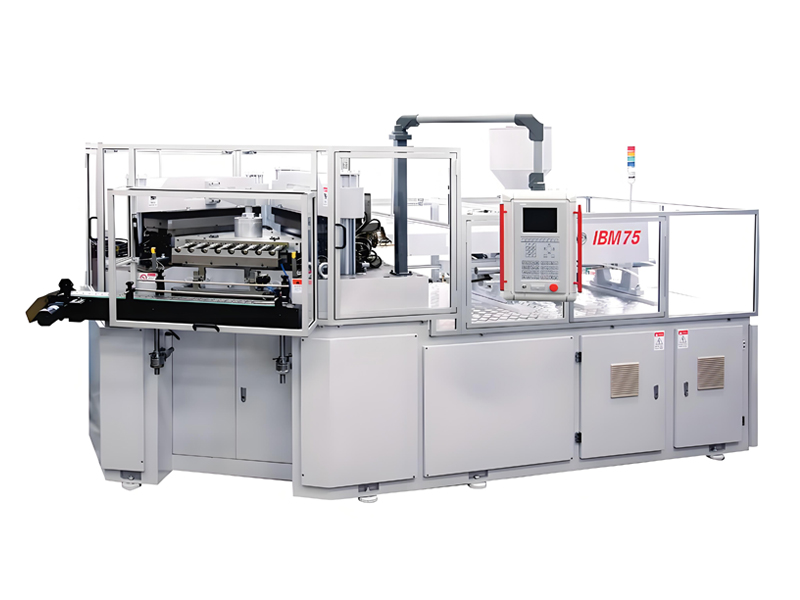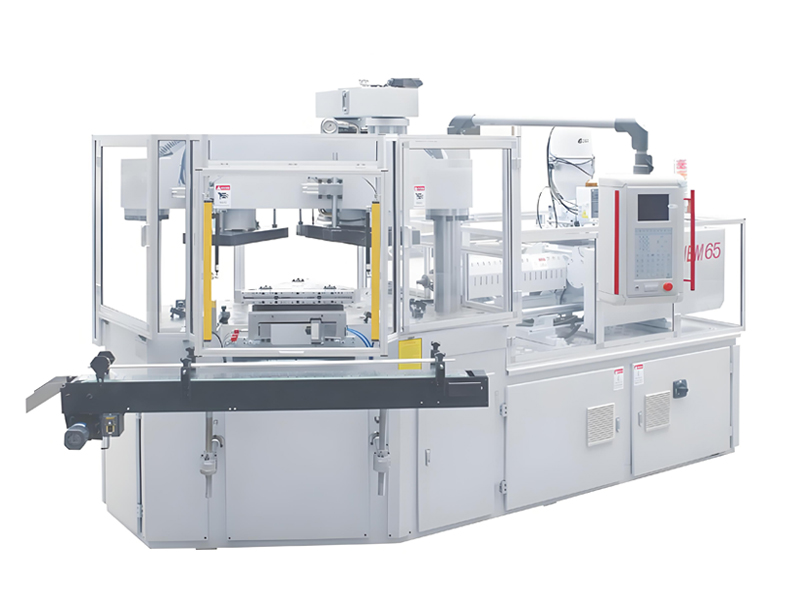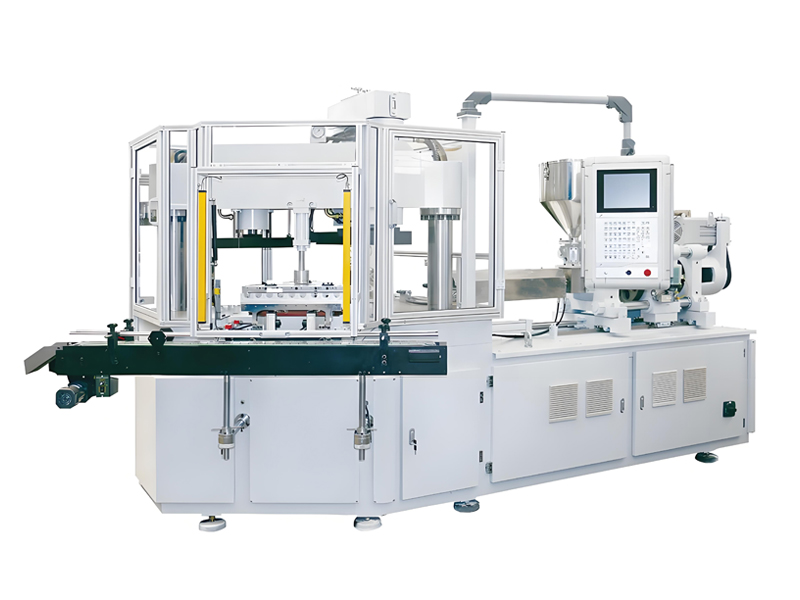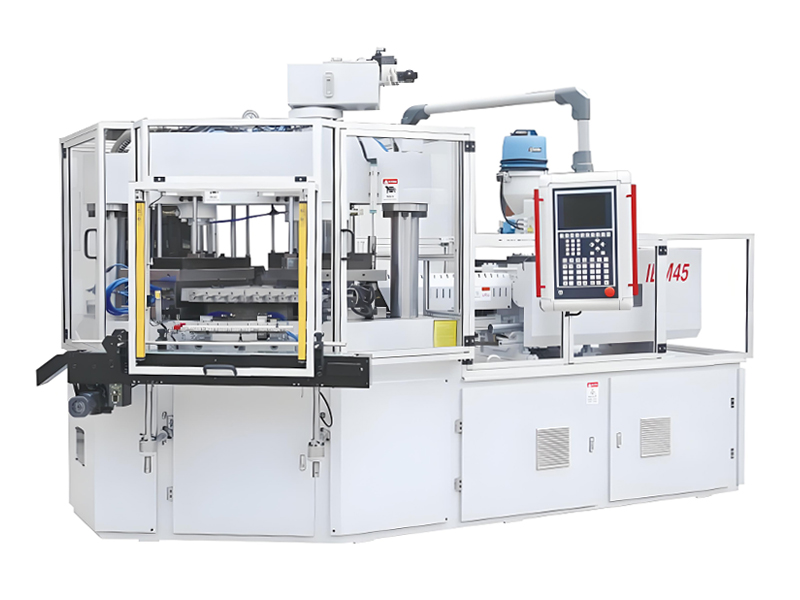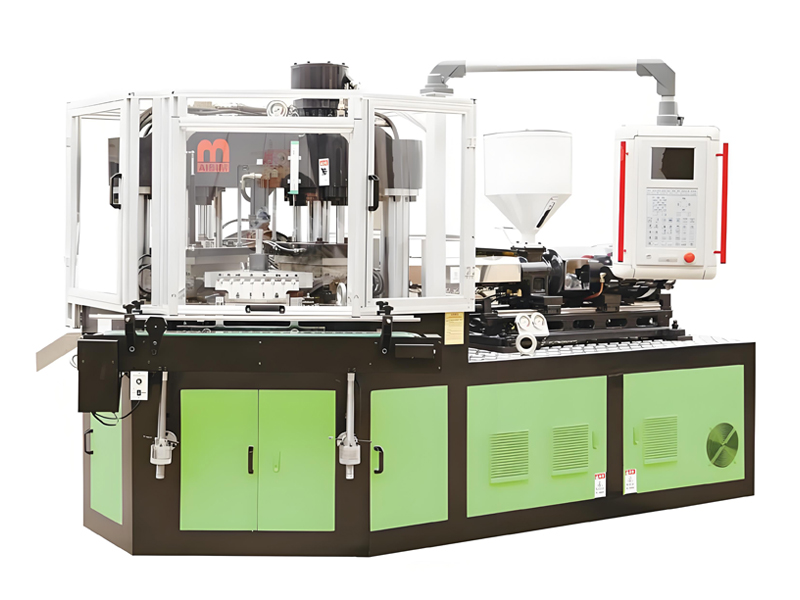
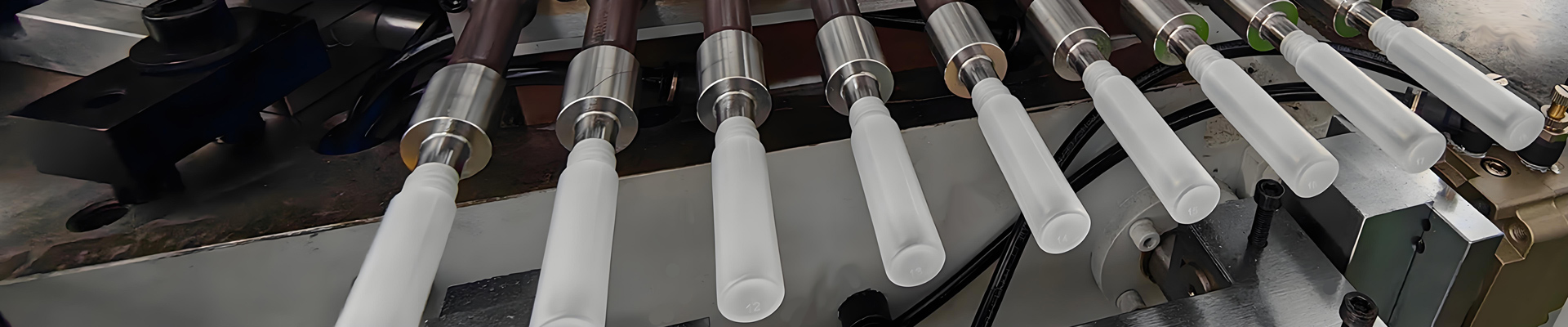
Jam issues in injection blow molding machines represent one of the most common operational challenges that manufacturers face, causing production downtime, increased scrap rates, and maintenance costs. Understanding the root causes of jams, implementing preventive measures, and knowing how to efficiently resolve jams when they occur are essential skills for operators and maintenance personnel working with injection blow molding equipment. AiBiM injection blow molding machines are designed with jam prevention features, but operational practices and maintenance significantly influence jam frequency and resolution time.
The economic impact of jam issues varies based on machine size, production volume, and product value, but typically ranges from $1,000 to $10,000 per incident when considering direct downtime costs, material waste, and maintenance intervention. For machines producing high-value industrial components, a single jam can result in losses exceeding $5,000. Annual losses from jam-related issues typically represent 2-5% of total production costs, making jam prevention and efficient resolution critical for operational profitability.
Understanding Jam Types and Root Causes
Jam issues in injection blow molding machines can occur at various stages of the production cycle and have different root causes. Understanding these different jam types enables more effective prevention and resolution strategies. The most common jam locations include the injection unit, the blow station, mold areas, and part ejection systems. Each location presents unique challenges and requires specific resolution approaches.
Injection Unit Jams
Injection unit jams typically occur in the material feeding system, the plasticizing unit, or the injection nozzle area. Material feeding system jams involve blockages in the hopper, feed throat, or screw intake areas. These jams often result from oversized or contaminated material, bridging in the hopper, or inadequate material drying. Plasticizing unit jams occur when material fails to melt properly or when solidified material creates blockages in the barrel or nozzle areas.
The cost of injection unit jams varies based on severity but typically ranges from $500 to $3,000 per incident including downtime, material waste, and maintenance time. Injection unit jams occur most frequently during material changeovers or when processing materials with different characteristics. Preventive measures including proper material drying, size reduction, and temperature management can reduce injection unit jam frequency by 60-80%. For machines experiencing monthly injection unit jams costing $1,500 each, prevention can save $18,000 annually.
Blow Station Jams
Blow station jams involve issues during the parison transfer and blow molding phase. These jams occur when the parison fails to transfer properly to the blow mold, when multiple parisons are released simultaneously, or when the parison becomes entangled in the blow mold components. Blow station jams often result from timing issues, improper parison formation, or mechanical problems with transfer mechanisms.
Blow station jams typically cost $300 to $1,500 per incident depending on machine complexity and jam severity. These jams are particularly problematic because they often require manual intervention in the blow station area, which can be time-consuming and presents safety concerns. Proper timing calibration, regular maintenance of transfer mechanisms, and monitoring of parison formation can reduce blow station jam frequency by 50-70%. For operations experiencing weekly blow station jams, prevention can save $15,000 to $50,000 annually.
Mold Area Jams
Mold area jams occur when products fail to release properly from the mold or when multiple products create entanglements. These jams result from improper mold release characteristics, product flash or burrs that interfere with mold opening, or inadequate product ejection systems. Mold area jams are particularly problematic because they often damage molds and require careful manual intervention to prevent further damage.
The cost of mold area jams typically ranges from $800 to $4,000 per incident including potential mold damage, extensive downtime for manual clearing, and scrapped products. Mold area jams occur most frequently with complex mold designs or when processing materials with high shrinkage or poor release characteristics. Implementing proper mold maintenance, optimizing ejection systems, and adjusting processing parameters can reduce mold area jam frequency by 40-60%. For operations experiencing monthly mold area jams costing $2,000 each, prevention can save $24,000 annually.
Ejection System Jams
Ejection system jams involve problems in the product removal and takeaway systems. These jams occur when products fail to eject cleanly, when multiple products accumulate in the ejection area, or when takeaway systems fail to properly transport products away from the machine. Ejection system jams often result from improper ejection timing, insufficient ejection force, or problems with conveyor or takeaway systems.
Ejection system jams typically cost $200 to $1,000 per incident depending on severity and required manual intervention. While these jams are often less costly than other jam types, they can occur frequently and accumulate substantial costs. Proper ejection system maintenance, adjustment of ejection parameters, and regular inspection of takeaway systems can reduce ejection system jam frequency by 50-75%. For operations experiencing weekly ejection system jams costing $500 each, prevention can save $25,000 annually.
Preventive Maintenance and Inspection
Implementing comprehensive preventive maintenance and inspection programs represents the most effective strategy for reducing jam issues in injection blow molding machines. Preventive maintenance programs should address all potential jam points with specific inspection and maintenance activities tailored to each jam type. AiBiM injection blow molding machines are designed for reliable operation, but regular maintenance is essential for maintaining jam-free performance.
Regular Inspection Schedule
Regular inspection schedules should establish specific intervals for checking all potential jam points. Injection unit inspections should be conducted weekly and include examination of material feed systems, screw and barrel condition, and nozzle area condition. Blow station inspections should be conducted monthly and include verification of timing, mechanical condition of transfer mechanisms, and parison formation quality. Mold area inspections should be conducted during every mold change and include examination of mold release surfaces, ejection components, and product release characteristics.
Comprehensive inspection programs typically require 4-8 hours of labor weekly depending on machine size and complexity. However, the time investment in inspection typically prevents 70-90% of potential jams, saving 20-40 hours of downtime monthly. For machines with downtime costs of $500-2,000 per hour, the time invested in inspection provides return on investment of 300-1000% through prevented downtime. Regular inspections also identify developing problems before they cause jams, enabling scheduled maintenance instead of emergency repairs.
Maintenance of Critical Components
Critical components that influence jam occurrence require scheduled maintenance beyond regular inspections. Material feeding system maintenance should include regular cleaning, replacement of worn components, and verification of material handling characteristics. Blow station maintenance should include lubrication of moving components, replacement of worn parts in transfer mechanisms, and verification of timing accuracy. Mold maintenance should include regular cleaning of mold surfaces, replacement of worn ejection components, and verification of proper mold alignment.
Preventive maintenance of critical components typically costs 1-2% of machine value annually but prevents 60-80% of potential jams. For a machine valued at $250,000, annual maintenance costs of $2,500-5,000 can prevent jams worth $25,000-50,000 in prevented downtime and scrap. The return on maintenance investment is excellent, with typical payback periods of 1-3 months through prevented jam incidents.
Component Replacement Intervals
Establishing and following component replacement intervals prevents failures that lead to jams. Components subject to wear that can cause jams include feed system components, transfer mechanism parts, ejection components, and guide pins and bushings. Replacement intervals should be based on manufacturer recommendations, operating conditions, and actual wear patterns observed during inspections. Proactive replacement before failure prevents both jams and the more extensive damage that can occur when components fail catastrophically.
Component replacement costs vary widely based on component type and machine size but typically range from $500 to $8,000 for major replacement activities. Proactive replacement typically costs 20-40% more than waiting for failure but prevents 70-90% of potential jams. For components whose failure would cause jams costing $2,000-10,000 each, proactive replacement provides excellent return on investment through prevented downtime and scrap. Additionally, proactive replacement prevents collateral damage that can occur when components fail catastrophically.
Calibration and Adjustment
Regular calibration and adjustment of machine parameters and mechanical systems helps maintain proper operation that minimizes jam risk. Calibration activities should include verification of all timing relationships, adjustment of pressures and speeds to optimal values, and verification of alignment between moving components. Electronic control systems should also be calibrated to ensure accurate control of machine functions.
Calibration and adjustment activities typically require 2-4 hours monthly but can prevent 30-50% of jams related to parameter drift or mechanical misalignment. For machines experiencing monthly jams worth $1,000 each, calibration can prevent $3,000-5,000 of losses annually for a labor investment of 24-48 hours annually. The return on calibration investment is excellent, particularly for machines operating at high utilization where parameter drift can occur rapidly.
Material and Process Optimization
Material selection and processing parameter optimization significantly influence jam frequency in injection blow molding machines. Materials with appropriate flow characteristics, shrinkage properties, and release characteristics reduce jam probability. Processing parameters optimized for specific materials and products also minimize jam occurrence. AiBiM injection blow molding machines provide extensive control capabilities for process optimization.
Material Selection Criteria
Material selection should consider flow characteristics, shrinkage behavior, and release properties in addition to end-use performance requirements. Materials with appropriate melt flow index for the application and machine capabilities reduce processing problems that can lead to jams. Materials with consistent shrinkage characteristics reduce dimensional variations that can cause release problems. Materials with inherent release characteristics or compatibility with mold release agents reduce mold sticking issues.
Material costs for injection blow molding typically range from $1.50 to $6.00 per kilogram depending on material type and quality. Selecting materials specifically optimized for processing may increase material costs by 10-25% but can reduce jam-related losses by 40-60%. For operations experiencing $20,000 in annual jam losses, a 15% material cost increase of $3,000 that prevents $12,000 in jam losses provides excellent return on investment. Additionally, materials that process more reliably often produce higher quality products with reduced scrap in general.
Processing Parameter Optimization
Processing parameters including melt temperature, injection speed, cooling time, and ejection parameters should be optimized for each material and product combination. Parameters that are too aggressive can cause overpacking, flash, or poor release that leads to jams. Parameters that are too conservative can cause underfilling, incomplete solidification, or weak parisons that can cause jams. Finding the optimal parameter balance requires systematic testing and adjustment.
Processing parameter optimization typically involves 4-12 hours of testing and adjustment for each product but can reduce jam frequency by 30-50% for that product. For products causing monthly jams costing $1,500 each, parameter optimization can prevent $5,400-9,000 of losses annually for a one-time investment of 4-12 hours. The return on optimization time investment is excellent, particularly for long-running products where the optimization benefits accumulate over many production cycles.
Temperature Profile Management
Temperature profiles for both the injection unit and mold must be properly managed to prevent material-related jams. Injection unit temperatures that are too low cause incomplete melting and increased viscosity that can lead to injection unit jams. Temperatures that are too high can cause material degradation and inconsistent properties that lead to processing problems. Mold temperatures must be managed to ensure proper solidification and release characteristics.
Temperature profile optimization typically requires 2-6 hours of adjustment and testing but can reduce temperature-related jams by 50-70%. For machines experiencing weekly temperature-related jams costing $800 each, temperature management can prevent $20,800-29,120 in losses annually for a one-time investment of 2-6 hours. The benefits of proper temperature management extend beyond jam prevention to include improved product quality and reduced scrap in general.
Moisture and Contamination Control
Moisture and contamination in materials are significant causes of jam issues in injection blow molding machines. Moisture in hygroscopic materials causes splay, poor surface finish, and processing inconsistencies that can lead to jams. Contamination in materials causes processing problems, surface defects, and potential blockages that can lead to jams. Implementing proper material drying and handling procedures prevents these issues.
Material drying equipment typically costs $5,000-25,000 depending on capacity and sophistication. However, proper material drying can prevent 60-80% of moisture-related jams. For operations experiencing monthly moisture-related jams costing $1,500 each, drying equipment can prevent $10,800-14,400 in losses annually, providing payback periods of 4-28 months depending on jam frequency. Additionally, proper material drying improves product quality and reduces general scrap levels.
Operator Training and Procedures
Well-trained operators following established procedures significantly reduce jam occurrence and enable faster resolution when jams do occur. Training programs should cover jam prevention, early jam detection, safe jam resolution procedures, and documentation of jam incidents. AiBiM provides comprehensive training programs that help operators develop the skills and knowledge necessary for minimizing jam-related problems.
Jam Prevention Training
Jam prevention training should help operators understand the causes of jams and recognize early warning signs that indicate developing jam conditions. Training should cover machine monitoring techniques, parameter adjustment methods, and proper operating procedures that minimize jam probability. Operators should also be trained on material handling procedures and the importance of maintaining proper processing conditions.
Comprehensive jam prevention training typically requires 8-16 hours of training time initially plus 2-4 hours of refresher training annually. However, well-trained operators can prevent 40-60% of preventable jams. For operations experiencing $15,000 in annual jam losses, training that prevents $6,000-9,000 of losses provides excellent return on investment. Additionally, trained operators typically improve overall machine efficiency and product quality beyond jam prevention.
Early Jam Detection
Training operators to recognize early jam warning signs enables intervention before jams become severe and more difficult to resolve. Early warning signs may include unusual machine sounds, parameter variations, visual observations of material flow or product formation, and machine behavior patterns. Early detection can often prevent jams entirely or significantly reduce resolution time and damage.
Early detection capabilities typically reduce jam severity by 40-60%, reducing both downtime and material waste. For jams that would cost $2,000 if undetected but only $800 when detected early, early detection saves $1,200 per jam. For operations experiencing 10 jams annually, early detection provides $12,000 in savings annually. Training in early detection requires only 2-4 hours and provides excellent return on investment.
Safe Jam Resolution Procedures
Safe jam resolution procedures are critical for preventing injury to operators and additional damage to equipment during jam clearing. Procedures should emphasize proper machine lockout-tagout, use of appropriate personal protective equipment, and specific techniques for different jam types. Operators should be trained never to reach into running machines and to always follow established safety procedures regardless of time pressure.
Safety incidents during jam resolution can cost $5,000-100,000 or more in medical costs, lost time, regulatory fines, and increased insurance premiums. Comprehensive safety training typically costs $500-2,000 but prevents safety incidents that could cost much more. Additionally, proper safety procedures typically reduce equipment damage during jam resolution by 30-50%, saving $600-2,000 per jam depending on jam type.
Jam Documentation and Analysis
Documentation and analysis of jam incidents helps identify patterns and root causes that enable preventive measures. Documentation should include jam type, location, time, machine conditions, operator observations, resolution steps taken, and any product or material information. Analysis of documented jam patterns over time can identify systematic issues that require corrective action.
Jam documentation and analysis typically requires 15-30 minutes per jam for documentation plus 2-4 hours monthly for pattern analysis. However, the insights gained from analysis can prevent 20-40% of recurring jams. For operations experiencing monthly recurring jams costing $1,500 each, analysis that prevents 30% saves $5,400 annually. The time investment in documentation and analysis provides excellent return through prevented jams and improved operational understanding.
Technical Diagnostics and Monitoring
Technical diagnostics and monitoring systems can significantly reduce jam occurrence through early detection of developing problems and optimization of machine operation. Modern injection blow molding machines incorporate sophisticated monitoring capabilities that can be leveraged for jam prevention. AiBiM machines provide extensive diagnostic and monitoring features that support jam prevention efforts.
Real-Time Parameter Monitoring
Real-time parameter monitoring systems track machine operating parameters and alert operators to variations that may indicate developing jam conditions. Parameters typically monitored include injection pressures, clamp pressures, cycle times, temperature stability, and motor currents. Variations from normal operating ranges often indicate developing problems that can lead to jams if not addressed.
Parameter monitoring systems typically cost $5,000-25,000 depending on sophistication and integration requirements. However, early detection of developing problems can prevent 50-70% of jams that would occur without monitoring. For operations experiencing $20,000 in annual jam losses, monitoring that prevents $10,000-14,000 in losses provides payback periods of 4-30 months depending on investment level. Additionally, parameter monitoring provides benefits beyond jam prevention including quality improvement and general process optimization.
Predictive Maintenance Systems
Predictive maintenance systems use condition monitoring and predictive analytics to identify components or systems at risk of failure that could lead to jams. Technologies may include vibration monitoring, thermal imaging, oil analysis, and performance trend analysis. These systems enable scheduled maintenance before failures occur, preventing jams and the more extensive downtime that accompanies unexpected failures.
Predictive maintenance system investments typically range from $15,000 to $60,000 depending on system sophistication and coverage. However, predictive maintenance can prevent 60-80% of jams caused by component failure. For operations experiencing $15,000 in annual jam losses from component failures, predictive maintenance can prevent $9,000-12,000 in losses annually. The investment also reduces general maintenance costs by 15-30%, saving an additional $3,000-10,000 annually.
Vision and Inspection Systems
Vision and inspection systems can detect potential jam conditions before they cause actual jams. These systems may monitor parison formation, mold filling, product release, and part ejection. Vision systems can identify issues such as improper parison formation, flash formation, or product positioning problems that may lead to jams in subsequent cycles.
Vision and inspection systems typically cost $10,000-50,000 depending on system sophistication and coverage. However, these systems can prevent 40-60% of jams related to product formation and release issues. For operations experiencing $12,000 in annual jam losses from these causes, vision systems can prevent $4,800-7,200 in losses annually. Vision systems also provide quality inspection benefits that extend beyond jam prevention.
Data Analytics and Pattern Recognition
Data analytics and pattern recognition systems analyze historical machine data to identify patterns that precede jams. These systems may use machine learning algorithms to recognize subtle patterns that indicate developing jam conditions. Analytics systems can provide early warning of potential jam conditions and recommend parameter adjustments or maintenance actions.
Data analytics systems typically cost $8,000-35,000 depending on system sophistication and data integration requirements. However, pattern recognition can identify 30-50% of potential jams before they occur, enabling preventive action. For operations experiencing $10,000 in annual jam losses, analytics systems can prevent $3,000-5,000 in losses annually. The investment also provides general process optimization benefits that can improve efficiency and quality beyond jam prevention.
Equipment Upgrades and Modifications
Equipment upgrades and modifications can significantly reduce jam occurrence in injection blow molding machines. Upgrades may include enhanced material feeding systems, improved blow station mechanisms, optimized mold systems, and advanced ejection systems. While upgrades require capital investment, they often provide substantial return through reduced jam-related losses.
Enhanced Material Feeding Systems
Enhanced material feeding systems improve material delivery to the plasticizing unit and reduce feed-related jams. Upgrades may include gravimetric blenders, automatic loaders with level control, feed throat cooling, and material flow optimization devices. These upgrades ensure consistent material delivery and prevent bridging or flow problems that lead to jams.
Enhanced feeding system upgrades typically cost $8,000-35,000 depending on system sophistication and capacity. However, these upgrades can prevent 60-80% of feeding-related jams. For operations experiencing $8,000 in annual feeding-related jam losses, upgrades can prevent $4,800-6,400 in losses annually. Enhanced feeding systems also improve product consistency and reduce general processing problems.
Improved Blow Station Mechanisms
Improved blow station mechanisms enhance parison transfer and reduce blow station jams. Upgrades may include servo-driven transfer systems, optimized timing mechanisms, and improved alignment systems. These upgrades provide more precise control of parison transfer and reduce the probability of transfer problems leading to jams.
Blow station upgrades typically cost $15,000-60,000 depending on upgrade extent and machine size. However, these upgrades can reduce blow station jam frequency by 50-70%. For operations experiencing $12,000 in annual blow station jam losses, upgrades can prevent $6,000-8,400 in losses annually. Improved blow station mechanisms also typically improve product quality and consistency.
Optimized Mold Systems
Optimized mold systems improve product release and reduce mold-related jams. Upgrades may include improved mold finishes, optimized venting, enhanced ejection systems, and improved alignment features. These upgrades ensure reliable product release and reduce the probability of mold sticking or entanglement leading to jams.
Mold system upgrades typically cost $20,000-80,000 depending on mold complexity and upgrade extent. However, these upgrades can reduce mold jam frequency by 40-60%. For operations experiencing $15,000 in annual mold jam losses, upgrades can prevent $6,000-9,000 in losses annually. Optimized mold systems also typically improve product quality and reduce maintenance requirements.
Advanced Ejection Systems
Advanced ejection systems improve product removal and reduce ejection-related jams. Upgrades may include servo-controlled ejection, multi-stage ejection sequences, and improved product handling systems. These upgrades ensure clean product ejection and reliable product transport away from the mold area.
Advanced ejection systems typically cost $10,000-45,000 depending on system sophistication and machine size. However, these upgrades can reduce ejection jam frequency by 50-75%. For operations experiencing $6,000 in annual ejection jam losses, upgrades can prevent $3,000-4,500 in losses annually. Advanced ejection systems also typically improve cycle times and reduce product damage during ejection.
Rapid Jam Resolution Techniques
Despite the best preventive measures, jams will occasionally occur in injection blow molding operations. Having well-developed rapid jam resolution techniques minimizes downtime and material losses when jams do occur. Techniques should prioritize operator safety, equipment protection, and rapid restoration of production.
Assessment and Planning
When a jam occurs, the first step should be thorough assessment of the situation and development of a resolution plan. Assessment should identify jam type, location, severity, and potential complications. Planning should determine the safest and most effective resolution approach, required tools or equipment, and personnel needs. Taking time for proper assessment often results in faster and safer resolution than immediate action without planning.
Assessment and planning typically add 5-15 minutes to resolution time but reduce equipment damage by 30-50% and prevent injuries. For jams that would cost $2,000 if resolved aggressively but only $1,200 if properly planned, the planning time provides $800 in savings per jam. For operations experiencing 10 jams annually, proper assessment saves $8,000 annually while improving safety.
Safe Machine Shutdown
Safe shutdown procedures should be followed before any manual intervention on jammed machines. Procedures should include proper machine stop sequences, lockout-tagout of all energy sources, and verification that all stored energy has been released. Rushing shutdown procedures to save time creates significant safety risks and can cause additional equipment damage.
Proper shutdown procedures typically add 2-5 minutes to resolution time but prevent safety incidents that could cost $5,000-100,000 or more. Additionally, proper shutdown prevents additional equipment damage that might add $500-2,000 to jam costs. The small time investment in proper shutdown provides enormous value in safety and damage prevention.
Strategic Disassembly and Removal
Strategic disassembly and removal of jammed components requires understanding of machine assembly and the jam nature. Disassembly should follow established procedures and should target the minimum components necessary to access and clear the jam. Rushing disassembly or using excessive force can cause additional damage and extend resolution time.
Strategic disassembly approaches typically require 10-30 minutes more than aggressive approaches but prevent 40-60% of additional equipment damage. For jams where additional damage would cost $500-2,000, strategic disassembly prevents $200-1,200 in damage costs per jam. Additionally, strategic disassembly typically results in faster overall resolution because it avoids additional complications.
Cleaning and Inspection Before Restart
Before restarting after jam resolution, thorough cleaning and inspection should be conducted. Cleaning should remove all debris from the jam area and surrounding machine areas. Inspection should verify that all components are properly reassembled and that no damage occurred during jam resolution. Skipping cleaning and inspection risks immediate re-jamming or progressive damage from undetected problems.
Cleaning and inspection typically add 15-30 minutes to resolution time but prevent 30-50% of immediate re-jams and identify 60-80% of damage that would cause future failures. For re-jams that would cost an additional $1,500, cleaning and inspection prevents $450-750 per jam. The inspection also prevents progressive damage that could cause failures worth $2,000-10,000 in the future.
Cost-Benefit Analysis
Comprehensive cost-benefit analysis helps determine the optimal investment in jam prevention and resolution improvement strategies. Analysis should consider both direct costs of jams including downtime, material waste, and maintenance time, and indirect costs including opportunity cost of lost production and customer impacts. Investment in jam prevention typically provides excellent returns when all costs are considered.
Direct Jam Cost Calculation
Direct jam costs include downtime valued at the opportunity cost of production, scrap value of wasted material and products, maintenance time valued at labor rates, and any immediate equipment damage repair costs. Downtime costs typically range from $300-2,000 per hour depending on machine capacity and product value. Scrap costs typically range from $50-500 per jam depending on material and product value. Maintenance costs for jam resolution typically range from $200-1,000 per incident.
For typical jam incidents, direct costs average $800-3,500. Operations experiencing 10-20 jams annually incur $8,000-70,000 in annual direct jam costs. Reducing jam frequency by 50-70% through comprehensive prevention programs can save $4,000-49,000 annually, providing excellent return on prevention investments.
Indirect Jam Cost Impact
Indirect jam costs include customer impact from delivery delays, quality impacts from rushed production after jams, and workforce productivity impacts from disruptions. Customer delays can result in lost orders, premium shipping costs, or expedited production costs that often exceed direct jam costs by 200-500%. Quality impacts from rushed production can increase scrap rates by 50-200% for several production runs after jams.
Indirect costs often double or triple the total impact of jams compared to direct costs alone. For operations with $20,000 in annual direct jam costs, total impact including indirect costs may reach $40,000-60,000. Investment in comprehensive jam prevention that reduces jam frequency by 50% can prevent $20,000-30,000 in total costs annually, providing strong economic justification for investment.
Investment Prioritization
Investment in jam prevention should be prioritized based on expected return on investment and ease of implementation. High-priority investments with rapid payback include operator training, preventive maintenance programs, and basic monitoring systems. Medium-priority investments with moderate payback include equipment upgrades and enhanced monitoring systems. Lower-priority investments with longer payback may include major equipment modifications or complete system replacements.
Prioritization should consider both the magnitude of jam-related losses and the effectiveness of potential interventions. For operations experiencing high jam losses, investments in comprehensive prevention programs with payback periods of 6-12 months are often justified. For operations with lower jam losses, less comprehensive approaches targeting specific problem areas may provide better return on investment.
Continuous Improvement Planning
Jam prevention should be approached as a continuous improvement process rather than a one-time investment. Initial investments should address the most significant jam issues, followed by monitoring and further investment in remaining problem areas. Continuous improvement planning should include ongoing monitoring of jam frequency and causes, evaluation of intervention effectiveness, and planning of further improvements based on evolving conditions.
Continuous improvement typically reduces jam-related losses by 10-20% annually beyond initial intervention results. For operations that reduce jam losses from $30,000 to $15,000 through initial interventions, continuous improvement can reduce losses further to $9,000-12,000 over the next 2-3 years. This ongoing improvement provides compounding returns on the initial jam prevention investment.
Conclusion
Jam issues in injection blow molding machines represent significant operational challenges that impact productivity, profitability, and safety. Understanding jam types, implementing comprehensive preventive measures, and developing effective resolution techniques are essential for managing jam-related problems. AiBiM injection blow molding machines incorporate design features that minimize jam occurrence, but operational practices, maintenance, and operator training are critical factors in actual jam frequency.
The economic impact of jam issues justifies substantial investment in prevention and improvement programs. Operations typically experience jam-related losses representing 2-5% of total production costs. Comprehensive prevention programs that reduce jam frequency by 50-70% can save $10,000-100,000 annually for typical operations. The return on prevention investments is excellent, with typical payback periods of 3-18 months depending on intervention scope and initial jam frequency.
Successful jam management requires a comprehensive approach addressing machine design, maintenance practices, material and process optimization, operator training, and technical monitoring. Investments in multiple areas provide synergistic benefits that reduce jam occurrence more effectively than single-focus approaches. Continuous improvement planning ensures that jam prevention efforts evolve with changing conditions and continue to deliver benefits over the long term.
Partnering with experienced equipment suppliers like AiBiM provides access to machine design expertise, training resources, and technical support that enhance jam prevention efforts. The comprehensive approach to jam prevention outlined in this guide enables operations to minimize jam-related losses, improve machine uptime, and increase overall operational profitability.