Introduction to Pharmaceutical Injection Blow Molding Machine Cleaning
Pharmaceutical production demands the highest standards of cleanliness and sanitation, making injection blow molding machine cleaning a critical operational procedure. The stringent regulatory requirements of pharmaceutical manufacturing, including Good Manufacturing Practice (GMP) guidelines and FDA regulations, mandate comprehensive cleaning and sanitation protocols for all equipment involved in pharmaceutical container production. Injection blow molding machines used for pharmaceutical applications must be cleaned thoroughly and regularly to prevent contamination, ensure product integrity, and maintain regulatory compliance. The cleaning process for pharmaceutical injection blow molding machines differs significantly from cleaning procedures for other industries, requiring specialized knowledge, validated procedures, and meticulous attention to detail.
The importance of proper injection blow molding machine cleaning in pharmaceutical production cannot be overstated. Contaminants such as residual plastic particles, mold release agents, lubricants, and environmental contaminants can compromise product quality and patient safety if not adequately removed. Pharmaceutical containers produced by injection blow molding machines include bottles for liquid medications, vials, and various medical packaging components that directly contact pharmaceutical products. Any contamination introduced during the injection blow molding process can affect pharmaceutical product stability, efficacy, and safety. Therefore, implementing robust cleaning procedures for injection blow molding machines is not merely a regulatory requirement but a fundamental aspect of pharmaceutical quality assurance and patient protection.
The cleaning requirements for pharmaceutical injection blow molding machines extend beyond routine daily maintenance to include validated cleaning protocols, comprehensive documentation, and regular inspection. Unlike injection blow molding machines used for food or beverage packaging, pharmaceutical equipment cleaning must follow strict procedures that have been validated to demonstrate consistent effectiveness. This validation typically involves demonstrating that cleaning procedures can remove contaminants to predetermined acceptable levels across multiple machine components and production scenarios. The cost of developing and validating cleaning procedures for pharmaceutical injection blow molding machines ranges from $15,000 to $25,000 for initial validation, with annual revalidation costs of $5,000 to $8,000. This investment, while substantial, represents a necessary cost of pharmaceutical manufacturing operations.
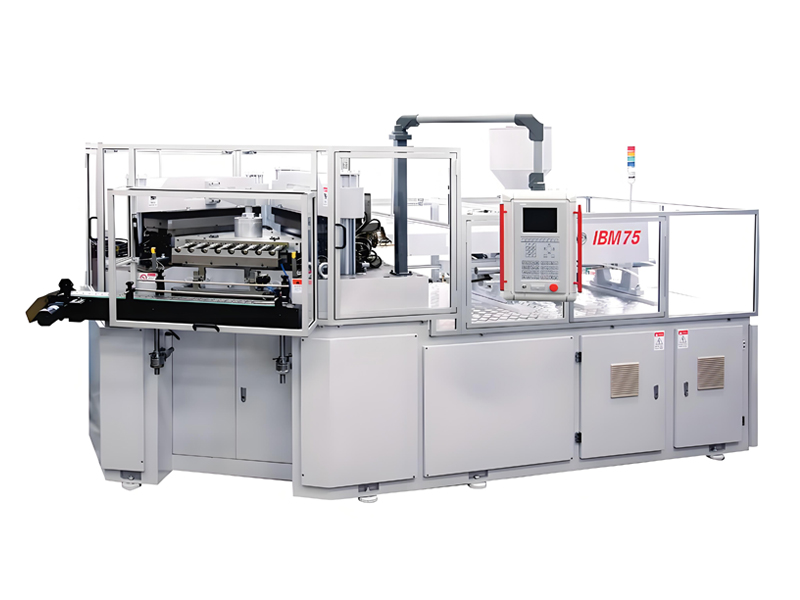
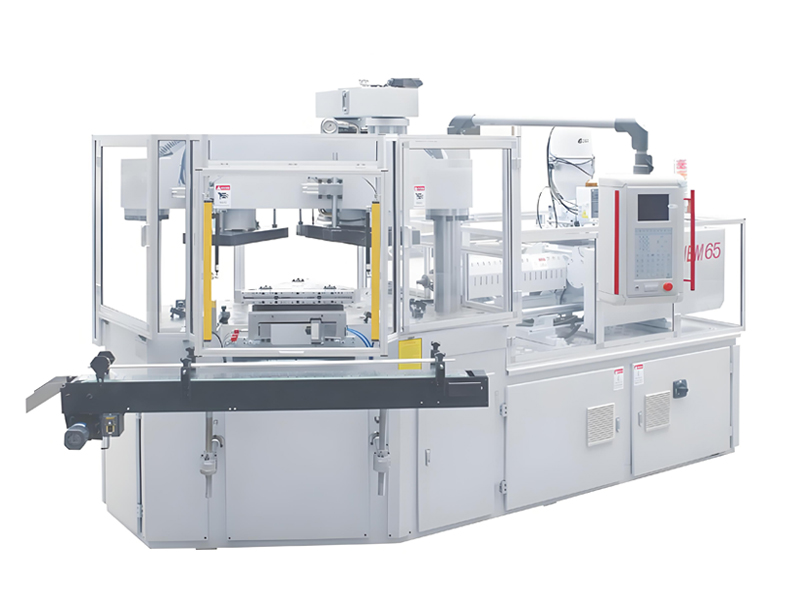
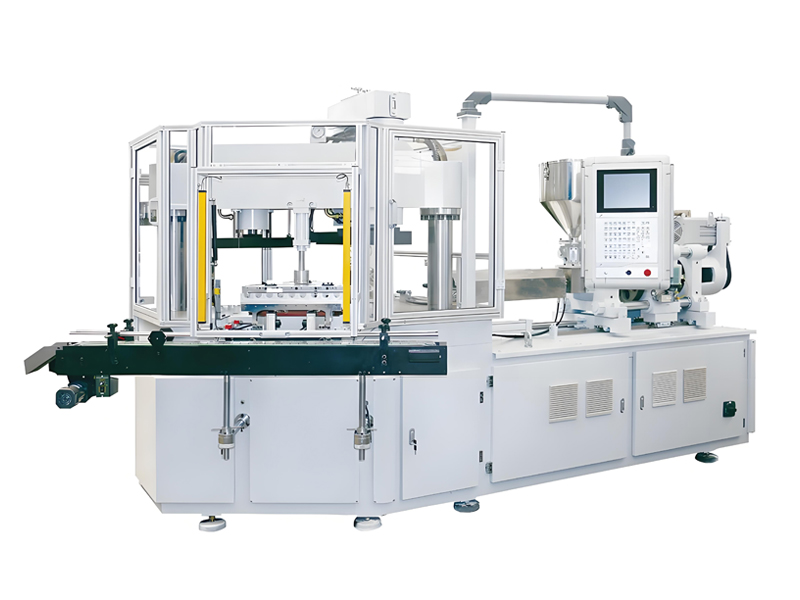
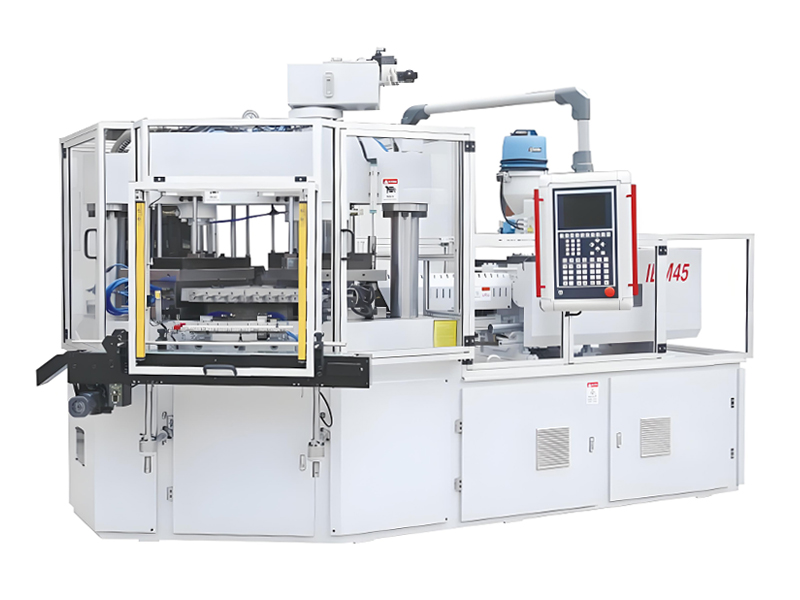
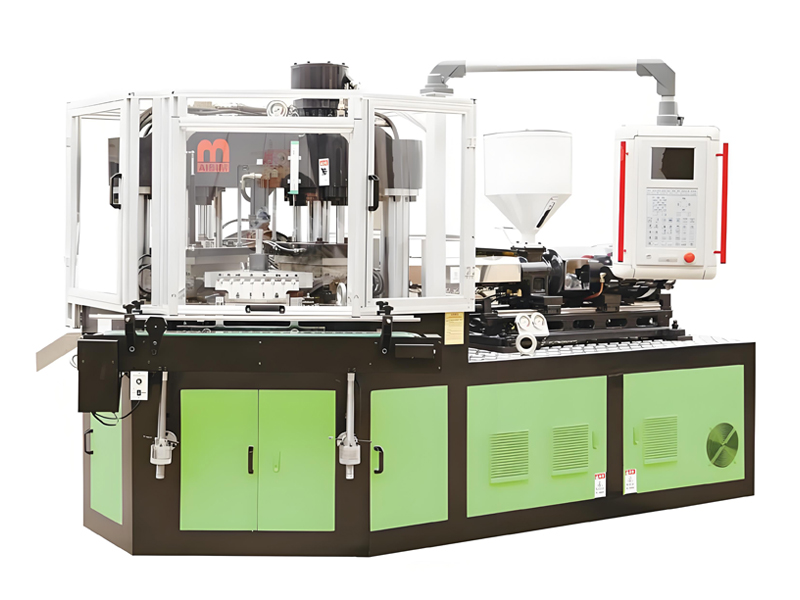
Modern injection blow molding machine manufacturers like AiBiM have recognized the specialized needs of pharmaceutical production and have designed equipment with cleaning and sanitation considerations as integral design features. Machines intended for pharmaceutical applications incorporate features such as smooth surfaces, minimal crevices, easy disassembly components, and materials compatible with pharmaceutical-grade cleaning agents. These design considerations facilitate thorough cleaning and reduce the complexity of cleaning procedures, which in turn reduces cleaning costs and downtime. The initial cost premium for pharmaceutical-grade injection blow molding machines typically ranges from 20-30% compared to standard machines, but this investment delivers substantial savings in cleaning time, reduced validation complexity, and improved regulatory compliance.
Understanding Regulatory Requirements for Pharmaceutical Equipment Cleaning
Regulatory requirements establish the framework for injection blow molding machine cleaning procedures in pharmaceutical production, with multiple agencies and guidelines specifying minimum standards for equipment cleanliness and sanitation. The U.S. Food and Drug Administration (FDA) regulates pharmaceutical equipment through several regulations including 21 CFR Part 211, which outlines requirements for equipment cleaning and maintenance in pharmaceutical manufacturing. These regulations specify that equipment must be constructed so that surfaces that contact components, in-process materials, or drug products are not reactive, additive, or absorptive so as not to alter the safety, identity, strength, quality, or purity of the drug product beyond official requirements. Injection blow molding machines must meet these requirements through careful material selection, surface treatment, and comprehensive cleaning validation procedures.
The European Medicines Agency (EMA) provides guidance for pharmaceutical equipment cleaning through EudraLex Volume 4, Chapter 3, which specifies requirements for cleaning and sanitization in pharmaceutical manufacturing. European standards emphasize risk-based approaches to cleaning validation, focusing on the potential for product contamination based on factors such as toxicity, potency, and dosage form. Injection blow molding machines used for pharmaceutical container production in Europe must comply with these requirements, which often include more stringent cleaning validation criteria than FDA regulations. The cost of complying with European cleaning standards for injection blow molding machines typically adds 15-20% to cleaning procedure development costs compared to FDA requirements alone, reflecting the additional testing and documentation required.
Good Manufacturing Practice (GMP) guidelines provide the overarching framework for pharmaceutical equipment cleaning worldwide. GMP requirements specify that injection blow molding machines used in pharmaceutical production must be cleaned according to written procedures that are designed to prevent contamination or cross-contamination. These written procedures must be detailed, validated, and consistently followed by trained personnel. GMP guidelines also require that cleaning effectiveness be regularly monitored and that cleaning procedures be reviewed and updated as necessary. The documentation requirements for injection blow molding machine cleaning under GMP guidelines are extensive, typically requiring 20-30 pages of standard operating procedures (SOPs), validation protocols, and routine cleaning records for each machine.
International standards for pharmaceutical equipment, including ISO 15378 for pharmaceutical primary packaging materials, provide additional guidance for injection blow molding machine cleaning. These standards emphasize risk management, quality assurance, and continuous improvement in equipment cleaning processes. Injection blow molding machine manufacturers serving the pharmaceutical market must demonstrate compliance with these standards through comprehensive quality management systems and validated cleaning procedures. The cost of achieving and maintaining ISO 15378 certification typically ranges from $25,000 to $40,000 annually for facilities manufacturing pharmaceutical containers using injection blow molding machines. This certification, while costly, provides market access advantages and demonstrates commitment to pharmaceutical quality standards.
Pre-Cleaning Assessment and Preparation
Effective cleaning of injection blow molding machines for pharmaceutical production begins with thorough preparation and assessment before actual cleaning procedures commence. The pre-cleaning phase involves evaluating the condition of the injection blow molding machine, identifying specific cleaning requirements, and preparing all necessary cleaning materials and equipment. This critical preparation phase ensures that cleaning procedures proceed efficiently and effectively, minimizing downtime and reducing the risk of contamination during the cleaning process. The time invested in proper pre-cleaning assessment typically ranges from 30 to 60 minutes for a standard injection blow molding machine, representing approximately 10-15% of total cleaning time but delivering significant improvements in cleaning effectiveness and reliability.
Visual inspection of the injection blow molding machine represents the first step in pre-cleaning assessment. Trained operators examine all accessible surfaces, including mold surfaces, contact points, material handling systems, and interior surfaces of the machine body. The inspection focuses on identifying visible contaminants such as plastic residues, mold release agents, lubricants, dust, or other foreign materials. Particular attention is given to areas that are difficult to access during routine operation, as these areas often accumulate contaminants that can compromise cleaning effectiveness. Documentation of inspection findings, including photographs of problem areas, provides a baseline for evaluating cleaning effectiveness and identifying areas that may require special attention during cleaning procedures.
Surface sampling and testing provide quantitative data on contamination levels before cleaning procedures commence. Swab sampling techniques are commonly used to collect samples from various surfaces of the injection blow molding machine, including mold cavities, material contact surfaces, and surrounding areas. These samples are analyzed for total viable count (microbial contamination), protein residues, and specific chemical contaminants that may affect pharmaceutical product quality. The cost of pre-cleaning sampling and analysis typically ranges from $500 to $1,200 per injection blow molding machine, depending on the extent of sampling and analysis required. This sampling data provides important baseline information for validating cleaning procedures and demonstrating effectiveness to regulatory inspectors.
Preparation of cleaning materials and equipment represents the final aspect of pre-cleaning preparation for injection blow molding machines. Pharmaceutical-grade cleaning agents must be selected based on their effectiveness, compatibility with machine materials, and regulatory approval status. Common cleaning agents for pharmaceutical injection blow molding machines include enzymatic cleaners for organic residues, alkaline detergents for general cleaning, and specialized agents for specific contaminants such as mold release agents. The cost of cleaning materials for a single thorough cleaning of an injection blow molding machine typically ranges from $300 to $600, with annual cleaning material costs averaging $15,000 to $25,000 for a machine operating under typical pharmaceutical production schedules. Cleaning equipment such as brushes, scrapers, and sampling tools must be dedicated to pharmaceutical use and sterilized before each cleaning operation to prevent cross-contamination.
Daily Cleaning Procedures for Injection Blow Molding Machines
Daily cleaning procedures for pharmaceutical injection blow molding machines focus on maintaining equipment cleanliness between production runs and preventing accumulation of contaminants that could affect product quality. These procedures are less extensive than full cleaning validations but must be performed consistently and thoroughly according to established protocols. Daily cleaning typically requires 30-60 minutes per injection blow molding machine, representing a significant but necessary operational time investment. The cost of daily cleaning in terms of labor, materials, and production downtime typically ranges from $200 to $400 per machine per day, or approximately $50,000 to $100,000 annually for a machine operating five days per week.
Exterior surface cleaning represents the first component of daily cleaning procedures for injection blow molding machines. Operators begin by removing loose debris and contaminants from exterior surfaces using dedicated brushes and vacuum systems designed for pharmaceutical use. Following debris removal, surfaces are cleaned with approved pharmaceutical-grade detergents using lint-free cloths or disposable wipes that will not leave residues. Particular attention is given to control panels, operator interfaces, and frequently touched surfaces, which may harbor microbial contamination. The exterior cleaning process typically requires 15-20 minutes and consumes approximately $30-50 in cleaning materials per session, representing a small but critical investment in maintaining overall equipment cleanliness.
Mold surface cleaning constitutes the most critical component of daily cleaning procedures for injection blow molding machines, as mold surfaces directly contact pharmaceutical containers. Cleaning procedures vary depending on the materials used and production conditions but typically involve sequential steps of dry cleaning, solvent cleaning, and final wiping. Dry cleaning using specialized brushes and air knives removes loose plastic particles without introducing moisture or chemicals that could affect mold surfaces. Solvent cleaning with approved pharmaceutical-grade solvents removes more stubborn residues, while final wiping with lint-free materials ensures complete removal of all cleaning agents. The entire mold cleaning process typically requires 15-25 minutes and uses $40-80 of cleaning materials per session, with additional time required for mold cooling before cleaning can commence safely.
Material handling system cleaning addresses the components of the injection blow molding machine that handle plastic materials before molding, including hoppers, feeders, and material conveying systems. These systems must be cleaned thoroughly to prevent cross-contamination between different materials and ensure consistent product quality. Cleaning procedures typically involve emptying residual materials, removing accessible components for separate cleaning, and using specialized cleaning tools to reach difficult-to-access areas. The material handling system cleaning process typically requires 10-15 minutes and uses $20-40 of cleaning materials per session, with additional time required if material changes necessitate more extensive cleaning procedures.
Deep Cleaning and Sanitization Procedures
Deep cleaning and sanitization of injection blow molding machines for pharmaceutical production go beyond daily cleaning routines to provide comprehensive removal of contaminants and microbial control. These procedures are typically performed weekly or monthly, depending on production volume and regulatory requirements, and require significantly more time and resources than daily cleaning. A comprehensive deep cleaning of an injection blow molding machine typically requires 4-8 hours and costs $800 to $1,500 in materials and labor, representing a substantial but necessary investment in pharmaceutical quality assurance. The frequency of deep cleaning varies based on production volume, material types, and regulatory requirements, with weekly deep cleaning common in high-volume pharmaceutical container production.
Disassembly of injection blow molding machine components represents the first step in deep cleaning procedures, providing access to surfaces that cannot be thoroughly cleaned during routine operation. Components that can be safely removed are disassembled according to manufacturer specifications, with careful documentation of assembly positions to ensure accurate reassembly. The disassembly process typically requires 1-2 hours and should be performed by trained technicians familiar with injection blow molding machine construction. The cost of technician time for disassembly typically ranges from $150 to $300 per session, with additional costs for specialized tools that may be required for certain components. Disassembly provides access to critical areas including mold internals, hydraulic system components, and material flow paths that accumulate contaminants over time.
Chemical cleaning procedures for disassembled components utilize a combination of cleaning agents selected based on the types of contaminants present and the materials being cleaned. Enzymatic cleaners effectively remove organic residues including proteins and biological materials, while alkaline detergents address general contamination including plastic residues and mold release agents. Acidic cleaners may be used for mineral deposits and scale, though their use requires careful control to prevent damage to injection blow molding machine components. The chemical cleaning process typically requires 2-3 hours of immersion or application time, followed by thorough rinsing with purified water. The cost of cleaning chemicals for deep cleaning ranges from $200 to $400 per session, with additional costs for purified water used in rinsing procedures.
Sanitization procedures following chemical cleaning ensure that injection blow molding machine surfaces are free from microbial contamination before returning to production. Sanitization typically involves application of pharmaceutical-grade sanitizing agents such as hydrogen peroxide solutions or quaternary ammonium compounds, followed by thorough drying. The sanitization process typically requires 30-60 minutes and must be validated to demonstrate consistent effectiveness across all machine surfaces. The cost of sanitization materials ranges from $50 to $100 per deep cleaning session, with additional time required for validation testing to verify microbial reduction to acceptable levels. Documentation of sanitization procedures and results is essential for regulatory compliance and quality assurance purposes.
Validation of Cleaning Procedures
Cleaning procedure validation represents a critical regulatory requirement for injection blow molding machines used in pharmaceutical production, providing documented evidence that cleaning processes consistently achieve predetermined cleanliness standards. Validation typically involves performing worst-case cleaning scenarios and testing multiple locations on the machine to demonstrate comprehensive removal of contaminants. The cost of initial cleaning validation for an injection blow molding machine ranges from $15,000 to $25,000, with annual revalidation costs of $5,000 to $8,000. This investment, while substantial, represents a necessary regulatory requirement and provides assurance of consistent cleaning effectiveness across production cycles.
Validation protocols for injection blow molding machine cleaning establish the scientific basis for cleaning procedures, including selection of worst-case scenarios, analytical methods, acceptance criteria, and sampling locations. These protocols are developed based on risk assessment considering factors such as material toxicity, production volumes, and equipment complexity. The development of validation protocols typically requires 2-4 weeks of technical effort and costs $8,000 to $15,000 for protocol development and approval. Well-designed validation protocols ensure that cleaning validation studies produce meaningful results that support regulatory compliance and provide assurance of consistent cleaning effectiveness.
Execution of cleaning validation studies involves performing actual cleaning procedures according to validated protocols and collecting samples from predetermined locations on the injection blow molding machine. Sampling locations typically include worst-case areas such as difficult-to-clean surfaces, areas with prolonged contact with materials, and critical product contact surfaces. The validation study typically includes three consecutive cleaning cycles to demonstrate consistent effectiveness. The execution phase of cleaning validation typically requires 1-2 weeks, including cleaning procedures, sampling, and analysis. The cost of executing cleaning validation studies ranges from $5,000 to $10,000, including analytical testing costs of $50-150 per sample depending on the analyses performed.
Analysis of validation samples involves testing for multiple types of contaminants including residual cleaning agents, microbial contamination, and specific contaminants relevant to production materials. Analytical methods may include total organic carbon (TOC) analysis, high-performance liquid chromatography (HPLC) for specific compounds, microbiological testing, and visual inspection. The cost of analytical testing varies significantly based on the methods and number of samples, with typical validation studies requiring $3,000 to $7,000 in analytical testing costs. Analysis results are compared against predetermined acceptance criteria established in validation protocols, with any failures requiring investigation and modification of cleaning procedures before repeating validation studies.
Documentation and Record Keeping
Documentation and record keeping represent essential components of injection blow molding machine cleaning in pharmaceutical production, providing evidence of compliance with regulatory requirements and supporting quality assurance activities. Regulatory agencies require comprehensive documentation of cleaning procedures, validation data, and routine cleaning records, with failure to maintain adequate documentation being one of the most common findings in regulatory inspections. The cost of documentation systems, including electronic record systems and paper record management, typically ranges from $10,000 to $20,000 annually for a facility operating multiple injection blow molding machines. This investment in documentation systems provides substantial protection against regulatory citations and supports overall quality management.
Standard operating procedures (SOPs) for injection blow molding machine cleaning provide detailed instructions for performing cleaning procedures consistently and effectively. These documents typically include purpose and scope, responsibilities, required materials and equipment, step-by-step procedures, acceptance criteria, and documentation requirements. Cleaning SOPs for pharmaceutical injection blow molding machines typically run 20-30 pages and require significant technical expertise to develop. The cost of developing comprehensive cleaning SOPs ranges from $5,000 to $10,000 per machine type, with additional costs for translation if required for multinational operations. Well-developed SOPs are essential for training personnel and ensuring consistent cleaning practices across shifts and operators.
Cleaning logs and records document every cleaning activity performed on injection blow molding machines, including dates, times, operators, materials used, and results of any testing or verification performed. These records must be maintained for extended periods, typically 2-5 years depending on regulatory requirements, and must be readily available for regulatory inspection. Electronic record systems can streamline record keeping and improve data accessibility, with implementation costs ranging from $15,000 to $30,000 for systems capable of managing cleaning records for multiple injection blow molding machines. The ongoing cost of maintaining electronic record systems typically ranges from $2,000 to $5,000 annually, including software licenses, support, and backup systems.
Training documentation provides evidence that personnel performing injection blow molding machine cleaning procedures have been adequately trained and understand their responsibilities. Training programs include theoretical knowledge of cleaning principles, practical hands-on training, assessment of competency, and documentation of training completion. The cost of training personnel for injection blow molding machine cleaning ranges from $500 to $1,500 per employee, including training materials, instructor time, and assessment costs. Ongoing refresher training, typically required annually, adds $200-400 per employee per year to training costs. Comprehensive training documentation protects against regulatory citations related to personnel qualifications and supports consistent cleaning performance across the workforce.
Common Cleaning Challenges and Solutions
Cleaning injection blow molding machines for pharmaceutical production presents numerous challenges that must be overcome to maintain acceptable cleanliness standards and regulatory compliance. One of the most significant challenges involves removing stubborn residues from mold surfaces, particularly when processing high-melt materials or using mold release agents. These residues can accumulate over multiple production cycles and become increasingly difficult to remove with standard cleaning procedures. Solutions to this challenge include implementing more frequent cleaning cycles, using specialized enzymatic cleaners that break down organic residues, and incorporating mechanical cleaning methods such as ultrasonic cleaning for mold components. The cost of specialized cleaning solutions for stubborn residues ranges from $500 to $1,500 per cleaning cycle, but this investment prevents more extensive cleaning procedures and potential quality issues.
Another significant challenge involves cleaning difficult-to-access areas of injection blow molding machines, including internal surfaces of material flow paths, hydraulic systems, and machine frame components that are not designed for regular access. These areas can harbor contaminants that may affect product quality over time despite not directly contacting pharmaceutical containers. Solutions include implementing regular preventive maintenance schedules that include cleaning of accessible internal components, using clean-in-place (CIP) systems where possible, and designing injection blow molding machines with improved cleanability. The cost of modifying injection blow molding machines for improved cleanability ranges from $10,000 to $30,000 per machine but delivers long-term benefits through reduced cleaning time and improved regulatory compliance.
Cross-contamination between different materials represents another cleaning challenge, particularly when injection blow molding machines process multiple pharmaceutical-grade materials with different properties. Residual traces of one material can contaminate subsequent production runs, affecting product quality and potentially causing adverse reactions in pharmaceutical applications. Solutions to this challenge include implementing validated changeover cleaning procedures between material changes, dedicating specific machines to particularly sensitive materials, and implementing traceability systems that track material use and cleaning history. The cost of changeover cleaning procedures between materials typically ranges from $300 to $800 per changeover, representing a necessary cost for facilities producing multiple pharmaceutical container types.
Training and personnel consistency represent ongoing challenges for injection blow molding machine cleaning in pharmaceutical production. Ensuring that all operators follow procedures consistently and thoroughly requires ongoing training, supervision, and performance monitoring. Variations in cleaning technique between operators can result in inconsistent cleaning effectiveness and potential quality issues. Solutions include implementing standardized cleaning procedures with detailed instructions, providing comprehensive initial and refresher training, implementing competency assessments, and using cleaning effectiveness monitoring tools such as rapid surface testing methods. The cost of comprehensive training and competency monitoring programs typically ranges from $2,000 to $5,000 annually per machine, but this investment ensures consistent cleaning quality and regulatory compliance.
Cost Analysis and Budget Planning
The costs associated with cleaning injection blow molding machines for pharmaceutical production represent a significant operational expense that must be carefully planned and budgeted. Annual cleaning costs for a single injection blow molding machine typically range from $75,000 to $150,000, depending on production volume, regulatory requirements, and the specific cleaning protocols implemented. These costs include daily cleaning materials and labor ($50,000-$100,000), deep cleaning procedures ($40,000-$75,000 annually), validation and revalidation ($10,000-$15,000), documentation systems ($10,000-$20,000), and training programs ($5,000-$10,000). Proper budget planning for these costs ensures that adequate resources are allocated to maintain regulatory compliance and product quality.
Initial setup costs for cleaning injection blow molding machines represent a significant capital investment that must be considered when establishing pharmaceutical container production capabilities. These one-time costs include cleaning validation ($15,000-$25,000), SOP development ($5,000-$10,000), cleaning equipment acquisition ($10,000-$20,000), documentation systems implementation ($15,000-$30,000), and initial training ($5,000-$10,000). The total initial investment typically ranges from $50,000 to $95,000 per injection blow molding machine, representing a substantial but necessary cost for entering pharmaceutical container production. Facilities planning multiple machines can achieve economies of scale, with per-machine initial costs decreasing by 20-30% when setting up production capabilities for three or more machines simultaneously.
Variable cleaning costs fluctuate based on production volume, material types, and regulatory requirements, making accurate forecasting challenging. Daily cleaning costs typically range from $200 to $400 per machine per day, or approximately $50,000 to $100,000 annually for five-day-per-week operation. Deep cleaning costs vary based on frequency but typically total $40,000 to $75,000 annually when performed weekly to monthly depending on production requirements. Additional variable costs include cleaning materials, which consume $25,000 to $50,000 annually, and analytical testing for cleaning verification, which adds $10,000 to $20,000 annually for routine testing. Budgeting for these variable costs requires analysis of production schedules and historical cleaning data to develop accurate forecasts.
Cost optimization strategies for injection blow molding machine cleaning focus on reducing cleaning expenses while maintaining regulatory compliance and product quality. These strategies include implementing risk-based cleaning protocols that focus resources on critical areas, using automated cleaning systems where appropriate, optimizing cleaning frequencies based on actual contamination levels rather than fixed schedules, and selecting cleaning agents that balance effectiveness with cost. Potential savings from optimization strategies typically range from 15-25% of total cleaning costs, or $11,000 to $37,000 annually per machine. However, optimization efforts must be carefully validated to ensure they do not compromise cleaning effectiveness or regulatory compliance, requiring investment in analysis and validation studies that typically cost $5,000 to $10,000 per optimization initiative.
Conclusion
Proper cleaning of injection blow molding machines for pharmaceutical production represents a critical operational requirement that impacts product quality, regulatory compliance, and patient safety. The comprehensive cleaning procedures, validation requirements, and documentation mandates established by regulatory agencies create significant operational responsibilities for pharmaceutical container manufacturers. Modern injection blow molding machines like those from AiBiM incorporate design features that facilitate cleaning and sanitation, but effective cleaning still requires substantial investment in personnel, materials, and validation activities. The annual cost of cleaning a single injection blow molding machine for pharmaceutical production, ranging from $75,000 to $150,000, represents a significant but necessary operational expense.
The investment in proper cleaning procedures for injection blow molding machines delivers substantial returns through regulatory compliance, product quality assurance, and risk mitigation. Facilities that implement comprehensive cleaning programs avoid regulatory citations, costly product recalls, and patient safety issues that could severely impact business operations. Beyond regulatory compliance, effective cleaning practices contribute to consistent product quality, reduced scrap rates, and improved production efficiency. The indirect benefits of proper cleaning, including enhanced reputation and customer confidence, provide additional value that supports overall business success in the pharmaceutical container market.
As regulatory requirements continue to evolve and become increasingly stringent, the importance of effective injection blow molding machine cleaning will continue to grow. Pharmaceutical container manufacturers must stay current with regulatory expectations and continuously improve their cleaning procedures to maintain compliance. The integration of new technologies, including automated cleaning systems, improved analytical methods for cleaning verification, and enhanced documentation systems, will provide opportunities to improve cleaning effectiveness while potentially reducing costs. Facilities that invest in these advancements will be well-positioned to meet future regulatory challenges while maintaining competitive operational costs.
For manufacturers considering pharmaceutical container production using injection blow molding machines, understanding and planning for cleaning requirements is essential from the earliest stages of project planning. The substantial investment in cleaning systems, validation activities, and ongoing operational costs must be factored into business plans and ROI calculations. Partnering with equipment suppliers like AiBiM who understand pharmaceutical cleaning requirements and incorporate cleanability into equipment design can significantly reduce cleaning complexity and costs. With proper planning, investment, and execution, injection blow molding machine cleaning can be managed effectively while supporting high-quality pharmaceutical container production.