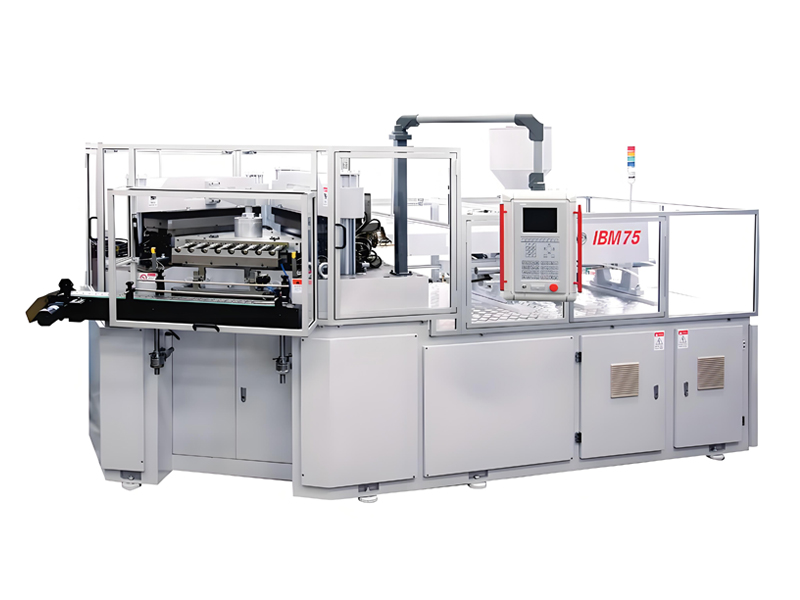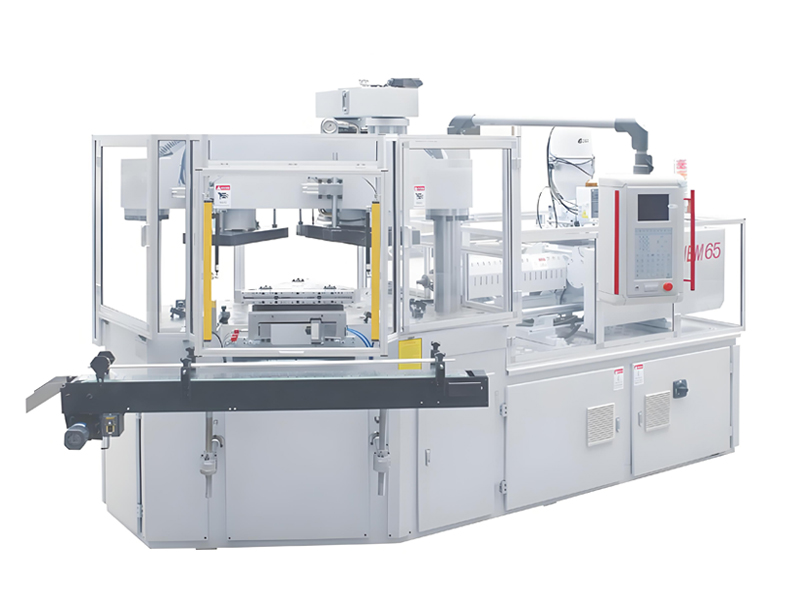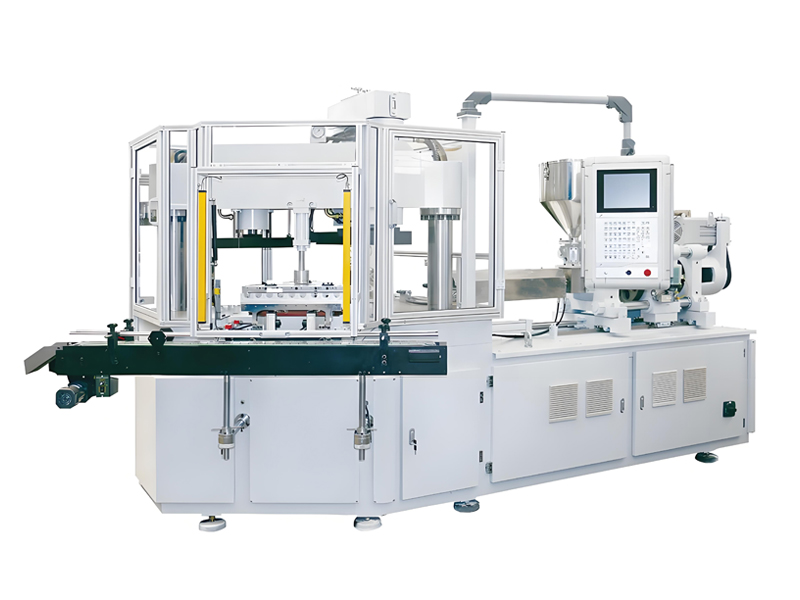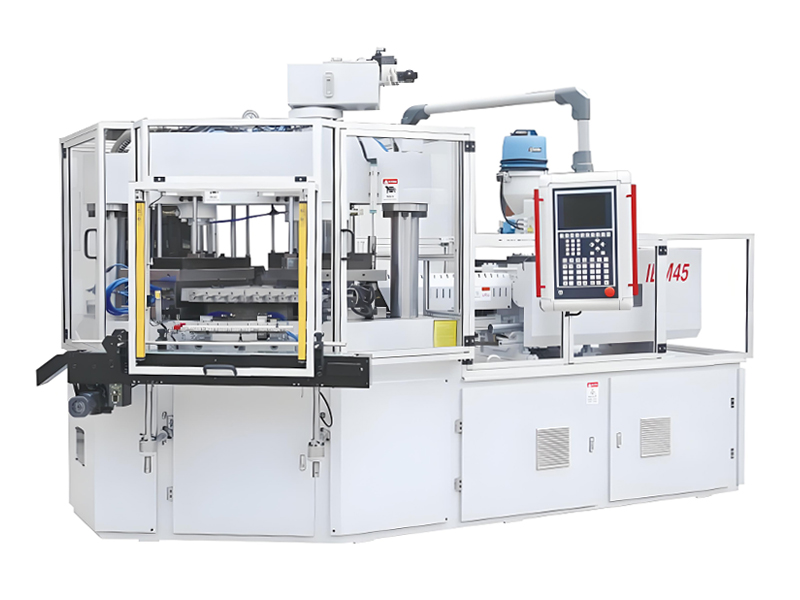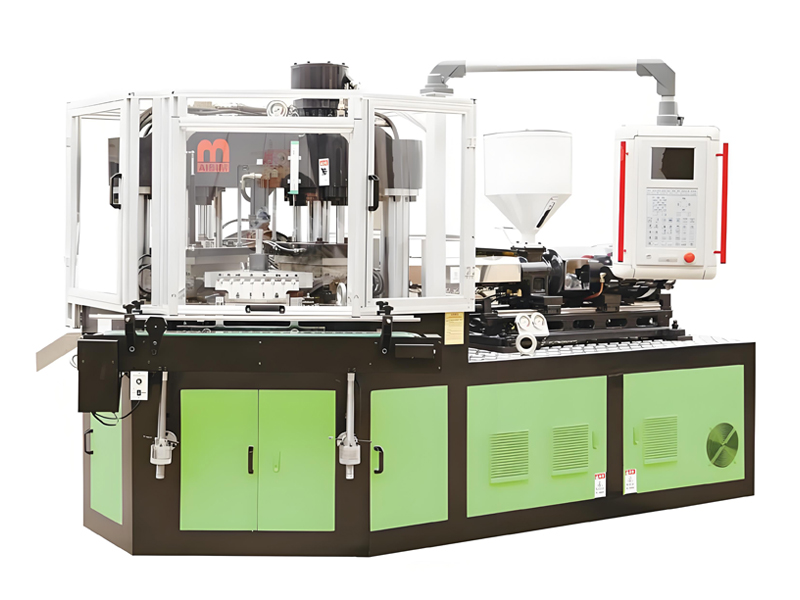
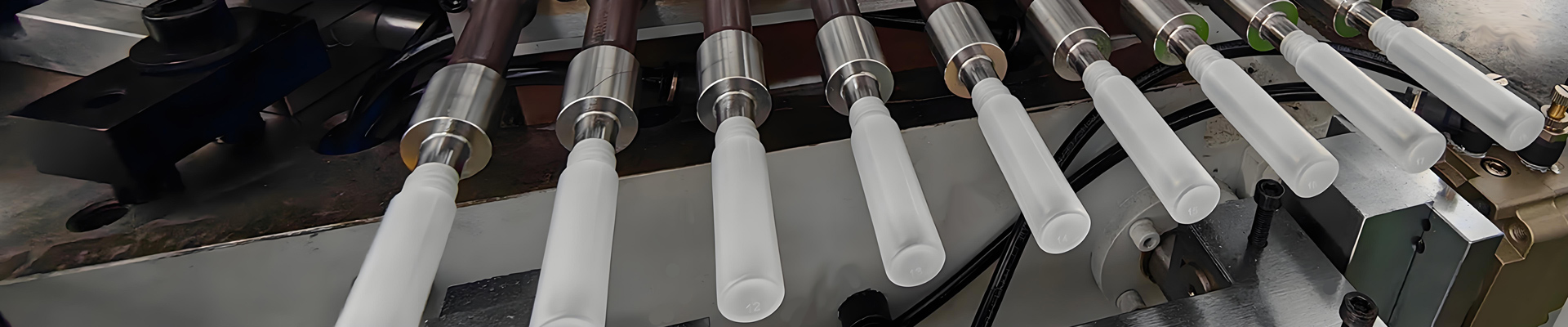
The injection blow molding machine revolutionizes plastic container manufacturing by producing lightweight and recyclable packaging solutions that meet modern sustainability requirements. This advanced technology enables manufacturers to create containers with optimal material usage while maintaining structural integrity and product protection. Understanding how injection blow molding achieves lightweight designs helps manufacturers reduce costs and environmental impact without compromising quality.
Comprendre le moulage par injection-soufflage pour les conteneurs légers
The injection blow molding process excels at creating lightweight containers through precise control over material distribution. Unlike conventional manufacturing methods, the injection blow molding machine strategically places material where structural requirements demand strength while minimizing thickness in non critical areas. This engineering approach results in containers that use up to 30 percent less material than traditionally produced alternatives.
Principes d'efficacité matière
Lightweight container design begins with understanding how the injection blow molding machine controls material flow during both injection and blowing phases. During preform injection, the machine creates a precisely sized precursor that determines material allocation for the finished container. The subsequent blowing phase stretches this material into the final shape, with wall thickness determined by preform geometry and blowing parameters.
The injection blow molding machine enables designers to optimize preform shapes for maximum material efficiency. Computer simulation tools predict material distribution during blowing, allowing engineers to reduce preform weight while ensuring adequate wall thickness in critical areas. This design optimization process typically achieves 15 to 25 percent material reduction compared to non optimized designs.
Optimisation de la conception structurelle
Lightweight containers require careful attention to structural design that maintains functionality while minimizing material usage. The injection blow molding machine produces containers with uniform wall thickness distribution that provides consistent strength throughout. This uniformity eliminates heavy sections required in less precise manufacturing methods to compensate for thickness variations.
Rib patterns and geometric features molded into containers during the injection blow molding process enhance stiffness without adding material. These design elements increase container rigidity through shape rather than mass, enabling lighter containers that perform equivalently to heavier alternatives. The precision of injection blow molding ensures these features form consistently across production runs.
Caractéristiques et avantages de légèreté
Les contenants légers produits sur les machines de moulage par injection-soufflage offrent de multiples avantages tout au long du cycle de vie du produit, de la fabrication à la distribution et à l'utilisation finale.
Réduction des coûts de matériaux
Reducing container weight directly decreases material costs, which represent the largest expense in plastic container production. The injection blow molding machine achieves consistent lightweight designs that maintain quality standards while using minimum material. A 10 percent weight reduction on a product line producing millions of containers annually generates substantial cost savings.
Material cost benefits extend beyond the direct price of plastic resin. Lighter containers require less energy to produce as the injection blow molding machine processes smaller shot sizes. Reduced material also means lower energy consumption for melting and cooling, compounding cost advantages across the production process.
Efficacité du transport
Lightweight containers significantly reduce transportation costs throughout the supply chain. Lower weight means more containers per truckload or shipping container, maximizing logistics efficiency. The injection blow molding machine produces containers that weigh 20 to 40 percent less than glass alternatives, dramatically improving transport economics for filled products.
Transportation benefits multiply across the distribution network. Warehouses store more lightweight containers in the same space, reducing storage costs. Trucks carry more product per trip, decreasing fuel consumption and emissions per unit delivered. The injection blow molding machine creates containers that enhance sustainability throughout the supply chain.
Commodité pour le consommateur
End users prefer lightweight containers for their convenience and ease of handling. Heavy containers cause fatigue during use and discourage repurchase. The injection blow molding machine produces containers that consumers find comfortable to hold, pour from, and carry. This positive user experience enhances product appeal and brand perception.
Lightweight containers prove particularly valuable in applications requiring extended handling. Personal care products, cleaning supplies, and food containers all benefit from reduced weight that improves user comfort. The injection blow molding machine creates packaging that enhances the consumer experience while maintaining product protection.
Conception de contenants recyclables
La machine de moulage par injection-soufflage soutient la conception de contenants recyclables grâce à la sélection des matériaux et à la précision de fabrication qui facilitent les processus de recyclage.
Construction en matériau unique
Recyclability requires containers made from single polymer types that recycling facilities can process efficiently. The injection blow molding machine produces containers from pure materials without the barriers or layers that complicate recycling. HDPE, PP, and other common packaging plastics recycle readily into new products when processed on injection blow molding equipment.
Avoiding material combinations preserves recyclability throughout container design. The injection blow molding machine creates containers with consistent material composition from neck to base. This uniformity ensures recycling facilities can process entire containers without sorting or separation steps that reduce recycling efficiency.
Conception pour le recyclage : recommandations
Follow established design for recycling principles when developing containers on the injection blow molding machine. Select materials widely accepted by recycling programs in target markets. Avoid additives or colorants that contaminate recycling streams or reduce recycled material quality. Design containers with easily removable labels and closures made from compatible materials.
Container geometry affects recyclability by influencing sorting and processing efficiency. The injection blow molding machine produces containers with shapes that work well with standard recycling equipment. Avoid designs that trap liquids or materials that complicate cleaning during recycling preparation.
Intégration de contenu recyclé
Modern injection blow molding machines process recycled materials alongside virgin resins, supporting circular economy initiatives. Many manufacturers now incorporate recycled content into new containers, reducing demand for virgin materials. The AiBiM injection blow molding machines handle recycled PE and PP materials with appropriate processing adjustments.
Recycled content requirements vary by application and market regulations. Alimentation contact containers may face restrictions on recycled content sources and percentages. The injection blow molding machine must maintain precise processing control when using recycled materials to ensure consistent quality and regulatory compliance.
Paramètres techniques pour la production allégée
Atteindre une production optimale de contenants légers nécessite une spécification minutieuse des paramètres de la machine de moulage par injection-soufflage.
Contrôle de précision de l'injection
Precise injection control determines preform consistency and ultimately container weight distribution. The injection blow molding machine must deliver identical shot sizes cycle after cycle to achieve uniform lightweight containers. Shot size variation of even one percent affects wall thickness and container performance.
The AiBiM IBM series features sophisticated injection control systems that maintain shot size consistency within tight tolerances. These injection blow molding machines employ precision screw designs and advanced pressure control to deliver uniform preforms. This consistency enables designers to push lightweight limits without safety margins for process variation.
Uniformité de l'épaisseur de paroi
Uniform wall thickness enables maximum weight reduction while maintaining container strength. The injection blow molding machine controls wall thickness through preform design, blow pressure, and mold temperature settings. Consistent thickness throughout the container eliminates weak spots that require overall thickness increases to compensate.
Advanced injection blow molding machines include wall thickness measurement systems that verify production quality in real time. These systems detect thickness variations that could affect container performance. The AiBiM machines offer optional thickness gauging that ensures lightweight designs meet specifications throughout production runs.
Contrôle de la répartition de la matière
Strategic material placement allows lightweight container designs that concentrate material where needed most. The injection blow molding machine adjusts blow parameters to achieve desired material distribution. Variable blow pressure profiles and temperature conditioning enable engineers to optimize thickness patterns for specific container requirements.
Les machines de moulage par injection-soufflage AiBiM disposent de profils de soufflage programmables qui ajustent la pression tout au long du cycle de soufflage. Cette capacité permet l'optimisation du placement des matériaux pour les contenants aux formes complexes ou aux exigences structurelles variables selon les sections.
Optimisation du processus de production
L'optimisation du processus de moulage par injection-soufflage maximise la qualité des contenants légers et l'efficacité de production.
Sélection des paramètres du process
Lightweight container production requires precise process parameter optimization on the injection blow molding machine. Injection speed affects preform quality and material orientation. Fast injection may cause jetting or air entrapment while slow injection extends cycle time. Balance these factors to achieve quality lightweight containers at efficient production rates.
Melt temperature significantly impacts material stretching during blowing. Higher temperatures improve material flow for better thickness distribution but increase cooling time. The injection blow molding machine allows zone by zone temperature control for optimizing processing conditions. AiBiM machines feature multiple barrel heating zones for precise temperature management.
Considérations sur le temps de cycle
Lightweight containers cool faster than heavy alternatives, potentially reducing cycle time and increasing production output. The injection blow molding machine must capitalize on this advantage through proper cooling system design and operation. Efficient cooling water circulation and mold temperature control maximize production rates for lightweight containers.
Cependant, un refroidissement inadéquat provoque des problèmes de qualité, notamment le gauchissement et l'instabilité dimensionnelle. La machine de moulage par injection-soufflage nécessite un temps de refroidissement suffisant même pour les contenants allégés. Équilibrez la durée de refroidissement et l'efficacité de production pour obtenir des résultats optimaux.
Procédures de contrôle qualité
Rigorous quality control ensures lightweight containers meet performance requirements despite reduced material content. The injection blow molding machine incorporates quality monitoring systems that track process variables affecting container quality. Regular inspection of container weight, dimensions, and wall thickness verifies process consistency.
Drop testing and compression testing evaluate lightweight container strength under real world conditions. These tests verify that weight reduction does not compromise functionality. Document test results to demonstrate quality compliance and support continuous process improvement on the injection blow molding machine.
Bénéfices et avantages
Les contenants légers et recyclables produits sur les machines de moulage par injection-soufflage offrent des avantages complets pour les fabricants, les consommateurs et l'environnement.
Durabilité environnementale
Lightweight containers reduce environmental impact through decreased material consumption, lower energy use, and reduced transportation emissions. The injection blow molding machine enables manufacturing of containers that support corporate sustainability goals. Reduced plastic use conserves petroleum resources and decreases manufacturing carbon footprint.
Recyclable containers from injection blow molding machines support circular economy principles that keep materials in productive use. Recycled plastic containers reprocess into new products, extending material value and reducing waste. This circular approach aligns with growing consumer and regulatory expectations for sustainable packaging.
Avantages économiques
Material cost savings represent the most direct economic benefit of lightweight containers. The injection blow molding machine reduces material consumption while maintaining container performance, improving profit margins. These savings compound across high volume production runs typical of packaging operations.
Operational cost reductions accompany lightweight container production. Lower material volumes reduce processing energy on the injection blow molding machine. Faster cooling of lightweight containers increases production output. Transportation cost savings throughout distribution add further economic advantages.
Avantages de marché
Consumers increasingly prefer sustainable packaging, creating market advantage for lightweight and recyclable containers. The injection blow molding machine produces containers that meet these preferences without premium pricing. Brands offering sustainable packaging build loyalty among environmentally conscious consumers.
Regulatory trends favor lightweight and recyclable packaging through extended producer responsibility programs and packaging waste regulations. The injection blow molding machine enables compliance with current and anticipated requirements. Manufacturers using this technology position themselves advantageously for evolving regulatory landscapes.
Sélection de l'équipement pour la production allégée
La sélection de la bonne machine de moulage par injection-soufflage garantit une production réussie de contenants légers avec une efficacité optimale.
Adaptation de la capacité
Match injection blow molding machine capacity to production volume and container size requirements. The AiBiM IBM55 Hybrid Electric suits lightweight containers from 3ml to 1000ml capacity with energy efficient operation. This model proves ideal for manufacturers prioritizing sustainability alongside production efficiency.
Higher volume operations benefit from the AiBiM IBM75 injection blow molding machine with 750 kN clamp force and 375 gram injection capacity. This robust machine handles larger lightweight containers while maintaining precision control over material distribution. The increased capacity supports high volume production without sacrificing lightweight design quality.
Fonctions de commande de précision
Lightweight container production demands precise control over all process parameters. Select an injection blow molding machine with advanced injection control including multi stage pressure profiles. The AiBiM IBM series features PREFILL technology and variable pump pressure boosting for exceptional injection precision.
Temperature control capability proves equally important for lightweight production. The injection blow molding machine must maintain precise melt and mold temperatures to achieve consistent material distribution. AiBiM machines feature multiple heating zones and sophisticated control algorithms for optimal temperature management.
Automatisation et efficacité
Automated operation maximizes efficiency benefits of lightweight container production. The injection blow molding machine should offer fully automatic operation with minimal operator intervention. SD card parameter storage on AiBiM machines enables rapid recipe changes between container styles without manual parameter entry.
Énergie efficiency features compound sustainability advantages of lightweight containers. AiBiM injection blow molding machines achieve over 35 percent energy savings compared to conventional designs. This efficiency combines with material savings from lightweight design to minimize environmental impact.
Analyse des coûts et considérations de prix
Comprendre les coûts associés à la production de contenants légers aide les fabricants à évaluer les investissements dans les machines de moulage par injection-soufflage.
Gamme d'investissement en équipements
The injection blow molding machine price varies based on model and specifications. The AiBiM IBM55 Hybrid Electric costs between $35,000 and $55,000, offering economical entry into lightweight container production. This model provides the precision control needed for lightweight designs at an accessible price point.
The AiBiM IBM65 represents a cost effective solution for standard lightweight container production at $28,000 to $45,000. This model suits manufacturers seeking reliable equipment without premium features. The proven design ensures consistent quality for lightweight containers across common applications.
Higher capacity requirements justify investment in the AiBiM IBM75 injection blow molding machine at $40,000 to $65,000. This model handles larger containers and higher production volumes while maintaining lightweight design precision. The enhanced capabilities support business growth without equipment replacement.
Économies de coûts de matériaux
Lightweight container designs reduce material costs proportionally to weight reduction achieved. A 20 percent weight reduction on containers using $0.50 of material saves $0.10 per container. At production volumes of one million containers annually, savings reach $100,000 per year. The injection blow molding machine investment often recovers through material savings alone.
Les économies de matériaux se poursuivent tout au long de la durée de vie de l'équipement, offrant un retour sur investissement continu. Contrairement aux économies de coûts fixes, les réductions de coûts de matériaux se cumulent à mesure que les volumes de production augmentent. La machine de moulage par injection-soufflage génère des économies croissantes à mesure que les opérations s'étendent.
Avantages en coûts d'exploitation
Les contenants légers réduisent la consommation d'énergie pendant la production sur la machine de moulage par injection-soufflage. Des tailles d'injection plus petites nécessitent moins d'énergie de chauffage, tandis que les parois plus minces refroidissent plus vite. Des économies d'énergie combinées de 10 à 20 pour cent par rapport aux contenants conventionnels s'ajoutent aux avantages de coût des matériaux.
Les économies de transport des contenants allégés représentent des réductions substantielles des coûts opérationnels. Un poids plus faible signifie plus de contenants par expédition, réduisant les coûts logistiques par unité. Ces économies s'accumulent tout au long de la chaîne d'approvisionnement, de la fabrication à la distribution au détail.
Normes de qualité et certifications
Les contenants légers doivent répondre aux normes de qualité malgré une teneur en matériau réduite, exigeant un fonctionnement précis de la machine de moulage par injection-soufflage.
Exigences d'essais de performance
Lightweight containers undergo rigorous testing to verify performance equivalence with heavier alternatives. Drop testing evaluates container integrity when subjected to falls during handling and transport. The injection blow molding machine must produce containers that pass standardized drop tests from specified heights onto concrete surfaces.
Compression testing assesses container strength under stacking loads typical of warehouse and retail storage. Lightweight containers must support expected stacking heights without failure. The injection blow molding machine achieves necessary strength through material distribution optimization rather than increased weight.
Conformité à la sécurité alimentaire
Containers for food contact applications must meet regulatory requirements including FDA regulations in the États-Unis and EFSA standards in Europe. The injection blow molding machine processes food grade materials under conditions that maintain material safety. Verify that all materials carry appropriate food contact certifications.
Migration testing confirms that containers do not transfer harmful substances to food products. Lightweight designs with increased surface area to volume ratios may require additional testing verification. The injection blow molding machine produces containers meeting migration limits when operated with proper materials and parameters.
Certifications de recyclabilité
Certification programs validate container recyclability claims and provide credibility for sustainability marketing. Organizations like the Association of Plastic Recyclers offer recognition programs for recyclable packaging. The injection blow molding machine produces containers meeting certification requirements when designed according to guidelines.
Testing by recognized laboratories verifies that containers recycle properly in standard facilities. The injection blow molding machine must produce containers compatible with common sorting and processing equipment. Achieving certification supports marketing claims and demonstrates environmental responsibility.
Applications industrielles
Les contenants légers et recyclables issus des machines de moulage par injection-soufflage desservent diverses industries ayant des exigences de durabilité.
Emballage alimentaire et de boissons
The food industry increasingly demands lightweight packaging that reduces costs and environmental impact. The injection blow molding machine produces containers for sauces, dressings, beverages, and dairy products with optimized material usage. Recyclable designs support sustainability initiatives while maintaining product protection and shelf life.
Beverage containers benefit particularly from lightweight design due to high production volumes and thin wall requirements. The injection blow molding machine creates bottles with precise neck finishes for secure sealing and lightweight bodies that minimize material use. These containers meet stringent food safety standards while supporting recycling programs.
Produits de soins personnels
Personal care packaging requires containers that balance functionality with sustainability. The injection blow molding machine produces bottles for shampoos, lotions, and liquid soaps with lightweight designs that consumers appreciate. Recyclable materials align with consumer expectations for responsible packaging in this market segment.
Premium personal care brands increasingly emphasize sustainable packaging as a competitive differentiator. The injection blow molding machine produces containers that meet aesthetic requirements while delivering environmental benefits. Lightweight designs enhance brand perception among sustainability conscious consumers.
Produits ménagers
Household cleaning and maintenance products require robust containers that withstand handling and storage. The injection blow molding machine produces lightweight containers that maintain strength through material distribution optimization. Recyclable designs support corporate sustainability commitments in this sector.
Large format containers for bulk household products benefit significantly from weight reduction. The injection blow molding machine creates containers up to 1200ml that remain manageable for consumers while minimizing material usage. This combination of convenience and sustainability drives market acceptance.
Pourquoi choisir AiBiM pour la production de conteneurs allégés
AiBiM offre des avantages incontestables aux fabricants recherchant des machines de moulage par injection-soufflage optimisées pour la production de contenants légers et recyclables.
Intégration de technologies avancées
AiBiM injection blow molding machines incorporate the latest technology for precise lightweight container production. PREFILL technology and variable pump pressure boosting systems enable exact control over material distribution. Single crossbeam double column locking structures provide stability for consistent wall thickness in lightweight designs.
The energy efficient design of AiBiM machines complements lightweight container sustainability benefits. Over 35 percent energy savings compared to conventional machines reduces operational environmental impact. The injection blow molding machine design supports corporate sustainability goals throughout the production process.
Excellence de la fabrication
With over 12 years of injection blow molding machine manufacturing experience, AiBiM brings proven expertise to lightweight container production. The company serves customers in over 40 countries with equipment designed for reliability and precision. Annual production capacity exceeding 100 lines ensures quality manufacturing and timely delivery.
The AiBiM engineering team continuously refines machine designs based on customer feedback and industry developments. This commitment to improvement ensures injection blow molding machines remain competitive for lightweight container applications. Customers benefit from ongoing innovation without requiring equipment replacement.
Services d'assistance complets
AiBiM fournit une formation technique gratuite couvrant l’optimisation de la production de contenants allégés. Cette formation garantit que les opérateurs comprennent les réglages de paramètres et les contrôles de processus qui permettent une répartition optimale des matériaux. Le support complet s’étend sur toute la durée de vie de l’équipement.
Twenty four hour after sales service guarantees rapid response to technical issues. Engineer onsite installation and debugging services help customers achieve successful production startup for lightweight container operations. AiBiM supports customers from equipment selection through ongoing operation.
Maintenance pour des performances optimales
Une maintenance appropriée garantit que la machine de moulage par injection-soufflage produit des contenants légers constants tout au long de la durée de vie de l'équipement.
Exigences de maintenance préventive
Follow manufacturer recommended maintenance schedules to prevent quality drift in lightweight container production. Daily checks of safety systems and temperature readings verify injection blow molding machine readiness. Weekly lubrication and inspection maintain mechanical precision essential for consistent wall thickness.
L'étalonnage mensuel des capteurs et des jauges garantit un contrôle précis du processus. Les contenants allégés exigent un contrôle serré des paramètres qui dépend d'une mesure précise. La machine de moulage par injection-soufflage ne produit des contenants constants que lorsque l'instrumentation fonctionne correctement.
Systèmes de surveillance de la qualité
Implement statistical process control to monitor lightweight container production quality on the injection blow molding machine. Track container weight, dimensions, and wall thickness to detect process drift before it affects product quality. Control limits should trigger investigation when variation exceeds acceptable ranges.
Regular testing of container performance validates that lightweight designs maintain required strength and functionality. Document test results to demonstrate quality compliance and identify trends requiring process adjustment. The injection blow molding machine supports quality monitoring through data logging and analysis capabilities.
Questions fréquemment posées
Quel poids peut être économisé en utilisant le moulage par injection-soufflage pour les conteneurs ?
Injection blow molding machines typically achieve 15 to 30 percent weight reduction compared to conventional container manufacturing methods. The exact savings depend on container design, application requirements, and optimization effort. Precise control over material distribution enables injection blow molding machines to minimize material use while maintaining structural integrity.
Les conteneurs légers issus du moulage par injection-soufflage sont-ils recyclables ?
Yes, lightweight containers from injection blow molding machines are highly recyclable when designed with single materials and compatible additives. The process produces containers without layers or barriers that complicate recycling. Selecting common materials like HDPE and PP ensures compatibility with existing recycling infrastructure.
Quels matériaux conviennent le mieux aux conteneurs légers recyclables ?
HDPE, LDPE, LLDPE, and PP provide excellent options for lightweight recyclable containers on injection blow molding machines. These materials offer good processability, adequate strength at thin gauges, and widespread recycling acceptance. The AiBiM machines process all these materials with appropriate temperature and pressure settings.
La réduction du poids du contenant affecte-t-elle la qualité ?
Weight reduction through optimized design does not compromise quality when properly engineered. The injection blow molding machine enables strategic material placement that maintains strength where needed. Qualité testing verifies that lightweight designs meet performance requirements equivalent to heavier alternatives.
Quel investissement est nécessaire pour la production de conteneurs légers ?
Les prix des machines de moulage par injection-soufflage vont de 28 000 dollars pour l'AiBiM IBM65 à 65 000 dollars pour l'IBM75 avec une capacité supérieure. Les économies de coûts de matériaux grâce aux conceptions légères récupèrent souvent l'investissement en 18 à 36 mois. Les économies opérationnelles et de transport fournissent des retours financiers supplémentaires.
Conclusion
The injection blow molding machine delivers exceptional value for manufacturers seeking lightweight and recyclable container solutions. Precise control over material distribution enables significant weight reduction while maintaining container performance and quality. Recyclable designs support sustainability initiatives and regulatory compliance while meeting consumer expectations for responsible packaging.
Material cost savings, operational efficiency gains, and transportation benefits compound the financial advantages of lightweight container production. The injection blow molding machine investment generates returns through multiple channels that improve manufacturing economics. Environmental benefits align with corporate sustainability goals and market positioning requirements.
AiBiM injection blow molding machines provide the technology, reliability, and support needed for successful lightweight container operations. Over 12 years of manufacturing experience and global customer base demonstrate equipment capability across diverse applications. The combination of advanced technology and comprehensive support ensures manufacturers achieve optimal results in lightweight and recyclable container production.