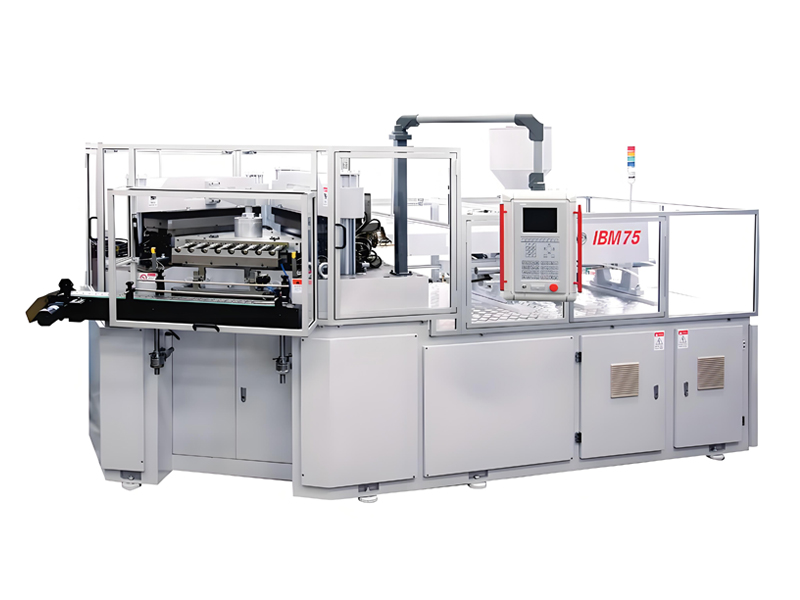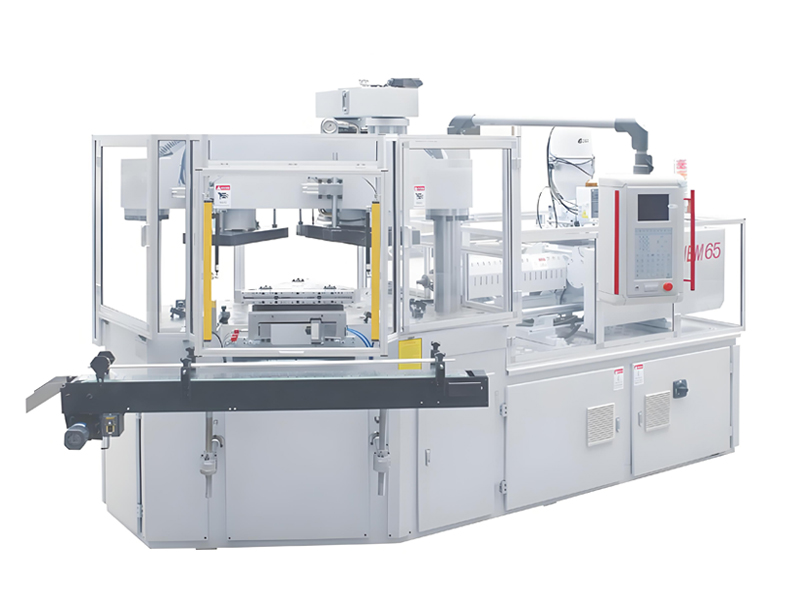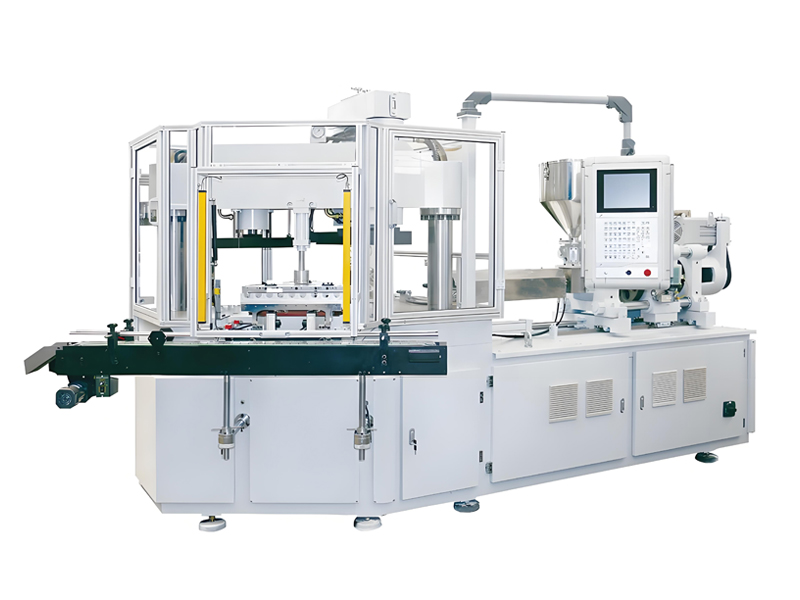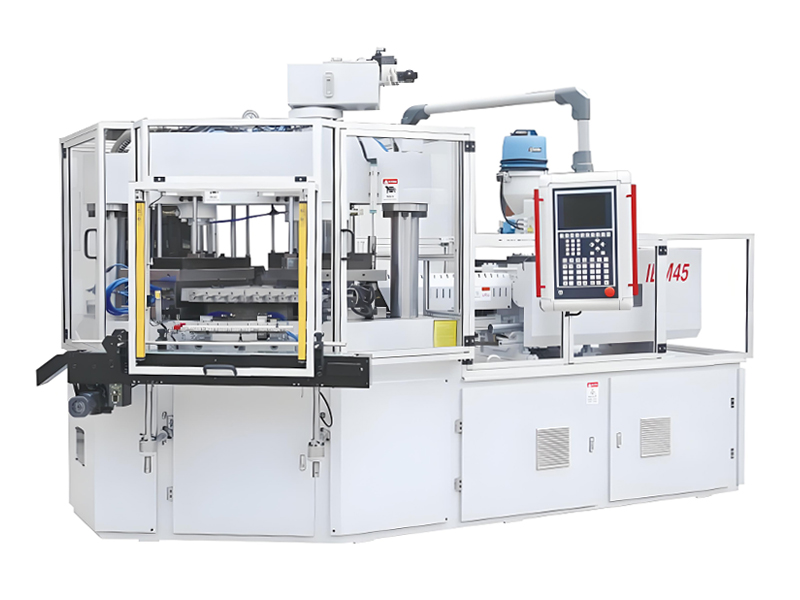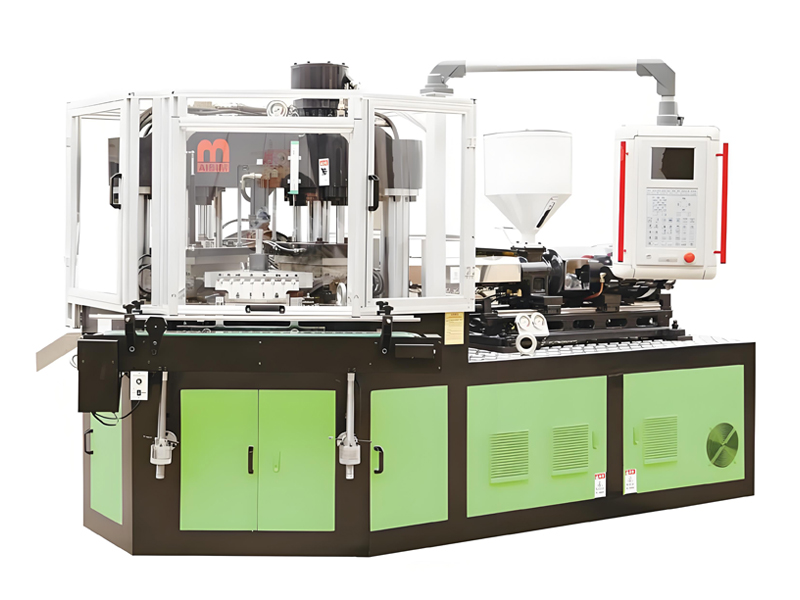
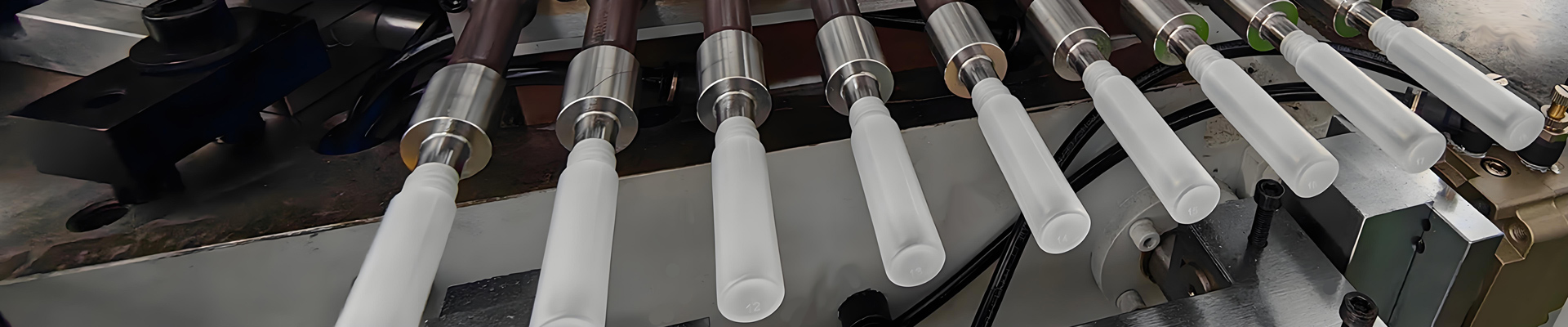
Defect prevention in injection blow molding machine production represents one of the most critical challenges facing manufacturers seeking to deliver consistent quality and control production costs. Common defects including flash formation, wall thickness variation, short shots, and surface imperfections can significantly impact production efficiency and product quality. Understanding the root causes of these defects and implementing systematic prevention strategies enables manufacturers to achieve excellent first pass quality while minimizing waste and rework expenses.
Verständnis häufiger Fehler beim Spritzblasformen
Gratbildung und Probleme an der Trennebene
Flash formation occurs when molten material escapes past the mold parting line or seal surfaces during injection or blow stages. This defect manifests as thin protrusions of material along container edges that require trimming and increase material waste. Flash results from inadequate clamping force, worn or damaged mold seal surfaces, or injection pressure that exceeds mold containment capacity.
Parting line alignment issues produce similar visual defects and may affect dimensional accuracy of the finished container. Misalignment between cavity halves causes steppage at the split line that can interfere with closure application or affect sealing surface integrity. Precise mold alignment during assembly and regular maintenance of alignment mechanisms prevent parting line defects.
Wanddickenabweichung
Wall thickness variation represents one of the most significant quality concerns in injection blow molding production. Uneven material distribution affects structural integrity, barrier properties, and appearance quality of containers. Variation typically results from improper core rod alignment, uneven cooling, or incorrect blow timing and pressure parameters.
Excessive wall thickness variation can cause weak points in containers that fail during filling, shipping, or end use. In pharmaceutical applications, wall thickness variation may affect barrier properties that protect product stability. Measurement of wall thickness at multiple points around container circumference and length identifies variation patterns that help diagnose root causes.
Kurze Schüsse und unvollständige Formgebung
Short shots occur when material fails to completely fill the mold cavity, resulting in incomplete containers or missing sections. This defect wastes material and production time while producing parts that must be discarded. Causes include insufficient injection pressure, material viscosity too high for the injection conditions, or restricted flow paths in the mold.
Incomplete formation during the blow stage produces containers that do not fully replicate cavity geometry. This defect may appear as incomplete detail formation, visible seams, or poor surface replication. Blow stage issues typically result from insufficient blow pressure, premature material cooling, or improper timing between injection and blow phases.
Oberflächenfehler und Erscheinungsprobleme
Surface defects include a range of appearance issues that affect container quality perception and may indicate underlying structural concerns. Sink marks appear as depressions in container surfaces, typically near thick sections or ribs, caused by internal material contraction during cooling. Flow lines appear as streaks or patterns on container surfaces resulting from material flow patterns during injection.
Weld lines occur where material flow fronts meet after flowing around obstacles such as core pins. These lines create stress concentrations and affect appearance quality, particularly in transparent materials where they are highly visible. Causes include low melt temperature, low injection speed, or mold design that creates flow obstacles.
Ursachenanalyse und Präventionsstrategien
Vermeidung materialbedingter Fehler
Material selection and preparation significantly influence defect occurrence in injection blow molding production. Material moisture content must be controlled within specification to prevent hydrolysis degradation and moisture related defects. Hygroscopic materials including polyethylene terephthalate and nylon require drying at elevated temperatures for specified times before processing.
Material contamination from previous production runs or improper storage introduces defects including black specs, color variation, and property degradation. Implement material handling procedures that prevent contamination including dedicated material handling equipment, sealed storage containers, and material verification before production use. Material lot tracking enables identification of quality issues to specific material lots.
Optimierung der Materialviskosität
Material viscosity affects how material fills the mold cavity and influences final part quality. Viscosity varies with temperature, shear rate, and material moisture content. High viscosity causes incomplete filling and excessive pressure requirements, while low viscosity may cause flash and poor surface replication. Optimize processing conditions to achieve appropriate viscosity for the specific application.
Spritz speed affects shear rate in the material, influencing viscosity during the filling phase. Higher speeds increase shear thinning in most polymers, reducing effective viscosity and improving fill characteristics. However, excessive speed can cause other issues including air entrapment and surface defects. Balance injection speed against other parameters to achieve optimal filling conditions.
Temperaturregelung zur Fehlervermeidung
Mold temperature significantly affects part quality and defect occurrence. Insufficient mold temperature increases material viscosity and can cause incomplete filling, particularly in thin wall sections. Excessive mold temperature can cause flashing, poor ejection, and extended cycle times. Maintain mold temperature within specifications established during process development.
Temperature uniformity throughout the mold prevents differential cooling that causes warpage, dimensional variation, and internal stress. Uneven cooling results from cooling channel blockage, inadequate flow, or insufficient channel sizing. Regular maintenance of cooling systems ensures consistent temperature distribution throughout production runs.
Formdesign und -wartung für Qualität
Überlegungen zur Werkzeugkonstruktion
Mold design fundamentally influences defect susceptibility and quality achievable in production. Proper gate design ensures complete cavity filling without hesitation or air entrapment. Gate location affects material flow patterns and can influence weld line positions and wall thickness distribution. Gate sizing must balance fill requirements against aesthetic considerations and ejection ease.
Draft angle design facilitates part release from the mold without damage. Insufficient draft causes ejection difficulties that can scratch or deform container surfaces. Standard draft angle requirements range from one half degree to two degrees per side depending on material selection and surface texture requirements. Deep draw sections require proportionally larger draft angles.
Regelmäßige Wartungsprotokolle
Preventive maintenance prevents quality issues caused by mold wear and deterioration. Establish maintenance schedules based on production volume rather than calendar time. High volume production may require weekly or even daily maintenance attention, while lower volume production can extend intervals appropriately. Document all maintenance activities and their results.
Critical maintenance items include cleaning of parting line surfaces, verification of alignment pin and bushing conditions, inspection of seal surfaces for wear, and verification of cooling channel integrity. Wear in these areas directly affects quality parameters and should be addressed before defects become significant problems. Replacement parts should meet original specifications to maintain quality consistency.
Überwachung und Korrektur des Formverschleißes
Monitor mold wear through regular dimensional verification of critical cavity dimensions. Track dimensional trends over time to identify wear progression before dimensions exceed tolerance limits. Statistical process control techniques applied to dimensional data enable early identification of drift that may indicate developing problems.
When wear is identified, evaluate repair options based on extent and cost. Minor wear may be addressable through polishing or minor machining, while significant wear may require complete component replacement. Planned repair activities should be scheduled during planned downtime to minimize production disruption.
Optimierung der Prozessparameter
Einstellung und Steuerung der Einspritzparameter
Spritz parameters require careful optimization to achieve defect free production. Spritz pressure must be sufficient to fill the cavity completely without causing flash or excessive stress. Initial settings should follow material supplier recommendations, then refined based on observed quality results. Incremental adjustments of 5 to 10 percent are appropriate when optimizing pressure settings.
Spritz speed affects material flow patterns, pressure requirements, and surface quality. Multiple speed stages may be beneficial for complex parts, allowing slower injection through critical sections and faster injection through less sensitive areas. Pressure and speed profiles should be coordinated to achieve smooth transitions between stages.
Blasstufenoptimierung
Blow stage parameters control material distribution and container formation during the blow phase. Blow pressure must be sufficient to fully expand the preform against cavity walls without causing material thinning or rupture. Higher pressures are typically required for containers with complex geometries or thick walls.
Blow timing controls when blow pressure activates relative to material cooling. Premature blow activation causes material sag and neck deformation, while delayed activation allows excessive cooling that requires higher pressures for adequate formation. Optimize timing through observation of part quality with incremental adjustments of 0.1 seconds.
Verwaltung der Kühlparameter
Cooling time typically represents the largest portion of cycle time in injection blow molding. Insufficient cooling causes dimensional instability, warpage, and potential quality issues after containers leave the production line. Excessive cooling wastes production time without quality benefit. Optimize cooling time based on actual dimensional stability rather than arbitrary settings.
Cooling system maintenance ensures consistent performance throughout production runs. Monitor coolant flow rates and temperatures to verify system function. Blocked cooling channels reduce cooling efficiency and cause temperature variation that affects quality. Regular cleaning and flow verification maintains cooling system performance.
Qualitätskontrollsysteme und Inspektion
Qualitätsüberwachung im Prozess
In process monitoring detects quality variation before defects become widespread. Key parameters to monitor include injection pressures and temperatures, blow pressures and timing, and cycle times. Statistical process control charts track these parameters and identify when variation exceeds acceptable limits, enabling rapid response before quality problems affect production.
Modern injection blow molding machines incorporate data collection capabilities that support comprehensive process monitoring. Real time data collection enables immediate detection of parameter deviations and supports root cause analysis when quality issues occur. Investment in monitoring capability provides significant return through defect prevention and improved process understanding.
Implementierung der statistischen Prozesskontrolle
Statistical process control provides systematic methodology for quality monitoring and improvement. Control charts track key quality characteristics over time, distinguishing between common cause variation inherent in the process and special cause variation indicating problems requiring attention. Implementation requires identification of critical characteristics, establishment of measurement systems, and development of control chart protocols.
Process capability analysis quantifies the relationship between specification limits and actual process variation. Capability indices including Cpk provide objective measures of process performance that support quality improvement efforts and customer communication. Target capability indices of 1.33 or higher indicate processes capable of meeting specification requirements consistently.
Maßprüfung und Tests
Dimensional inspection verifies that containers meet specification requirements. Critical dimensions vary by application but typically include neck finish dimensions, overall height, body diameter, and wall thickness. Measurement methods range from manual gauges for simple dimensions to coordinate measuring machines for comprehensive verification.
Funktional testing verifies that containers perform correctly with closure systems and meet application requirements. Closure torque testing, leak testing, and other functional tests provide quality assurance beyond dimensional verification. Testing frequency should be risk based, with higher frequency for critical characteristics and lower frequency for stable parameters.
Bedienerschulung und bewährte Verfahren
Kompetenzanforderungen und Schulungsprogramme
Operator competency significantly affects defect rates and production efficiency. Comprehensive training programs should cover machine operation, adjustment procedures, quality requirements, and troubleshooting techniques. Training should combine classroom instruction with hands on practice under experienced supervision.
Certification requirements verify that operators have achieved required competency levels before assuming production responsibilities. Regular refresher training maintains skill levels and introduces new procedures or techniques as equipment and processes evolve. Documentation of training activities supports quality system requirements and regulatory compliance.
Entwicklung von Standardarbeitsanweisungen
Standard operating procedures document approved methods for all production activities. Well developed procedures ensure consistent execution regardless of operator, reducing variation and defect occurrence. Procedures should be specific, clear, and supported by visual aids where helpful. Regular review ensures procedures remain current with equipment and process changes.
Procedure development should involve experienced operators who understand practical considerations and potential issues. Testing new procedures during development identifies gaps or unclear instructions before formal release. Change control processes ensure that procedure updates are implemented consistently across all production shifts.
Entwicklung von Fehlerbehebungskompetenzen
Effective troubleshooting requires understanding of cause and effect relationships between process parameters and quality outcomes. Training should develop systematic troubleshooting approaches that methodically identify root causes rather than implementing quick fixes that may mask underlying problems. Documentation of troubleshooting activities supports continuous improvement.
Common troubleshooting frameworks include fault tree analysis for complex problems and five why analysis for simpler issues. These systematic approaches develop problem solving skills that improve over time with practice. Encourage knowledge sharing among operators to spread effective troubleshooting techniques across the organization.
Kalibrierung und Wartung der Anlagen
Kalibrierung des Messsystems
Accurate measurement is essential for quality verification and process control. Measurement systems must be calibrated against traceable standards at defined intervals to ensure accuracy. Calibration records document measurement system performance and support quality system requirements. Include all measurement and test equipment in calibration programs.
Calibration frequency depends on equipment type and usage patterns. More frequent calibration may be appropriate for critical measurement systems or equipment subject to heavy use. Calibration procedures should specify methods, acceptance criteria, and documentation requirements. Out of tolerance conditions require investigation and corrective action.
Maschinenkalibrierung und -verifizierung
Spritz blow molding machines require periodic calibration of temperature controllers, pressure transducers, and motion control systems. Temperature calibration should verify accuracy at multiple set points throughout the operating range. Pressure calibration ensures accurate measurement and control of injection and blow pressures.
Motion calibration verifies positioning accuracy and repeatability of injection unit and mold movements. Improperly calibrated motion systems cause dimensional variation and affect process consistency. Include machine calibration verification in preventive maintenance schedules and after any significant machine repair or adjustment.
Planung der vorbeugenden Wartung
Preventive maintenance prevents equipment failures that cause defects and production interruptions. Develop maintenance schedules based on manufacturer recommendations, equipment age, and operating experience. Critical maintenance items should be prioritized to ensure attention is not deferred due to production pressure.
Wartungsaufzeichnungen dokumentieren den Gerätezustand und unterstützen die Analyse der Wartungseffektivität. Verfolgen Sie Wartungskosten und Geräteleistung, um Wartungsprogramme im Laufe der Zeit zu optimieren. Die kontinuierliche Verbesserung der Wartungspraktiken reduziert Stillstandszeiten und verbessert die Qualitätskonsistenz.
Spezifische Strategien zur Fehlervermeidung
Maßnahmen zur Gratvermeidung
Flash prevention requires addressing all potential causes including clamping force, mold condition, and injection pressure. Verify clamping force is adequate for the specific material and part geometry. Higher pressures and certain materials require proportionally higher clamping forces to prevent flash.
Inspect mold seal surfaces regularly for wear that reduces sealing effectiveness. Seal surface wear typically manifests as progressive flash that worsens over time. Prompt repair or replacement of worn seal surfaces prevents escalating flash problems. Document flash occurrence patterns to identify when mold maintenance is needed.
Techniken zur Verzugvermeidung
Warpage results from uneven cooling or internal stress that causes containers to distort after ejection. Prevention strategies include uniform cooling, appropriate material selection, and optimized processing conditions. Uniform cooling requires adequate and properly balanced cooling channel design and function.
Material selection influences warpage susceptibility, with some materials more prone to warpage than others. Process optimization can reduce warpage in susceptible materials by minimizing internal stress through appropriate cooling and ejection conditions. Container design can address warpage susceptibility through geometry optimization.
Vermeidung von Blasen und Lufteinschlüssen
Bubbles and voids indicate air entrapment or material density issues that affect container quality and may compromise structural integrity. Prevention focuses on proper material preparation, optimized injection parameters, and appropriate venting. Material moisture control prevents steam formation that creates internal bubbles.
Spritz speed and pressure optimization reduces air entrapment during cavity filling. Proper mold venting enables escape of air and gases ahead of material flow. Vent channel design and maintenance ensure effective venting throughout production. Observe bubble formation patterns to identify specific causes.
Vermeidung von Oberflächendefekten
Surface defects including sink marks, flow lines, and weld lines require integrated prevention approaches addressing material, design, and process factors. Material selection influences susceptibility to specific surface defects. Processing optimization addresses parameters that affect surface quality.
Sink marks near thick sections can be addressed through material selection, part design modification, or process adjustment. Flow lines can be reduced through increased injection speed or modified gate location. Weld lines require attention to melt temperature and flow patterns to ensure proper material fusion where flow fronts meet.
Kostenanalyse der Fehlervermeidung
Berechnung der Kosten schlechter Qualität
Cost of poor quality includes all expenses resulting from defects including scrap, rework, inspection, and customer impact costs. Direct scrap costs include material, machine time, and labor consumed in producing rejected parts. Scrap costs typically range from 2 to 10 percent of production cost for well controlled processes but can exceed 30 percent for poorly controlled operations.
Rework costs apply when defective parts can be salvaged through additional processing. Rework often costs more than original production due to special handling and reduced efficiency. Customer impact costs including rejection, returns, and reputation damage can far exceed direct production costs. These hidden costs emphasize the importance of defect prevention investment.
Renditen der Präventionsinvestition
Prevention investment yields returns through reduced defect costs, improved efficiency, and enhanced customer satisfaction. Qualität system investment typically ranges from 2 to 5 percent of production cost but often reduces total quality costs by significantly more than the investment amount. The relationship follows the classic quality cost curve where prevention investment reduces failure costs more than proportionally.
Calculate specific return on investment for prevention activities based on current defect costs and expected improvements. Consider both direct cost reduction and intangible benefits including improved customer relationships and reduced compliance risk. Prioritize prevention investments that offer highest return relative to investment required.
Abwägung zwischen Vermeidung und Erkennung
Effective quality management balances prevention activities that stop defects from occurring with detection activities that identify defects when they do occur. Over emphasis on detection without prevention wastes inspection resources on managing defects rather than eliminating them. Over emphasis on prevention without adequate detection risks releasing defects to customers.
Risk based approaches allocate resources according to the criticality of different quality characteristics and the effectiveness of different prevention and detection strategies. Critical characteristics receive more intensive prevention attention and higher inspection frequency. Less critical characteristics may rely more on process control with periodic verification.
Programme zur kontinuierlichen Verbesserung
Datengesteuerte Verbesserungsprozesse
Continuous improvement requires systematic collection and analysis of quality data to identify improvement opportunities. Key performance indicators track quality performance over time, revealing trends and improvement progress. Establish baseline measurements before improvement initiatives to enable objective evaluation of results.
Root cause analysis of quality issues identifies underlying causes that can be addressed through improvement activities. Use structured problem solving methods to ensure thorough analysis and effective corrective action. Follow up verification confirms that corrective actions achieve intended results and do not create new problems.
Methoden zur Prozessoptimierung
Design of experiments enables systematic optimization of process parameters to achieve defect free production efficiently. Screening experiments identify which parameters most significantly affect quality outcomes. Response surface methodology refines parameter settings to achieve optimal quality and efficiency.
Process window optimization identifies the ranges of parameters within which acceptable quality is achieved consistently. Operating within these windows reduces defect occurrence and improves process robustness. Document process windows in standard operating procedures to ensure consistent operation.
Austausch bewährter Verfahren und Standardisierung
Das Teilen bewährter Verfahren verteilt wirksame Techniken in der gesamten Organisation. Dokumentieren Sie erfolgreiche Ansätze und kommunizieren Sie sie durch Schulungen und Verfahrensaktualisierungen. Ermutigen Sie Bediener, Verbesserungsideen beizutragen, und würdigen Sie wirksame Beiträge.
Standardization applies proven best practices consistently across production lines and shifts. Standardized approaches reduce variation and enable more effective troubleshooting when problems occur. Balance standardization against flexibility needed to address specific product or situation requirements.
Fortschrittliche Technologien zur Fehlervermeidung
Inline-Inspektionssysteme
Advanced inspection systems inspect containers during production without slowing cycle times. Vision systems detect surface defects, dimensional variations, and visual quality issues automatically. Ultrasonic systems verify wall thickness without contact. These systems enable 100 percent inspection of critical characteristics that would be impractical with manual inspection.
Integration of inspection systems with production controls enables automatic rejection of defective parts and feedback to process controls. Closed loop systems can adjust process parameters automatically in response to detected variation. Investment in inline inspection systems ranges from 30000 to 150000 dollars depending on complexity and capabilities.
Prädiktive Qualitätssysteme
Predictive quality systems use statistical and machine learning methods to predict quality outcomes before defects occur. Analysis of process parameter patterns identifies conditions that typically precede quality problems. This early warning enables preventive adjustment before defective parts are produced.
Implementation requires substantial data collection infrastructure and analytical capability. Investment in predictive systems ranges from 50000 to 200000 dollars for software, sensors, and integration. Return on investment comes from reduced scrap, improved uptime, and reduced inspection costs. Benefits increase with production volume and defect rate.
Industrie-4.0-Integration
Industry 4.0 technologies including Internet of Things connectivity, cloud computing, and advanced analytics enable new approaches to defect prevention. Connected equipment provides comprehensive data visibility across production operations. Cloud based analytics enable sophisticated analysis that would not be practical with local computing resources.
Digital thread concepts connect design, production, and quality data throughout product lifecycle. This integration enables traceability and supports root cause analysis when quality issues occur. Investment in Industry 4.0 capabilities ranges from moderate to substantial depending on scope and implementation approach.
AiBiM Unterstützung zur Fehlervermeidung
Maschinenkonstruktionsmerkmale für Qualität
AiBiM injection blow molding machines incorporate design features that support defect prevention. Precision temperature control systems maintain processing conditions within tight tolerances that prevent temperature related defects. Stable clamping systems ensure consistent mold closure that prevents flash and alignment defects.
Fortschrittliche Steuerungssysteme bieten umfassende Überwachungs- und Datenerfassungsfähigkeiten, die das Qualitätsmanagement unterstützen. Integrierte Inspektionssystem-Schnittstellen ermöglichen die Verbindung mit externer Inspektionsausrüstung. Diese Funktionen bilden die Grundlage für wirksame Fehlervermeidungsprogramme.
Prozessentwicklungs- und Optimierungsdienstleistungen
Anwendungsingenieure von AiBiM unterstützen Prozessentwicklung und -optimierung für Kundenanwendungen. Prozessentwicklungsdienste etablieren validierte Parameter, die eine fehlerfreie Produktion erreichen. Optimierungsdienste verbessern bestehende Prozesse, um Fehler zu reduzieren und die Effizienz zu steigern.
Training programs develop operator competency in defect prevention and troubleshooting. AiBiM training combines classroom instruction with hands on practice using customer equipment and representative products. Ongoing technical support assists with troubleshooting and continuous improvement activities.
Dokumentations- und Qualitätssystem-Support
AiBiM stellt Dokumentationen zur Verfügung, die Qualitätssystemanforderungen unterstützen, einschließlich Validierungsprotokollen, Kalibrierverfahren und Wartungsplänen. Diese Dokumentationsgrundlage beschleunigt die Implementierung von Qualitätspraktiken und Aktivitäten zur Einhaltung gesetzlicher Vorschriften.
Qualität system consulting services assist customers with development and improvement of quality management systems. Our quality professionals have experience across diverse industries and applications. This expertise supports effective quality system implementation regardless of current capability level.
Fazit
Defect prevention in injection blow molding production requires systematic attention to material, machine, mold, process, and human factors that influence quality outcomes. Understanding root causes of common defects enables implementation of targeted prevention strategies that eliminate defects at their source rather than managing them through inspection and sorting.
Investment in prevention activities yields substantial returns through reduced scrap, improved efficiency, and enhanced customer satisfaction. Qualität system implementation provides the framework for systematic defect prevention and continuous improvement. Commitment to quality excellence throughout the organization creates culture that sustains quality performance over time.
AiBiM supports customer quality objectives through machine design, process development, training, and ongoing technical assistance. Our experience across diverse injection blow molding applications enables us to provide effective guidance on defect prevention strategies for specific requirements. Contact our application engineering team to discuss quality improvement opportunities for your production operations.
Fortschrittliche Techniken zur Fehleranalyse
Methoden zur Ursachenanalyse
Systematic root cause analysis prevents recurring defects by identifying underlying causes rather than addressing symptoms. The five why technique explores causal chains by repeatedly asking why until fundamental causes are identified. This simple yet powerful method often reveals root causes that are not immediately apparent from initial observations.
Fault tree analysis provides structured methodology for complex defect investigation. This technique identifies all possible causes of a defect and determines how combinations of causes might produce the observed failure. Fault trees reveal interaction effects between multiple factors that simple investigation might miss.
Fishbone diagrams organize potential causes into categories including machine, material, method, measurement, and environment. This categorization ensures comprehensive consideration of all potential cause sources. Team based fishbone analysis incorporates diverse perspectives and expertise into defect investigation.
Prädiktive Qualitätssysteme
Prädiktive Qualitätssysteme verwenden statistische und maschinelle Lernmethoden, um Fehler vorherzusehen, bevor sie auftreten. Die Analyse historischer Daten identifiziert Muster, die Qualitätsproblemen vorausgehen. Diese Muster ermöglichen vorbeugende Maßnahmen, die Fehler stoppen, bevor sie die Produktion beeinträchtigen.
Machine learning models trained on production data predict quality outcomes based on current process conditions. Models continuously refine as new data becomes available, improving prediction accuracy over time. Integration with process controls enables automatic parameter adjustment when predicted quality falls below acceptable thresholds.
Implementation of predictive quality requires substantial data collection infrastructure and analytical capability. Investment ranges from 50000 to 200000 dollars depending on system complexity and integration requirements. Return on investment comes from reduced scrap, improved uptime, and enhanced customer satisfaction.
Fehlerarten- und Auswirkungsanalyse (FMEA)
Die Fehlermöglichkeits- und -einflussanalyse identifiziert proaktiv potenzielle Fehler und ihre Ursachen, bevor sie auftreten. FMEA weist Risikoprioritätszahlen auf der Grundlage von Schweregrad, Auftretenswahrscheinlichkeit und Entdeckungsschwierigkeit zu. Dieser risikobasierte Ansatz priorisiert Präventionsmaßnahmen für Probleme mit höchstem Risiko.
FMEA-Teams umfassen Personal mit vielfältiger Expertise, um eine umfassende Identifizierung potenzieller Fehlermodi sicherzustellen. Funktionsübergreifende Teams integrieren Design-, Fertigungs-, Qualitäts- und Kundenperspektiven. Regelmäßige FMEA-Updates integrieren Erkenntnisse aus der Produktionserfahrung.
Die Design-FMEA befasst sich mit Schwachstellen im Produkt- und Prozessdesign, die Fehler verursachen könnten. Die Prozess-FMEA bewertet Risiken des Fertigungsprozesses. Die kombinierte Design- und Prozess-FMEA bietet eine umfassende Risikobewertung, die die Fehlervermeidung über den gesamten Produktlebenszyklus unterstützt.
Lösungen für materialbezogene Fehler
Feuchtigkeitskontrollsysteme
Die Feuchtigkeitskontrolle des Materials verhindert Fehler, die durch Feuchtigkeit in hygroskopischen Polymeren verursacht werden. Trockenmitteltrocknungssysteme entfernen Feuchtigkeit vor der Verarbeitung auf das erforderliche Niveau. Die Trocknerkapazität muss der Materialverbrauchsrate entsprechen, um konstante Materialbedingungen aufrechtzuerhalten.
Drying parameter optimization ensures effective moisture removal without material degradation. Temperature, time, and airflow requirements depend on material properties and moisture levels. Over drying can cause chain scission that affects material properties. Careful parameter control achieves appropriate moisture levels.
Material moisture verification confirms that drying processes achieve required moisture content. Karl Fischer titration provides accurate moisture measurement. Inline moisture sensors enable continuous monitoring during production. Verification ensures that moisture control systems function effectively.
Best Practices für den Materialumgang
Materialhandhabungsverfahren verhindern Kontamination und Vermischung, die Fehler verursachen. Dedizierte Materialhandhabungssysteme für jedes Material verhindern Kreuzkontamination. Die Lagerung von Material in versiegelten Behältern verhindert Kontamination und Feuchtigkeitsaufnahme.
Die Chargenrückverfolgung des Materials ermöglicht die Rückverfolgbarkeit vom Rohstoff bis zum Fertigprodukt. Die Chargenidentifikation unterstützt Untersuchungen, wenn Qualitätsprobleme auftreten. Die FIFO-Bestandsrotation stellt sicher, dass Materialien vor Ablauf der Haltbarkeit verwendet werden.
Materialtransportausrüstung einschließlich Förderern und Mischern erfordert regelmäßige Reinigung und Wartung. Restmaterial in Transportausrüstung kann nachfolgende Materialien verunreinigen. Die Reinigungsvalidierung stellt sicher, dass Materialhandhabungsausrüstung keine Fehler einbringt.
Materialspezifikation und -qualifizierung
Materialspezifikationen definieren Anforderungen, die Materialien erfüllen müssen, um eine akzeptable Qualität zu gewährleisten. Spezifikationen umfassen Eigenschaftsanforderungen, Verunreinigungsgrenzen und Testprotokolle. Ordnungsgemäße Spezifikationen stellen sicher, dass gekaufte Materialien die Qualitätsziele unterstützen.
Materialqualifizierungsprozesse verifizieren, dass Materialien die Spezifikationen erfüllen und in der Produktion angemessen funktionieren. Qualifizierungstests sollten Verarbeitungsversuche umfassen, die die Produktionskompatibilität verifizieren. Qualifizierte Materiallisten liefern genehmigte Quellen für die Produktionsnutzung.
Lieferantenqualitätsvereinbarungen formalisieren die Erwartungen an Materialqualität und -leistung. Die Vereinbarungen sollten Spezifikationsanforderungen, Testprotokolle und Verfahren für Korrekturmaßnahmen definieren. Starke Lieferantenbeziehungen unterstützen Qualitätsverbesserungsinitiativen.
Strategien zur Prozessoptimierung
Versuchsplanung (DoE)
Die statistische Versuchsplanung ermöglicht die systematische Optimierung mehrerer Prozessparameter gleichzeitig. Faktorielle Versuchspläne identifizieren Haupteffekte und Wechselwirkungen zwischen Parametern. Dieser Ansatz ist effizienter als die Optimierung eines Faktors nach dem anderen.
Screening-Versuchspläne identifizieren, welche Parameter die Qualitätsergebnisse am stärksten beeinflussen. Diese vorläufigen Studien leiten detailliertere Optimierungsbemühungen. Die Response-Surface-Methodik verfeinert Parametereinstellungen innerhalb optimaler Bereiche, die durch das Screening identifiziert wurden.
DOE requires careful planning including definition of objectives, selection of factors and levels, and specification of response variables. Statistical analysis of results identifies optimal settings and quantifies effects. Documentation of DOE activities supports regulatory compliance and knowledge management.
Entwicklung des Prozessfensters
Prozessfenster definieren die Parameterbereiche, innerhalb derer Qualitätsanforderungen erfüllt werden. Das Verständnis von Prozessfenstern ermöglicht eine robuste Produktion, die normale Schwankungen toleriert, ohne Fehler zu erzeugen. Breite Prozessfenster reduzieren die Empfindlichkeit gegenüber Schwankungen und verbessern die Produktionskonsistenz.
Prozessfensterstudien variieren Parameter systematisch, um Grenzen zu identifizieren, jenseits derer Fehler auftreten. Mehrere Qualitätsmerkmale können unterschiedliche optimale Fenster haben, was einen ausgewogenen Kompromiss erfordert. Die grafische Darstellung von Prozessfenstern unterstützt Verständnis und Kommunikation.
Arbeitspunkte innerhalb der Prozessfenster sollten einen Abstand zu den Spezifikationsgrenzen bieten. Prozessfähigkeitsindizes quantifizieren die Beziehung zwischen Prozessstreuung und Spezifikationsgrenzen. Die Ausrichtung des Betriebs auf die Prozessmitte maximiert den Abstand und verbessert die Konsistenz.
Analyse der Parameterwechselwirkungen
Prozessparameter interagieren auf Weisen, die die Qualitätsergebnisse beeinflussen. Das Verständnis dieser Wechselwirkungen ermöglicht eine effektivere Optimierung, als Parameter unabhängig zu behandeln. Wechselwirkungseffekte treten auf, wenn die Wirkung eines Parameters vom Niveau eines anderen Parameters abhängt.
Die Wechselwirkungsanalyse durch DOE zeigt, wie Parameter sich gegenseitig beeinflussen. Signifikante Wechselwirkungen erfordern während der Optimierung besondere Aufmerksamkeit, weil die optimalen Einstellungen für einen Parameter von den Niveaus anderer Parameter abhängen. Konturdiagramme visualisieren Wechselwirkungseffekte und leiten Optimierungsentscheidungen.
Prozesssteuerungsstrategien sollten Parameterwechselwirkungen berücksichtigen. Steuerungssysteme, die mehrere Parameter koordiniert anpassen, halten optimale Bedingungen effektiver aufrecht als Einzelparameterregelung. Fortschrittliche Regelalgorithmen können Wechselwirkungseffekte nutzen, um die Leistung zu verbessern.
Umwelt- und Betriebsfaktoren
Umgebungsbedingungen und ihre Auswirkungen
Umgebungstemperatur und Luftfeuchtigkeit beeinflussen die Materialverarbeitung und die Teilequalität. Hohe Umgebungstemperaturen verringern die Kühleffizienz und können Qualitätsschwankungen verursachen. Die Luftfeuchtigkeit beeinflusst den Feuchtigkeitsgehalt des Materials und die Verarbeitungsstabilität.
Die Klimatisierung in Produktionsbereichen hält gleichbleibende Umgebungsbedingungen aufrecht. Klimaanlagen und Feuchtigkeitsregelsysteme regulieren die Umgebungsbedingungen. Überwachungssysteme verifizieren, dass die Bedingungen innerhalb der festgelegten Bereiche bleiben.
Saisonale Schwankungen der Umgebungsbedingungen können während extremer Wetterperioden Qualitätsprobleme verursachen. Die Planung saisonaler Schwankungen durch Anpassung der Verarbeitungsparameter verhindert Qualitätsprobleme. Die Dokumentation saisonaler Effekte unterstützt die Fehlerbehebung, wenn Probleme auftreten.
Anlagenwartung und -leistung
Die Wartung der Ausrüstung wirkt sich direkt auf Fehlerraten und Produktionskonsistenz aus. Vorbeugende Wartung verhindert die Verschlechterung, die Fehler verursacht. Wartungspläne sollten Gerätealter, Nutzungsintensität und historische Leistung berücksichtigen.
Vorausschauende Wartungstechniken nutzen Überwachungsdaten, um Wartungsbedarf vorherzusehen, bevor Ausfälle auftreten. Vibrationsanalyse, Ölanalyse und Temperaturüberwachung identifizieren sich entwickelnde Probleme. Diese Techniken reduzieren unerwartete Stillstände und verhindern Qualitätsprobleme durch Geräteausfälle.
Wartungsaufzeichnungen dokumentieren den Gerätezustand und unterstützen die Analyse der Wartungseffektivität. Die Korrelation von Wartungsaktivitäten mit der Qualitätsleistung identifiziert optimale Wartungspraktiken. Die kontinuierliche Verbesserung der Wartungsverfahren reduziert Kosten und verbessert die Zuverlässigkeit.
Bedienerausbildung und Kompetenz
Die Kompetenz der Bediener wirkt sich über die Entscheidungsfindung während der Produktion auf die Fehlerraten aus. Qualifizierte Bediener erkennen frühe Warnzeichen sich entwickelnder Probleme und ergreifen vorbeugende Maßnahmen. Schulungen entwickeln diese Erkennungs- und Reaktionsfähigkeiten.
Schulungsprogramme sollten Fehleridentifikation, Ursachenanalyse und Verfahren für Korrekturmaßnahmen abdecken. Praktische Schulung mit Produktionsausrüstung baut praktische Fähigkeiten auf. Zertifizierungsanforderungen verifizieren die Kompetenz, bevor Bediener eigenständige Verantwortung übernehmen.
Der Wissensaustausch unter den Bedienern verteilt wirksame Praktiken in der gesamten Organisation. Cross-Training bietet Flexibilität und Ausfallreserve. Leistungsfeedback motiviert zur kontinuierlichen Weiterentwicklung der Fähigkeiten.
Branchenspezifische Fehlervermeidung
Pharmazeutische Qualitätssysteme
Pharmaceutical production requires quality systems that satisfy regulatory requirements while preventing defects. Good Manufacturing Practice regulations mandate specific quality system elements including deviation investigation, corrective action, and change control. Compliance requires investment in quality systems and documentation.
Die Prozessvalidierung zeigt, dass Produktionsprozesse konsistent qualitativ hochwertige Produkte erzeugen. Installationsqualifizierung, Betriebsqualifizierung und Leistungsqualifizierung verifizieren die Fähigkeit von Ausrüstung und Prozess. Die laufende Prozessverifizierung bestätigt die fortgesetzte validierte Leistung.
Regulatorische Inspektionen bewerten die Einhaltung der GMP-Anforderungen. Inspektionsbefunde können zu Warnschreiben, Produktrückrufen oder der Schließung des Betriebs führen. Investitionen in robuste Qualitätssysteme schützen den Marktzugang und die Patientensicherheit.
Lebensmittelsicherheitsanforderungen
Die Lebensmittelverpackungsproduktion erfordert Qualitätssysteme, die Kontamination verhindern und die Produktsicherheit gewährleisten. HACCP-Programme (Gefahrenanalyse und kritische Kontrollpunkte) identifizieren Risiken und legen Kontrollmaßnahmen fest. HACCP-Pläne adressieren biologische, chemische und physikalische Gefahren.
Allergenkontrolle verhindert Kreuzkontamination mit Lebensmittelallergenen. Materialhandhabungsverfahren verhindern die Übertragung von Allergenen zwischen Produkten. Die Reinigungsvalidierung bestätigt die Entfernung von Allergenen aus Produktionsanlagen.
Rückverfolgbarkeitssysteme ermöglichen eine schnelle Reaktion, wenn Qualitätsprobleme festgestellt werden. Die Rückverfolgbarkeit vom Rohmaterial bis zum fertigen Produkt ermöglicht gezielte Rückrufe, die die Verbrauchergefährdung minimieren. In vielen Rechtsordnungen schreiben gesetzliche Anforderungen Rückverfolgbarkeitsfähigkeiten vor.
Kosmetische Qualitätsaspekte
Qualitätssysteme für Kosmetikverpackungen konzentrieren sich neben funktionalen Anforderungen auf Erscheinungsbild und Verbrauchererlebnis. Visuelle Qualitätsstandards müssen klar definiert und konsistent angewendet werden. Erscheinungsfehler, die bei Industrieprodukten akzeptabel sein mögen, sind bei kosmetischen Anwendungen inakzeptabel.
Die Verfolgung von Verbraucherbeschwerden identifiziert Fehler, die der Produktionsqualitätskontrolle entgehen. Die Analyse von Beschwerdemustern deckt systemische Probleme auf, die Aufmerksamkeit erfordern. Die schnelle Reaktion auf Beschwerden verhindert Reputationsschäden und unterstützt die kontinuierliche Verbesserung.
Stabilitätstests verifizieren, dass die Verpackung während der gesamten Haltbarkeitsdauer des Produkts die Qualität erhält. Testprotokolle sollten erwartete Lagerbedingungen einschließlich Temperatur, Feuchtigkeit und Lichteinwirkung simulieren. Stabilitätsdaten unterstützen behördliche Einreichungen und das Verbrauchervertrauen.
Kosten-Nutzen-Analyse von Präventionsprogrammen
Klassifizierung der Qualitätskosten
Qualität costs fall into four categories: prevention, appraisal, internal failure, and external failure. Prevention costs include quality planning, training, and preventive maintenance. Appraisal costs include inspection and testing activities. Internal failure costs include scrap and rework. External failure costs include warranty claims and reputation damage.
Prevention costs typically represent 5 to 10 percent of quality costs in well controlled operations. External failure costs may exceed 50 percent of total quality costs when quality systems fail. Investment in prevention reduces failure costs more than proportionally, improving overall quality cost performance.
Qualität cost analysis identifies opportunities for improvement by comparing costs across categories. High failure costs indicate need for improved prevention. Low prevention costs may indicate under investment in quality improvement. Balanced allocation across categories optimizes quality cost performance.
Berechnungen der Kapitalrendite (ROI)
Return on investment for quality improvement projects considers both cost reduction and benefit generation. Cost reductions come from reduced scrap, rework, and warranty claims. Benefits include improved customer satisfaction and reduced compliance risk. Quantifying these factors enables objective project prioritization.
Berechnen Sie die Amortisationszeit, indem Sie die Investition durch die jährlichen Einsparungen teilen. Projekte mit Amortisationszeiten von weniger als einem Jahr rechtfertigen in der Regel eine sofortige Umsetzung. Längere Amortisationszeiten erfordern eine Bewertung anhand strategischer Prioritäten und verfügbaren Kapitals.
Risikofaktoren einschließlich Implementierungsrisiko und Unsicherheit bei der Nutzenrealisierung beeinflussen ROI-Berechnungen. Konservative Schätzungen mit angemessener Risikobereinigung liefern realistische Erwartungen. Sensitivitätsanalysen zeigen, wie Änderungen zentraler Annahmen die Ergebnisse beeinflussen.
Priorisierungsrahmen
Priorisierungsrahmen helfen, begrenzte Ressourcen auf Verbesserungsmöglichkeiten zu verteilen. Risikobasierte Priorisierung lenkt die Aufmerksamkeit auf Themen mit der höchsten Wirkung. Kosten-Nutzen-Analysen bewerten die finanzielle Attraktivität von Verbesserungsmöglichkeiten.
Strategische Ausrichtung stellt sicher, dass Verbesserungsbemühungen organisatorische Prioritäten unterstützen. Projekte, die mit strategischen Zielen ausgerichtet sind, erhalten unabhängig von Finanzkennzahlen Priorität. Die Zustimmung der Stakeholder unterstützt eine erfolgreiche Umsetzung.
Portfoliomanagement balanciert kurzfristige schnelle Erfolge gegen langfristige strategische Investitionen aus. Diverse Projektportfolios adressieren unmittelbare Bedürfnisse und schaffen gleichzeitig Fähigkeiten für zukünftigen Erfolg. Die regelmäßige Portfolioüberprüfung stellt die Ausrichtung an sich ändernden Prioritäten sicher.
Fazit
Defect prevention in injection blow molding production requires systematic attention to material, machine, mold, process, and human factors that influence quality outcomes. Understanding root causes of common defects enables implementation of targeted prevention strategies that eliminate defects at their source rather than managing them through inspection and sorting.
Advanced analytical techniques including root cause analysis, FMEA, and predictive quality systems provide frameworks for systematic defect prevention. These methodologies enable organizations to move beyond reactive defect management toward proactive prevention that eliminates defects before they occur.
Investment in prevention activities yields substantial returns through reduced scrap, improved efficiency, and enhanced customer satisfaction. Qualität system implementation provides the framework for systematic defect prevention and continuous improvement. Commitment to quality excellence throughout the organization creates culture that sustains quality performance over time.
AiBiM supports customer quality objectives through machine design, process development, training, and ongoing technical assistance. Our experience across diverse injection blow molding applications enables us to provide effective guidance on defect prevention strategies for specific requirements. Contact our application engineering team to discuss quality improvement opportunities for your production operations.
Continuous improvement in defect prevention requires ongoing attention to emerging issues and evolving best practices. Stay current with industry developments through professional development, industry conferences, and peer networking. Investment in quality excellence creates sustainable competitive advantage that benefits your organization and customers alike.