Learning how to operate an injection blow molding machine opens doors to efficient plastic container production for beginners entering the manufacturing industry. This comprehensive guide walks you through every aspect of machine operation, from basic setup to advanced troubleshooting techniques. Whether you are starting a new production line or upgrading your existing equipment, understanding the fundamentals of injection blow molding technology ensures optimal performance and consistent product quality.
Spritzblastechnologie verstehen
The injection blow molding process represents a sophisticated manufacturing method that combines injection molding and blow molding into a single integrated system. This technology enables manufacturers to produce hollow plastic containers with exceptional precision and consistency. The process begins with the creation of a preform through injection molding, followed by the blowing stage that shapes the final container.
Grundprinzipien des Betriebs
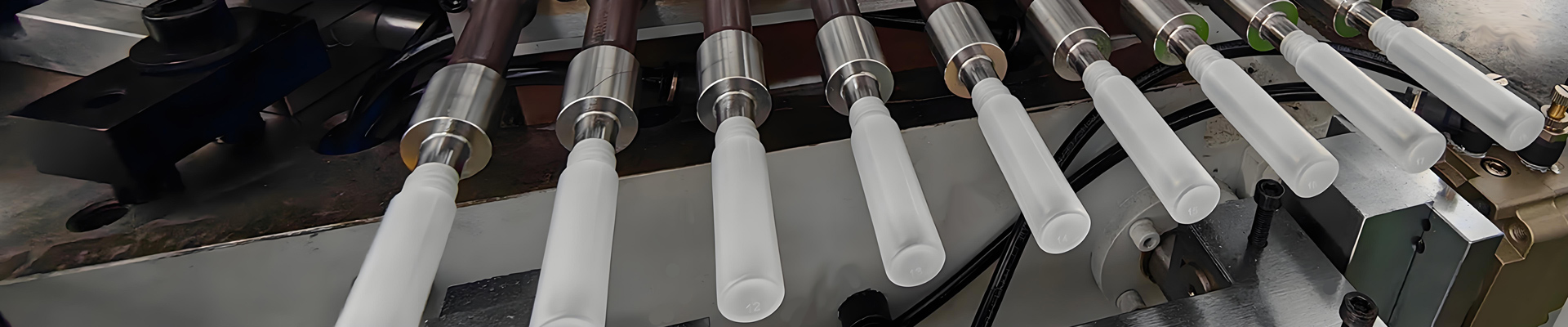
Spritz blow molding machines operate through a carefully orchestrated sequence of steps that transform raw plastic materials into finished containers. The injection blow molding machine first melts plastic pellets in a heated barrel, then injects the molten material into a preform mold to create a preliminary shape. This preform maintains the neck finish and threads of the final container while the body remains ready for expansion during the blowing phase.
The process continues as the preform transfers to a blow mold station where compressed air inflates the heated preform against the mold walls. This expansion creates the final container shape with uniform wall thickness and precise dimensions. The injection blow molding machine then cools the product before ejection, completing the cycle in a matter of seconds depending on container size and complexity.
Wichtige Komponenten und ihre Funktionen
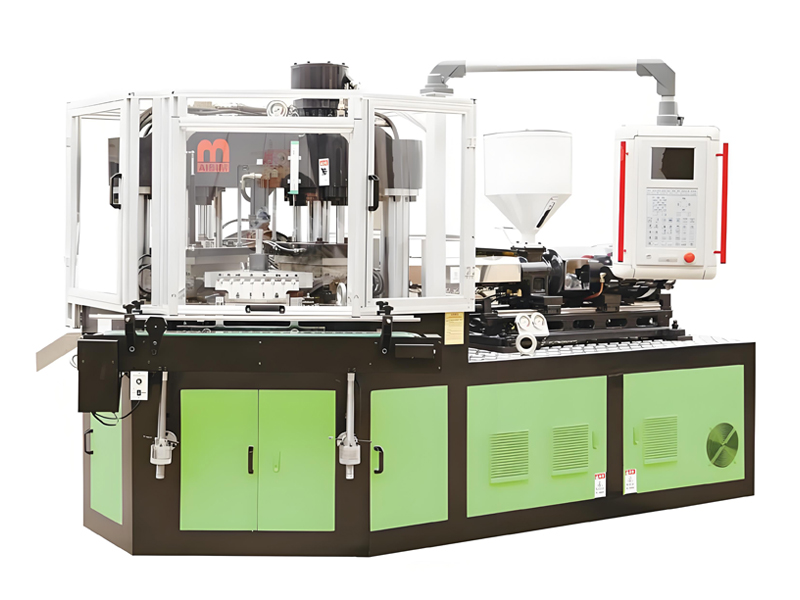
Modern injection blow molding machines consist of several critical components working in harmony. The injection unit houses the screw and barrel assembly responsible for melting and injecting plastic material. This component includes precise temperature control zones that ensure consistent material viscosity throughout the process.
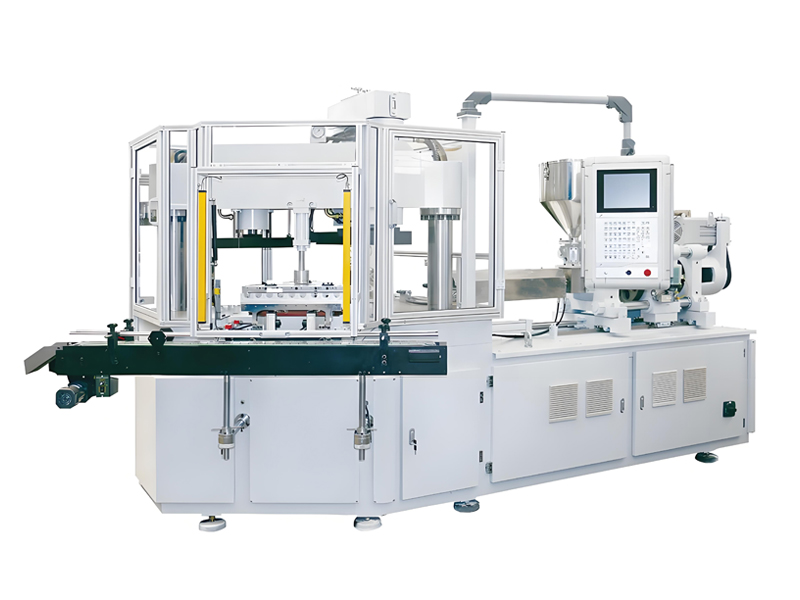
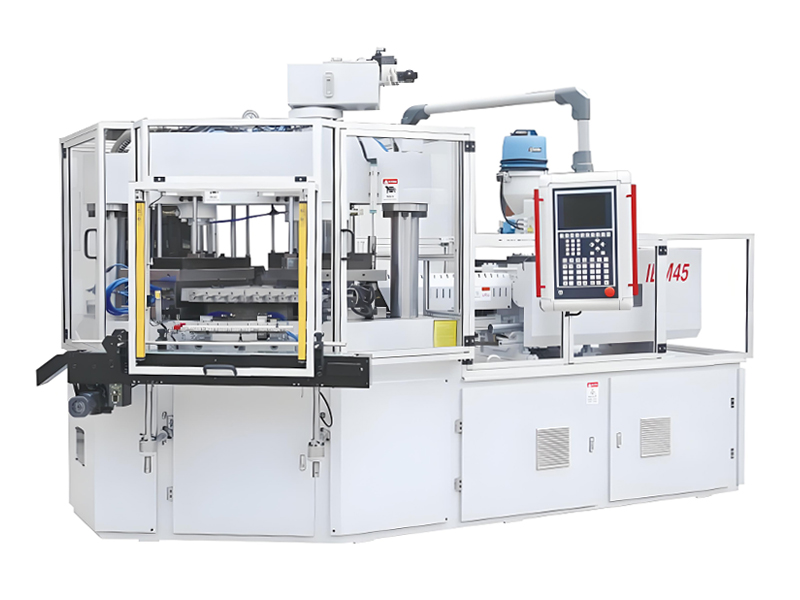
The clamp unit secures the molds during both injection and blowing phases. Advanced injection blow molding machines feature single crossbeam double column locking structures that provide exceptional stability during operation. The rotary table or shuttle system moves preforms between stations efficiently, maintaining continuous production flow.
Steuerungssysteme in zeitgenössischen Spritzblasmaschinen bieten anspruchsvolle Programmierfähigkeiten mit SD-Karten-Parameterspeicher und Replikationsfunktionen. Diese Systeme ermöglichen es Bedienern, Produktionsrezepte schnell zu speichern und abzurufen, wodurch die Rüstzeit zwischen verschiedenen Produktläufen reduziert wird.
Wesentliche Prüfungen vor dem Betrieb
Vor dem Start einer Spritzblasmaschine müssen Bediener eine umfassende Checkliste vor dem Betrieb durchgehen, um eine sichere und effiziente Produktion zu gewährleisten. Diese Kontrollen schützen Personal und Ausrüstung und verhindern kostspielige Produktionsfehler.
Inspektion der Sicherheitsausrüstung
Safety represents the foremost priority when operating an injection blow molding machine. Begin each shift by inspecting all safety equipment including light curtains that protect personnel from moving parts. Long range digital laser sensors safeguard expensive molds from damage during operation. Verify that all emergency stop buttons function correctly and that safety guards remain properly secured.
Personal protective equipment requirements for injection blow molding machine operation include heat resistant gloves, safety glasses, and appropriate footwear. The machine area should maintain clear access to emergency exits and first aid stations. Never bypass or disable safety features, as these systems protect operators from serious injury.
Verifizierung der Maschinenkomponenten
Check the injection blow molding machine for proper lubrication of all moving parts according to the maintenance schedule. Inspect hydraulic and pneumatic systems for leaks or damage that could affect performance. Verify that cooling water flows through the mold temperature control system at the correct pressure and volume.
Examine the hopper and feeding system to ensure no contamination exists in the material path. Clean any residue from previous production runs that could compromise product quality. Confirm that all temperature sensors and pressure transducers function correctly and display accurate readings on the control panel.
Schritt-für-Schritt-Bedienungsanleitung
Die Beherrschung des Betriebs einer Spritzblasmaschine erfordert das Verständnis jeder Phase des Produktionszyklus. Dieser ausführliche Leitfaden bietet Anfängern klare Anweisungen für jeden Betriebsschritt.
Erstmalige Maschineneinrichtung
Power on the injection blow molding machine by following the manufacturer specified startup sequence. Most modern systems require a brief initialization period during which control systems perform self diagnostics. Monitor the display panel for any error messages or warnings that require attention before proceeding.
Set the barrel temperature zones according to the material specifications. Different plastics require specific temperature profiles for optimal processing. For PE materials, barrel temperatures typically range from 180 to 240 degrees Celsius. PP materials require slightly higher temperatures between 200 and 260 degrees Celsius. Allow sufficient time for all temperature zones to reach set points before continuing.
Program the injection parameters including shot size, injection speed, and holding pressure. The injection blow molding machine control system allows precise adjustment of these variables to achieve optimal preform quality. Save these settings to the SD card for future reference and consistency across production runs.
Materialbeschickung und -vorbereitung
Load the appropriate plastic resin into the hopper of the injection blow molding machine. Ensure the material meets quality specifications and contains no moisture or contamination. Some materials require pre drying to remove moisture that could cause defects in finished products. HDPE typically requires drying at 60 to 80 degrees Celsius for two to four hours if moisture content exceeds 0.02 percent.
The injection blow molding machine feeds material through the hopper into the barrel where the rotating screw conveys it forward. The screw rotation speed and back pressure settings affect material melting and mixing. Adjust these parameters based on the specific material being processed to achieve homogeneous melt consistency.
Forminstallation und Ausrichtung
Install the injection mold and blow mold sets in their respective stations on the injection blow molding machine. Proper alignment proves critical for producing containers with consistent dimensions and wall thickness. Use alignment pins and reference marks to position molds correctly before securing them with mounting bolts.
Connect cooling water lines to the mold temperature control channels. Verify water flow through all circuits to ensure uniform cooling across the mold surface. Improper cooling leads to warping, sink marks, and dimensional inconsistencies in finished containers. Set the mold temperature according to material requirements, typically between 10 and 40 degrees Celsius depending on the plastic being processed.
Einleitung des Produktionszyklus
Start the injection blow molding machine in manual mode for initial production trials. This allows operators to observe each cycle phase and make real time adjustments as needed. The first several cycles typically produce incomplete or imperfect containers as the process stabilizes and temperatures reach equilibrium.
Monitor key process variables including injection pressure, melt temperature, blow air pressure, and cycle time. The injection blow molding machine displays these parameters on the control panel, enabling operators to identify trends or anomalies that affect product quality. Record baseline values for comparison during production runs.
Transition to semi automatic mode once the process produces consistent quality containers. This mode automates repetitive tasks while maintaining operator oversight. Finally, switch to fully automatic mode for high volume production, allowing the injection blow molding machine to run continuous cycles with minimal intervention.
Qualitätsüberwachung während der Produktion
Continuous quality monitoring ensures the injection blow molding machine produces containers meeting specifications throughout the production run. Inspect containers at regular intervals for dimensional accuracy, wall thickness distribution, and surface quality. Use calibrated measuring instruments to verify critical dimensions including neck finish, body diameter, and overall height.
Check for common defects such as short shots, flash, sink marks, and uneven wall thickness. These issues often indicate process drift that requires adjustment to injection parameters, mold temperatures, or material conditions. The injection blow molding machine allows rapid modification of these variables to correct quality problems before significant production losses occur.
Technische Parameter und Einstellungen
Das Verständnis der technischen Parameter von Spritzblasmaschinen ermöglicht es Bedienern, die Produktion für verschiedene Materialien und Behälterdesigns zu optimieren. Diese Spezifikationen definieren die Fähigkeiten und Grenzen der Ausrüstung.
Spezifikationen des Einspritzsystems
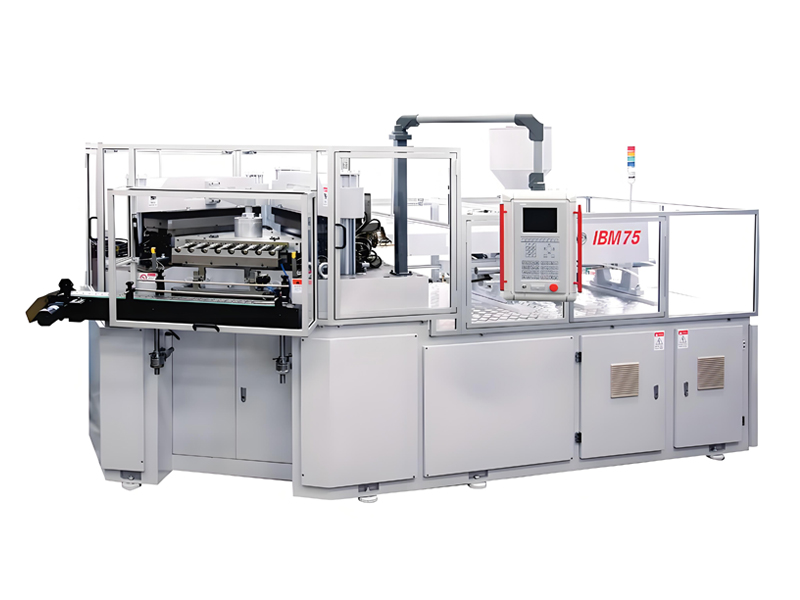
The injection unit of an injection blow molding machine determines the maximum shot size and injection pressure available for processing. The AiBiM IBM75 model features a 50mm screw diameter capable of injecting up to 375 grams of material. This capacity accommodates a wide range of container sizes from 3ml to 1200ml.
Spritz pressure typically ranges from 800 to 1500 bar depending on material viscosity and mold design. The injection blow molding machine must maintain consistent pressure throughout the injection and holding phases to prevent sink marks and ensure complete mold filling. Advanced machines employ PREFILL technology and variable pump pressure boosting systems that reduce energy consumption by more than 35 percent while maintaining precise pressure control.
Schließkraftanforderungen
Clamp force represents a critical specification for injection blow molding machines. The AiBiM IBM75 delivers 750 kN of clamping force, sufficient for producing containers up to 1200ml capacity. Inadequate clamp force allows the mold to open slightly during injection, causing flash and dimensional errors.
The single crossbeam double column locking structure provides uniform force distribution across the mold surface. This design ensures stable operation even at maximum injection pressures. The injection blow molding machine automatically adjusts clamp force based on the active production recipe to optimize energy efficiency.
Optimierung der Zykluszeit
Cycle time directly impacts production output and operational costs. The injection blow molding machine cycle consists of injection, blowing, cooling, and ejection phases. Total cycle times vary based on container size, wall thickness, and material properties. Smaller containers typically require 10 to 15 seconds per cycle while larger containers may need 20 to 30 seconds.
Optimize cycle time by minimizing each phase duration without compromising quality. The injection blow molding machine allows independent adjustment of cooling time, which often represents the longest portion of the cycle. Balance cooling time against part quality requirements to maximize throughput.
Überblick über den Produktionsprozess
Das Spritzblasverfahren integriert mehrere Schritte in eine nahtlose Produktionssequenz. Das Verständnis dieses Prozesses hilft Bedienern, Optimierungsmöglichkeiten zu erkennen und Probleme effektiv zu beheben.
Preform-Spritzphase
The injection blow molding machine begins each cycle by creating a preform in the injection mold. Molten plastic enters the mold cavity under high pressure, forming a test tube shaped precursor to the final container. The preform includes the finished neck finish and threads that remain unchanged during the blowing phase.
Precise control of injection speed affects preform quality. Fast injection fills the mold quickly but may trap air or cause jetting defects. Slower injection provides better material distribution but extends cycle time. The injection blow molding machine allows operators to program multi stage injection profiles that optimize fill characteristics.
Transfer und Konditionierung
Nach dem Einspritzen wird der Vorformling zur Blasformstation transferiert. Dieser Transfer muss erfolgen, während der Kunststoff noch die richtige Temperatur zum Blasen hat. Die Spritzblasmaschine koordiniert diesen Transfer präzise, um optimale Materialbedingungen aufrechtzuerhalten.
Preform conditioning involves precise temperature management to achieve uniform wall thickness in the finished container. The plastic should be hot enough to stretch easily but cool enough to hold its shape during blowing. This balance requires careful coordination of injection temperature, transfer time, and mold conditions.
Blas- und Kühlphase
The blow mold closes around the preform as compressed air inflates it against the mold walls. Blow pressure typically ranges from 8 to 15 bar depending on container design and material. The injection blow molding machine controls blow pressure and timing to achieve complete mold filling without over stretching thin sections.
Cooling solidifies the container in its final shape. The injection blow molding machine circulates cooling water through the mold to remove heat efficiently. Proper cooling prevents deformation during ejection and ensures dimensional stability. The cooling system must maintain consistent temperature across all mold surfaces for uniform quality.
Behälterauswurf
Die letzte Phase wirft den fertigen Behälter aus der Blasform aus. Auswurfmechanismen drücken oder streifen den Behälter vom Formkern, ohne Gewinde oder Oberflächen zu beschädigen. Die Spritzblasmaschine timt den Auswurf präzise, wenn der Behälter ausreichend abgekühlt ist, um seine Form zu behalten.
Eine korrekte Auswurftechnik verhindert Schäden an Behälter und Form. Passen Sie Auswurfkraft und -geschwindigkeit an Behältergröße und Materialeigenschaften an. Überwachen Sie die Auswurfqualität, um Kleben oder Verformungen zu erkennen, die auf unzureichende Kühlung oder fehlerhaftes Formdesign hinweisen.
Nutzen und Vorteile moderner Systeme
Die Investition in eine moderne Spritzblasmaschine bietet Herstellern branchenübergreifend zahlreiche betriebliche und wirtschaftliche Vorteile.
Produktionseffizienz
Contemporary injection blow molding machines achieve exceptional production efficiency through automation and process optimization. The integrated design eliminates separate handling between injection and blowing operations, reducing cycle times and labor requirements. High speed rotary systems produce hundreds of containers per hour with minimal operator intervention.
Energie efficiency improvements in modern machines significantly reduce operating costs. Advanced hydraulic systems with variable displacement pumps consume power proportional to actual demand rather than running at constant maximum capacity. The AiBiM injection blow molding machines achieve energy savings exceeding 35 percent compared to conventional designs.
Konstanz der Produktqualität
The injection blow molding process produces containers with superior dimensional accuracy and consistency. Spritz molded neck finishes ensure precise thread profiles for reliable sealing with caps and closures. Wall thickness distribution remains uniform throughout the container body, providing consistent strength and barrier properties.
The injection blow molding machine maintains repeatable process conditions from cycle to cycle. Computerized control systems eliminate human error and variability that affect older manual machines. This consistency translates to lower rejection rates and higher customer satisfaction with finished products.
Materialvielfalt
Modern injection blow molding machines process a wide range of thermoplastic materials to meet diverse application requirements. Common materials include PE variants such as HDPE, LDPE, and LLDPE for food and pharmaceutical containers. PP offers excellent clarity and heat resistance for hot fill applications.
Engineering materials like PC, PCTG, and TPU expand the application range to demanding uses requiring enhanced properties. The injection blow molding machine accommodates these materials through flexible temperature and pressure settings. This versatility allows manufacturers to serve multiple markets with a single equipment investment.
Richtlinien zur Ausrüstungsauswahl
Die Wahl der richtigen Spritzblasmaschine erfordert eine sorgfältige Bewertung der Produktionsanforderungen, Produktspezifikationen und zukünftigen Wachstumspläne.
Kapazitäts- und Größenbetrachtungen
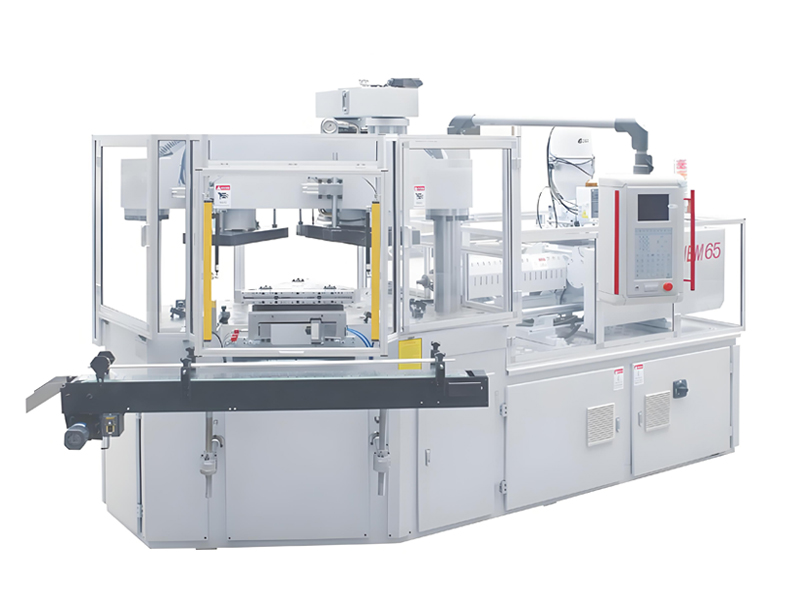
Match the injection blow molding machine capacity to your production volume requirements. The AiBiM IBM55 Hybrid Electric suits lower volume applications requiring 3ml to 1000ml containers. The IBM65 model offers an economical solution for standard production needs. The IBM75 handles larger containers up to 1200ml with robust clamping force for demanding applications.
Berücksichtigen Sie bei der Wahl der Gerätekapazität die künftige Expansion. Der Kauf einer Spritzblasmaschine mit überschüssiger Kapazität ermöglicht Geschäftswachstum ohne sofortigen Geräteaustausch. Vermeiden Sie jedoch eine Überdimensionierung, die Kapitalkosten erhöht, ohne praktischen Nutzen zu bieten.
Anforderungen an den Automatisierungsgrad
Automation options for injection blow molding machines range from manual operation to fully automatic systems with robotic part handling. Entry level machines require operator intervention for each cycle, suitable for short production runs and frequent product changes. Fully automatic systems minimize labor costs for high volume dedicated production.
Intermediate automation levels offer flexibility for manufacturers producing varied container sizes and styles. The injection blow molding machine can operate automatically for extended runs while allowing easy setup changes between products. Choose automation appropriate for your product mix and labor costs.
Technischer Support und Schulung
Die Geräteauswahl sollte die Bewertung der Supportfähigkeiten des Herstellers umfassen. AiBiM bietet für alle Käufe von Spritzblasmaschinen umfassende technische Schulungen an. Diese Schulung umfasst Betrieb, Wartung und Fehlerbehebung, um einen erfolgreichen Produktionsanlauf sicherzustellen.
Berücksichtigen Sie bei der Geräteauswahl die Verfügbarkeit von Ersatzteilen und Service-Support. Etablierte Hersteller unterhalten Teilebestände und technische Serviceteams, um Stillstände zu minimieren. AiBiM bietet allen Kunden weltweit 24-Stunden-Kundendienst und Ingenieur-Vor-Ort-Installationsunterstützung.
Kostenanalyse und Preisermittlung
Das Verständnis der Gesamtbetriebskosten hilft Herstellern, fundierte Investitionsentscheidungen für Spritzblasausrüstung zu treffen.
Anfängliche Investitionsspanne
The injection blow molding machine price varies based on model specifications and features. The AiBiM IBM55 Hybrid Electric costs between $35,000 and $55,000 depending on optional features and tooling requirements. This entry level machine suits startups and small production operations seeking economical equipment solutions.
Das Standardmodell IBM65 liegt zwischen 28.000 $ und 45.000 $ und bietet einen hervorragenden Wert für grundlegende Behälterproduktionsanforderungen. Dieses Modell erweist sich als beliebt bei Herstellern, die Standardflaschen und -behälter für Lebensmittel-, Getränke- und Körperpflegemärkte produzieren.
The larger IBM75 injection blow molding machine commands prices from $40,000 to $65,000. This investment delivers enhanced capacity and clamping force for larger containers and higher production volumes. The increased capability justifies the higher cost for manufacturers with substantial production requirements.
Betriebskostenfaktoren
Operating costs for injection blow molding machines include energy consumption, material costs, labor, and maintenance. Modern energy efficient designs significantly reduce electricity costs, which represent a major portion of operating expenses. The AiBiM machines achieve over 35 percent energy savings compared to conventional designs, translating to substantial annual cost reductions.
Materialkosten hängen von Harzpreisen und Behältergewicht ab. Optimieren Sie die Prozessparameter, um den Materialverbrauch bei gleichbleibender Qualität zu minimieren. Die Spritzblasmaschine ermöglicht eine präzise Kontrolle des Schussgewichts, um überschüssiges Material zu eliminieren, das Kosten erhöht, ohne Mehrwert zu schaffen.
Die Wartungskosten variieren mit Maschinenalter und Betriebsbedingungen. Befolgen Sie den empfohlenen Wartungsplan, um kostspielige Reparaturen und ungeplante Stillstände zu verhindern. Planen Sie Budget für den routinemäßigen Austausch von Verschleißteilen wie Schneckenspitzen, Rückschlagringen und Dichtungskomponenten gemäß den Herstellerrichtlinien ein.
Amortisationszeitplan
Berechnen Sie die Amortisationszeit für eine Investition in eine Spritzblasmaschine auf Basis von Produktionsvolumen, Verkaufspreisen und Betriebskosten. Ein typischer Startbetrieb erreicht die Investitionsamortisation innerhalb von 18 bis 36 Monaten, abhängig von Marktbedingungen und Produktionseffizienz.
Erwägen Sie Finanzierungsoptionen, die die Investition über die Zeit verteilen. Viele Hersteller bieten flexible Zahlungsbedingungen einschließlich T/T- und L/C-Optionen an. AiBiM akzeptiert beide Zahlungsmethoden und macht die Anschaffung von Ausrüstung für Unternehmen verschiedener Größen und finanzieller Situationen zugänglich.
Qualitätsstandards und Zertifizierungen
Die Erfüllung von Qualitätsstandards und der Erhalt relevanter Zertifizierungen sichert Marktakzeptanz und behördliche Konformität für Behälter, die auf Spritzblasmaschinen hergestellt werden.
Anforderungen an die CE-Zertifizierung
CE certification demonstrates compliance with European safety and environmental standards for machinery. All AiBiM injection blow molding machines carry CE certification, qualifying them for sale and operation throughout the European market. This certification requires adherence to stringent design and construction standards.
CE-zertifizierte Ausrüstung umfasst eine umfassende Dokumentation der Sicherheitsfunktionen und Betriebsverfahren. Die Spritzblasmaschine muss geeignete Schutzvorrichtungen, Not-Aus-Schalter und Warnsysteme enthalten. Regelmäßige Inspektionen verifizieren die fortlaufende Konformität mit den Zertifizierungsanforderungen.
Branchenspezifische Standards
Containers for pharmaceutical applications must meet FDA requirements in the Vereinigte Staaten or equivalent standards in other markets. The injection blow molding machine must produce containers meeting cleanliness and material composition specifications. Clean room operation may be required for certain pharmaceutical packaging.
Behälter für Lebensmittelkontakt müssen die Lebensmittelsicherheitsvorschriften einhalten, die bestimmte Materialzusätze und Verarbeitungshilfsstoffe einschränken. Verifizieren Sie, dass die auf der Spritzblasmaschine verarbeiteten Materialien über geeignete Lebensmittelkontaktzertifizierungen der Aufsichtsbehörden verfügen.
Qualitätsmanagementsysteme
Die Implementierung von Qualitätsmanagementsystemen gewährleistet eine konsistente Produktionsqualität der Spritzblasmaschine. Die ISO-9001-Zertifizierung zeigt das Engagement für Qualitätsprozesse und kontinuierliche Verbesserung. Dokumentieren Sie Verfahren für Maschinenbetrieb, Qualitätsprüfung und Korrekturmaßnahmen.
Methoden der statistischen Prozessregelung helfen, Prozessabweichungen zu erkennen, bevor sie die Produktqualität beeinträchtigen. Überwachen Sie die wichtigsten Prozessparameter an der Spritzblasmaschine und verfolgen Sie Trends über die Zeit. Legen Sie Kontrollgrenzen fest, die bei Prozessdrift eine Untersuchung auslösen.
Branchenanwendungen
Spritzblasmaschinen bedienen verschiedene Branchen, die hochwertige Kunststoffbehälter mit präzisen Spezifikationen benötigen.
Pharmazeutische Verpackung
The pharmaceutical industry demands containers meeting stringent quality and safety standards. Spritz blow molding machines produce pharmaceutical bottles with precise neck finishes for secure sealing with child resistant caps. The process creates containers with uniform wall thickness that protect sensitive medications from environmental exposure.
Saubere und sterile Produktionsumgebungen sind für Pharma-Behälter unerlässlich. Die Spritzblasmaschine arbeitet unter kontrollierten Atmosphärenbedingungen, um Kontamination zu verhindern. Die Materialauswahl konzentriert sich auf HDPE- und PP-Sorten, die für Pharma-Kontaktanwendungen zugelassen sind.
Lebensmittel- und Getränkebehälter
Lebensmittelverpackungsanwendungen erfordern Behälter, die Produktfrische und -sicherheit bewahren. Die Spritzblasmaschine produziert Flaschen und Gläser für Soßen, Gewürze und Getränke. Die präzise Gewindeformung gewährleistet eine ordnungsgemäße Abdichtung, um Verderb zu verhindern und die Produktqualität zu erhalten.
Hot fill applications demand containers capable of withstanding elevated temperatures during filling. PP materials processed on the injection blow molding machine offer excellent heat resistance for hot fill products. Proper material selection and process control prevent container deformation during thermal processing.
Kosmetik und Körperpflege
The cosmetic industry values the high quality surface finish achievable with injection blow molding. Containers exhibit excellent clarity and smooth surfaces that enhance product appeal. The injection blow molding machine produces containers suitable for premium cosmetic and personal care products where appearance influences consumer perception.
Specialty materials like PETG and PCTG provide the glass like clarity valued for high end cosmetic packaging. These materials process effectively on modern injection blow molding machines with appropriate temperature and pressure settings. The result is containers that convey quality and sophistication.
Warum AiBiM-Spritzblaslösungen wählen?
AiBiM bietet Herstellern überzeugende Vorteile, die zuverlässige Spritzblasausrüstung mit umfassendem Support suchen.
Fertigungskompetenz
Zhangjiagang AiBiM Plastic Machinery Co., Ltd. brings over 12 years of specialized experience in injection blow molding machine manufacturing. This extensive expertise translates to equipment designs refined through real world application across diverse production environments. The company understands the practical challenges facing manufacturers and incorporates solutions into every machine.
The AiBiM engineering team continuously improves injection blow molding machine performance based on customer feedback and technological advances. This commitment to innovation ensures equipment remains competitive and productive throughout its service life. Customers benefit from ongoing technical development without requiring equipment replacement.
Globale Marktpräsenz
AiBiM serves customers in over 40 countries across Southeast Asia, the Middle East, Europe, the Americas, and Africa. This global presence demonstrates the reliability and adaptability of AiBiM injection blow molding machines across varied market conditions and applications. International customers receive the same quality equipment and support as domestic buyers.
The annual production capacity exceeds 100 production lines, enabling AiBiM to fulfill large orders while maintaining quality standards. This manufacturing scale ensures competitive pricing and reliable delivery schedules. Customers can plan production expansion with confidence in equipment availability.
Umfassender Kundensupport
AiBiM provides exceptional customer support beginning with free technical training for all injection blow molding machine purchases. This training ensures operators understand proper procedures for safe and efficient production. The comprehensive curriculum covers machine operation, maintenance, and troubleshooting techniques.
Der 24-Stunden-Kundendienst garantiert eine schnelle Reaktion auf technische Probleme. Ingenieur-Vor-Ort-Installations- und Inbetriebnahmedienste helfen Kunden, einen erfolgreichen Produktionsstart zu erreichen. Dieses Support-Engagement setzt sich über die gesamte Nutzungsdauer der Ausrüstung fort und schützt die Investition des Kunden.
Wartung und Fehlerbehebung
Ordnungsgemäße Wartung gewährleistet einen zuverlässigen Betrieb und verlängert die Lebensdauer von Spritzblasmaschinen.
Wartungsplan für die vorbeugende Wartung
Establish a regular maintenance schedule for the injection blow molding machine based on manufacturer recommendations and operating conditions. Daily tasks include visual inspection of safety systems, verification of temperature readings, and cleaning of hopper and feed systems. These routine checks prevent minor issues from developing into major problems.
Weekly maintenance includes lubrication of moving parts, inspection of hydraulic and pneumatic systems, and cleaning of cooling water filters. Monthly tasks involve comprehensive checks of electrical connections, calibration of sensors, and replacement of worn components. Document all maintenance activities to track machine condition over time.
Häufige Betriebsprobleme
Sink marks on container surfaces indicate insufficient packing pressure or cooling time. Adjust injection parameters on the injection blow molding machine to increase holding pressure or extend cooling duration. Material temperature that is too high can also cause sink marks as the plastic shrinks excessively during cooling.
Flash at parting lines suggests inadequate clamp force or mold damage. Verify that clamp force settings match requirements for the current mold and material. Inspect mold surfaces for wear or damage that prevents proper sealing. The injection blow molding machine allows adjustment of clamp parameters to correct flash problems.
Ungleichmäßige Wandstärke resultiert aus fehlerhaftem Vorformdesign oder fehlerhafter Temperaturverteilung. Prüfen Sie die Vorformtemperatur-Gleichmäßigkeit und passen Sie die Zylindertemperaturzonen bei Bedarf an. Die Spritzblasmaschine bietet eine präzise Temperaturregelung zur Optimierung der Wandstärkenverteilung.
Wartung des Sicherheitssystems
Regular testing of safety systems protects personnel and prevents accidents. Test light curtain operation by interrupting the beam during machine operation. The injection blow molding machine should stop immediately when the light curtain detects an obstruction. Test emergency stop buttons at the beginning of each shift to verify proper function.
Digitale Laser-Fernmesssensoren erfordern regelmäßige Reinigung und Kalibrierung, um die Formschutzfähigkeit zu erhalten. Diese Sensoren erkennen falsch ausgerichtete Formen oder andere Bedingungen, die Schäden verursachen könnten. Ersetzen Sie Sensoren, die die Kalibrierung nicht bestehen oder inkonsistenten Betrieb zeigen.
Häufig gestellte Fragen
Welche Sicherheitsschulung ist vor der Bedienung einer Spritzblasmaschine erforderlich?
Operators must complete comprehensive safety training covering machine hazards, emergency procedures, and personal protective equipment requirements. AiBiM provides free technical training with every injection blow molding machine purchase. This training ensures operators understand all safety systems including light curtains, emergency stops, and laser mold protection.
Wie lange dauert es, die Bedienung einer Spritzblasformmaschine zu erlernen?
Basic operation skills develop within one to two weeks of hands on training under experienced supervision. Mastering advanced troubleshooting and optimization techniques requires several months of practice. The intuitive control systems on AiBiM injection blow molding machines feature SD card parameter storage that simplifies recipe management for beginners.
Welche Materialien können auf einer Spritzblasformmaschine verarbeitet werden?
Modern injection blow molding machines process a wide range of thermoplastics including PE variants, PP, PS, ABS, SAN, TPU, PC, and PCTG. Material selection depends on application requirements for clarity, strength, and chemical resistance. The AiBiM machines offer flexible temperature and pressure settings to accommodate these diverse materials.
Wie hoch ist der typische Produktionsausstoß einer Spritzblasformmaschine?
Production output varies based on container size, complexity, and material. Small containers may achieve cycle times of 10 to 15 seconds, producing several hundred parts per hour. Larger containers require 20 to 30 second cycles. The AiBiM IBM75 can produce containers from 3ml to 1200ml capacity with appropriate molds.
Welche Wartung erfordert eine Spritzblasformmaschine?
Daily maintenance includes safety system checks, temperature verification, and hopper cleaning. Weekly tasks involve lubrication, pneumatic system inspection, and filter cleaning. Monthly maintenance includes electrical connection checks, sensor calibration, and worn component replacement. Following the manufacturer maintenance schedule ensures reliable operation.
Fazit
Mastering injection blow molding machine operation requires understanding the integrated process, safety requirements, and quality parameters. This guide provides beginners with the foundational knowledge needed to operate equipment successfully and produce high quality plastic containers. The step by step instructions cover essential aspects from initial setup through production operation and basic troubleshooting.
Choosing quality equipment from established manufacturers like AiBiM ensures successful production outcomes. The combination of advanced technology, comprehensive training, and ongoing support enables manufacturers to achieve efficient, profitable operations. The injection blow molding machine represents a significant investment that delivers returns through reliable production of containers meeting demanding market requirements.
With proper training and attention to operational details, operators quickly develop proficiency in injection blow molding machine operation. The key lies in understanding the process principles, following established procedures, and maintaining equipment in optimal condition. This foundation supports continued learning and optimization as experience grows.