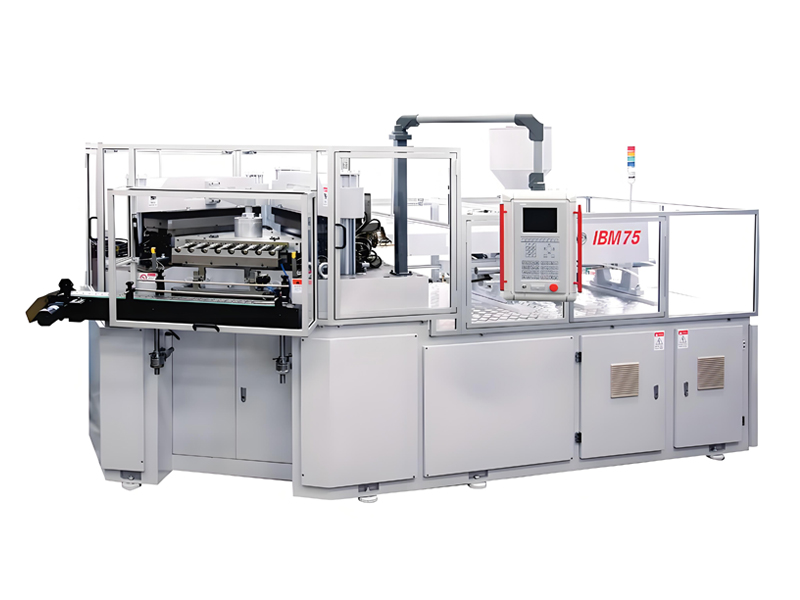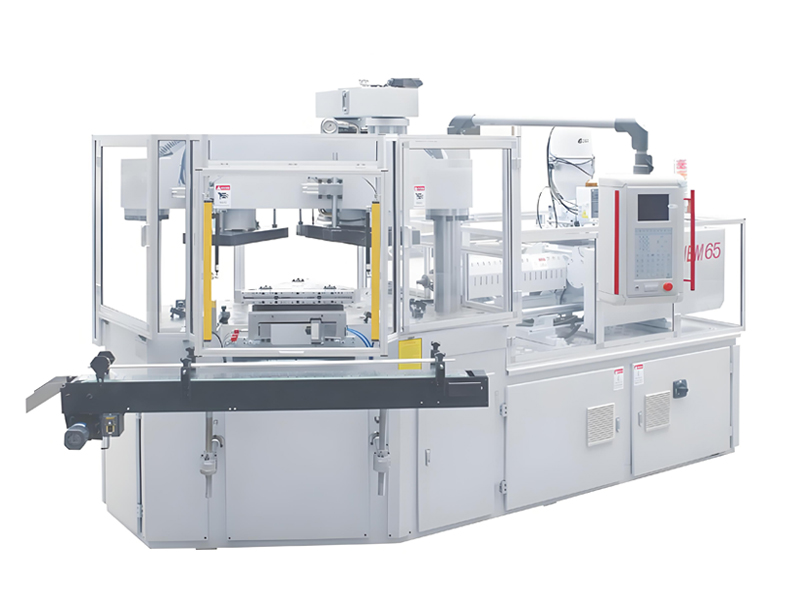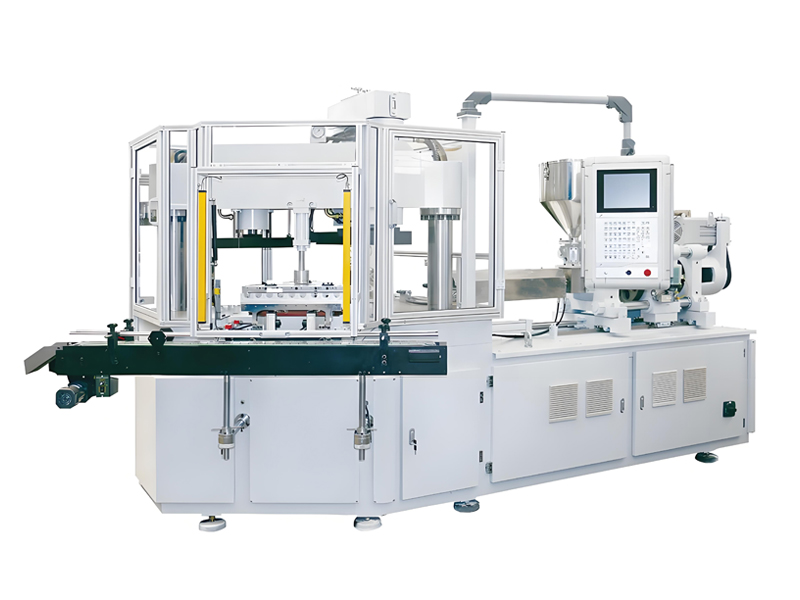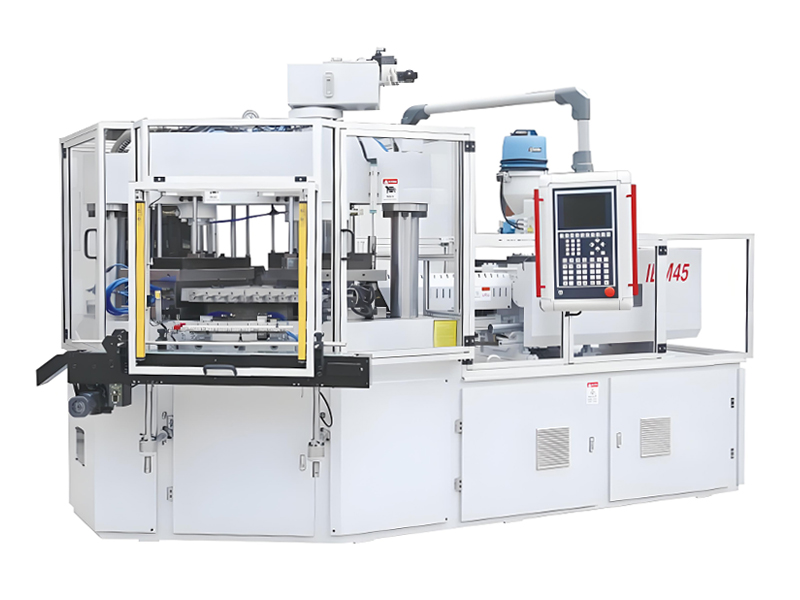
وحدة production cost is the number that decides whether an injection blow molding (IBM) program is profitable. Procurement and operations leaders need more than a machine price; they need a defensible cost per plastic bottle that survives a finance review. This article dissects the full per-bottle cost stack for IBM, from polymer resin and colorant through energy, labor, mold amortization, scrap, packaging, and indirect overhead. Using Aibim’s IBM55 Hybrid, IBM65, and IBM75 three-station machines as the reference platform, it gives concrete figures for bottle weight, cavity count, kWh per kg, scrap percentage, and utilization, then lays out a cost-comparison table across weight and output tiers and a checklist of reduction levers. By the end you can estimate your own unit cost to within a realistic band and avoid the miscalculations that quietly destroy margin.
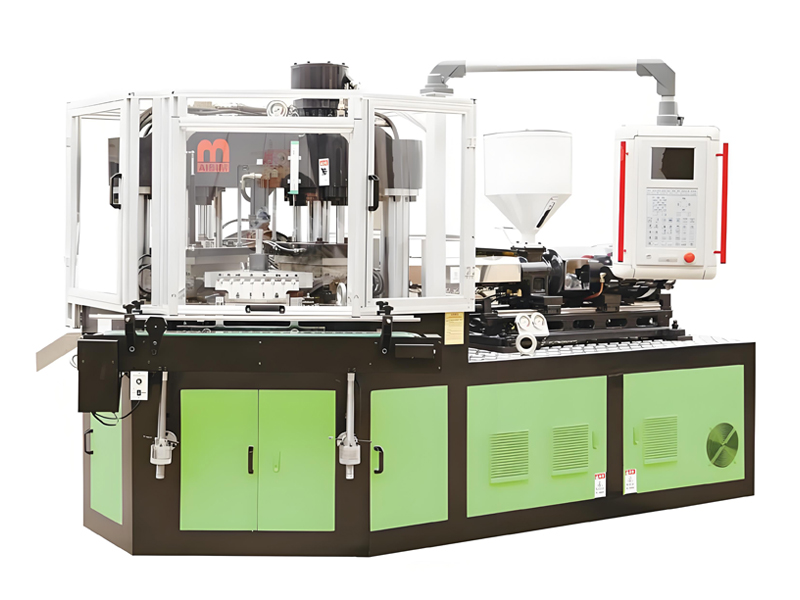
Aibim is a Wanplas factory with 12-plus years in one-step hollow molding, serving pharmaceutical, food, drink, and cosmetic bottle markets with bottles from 3 ml to 1000 ml. The methodology here applies equally to competitor IBM platforms from جومار, Bekum, Aoki, Milacron, and Sumitomo, because the cost structure of the process is shared even when the invoice differs.
وحدة cost matters most at the quoting stage, where an error of even 0.005 USD per bottle compounds into tens of thousands of dollars across a multi-million-unit annual program. A molder who undercosts loses margin silently; one who overcosts loses the order to a competitor with a tighter, equally valid model. The goal of this guide is to give you a defensible number, not a hopeful one, by making every assumption explicit and every line item attributable to a physical input. Treat the tables as starting points to be overwritten with your own resin contract, electricity tariff, wage rate, and cavity plan, and the result will survive both a customer audit and an internal finance review. Throughout, the structural advantages of injection blow molding, the elimination of trimming and the inherently low scrap rate, are credited where they belong so the comparison against extrusion blow molding stays honest.
تحليل تكلفة الزجاجة الواحدة
تكلفة الوحدة للزجاجة المقولبة بالنفخ بالحقن هي مجموع كل مورد مستهلك لصنع زجاجة واحدة جيدة قابلة للشحن. أنظف طريقة لنمذجتها هي ككومة من المكونات الإضافية، كل منها معبر عنه بالدولار الأمريكي لكل زجاجة جيدة.
الزجاجة الجيدة هي الوحدة الوحيدة التي تحقق إيرادًا، لذا يجب تقسيم كل تكلفة على الإنتاج الجيد، وليس على إجمالي اللقطات. هذا الانضباط الواحد يفصل النموذج الدقيق عن النموذج المتفائل، لأنه يدفع الهالك ونفايات بدء التشغيل وفقدان التبديل إلى المقام حيث ينتمون.
The standard cost stack, in order of magnitude, is: resin and colorant, energy, direct labor, mold amortization, machine depreciation, maintenance and spares, scrap premium, packaging, logistics, and indirect overhead. Resin is almost always the largest line, typically 55 percent to 70 percent of total unit cost for a small bottle, while energy and labor together are often under 15 percent. That ranking tells you where to focus: you control margin most by managing material and scrap, and you protect it with process efficiency.
الراتنج والملون: المتغير المهيمن
تكلفة الراتنج تساوي وزن الزجاجة مضروبًا في سعر الراتنج لكل كجم، بالإضافة إلى حمل الملون أو المادة المضافة. نظرًا لأن IBM عملية صافية الشكل خالية من النتوءات، فإن الراتنج الذي تشتريه هو تقريبًا نفس الراتنج الموجود في الزجاجة، مع الحد الأدنى فقط من نفايات بدء التشغيل والبوابة.
| Material | Typical السعر Band | Best IBM Use |
|---|---|---|
| PP (homopolymer) | 1.10 to 1.40 USD per kg | Pharma, cosmetics, food |
| HDPE | 1.00 to 1.30 USD per kg | Pharma, personal care |
| PS / SAN | 1.20 to 1.60 USD per kg | Clear cosmetic, diagnostic |
| PCR / medical grade | 1.50 to 2.20 USD per kg | Regulated pharma, EU 10/2011, FDA |
| Colorant / masterbatch | 3 to 8 USD per kg of additive | 1 to 4 percent let-down |
For a 12 g PP bottle at 1.25 USD per kg, resin alone is 0.0150 USD. A 2 percent white masterbatch at 4.00 USD per kg adds 0.0010 USD, bringing material to 0.0160 USD. The cost scales almost linearly with bottle weight: a 5 g bottle costs about 0.0067 USD in resin, a 30 g bottle about 0.0375 USD. The practical implication is that lightweighting a bottle by even 10 percent cuts the largest cost line by 10 percent with no change to the machine.
استهلاك الطاقة لكل زجاجة
الطاقة in IBM covers the injection press, the blow station, the chiller, the material loader, and compressed air. Measured at the line boundary, total specific energy lands at 0.35 to 0.55 kWh per kg of plastic processed for a conventional hydraulic IBM, and Aibim’s PREFILL technology with variable displacement pumps reduces that by a minimum of 35 percent, pushing the efficient band toward 0.30 to 0.40 kWh per kg.
| Bottle Weight | الطاقة per kg | kWh per Bottle | Cost at 0.12 USD per kWh |
|---|---|---|---|
| 5 g | 0.40 kWh | 0.0020 | 0.00024 USD |
| 12 g | 0.40 kWh | 0.0048 | 0.00058 USD |
| 30 g | 0.40 kWh | 0.0120 | 0.00144 USD |
الطاقة is a small but steady cost. At 0.12 USD per kWh, even a 30 g bottle carries only about 0.0014 USD of energy, so the absolute saving from efficiency is modest per bottle but meaningful across hundreds of millions of units per year. The bigger value of Aibim’s energy design is heat reduction and stability on three-shift lines, which protects cycle time and utilization, the variables that actually decide unit cost.
العمالة والتكاليف العامة المباشرة
IBM عملية منخفضة العمالة المباشرة. يمكن لمشغل مدرب واحد الإشراف على آلة إلى آلتين، وغياب محطة التشذيب أو إزالة الوميض يزيل خطوة عمالة كاملة تتطلبها القولبة بالنفخ بالبثق. تعتمد تكلفة العمالة المباشرة لكل زجاجة بشكل شبه كامل على نمط النوبات وحجم الإنتاج.
| Shift Pattern | Annual Output | Loaded العمالة Cost | العمالة per Bottle |
|---|---|---|---|
| 1 shift | 4 to 7 million | 35,000 to 45,000 USD | 0.006 to 0.011 USD |
| 2 shift | 14 to 22 million | 70,000 to 90,000 USD | 0.003 to 0.006 USD |
| 3 shift | 40 to 57 million | 105,000 to 135,000 USD | 0.002 to 0.003 USD |
Direct overhead such as supervision, quality inspection, and line utilities typically adds another 0.001 to 0.003 USD per bottle at volume. The pattern is clear: labor falls sharply per bottle as you add shifts, which is why a two-shift or three-shift IBM line is dramatically cheaper per unit than a single-shift line running the same machine.
إطفاء تكلفة القالب عبر عدد التجاويف
قوالب IBM أدوات دقيقة من ثلاث قطع يتدرج تكلفتها تقريبًا مع عدد التجاويف. استهلاك تكلفة القالب على الزجاجات الجيدة يحول النفقات الرأسمالية إلى رقم صغير لكل وحدة يتقلص مع ارتفاع الحجم.
| Cavities | Mold Investment | Shot Life | Amortization per Bottle |
|---|---|---|---|
| 4 | USD 12,000 | 10 million | 0.00120 USD |
| 8 | USD 22,000 | 12 million | 0.00183 USD |
| 12 | USD 38,000 | 15 million | 0.00253 USD |
| 16 | USD 52,000 | 18 million | 0.00289 USD |
Although a 16-cavity mold costs more than four times a 4-cavity mold, its per-bottle amortization is only about 2.4 times higher because its shot life is longer. More importantly, higher cavitation raises output per cycle, which lowers every other fixed cost line. Mold amortization is therefore a lever that improves with volume, not a penalty, provided you actually run the cavities you paid for.
معدل الهالك ومضاعفه الخفي
Scrap is the silent cost multiplier in IBM. Because cost is divided by good bottles, every rejected unit forces the material, energy, and labor of good units to absorb the loss. IBM’s net-shape process keeps scrap low, typically 1 percent to 3 percent, versus 4 percent to 8 percent for extrusion blow molding, but the discipline of counting it correctly matters.
| Scrap Rate | Extra Material per Good Bottle | Total Cost Premium |
|---|---|---|
| 1 percent | 1.0 percent | 1.0 to 1.5 percent |
| 3 percent | 3.1 percent | 3.0 to 4.5 percent |
| 7 percent | 7.5 percent | 7.5 to 10.0 percent |
A scrap rate that drifts from 2 percent to 7 percent can add 5 percent to 9 percent to total unit cost before anyone notices, because the loss hides inside the good-bottle denominator. Aibim’s CE-certified stripper station with long-distance digital laser sensors and light curtain protection reduces jam-related scrap, and SD-card parameter storage lets you reload a proven process recipe across machines, cutting start-up waste during changeovers. Tight scrap control is one of the cheapest, highest-impact cost levers available.
التغليف والخدمات اللوجستية والتكاليف العامة غير المباشرة
تظهر طبقات التكلفة الأخيرة بعد مغادرة الزجاجة للماكينة. غالبًا ما تُستبعد هذه من النماذج الساذجة وهي بالضبط حيث تنهار الميزانيات.
التغليف
Small bottles are typically packed in PET or PE bags inside corrugated cartons, or in reusable totes for cleanroom pharma flows. التغليف ranges from 0.0010 to 0.0040 USD per bottle depending on whether the line uses bulk gaylord packing or individual cartons, and whether cleanroom requirements force single-use films.
الخدمات اللوجستية
Outbound freight depends on bottle density and distance. Nested empty bottles are voluminous, so freight can reach 0.002 to 0.008 USD per bottle to a regional filler and more to intercontinental destinations. In-house filling eliminates this line entirely, which is why many IBM operators integrate downstream filling.
التكاليف العامة غير المباشرة
Factory rent, utilities beyond the line, QA labs, management, and administrative cost typically add 0.002 to 0.005 USD per bottle at volume. The Wanplas brand, as Aibim’s parent, carries shared service promises including a 500 USD-value free spare parts allowance per year and a quality guarantee, which cap a portion of indirect maintenance cost and improve cost predictability.
The interaction between packaging, logistics, and overhead is often where small-bottle programs lose control of unit cost, because these lines are billed per case or per pallet rather than per bottle and are easy to undercount. A useful discipline is to convert every case and pallet charge back to a per-bottle figure during the model build, exactly as the comparison table does, so that a freight surcharge or a switch from bulk to carton packing shows up immediately as a movement in total unit cost. Captive operations that fill in-house eliminate outbound bottle logistics entirely but pick up filling-line overhead instead; the two should be modeled side by side rather than assumed away. For contract molders serving multiple fillers, building a per-destination logistics matrix prevents a single expensive lane from distorting the blended unit cost used for quoting.
مقارنة التكلفة عبر مستويات وزن الزجاجة والإنتاج
يوحد الجدول أدناه المكونات في تكلفة وحدة إجمالية لتكوينات تمثيلية لخطوط IBM من Aibim. جميع الأرقام بالدولار الأمريكي لكل زجاجة جيدة وتفترض راتنجًا مرتبطًا بالمؤشر، واستخدامًا بنسبة 80 بالمائة، ونمط نوبتين ما لم يُذكر خلاف ذلك.
| Configuration | Bottle Weight | Annual Output | Resin plus Color | الطاقة plus العمالة | Mold plus Depr. | Pkg plus OH | Total وحدة Cost |
|---|---|---|---|---|---|---|---|
| IBM55, 6 cav, 1 shift | 5 g | 5.0 million | 0.0071 USD | 0.0080 USD | 0.0040 USD | 0.0050 USD | 0.0241 USD |
| IBM65, 8 cav, 2 shift | 12 g | 20.2 million | 0.0160 USD | 0.0040 USD | 0.0030 USD | 0.0040 USD | 0.0270 USD |
| IBM75, 12 cav, 2 shift | 12 g | 30.2 million | 0.0160 USD | 0.0030 USD | 0.0035 USD | 0.0035 USD | 0.0260 USD |
| IBM75, 12 cav, 3 shift | 30 g | 45.0 million | 0.0385 USD | 0.0035 USD | 0.0030 USD | 0.0055 USD | 0.0505 USD |
| IBM65, 8 cav, 1 shift | 12 g | 10.1 million | 0.0160 USD | 0.0090 USD | 0.0040 USD | 0.0060 USD | 0.0350 USD |
Two insights stand out. First, the 12 g bottle is cheaper per unit at higher cavitation and more shifts (0.0260 USD) than at single shift (0.0350 USD), purely from fixed-cost dilution. Second, resin dominates every row, confirming that material strategy and scrap control outweigh machine-selection fine points for total cost.
قائمة مراجعة أدوات خفض التكلفة
استخدم قائمة الفحص هذه لخفض تكلفة الوحدة على أي خط IBM من Aibim.
- خفف الزجاجة بنسبة 5 إلى 15 بالمائة عبر تحسين سمك الجدار والقاعدة؛ يخفض الراتنج، وهو أكبر بند، بشكل متناسب.
- تفاوض على الراتنج بعقود مرتبطة بالمؤشر واشترِ بشرائح حجم؛ حتى 0.05 دولار أمريكي لكل كجم يوفر 0.0006 دولار أمريكي على زجاجة 12 جم.
- قلل نسبة خفض الماسترباتش من 3 بالمائة إلى 1.5 بالمائة حيث يسمح اللون؛ يخفض خط الملون إلى النصف.
- عظّم عدد التجاويف إلى 8 أو 12 أو 16 تجويفًا لتخفيف تكلفة القالب والإهلاك لكل زجاجة.
- شغّل ورديتين أو ثلاث لتوزيع العمالة والتكاليف العامة على وحدات أكثر؛ الوردية الواحدة هي الوضع الأغلى لكل زجاجة.
- اخفض الهدر إلى أقل من 2 بالمائة مع وصفات معالجة مخزنة على بطاقة SD واستشعار نزع معتمد من CE يمنع الانحشار.
- اعتمد الهيدروليك بتقنية PREFILL على ماكينات Aibim لتوفير 35 بالمائة على الأقل من الطاقة مقارنة بـ IBM التقليدية.
- ادمج التعبئة اللاحقة حيثما أمكن للقضاء على لوجستيات الزجاجات الصادرة.
- استخدم حاويات قابلة لإعادة الاستخدام بدلاً من الكراتين أحادية الاستخدام للتدفقات الداخلية أو الإقليمية.
- طبّق بدل قطع الغيار من Wanplas البالغ 500 دولار أمريكي/سنة والصيانة الوقائية لتجنب التوقف غير المخطط له الذي يرفع تكلفة الوحدة الفعلية.
مزالق الحساب الخاطئ للتكلفة الشائعة
تفشل معظم تقديرات تكلفة IBM السيئة بنفس الطرق المتوقعة. تجنبها.
المأزق 1: القسمة على إجمالي الحقن وليس الزجاجات الجيدة
استخدام الناتج الاسمي بدلاً من الناتج الجيد يقلل التكلفة بمعدل الهدر. اقسم دائمًا على الزجاجات الجيدة، وأدرج هدر بدء التشغيل والتبديل في افتراض الهدر.
المأزق 2: تجاهل خطوة التشذيب في مقارنات EBM
عند المقارنة مع النفخ بالبثق، يغفل النموذج الساذج عمالة ومعدات محطة إزالة النتوءات. يجب إضافة ميزة عدم القص لـ IBM وإلا كانت المقارنة غير صالحة.
المصيدة 3: استخدام دورات اللوحة الاسمية في الساعة
تفترض معدلات الدورات التسويقية ظروفًا مثالية. تعمل الخطوط الحقيقية من 600 إلى 900 دورة في الساعة للزجاجات الصغيرة بعد حدود التبريد والمناولة؛ ضع نموذجًا من 80 بالمائة إلى 88 بالمائة من اللوحة الاسمية في أفضل الأحوال.
المأزق 4: التعامل مع الراتنج كتكلفة ثابتة
يشكل الراتنج 55 إلى 70 بالمائة من التكلفة ويتحرك مع أسواق البوليمرات. أدرج حساسية راتنج زائد أو ناقص 20 بالمائة بدلاً من سعر واحد مجمد.
المأزق 5: نسيان التغليف واللوجستيات
تضيف هذه الخطوط ما بعد الماكينة من 0.003 إلى 0.013 دولار أمريكي لكل زجاجة. استبعادها يجعل الخط الداخلي يبدو أرخص من الخط المورَّد بشكل غير عادل، والعكس صحيح.
المأزق 6: التقليل في تخصيص التكاليف العامة
إيجار المصنع وضمان الجودة والإدارة لا تختفي مع الحجم؛ إنها تتخفف ببساطة. خصص ما لا يقل عن 0.002 إلى 0.005 دولار أمريكي لكل زجاجة وإلا سيبدو النموذج نحيفًا بشكل مصطنع.
مقارنة التكلفة حسب المادة
يحرك اختيار الراتنج تكلفة الوحدة أكثر من أي إعداد للآلة، لأن سعر المادة وكثافتها يختلفان كثيرًا عبر البوليمرات. يقارن الجدول أدناه تكلفة المادة لكل زجاجة لزجاجة وزن 12 غرامًا بأربع مواد IBM شائعة في نطاقات أسعار تمثيلية، مع تثبيت جميع بنود التكلفة الأخرى.
| Material | السعر Band | Resin Cost (12 g) | Typical Application |
|---|---|---|---|
| PP homopolymer | 1.10 to 1.40 USD per kg | 0.0132 to 0.0168 USD | Pharma, cosmetics, food |
| HDPE | 1.00 to 1.30 USD per kg | 0.0120 to 0.0156 USD | Personal care, pharma |
| PS / SAN | 1.20 to 1.60 USD per kg | 0.0144 to 0.0192 USD | Clear cosmetic, diagnostic |
| Medical / PCR grade | 1.50 to 2.20 USD per kg | 0.0180 to 0.0264 USD | Regulated pharma, EU 10/2011, FDA |
The spread between commodity HDPE and regulated medical grade is roughly 0.006 to 0.010 USD per 12 g bottle, or 20 percent to 60 percent of the entire non-material cost stack. For a regulated pharma bottle the material premium is unavoidable, but for a standard cosmetic or nutraceutical bottle, selecting PP over a premium clear grade can cut unit cost meaningfully without changing the machine. Aibim’s IBM lines process all of these materials on the same platform, so material strategy is a pure commercial decision rather than a capital one.
حساسية أسعار المرافق والموقع الجغرافي
الطاقة حصة صغيرة من تكلفة الوحدة، لكن نظرًا لأن أسعار الكهرباء تختلف اختلافًا كبيرًا حسب المنطقة، يمكن أن يتغير خط الطاقة المطلق عدة أضعاف دون تغيير الآلة. يوضح الجدول تكلفة الطاقة لكل زجاجة 12 جم عبر التعريفات الصناعية النموذجية.
| Region Tariff | USD per kWh | الطاقة per 12 g Bottle | Annual الطاقة (20M bottles) |
|---|---|---|---|
| Low tariff | 0.06 | 0.00029 USD | 5,760 USD |
| Mid tariff | 0.12 | 0.00058 USD | 11,520 USD |
| High tariff | 0.22 | 0.00106 USD | 21,120 USD |
Even at the highest tariff, energy for a 12 g bottle is about 0.0011 USD, a fraction of total cost, so siting decisions should weigh labor and logistics far more than power price for small-bottle IBM. Aibim’s PREFILL hydraulic design, which cuts energy consumption by at least 35 percent, matters most in high-tariff markets and on three-shift lines where cumulative kWh are largest. The bigger geographic lever is labor: a region with loaded operator cost of 12,000 USD per year versus 40,000 USD per year changes per-bottle labor by 0.001 to 0.004 USD, which dwarfs the energy tariff effect.
التكلفة الإجمالية للملكية على خمس سنوات
Per-bottle cost answers the unit question; total cost of ownership answers the asset question. For a capital approval you need both. The table below projects a five-year cost stack for the base-case IBM65 eight-cavity line running 12 g PP bottles at two shifts, 80 percent utilization, 20.2 million bottles per year, with resin, energy, labor, mold, depreciation, maintenance, packaging, and overhead summed and then expressed per bottle.
| Cost Category | Per Year | Five Years | Per Bottle |
|---|---|---|---|
| Resin plus colorant | 323,200 USD | 1,616,000 USD | 0.0160 USD |
| الطاقة plus labor | 80,800 USD | 404,000 USD | 0.0040 USD |
| Mold plus depreciation | 60,600 USD | 303,000 USD | 0.0030 USD |
| Maintenance plus overhead | 101,000 USD | 505,000 USD | 0.0050 USD |
| التغليف plus logistics | 80,800 USD | 404,000 USD | 0.0040 USD |
| Total | 646,400 USD | 3,232,000 USD | 0.0320 USD |
Over five years this line consumes about 3.23 million USD of total cost to produce roughly 101 million bottles, an average unit cost of 0.0320 USD once the first year’s slightly higher start-up scrap is averaged out. Set against the 0.0520 USD contract price, the cumulative gross margin across five years is roughly 2.02 million USD, comfortably covering the 170,000 USD installed investment many times over. The Wanplas brand’s 500 USD annual free-parts allowance and quality guarantee are folded into the maintenance line, improving the predictability of the five-year figure. The takeaway for procurement is that the per-bottle model and the five-year ownership model tell the same story: material and utilization dominate, and the IBM process structure keeps recurring cost low enough to make the asset self-funding within the first year.
الأسئلة الشائعة
ما التكلفة النموذجية للوحدة لزجاجة مصنوعة بقولبة النفخ بالحقن؟
For a 12 g HDPE or PP small bottle at volume, total unit cost typically ranges from 0.024 USD to 0.045 USD per bottle depending on resin grade, cavity count, and overhead allocation. Resin is usually 55 percent to 70 percent of that cost, and optimized high-cavitation three-shift operation can reach the lower end of the band.
ما هو عنصر التكلفة الأكبر في IBM؟
Resin and colorant dominate, accounting for the majority of per-bottle cost. الطاقة, labor, and mold amortization are comparatively small and are where process efficiency, such as Aibim’s PREFILL hydraulic system, recovers the most margin. This ranking is why a 5 percent resin saving outweighs a 20 percent energy saving in absolute unit-cost terms, and why material specification decisions deserve as much engineering attention as machine selection.
كم يضيف الهالك إلى تكلفة الوحدة؟
عند معدل خردة 2 بالمائة، تستهلك ما يقرب من 2 بالمائة أكثر من الراتنج والطاقة لكل زجاجة جيدة؛ وعند معدل غير مضبوط 7 بالمائة، يمكن أن يضيف المضاعف الخفي من 5 إلى 9 بالمائة إلى التكلفة الإجمالية للوحدة، ولهذا السبب يعد التحكم في الخردة رافعة تخفيض رئيسية.
هل يخفض عدد التجاويف الأعلى دائماً تكلفة الوحدة؟
Almost always, because mold and depreciation spread across more bottles per cycle. The exception is when high cavitation is paired with low utilization, where the unused capacity fails to dilute fixed cost and the mold premium is wasted. A practical rule is to size cavitation to at least 70 percent of expected steady demand rather than to the peak, reserving the headroom for surge orders without committing fixed cost to idle cavities.
كيف ينبغي حساب الطاقة لكل زجاجة؟
اضرب وزن الزجاجة بالكيلوجرام في الطاقة النوعية (حوالي 0.30 إلى 0.55 كيلوواط-ساعة لكل كجم لـ IBM) للحصول على كيلوواط-ساعة لكل زجاجة، ثم اضرب في سعر الكهرباء لديك. عند 0.12 دولار أمريكي لكل كيلوواط-ساعة، تكلف زجاجة 12 جرامًا حوالي 0.0006 دولار أمريكي في الطاقة.
هل تكون IBM بنظام الوردية الواحدة تنافسية من حيث التكلفة؟
فقط للزجاجات منخفضة الحجم أو المتخصصة الأسيرة حيث يكون الاستخدام محدودًا بطبيعته. بالنسبة لأحجام الأدوية أو مستحضرات التجميل القياسية، يلزم نوبتان أو ثلاث نوبات للوصول إلى تكاليف وحدة تنافسية لأن العمالة والتكاليف العامة تتوزع بشكل سيئ في نوبة واحدة.
كيف أقارن تكلفة IBM بتكلفة EBM بشكل عادل؟
أضف عمالة ومعدات إزالة النتوءات والتشذيب في EBM، بالإضافة إلى هالكها الأعلى من 4 إلى 8 بالمائة، إلى نموذجها لكل زجاجة. على أساس مماثل، يفوز IBM عادةً في التكلفة المتكررة للزجاجات الصغيرة على الرغم من فاتورة آلة مماثلة.
ما التكاليف العامة التي ينبغي تخصيصها لكل زجاجة؟
خصص إيجار المصنع وضمان الجودة والإدارة والمرافق غير المباشرة بحد أدنى من 0.002 إلى 0.005 دولار أمريكي لكل زجاجة عند الحجم الكامل. استبعاد التكاليف العامة يجعل النموذج يبدو هزيلًا لكنه يكسر مراجعة المالية.
الخلاصة
The unit production cost of an injection blow molded bottle is governed first by resin and scrap, then by how well you dilute fixed cost through cavitation and shifts. For a reference Aibim IBM65 or IBM75 line, a 12 g bottle lands near 0.0260 to 0.0350 USD depending almost entirely on utilization, with energy and labor contributing only a small, controllable share. The levers that matter are lightweighting, scrap discipline, cavitation, and shift count, supported by Aibim’s PREFILL energy-saving hydraulics and CE-certified stripper sensing. Build your model on good-bottle output, include packaging and overhead, and stress-test resin; do that and your per-bottle cost will hold up to scrutiny. Contact the Aibim engineering team, part of the Wanplas brand, for a tailored cost model based on your exact bottle weight, material, cavity count, and annual volume.