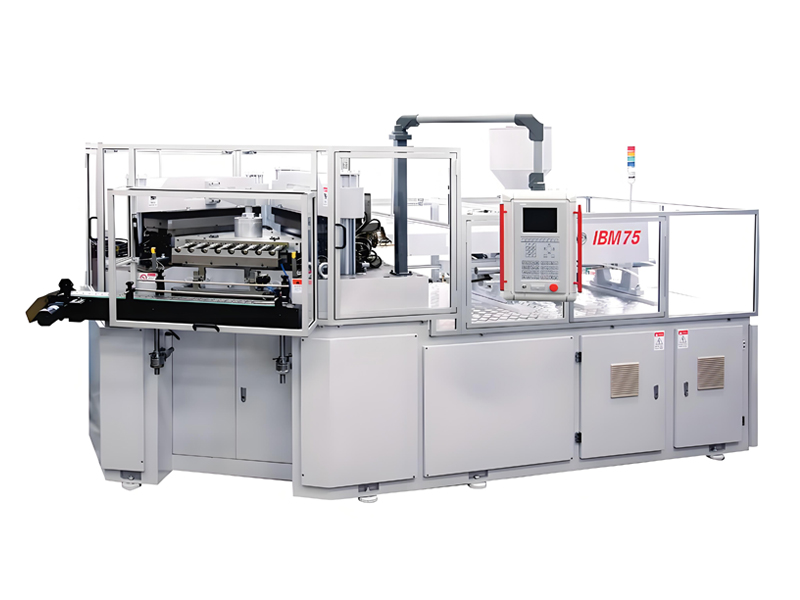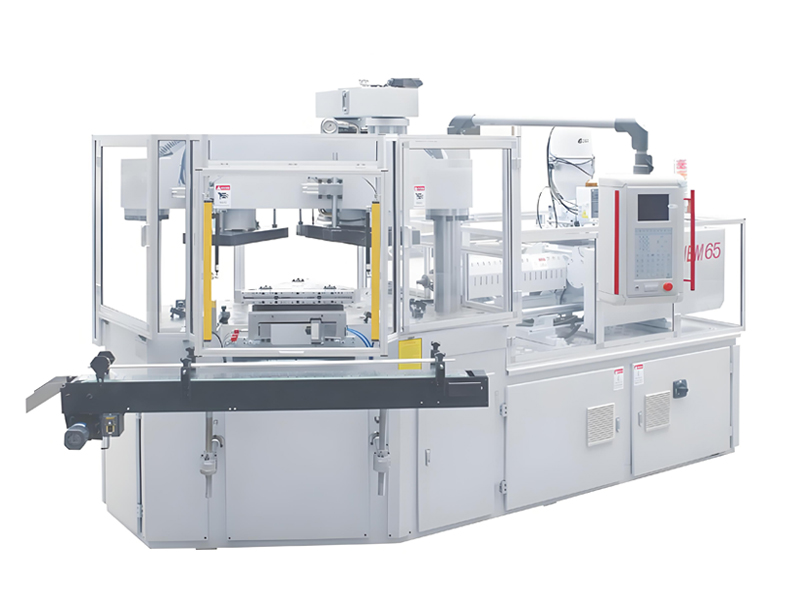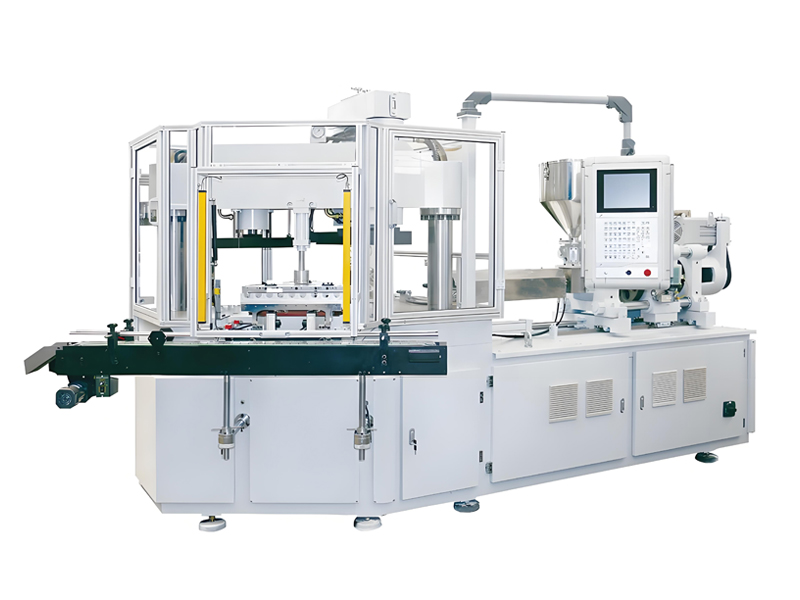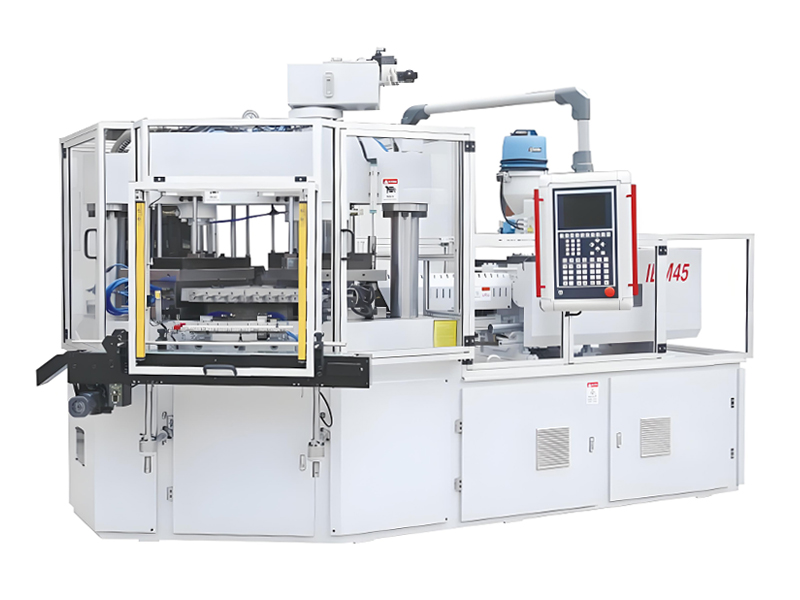
Starting a plastic bottle factory is less about buying one machine and more about assembling a chain of interdependent investments that together turn resin into shippable, compliant bottles. For a plant built around an injection blow molding line, the advantage is that the IBM machine integrates injection and blow in a single three-station, one-step frame, which removes the flash, the trimming area, and much of the secondary handling that other routes require. Even so, the total investment budget spans far more than the machine itself: the building and its clean zones, the molds, the auxiliary equipment, the power and compressed-air network, a quality lab, the certifications, and the working capital to survive the ramp-up. This article lays out a complete investment budget for a bottle factory centered on an IBM production line and expresses every item as a relatable cost level rather than a currency amount, because land, construction, and equipment prices vary so widely by region that a single number would mislead more than help. Aibim, a Wanplas factory, supplies the IBM75, IBM65, and IBM55 Hybrid machines for pharma, food, drink, and cosmetic containers from 3 ml to 1000 ml, and the budget framework below is built around how those lines are actually deployed. By the end, a first-time bottle maker will have a line-by-line plan and a phased roadmap that keeps early spending controlled while demand is still being proven.
ما يلزم لإطلاق مصنع زجاجات بلاستيكية IBM
Launching a bottle plant means standing up a system, not a single machine. The system has a core and a supporting shell. The core is the IBM production line: the machine, the molds, and the auxiliaries that feed and cool it. The shell is the factory, the utilities, the lab, the certifications, and the cash buffer that let the core run every day and ship legal product. A common mistake is to size the shell first and squeeze the core into it, which forces compromise on air quality, power, or flow. The better sequence is to define the core line, then build the shell around its space, power, air, and labor demands.
For planning, it helps to group the investment into ten budget blocks. The first block is the production line core. The second is auxiliary equipment. The third is the factory shell and clean zones. The fourth is utility engineering. The fifth is the quality lab. The sixth is certification and licensing. The seventh is working capital. The eighth is the phased roadmap that sequences spend. The ninth is the consolidated budget table, and the tenth is the question of why IBM fits a first-time plant. Each block carries a cost level from Low to Premium, and the levels combine into a total profile that a buyer can benchmark against their own regional quotes.
The single most important planning rule is to treat material as a recurring Very High layer from day one, which means the plant needs liquidity and a reliable resin supply before the first bottle ships. The capital budget builds the capability; the working capital budget keeps it running until customers pay. Both belong in the same plan, and separating them is how new plants accidentally run out of cash during the ramp-up even when the equipment budget was perfectly sized.
جوهر خط الإنتاج: آلة IBM والقوالب
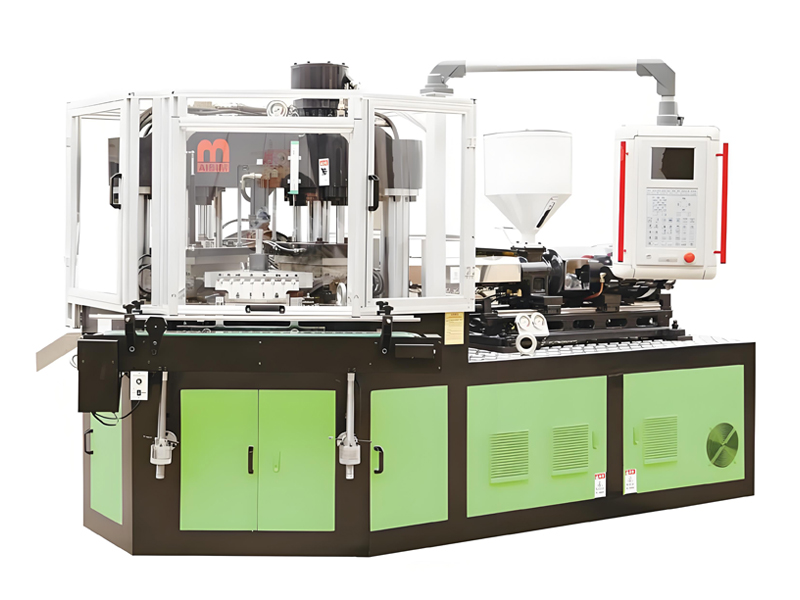
The production line core is the heart of the budget and the item that defines everything else. An Aibim IBM line is a three-station, one-step injection blow molding machine that injects the parison, transfers it, and blows the finished container in a single cycle, with a finished neck and no flash. The machine itself is a High cost level item in the capital budget, reflecting its precision clamping frame, hydraulic or hybrid drive, and integrated control. The IBM75 suits higher output of mid-size bottles, the IBM65 is the general-purpose workhorse, and the IBM55 Hybrid adds electric assist for plants that prioritize energy efficiency over peak throughput.
Molds are a separate and easy-to-underestimate budget line. Each bottle shape, neck finish, and volume needs its own cavity set, and a starter plant should budget one or two molds for launch products, then add more as orders confirm. Because Aibim runs its own CNC center, mold lead time and consistency are strong, but the mold budget still sits at a Medium to High level and should be planned explicitly rather than folded silently into the machine price. The table below shows the core line items and their relatable cost levels.
بنود الميزانية الأساسية لخط الإنتاج
| Item | Purpose | Cost Level | Planning Note |
|---|---|---|---|
| IBM machine (75 / 65 / 55) | Core molding process | High | Size to target output |
| Launch molds (1 to 2 sets) | Bottle shape and neck | Medium to High | Add per confirmed SKU |
| Spare mold inserts kit | Fast changeover, uptime | Low to Medium | Shares Wanplas spares policy |
| SD-card parameter backup | Clone setpoints | Low | Included capability |
When selecting the machine size, match it to the bottle volume class and the annual output target rather than to the highest number on a brochure. A plant serving cosmetic and pharma bottles in the 5 ml to 250 ml range may be well served by an IBM65 with one or two molds, while a plant targeting higher volumes of 500 ml to 1000 ml drink or food containers leans toward the IBM75. The IBM55 Hybrid is the right call when energy efficiency and long shift running dominate the business case, even though its per-hour throughput is the smallest of the three. The Wanplas brand’s open-factory policy lets a buyer visit Aibim’s plant, see the machines running, and confirm the build quality before committing the core budget.
ميزانية المعدات المساعدة
The IBM line cannot run without a set of auxiliaries, and these are frequently omitted from early budgets by buyers who focus only on the machine price. In reality, the auxiliaries form a distinct budget block at a Medium to High combined level, and skipping or undersizing them creates daily production problems that cost more than the equipment would have. The essential auxiliaries are a water chiller for mold temperature control, an oil-free compressed air system for blowing and ejection, a resin dryer where the material demands it, and a conveying and packing system that moves resin in and bottles out.
The chiller is not optional: IBM molds need stable temperature to hold neck dimensions and surface quality, so a right-sized chiller with a sensible setpoint is part of the core capability. The compressed air system must be oil-free and stable in pressure, because contamination or pressure swing directly causes rejects. A dryer is required for hygroscopic resins such as PC, PETG, and some engineering grades, while HDPE and PP are often run without it. Conveying and packing can start manual and be automated later, which lets a plant phase this part of the budget. The table below ranks the auxiliaries by cost level and priority.
ميزانية المعدات المساعدة
| Auxiliary | Why Needed | Cost Level | Phase |
|---|---|---|---|
| Water chiller | Mold temperature control | Medium | Launch |
| Oil-free air compressor | Blow and eject | Medium | Launch |
| Resin dryer | Hygroscopic grades | Low to Medium | By material |
| Conveying and packing | Resin in, bottles out | Low to Medium | Manual then auto |
| Air receiver and filters | Stable clean air | Low | Launch |
A useful rule is to size the chiller and compressor to the machine’s demand plus a comfortable margin, not to the minimum nameplate. Undersized cooling forces slower cycles or higher scrap, and an undersized compressor forces pressure swings that the operator fights all day. Because the IBM line’s energy level is already moderate and lower with PREFILL hydraulics, the auxiliaries are where steady, right-sized support pays back through fewer rejects and a calmer line. For plants that also want to reclaim scrap, Wanplas’s Polyretec factory supplies washing and pelletizing equipment that can be integrated later, though for food and pharma contact the regrind use is restricted and should be planned carefully.
مبنى المصنع ومناطق الغرف النظيفة
The factory shell is the budget block with the widest regional variation, because land and construction costs differ enormously by country and city. For planning, express it as a cost level from Low to Premium and break it into the production hall, the clean zone, the warehouse, and the support rooms. A single IBM line with its auxiliaries, packing, and material buffer typically needs a production footprint in the low hundreds of square meters, and the clean zone plus lab plus storage add a meaningful but separate area on top of that. The machine itself occupies a compact footprint because the three-station process integrates injection and blow in one frame, which is a real space advantage over routes that need separate trimming and deflashing halls.
For pharma and food bottles, a controlled clean zone around the blow and packing area is part of the compliance story, not a luxury. The clean zone level depends on the market and the product: cosmetic and many food bottles may need only a clean, separated, positive-pressure room, while pharma and medical contact bottles may need a higher classified room with monitored particulate control and gowning. The table below maps the building blocks to a cost level and a typical area share. The areas are expressed in square meters as planning anchors rather than as a currency figure.
مبنى المصنع وميزانية المناطق
| Zone | Typical Area | Cost Level | Comment |
|---|---|---|---|
| Production hall | Low hundreds m2 | Medium to High | Shell and floor |
| Clean zone | Tens to low hundreds m2 | Medium to Premium | Class by market |
| الجودة lab | Tens of m2 | Low to Medium | See lab section |
| Resin and finished storage | Tens to low hundreds m2 | Low to Medium | Buffer stock |
| Offices and welfare | Tens of m2 | Low | Support function |
The clean zone is where the budget can escalate from Medium to Premium, so it should be specified to the actual requirement rather than to a generic ideal. A plant shipping only cosmetic bottles to a tolerant market may need a clean, separated room with basic environmental control, while a plant exporting pharma containers may need a classified room with recorded monitoring and validated cleaning. Specifying the right class, not the highest class, keeps the building budget at a sensible level while still meeting the compliance obligation. The Wanplas group’s factory consulting services, including site layout and utility design, help a new bottle maker size these zones without over-building.
هندسة المرافق: الطاقة والهواء المضغوط
Utility engineering is the budget block that connects the building to the machines, and it is another frequent blind spot. It covers the main electrical distribution, the machine power connection, the compressed-air network, the cooling water loop, and the fire and safety systems. The cost level is Medium, but it rises quickly if the local supply is weak and the plant must add a transformer, a backup generator, or a large air receiver. Planning the utility block around the IBM line’s actual demand avoids both under-build, which causes trips and rejects, and over-build, which wastes capital.
Power distribution should be designed for the machine plus the chiller plus the compressor plus the dryer, with headroom for a second line later. Because the IBM line’s energy level is moderate and lower with PREFILL hydraulics or the hybrid drive, the connected load is manageable, but the air network still needs careful design: oil-free compression, adequate receiver volume, leak-tight piping, and point-of-use filtration. The cooling loop should serve the chiller and the mold with stable flow and temperature. The table below lists the utility items and their cost levels.
ميزانية هندسة المرافق
| Utility Item | Function | Cost Level | Note |
|---|---|---|---|
| Main distribution board | Plant power | Medium | Headroom for line 2 |
| Machine power connection | Feed the IBM line | Low to Medium | Per voltage spec |
| Compressed air network | Blow and eject air | Medium | Oil-free, leak-tight |
| Cooling water loop | Chiller to mold | Low to Medium | Stable temperature |
| Backup power | Continuity | Medium to High | If grid weak |
If the local grid is unreliable, a backup generator or a larger uninterruptible buffer becomes a Medium to High addition, but it protects the Very High cost of a line stop during a power dip. Many new plants in emerging markets under-budget this item and later suffer repeated scrap after each restart, which erodes both output and customer confidence. The utility block is therefore best specified generously, because it is cheaper to build capacity once than to retrofit a live plant. Aibim’s CE-certified safety architecture, including the light curtain and the long-distance digital laser sensor at the stripper station, also relies on clean, stable power to function as designed.
إعداد مختبر فحص الجودة
A bottle factory for food, drink, cosmetic, or pharma contact cannot ship on trust; it needs a quality lab that proves every batch meets specification. The lab is a Low to Medium cost level block in the capital budget, but it is essential for both compliance and customer approval. At minimum, the lab should support dimensional checks on neck finish and bottle weight, visual and leak inspection, and basic material verification. For pharma and medical grades, the lab may also need extractables and compatibility work coordinated with external specialists, which raises the ongoing level rather than the capital level.
The lab equipment list scales with the product risk. A cosmetic plant may need only calipers, a leak tester, and a balance, while a pharma plant may add environmental monitoring and more rigorous documentation. The table below shows a staged lab budget that a first-time plant can grow as it qualifies more demanding customers. The levels are capital cost levels; the recurring test-consumable level is Low but should be included in the operating budget discussed in the sister article on annual operating cost.
ميزانية مختبر الجودة حسب المرحلة
| Equipment | Checks | Cost Level | Stage |
|---|---|---|---|
| Calipers and gauges | Neck and dimension | Low | Launch |
| Balance | Bottle weight | Low | Launch |
| Leak tester | Seal integrity | Low to Medium | Launch |
| Environmental monitor | Clean zone control | Medium | Pharma stage |
| External test coordination | Extractables, migration | Medium (ongoing) | Regulated stage |
The lab is also where the IBM process advantage shows up: because the neck is molded to tight tolerance in the same step, dimensional checks are stable and the leak rate is low, so the lab workload stays manageable. A plant that must deflash and re-trim bottles would need more inspection and handling, raising both the lab and the labor levels. For a first-time bottle maker, investing in a small but disciplined lab at launch builds the documentation habit that later certifications require, which lowers the cost of the certification block when the time comes.
الشهادات والتراخيص والامتثال
Certification and licensing are the budget block that protects market access, and for food, drink, and pharma bottles it is non-negotiable. The capital and one-time level is Medium, but the real investment is the disciplined documentation, the cleanroom operation, and the audit preparation that the certification demands. At a minimum, a bottle plant should plan for a quality management system certification, local food-contact or drug-contact compliance for the relevant market, and where applicable alignment with a medical device quality system for pharma contact containers. The machine itself carries CE marking and the Aibim safety design supports a clean, auditable operation, but the plant certificate is separate from the machine certificate.
The compliance level rises with the destination market. Domestic cosmetic supply may need only basic business licensing and a quality system, while export to Europe or North America for food and pharma contact adds food-contact regulation alignment, good manufacturing practice expectations, and possibly third-party audits. The table below maps common compliance items to a cost level. Note that the cleanroom and lab built earlier are what make the higher compliance levels achievable, so the blocks are connected rather than independent.
ميزانية الشهادات والامتثال
| Item | Applies To | Cost Level | Type |
|---|---|---|---|
| الجودة management system | All plants | Medium | One-time plus audit |
| الغذاء-contact compliance | الغذاء and drink | Medium | One-time plus upkeep |
| Pharma / medical alignment | Pharma contact | High | Ongoing system |
| Export market clearance | Export plants | Medium to High | Per market |
| Machine CE marking | Aibim supplied | Included | With machine |
The certification block is where early discipline pays the most. A plant that builds its clean zone, lab, and records correctly from launch can add market-specific clearance later with incremental effort, while a plant that skipped documentation will face a rebuild of its quality system to earn the same certificate. The Wanplas brand’s shared quality standards and the open-factory policy give a new bottle maker a reference model to copy, and Aibim’s twelve-plus years in injection blow molding mean the machine-side evidence for audits is already mature. Treat certification as a capability you build, not a paper you buy.
رأس المال العامل واحتياطي التوسع التدريجي
Working capital is the budget block that decides whether the plant survives the gap between spending on resin and being paid for bottles. It is not part of the fixed capital, but it belongs in the same investment plan because a plant can be perfectly equipped and still fail for lack of cash flow. The working capital reserve should cover resin stock for the ramp, several months of operating cost, and the slow order-build period before volume stabilizes. Because material is the recurring Very High layer and must be paid before finished bottles are invoiced, the working capital level is typically Medium to High, and for plants carrying premium resins such as PC or PCTG it can reach High or Premium.
The ramp-up reserve also covers the learning curve: the first weeks of production usually show a higher scrap ratio and lower output than the nameplate, so the plant burns cash while it climbs the curve. A realistic reserve assumes the line reaches stable output only after a defined commissioning period, not on day one. The table below frames the working capital components and their relatable levels. The levels are intentionally broad because they depend on local payment terms and resin price, but the structure is universal.
مكونات رأس المال العامل
| Component | Purpose | Level | Duration |
|---|---|---|---|
| Resin stock | Feed the line | High | Ongoing buffer |
| Operating cost cover | الطاقة, labor, upkeep | Medium | Few months |
| Ramp scrap allowance | Learning curve loss | Low to Medium | First period |
| Spare parts float | Fast recovery | Low | Standing |
The Wanplas shared spare-parts allowance helps here too, because a complimentary annual parts reserve lowers the standing spare float a plant must carry. Still, the dominant working capital item is resin, and the discipline that mattered in the operating-cost article, the scrap ratio, matters even more during ramp-up: every kilogram of resin that becomes scrap during the learning curve is cash spent with no bottle to show for it. A plant that tracks scrap daily from the first shift protects its working capital and shortens the time to positive cash flow.
خارطة طريق التشغيل المرحلي
A phased roadmap turns a large, scary total budget into a sequence of controlled steps, and for a first-time bottle maker it is the single best way to reduce risk. The roadmap below assumes a plant that proves one line before adding capacity. Phase one delivers the shell, utilities, and one IBM line with launch molds and the essential auxiliaries. Phase two adds a second mold and automatic packing once the first product is qualified and orders are confirmed. Phase three adds a second line or a higher-output machine as volume grows. Each phase has its own cost level, so the early cash exposure stays manageable.
Phasing also protects the working capital block, because the plant earns revenue from phase one before funding phase two from cash flow rather than from new debt. The IBM process helps phasing because a single line already produces finished, necked, flash-free bottles, so the minimum viable plant is genuinely small. The table below shows the phased plan and the budget block each phase activates.
خطة التشغيل التجريبي المرحلي
| Phase | Scope | Budget Blocks | Level |
|---|---|---|---|
| Phase 1: Launch | Shell, utilities, one IBM line | Core, aux, building, utility, lab | High |
| Phase 2: Qualify | Second mold, auto packing | Mold, conveyor, certification | Medium |
| Phase 3: Scale | Second line or bigger machine | Core, aux, utility expand | High |
| Continuous | Working capital upkeep | Resin, operating, spares | Medium to High |
The phased approach also makes the certification block easier, because the plant qualifies its process on one line under controlled conditions before duplicating it. Aibim’s on-site installation, training, and irregular customer visits support each phase, and the SD-card parameter system lets a proven process be cloned onto a second line without re-learning the setpoints. For a buyer comparing suppliers, the ability to phase is a strong reason to favor a line that is self-contained and quick to commission, which is exactly the profile of the IBM75, IBM65, and IBM55 Hybrid range.
ميزانية الاستثمار الموحدة حسب مستوى التكلفة
The consolidated budget brings every block into one view using cost levels instead of currency amounts. This is the planning artifact a founder or a project team should take to a financing discussion, because it shows the shape of the investment clearly: a High core, a Medium to High shell and utility, a Medium compliance and lab, and a Medium to High working capital tail. The total profile is dominated by the combination of the machine, the building, and the working capital, while the auxiliaries, lab, and certification are real but smaller. The table below is the master budget; a buyer fills in regional quotes against each level.
ميزانية الاستثمار الرئيسية حسب مستوى التكلفة
| Budget Block | Cost Level | Phase | Key Driver |
|---|---|---|---|
| IBM machine | High | Phase 1 | Size and model |
| Molds | Medium to High | Phase 1 to 2 | SKU count |
| Auxiliaries | Medium to High | Phase 1 | Air, cooling, dry |
| Factory shell and clean zone | Medium to Premium | Phase 1 | Land and class |
| Utility engineering | Medium | Phase 1 | Grid quality |
| الجودة lab | Low to Medium | Phase 1 | Product risk |
| Certification and licensing | Medium | Phase 1 to 2 | Market access |
| Working capital | Medium to High | Continuous | Resin and ramp |
Read together, the blocks show that the largest single capital item is the machine and molds, the largest regional variable is the building and clean zone, and the largest ongoing exposure is the working capital tied to resin. The auxiliaries, lab, and certification are necessary but sit at lower levels, and they are precisely the items new planners forget. By expressing everything in cost levels, a buyer in any region can drop in local quotes and immediately see which block dominates their specific case, then negotiate or phase accordingly. The IBM route keeps the building block smaller than routes needing separate trimming halls, which is a quiet but real saving in the total profile.
الأسئلة الشائعة
ما أول بند استثماري يجب التخطيط له لمصنع زجاجات؟
Plan the production line core first, because the IBM machine, molds, and auxiliaries define the space, power, air, and labor the rest of the plant must support. The building and utilities should be sized around the line, not the other way around, so the core is the right starting point for the whole budget.
كم يجب أن تكون مساحة أرضية المصنع لخط IBM واحد؟
A single IBM line with its auxiliaries, packing, and material buffer typically needs a production footprint in the low hundreds of square meters, plus separate rooms for the clean zone, quality lab, and storage. The exact area grows with the number of lines and the required cleanroom class, but the machine itself occupies a compact footprint because the three-station process integrates injection and blow in one frame.
هل القوالب بند ميزانية منفصل عن آلة IBM؟
نعم، القوالب بند ميزانية مميز وغالبًا عنصر بمستوى تكلفة متوسط إلى عالٍ لأن كل شكل زجاجة وعنق وحجم يحتاج مجموعة تجاويف خاصة به. يجب أن يخصص مصنع البداية ميزانية لقالب أو قالبين لمنتجات الإطلاق ويعامل القوالب الإضافية كاستثمار مرحلي يتبع الطلبات المؤكدة.
ما هي الآلات المساعدة التي يجب أن ترافق خط IBM؟
At minimum, plan a water chiller for mold temperature control, an oil-free compressed air system for blowing and ejection, a resin dryer where the material demands it, and a conveying and packing system. These auxiliaries share the cost level band with the main machine and should never be omitted, because the IBM line cannot run without stable cooling and clean air.
كم رأس المال العامل الذي يجب أن تحتفظ به مصنع زجاجات جديد؟
Reserve a working capital buffer that covers resin stock, several months of operating cost, and the ramp-up period before orders reach steady volume. The level is typically Medium to High because material is the recurring Very High layer and must be paid for before finished bottles are invoiced, so the plant needs liquidity to bridge that gap.
ما الشهادات المهمة لمصنع زجاجات الأدوية أو الأغذية؟
For food and pharma contact, plan for quality management certification, local food-contact and drug-contact compliance, and where relevant medical device quality system alignment. The certification and licensing level is Medium, but the cleanroom and documentation effort that supports it can lift the overall compliance investment, especially for export-oriented plants.
هل يجب تشغيل المصنع الجديد على مراحل؟
يُوصى بشدة بخارطة طريق مرحلية. قم بتركيب وتأهيل خط واحد أولاً، وأثبت العملية والسوق، ثم أضف القوالب وخطًا ثانيًا مع نمو الطلبات. المرحلية تحافظ على الاستثمار المبكر عند مستوى يمكن إدارته وتقلل خطر بناء قدرة زائدة قبل تأكيد الطلب.
لماذا تختار IBM على مسارات النفخ الأخرى لمصنع زجاجات جديد؟
IBM produces a flash-free container with a molded neck in one step, which simplifies the plant layout by removing trimming and deflashing areas and lowers the recurring scrap and labor load. For pharma, cosmetic, food, and drink bottles in the small to mid volume range, that integration makes the factory footprint and the operating budget easier to control, which suits a first-time bottle maker.
الخلاصة
Starting a plastic bottle factory around an injection blow molding line is a multi-block investment, not a single purchase. The budget spans the IBM machine and molds at a High level, the auxiliaries and the building shell at a Medium to High or Premium level depending on region and cleanroom class, the utility engineering and quality lab at a Medium level, the certification and licensing at a Medium level, and the working capital tail at a Medium to High level that sustains resin and the ramp-up. The disciplined way to build this budget is to size the shell and utilities around the IBM line, phase the molds and the second line as orders confirm, and treat working capital as a first-class block rather than an afterthought. Aibim, a Wanplas factory with more than twelve years in injection blow molding, its own CNC center, and a one hundred lines per year capacity, designs the IBM75, IBM65, and IBM55 Hybrid machines to keep the plant footprint and the recurring operating load controllable, which is exactly what a first-time bottle maker needs. The Wanplas brand’s shared spare-parts allowance, open-factory policy, and factory consulting services further de-risk the early phases. Begin with one qualified line, prove the process, and let demand pull the next phase of investment rather than guessing the whole capacity up front.