جدول المحتويات
- مقدمة: Aibim ومنصة IBM55 الهجينة
- بنية المحرك الكهربائي الهجين
- هيكل ثلاثي المحطات ودقة الفهرسة
- تحديات الدقة وحلولها في نطاق 3-300 مل
- المواصفات الرئيسية لـ IBM55
- المقارنة مع سلسلة IBM75
- تحليل زمن الدورة وحساب الطاقة الإنتاجية
- توافق المواد
- الصناعات التطبيقية والمنتجات النهائية
- من الطلب إلى توصية التكوين
- إنتاج متوافق للأدوية ومستحضرات التجميل
- حلول القوالب
- التركيب والتشغيل والقبول (FAT/SAT)
- جدول الصيانة والفحص
- تشخيص المشكلات الشائعة
- مقارنة المسارات التقنية
- الاقتصاديات والعائد
- الخدمة والدعم
- الأسئلة الشائعة
- الخلاصة
مقدمة: Aibim ومنصة IBM55 الهجينة
Aibim, a Wanplas factory, is a specialized manufacturer of injection blow molding machines with more than 12 years of experience building plastic machinery and two decades of accumulated know-how in the injection blow molding (IBM) process. Based in Zhangjiagang and operating its own CNC machining center, Aibim ships to more than 40 countries and runs a new production facility purchased in 2022 with an annual capacity of over 100 complete lines. The company’s product focus is narrow and deep: three-station, one-step injection blow molding machines that convert plastic resin directly into finished, flash-free bottles in a single continuous cycle.
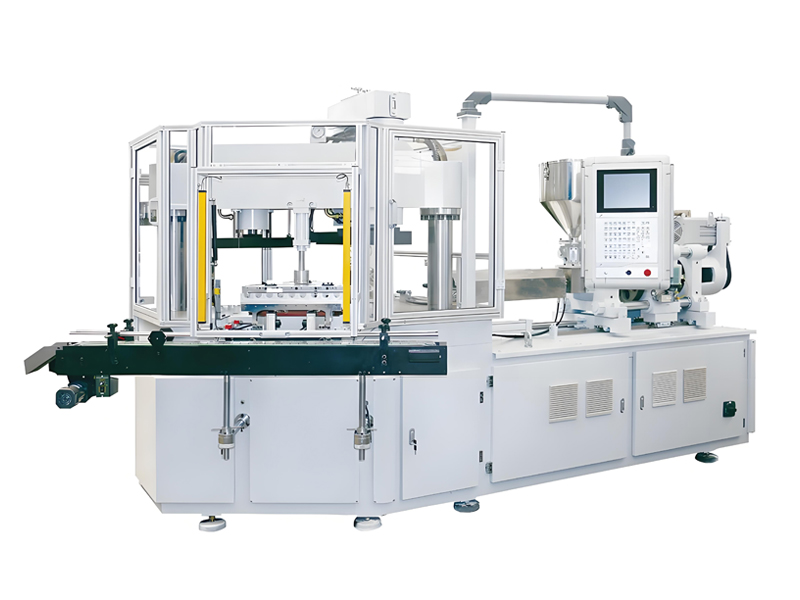
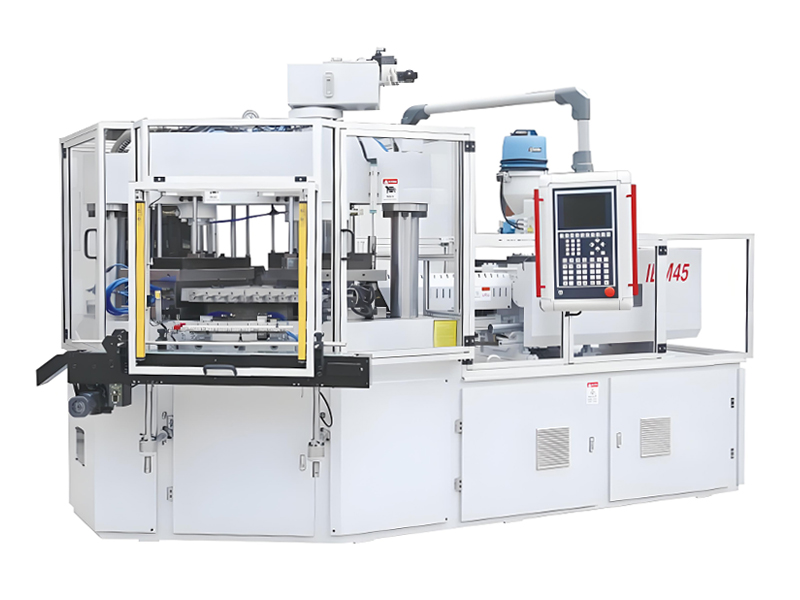
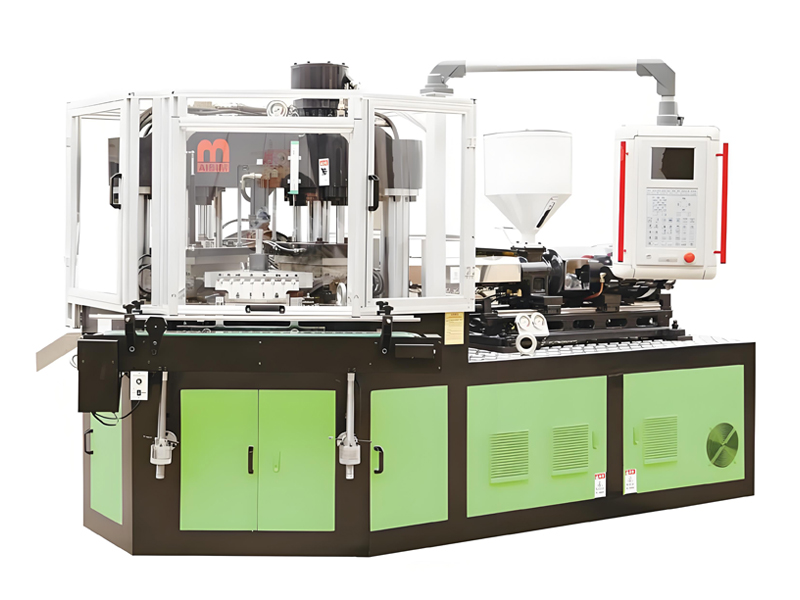
This article is a single-machine technical deep-dive on the آلة الحقن بالإنفجار بالتحول الهجين IBM55, the model built for high-precision small bottle production from 3 ml to 300 ml. Where the broader Aibim range covers containers from 3 ml up to 1000 ml, the IBM55 Hybrid is tuned specifically for the demanding low-volume, high-cavity, tight-tolerance segment: eye-drop bottles, oral-liquid vials, reagent tubes, essential-oil and perfume flacons, sample vials, and small lotion or emulsion bottles. The “Hybrid Electric” designation means the machine pairs a servo-driven variable-displacement pump hydraulic system with electrically optimized plasticizing and injection control, delivering the rigidity of hydraulics where it matters and the precision and efficiency of servo control where it pays back.
Two engineering facts frame everything that follows. First, Aibim cites a minimum energy saving of 35 percent versus conventional hydraulic designs, an outcome of its PREFILL technology and variable-displacement pump pressurizing architecture. Second, the machine is CE certified, with a stripper station protected by a long-distance digital laser sensor and a light curtain for personnel safety. Throughout this article we explain how the hybrid architecture delivers on those claims, and where the real precision value is created in the 3–300 ml window.
Whether you run a pharmaceutical packaging line that needs validated, low-particulate output, or a cosmetic brand that needs consistent neck threads and crystal-clear walls, the IBM55 Hybrid is designed around one goal: repeatable, clean, small-bottle production with the lowest practical energy and labor footprint. The sections below cover drive architecture, station mechanics, precision technique, specifications, capacity math, materials, applications, compliance, tooling, commissioning, maintenance, troubleshooting, competitive fit, and economics.
بنية المحرك الكهربائي الهجين
The hybrid drive is the single most important differentiator of the IBM55, and understanding it is the key to understanding the machine’s energy, precision, and noise profile. A true hybrid does not simply bolt a servo motor onto an old hydraulic circuit. It re-partitions the work: high-force, low-frequency motions stay on hydraulics for rigidity and safety, while high-frequency, precision-critical motions move to servo-controlled, on-demand power.
المضخة المتغيرة بمحرك سيرفو مقابل المضخة الثابتة وصمام التنفيس
Conventional full-hydraulic IBM machines use a fixed-displacement pump running at constant speed, dumping excess flow across a relief valve whenever the system demand is below pump capacity. That bypassed oil is not free: it is heated, filtered, cooled, and pumped again, continuously. The IBM55 Hybrid replaces this with a servo motor driving a variable-displacement pump. The controller commands the servo to spin only as fast as the current phase requires, and the pump swashplate trims displacement to match the instantaneous flow demand. This is on-demand flow: when the clamp is idle during the blow phase, the pump output falls toward zero rather than circulating through relief.
Operationally, the difference shows up as lower average motor speed, lower flow to tank, and far less heat generated inside the circuit. The hydraulic power unit behaves like a load-following supply instead of a always-on generator. Aibim’s PREFILL technology complements this by pre-charging the clamp cylinder rapidly during the closing stroke, so the high-flow demand is met without oversizing the pump, after which the variable-displacement pump holds tonnage with minimal flow. The net effect is a hydraulic system that is quieter, cooler, and smaller in installed power than an equivalent fixed-pump design.
مقارنة استهلاك الطاقة
مقارنةً بخط أساس هيدروليكي كامل بقوة إغلاق وإنتاج متساويين، يقلل IBM55 Hybrid عادةً استهلاك الطاقة الإجمالي بنسبة 30 إلى 50 بالمئة، مع حد أدنى موثق من Aibim عند 35 بالمئة. التوفير ليس رقمًا واحدًا بل مجموعة من التأثيرات، كل منها قابل للتحقق في أرضية المصنع:
- السحب في الخمول والاستعداد: لأن التدفق يتبع الطلب، تستهلك مراحل الاستعداد وانخفاض الطلب جزءًا صغيرًا من طاقة استعداد المضخة الثابتة. يمكن أن تنخفض الطاقة الهيدروليكية في وضع الاستعداد بأكثر من النصف.
- درجة حرارة الزيت: تنخفض درجة حرارة تشغيل الزيت الهيدروليكي عادةً من نطاق 50-58 درجة مئوية على خط تقليدي إلى نطاق 40-48 درجة مئوية على الخط الهجين، وهو انخفاض يحمي الأختام ويحافظ على اللزوجة ويقلل حمل التبريد.
- ماء التبريد: مع حرارة أقل لطردها، ينخفض استهلاك ماء التبريد في المصنع لوحدة الطاقة، مما يقلل استخدام المرافق والحمولة على المبرد المركزي.
- عمر الزيت: درجة حرارة الزيت المنخفضة والأكثر استقرارًا تبطئ الأكسدة وتطيل العمر التشغيلي للسائل، مما يقلل تكرار التغيير وحجم الزيت المهدور.
- ذروة الطلب: لأن السيرفو يتجنب تيار الاندفاع والسرعة الزائدة المستمرة للمضخة الثابتة، يرى المصنع ذروة سحب كهربائي أنعم، وهو ما يهم حيث تُطبق رسوم الطلب.
يتم التعبير عن جميع أرقام الطاقة في هذه المقالة كنسب مئوية وكميات فيزيائية فقط. لا تُستخدم مبالغ العملات؛ يتم تقييم مزايا التكلفة من خلال مؤشرات الطاقة والعائد ومؤشرات تكلفة التحويل الموصوفة في قسم الاقتصاديات.
قابلية التكرار والدقة
الطاقة نصف القصة فقط؛ البنية الهجينة تكسب مكانها في خطوط الأدوية ومستحضرات التجميل لأنها تشدد قابلية تكرار العملية. ثلاث آليات مهمة:
- استقرار زمن الدورة: يحافظ التحكم بالسيرفو على التباين بين الدورات ضمن حوالي ±1 بالمائة، بحيث ترى معدات التعبئة والفحص النهائية تدفقًا ثابتًا بدلاً من تدفق نابض.
- حلقة مغلقة لضغط الحقن: تعمل مرحلة الحقن تحت تحكم ضغط بحلقة مغلقة بدلاً من تدفق بحلقة مفتوحة، مما يحافظ على ثبات وزن الباريسون حقنة بعد حقنة.
- الاحتفاظ المجزأ: يُقسم ملف الاحتفاظ (التعبئة) إلى أجزاء، مما يسمح للمشغل بضبط ضغط التعبئة مقابل ضغط التجويف عبر نافذة التبريد بدلاً من تطبيق احتفاظ مسطح واحد.
- تفاوت وزن الزجاجة: مع الجرعات والثبات المستقرين، يبقى وزن الزجاجة النهائية عادةً ضمن ±1 بالمائة من قطعة إلى أخرى، مما يقلل مباشرة استخدام الراتنج ويحسن اتساق حجم التعبئة.
هذه هي الدقة التي تبرر الآلة للزجاجات الدقيقة من 3-15 مل، حيث يكون تحول الوزن بنسبة واحد بالمائة مرئيًا في كل من التكلفة وسلوك التعبئة. يحول الجمع بين الهيدروليكيات عند الطلب والحقن ذي الحلقة المغلقة "جيد بما يكفي" إلى "مُتحقق منه".
قيمة الضوضاء والغرفة النظيفة
الضوضاء is rarely the headline reason a buyer chooses a machine, but in a cleanroom or a shared production hall it becomes a compliance and comfort issue. Fixed-pump hydraulics produce a steady broadband whine plus relief-valve chatter; the IBM55 Hybrid, by trimming pump speed to demand, typically reduces operating noise by several decibels A-weighted, commonly landing in a lower dB(A) band than an equivalent full-hydraulic unit. Lower noise improves the human environment at the operator station and reduces the acoustic isolation burden when the machine is placed inside a controlled clean area. Combined with the cooler oil and smaller cooling load, the hybrid is materially easier to site within pharmaceutical and cosmetic clean production zones.
الحدود بين الهيدروليكي والكهربائي
A well-designed hybrid draws a clear line. Clamping uses hydraulics on purpose: the mold must be held rigid under injection and blow pressure, and hydraulic clamp gives the low-pressure mold-protection and high-tonnage hold that small, delicate cores and neck inserts need. Plasticizing and injection move toward servo control because that is where speed, pressure, and position precision convert directly into bottle quality. The blow and transfer motions are engineered for smooth, controlled indexing rather than raw force. The result is a machine that keeps the safety and rigidity of hydraulics while capturing most of the efficiency and repeatability gain normally associated with all-electric systems, at a lower total cost than a fully electric press of equal capability.
هيكل ثلاثي المحطات ودقة الفهرسة
الحقن blow molding is defined by its three-station, one-step layout. The IBM55 rotates a central transfer system through injection, blow, and ejection without the parison ever leaving the core rod. This structural choice is the root of IBM’s signature advantages: no flash at the parting line, an integral neck finish, and consistent wall distribution.
تسلسل الحقن والنفخ والقذف
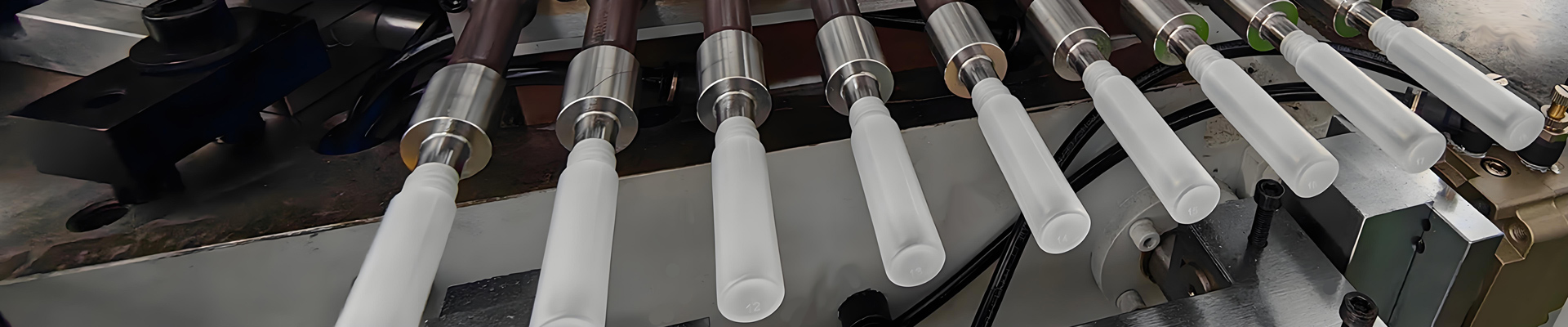
At the first station, the injection unit plasticizes resin and injects it onto the heated core rod to form a parison — a hollow tube of molten polymer sized to the final bottle. At the second station, the parison-carrying core rod indexes into the blow cavity, where conditioned air expands the parison against the cooled mold wall to set the bottle shape and surface. At the third station, the finished bottle is stripped from the core rod and discharged. Because the parison is molded onto the core rod rather than extruded and cut, the neck is created by the injection mold, which is why IBM neck finishes are dimensionally tight and flash-free by design.
تكرارية فهرسة قضيب القلب
The heart of quality in this layout is the transfer index. Each core rod must return to the same position in the injection, blow, and ejection stations within tight limits, shot after shot, for the life of the tool. The IBM55 platform is built around a rigid rotating platen and a precision index mechanism so that core rod repeat positioning stays within the small tolerance window the neck and body demand. Poor indexing shows up as neck eccentricity, wall variation between cavities, and intermittent hang-up at strip. Aibim’s single-crossbeam, double-pole clamping framework enlarges the mold-setting space and keeps the station geometry stable, which protects index accuracy under continuous running. Index repeatability is maintained through periodic lubrication of the transfer mechanism, verification of the indexing cam or servo, and inspection of core rod wear.
التحكم في درجة حرارة قضيب القلب
The core rod is both a molding surface and a heat exchanger. It must be hot enough to keep the injected parison soft for the brief transfer to the blow station, yet cool enough that the finished bottle releases cleanly at ejection. In practice the core rod runs warmer than the blow cavity wall, with a controlled temperature difference commonly in the 20–60 °C range depending on material and bottle geometry. Stable core rod temperature is what prevents sticking, neck deformation, and inconsistent wall thickness. The IBM55 supports dedicated core rod cooling and temperature zoning so that each rod is held at its process setpoint; this is especially important in high-cavity layouts where a single hot rod can spoil an entire shot.
تحديات الدقة وحلولها في نطاق 3-300 مل
شريحة 3-300 مل هي حيث يتفوق القولبة بالنفخ بالحقن على العمليات البديلة، لكنها أيضًا حيث يهم انضباط العملية أكثر من غيره. تضخم الزجاجات الصغيرة كل خطأ: انحراف عنق بمقدار 0.1 مم هو خطأ تقريب على زجاجة لتر واحد وغطاء مرفوض على قارورة 5 مل.
الحقن الدقيق للأجزاء من 3 إلى 15 مل
At the low end of the range, the mass of polymer in a single parison is tiny. Metering that small a shot repeatably demands fine screw control. Key techniques on the IBM55 include a small minimum screw stroke so the machine is not trying to meter a pea-sized shot with a barrel built for much more, a reliable non-return valve (check ring) that prevents backflow during hold, controlled residual (cushion) melt so each shot starts from the same condition, and injection speed profiling that slows the fill as the parison approaches full to avoid flash and jetting. For 3–15 ml parts, cavity count rises (often 16–24 cavities) to keep the per-station shot meaningful while the individual bottle stays minute. The payback is uniform micro-bottles with stable weight and clean necks.
دقة تشطيب العنق والقولبة الخالية من الفلاش
The neck is the functional interface of every bottle: it carries the thread or snap, the sealing land, and often a tamper band. IBM creates the neck by injection, so its thread completeness, land flatness, and diameter are set by steel, not by a secondary trimming operation. On the IBM55, neck outer diameter is typically held within ±0.05–0.1 mm and perpendicularity (verticality) is controlled by rigid core rod guidance. Because there is no bimodal parting line across the neck, the bottle is flash-free by process — a structural advantage over extrusion blow molding, which must trim a parison tail. Flash-free necks mean no secondary deflashing, lower particulate generation, and immediate compatibility with standard caps and droppers.
توحيد سمك الجدار
Wall uniformity drives both appearance and performance. Too thin and the bottle collapses or leaks; too thick and you waste resin and extend cooling. Uniformity starts with parison design and is finished by the blow step. The IBM55 works with blow-up ratios in the practical 2:1 to 4:1 range, blow air pressure around 0.4–0.8 MPa, and a tuned blow delay so the parison is at the right temperature when air enters. Core rod and cavity geometry are matched so the parison contacts the wall evenly; air delay and exhaust are set so no zone is starved or over-blown. The result is balanced wall distribution from shoulder to base, which matters for drop resistance and for clear cosmetic bottles where thick-and-thin streaks are visible.
توازن عالي للتجاويف
At 8–24 cavities, balance is the difference between a profitable line and a troubleshooting marathon. Fill imbalance above a few percent means some cavities short-weight while others flash, and the spread grows with cavity count. The IBM55 addresses balance through a thermally zoned manifold, symmetric runner geometry, and validated flow distribution. Two shop-floor methods confirm balance: the short-shot method, where a partially filled shot reveals which cavities fill last, and the weigh method, where finished bottles from each cavity are weighed to quantify the spread. A well-tuned IBM55 layout keeps cavity-to-cavity fill imbalance below 3 percent, which is the threshold at which downstream filling and inspection stay simple.
المواصفات الرئيسية لـ IBM55
The figures in the table below are typical/indicative values for the IBM55 Hybrid platform. The source profile confirms the model name, the 3 ml to 300 ml volume range stated in the article title, the material list, the PREFILL hybrid hydraulic architecture, and a minimum 35 percent energy saving. Specific numeric ratings (clamping force, shot size, screw diameter, and so on) are not published in the profile and are presented here as reasonable industry-typical values for the platform class; final specifications are confirmed at quotation.
| Parameter | IBM55 Hybrid (typical / indicative) | Reference basis |
|---|---|---|
| Clamping force | 550 kN (≈55 ton) | Model designation, typical class |
| Shot size (theoretical) | 250 g | Typical for class |
| Screw diameter | 40 mm | Typical for class |
| Screw L/D ratio | 20:1 | Typical for class |
| Container volume range | 3–300 ml | Article title / product definition |
| Mold stations | 3 (injection / blow / ejection) | Three-station one-step IBM |
| Cavity number | 8–24 | Typical for 3–300 ml segment |
| Dry cycle (index) time | 3.5 s | Typical for class |
| Installed power | 38 kW | Typical for class |
| Machine dimensions (L×W×H) | 3500 × 1500 × 2200 mm | Typical for class |
| وزن الماكينة | 6500 kg | Typical for class |
| Drive architecture | Hybrid electric, servo variable-displacement pump | Profile: PREFILL + variable-displacement pump |
| الطاقة saving vs full hydraulic | ≥35% (minimum, per Aibim) | Profile claim |
| Processable materials | PE (HDPE/LDPE/LLDPE), PP, PS, ABS, SAN, TPU, PC, PCTG | Profile material list |
| Safety / certification | CE; digital laser sensor at stripper; light curtain | Profile claim |
المقارنة مع سلسلة IBM75
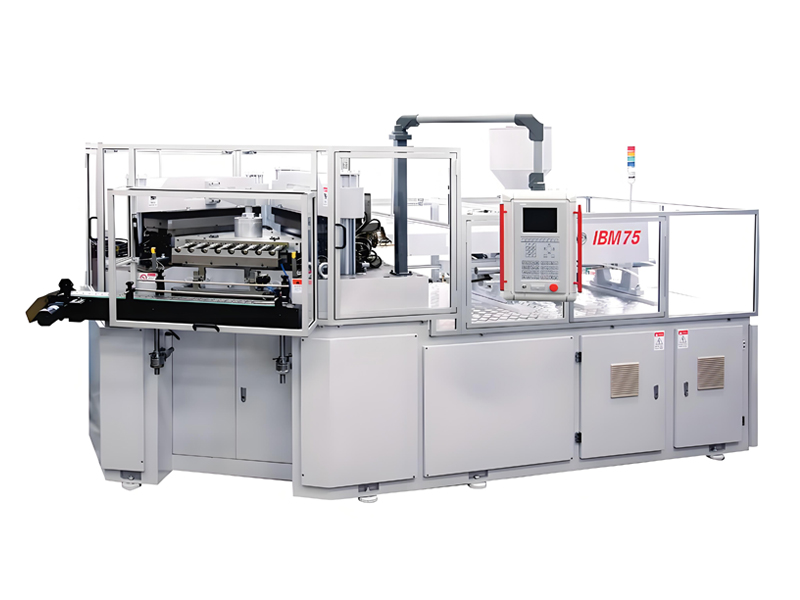
To help buyers choose between the small-bottle specialist and the larger sibling, the table below places the IBM55 Hybrid next to the IBM75, a real model in the same Aibim series. The IBM75 is positioned for bigger containers and higher per-station output, while the IBM55 stays focused on the 3–300 ml precision window. As with the IBM55, numeric ratings for the IBM75 are presented as typical/indicative values because the profile lists the model name but not its detailed ratings.
| Parameter | IBM55 Hybrid (typical) | IBM75 (typical / indicative) |
|---|---|---|
| Clamping force | 550 kN (≈55 ton) | 750 kN (≈75 ton) |
| Shot size (theoretical) | 250 g | 400 g |
| Screw diameter | 40 mm | 45 mm |
| Screw L/D ratio | 20:1 | 20:1 |
| Container volume range | 3–300 ml | 50–750 ml (typical; up to 1000 ml class) |
| Mold stations | 3 | 3 |
| Cavity number | 8–24 | 12–32 |
| Dry cycle (index) time | 3.5 s | 4.0 s |
| Installed power | 38 kW | 52 kW |
| Machine dimensions (L×W×H) | 3500 × 1500 × 2200 mm | 4200 × 1700 × 2400 mm |
| وزن الماكينة | 6500 kg | 9000 kg |
| Best-fit application | Micro to small precision bottles, 3–300 ml | Mid-size bottles and higher cavitation |
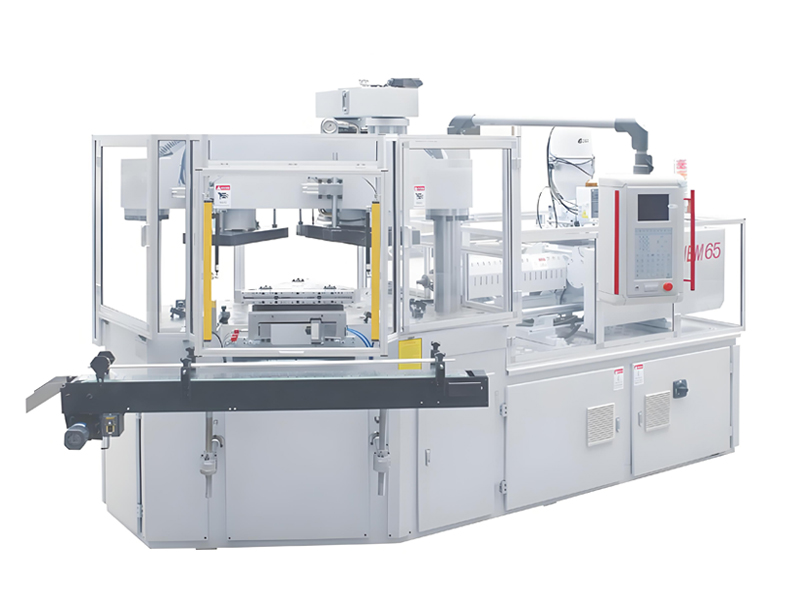
بالنسبة للمشاريع الواقعة بين الاثنين، تتضمن سلسلة Aibim أيضًا IBM65، مما يوفر مسارًا تدريجيًا من نافذة الدقة الصغيرة حتى الحاويات الأكبر دون مغادرة نفس منصة المحطات الثلاث والخطوة الواحدة وفلسفة التحكم.
تحليل زمن الدورة وحساب الطاقة الإنتاجية
Capacity on an IBM machine is governed by the index cycle and the cavity count, because each index produces a full set of bottles equal to the cavity number. A practical capacity estimate uses: pieces per hour = cavities × 3600 ÷ cycle time (seconds). The table below shows typical relationships for the 3–300 ml window on the IBM55 Hybrid. Numbers are indicative and assume stable cooling and a clean process; actual output depends on bottle geometry, material, and cavitation.
| Volume segment | Typical cycle time (s) | Cavities | Capacity (pcs/h, indicative) | الطاقة (kWh per 1000 pcs, indicative) |
|---|---|---|---|---|
| 3–15 ml (micro) | 8 | 24 | 10,800 | 2.1 |
| 10–30 ml (vial) | 9 | 20 | 8,000 | 2.9 |
| 30–100 ml | 10 | 16 | 5,760 | 4.0 |
| 100–300 ml | 14 | 12 | 3,090 | 7.4 |
To read the table: a 5 ml eye-drop bottle at 24 cavities and an 8-second index yields roughly 10,800 bottles per hour. الطاقة per 1000 pieces rises as bottles get larger because more resin must be plasticized and cooled, but the hybrid drivetrain keeps the absolute number well below a comparable full-hydraulic line. When planning a line, always add changeover, minor stoppage, and maintenance allowances; a realistic operating utilization of 80–90 percent is a sound planning assumption.
توافق المواد
The IBM55 processes a broad resin set, making it suitable across pharmaceutical, cosmetic, food, and laboratory consumable applications. The table below pairs each material with practical processing temperature, typical shrinkage, drying guidance, and representative end products. Temperatures for PP, HDPE, PETG, and PC follow the standard windows for these resins; shrinkage and drying are typical ranges that shift with grade and additive package.
| Material | Processing temp (°C) | Shrinkage (%) | Drying requirement | Typical application |
|---|---|---|---|---|
| PP (random copolymer, medical) | 200–240 | 1.5–2.0 | Generally not required; 80 °C optional | Eye-drop, oral-liquid bottles |
| HDPE | 180–220 | 2.0–2.5 | Not required | Milk vials, cosmetic jars |
| LDPE / LLDPE | 170–210 | 1.5–2.5 | Not required | Squeeze bottles, soft tubes |
| PETG | 220–250 | 0.4–0.7 | 65 °C / 4 h dehumidifying | مستحضرات التجميل, display bottles |
| PS | 190–230 | 0.4–0.7 | 70 °C / 2 h | Lab vials, sampling bottles |
| SAN | 210–250 | 0.4–0.7 | 80 °C / 3 h | Clear cosmetic bottles |
| PC | 270–300 | 0.5–0.7 | 120 °C / 4 h dehumidifying | Premium medical, cosmetic |
| TPU | 190–220 | 1.0–1.8 | 80 °C / 3 h | Soft-touch droppers, flex bottles |
| PCTG | 230–260 | 0.4–0.7 | 65 °C / 4 h dehumidifying | Premium cosmetic flacons |
| COC / COP | 240–280 | 0.5–0.7 | 90 °C / 3 h | Diagnostic, pharmaceutical vials |
Material selection drives both machine setup and compliance pathway. Medical PP random copolymer is the workhorse for pharmacopoeia contact; PETG and PCTG deliver clarity for cosmetic and premium lines; PC and COC/COP serve high-clarity or high-barrier medical needs. Drying discipline is non-negotiable for the hygroscopic grades (PETG, PC, SAN, COC/COP) because moisture turns into splay, haze, and weakened necks.
الصناعات التطبيقية والمنتجات النهائية
تخدم ماكينات النفخ بالحقن من Aibim أسواق الأدوية والأغذية والمشروبات ومستحضرات التجميل. ضمن تركيز 3–300 مل لـ IBM55، المنتجات النهائية الملموسة هي:
- الأدوية: زجاجات قطرات العين في نطاق 5-15 مل، وزجاجات السوائل الفموية في نطاق 10-30 مل، وقوارير الكواشف أحادية الجرعة، وقوارير العينات التشخيصية حيث تكون دقة العنق والإنتاج النظيف إلزاميين.
- المستهلكات المخبرية: أنابيب الكواشف وقوارير العينات وزجاجات الاختبار التي تتطلب إحكامًا دقيقًا للعنق مع الحواجز والأغطية وتوليدًا منخفضًا للجسيمات.
- مستحضرات التجميل: زجاجات الزيوت العطرية وقوارير العطور وزجاجات السيروم أو المستحلب في نطاق 30–200 مل حيث تحدد شفافية الجدار وجودة السن اللولبي جاذبية الرف.
- الأغذية والمشروبات: زجاجات صغيرة للنكهات والصلصات، وقطارات الحصص، وعينات الزيوت الصالحة للأكل المتخصصة حيث تكون مطابقة ملامسة الأغذية والأعناق الخالية من التسرب مطلوبة.
- المواد الكيميائية اليومية: زجاجات لوشن ومستحلب بحجم السفر، وصيغ أكياس أحادية الاستخدام داخل الزجاجة، وعبوات ترويجية صغيرة.
نظرًا لأن العنق يُشكَّل وليس يُقص، فإن كل منتج من هذه المنتجات يخرج من الآلة جاهزًا للتغطية والوسم والتعبئة دون خطوة إزالة النتوءات. هذه الميزة الواحدة هي سبب هيمنة IBM على تنسيقات الزجاجات الصيدلانية والتجميلية الصغيرة.
من الطلب إلى توصية التكوين
The table below maps a representative set of customer requirements to a concrete IBM55 (or sibling) configuration. Volume, monthly output, material, and required cleanliness drive the model choice, cavity count, and option list. Figures are planning guidance; final cavitation is validated during trial and tooling design.
| Requirement (volume / monthly / material / clean class) | Recommended model | Cavities | Key options |
|---|---|---|---|
| 5–15 ml eye drops / 3M / PP / ISO 8 | IBM55 Hybrid | 16–24 | Core rod temp control, cleanroom kit, hopper dryer |
| 10–30 ml oral liquid / 5M / PP / ISO 8 | IBM55 Hybrid | 12–20 | Cleanroom kit, in-line inspection, recipe management |
| 5–20 ml reagent vials / 4M / PS / ISO 8 | IBM55 Hybrid | 16–24 | Drying, core rod zoning, color sorter interface |
| 30–200 ml lotion / 2M / HDPE or PETG / general | IBM55 Hybrid | 8–16 | Surface polish, striped or clear option |
| 10–30 ml essential oil / 1M / PETG / general | IBM55 Hybrid | 8–12 | High-polish cavity, low-haze setup |
| 50–300 ml cosmetic / 1.5M / PETG or PC / ISO 8 | IBM75 | 12–24 | Cleanroom kit, drying, multi-zone hot runner |
إنتاج متوافق للأدوية ومستحضرات التجميل
نادرًا ما تكون الزجاجات الصغيرة للأدوية ومستحضرات التجميل مجرد حاويات؛ فهي جزء من نظام تلامس مُتحقق منه. يمكن تخصيص IBM55 Hybrid للإنتاج المتحكم به من خلال مجموعة من الإجراءات البيئية وإجراءات جانب الآلة:
- بيئة نظيفة: تخطيط داخل غرفة نظيفة من الفئة 100000 (ISO 8)، أو غطاء تدفق صفحي موضعي فوق منطقة القذف وتجميع الزجاجات، مع ضغط إيجابي بالنسبة للمناطق المحيطة لمنع دخول الجسيمات.
- هواء خدمات نظيف: هواء مضغوط خالٍ من الزيت للنفخ والاستخدامات المساعدة، بحيث لا يصل أي رذاذ زيت إلى داخل الزجاجة أو المنطقة النظيفة.
- أسطح ماكينة صحية: واقيات من الفولاذ المقاوم للصدأ وهندسة سهلة التنظيف تقاوم البقايا وتبسط التعقيم بين الحملات.
- امتثال المواد والملامسة: اختيار الراتنج بما يتماشى مع أطر ملامسة الطعام والطبية بما في ذلك FDA وEU 10/2011 وGB 4806، وللدرجات الطبية USP Class VI وISO 10993 حيثما ينطبق ذلك.
- مواءمة نظام الجودة: يمكن إرجاع العبوات الأولية للأدوية إلى ISO 15378، الذي يوسع ISO 9001 بتوقعات GMP لمواد التعبئة.
- قابلية التتبع: تخزين واسترجاع الوصفة (مجموعة المعلمات)، وإدارة أذونات المشغل، وتسجيل بيانات العملية بحيث يمكن إعادة بناء كل دفعة إنتاج وتدقيقها.
These measures are configuration and facility choices layered on the base machine; none change the fundamental three-station process, which is already flash-free and low-particulate by design. The SD-card parameter storage on Aibim machines supports recipe portability and repeat setups across multiple lines.
حلول القوالب
الأدوات هي المكان الذي تُكسب أو تُخسر فيه جودة الزجاجة وسرعة التبديل. يعمل IBM55 مع قوالب متعددة التجاويف مبنية حول مفهوم قضيب القلب ثلاثي المحطات:
- تخطيط متعدد التجاويف: يُختار عدد التجاويف لموازنة الحقنة لكل محطة مقابل الدورة المستهدفة؛ نطاق 8–24 تجويفًا نموذجي لنافذة 3–300 مل.
- القناة الساخنة / المشعب: يغذي مشعب مقسم حراريًا محطات الحقن بالتساوي، وهو أساس هدف توازن التعبئة الأقل من 3 بالمائة.
- تبريد قضيب القلب: تحافظ قنوات تبريد مخصصة على كل قضيب قلب عند نقطة الضبط، مما يحمي هندسة العنق والتحرير.
- التهوية والتلميع: التهوية المناسبة (venting) والتلميع السطحي العالي يمنعان الحروق والغاز المحبوس والجدران الضبابية، خاصةً في درجات مستحضرات التجميل الشفافة.
- عمر القالب: الأدوات التي تتم صيانتها جيدًا تعمل لملايين الدورات؛ يعتمد العمر على كشط الراتنج والصيانة والمناولة.
- التغيير السريع (SMED): تصميم تغيير قالب سريع وواجهات موحدة تستهدف نوافذ تبديل قصيرة، مما يقلل وقت التوقف عند تبديل أشكال الزجاجات.
- إدارة مكتبة القوالب: تخزين المعلمات وسجلات الصيانة والتاريخ لكل قالب يدعم عمليات التشغيل القابلة للتكرار والتجديد المخطط.
تدير Aibim مركز CNC خاصًا بها، يدعم التشغيل الدقيق الداخلي لأجزاء الماكينة والمكونات المتعلقة بالأدوات، مما يقصر مدة التسليم ويحافظ على اتساق الهندسة عبر قوالب الغيار والإنتاج.
التركيب والتشغيل والقبول (FAT/SAT)
تسلسل تشغيل تجريبي منضبط يقلل مخاطر التشغيل ويمنح الطرفين خط أساس موثقًا. يُتحقق عادةً من IBM55 في مراحل تصاعدية، من عدم التحميل إلى الإنتاج المستدام بكامل التجاويف:
| Stage | Criterion | احصل على عرض أسعارance judgment |
|---|---|---|
| No-load run | 30 min continuous, no alarm, low noise and temperature rise | Pass if clean run, stable hydraulics |
| Single cavity | 200 shots, stable weight and dimensions | Weight capability (Cpk) ≥ 1.33 |
| Full cavitation | 2 h continuous at target cavities | Cavity fill balance < 3% |
| 8 h stability | Continuous production, monitored | Cycle variance ±1%, yield ≥ 98% |
| Final inspection | Sampled bottle measurement | Neck dimension ±0.05–0.1 mm, no flash |
Utilities planning matters before the machine arrives: a level foundation within specified tolerance, clean and dry compressed air at the required pressure and volume, cooling water at a stable temperature and flow, and an electrical supply sized to the installed power with appropriate kVA headroom. Factory احصل على عرض أسعارance Test (FAT) is performed at Aibim before shipment; Site احصل على عرض أسعارance Test (SAT) confirms the same behavior in the customer plant after installation and commissioning.
جدول الصيانة والفحص
تكافئ الماكينات الهجينة الصيانة المنضبطة لأن ميزتها تعتمد على الزيت النظيف والتحكم المستقر. جدول عملي لطراز IBM55:
| Interval | Key tasks |
|---|---|
| Daily | Check oil level and temperature; verify safety light curtain and laser sensor; clear ejection area; confirm no abnormal noise or leak |
| Weekly | Inspect core rods for wear or coating loss; verify indexing lubrication; check heating bands and thermocouples; review cycle and weight trends |
| Monthly | Sample and assess hydraulic oil cleanliness (target ISO 4406 class per specification); inspect and replace filter elements as needed; check non-return valve and screw wear |
| Quarterly | Full lubrication of transfer and clamp linkages; calibrate pressure and temperature sensors; verify safety circuit function; review mold condition and planned maintenance |
نظافة الزيت هي المحرك الصامت لموثوقية الهجين. تتبع السائل وفق رمز نظافة ISO 4406 واستبدال عناصر المرشح قبل الحد يحافظ على صحة مضخة الإزاحة المتغيرة والصمامات التناسبية، مما يحمي الدقة التي تُشترى الآلة من أجلها.
تشخيص المشكلات الشائعة
حتى الخط المُدار جيدًا ينحرف أحيانًا. يقترن الجدول أدناه الأعراض الشائعة بالأسباب الجذرية المحتملة والإجراءات الأولى، مؤطرةً كظاهرة ← سبب جذري ← إجراء.
| Phenomenon | Root cause | Action |
|---|---|---|
| Bottle weight drift | Non-return valve wear, unstable cushion, temperature shift | Check check ring, stabilize barrel and core rod temp, verify metering |
| Neck flash | Excess injection pressure, worn neck insert, low clamp | Reduce pack pressure, inspect neck steel, confirm tonnage |
| Neck whitening / stress | Over-high injection speed or hold, cold core rod | Slow fill, raise core rod temp within window, review profile |
| Core rod sticking | Core rod too hot, contamination, poor release | Adjust core rod cooling, clean, check resin and additive |
| Wall eccentricity | Index repeatability loss, parison asymmetry | Verify indexing, balance manifold, inspect core rod alignment |
| Poor clarity / haze | Moisture in hygroscopic resin, trapped gas | Improve drying, add venting, lower melt temperature slightly |
| Cycle time instability | Oil temperature rise, sensor drift, utility fluctuation | Check cooling, recalibrate sensors, stabilize air and power |
مقارنة المسارات التقنية
اختيار IBM هو قرار عملية. يقارن الجدول أدناه IBM55 Hybrid مع IBM الهيدروليكي الكامل التقليدي والقولبة بالنفخ بالبثق (EBM) والقولبة بالنفخ بالتمدد بالحقن ثنائية الخطوة (ISBM). لا تُستخدم أسماء علامات تجارية؛ هذه مقارنة تقنية مقابل تقنية.
| Criterion | IBM55 Hybrid (this machine) | Conventional full-hydraulic IBM | Extrusion blow molding (EBM) | Two-step ISBM |
|---|---|---|---|---|
| Neck precision | الحقن-molded, flash-free, ±0.05–0.1 mm | الحقن-molded, flash-free | Cut parison tail, needs trimming | الحقن-molded preform neck |
| Wall uniformity | Good, 2:1–4:1 blow-up | Good | Variable, parison control needed | Very good with orientation |
| الطاقة | 30–50% below full hydraulic (≥35% per Aibim) | Baseline | Lower machine cost, higher per-bottle energy varies | Higher, two machines plus reheater |
| Best volume | 3–300 ml precision | Small to mid | Mid to large, also irregular shapes | Mostly PET, mid volumes |
| Clean production | Flash-free, low particulate, cleanroom-ready | Flash-free | Trim waste, more particulates | Two-stage handling, more transfer |
| Material range | PP/PE/PS/ABS/SAN/TPU/PC/PCTG | Same broad range | PE-heavy, broad polyolefins | PET-dominant, some PP |
| Capital cost | Medium-High | Medium | Low-Medium | High |
للزجاجات الصغيرة عالية الدقة الخالية من الوميض في PP وPE والدرجات غير المتبلورة الشفافة، فإن IBM — والنسخة الهجينة بشكل خاص — هي الأنسب. تتفوق EBM على الأشكال الكبيرة جدًا أو غير المنتظمة وتكلفة الدخول الأقل؛ تتفوق ISBM ذات الخطوتين حيث يتطلب توجيه PET ومقاومة الكربنة.
الاقتصاديات والعائد
يقيم هذا القسم التكلفة فقط من خلال المؤشرات والنسب المئوية والكميات المادية، وليس العملة أبدًا. يُحدد خط الأساس لمؤشر تكلفة التحويل عند 100 نقطة لـ IBM هيدروليكية كاملة تقليدية ذات إنتاج مكافئ.
- مؤشر الطاقة للوحدة: يقع IBM55 Hybrid عادةً في نطاق 60-70 مقابل خط الأساس 100، مما يعكس تقليل الطاقة بنسبة 30-50 بالمائة.
- الفعالية الإجمالية للمعدات (OEE): تصل الخلية المُدارة جيدًا إلى 80-90 بالمائة، مدعومة باستقرار دورة ±1 بالمائة وإنتاجية عالية.
- الإنتاجية: إنتاجية مستدامة للزجاجات الجيدة بنسبة 98 بالمائة أو أعلى واقعية مع تجاويف متوازنة وعملية مضبوطة.
- وقت التبديل: تستهدف الأدوات الموجهة نحو SMED والواجهات الموحدة التبديل في نطاق 1.5–3 ساعة، مما يحمي الاستغلال في خطوط متعددة الأصناف (SKU).
- مؤشر تكلفة التحويل: بما في ذلك الطاقة وفقد الراتنج والعمالة والصيانة، يحقق الطراز الهجين عادةً نطاق 70–85 مقابل خط الأساس 100.
- فترة الاسترداد: بالنسبة للخطوط التي تعمل بنوبات متعددة بتكلفة طاقة عالية أو متطلبات غرفة نظيفة صارمة، عادةً ما يتم استرداد الاستثمار الإضافي مقارنة بوحدة هيدروليكية كاملة خلال نطاق 12-36 شهرًا، اعتمادًا على الاستخدام وتسعير الطاقة المحلي.
يقوى الأساس الاقتصادي حيثما تكون تكلفة الطاقة أو حمل تبريد الغرفة النظيفة أو كفاءة العمالة حصة ذات معنى من التكلفة الإجمالية. نظرًا لأن الآلة تقلل أيضًا فقدان الراتنج من خلال تحكم أوثق في الوزن، يأتي جزء من العائد من وفورات المواد بدلاً من الطاقة وحدها.
الخدمة والدعم
تدعم Aibim، بوصفها مصنعًا تابعًا لـ Wanplas، IBM55 بالتزامات الخدمة المشتركة للمجموعة. يغطي نموذج الدعم كامل عمر الخط:
- الاختبار قبل الشحن: تُشغَّل كل ماكينة وتُختبر في المصنع، بما في ذلك تجربة القالب والإنتاج التجريبي، بحيث يستلم العميل خط أساس تشغيل موثقًا ومعتمدًا بدلاً من مكبس عارٍ.
- التركيب والتشغيل: يدعم المهندسون التركيب في الموقع وربط المرافق واختبار القبول في الموقع (SAT) لتأكيد سلوك اختبار القبول في المصنع (FAT) في منشأة العميل.
- سياسة القطع المجانية: قطع مجانية بقيمة 500 دولار أمريكي سنويًا بموجب سياسة مجموعة Wanplas، مكملةً لاستبدال المكونات التالفة بالضمان.
- التدريب: يغطي تدريب المشغلين وصيانة القوالب التشغيل وإدارة الوصفات والتنظيف والفحص الروتيني بحيث يمتلك فريق العميل العملية.
- التشغيل والصيانة عن بُعد: يدعم نظام التحكم المراقبة والتشخيص عن بُعد، مما يتيح لمهندسي المصنع مراجعة بيانات العملية وتوجيه التصحيح دون تأخير.
- المصنع المفتوح: ترحب Aibim بزيارات العملاء لمنشأة Zhangjiagang، بما في ذلك مركز CNC ومنطقة التجارب، كجزء من سياسة المصنع المفتوح Wanplas.
تنطبق هذه الالتزامات عبر مجموعة Aibim وتعكس وعود مجموعة علامة Wanplas التجارية بشأن القطع المجانية وضمان النقل وضمان السعة الإنتاجية ومعايير الجودة.
الأسئلة الشائعة
ما هو نطاق الأحجام المصممة له آلة IBM55 الهجينة؟
صُمم IBM55 Hybrid للزجاجات الدقيقة الصغيرة من 3 مل إلى 300 مل. تغطي هذه النافذة قوارير قطرات العين والسوائل الفموية في الطرف الأدنى ولوشن والمستحلبات وقوارير التجميل في الطرف الأعلى. للحاويات الأكبر، يمدد IBM75 في نفس السلسلة السعة إلى الأعلى.
كم من الطاقة يوفر نظام الدفع الهجين فعلياً؟
Against a full-hydraulic IBM of equal output, the hybrid reduces total energy consumption by 30 to 50 percent, with Aibim documenting a minimum saving of 35 percent. The saving comes from a servo-driven variable-displacement pump that delivers flow on demand instead of continuously bypassing oil through relief, plus the PREFILL rapid clamp pre-charge.
لماذا تكون زجاجات IBM خالية من النتوءات (الفلاش) عند العنق؟
In injection blow molding the neck is created by injection onto the core rod, so its thread and land are defined by steel rather than by cutting a parison. There is no parting line across the neck and no tail to trim, which is why IBM bottles are flash-free by process and ready for capping without deflashing.
ما المواد التي يمكن لآلة IBM55 معالجتها؟
تعالج الآلة PE (HDPE وLDPE وLLDPE) وPP وPS وABS وSAN وTPU وPC وPCTG. لكل منها نافذة درجة حرارة وانكماش وتجفيف خاصة بها؛ تتطلب الدرجات المسترطبة مثل PETG وPC وSAN وCOC/COP تجفيفًا مزيلًا للرطوبة بشكل صحيح قبل الإنتاج.
كيف يتم التحقق من توازن التجاويف في قالب متعدد التجاويف؟
تُستخدم طريقتان عمليتان: طريقة الحقن القصير، حيث تكشف حقنة مملوءة جزئيًا ترتيب الملء عبر التجاويف، وطريقة الوزن، حيث تُوزن الزجاجات النهائية من كل تجويف لتحديد الانتشار كميًا. يحافظ تخطيط IBM55 المضبوط جيدًا على اختلال توازن الملء بين التجاويف أقل من 3 بالمئة.
ما تكوين غرفة التنظيف المطلوب للزجاجات الصيدلانية؟
Small pharma bottles are typically produced inside a Class 100000 (ISO 8) cleanroom or under a laminar-flow hood at the ejection zone, with positive pressure, oil-free compressed air, stainless-steel guarding, and recipe-managed traceability. Material selection then aligns with FDA, EU 10/2011, GB 4806, USP Class VI, ISO 10993, and ISO 15378 as applicable.
كم تستغرق عملية التشغيل والقبول؟
Commissioning runs from no-load verification through single-cavity, full-cavitation, and an 8-hour stability run, with acceptance judged on cycle variance, fill balance, yield, and neck dimensions. With utilities prepared in advance, a structured FAT and SAT can be completed within a short on-site window, after which the line enters routine production.
ما الذي تغطيه سياسة قطع الغيار المجانية بقيمة 500 دولار أمريكي؟
بموجب سياسة مجموعة Wanplas، يحصل العميل على قطع غيار مجانية بقيمة 500 دولار أمريكي سنويًا، مما يكمل استبدال المكونات التالفة بموجب الضمان. إنه التزام علامة تجارية مشترك عبر شبكة Aibim وWanplas، يهدف إلى إبقاء استبدال المواد الاستهلاكية وأجزاء التآكل الروتيني بسيطًا وقابلًا للتنبؤ.
الخلاصة
آلة القولبة بالنفخ بالحقن الكهربائية الهجينة IBM55 is a focused answer to a focused problem: producing 3–300 ml bottles with injection-grade neck precision, flash-free walls, and validated repeatability, while cutting energy and cooling load through a servo-driven hybrid hydraulic architecture. Its three-station, one-step process, tight core-rod indexing, and balanced high-cavity manifolds make it the right platform for pharmaceutical vials, cosmetic flacons, laboratory consumables, and small food and daily-chemical bottles.
Backed by Aibim’s two decades of injection blow molding experience, its own CNC center, shipment to more than 40 countries, and the shared Wanplas service promises — including pre-shipment trial production, installation and commissioning, USD 500 free parts per year, training, remote support, and open-factory visits — the IBM55 Hybrid is built to run as a dependable production asset rather than a one-time purchase.
If your project involves small precision bottles in the 3–300 ml range and you want to discuss cavity count, material choice, cleanroom configuration, or a trial run on your own resin and bottle design, Aibim welcomes your specifications for a tailored configuration proposal and an invitation to visit the factory for a live demonstration.